Key takeaways
- "Prompt tracking" here means monitoring how AI engines like ChatGPT, Perplexity and Gemini mention and cite your brand. It is not developer prompt management (PromptLayer, Humanloop, LangSmith), which is a different category.
- If you are pre-revenue, start with a spreadsheet and 10-20 prompts. It costs 2-3 hours a month and tells you most of what you need.
- Once you pay for a tool, look for a useful first report within an hour, named competitors, and recommendations you can act on. Skip SSO, audit logs and data residency.
- Track 2-3 AI platforms, not ten. B2B SaaS should start with ChatGPT and Perplexity. Consumer products should start with ChatGPT and Gemini.
- Tracking alone does not move anything. Pick a tool that also shows you what to fix, or be ready to do the fixing yourself.
First, which kind of prompt tracking do you mean?
The phrase is ambiguous, and the search results for it prove it. Type it into Google and you get two unrelated piles of results.
The first pile is prompt management for developers: versioning, branching and evaluating the prompts inside your own LLM app. Tools like PromptLayer, Humanloop, Helicone and LangSmith live there. If you are building an AI product and need to know which system prompt version broke production, that is your category.

The second pile is brand prompt tracking, also called AI visibility monitoring, GEO or AEO tooling. You pick the questions your customers ask AI assistants ("best invoicing tool for freelancers"), run them on a schedule across ChatGPT, Perplexity, Gemini and others, and record whether your brand shows up, where, what the answer says about you, and which pages get cited.
This guide is about the second one. If you are a founder wondering why a competitor gets recommended and you do not, you are in the right place.
Why founders should care at all
Buyers increasingly ask an assistant for a shortlist before they ever open Google. For a startup with no brand awareness and a thin backlink profile, that is both a threat and an opening, because AI answers do not simply copy the Google top ten.
Promptwatch Data found that sites with domain rank 46-75 earned almost half of ChatGPT citations in August 2026, while DR 91-100 sites fell to about 3% (ChatGPT citation share by domain rank). Mid-authority sites win. A young company with a specific, well-structured page can get cited next to far bigger names.
Another data point worth knowing: almost half of ChatGPT responses cite 10 or more unique domains (Sep 28 to Oct 4, 2026, per Promptwatch's unique domains report). There is a lot of room on the source list, but you only get on it if you know which questions you are missing.
The free method: a spreadsheet and two hours
Before paying anyone, do this for a month. It is a legitimate method, and it makes you a much better buyer later because you will know what you actually need.
- Write 10-20 prompts a real customer would type. Mix categories ("best X for Y"), comparisons ("X vs Y"), and problems ("how do I stop doing Z manually").
- Run them in 3-4 assistants, logged out or in a fresh session so your history does not skew answers.
- In a sheet, record: brand mentioned (yes/no), position in the list, competitors named, sources cited, and a one-line note on tone.
- Repeat monthly. Same prompts, same wording.
This takes roughly 2-3 hours a month by the estimate in Presenc AI's startup guide. Note that Presenc is a vendor, so treat its numbers as claims rather than facts, but the estimate matches what most people experience.
Where it breaks: answers vary run to run, so one sample per prompt is noisy. You get no trend history worth trusting, and comparing against five competitors by hand gets old fast. When you feel that pain, that is your signal to buy.
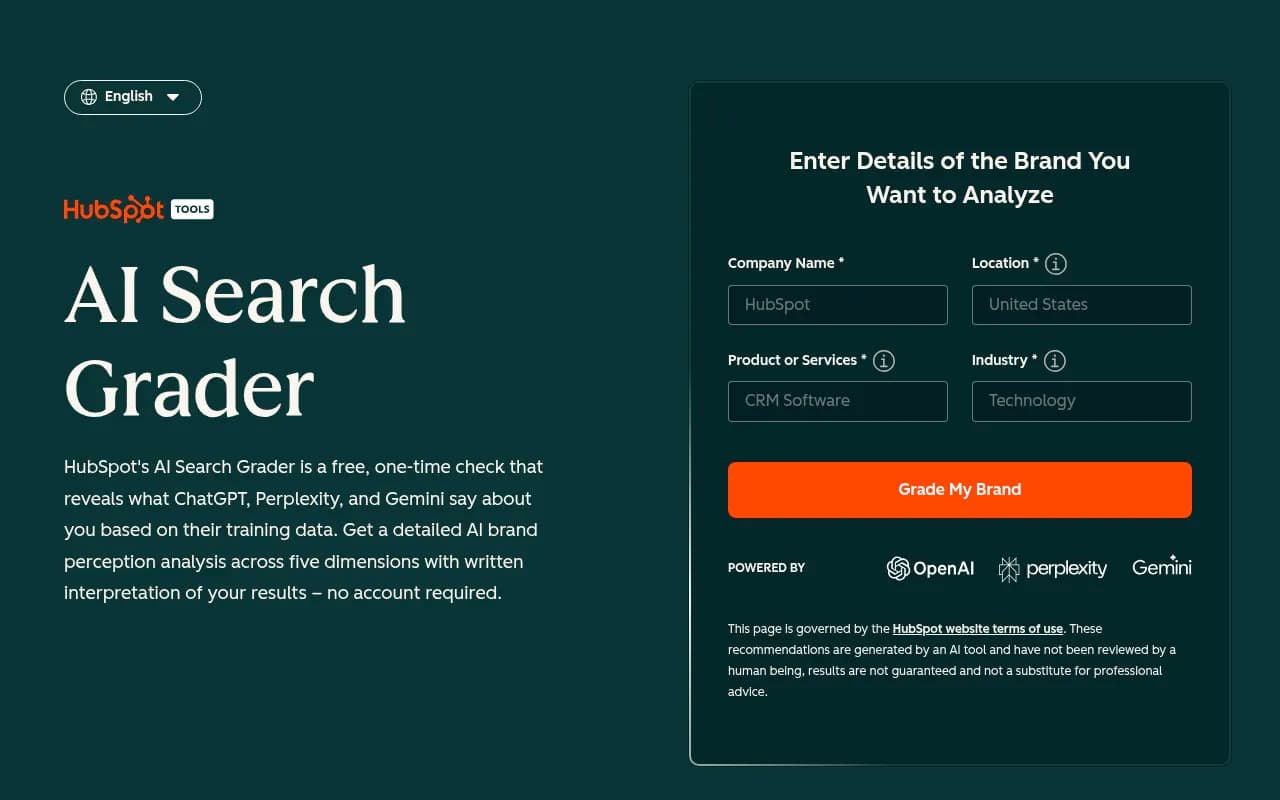
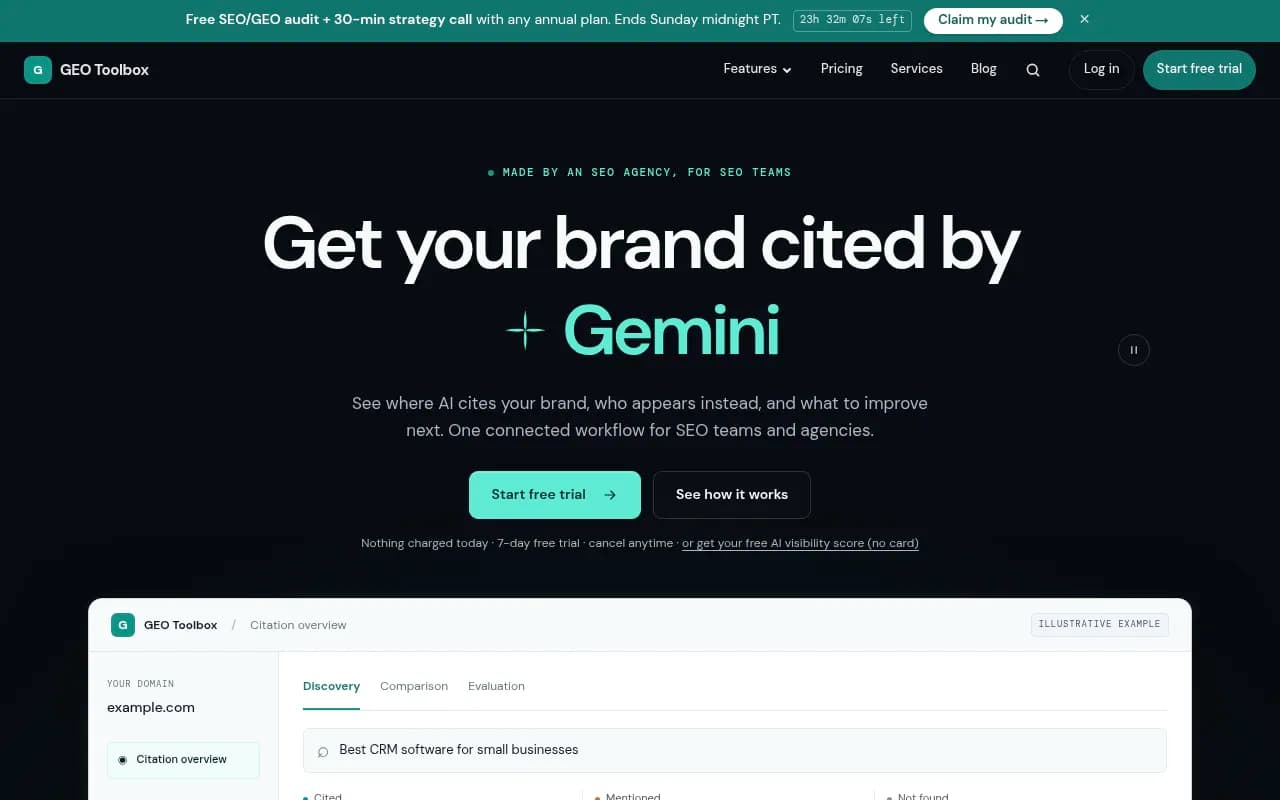
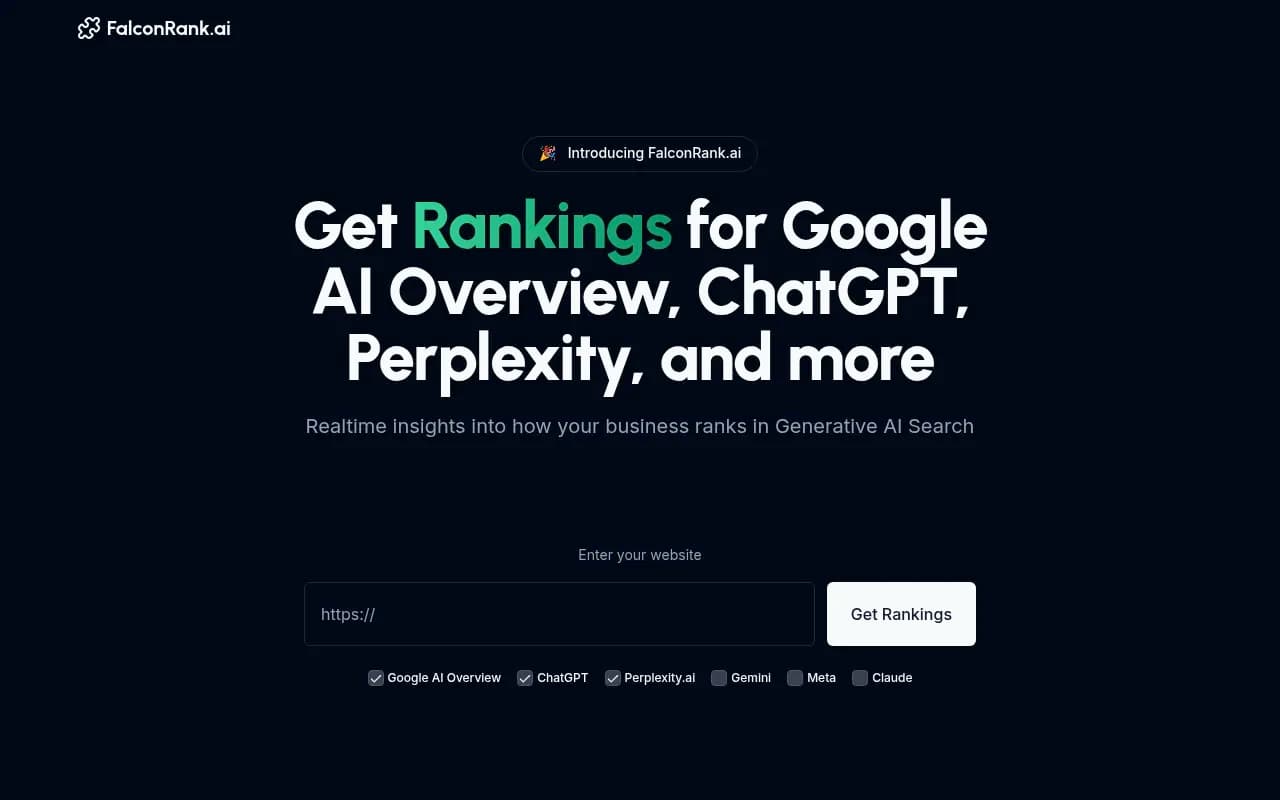
A few free checkers help as a sanity pass. Promptwatch's free AI visibility report needs no login and scans how ChatGPT, Gemini and Perplexity talk about your brand. HubSpot AEO Grader is a one-off grader, and GEO Toolbox and FalconRank offer quick free checks.
What a startup should look for in a paid tool
The enterprise GEO platforms are built for brands with a team of ten and a procurement process. For a founder, the checklist is shorter.
- Fast time to value. A meaningful first report within an hour of signup. If setup needs a call, it is not for you.
- Entry pricing that makes sense. Presenc AI suggests roughly $500-$2,000 a month as the realistic band for startup-grade GEO platforms, and warns off $5k-$10k minimums. For tracking only, plenty of tools sit far below that. Always confirm on each vendor's pricing page, because these change often and I could not verify most current prices.
- Sensible default prompts. You should not need to design a prompt taxonomy before seeing value.
- 3-5 named competitors. More than that is noise at your stage.
- Actions, not only dashboards. A chart of your mention rate does not tell a solo founder what to do on Tuesday.
- Query fan-out visibility. This one is underrated. Your tracked prompt is not what ChatGPT searches. It runs shorter, keyword-like sub-queries. Promptwatch's data put the average at about 2.15 web searches per response in early December 2025, easing to about 1.84 by early March 2026, with average query length falling from around 117 characters to the high 80s (ChatGPT query fanouts). Seeing those sub-queries tells you which pages to write: X vs Y, pricing, alternatives, how-tos.
What to skip
SSO, audit logs and data residency are real needs for a bank. They are line items you pay for and never use at seed stage. Also skip the temptation to track ten AI platforms. Pick two or three, get decent signal, then expand.
Best prompt tracking tools for startups and solo founders
There are well over a hundred tools in this category now, so this is a shortlist by use case rather than an exhaustive ranking. For the longer list, the GEO software directory at bestgeosoftware.com is a good place to keep browsing.
Promptwatch: best if you want tracking plus the fix
Promptwatch is the one I would look at first if you expect to act on the data, not just watch it. It monitors the real interfaces of ChatGPT, Gemini, Perplexity, Google AI Overviews, AI Mode, Copilot and others, then goes further than most trackers: it shows which pages get cited, where AI crawlers fail on your site (via IP-verified crawler logs), what gaps exist in your content, and it can write and publish pages through its Content Agent. Visitor analytics then show whether AI traffic converts.

Pricing, per Promptwatch: Essential is $95/mo (1 project, 50 prompts, daily tracking), Professional is $245/mo (150 prompts, 5 AEO articles, crawler logs), and Business is $579/mo and adds the automated Content Agent. There is a 7-day free trial on monthly billing, and annual billing gives 12 months for the price of 10. Check promptwatch.com/pricing before you commit. All plans include unlimited team seats and Agent Chat, which is useful when you are the whole team and do not want to build dashboards.
Honest caveat: if you only want a cheap mention counter, Essential is more than the budget tools below. The content and crawler features pay off when you intend to use them. Crisp is a public example: it reported 2x higher conversion from AI traffic compared with traditional channels (case study). That is a larger company than a solo founder, so read it as direction, not a forecast.
Otterly.AI and Peec AI: simple, affordable monitoring
Otterly.AI and Peec AI are the two names founders hear first for straightforward tracking at a lower price point. Both give you prompt sets, brand mention and citation tracking, and competitor comparison without much setup. What they generally lack compared with a full platform is crawler logs, AI traffic attribution and content generation, so you take the data and do the work elsewhere. That is fine if you already know what to write.


Budget-first options
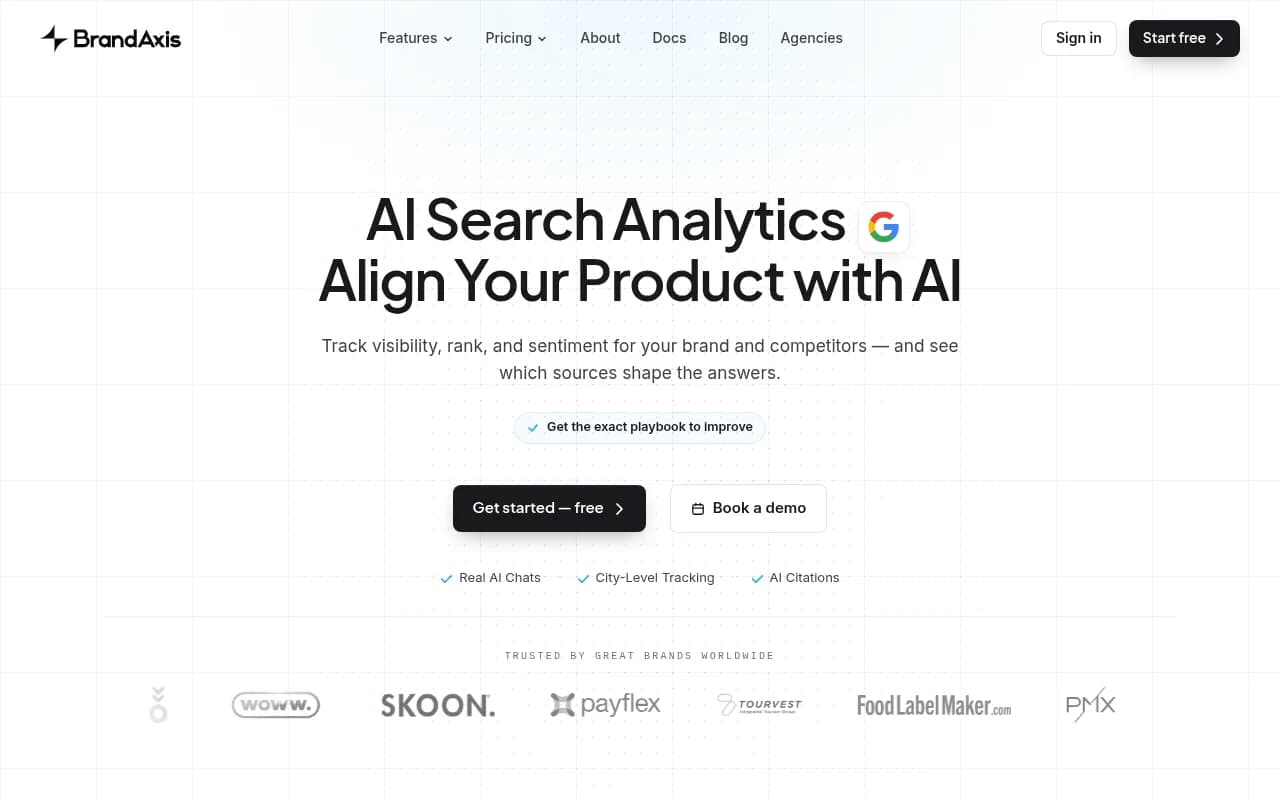
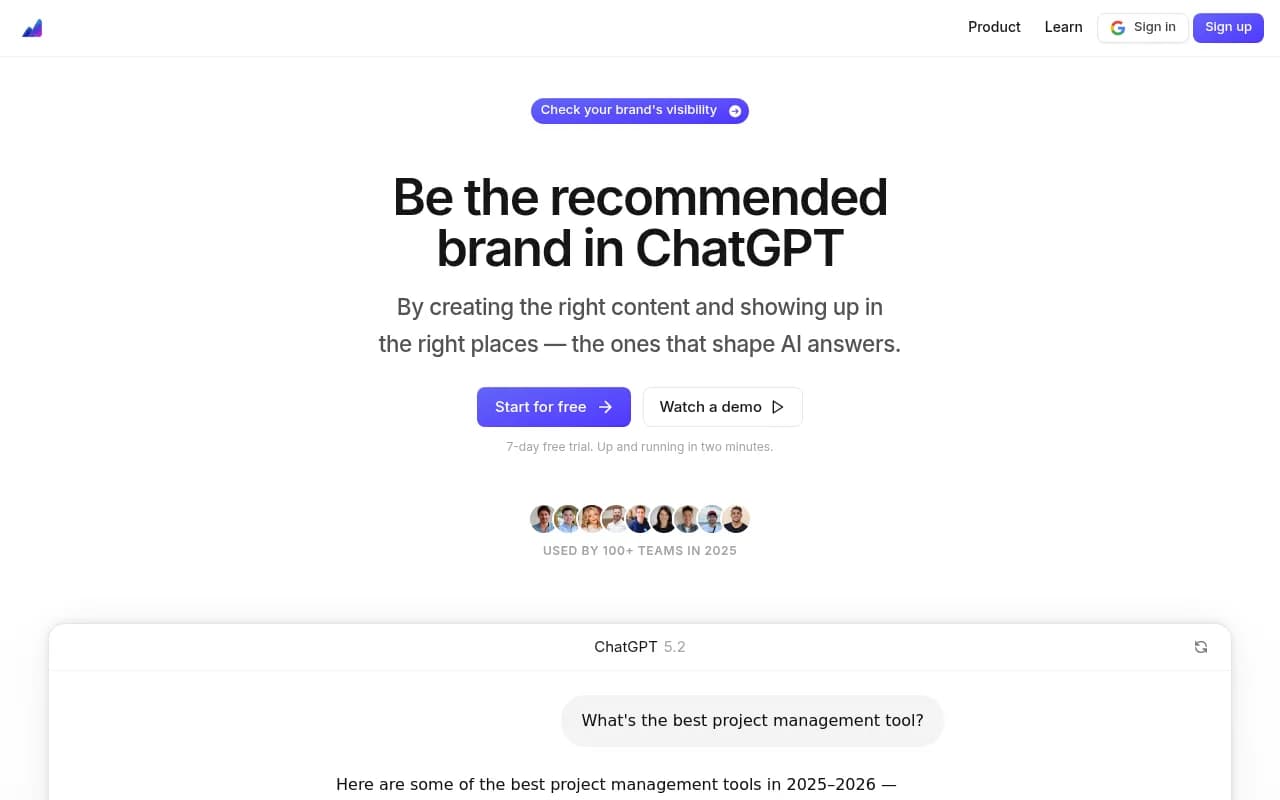
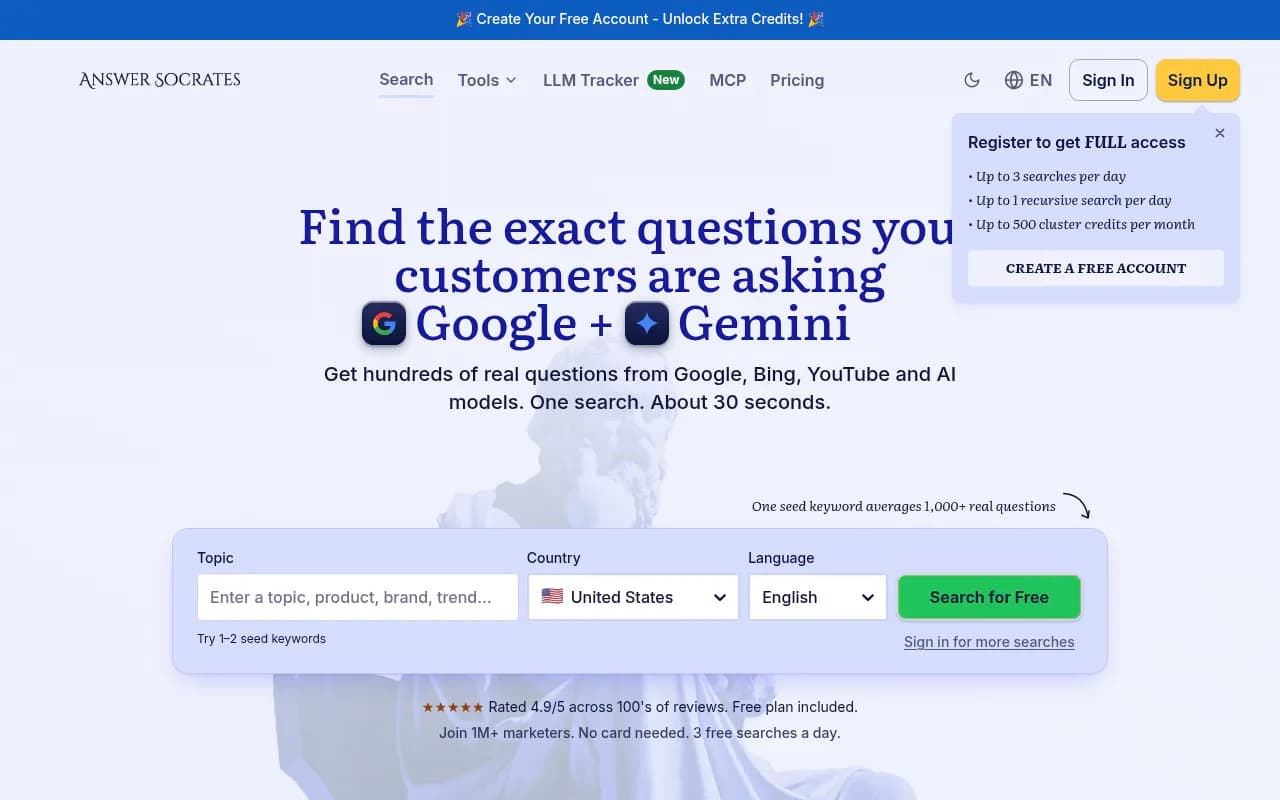
A wave of newer, cheaper tools targets small teams specifically. BrandAxis (lower-cost tracking for small teams), Airefs (affordable visibility tracking), Answer Socrates (low-cost brand tracker with content ideas), Radix AI (budget tracker with prompt research), Atyla and Geoptie all pitch to this segment. I have not verified current pricing on any of them, and some are young products, so test on a trial before building your reporting around one.

Startup and SMB-specific platforms
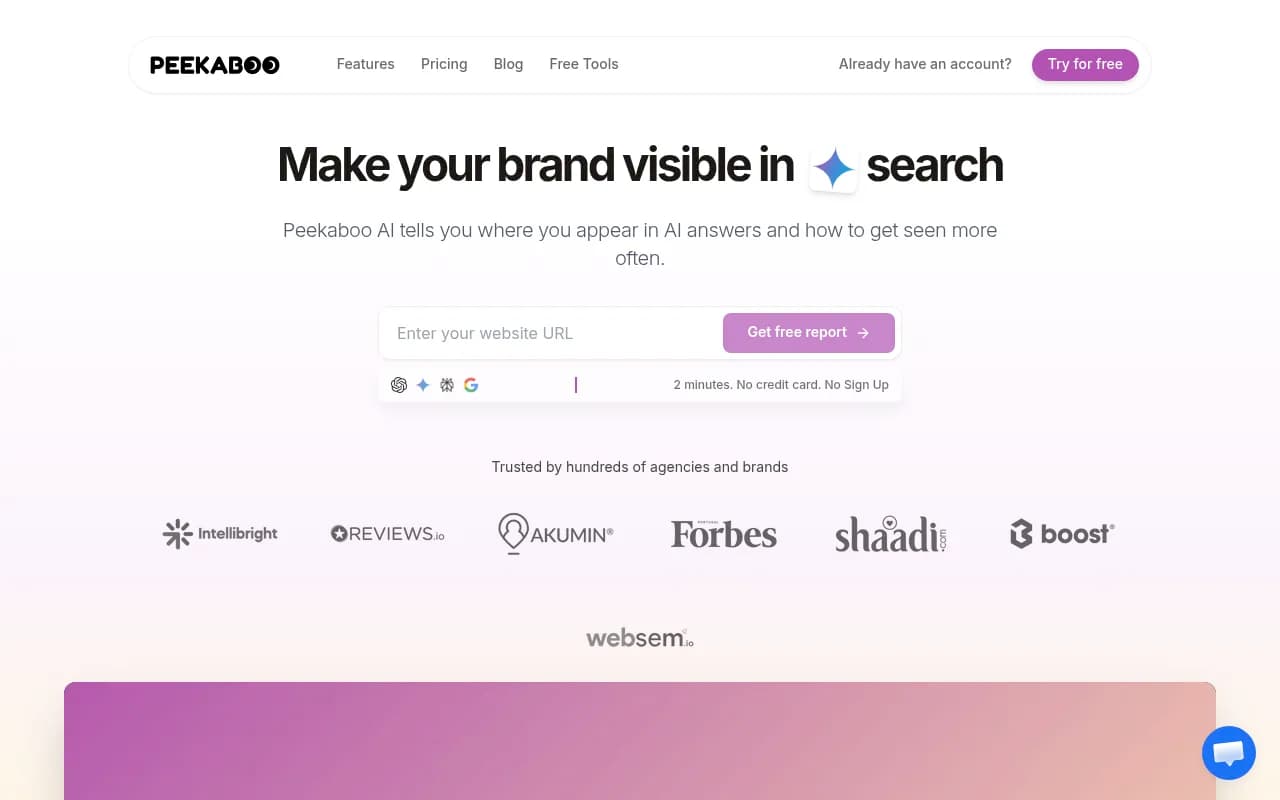
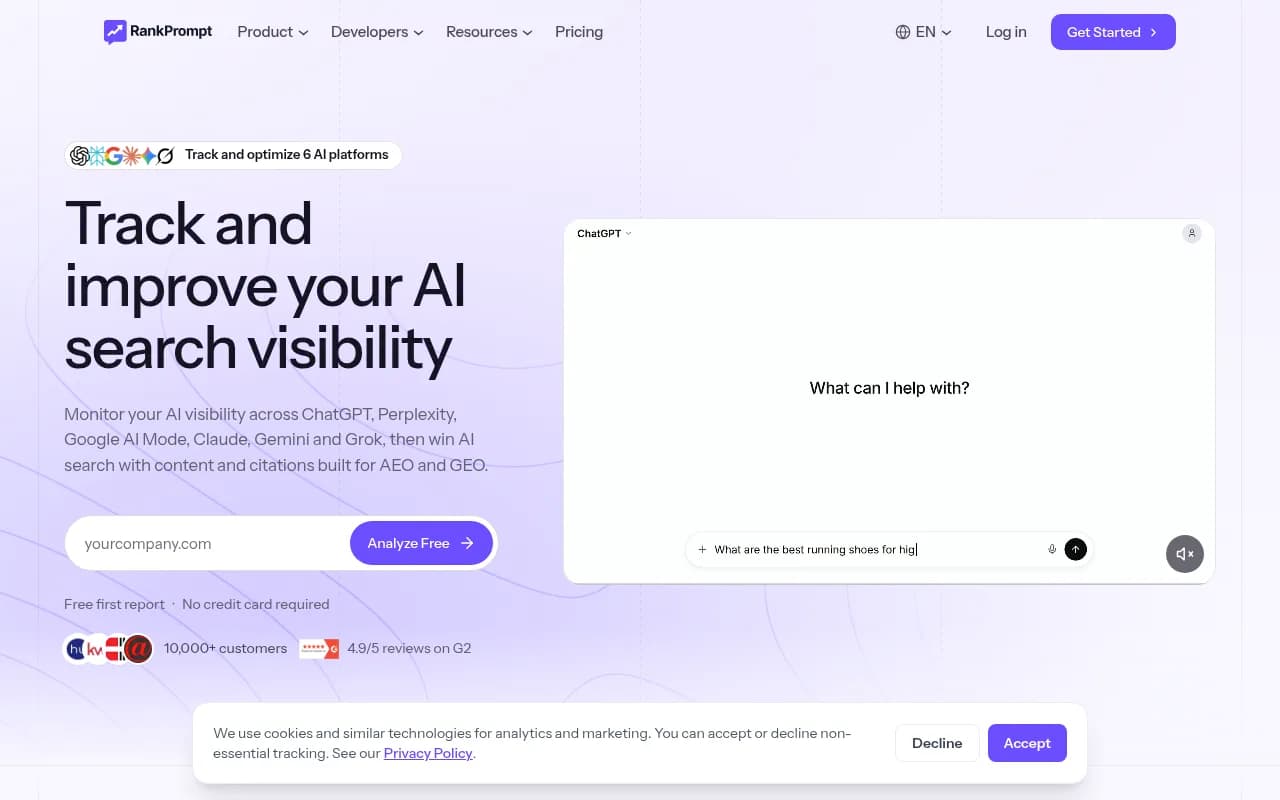
MaxAEO is a self-serve AEO platform aimed at SMBs and startups, and AI Peekaboo focuses on SaaS companies. Rank Prompt combines visibility tracking with content generation. Mentionable is a daily multi-engine tracker, and Am I on AI? is an entry-level checker.
If you already pay for an SEO suite
SE Ranking (with its SE Visible product), Semrush, and Ahrefs Brand Radar all bolt AI tracking onto tools many founders already own. Convenient, but typically with fixed prompt sets and shallower AI-specific data. Fine for a first look, limiting if AI search becomes a real channel.

Higher-end tools to know about, not to buy yet
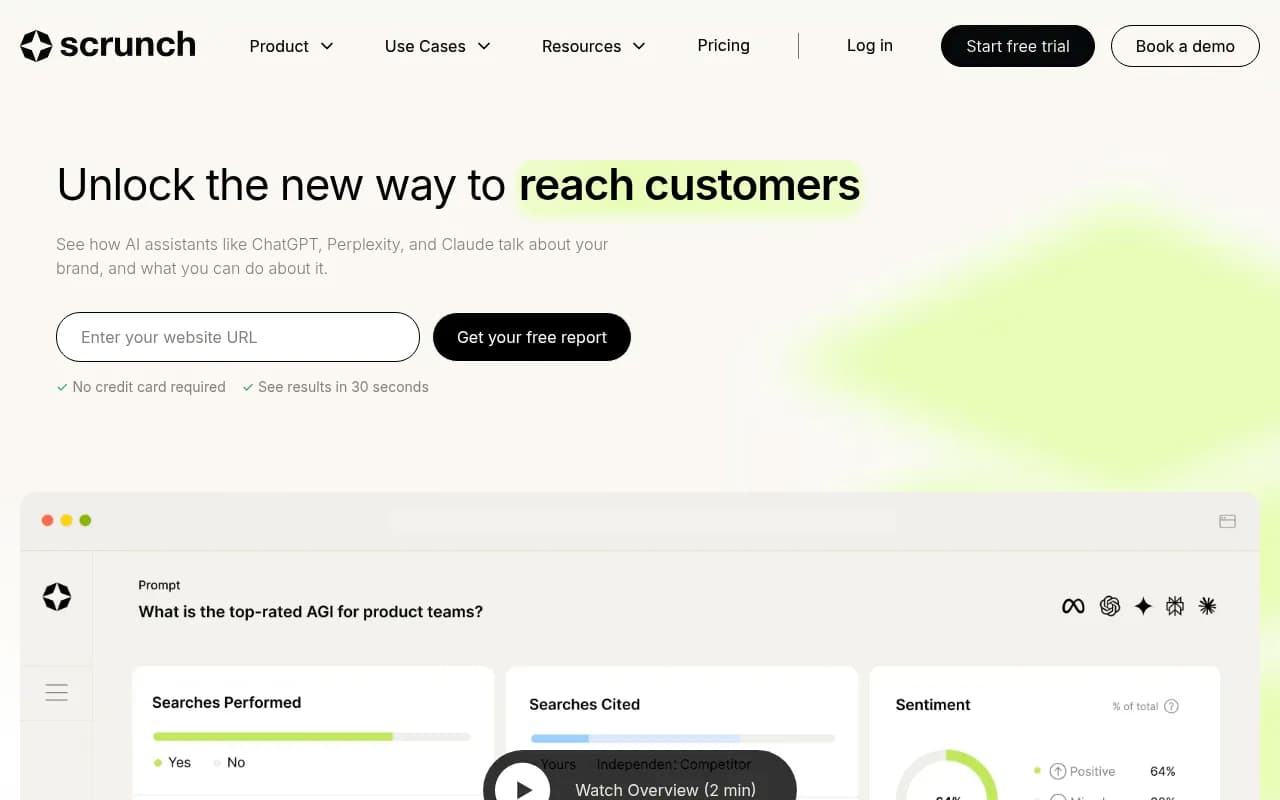
Profound, Scrunch and AthenaHQ are strong monitoring products, but they are priced and built for larger marketing teams. Look at them after Series A, not at pre-seed.


Comparison table
Prices are deliberately not listed for tools I could not verify. Confirm on each vendor's page.
| Tool | Best for | Beyond tracking? | Fit for |
|---|---|---|---|
| Promptwatch | Tracking plus fixing, with crawler logs and content | Yes: Content Agent, Action Board, AI traffic analytics | Founders who want to act on the data |
| Otterly.AI | Simple affordable monitoring | Limited | Early validation |
| Peec AI | Multi-language tracking and competitor view | Limited | Teams in several markets |
| BrandAxis / Airefs / Radix AI | Cheapest tracking | Varies | Tight budgets |
| MaxAEO / AI Peekaboo | SMB and SaaS focus | Varies | SaaS founders |
| SE Ranking / Semrush / Ahrefs | Adding AI data to an existing SEO stack | Limited | Already-paying SEO users |
| Profound / Scrunch / AthenaHQ | Deep monitoring | Some | Funded teams |
| Spreadsheet | Free baseline | No | Pre-revenue, month one |
Which one for which founder
Pre-revenue, solo, testing an idea
Spreadsheet plus the free checkers. Presenc's guidance is that paid platforms usually pay back around seed or pre-seed revenue, and before that manual work is the sensible call. I agree. Spend the saved money on talking to customers.
Seed-funded SaaS with a small marketing team
Track 20-50 prompts on ChatGPT and Perplexity against 3-5 competitors. A tool with fan-out data and action recommendations is worth more than a bigger prompt allowance. This is where Promptwatch's Essential or Professional plan, or a mid-priced alternative, makes sense. If you outsource, a specialist agency such as 1001 SEO Media, which covers GEO alongside technical SEO and content, is an option, though do not hire a dedicated GEO person before Series A.
Consumer or e-commerce startup
Start with ChatGPT and Gemini. Product visibility in shopping answers matters here, so favor a tool that covers shopping surfaces. Promptwatch has ChatGPT Shopping tracking on its Business plan.
What to do with the data
Tracking is the cheap part. The three things that actually move results for a small company:
- Entity basics. Consistent profiles on LinkedIn, Crunchbase and Product Hunt, Organization schema, and a Wikipedia or Wikidata entry if you qualify. AI models lean on these to decide who you are.
- Pages that match fan-out queries. Comparison pages, pricing explainers, alternatives pages and how-tos with headings that read like search queries. For software prompts, Promptwatch Data shows documentation and help centers earn the largest share of ChatGPT citations, with GitHub, Microsoft's docs and G2 leading (software citations, Sep 28 to Oct 4, 2026). Good docs are marketing.
- Crawl access. If AI bots cannot read your site, nothing else matters. Check robots.txt and your CDN rules, and use the free Agentic Readiness Check to see which crawlers get through.
Also, do not chase Reddit as a quick win. Promptwatch Data recorded reddit.com's share of ChatGPT citations falling from roughly 4% to 0.5% on August 14, 2026 (report). Strategies built on one source can evaporate overnight.
Common mistakes
- Running a one-off audit and calling it done. Visibility moves weekly, so you need the trend.
- Tracking branded prompts only. You will look great and learn nothing. Track the category and comparison prompts where you are not yet named.
- Judging a tool by its prompt allowance instead of the quality of what it tells you to do next.
- Mixing languages or countries in one prompt set. Keep markets separate.
Final thoughts
If I were a solo founder today, I would run the spreadsheet for a month, then trial two tools side by side on the same 20 prompts and keep whichever one told me something I did not already know. If you expect to publish content and fix crawl problems yourself, start with a Promptwatch free trial. If you only need a cheap number going up or down, one of the budget trackers will do. For more options, the AI rank tracking tools directory lists many more, and Promptwatch's data hub is free to read while you decide.