Key takeaways
- AirOps is best described as content operations infrastructure -- it excels at template-based, programmatic content at scale but requires a technically capable team to get real value from it
- Its workflow automation is genuinely strong: it forces you to break SEO tasks into discrete steps (SERP analysis, gap finding, briefing, drafting), which improves consistency
- Brand governance and editorial flexibility are real weaknesses -- teams with nuanced guidelines or complex review processes often hit friction
- AI-generated output requires human review; AirOps is not a "publish and forget" tool
- For teams that need AI search visibility tracking alongside content creation, AirOps has gaps -- dedicated GEO platforms like Promptwatch handle that side of the equation better
What AirOps actually is (and isn't)
AirOps started as a template-based AI writing tool and has since grown into something more ambitious: a content workflow platform designed to connect research, briefing, drafting, and optimization into a single automated pipeline.
The honest framing, from multiple independent reviews, is that it's "content operations infrastructure" rather than a simple SEO tool. That distinction matters. If you're looking for a tool you can hand to a junior writer and get polished output in 20 minutes, AirOps is probably not it. If you're a content team that wants to build repeatable, scalable systems for producing SEO content -- and you have the technical appetite to set those systems up -- it's a more compelling option.
The platform's core value is workflow automation. It lets you chain tasks together: pull SERP data, run competitor analysis, generate a brief, draft a section, run an optimization pass. Each step feeds into the next without manual copy-pasting. One Reddit user who tested it for SEO and AEO workflows noted that "AirOps forces you to break SEO and AEO into atomic tasks... that alone makes you think more clearly about your process."
That's a real benefit. But it also signals the learning curve.
What AirOps does well
Programmatic content at scale
This is where AirOps genuinely shines. If you need to produce hundreds of location pages, product descriptions, or data-driven articles from a structured input, AirOps handles it well. The template system lets you define a content format once and run it across a large dataset with consistent structure and tone.
For SEO teams running large-scale programmatic campaigns, this is a meaningful time saver. The output isn't perfect -- human review is still required -- but the scaffolding is solid.
Workflow automation and task chaining
The ability to connect discrete content tasks into a pipeline is AirOps' most distinctive feature. Rather than jumping between tools for keyword research, briefing, and drafting, you can build a workflow that handles the handoffs automatically. This reduces context loss between steps and makes the overall process more auditable.
Teams that have invested time in building these workflows report meaningful efficiency gains. The setup cost is real, but the payoff compounds over time.
Pre-built workflow templates
For teams that don't want to build from scratch, AirOps offers pre-built templates for common SEO tasks: content briefs, meta descriptions, FAQ generation, competitor gap analysis. These lower the barrier to entry and give teams a starting point they can customize.
Integration with SEO data sources
AirOps connects to tools like Google Search Console, Semrush, and Ahrefs, pulling in keyword and SERP data to inform content generation. This grounding in real search data is a meaningful advantage over generic AI writing tools that generate content in a vacuum.
Where AirOps falls short
Brand governance is limited
This is the most consistent complaint across independent reviews. AirOps' controls for enforcing brand voice, tone guidelines, and compliance requirements are relatively basic. For teams with detailed style guides or regulated content requirements, the tool often generates output that needs significant editing before it sounds like the brand.
The workaround -- embedding brand instructions into every template -- works up to a point, but it's manual and fragile. One editorial change to your brand guidelines means updating every template.
Template rigidity at scale
The template-based model that makes AirOps efficient for standardized content becomes a constraint when your content needs are more varied. Custom editorial workflows, multi-stage review processes, and nuanced content types don't fit neatly into the template paradigm. Teams with diverse content needs often find themselves fighting the tool's structure rather than working with it.
AI search visibility tracking is thin
This is a significant gap for teams operating in 2026. AI search -- ChatGPT, Perplexity, Google AI Overviews, Gemini -- is now a real traffic source, and understanding whether your content is being cited by these models is increasingly important. AirOps has added some AI visibility features, but they're not its core strength. If tracking and improving your brand's presence in AI search is a priority, you'll need a dedicated tool alongside AirOps.
Promptwatch is purpose-built for this -- it tracks citations across 10+ AI models, identifies content gaps where competitors are visible but you're not, and generates content specifically engineered to close those gaps.

The output still needs human editors
AirOps is honest about this, and so are the reviews: the AI-generated content is decent but not publication-ready. Every piece needs a human pass for tone, accuracy, and positioning. For teams expecting to reduce editorial headcount, this is a reality check. AirOps speeds up the drafting stage; it doesn't replace editorial judgment.
Setup time is real
Building effective workflows in AirOps takes time. The platform rewards teams that invest in configuration, but that investment is non-trivial. Smaller teams or those without a dedicated content ops person may find the setup overhead hard to justify.
Who AirOps is actually for
Based on the available evidence, AirOps fits a specific profile:
- Mid-to-large content teams that produce high volumes of structured content
- Teams with a dedicated content ops or marketing ops person who can build and maintain workflows
- Organizations running programmatic SEO campaigns (location pages, product pages, data-driven articles)
- Teams that already have a clear content strategy and need to execute it faster
It's less suited to:
- Small teams or solo SEO practitioners who need a simple, low-setup tool
- Teams with complex brand governance requirements
- Organizations where AI search visibility tracking is a primary concern
- Anyone who needs publication-ready output without significant editorial review
AirOps pricing (2026)
AirOps uses a credit-based pricing model. Specific plan tiers and pricing aren't fully public without signing up, but the platform offers a free trial. Paid plans scale based on the number of workflows, AI credits, and seats. Enterprise pricing is available for larger teams.
The credit model means costs can be unpredictable if your team's usage varies significantly month to month -- worth factoring in when evaluating total cost of ownership.
How AirOps compares to alternatives
The AI content and SEO workflow space has gotten crowded. Here's an honest comparison of AirOps against the tools most commonly evaluated alongside it:
| Tool | Best for | Workflow automation | AI visibility tracking | Brand governance | Content generation |
|---|---|---|---|---|---|
| AirOps | Programmatic SEO at scale | Strong | Limited | Basic | Strong |
| Jasper | Marketing copy and brand voice | Moderate | None | Strong | Strong |
| Surfer SEO | On-page content optimization | Moderate | Limited | Basic | Moderate |
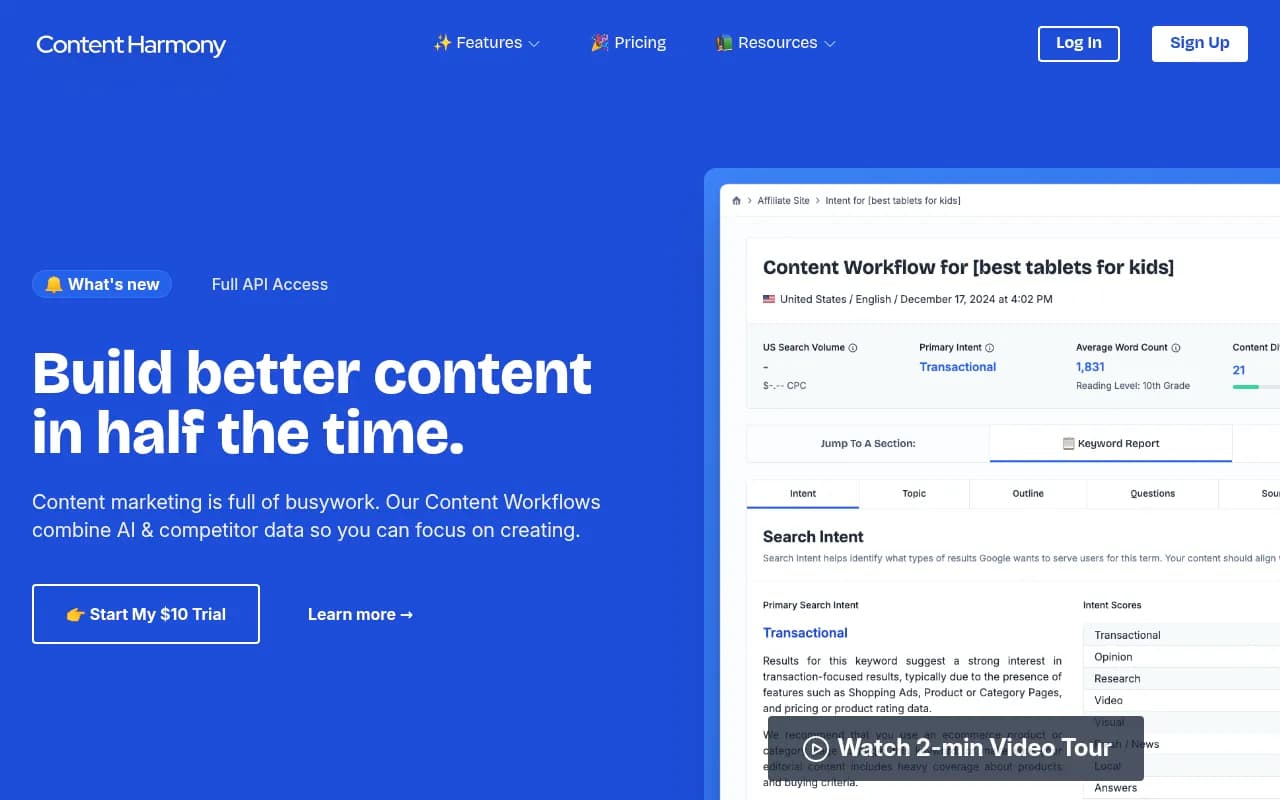
| Frase | Content briefs and research | Moderate | None | Basic | Moderate |
| MarketMuse | Content strategy and planning | Moderate | Limited | Basic | Moderate |
| Clearscope | Content grading and optimization | Basic | None | Basic | None |
| Promptwatch | AI search visibility + content gaps | Strong | Best-in-class | Moderate | Strong (GEO-focused) |
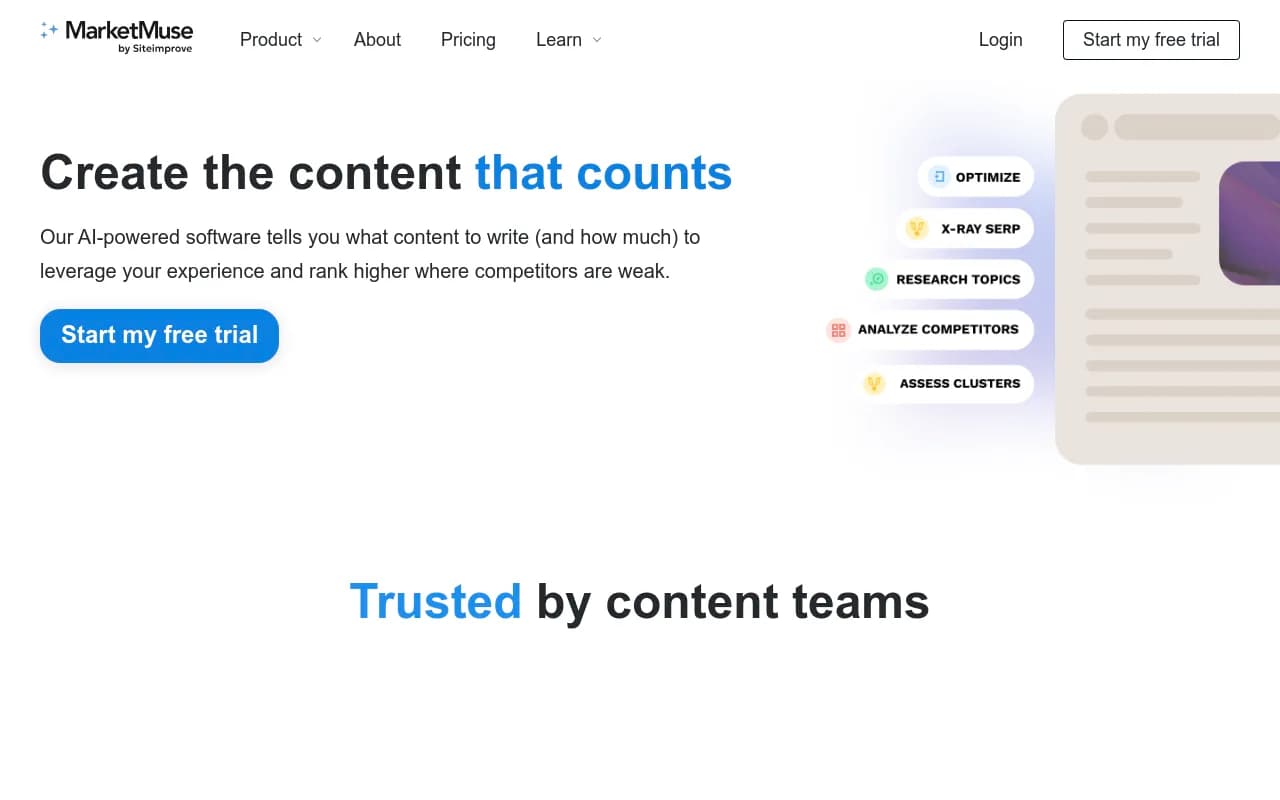

AirOps vs Jasper
Jasper is the stronger choice if brand voice consistency is your primary concern. Its brand voice controls are more sophisticated, and it's designed for marketing teams that need output sounding like a specific company. AirOps wins on workflow automation and programmatic scale.
AirOps vs Surfer SEO
Surfer is more focused on content optimization -- grading existing content and guiding writers toward better on-page SEO. AirOps is more about generating content at scale. They're complementary rather than direct competitors, and many teams use both.
AirOps vs Frase
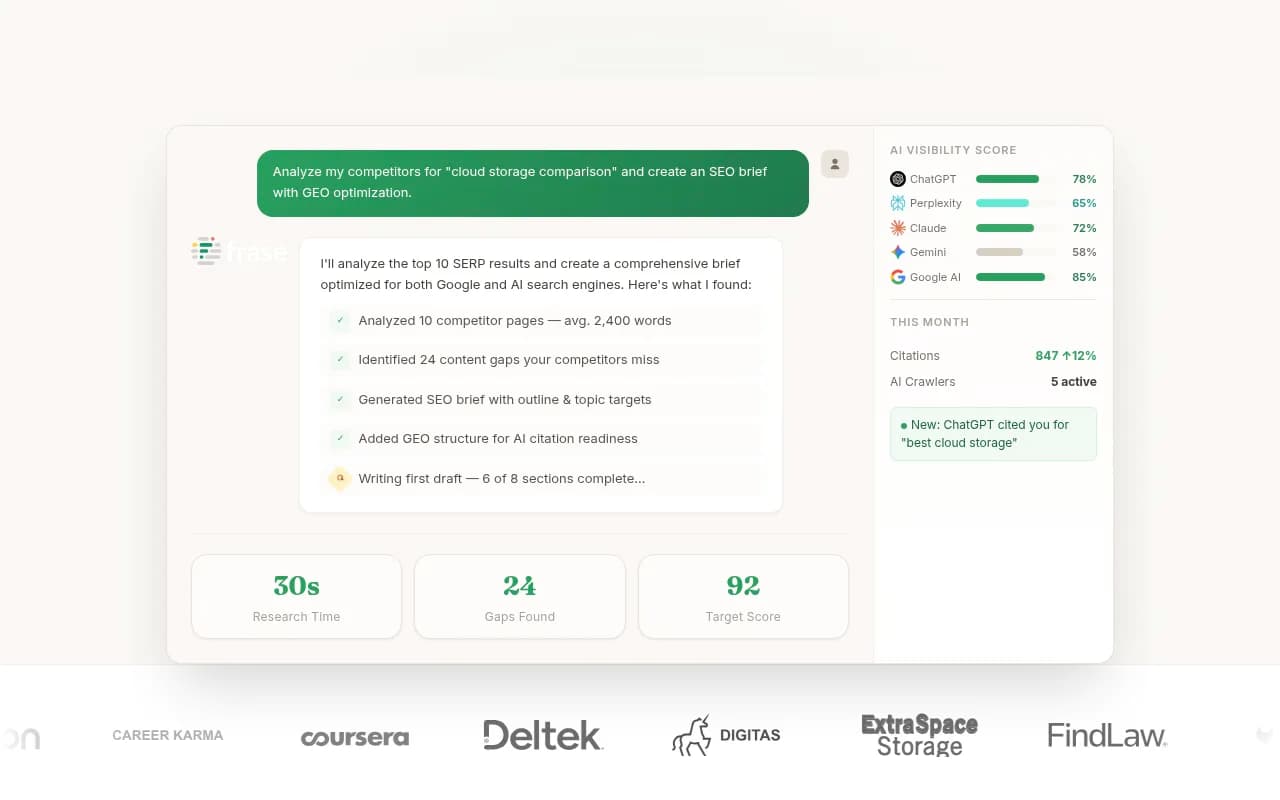
Frase is a solid alternative for teams that prioritize research-driven content briefs. It's simpler to set up than AirOps and better suited to smaller teams. AirOps has more powerful automation capabilities but requires more configuration.
AirOps vs Promptwatch (for AI search visibility)
These tools aren't direct competitors -- they solve different problems. But if your goal is to appear in AI search results, AirOps' content generation capabilities need to be paired with something that actually tracks and optimizes AI visibility. Promptwatch does this: it identifies which prompts competitors are being cited for, generates content to close those gaps, and tracks the results as AI models start citing your pages. AirOps generates content; Promptwatch tells you what content to generate and whether it's working.
The AI search visibility gap
One thing worth addressing directly: in 2026, "SEO" increasingly means AI search, not just Google rankings. ChatGPT, Perplexity, and Google AI Overviews are now meaningful traffic sources for many categories, and the content that gets cited in those answers is often different from what ranks in traditional search.
AirOps was built primarily for traditional SEO content production. Its AI visibility features are an add-on, not a core capability. Teams that are serious about appearing in AI search results need to think carefully about whether AirOps alone is sufficient.
The gap analysis workflow -- understanding which questions AI models are answering with competitor content instead of yours -- requires dedicated tooling. That's a different problem from "generate 500 location pages efficiently," which is where AirOps is strongest.
Practical verdict
AirOps is a legitimate platform for content teams that need to produce structured, SEO-focused content at scale. The workflow automation is real, the programmatic content capabilities are strong, and the integrations with SEO data sources are useful.
The caveats are also real: setup takes time, brand governance is limited, and the output requires human review. It's infrastructure, not a magic button.
For teams evaluating AirOps in 2026, the key question is whether your primary need is content production volume or AI search visibility. If it's volume, AirOps is worth serious consideration. If it's AI visibility -- understanding where you're invisible in ChatGPT and Perplexity and fixing it -- you need a different tool, or at minimum a dedicated complement.
The teams getting the most value from AirOps tend to be those who've accepted it as one layer in a broader content stack, not a standalone solution. That's a reasonable way to think about it.
Tools worth exploring alongside AirOps
If you're building a content stack for 2026, here are a few tools that complement or compete with AirOps depending on your specific needs:
For content briefs and research:
For on-page optimization:
For AI search visibility tracking:

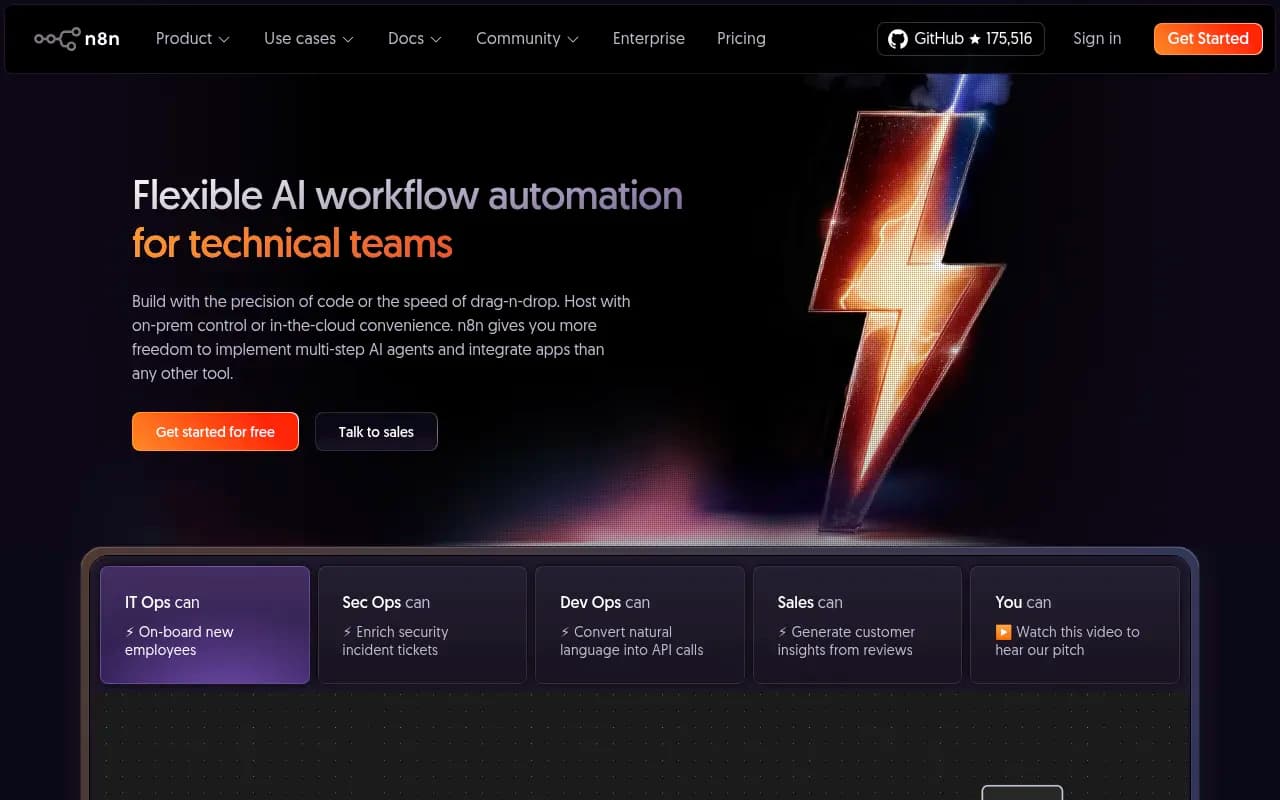
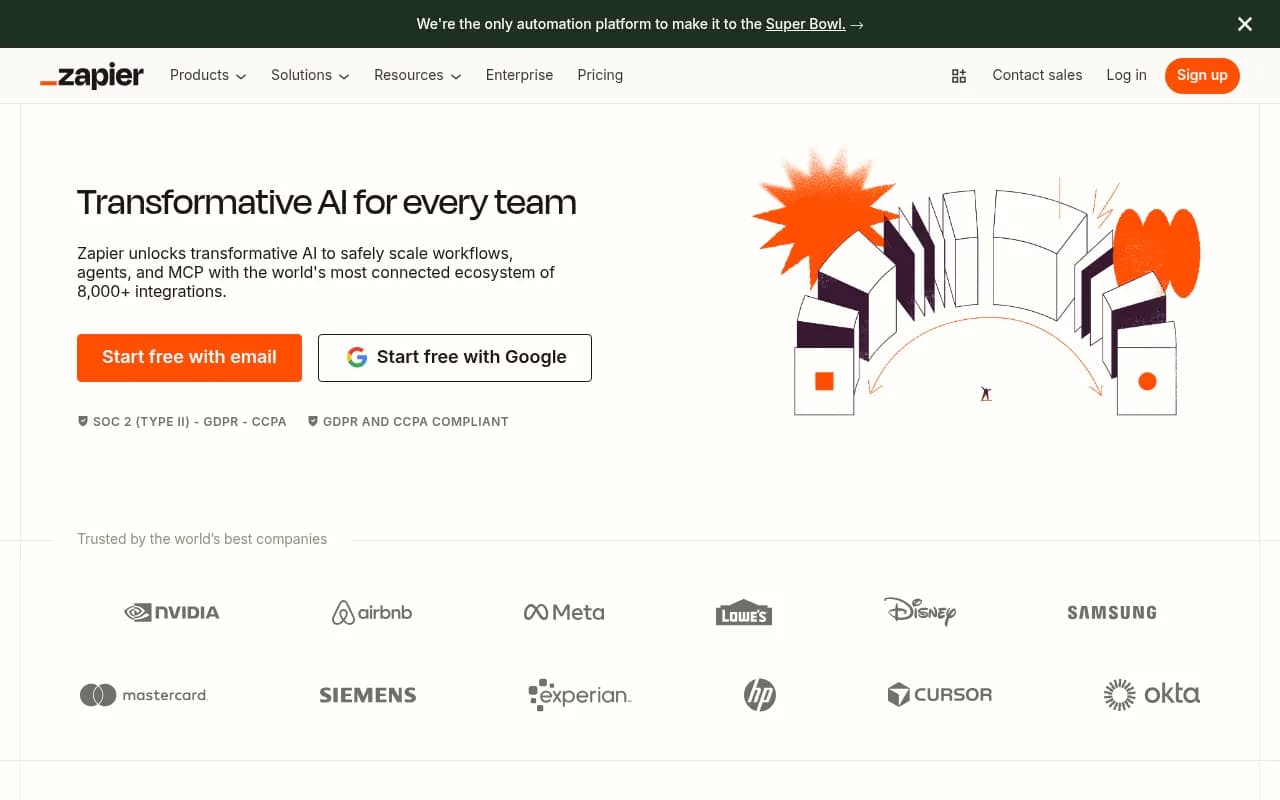
For workflow automation beyond content:
The right stack depends on your team size, content volume, and how much weight you're putting on AI search visibility versus traditional SEO. AirOps earns a place in that stack for the right team -- just go in with clear expectations about what it does and doesn't do.