Key takeaways
- AI visibility is an added layer, not a replacement for SEO. Most cited pages are ordinary web pages, so crawling, indexing and site health tooling stays.
- Rank trackers alone cannot show whether ChatGPT, Perplexity or AI Overviews cite you. You need a separate AI visibility layer for that.
- Cancel or downgrade tools built around Reddit and social seeding for ChatGPT visibility. ChatGPT cited social platforms in just 0.46% of citations in Promptwatch's Sep 28 to Oct 4, 2026 data.
- Monitoring-only AI trackers are the easiest to overpay for. Pick tools that tell you what to fix, or at least show crawler and traffic data.
- Most teams can consolidate to three layers: technical SEO, AI visibility with action, and content.
The short answer
Nobody is replacing SEO in 2026. A thread on r/DigitalMarketing put it plainly: AI visibility is an added layer, and traditional SEO still drives most traffic. I agree with that, with one caveat. The measurement is what broke, not the work.
A rank tracker tells you where you sit on a results page. It says nothing about whether ChatGPT names you when someone asks for the best tool in your category. Otterly's 2026 roundup cites The Digital Bloom's 2025 report claiming only 11% of cited domains overlap between ChatGPT and Perplexity, and that roughly 80% of LLM citations don't rank in Google's top 100 for the same query. That is a vendor-quoted figure, so treat it as directional. But it matches what most teams see: ranking and being cited are related, not the same.
So the question is not "SEO or AI visibility." It is which of your current subscriptions are doing a job that still matters, and which are duplicating each other.
What AI visibility tools actually measure
AI visibility tools run prompts against ChatGPT, Google AI Overviews, Perplexity, Gemini, Copilot and others, then record whether your brand is mentioned, where it appears, how it is described and which pages get cited. Good ones add competitor share of voice, sentiment and citation sources.
Traditional SEO tools measure something else: keyword positions, backlinks, crawlability, on-page issues, search demand. Frase's comparison sums it up well: rank position versus citation in the answer. Two metrics, two toolsets.
The overlap is smaller than vendors suggest. Semrush, Ahrefs, BrightEdge and Conductor have all added AI features. Profound's agency guide points out the tradeoffs: narrower engine coverage, keyword-derived prompts instead of real conversations, and no AEO-specific content workflows. Profound sells a competing product, so weigh that, but the pattern is real. Ahrefs Brand Radar, for example, is a useful bolt-on, not a full AI search program.
What you must keep
Technical SEO crawling and site health
Promptwatch's data on what ChatGPT cites makes this one easy. In its Sep 28 to Oct 4, 2026 analysis, product pages were 22.4% of ChatGPT citations and landing pages 16.8%. Together, 39% of citations go to pages describing what a company sells. Listicles were 13.6%, documentation 7.5%, how-tos 8.7%.
These are plain web pages. If they are slow, orphaned, blocked, duplicated or missing from your sitemap, no AI layer fixes that. Keep your crawler.
For larger sites, enterprise crawlers like Botify, Oncrawl, Lumar and JetOctopus still earn their cost, mainly through log analysis and scale.
Google Search Console and baseline rank tracking
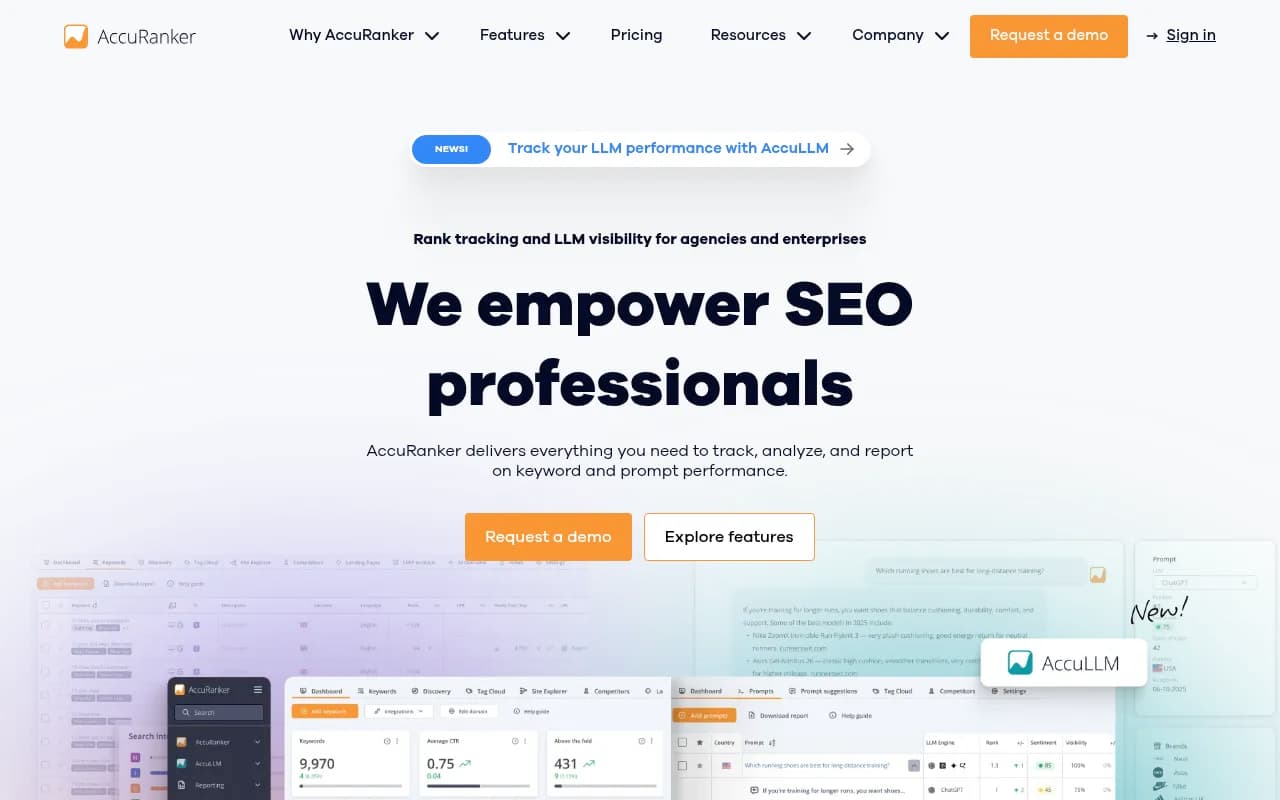
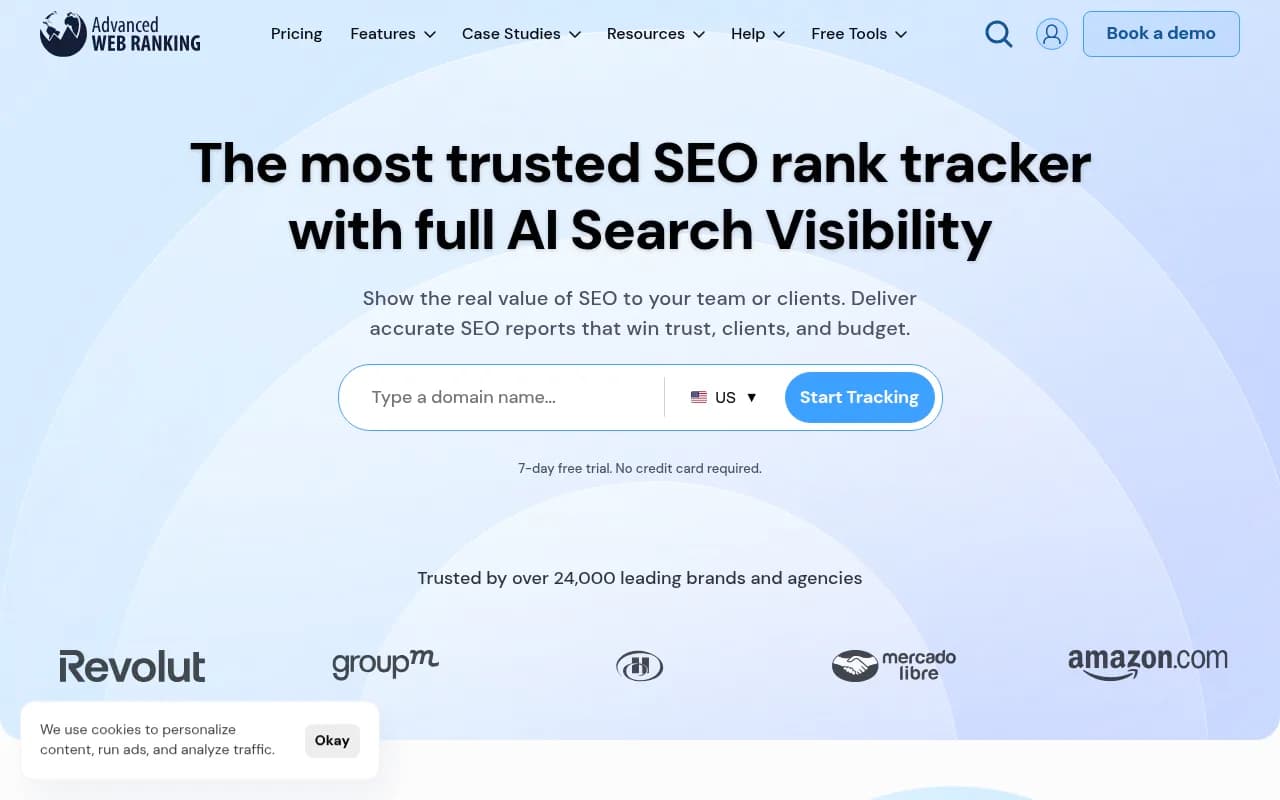
Google still sends most traffic for most sites. You need rank tracking for the queries that pay the bills, and Search Console is free. A dedicated rank tracker such as AccuRanker, Advanced Web Ranking or Wincher is fine to keep if you already use one.
Keyword research and backlink data
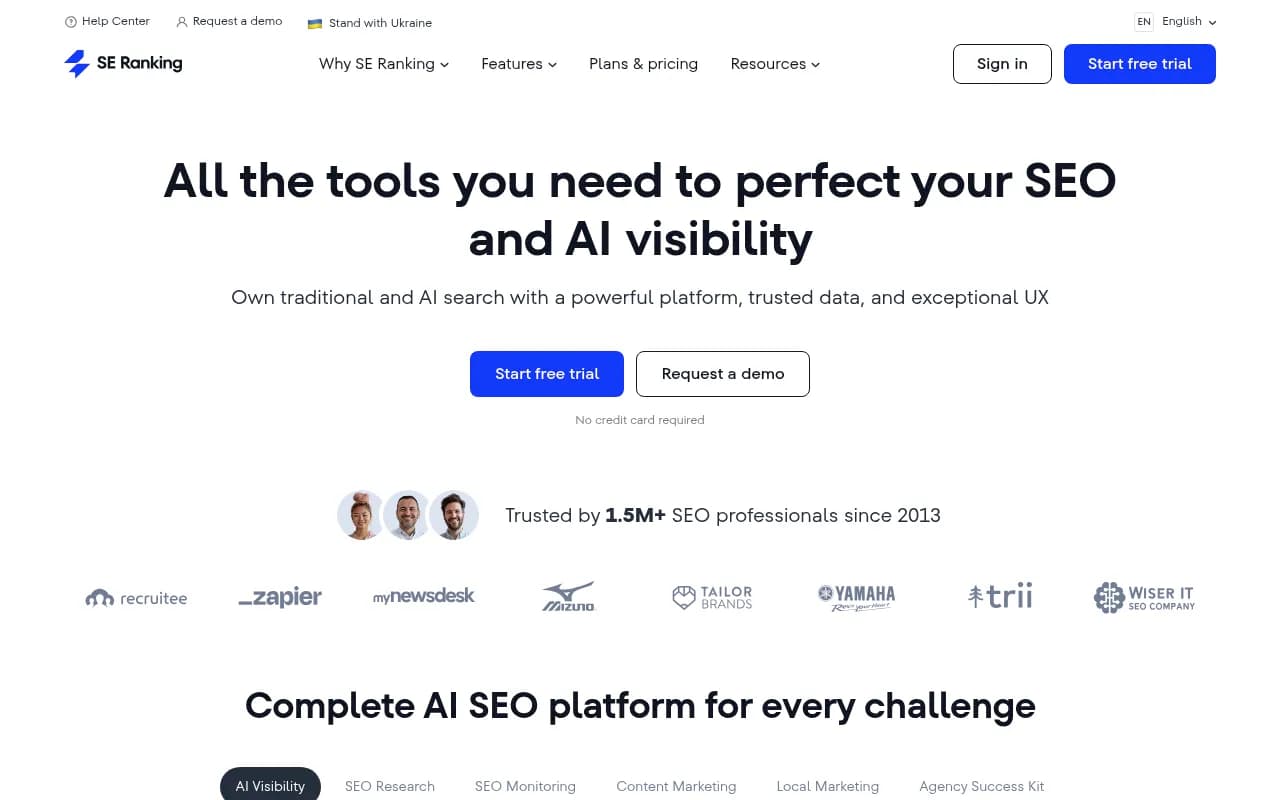
Search demand and link data haven't stopped being useful. Semrush, Ahrefs and SE Ranking remain the workhorses here. If you run one of them, you probably don't need a second suite.
Content optimization, with a caveat
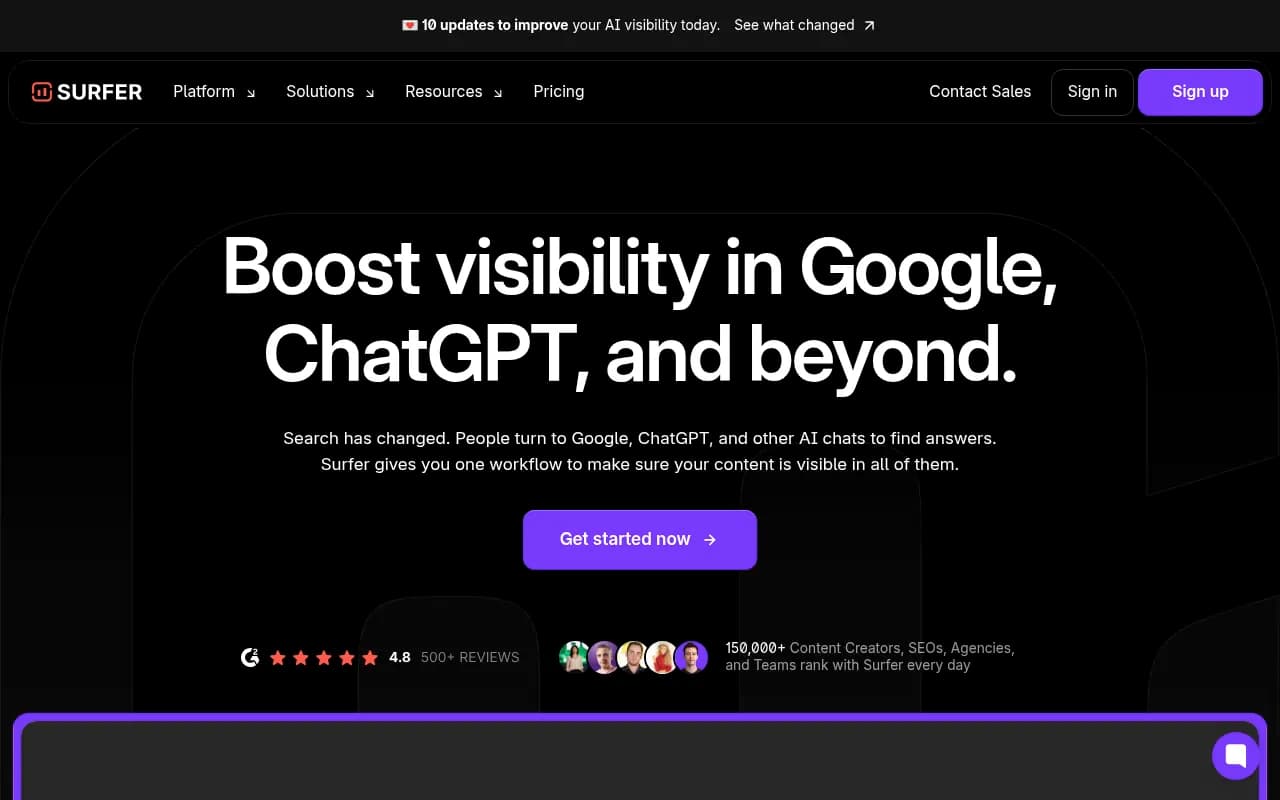
Surfer, Clearscope, MarketMuse and NeuronWriter still help writers cover a topic properly. Keep one. Don't keep three. They overlap heavily, and none of them tells you whether AI cites the finished page.

What you can probably cancel
Duplicate content scoring tools
If you pay for Surfer and also Page Optimizer Pro, NeuronWriter and a Semrush Writing Assistant seat, you are paying four times for similar term-coverage scores. Pick the one your writers actually open.
Reddit and social seeding for ChatGPT visibility
This is the clearest cancel call in 2026. Promptwatch Data shows reddit.com's share of ChatGPT citations collapsed from roughly 4% to 0.5% on August 14, 2026. In the Sep 28 to Oct 4 social citations report, all seven social platforms together were 0.46% of ChatGPT citations, and Reddit alone was 0.09%.
It is not zero everywhere. Google AI Overviews drew 12.2% of its citations from social platforms, about 26 times ChatGPT's share, with YouTube at 4.28% and Facebook at 2.38%. Perplexity sat at 2.7%. So the rule is narrower than "social is dead": stop paying for Reddit-thread tooling aimed at ChatGPT, and keep YouTube if Google audiences matter to you.
Pure monitoring dashboards you never act on
If you pay for a tracker, open it twice a quarter and nothing changes afterward, cancel it. A dashboard that only tells you the brand was mentioned is not a program. Cheaper monitors like Otterly, Peec AI or Rankscale are fine for a small team that wants a basic readout. A large monitoring-only contract is harder to justify.
Overlapping AI add-ons inside suites you already own
If your SEO suite includes AI tracking and you also bought a standalone tracker that does the same thing with fewer engines, one of them goes. Test both on the same 30 prompts for a month and keep the one that gives you more actionable output.
What you should add
The gap in most stacks is not a second rank tracker. It is three things SEO tools don't give you:
- Prompt-level visibility across AI engines, ideally from the real user interface rather than only API calls.
- AI crawler logs, so you can see whether GPTBot, ClaudeBot or PerplexityBot are reaching your pages or hitting errors.
- A way to connect AI citations to traffic and to the content you ship.
On crawlers, Promptwatch's AI crawler traffic data shows OpenAI at 79.8% of IP-verified AI crawler requests in Aug 31 to Sep 6, 2026, down from 94.8% in early June. Meta-WebIndexer, meanwhile, went from about 2% to nearly 38% of tracked requests between mid-July and August 9. The mix changes fast. If a provider is large in that data but near zero in your logs, you may be blocked by robots.txt, a CDN or a WAF rule. A traditional SEO crawler won't tell you that.
Promptwatch is the platform I would look at first for this layer, because it covers prompt tracking, IP-verified crawler logs, AI traffic attribution and a content agent that publishes to Webflow, WordPress or Framer. Most trackers stop at monitoring.

Comparison: SEO tools vs AI visibility tools
| Job | Traditional SEO tool | AI visibility tool | Keep, cancel or add |
|---|---|---|---|
| Crawl and fix site issues | Screaming Frog, Sitebulb, Botify | Rarely covered | Keep |
| Google rankings | Semrush, Ahrefs, AccuRanker | Not covered | Keep |
| Keyword research and backlinks | Semrush, Ahrefs, SE Ranking | Partial (prompt volumes) | Keep |
| Content scoring | Surfer, Clearscope | Limited | Keep one, cancel duplicates |
| Citations in ChatGPT, Perplexity, AIO | Mostly bolt-ons | Core feature | Add |
| AI crawler logs | Generic log tools | A few platforms | Add |
| AI referral traffic | Analytics tweaks | Some platforms | Add |
| Reddit seeding for ChatGPT | Niche tools | Tracking only | Cancel |
| Monitoring-only dashboards | N/A | Many tools | Cancel if unused |
Choosing your AI visibility layer
Prices below come from vendor-authored comparison articles, so verify them on each vendor's pricing page. I wasn't able to confirm current plans independently.
| Option | Best for | Strength | Watch out for |
|---|---|---|---|
| Promptwatch | Teams that want to track and fix | Crawler logs, traffic attribution, Content Agent, Action Board | More capability than a team that only wants a score |
| Profound | Enterprise and agencies | Large prompt data, agency workspaces | Higher price, can be heavy for small teams |
| Semrush One | Teams already on Semrush | Integration with the suite | Narrower AI-specific depth |
| SE Ranking / SE Visible | SMBs wanting SEO plus AI | Lower entry price | Fuller AI checks may be an add-on |
| Otterly.AI | Small teams, budget | Simple, affordable monitoring | Monitoring and reporting only |
| Peec AI | Agencies wanting clean dashboards | Reporting, multi-language | No content generation |
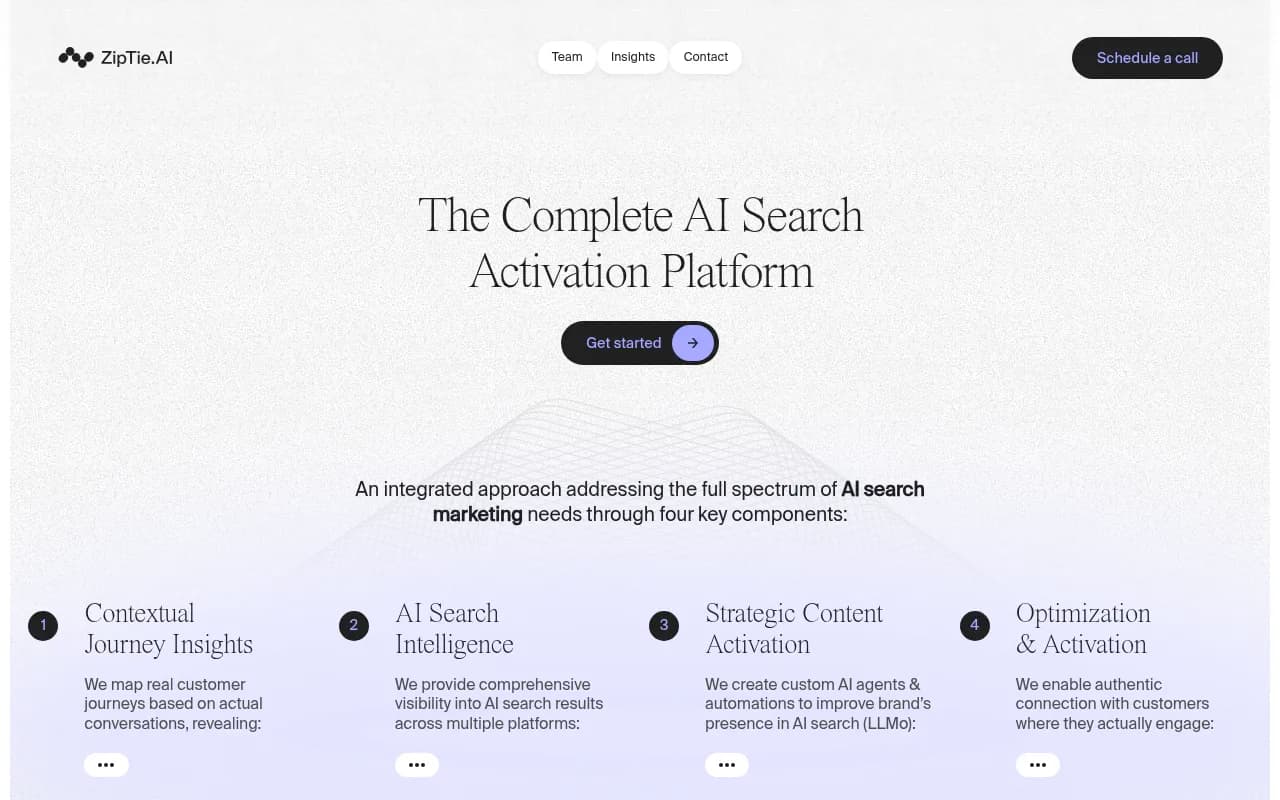
| ZipTie | Technical GEO audits | Indexation-focused checks | Fewer engines |
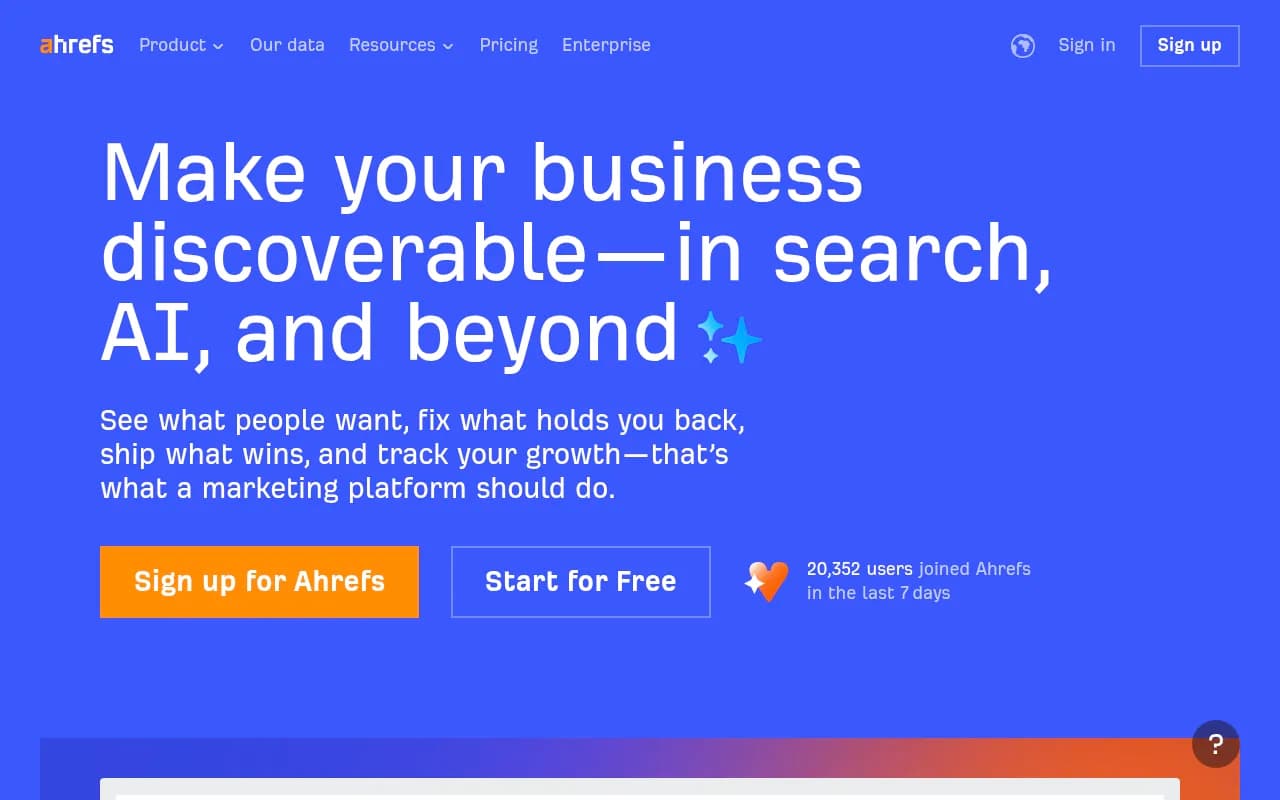
| Ahrefs Brand Radar | Ahrefs users | Familiar environment | Keyword-derived prompts, slower refresh on some engines |



If you want to browse more options, the GEO software directory at bestgeosoftware.com covers the category in more depth.
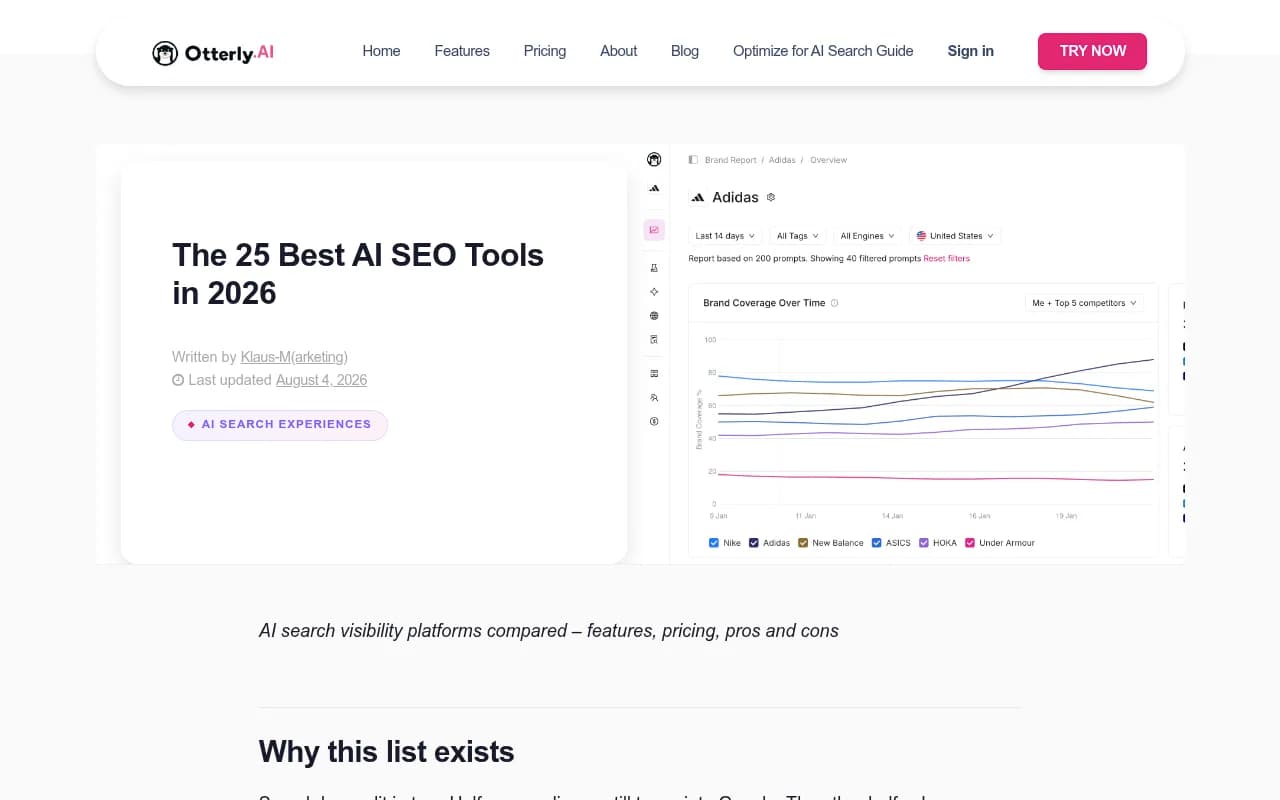
Otterly's roundup above is a useful shortlist, with the usual caveat that it is written by a vendor that appears in it.
A practical cancel-or-keep audit
Run this in an afternoon.
Step 1: List every tool and its job
Write one line per subscription: what it measures, who opens it, what decision it changed last quarter. Anything with a blank third column is a cancel candidate.
Step 2: Flag overlaps
Two content scorers, two rank trackers, two AI add-ons. Keep the one with better data or better workflow fit.
Step 3: Check what AI-visibility data you have today
If the answer is "none," add one tool. Start with 30 to 50 real prompts across your main topics and run them for a month. Include branded, competitor comparison and category prompts.
Step 4: Check crawler access
Verify robots.txt, CDN and WAF rules for each AI provider. Promptwatch's free Agentic Readiness Check and AI crawler tools can help with a quick first pass.
Step 5: Tie content to citations
Content type matters. Promptwatch Data shows landing pages and docs stay cited longest, while news loses half its pages within about 36 days. That should shape what you refresh. Keep product, landing and docs pages current. Don't expect news posts to carry AI visibility for long.
Team size matters
Solo marketer or small business
Keep your SEO suite and Search Console. Add one low-cost AI tracker, or the AI features inside the suite you already pay for. Cancel anything duplicated. Don't buy an enterprise platform for 50 prompts.
Mid-size in-house team
Keep one suite, one crawler, one content optimizer. Add a dedicated AI visibility platform with crawler logs and traffic attribution. This is where tools that go past monitoring pay for themselves, because the team has content capacity but lacks priorities.
Agencies
Plenty of agencies run both an SEO platform and a purpose-built AI platform, as Profound's agency guide notes. Look for client workspaces, white-label reports and unlimited prompts. If you need an agency partner instead of more software, 1001 SEO Media runs technical SEO, content and AI search work together.
Enterprise
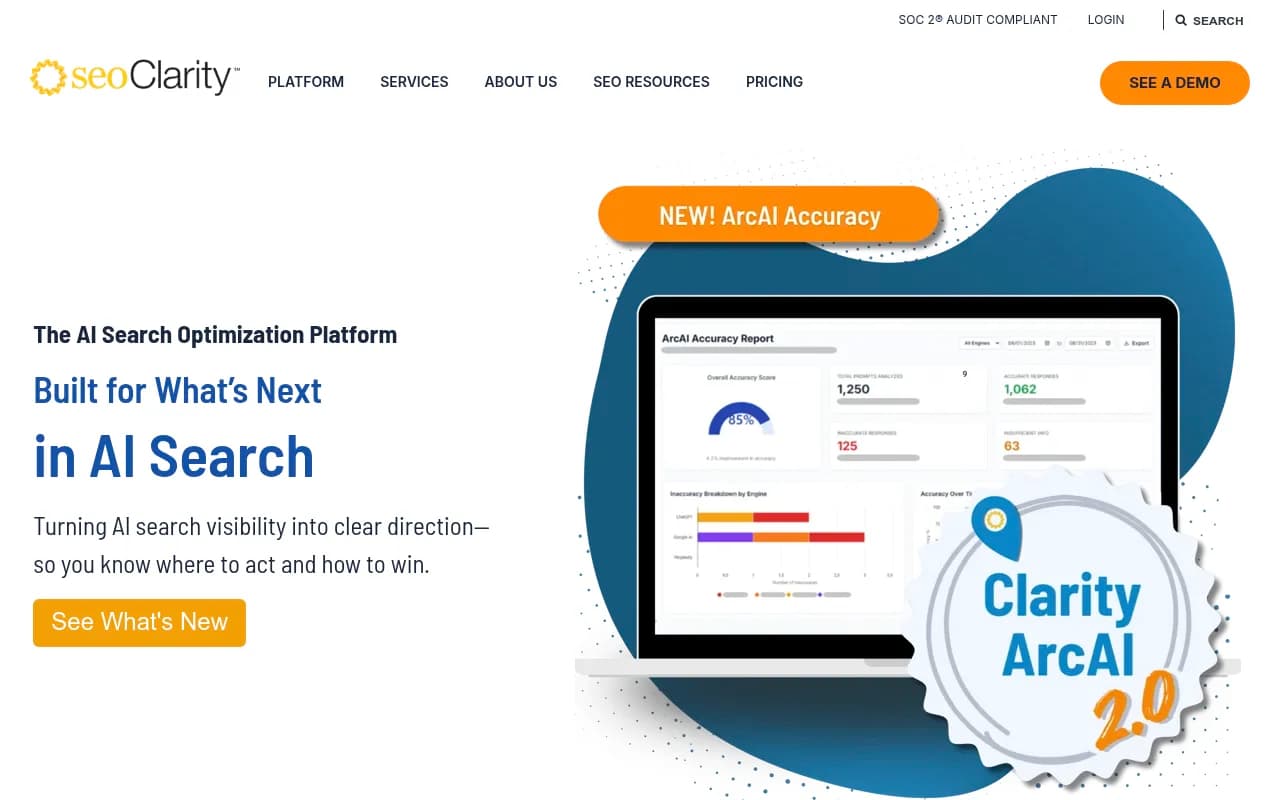
Keep enterprise SEO platforms like BrightEdge, Conductor or seoClarity if they are embedded in workflows. Add an AI platform with audit logs, SSO and security certifications, since procurement will ask.
Mistakes I see teams make
The first is treating the AI tracker as a replacement for the SEO suite and cancelling both Ahrefs and Semrush at once. Then the site slips on technical issues and nobody notices.
The second is buying three AI trackers because each shows slightly different numbers. AI answers vary run to run. Pick one source of truth and watch trends, not single readings.
The third is optimizing for the wrong engine. ChatGPT and Google AI Overviews behave differently, as the social citation split above shows. A strategy built for one doesn't carry over to the other automatically.
Bottom line
Keep the tools that crawl, diagnose and rank. Cancel duplicates and Reddit-for-ChatGPT tactics. Add one AI visibility platform that shows citations, crawler access and traffic, and preferably tells you what to publish next. For most teams, that is one new subscription and two or three cancellations, not a rebuild.
For current citation patterns, the Promptwatch Data hub updates regularly, and the numbers above will shift, so re-check them before you commit budget.