Key takeaways
- Zapier is the easiest to get started with and has the widest app library (8,000+), but costs add up fast at scale
- Make offers significantly more power for complex workflows at roughly 60% lower cost than Zapier
- n8n is the best choice if you have developer resources and want full control -- including self-hosting
- Workato is built for enterprise IT and RevOps teams, not individual marketers or small teams
- For most mid-size marketing teams, Make hits the best balance of power, flexibility, and price in 2026
Marketing teams in 2026 run on automation. Lead routing, campaign triggers, CRM syncs, Slack notifications, reporting pipelines -- if you're doing any of this manually, you're burning time that should go to actual marketing work. The Salesforce 2026 State of Sales report found that the average seller spends just 40% of their time on revenue-generating work. The rest disappears into manual data entry and tool-switching.
Automation platforms are supposed to fix that. But the category has gotten crowded, and the four biggest names -- Zapier, Make, n8n, and Workato -- are genuinely different products aimed at different buyers. Picking the wrong one means months of setup for marginal gains, or paying enterprise prices for features you'll never use.
This guide cuts through the noise. We'll compare these four platforms on the dimensions that actually matter for marketing teams: ease of use, integrations, AI capabilities, pricing, and where each one breaks down.
How these four platforms differ at a fundamental level
Before getting into features, it helps to understand what each platform is actually trying to be.
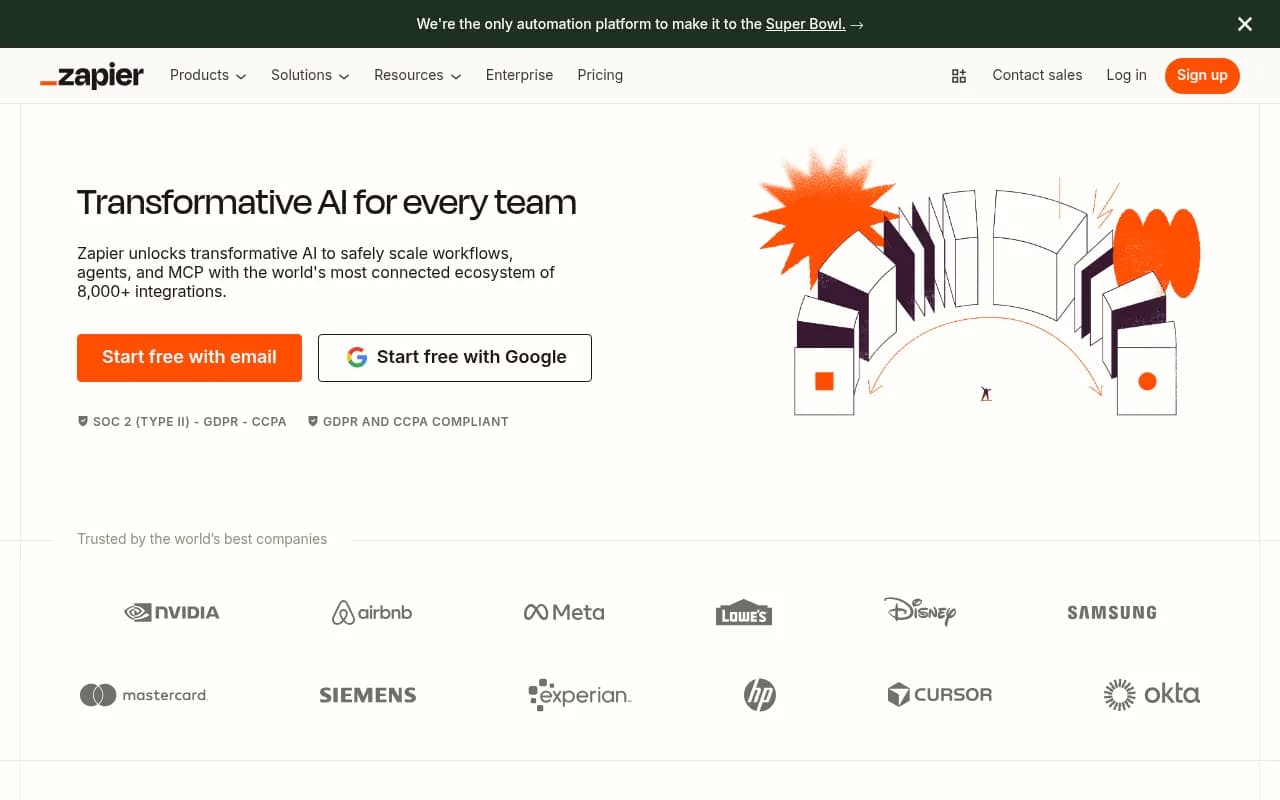
Zapier is a no-code automation tool built for business users. Its whole pitch is that anyone can connect apps without writing a line of code. It's been around since 2011 and has the largest app library of any platform here.
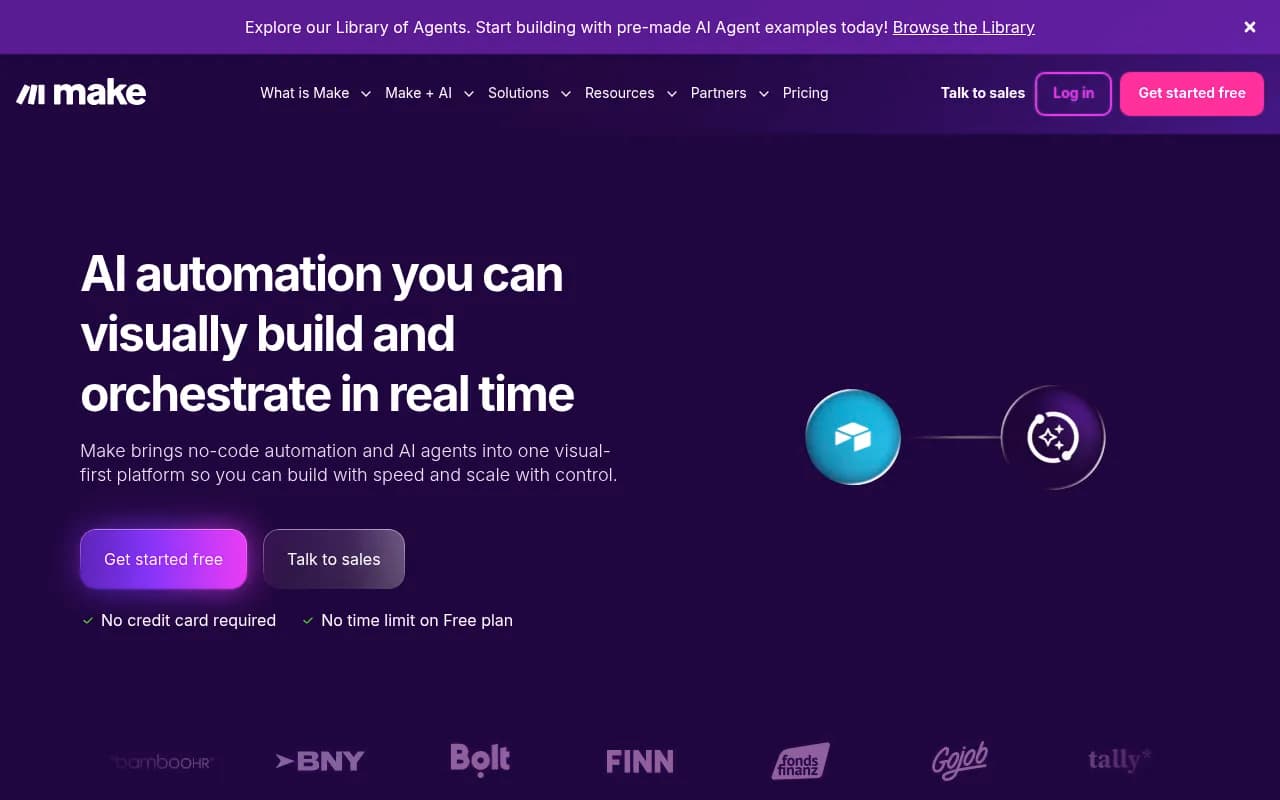
Make (formerly Integromat) is also no-code, but it's built for more complex logic. Its visual scenario builder lets you construct branching workflows that would be painful or impossible in Zapier. It's more powerful, and noticeably cheaper.
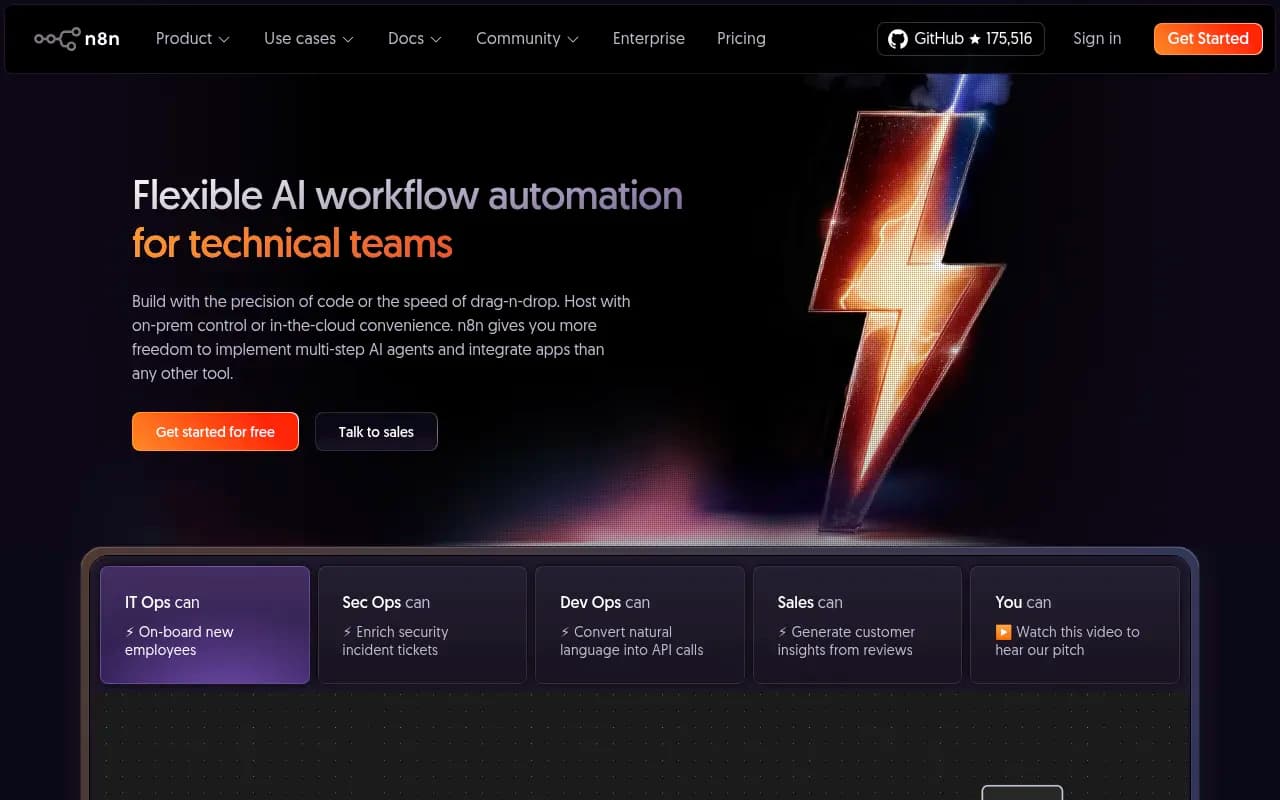
n8n is open-source and developer-oriented. You can self-host it, write custom code inside workflows, and build things that neither Zapier nor Make can handle. The trade-off is that it assumes technical fluency -- this isn't a tool you hand to a non-technical marketer and expect them to run independently.
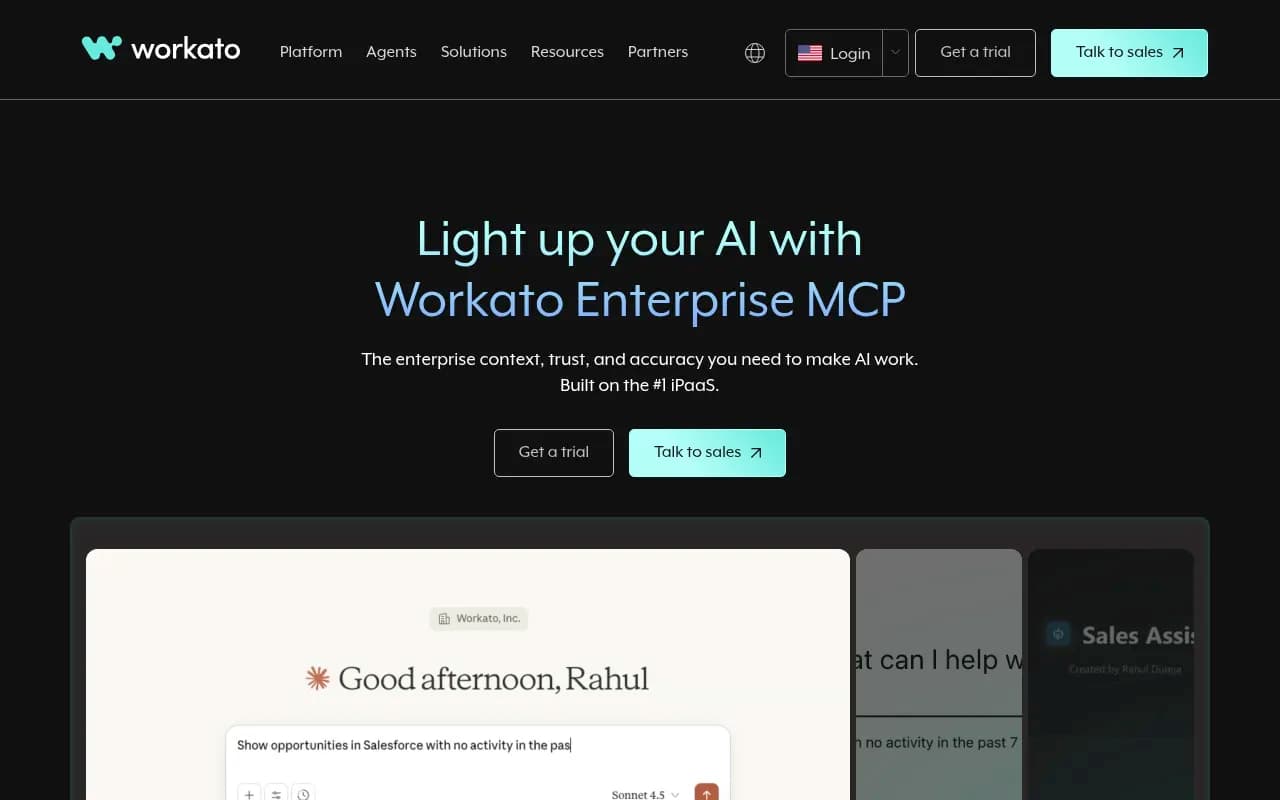
Workato sits in a different category entirely: enterprise iPaaS (integration Platform as a Service). It's designed for IT teams connecting large business systems, not marketers building lead nurture workflows. The pricing reflects that.
Feature-by-feature comparison
Ease of use
Zapier wins here, and it's not close. The interface is clean, the setup flow is guided, and you can build a working automation in under five minutes. If your marketing team includes people who aren't comfortable with code or complex logic, Zapier is the path of least resistance.
Make has a steeper learning curve. The visual canvas is powerful, but it can feel overwhelming when you first open it. Once you get past the initial friction, though, it's genuinely intuitive -- and the visual representation of data flow is actually clearer than Zapier's linear step view for complex workflows.
n8n assumes you're comfortable with expressions, JSON, and at least some programming concepts. The interface is clean, but it surfaces technical concepts early. A non-developer can use n8n, but they'll hit walls quickly on anything beyond simple automations.
Workato is enterprise software. Expect an implementation process, onboarding support, and a learning curve that's measured in weeks, not hours.
Integrations
| Platform | Native integrations | Custom integrations | API support |
|---|---|---|---|
| Zapier | 8,000+ | Via webhooks/code steps | Yes |
| Make | 3,000+ | Via HTTP modules | Yes |
| n8n | ~1,500 | Via custom nodes (code) | Yes |
| Workato | 1,400+ | Via custom connectors | Yes, enterprise-grade |
Zapier's 8,000+ app library is a genuine differentiator. If you're using a niche tool -- a specific webinar platform, a regional CRM, an obscure email service -- Zapier probably has a native integration for it. Make and n8n cover the major marketing tools well, but you'll hit gaps with less common apps.
That said, for most marketing stacks (HubSpot, Salesforce, Slack, Google Sheets, Notion, Airtable, ActiveCampaign), all four platforms have solid coverage.
AI capabilities
This is where the comparison gets interesting in 2026. All four platforms have added AI features, but they're at very different stages.
Zapier has built out AI orchestration most aggressively. Its AI features let you create multi-step workflows that include LLM calls, data extraction, and conditional logic based on AI outputs. Zapier positions itself for "cross-team AI orchestration" -- connecting AI models to the rest of your stack.
n8n has strong native AI features, particularly for teams that want to build AI agents. Because you can write code directly in n8n, you have more control over how AI models are called and how outputs are handled. The n8n blog describes it as offering "the most flexibility" for AI workflows.
Make's native AI capabilities are more limited compared to the other two, though you can integrate with OpenAI and other AI APIs via HTTP modules. It works, but it's not as polished as Zapier's AI steps or n8n's agent framework.
Workato has enterprise AI features focused on data transformation and business process automation -- useful for IT teams, less relevant for marketing use cases.
Pricing
This is where the differences become stark.
| Platform | Free tier | Entry paid plan | Notes |
|---|---|---|---|
| Zapier | 100 tasks/mo | ~$20/mo (750 tasks) | Costs scale quickly with task volume |
| Make | 1,000 ops/mo | ~$10/mo (10,000 ops) | Operations model is more generous |
| n8n | Self-hosted free | ~$24/mo (cloud, 5 users) | Self-hosted is free; cloud adds cost |
| Workato | No | Custom pricing | Enterprise only; expect $10K+/year |
Make's pricing model deserves more attention. One "operation" in Make is roughly equivalent to one action in a workflow step. Because Make's pricing is based on operations rather than "tasks" (Zapier's unit), and because Make's operations are counted differently, you typically get significantly more automation volume for your money. The commonly cited figure is around 60% lower cost than Zapier for equivalent workflow complexity.
n8n's self-hosted option is genuinely free -- you pay for infrastructure, not the software. For teams with a developer who can manage a server, this is a compelling option. The cloud version starts at around $24/month for up to 5 users.
Workato doesn't publish pricing publicly. It's enterprise software with custom contracts, and it's not designed for teams without a dedicated IT or RevOps function.
Security and compliance
Make is cloud-hosted and SOC 2 Type II certified, with enterprise-grade security controls available on higher tiers. For most marketing teams, this is more than sufficient.
n8n's security story is more nuanced. If you self-host, you control everything -- your data never leaves your infrastructure. That's a strong position for teams with strict data requirements. The cloud version has standard security practices but doesn't match Make's enterprise certifications.
Zapier is SOC 2 Type II certified and handles enterprise security requirements reasonably well, though some large enterprises prefer more control than a SaaS platform provides.
Workato is built for enterprise compliance from the ground up -- SOC 2, HIPAA, GDPR, and more. If you're in a regulated industry and need automation that can touch sensitive data, Workato is the most credible option here.
Scalability
Zapier can handle most marketing team needs, but it gets expensive as workflow volume grows. Teams running thousands of automated tasks per day will see bills climb quickly.
Make scales better on price, but very complex scenarios with high operation counts can still add up. The visual builder also becomes harder to manage as workflow complexity increases.
n8n is harder to scale on the cloud version, but self-hosted n8n can scale to essentially any volume -- you're just paying for infrastructure. Teams that need to run millions of workflow executions per month often find n8n's self-hosted option the most cost-effective.
Workato is designed to scale across an entire enterprise, handling thousands of integrations and millions of transactions. It's overkill for a marketing team, but it's the right tool if you're building company-wide automation infrastructure.
Which platform fits which marketing team
Small marketing teams (1-5 people, limited technical resources)
Zapier is the right call. The setup time is minimal, the app library covers everything you'll need, and you don't need a developer to maintain it. Yes, it's more expensive per task than Make -- but the time you save not troubleshooting is worth the premium at this scale.
Mid-size teams with some technical capacity
Make is the sweet spot. The visual builder is learnable, the pricing is significantly better than Zapier at scale, and the workflow logic is powerful enough to handle complex marketing operations. If you have one person on the team who's comfortable with logic and data structures, Make will serve you well.
Teams with in-house developers or technical marketers
n8n becomes compelling. The flexibility to write custom code, build AI agents, and self-host for cost control is genuinely valuable. If you're building sophisticated lead scoring models, custom data pipelines, or AI-powered content workflows, n8n gives you more room to work.
Enterprise marketing ops within a larger IT organization
Workato makes sense if your marketing automation needs to connect to enterprise systems (ERP, data warehouses, legacy CRMs) and your IT team is already evaluating iPaaS solutions. But if you're a marketing team evaluating tools independently, Workato's complexity and cost are hard to justify.
Common marketing use cases and which tool handles them best
Lead routing and CRM sync
All four platforms handle this well. Zapier is fastest to set up. Make handles more complex routing logic (e.g., territory-based assignment with multiple conditions) more elegantly. n8n can do anything if you're willing to write the logic.
Multi-channel campaign triggers
When a lead hits a score threshold in your CRM, you want to trigger a sequence in your email tool, notify the sales rep in Slack, add them to a retargeting audience, and log the event in your data warehouse. This is where Make's visual branching logic shines -- you can see the entire flow at once and debug it visually.
AI-powered content workflows
If you're building workflows that involve LLM calls -- summarizing form submissions, categorizing leads, generating personalized email copy -- Zapier's AI steps are the easiest to implement. n8n gives you more control if you need it.
Reporting and data aggregation
Pulling data from multiple ad platforms, combining it, and pushing it to a dashboard or spreadsheet is a common marketing ops task. All four platforms can do this, but n8n's ability to transform data with custom code makes it the most flexible for complex data manipulation.
Social media and content scheduling
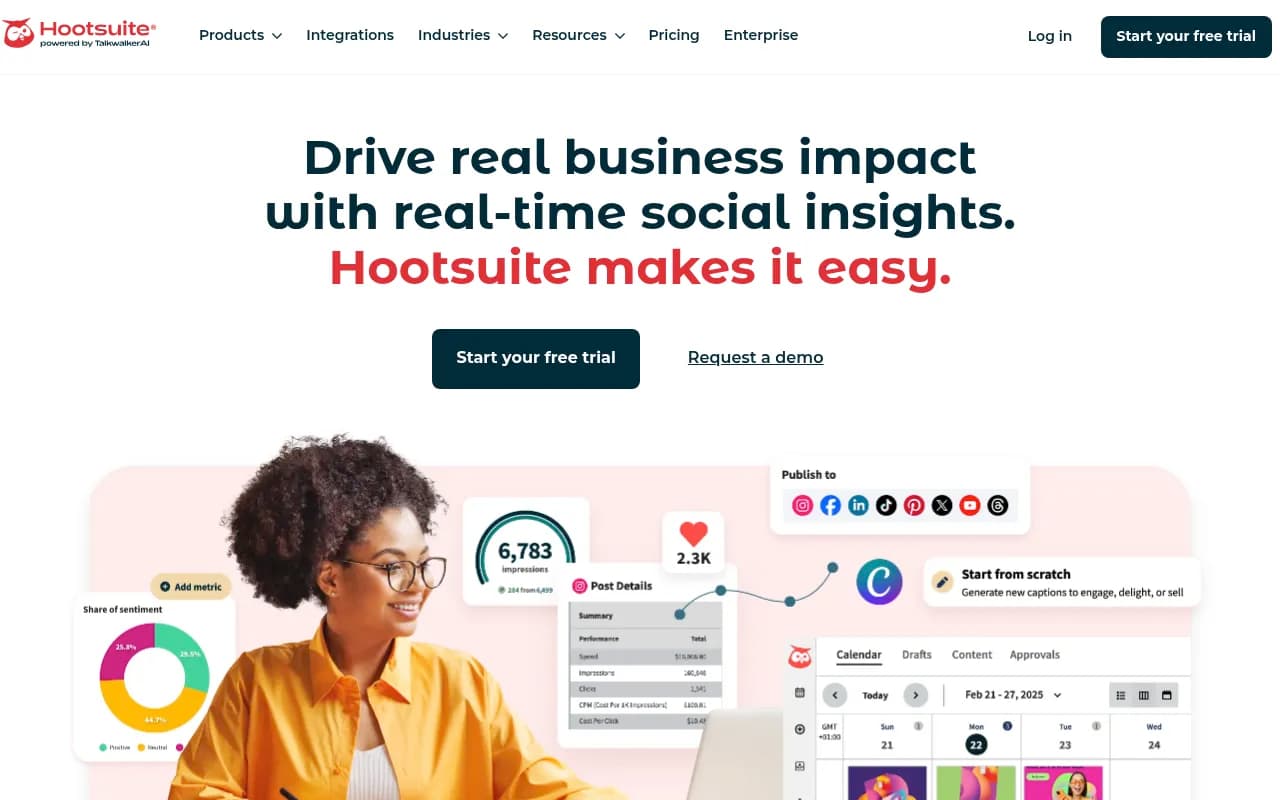
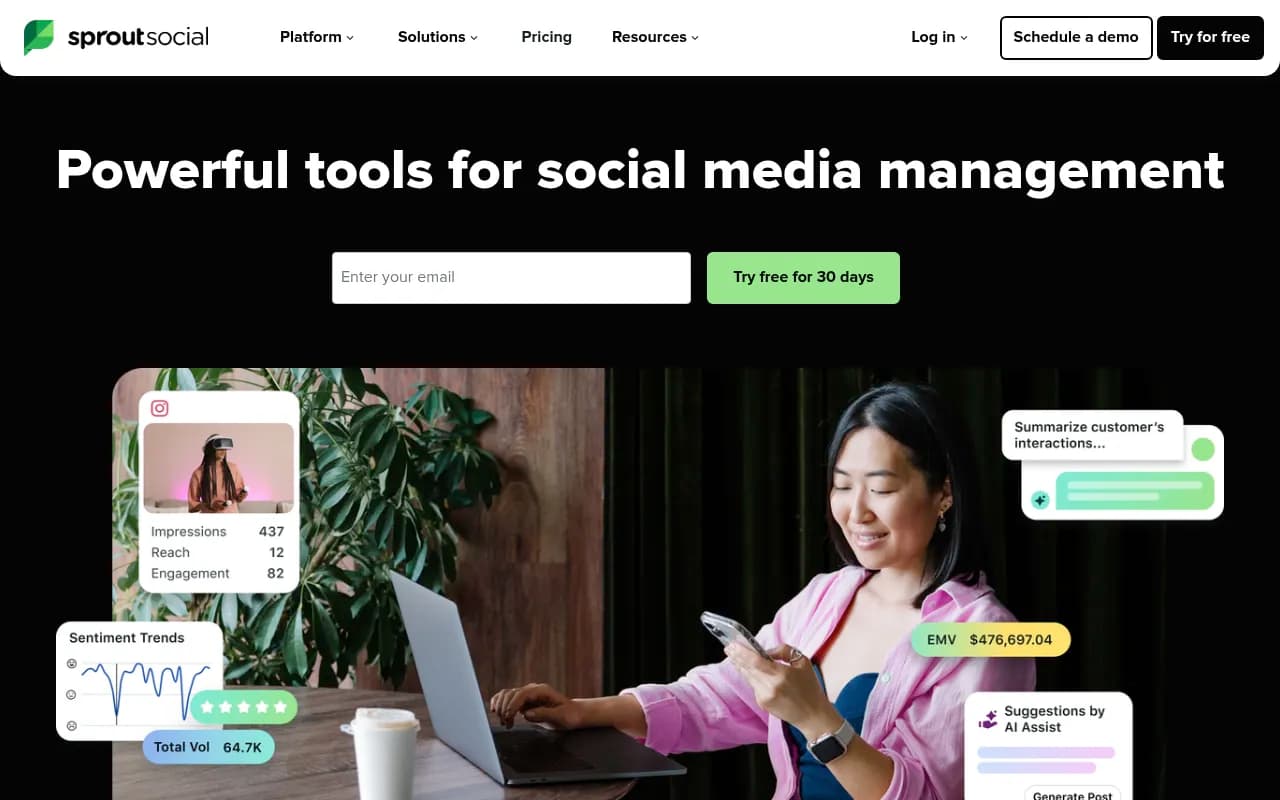
For pure social scheduling, dedicated tools are usually better than building automation workflows. But if you need to connect social publishing to your broader marketing stack -- triggering CRM updates when content goes live, syncing engagement data to analytics -- Zapier's integrations with social tools are the most comprehensive.
The honest trade-offs
Every platform has real weaknesses worth knowing about.
Zapier's task-based pricing model can create bill shock. A workflow that runs 10,000 times per month with 5 steps each is 50,000 tasks -- and at scale, that gets expensive fast. Teams that don't monitor task usage carefully can end up paying far more than expected.
Make's learning curve is real. The first time you open the scenario builder and see a canvas full of modules and connections, it can feel overwhelming. Budget time for learning, especially if your team has no prior experience with visual workflow builders.
n8n requires ongoing maintenance if self-hosted. Updates, security patches, infrastructure management -- someone on your team needs to own this. If that person leaves, you have a problem. The cloud version removes this burden but adds cost.
Workato's pricing and complexity make it a poor fit for marketing teams operating independently. It's a legitimate enterprise tool, but it's designed for IT-led implementation with dedicated resources.
A note on AI search visibility for marketing teams
One area where automation platforms don't help much: understanding how your brand appears in AI search results. As ChatGPT, Perplexity, and Google AI Overviews become primary discovery channels, marketing teams increasingly need to track and optimize their AI visibility -- which is a different problem from workflow automation entirely.
If that's on your radar, Promptwatch is worth looking at. It tracks how your brand appears across 10 AI models, identifies content gaps where competitors are visible but you're not, and includes tools to create content that gets cited by AI engines.

Final recommendation
For most marketing teams in 2026, the decision comes down to Make vs Zapier, with n8n as a strong third option if you have technical resources.
Start with Zapier if you need to move fast and don't have technical support. The setup time is minimal and the app library is unmatched.
Switch to Make (or start there) if you're running complex workflows, have hit Zapier's pricing ceiling, or need more sophisticated logic than Zapier's linear step model supports.
Consider n8n if you have a developer, want self-hosting, or are building AI-heavy workflows where code-level control matters.
Skip Workato unless you're part of an enterprise IT evaluation with a dedicated implementation budget.
The good news is that all four platforms offer free tiers or trials. The best way to know which one fits your team is to build the same workflow in two of them and see which one you'd rather maintain six months from now.