Key takeaways
- A brand mention and a product recommendation come from different inputs. Mentions come from training data and web citations. Shopping carousels lean on structured product feeds and third-party trust signals.
- Only 59.5% of the 8,520 ChatGPT shopping queries AEOsome studied triggered a product carousel at all, so even a perfect store won't appear everywhere.
- Product pages (22.4%) and landing pages (16.8%) make up about 39% of ChatGPT citations, according to Promptwatch Data for Sep 28 to Oct 4, 2026. Your product page quality matters more than your blog.
- The usual blockers are boring: missing GTINs, unstable variant IDs, malformed price or availability values, stale stock status, and thin specs written as adjectives.
- Fix in a loop: test buyer-style prompts, audit the feed at SKU level, repair data and trust signals, then re-test.
The mention versus recommendation problem
You ask ChatGPT about your category. Your brand name appears in a paragraph, maybe with a hedge like "some shoppers also consider...". Then the product cards underneath show three competitors. That is frustrating, and it is also completely normal.
AEOsome puts the cause bluntly: mentions come from training data and web citations, while carousels come from merchant product feeds. The two are independent. You can win one and lose the other for years.
Most AI visibility tooling measures the first one. It answers "was my brand named?" and stops. It does not tell you whether a single SKU is eligible to be shown, which is where store owners actually lose sales.
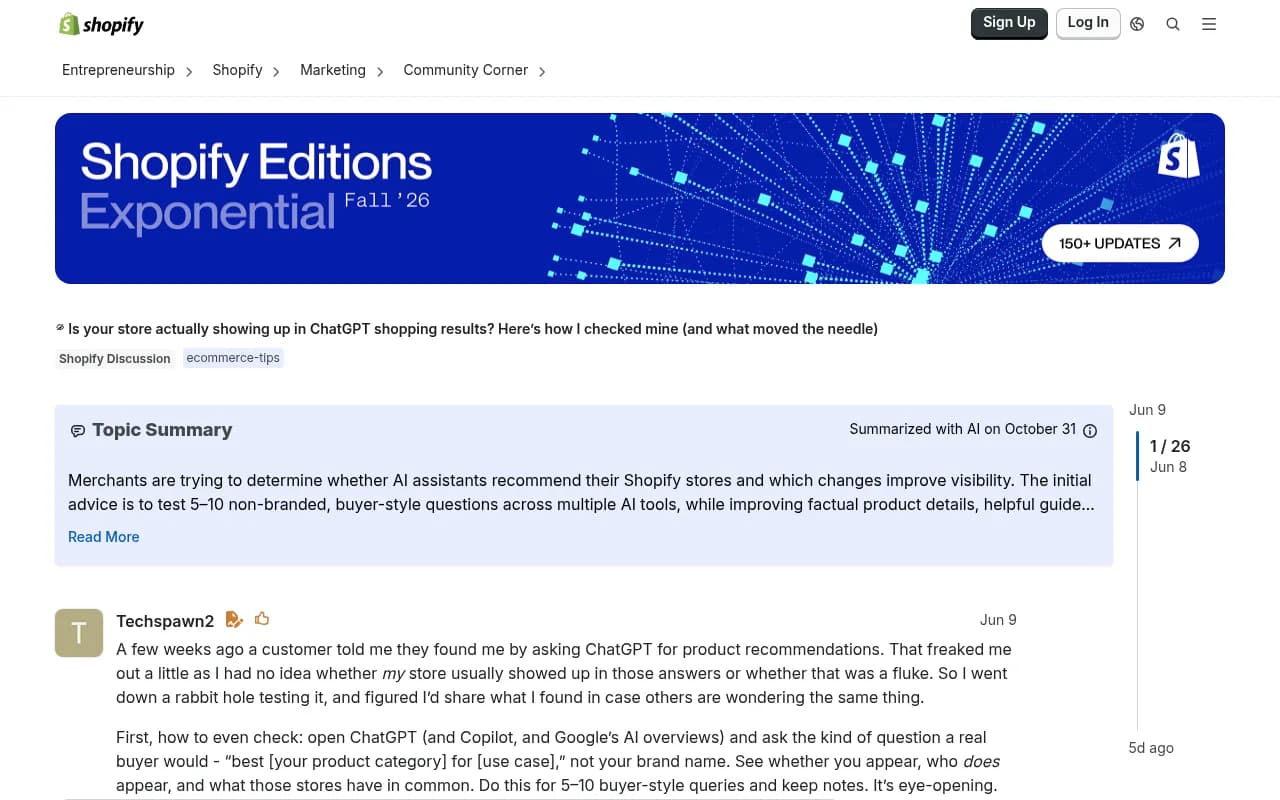
The Shopify community thread above is a good snapshot of where merchants are right now. The advice is to test 5 to 10 non-branded, buyer-style questions and keep notes. The replies also push back on a common assumption: being readable to crawlers is not the same as being recommended.
How ChatGPT Shopping decides what to show
Darkroom Agency describes ChatGPT Shopping as a discovery experience where shoppers describe what they need in natural language and get a carousel with images, prices, ratings, and review summaries. Brands appear based on structured product feeds and third-party trust signals, not paid placement. Their July 2026 write-up cites ChatGPT passing 900 million weekly users in February 2026 and a Semrush survey finding 50% of U.S. shoppers have bought something after researching with AI.
So there are two gates:
- Eligibility. Can the system parse your products, match them to a known catalog entry, and trust that price and stock are current?
- Preference. Among eligible products, which ones do reviews, roundups, and third-party sources back up?
Most stores obsess over the second gate and never check the first. AEOsome argues your feed has to satisfy OpenAI's Agentic Commerce Protocol (ACP) and Google's Universal Commerce Protocol (UCP) before agents can recommend or transact your products. I haven't independently verified every field requirement, so treat the checklist below as a strong starting point and confirm against the current OpenAI and Google specs.
One more thing. Enrolling in a platform's agentic program is not the same as appearing. AEOsome makes this point about Shopify's Agentic Plan: enrollment gets you in the door, and the data quality decides whether anyone sees you.
Product data fixes, in order of impact
1. Repair the feed before touching content
According to AEOsome, if a required field is missing or malformed, the row is rejected. If a recommended field like GTIN is missing, the product is harder to match and easier to outrank. The fix lives in the feed, not in your descriptions and not in how many blog posts mention you.
Check these first:
- Price: a clean numeric value with a currency, matching what the product page shows.
- Availability: a standard value, updated when stock changes. Stale stock status is a quiet killer.
- Variant IDs: stable across syncs. If your platform regenerates IDs, the product looks brand new every time.
- GTIN (or MPN plus brand where no GTIN exists): this is how the catalog matches you to the same product sold elsewhere.
- Title, image, and URL: one canonical product URL per item, with images that load.
- Return and shipping policy data where the spec asks for it.
A useful habit is to export your feed, filter for blank GTIN and blank brand, and count. That number is usually humbling.
2. Write specs in plain language
The Shopify thread's top advice is simple: specs, materials, dimensions, and use cases written out in plain language, not just adjectives. "Premium, durable, stylish" gives a model nothing to compare. "Waterproof membrane, 8 mm lugs, wide toe box, 265 g in size 9" does.
Think about how a shopper phrases a request. Darkroom's example is "a waterproof trail runner under $150 with a wide toe box." Every clause in that sentence is an attribute your product data should state explicitly. If the attribute isn't on the page in raw HTML, assume the model can't use it.
3. Make product pages comparable
Promptwatch Data covering Sep 28 to Oct 4, 2026 shows how ChatGPT's citations break down by content type. This is the part that should shape your page template.
| Prompt type | Product pages | Landing pages | Listicles | Other notable types |
|---|---|---|---|---|
| All prompts | 22.4% | 16.8% | 13.6% | How-tos 8.7%, docs 7.5% |
| Commercial | 26.0% | 20.6% | 15.0% | Comparisons 7.9% |
| Informational | 19.1% | 13.9% | 13.6% | How-tos 10.7% |
| Branded | 23.3% | 22.8% | n/a | Reviews 5.6%, FAQ 4.8% |
Source: Promptwatch's ChatGPT citation share by content type report. For commercial prompts, those four types add up to almost 70% of citations. Reviews are only 1.7% of citations overall but more than three times that on branded prompts.
The practical reading: a clean product page with clear pricing, specs, and a stated target buyer is the single most valuable asset you own for AI search. Spend your next hour there, not on another blog post.
4. Add complete Product schema
Promptwatch's shopping data recommends complete Product schema markup, accurate prices and availability, and a clean merchant feed. Schema should match the feed exactly. Mismatches between the page, the markup, and the feed are a trust problem for any system trying to reconcile them.
Include name, brand, GTIN, SKU, offers (price, currency, availability), aggregate rating if you have genuine reviews, and images. Then put the key specs in visible, server-rendered text. Several contributors in the Shopify thread stress that structured information in the raw HTML matters more than exotic files.
5. Don't over-invest in llms.txt
The same thread is split on llms.txt, and several contributors call it lower priority than crawler access, product data, and structured information. I agree. It is cheap to add, so a generator such as the free llms.txt generator at promptwatch.com is fine, but it will not fix a malformed feed. Markdown files also account for only 0.05% of AI search citations in Promptwatch's markdown report, because markdown serves AI agents rather than AI search.
6. Check that crawlers can actually reach you
If your robots.txt, CDN bot rules, or JavaScript-only rendering block AI crawlers, none of the above matters. The free AI crawler URL inspector and robots.txt generator for AI are quick ways to check. Server logs tell the real story, since you can see which bots hit which product pages and where they get errors.
Fix the trust signals, not just the data
Clean data gets you eligible. It does not make you the pick.
The Shopify thread's second finding is that stores that showed up tended to have coverage on third-party sites, roundups, and forums. Promptwatch's content-type data points the same way: listicles are 13.6% of all ChatGPT citations and 15.0% on commercial prompts, so the "best of" roundups are effectively the shortlist.
What to do about it:
- Get included in the roundups ChatGPT already cites for your category. Find them by running your buyer prompts and noting the sources.
- Collect reviews on trusted third-party sites, not only on your own pages.
- Publish your own comparison pages with honest trade-offs.
- Add an FAQ page covering sizing, materials, shipping, and returns.
- Watch the half-life. Promptwatch's content half-life data shows news loses half its cited pages within about 36 days, while landing pages and docs stay cited for months. Evergreen product and category pages beat news-style posts.
There is also a domain-authority wrinkle worth knowing. In August 2026, sites with domain rank 46 to 75 earned almost half of ChatGPT citations, and DR 91 to 100 fell to about 3%, per Promptwatch's domain rank report. You don't need to be a giant to be cited.
Set expectations: carousels are rare and they move
Not every query shows products. Promptwatch's ChatGPT Shopping usage data shows shopping features attach to only a low single-digit percentage of web-search responses across all prompt types. The rate moves in steps. It roughly doubled overnight in late May and fell back weeks later, which Promptwatch reads as OpenAI tuning when product cards appear. Triggers concentrate on commercial and transactional prompts.
AEOsome's number (59.5% of shopping queries triggering a carousel) comes from a set of shopping-intent queries, which explains the gap with the all-prompt figure. The lesson is the same either way: measure on commercial, buyer-style prompts, and don't panic over a week-to-week swing.
One honest caveat on revenue. Digiday reported a one-year academic study where affiliate links converted 86% better than ChatGPT-referred traffic for e-commerce. That may shift as volume grows, but go in with realistic expectations and measure your own AI-referred conversions.
A 30-day diagnostic loop
Week 1: test. Write 10 non-branded buyer prompts in your category, with price, attribute, and use-case constraints. Run them in ChatGPT and a couple of other assistants. Record whether you are mentioned, whether a carousel appears, which brands fill it, and which sources get cited.
Week 2: audit. Export your feed. Count missing GTINs, brand fields, and mismatched prices. Compare feed values to page values for 20 random SKUs. Confirm crawler access.
Week 3: repair. Fix identifiers and availability sync first. Rewrite your top 20 product pages with explicit specs. Add or correct Product schema. Add an FAQ.
Week 4: trust and re-test. Pitch two or three roundups you saw cited. Ask recent buyers for third-party reviews. Re-run the same 10 prompts and compare notes.
Keep the prompt list fixed so the comparison is fair. If you only change the prompts, you're measuring your own phrasing.
Tools that help with each stage
A spreadsheet handles the first pass. After that, tooling saves time. Here is how the options in our catalog line up by job.
| Job | Tool types | Examples |
|---|---|---|
| Track mentions and citations across AI models | AI visibility platforms | Promptwatch, Profound, Peec AI, Otterly.AI |
| Shopping-specific optimization | Agentic commerce tools | Azoma, Goodie AI, Opttab, ShopOS |
| Crawl and technical checks | Site crawlers | Screaming Frog, Sitebulb |
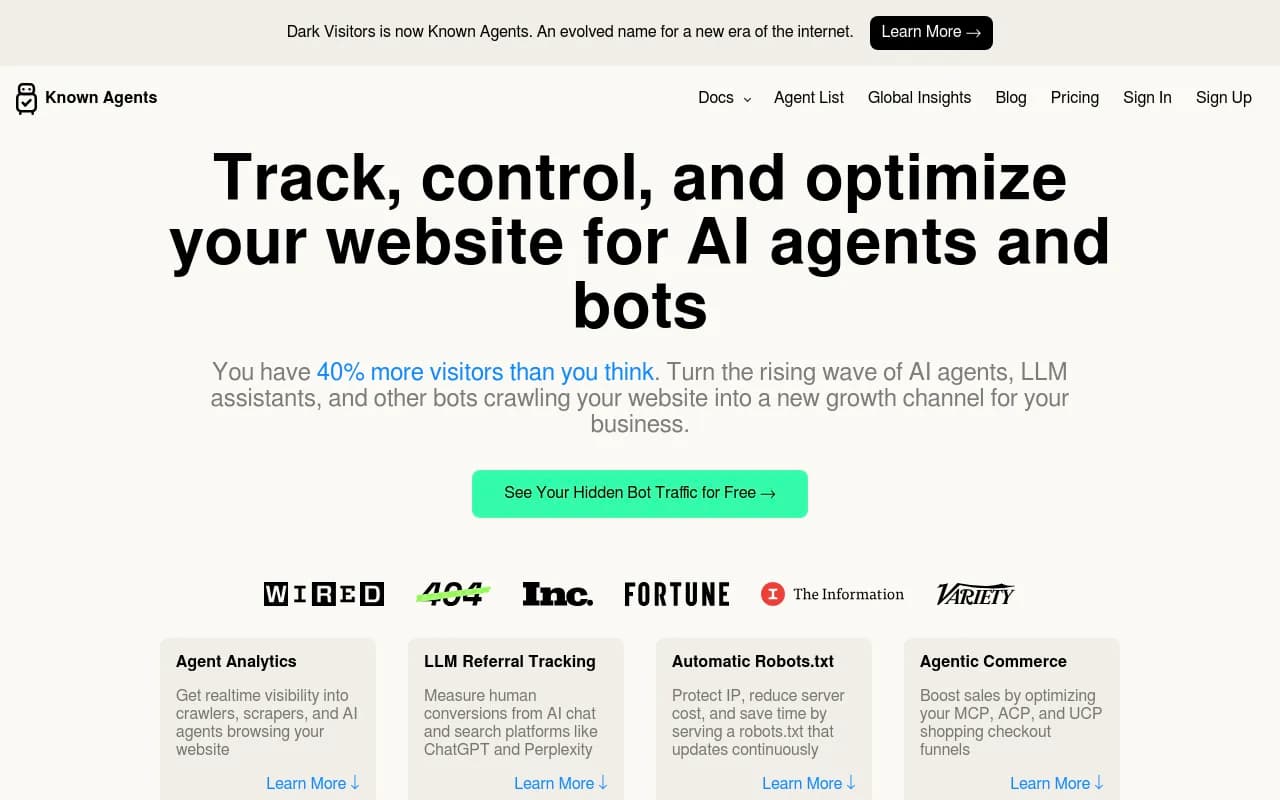
| See which AI bots hit your site | Bot analytics | DarkVisitors |
| Attribute AI-referred sales | Attribution | Triple Whale, Northbeam |
Promptwatch is the one I would start with if you want tracking and fixing in one place. It monitors real ChatGPT, Gemini, Perplexity, and AI Overviews interfaces, has a dedicated ChatGPT Shopping view showing which products AI recommends and which competitors it picks instead, and logs IP-verified AI crawler visits so you can tell an access problem from a content problem. Its Content Agent can then write and publish pages against the gaps. Shopping insights sit on the Business plan ($579/mo), and pricing is worth confirming at promptwatch.com/pricing. There is also a 7-day free trial and a free AI visibility report if you only want a baseline.

For shopping-specific feed work, these are worth a look:
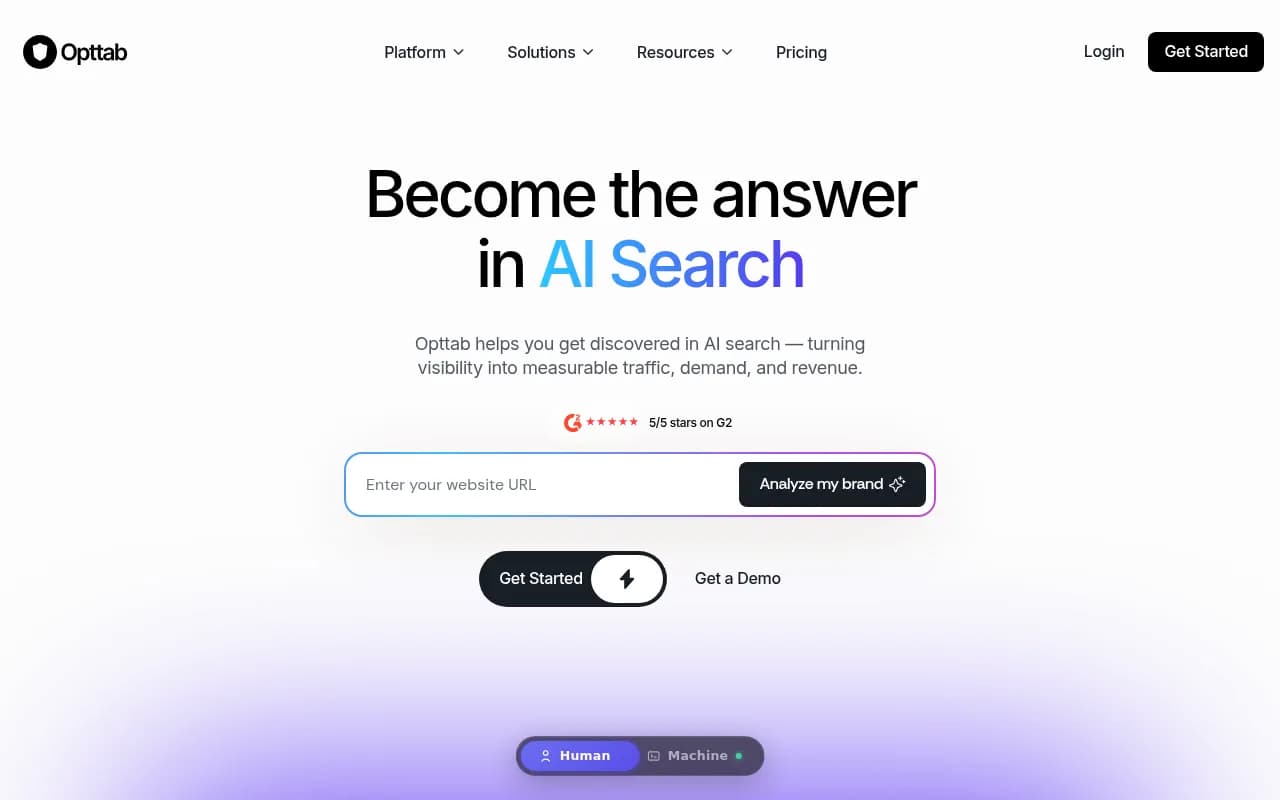
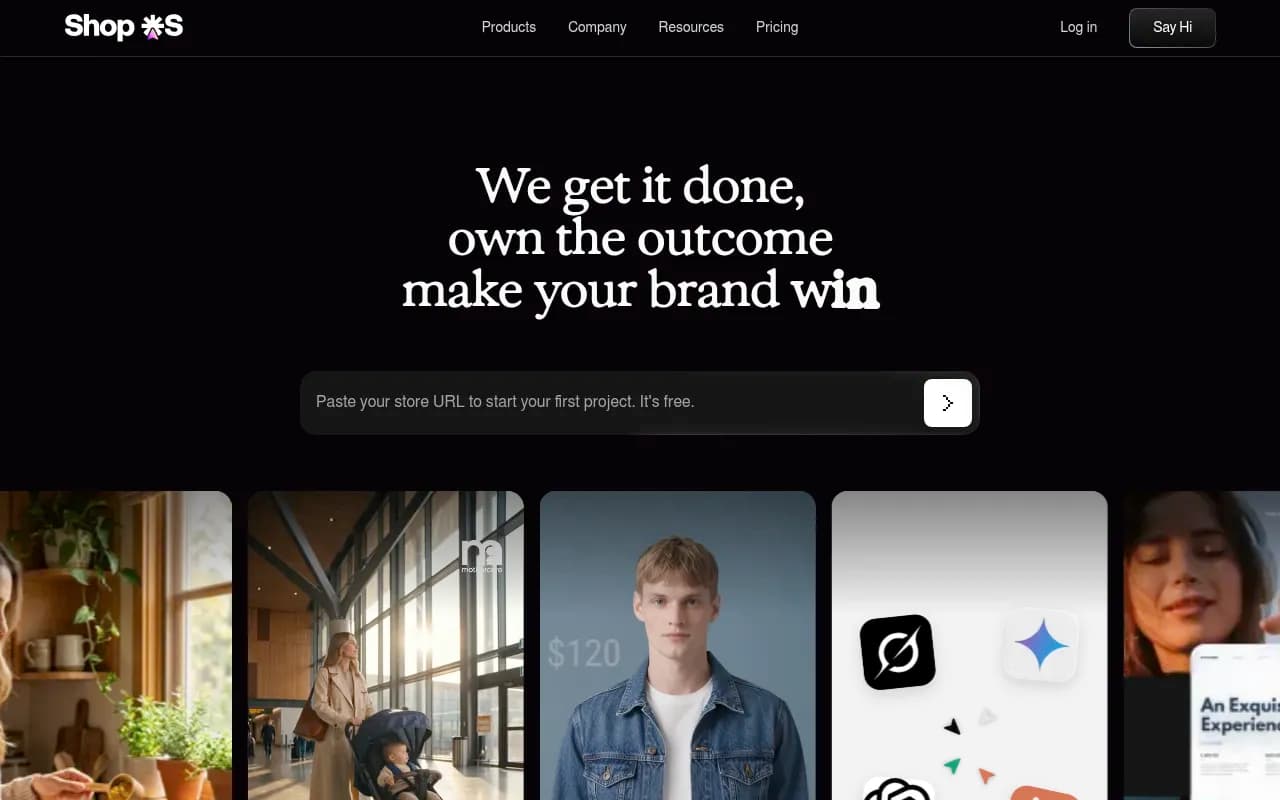
I haven't verified how deeply any of them audit ACP or UCP field compliance, so ask for a SKU-level demo before paying. For a broader shortlist of platforms, the GEO software directory is a decent place to compare.
For technical crawling:
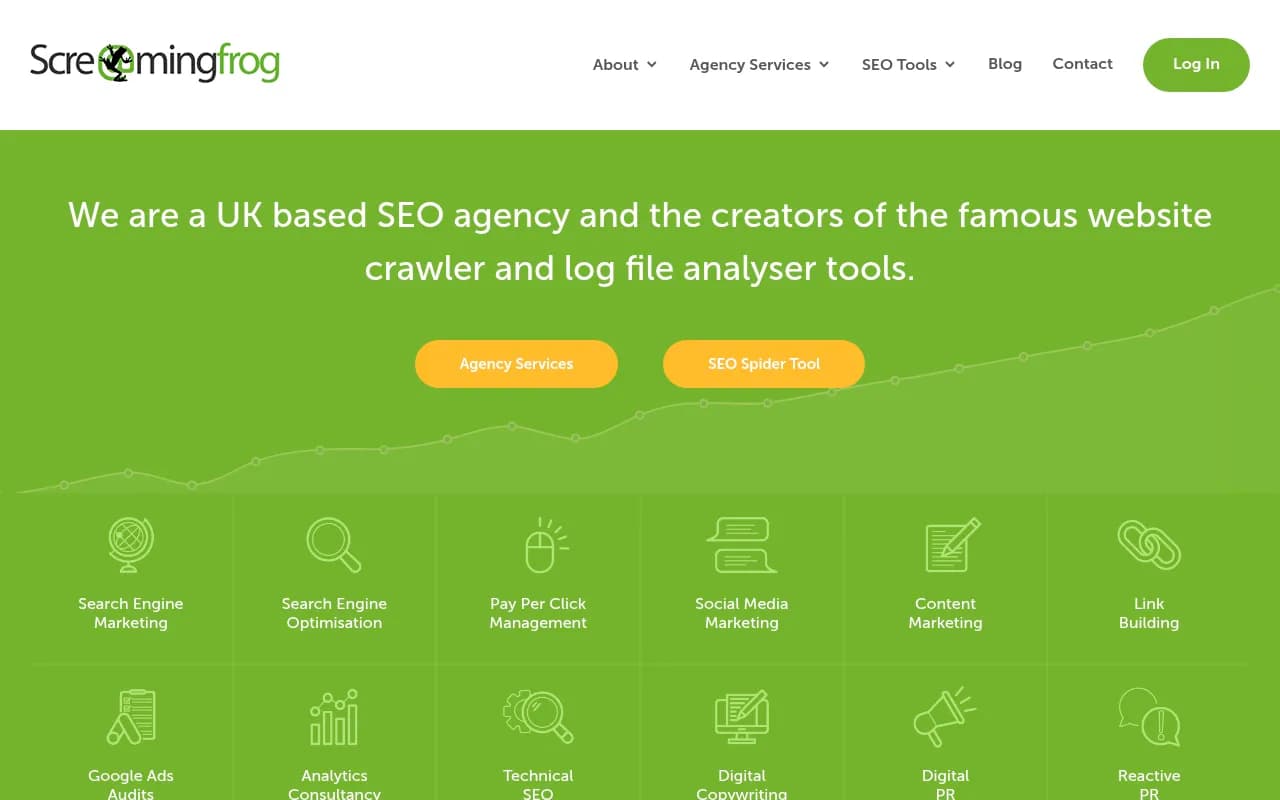
Common mistakes
- Publishing more blog content to fix a feed problem. It won't help.
- Testing only branded prompts, then celebrating because your name appears.
- Changing prices in the feed but not on the page, or the reverse.
- Letting variant IDs reset after a theme or app change.
- Treating enrollment in a platform program as proof of eligibility.
- Chasing llms.txt while GTINs are blank.
What to do this week
Run the 10-prompt test, export your feed, and count the blank GTINs. If you find a pile of malformed rows, you've found your answer, and no amount of brand-building will beat a feed that gets rejected before ranking even starts.