Key takeaways
- AI citations (being mentioned in an AI response) and AI clicks (users clicking through to your site from AI) are separate metrics that require separate measurement strategies.
- Citation volume is a leading indicator -- it predicts future traffic. Clicks are a lagging indicator -- they confirm what already happened.
- Most traditional analytics tools (including Google Search Console) don't capture AI-referred traffic accurately, so you need dedicated tooling.
- AI-referred traffic converts better than organic search traffic on average, which means even small click volumes from AI can be high-value.
- The right measurement stack combines citation tracking, traffic attribution, and crawler log analysis -- not just one of these.
Search used to be simple to measure. Rankings, clicks, impressions -- all of it sat in Google Search Console, tidy and queryable. You knew exactly which pages were pulling traffic and from where.
That model is breaking. Not slowly, either. According to Search Engine Land, 37% of consumers now start searches with AI tools instead of Google. ChatGPT crossed 900 million weekly active users in 2026. Google's AI Overviews reach 2 billion monthly users. The volume of queries that never touch a traditional search results page is enormous and growing fast.
The problem is that most marketing teams are still measuring AI search the way they measured Google in 2019. They look at organic traffic, notice it's flat or declining, and assume nothing is working. What they're missing is that AI search produces two completely different types of value -- citations and clicks -- and conflating them leads to bad decisions.
This guide breaks down what each metric actually means, why the difference matters, and how to build a measurement system that captures both.
What AI citations actually are
A citation happens when an AI model includes your brand, content, or URL as a source in its response. This can look different depending on the platform:
- Perplexity and Claude often show numbered source links alongside their answers
- ChatGPT (in browsing mode) may reference specific URLs or domain names
- Google AI Overviews pull from indexed pages and display source chips
- Gemini cites sources inline with its responses
The key thing to understand: a citation doesn't require a click. The AI model has already read your content, synthesized it, and presented the relevant information to the user. Your brand gets mentioned. Your perspective gets included. The user may never visit your site.
This is fundamentally different from how traditional search works. In Google, visibility and clicks are tightly coupled -- if you rank, you get impressions, and some fraction of those impressions become clicks. In AI search, you can have enormous citation volume with relatively modest click volume.
That's not a failure. It's just a different kind of value.
Why citations matter even without clicks
Being cited in AI responses builds brand familiarity at scale. When someone asks ChatGPT "what's the best project management tool for remote teams" and your product gets mentioned three times across different follow-up questions, that person now has a mental association with your brand -- even if they never clicked through.
This is closer to how TV advertising or PR works than how SEO works. The exposure happens. The impression is made. The click (or purchase) may come later, through a different channel.
There's also a compounding effect. AI models tend to cite sources that are already well-cited. The more your content gets referenced, the more likely it is to keep getting referenced. Early citation volume is worth building aggressively.
What AI clicks actually are
An AI click happens when a user actively follows a link from an AI-generated response to your website. This is measurable traffic -- it shows up in your analytics as a referral session, usually from domains like chat.openai.com, perplexity.ai, gemini.google.com, or similar.
The challenge is that most analytics setups don't cleanly separate this traffic. It often gets lumped into "direct" traffic (especially when users copy-paste URLs) or miscategorized as referral traffic without any AI-specific tagging.
According to data cited by Monarch Web World, AI-referred traffic converts at a meaningfully better rate than standard organic search traffic. The reason makes intuitive sense: someone who followed a specific source link from an AI response has already been pre-qualified by the AI's answer. They're not browsing -- they're investigating.
This makes AI clicks high-value even when the raw numbers are small. A brand getting 500 AI-referred sessions per month with a 4% conversion rate is doing better than one getting 5,000 organic sessions at 0.8%.
The attribution problem
Here's where things get messy. Traditional UTM tracking doesn't work for AI search. Users don't arrive via tagged links. The AI model doesn't pass referral parameters. And when AI Overviews appear in Google results, the traffic often looks indistinguishable from regular organic Google traffic in Search Console.
This is why AI search reporting is, as Emarketed put it, "breaking before rankings do." The traffic is real. The conversions are real. But the attribution chain is broken, so the data never makes it back to the marketing team in a usable form.
Fixing this requires a different approach to measurement -- one that combines multiple signals rather than relying on any single source of truth.
Why the distinction matters for strategy
If you only track citations, you'll know you're being mentioned but won't know if it's driving any business value. You might optimize for citation volume on queries that never convert.
If you only track clicks, you'll miss the brand-building effect of AI entirely. You'll underinvest in content that gets cited heavily but drives indirect value, and you'll struggle to explain why your brand is winning deals from prospects who "can't remember where they heard about you."
The two metrics also respond to different optimization levers:
- Citation volume responds to content depth, topical authority, and being present on the sources AI models trust (your own site, but also Reddit, YouTube, industry publications)
- Click volume responds to how compelling your citation appears in context, whether the AI includes a clickable link, and whether your page delivers on what the AI promised
Treating them as the same metric -- or ignoring one entirely -- means you're optimizing for an incomplete picture.
How to measure AI citations
Manual sampling
The most basic approach: run your target queries in ChatGPT, Perplexity, Claude, and Gemini, and note whether your brand appears. This works for a handful of queries but doesn't scale. You can't manually check 200 prompts across 8 AI models every week.
Dedicated citation tracking tools
Several platforms now track citation frequency automatically. They run your target prompts across multiple AI models on a schedule and report back on how often your brand appears, in what context, and alongside which competitors.
Promptwatch tracks citations across 10 AI models (ChatGPT, Perplexity, Claude, Gemini, Grok, DeepSeek, Copilot, Meta AI, Google AI Overviews, and Google AI Mode) and shows you page-level data -- not just whether your domain was cited, but which specific pages are being referenced and how often. That granularity matters when you're trying to figure out what content to create more of.

Other tools worth knowing about:


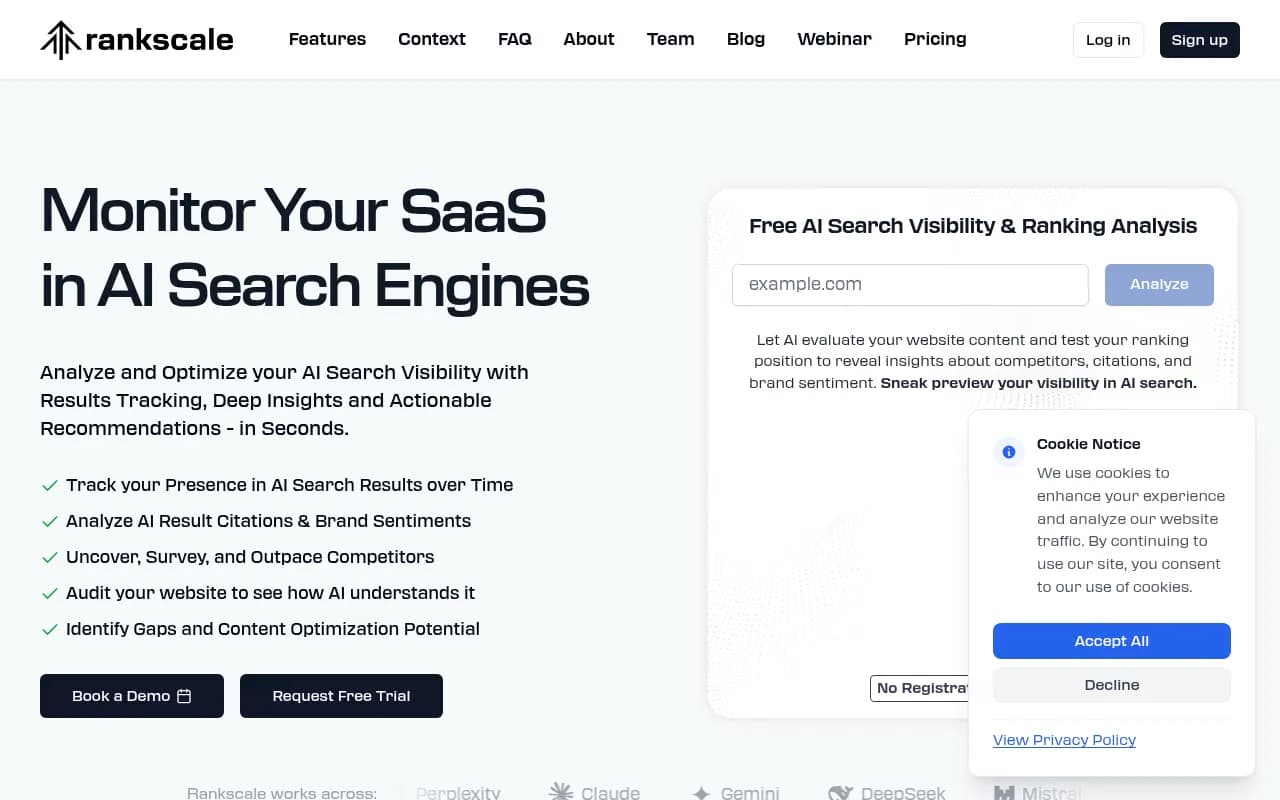

Most of these tools give you a "share of voice" metric -- your citation rate relative to competitors for a given set of prompts. This is more useful than raw citation counts because it tells you whether you're winning or losing ground.
What to track in your citation dashboard
- Citation rate per prompt (how often you appear when that query is run)
- Share of voice vs. named competitors
- Which AI models cite you most vs. least
- Which pages on your site are being cited
- Sentiment of citations (are you being mentioned positively, neutrally, or as a cautionary example)
- New vs. lost citations week-over-week
How to measure AI clicks
Fix your analytics setup first
Before you can measure AI clicks, you need to make sure your analytics can see them. A few things to check:
-
Are you capturing referral traffic from AI domains? Look for sessions from
chat.openai.com,perplexity.ai,gemini.google.com,claude.ai,you.com, and similar. Create a segment or channel grouping in GA4 that captures these. -
Are you handling dark traffic? Some AI-referred visits arrive with no referrer at all (especially from mobile apps or when users copy-paste URLs). Server-side tracking helps here -- it captures more sessions than client-side JavaScript alone.
-
Are you separating Google AI Overviews traffic from regular Google organic? This is genuinely hard. Google Search Console doesn't break it out cleanly. One proxy: look for branded query traffic that correlates with AI Overview inclusion rates.
Crawler log analysis
This is underused and genuinely valuable. Your server logs record every request to your site -- including requests from AI crawlers like GPTBot (OpenAI), ClaudeBot (Anthropic), and PerplexityBot. Analyzing these logs tells you:
- Which pages AI crawlers are reading
- How frequently they return
- Whether they're encountering errors (404s, blocked pages, slow load times)
This is a leading indicator for future citations. If GPTBot is crawling a page heavily, that page is likely being used to train responses or inform real-time answers. If it's hitting errors, you're losing potential citations.
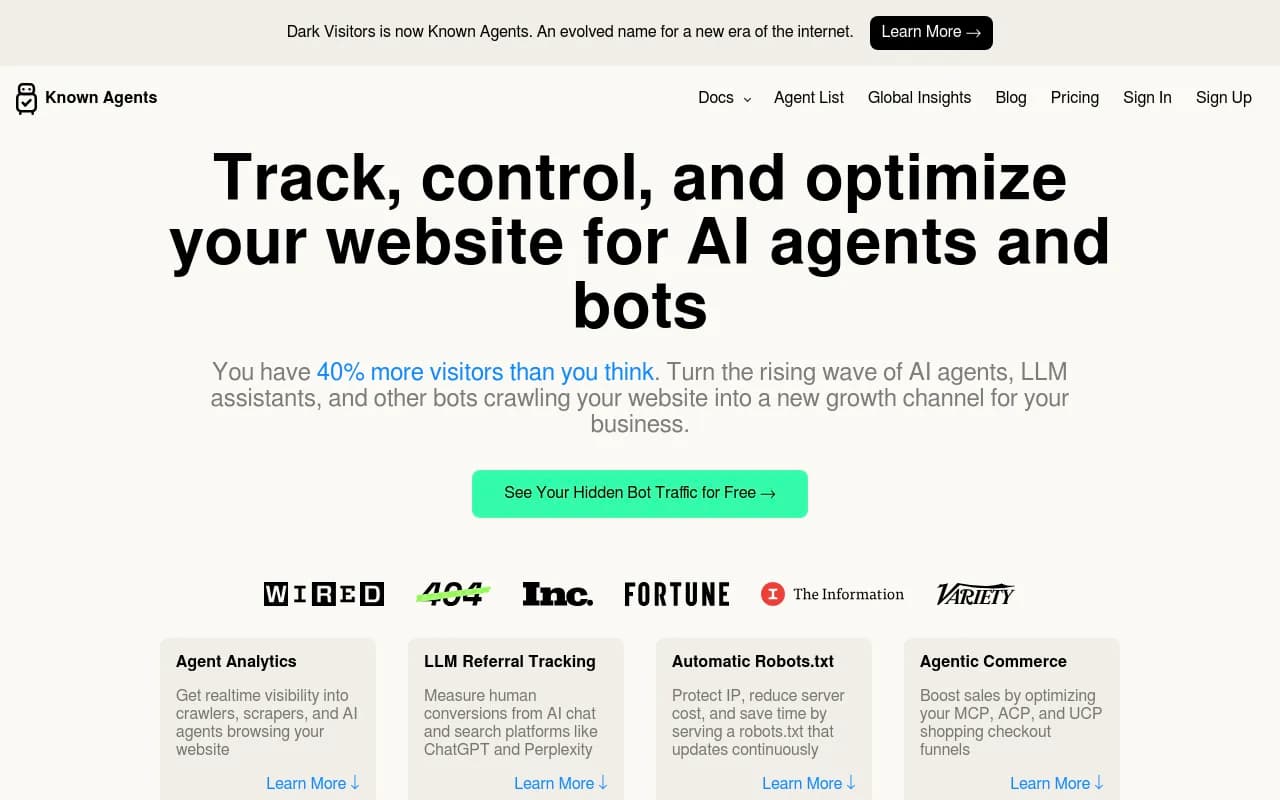
Promptwatch includes AI crawler log analysis as part of its Professional plan -- you can see real-time logs of which AI crawlers are hitting which pages, which is the kind of data that used to require a custom engineering setup.
Traffic attribution models
For a more complete picture of how AI search contributes to revenue (not just sessions), you need attribution that goes beyond last-click. AI search often plays a role earlier in the funnel -- someone discovers your brand via an AI citation, then converts weeks later through a branded search or direct visit.
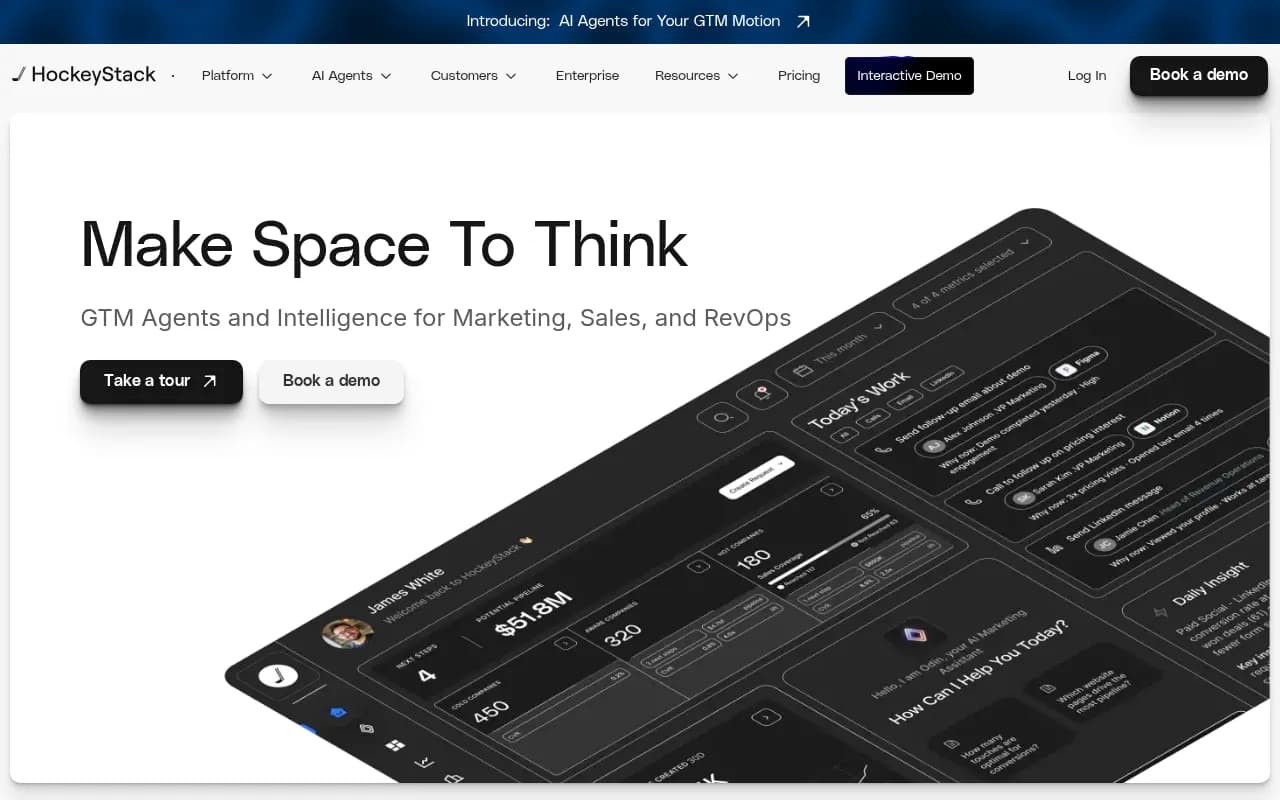
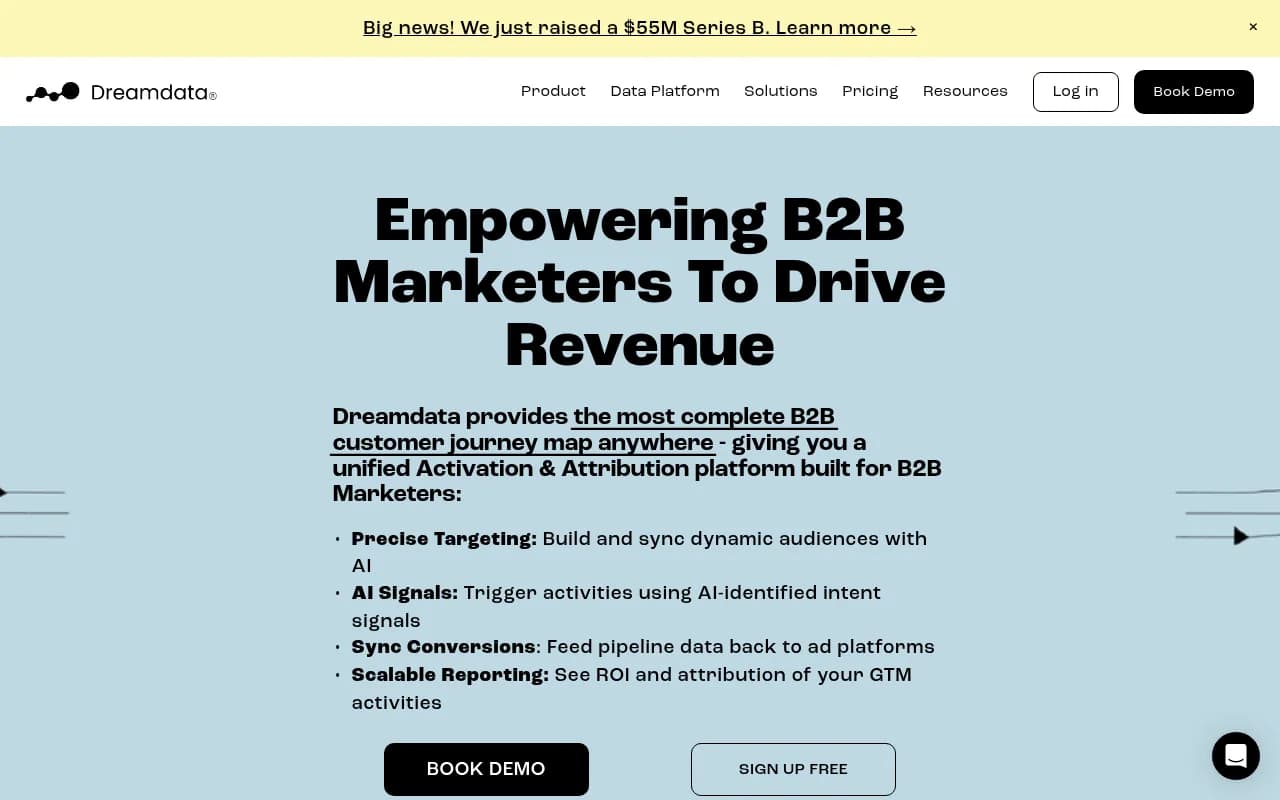
These platforms can model the full customer journey and assign credit to AI touchpoints even when they don't appear as the last session before conversion.
Building a practical measurement system
Here's a simple framework that covers both metrics without requiring a massive tech stack:
| Layer | What it measures | Tools to consider |
|---|---|---|
| Citation tracking | How often your brand appears in AI responses | Promptwatch, Peec AI, Profound |
| Share of voice | Your citation rate vs. competitors | Promptwatch, Otterly.AI, Rankscale |
| AI crawler logs | Which pages AI bots are reading | Promptwatch, DarkVisitors |
| AI click attribution | Sessions from AI referral domains | GA4 (with custom channel grouping) |
| Full-funnel attribution | Revenue influenced by AI touchpoints | HockeyStack, Dreamdata |
| Content gap analysis | Which prompts competitors rank for that you don't | Promptwatch |
You don't need all of these on day one. A reasonable starting point:
- Set up a citation tracking tool and run your 20-30 most important prompts weekly
- Create an "AI Search" channel group in GA4 that captures known AI referral domains
- Check your server logs (or set up a crawler log tool) to see which pages AI bots are visiting
- Review the data monthly and look for disconnects -- high citation volume with low clicks, or pages that get crawled heavily but never cited
Leading vs. lagging indicators
One more framing that helps: citations are a leading indicator, clicks are a lagging indicator.
If your citation rate drops this month, your AI-referred traffic will likely drop next month. If you publish new content that starts getting cited heavily, expect a traffic bump in the weeks that follow. This means citation data is more actionable for optimization -- you can see problems (and opportunities) before they show up in your traffic numbers.
This is why monitoring-only tools that just show you citation data are more useful than they might appear. The data isn't just interesting -- it's predictive.
Common mistakes to avoid
Treating all AI traffic as one bucket. Traffic from Perplexity behaves differently from traffic from Google AI Overviews. Perplexity users are often in research mode; AI Overview users are often in decision mode. Segment them separately.
Ignoring zero-click citations. If your brand is mentioned in 60% of AI responses to a key query but you're getting almost no clicks from it, that's still valuable. Don't write off citation volume because it doesn't show up in your traffic dashboard.
Optimizing only for the AI models you use personally. ChatGPT gets the most attention, but Perplexity drives disproportionately high-value traffic (its user base skews toward high-income professionals). Gemini is deeply integrated into Google's ecosystem. Track all of them.
Waiting for Google Search Console to solve this. GSC has added some AI Overview data, but it's incomplete and doesn't cover third-party AI models at all. Don't wait for a native solution -- build your own measurement stack now.
Measuring citations without acting on the gaps. Citation data is only useful if you do something with it. If you're invisible for a set of prompts where competitors are getting cited, that's a content gap you can close. Tools that show you the gap and help you create content to fill it are more useful than pure monitoring dashboards.
The bottom line
AI citations and AI clicks are not the same metric, and they don't respond to the same optimization strategies. Citations measure your presence in the AI conversation. Clicks measure how much of that presence converts to website traffic. Both matter, and you need both in your measurement stack.
The brands that will win in AI search aren't the ones that track the most metrics -- they're the ones that build a clear feedback loop: find where they're invisible, create content that fills those gaps, and watch their citation rates improve. The clicks follow from there.
That loop is measurable today. You just need the right tools to close it.