Key takeaways
- Most SEO platforms are built for in-house teams managing one site -- they bolt on "agency" features as an afterthought
- The tools that actually scale for agencies share three traits: portfolio-level dashboards, automated reporting, and role-based client access
- AI search visibility is now a real client deliverable -- agencies that can't report on ChatGPT, Perplexity, and Google AI Overviews are already behind
- Semrush and Ahrefs remain the industry standard for keyword research and backlinks, but neither was designed for multi-client workflows
- AgencyAnalytics and SE Ranking are the strongest purpose-built options for agencies that need white-label reporting without enterprise pricing
- For agencies whose clients want AI search visibility tracked alongside traditional SEO, platforms like Promptwatch fill a gap the traditional tools don't cover
Running SEO for multiple clients is not just running SEO for one client, multiple times. The workflows are fundamentally different. You need to spot problems across your entire portfolio without logging into each account individually. You need reports that go out to clients automatically, branded with your agency's logo, without someone spending Friday night in Google Sheets. You need to give clients access to their own data without letting them see everyone else's.
Most SEO platforms fail this test. They're built for in-house teams, then dressed up with a "white-label" checkbox and sold to agencies at a higher price tier. The underlying architecture is still single-site. The reporting is still manual. The multi-client workflows are still an afterthought.
This guide covers the six platforms that actually hold up when you're managing real client portfolios in 2026 -- what they're genuinely good at, where they fall short, and which type of agency each one fits best.
What makes an SEO platform actually agency-ready?
Before getting into the tools, it's worth being specific about what "agency-ready" actually means. There are four things that separate a real agency platform from a single-site tool with an agency price tag.
Portfolio-level visibility. You need to see ranking changes, traffic drops, and technical errors across all your clients from one screen. If you have to click into each account individually to check on things, you'll miss problems until clients notice them first.
Automated, white-label reporting. Client reports should go out on a schedule without manual intervention. They should look like they came from your agency, not from whatever tool you're using. Bonus points if you can customize the metrics per client.
Role-based access. Clients should be able to log in and see their own data. Your team should have different permission levels. Nobody should accidentally see a competitor's campaign.
Scalable pricing. A platform that charges per keyword across every client account will eat your margins as you grow. The best agency tools price by seat or by project, not by data volume.
One more thing worth adding in 2026: AI search visibility is now a real deliverable. Clients are asking whether they show up in ChatGPT, Perplexity, and Google AI Overviews. The agencies that can answer that question -- and show progress over time -- have a meaningful edge. Traditional SEO platforms mostly can't help here, which is why some agencies are adding a dedicated AI visibility layer on top of their core SEO stack.
The 6 best SEO platforms for agencies in 2026
1. Semrush
Semrush is the closest thing to a universal standard in agency SEO. Almost every agency uses it for something -- keyword research, competitive analysis, site audits, backlink monitoring. The data index is enormous, the feature set covers nearly every SEO use case, and the brand recognition means clients recognize it when you reference it in reports.
For agencies specifically, Semrush's Agency Growth Kit adds white-label reporting, a client portal, and a lead generation widget you can embed on your website. The reporting is genuinely good -- you can build automated reports from templates, schedule them to go out monthly, and brand them with your logo and colors.
The honest limitation is that Semrush was built as a research and analysis tool, not a workflow tool. The multi-client dashboard exists, but it's not as clean as purpose-built agency platforms. If you're managing 20+ clients, you'll feel the friction.
Pricing starts around $140/month for a single user, with agency plans available at higher tiers. It's not cheap, but the data quality justifies it for most agencies.
2. Ahrefs
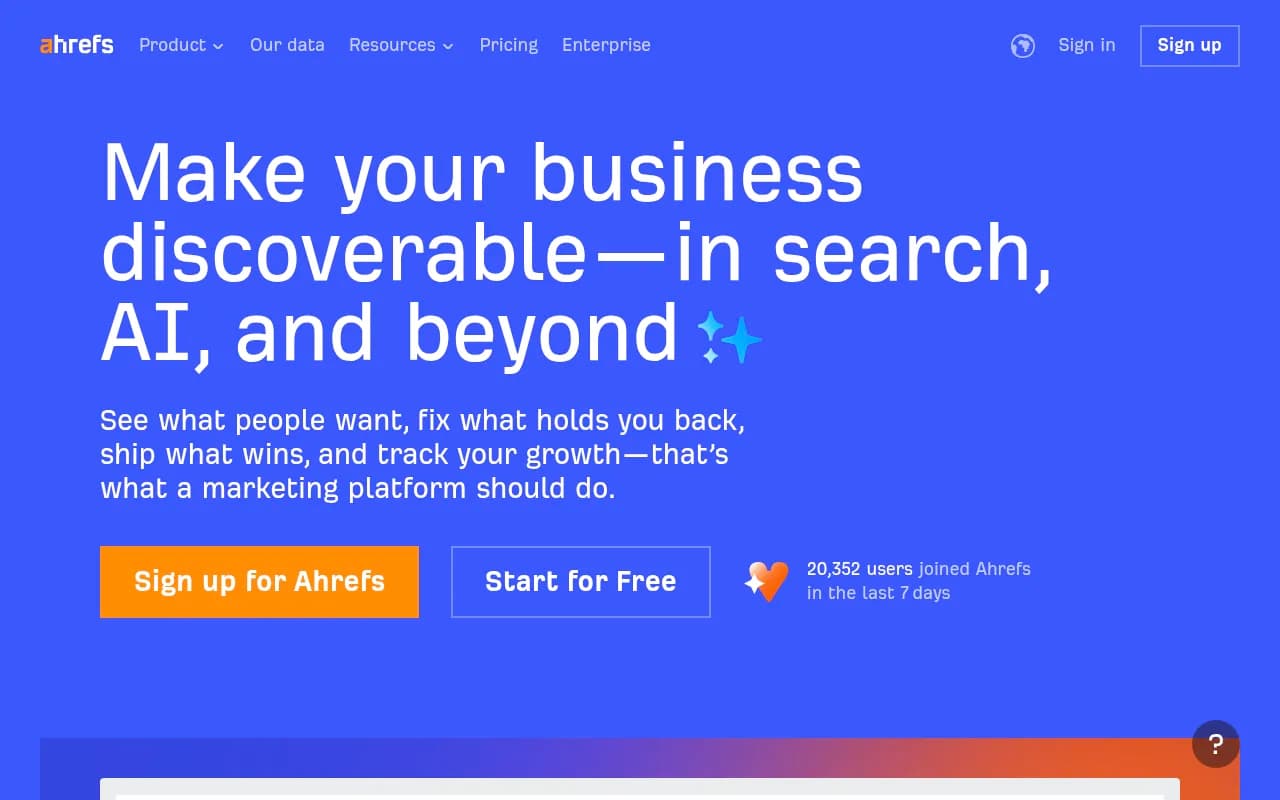
Ahrefs has the best backlink index in the industry, and for many agencies, that's reason enough to keep it in the stack. The keyword research tools are excellent, the site audit crawler is reliable, and the interface is cleaner than Semrush's.
What Ahrefs doesn't do as well is agency workflow. There's no white-label reporting built in. The multi-user access is functional but basic. If client reporting is a major part of your workflow, you'll end up exporting data and building reports elsewhere -- which is exactly the Friday-night-in-Google-Sheets problem that kills agency efficiency.
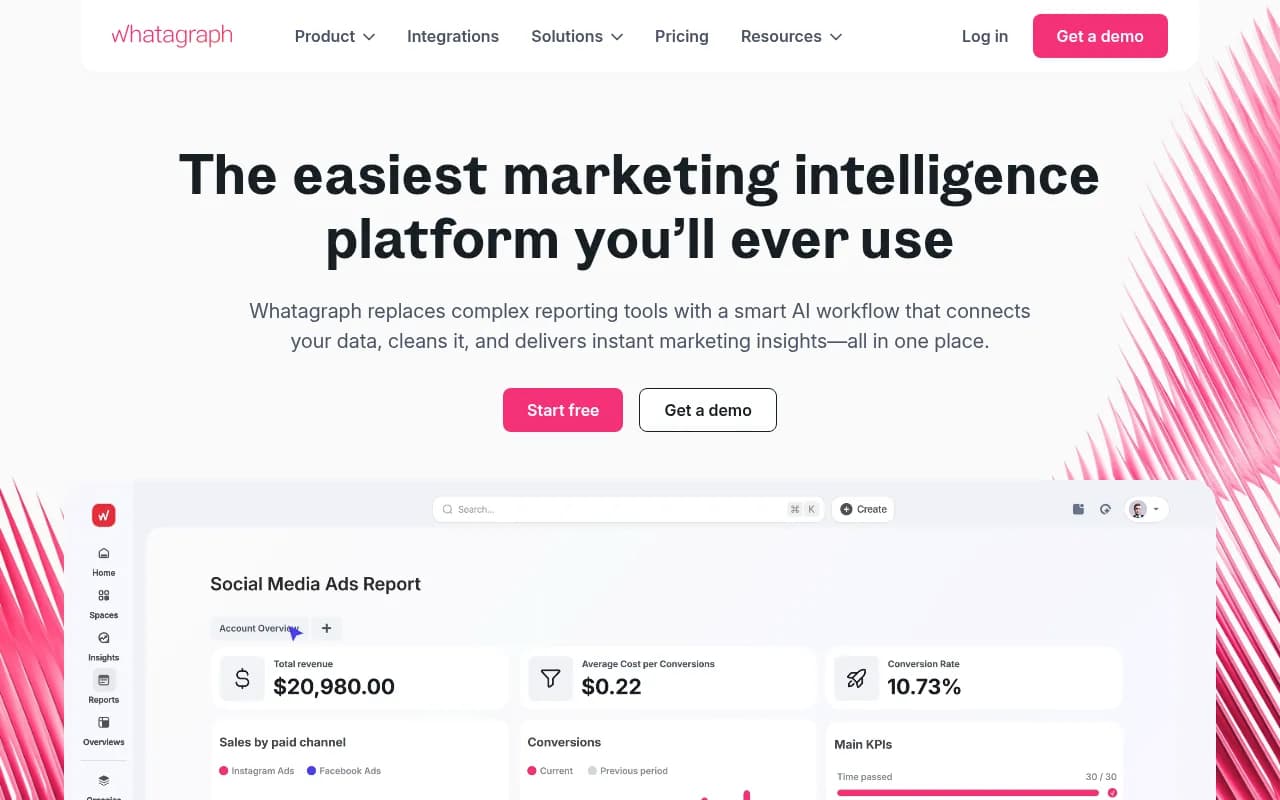
That said, many agencies use Ahrefs as their research and analysis backbone, then pair it with a dedicated reporting tool like Whatagraph or AgencyAnalytics for client-facing deliverables. That combination works well.
Ahrefs also launched Brand Radar, which tracks brand mentions in AI search results. It's a useful addition, though the prompts are fixed and there's no AI traffic attribution -- so it covers monitoring but not much beyond that.
3. SE Ranking
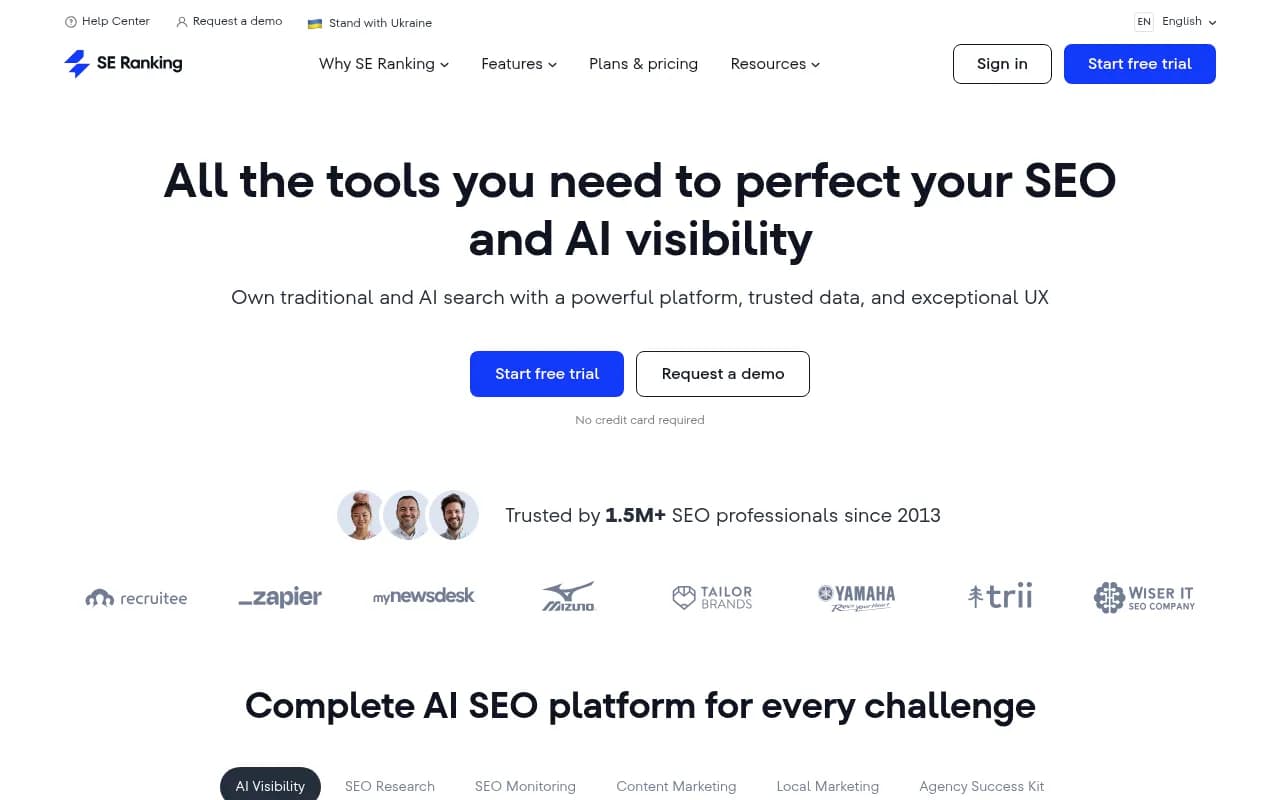
SE Ranking is the most underrated platform on this list. It's built from the ground up for agencies, with white-label reporting, a client portal, lead generation tools, and a clean multi-project dashboard that makes portfolio management genuinely easier.
The rank tracking is accurate and fast. The site audit tool is solid. The keyword research database has grown significantly and is now competitive with the bigger players for most markets. And the pricing is meaningfully lower than Semrush or Ahrefs -- which matters when you're paying for multiple client accounts.
The AI visibility toolkit is worth mentioning: SE Ranking added AI Overview tracking and some LLM monitoring features, which puts it ahead of most traditional SEO platforms on this front. It's not as deep as a dedicated AI visibility platform, but it's a real start.
If you're a mid-size agency looking for one platform that handles most of your workflow without requiring a separate reporting tool, SE Ranking is probably the strongest option right now.
4. AgencyAnalytics
AgencyAnalytics isn't a full SEO platform -- it doesn't have its own keyword research database or backlink index. What it is, is the best reporting and dashboard tool built specifically for agencies.
It connects to 80+ data sources including Google Analytics, Google Search Console, Semrush, Ahrefs, social media platforms, and paid advertising channels. You build dashboards once, clone them across clients, and schedule automated reports that go out with your branding. The client portal is clean and professional.
The reason it makes this list is that for many agencies, the reporting workflow is the actual bottleneck. If you're already paying for Semrush or Ahrefs for the data, AgencyAnalytics solves the "how do I turn this data into client reports without spending hours on it" problem better than anything else.
Pricing is per client campaign, which scales predictably as you grow.
5. Moz Pro
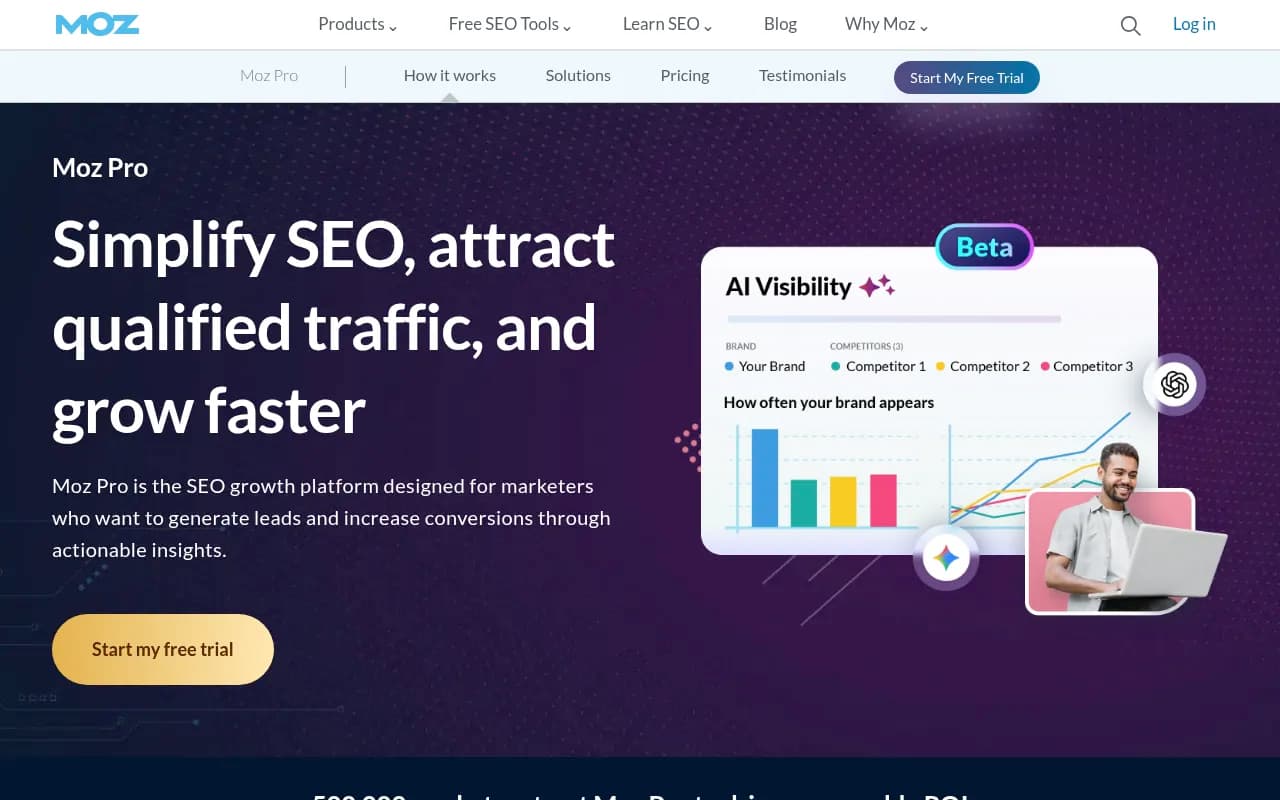
Moz Pro has been around long enough that it's easy to overlook, but it's still a genuinely solid platform for agencies that don't need the most cutting-edge data. The Domain Authority metric is still widely used in client reporting (even if it's a Moz-proprietary score). The keyword research and rank tracking tools are reliable. The site crawl is thorough.
Where Moz Pro earns its place on this list is accessibility. The interface is the most beginner-friendly of any platform here, which matters if you have junior team members running client accounts or if you're onboarding clients who want to log in and poke around themselves. The learning curve is genuinely lower than Semrush or Ahrefs.
The honest trade-off: the data index is smaller, the backlink database isn't as comprehensive, and the feature set hasn't kept pace with competitors over the last few years. For agencies doing sophisticated competitive analysis or working in highly competitive niches, Moz Pro will feel limiting.
6. Screaming Frog
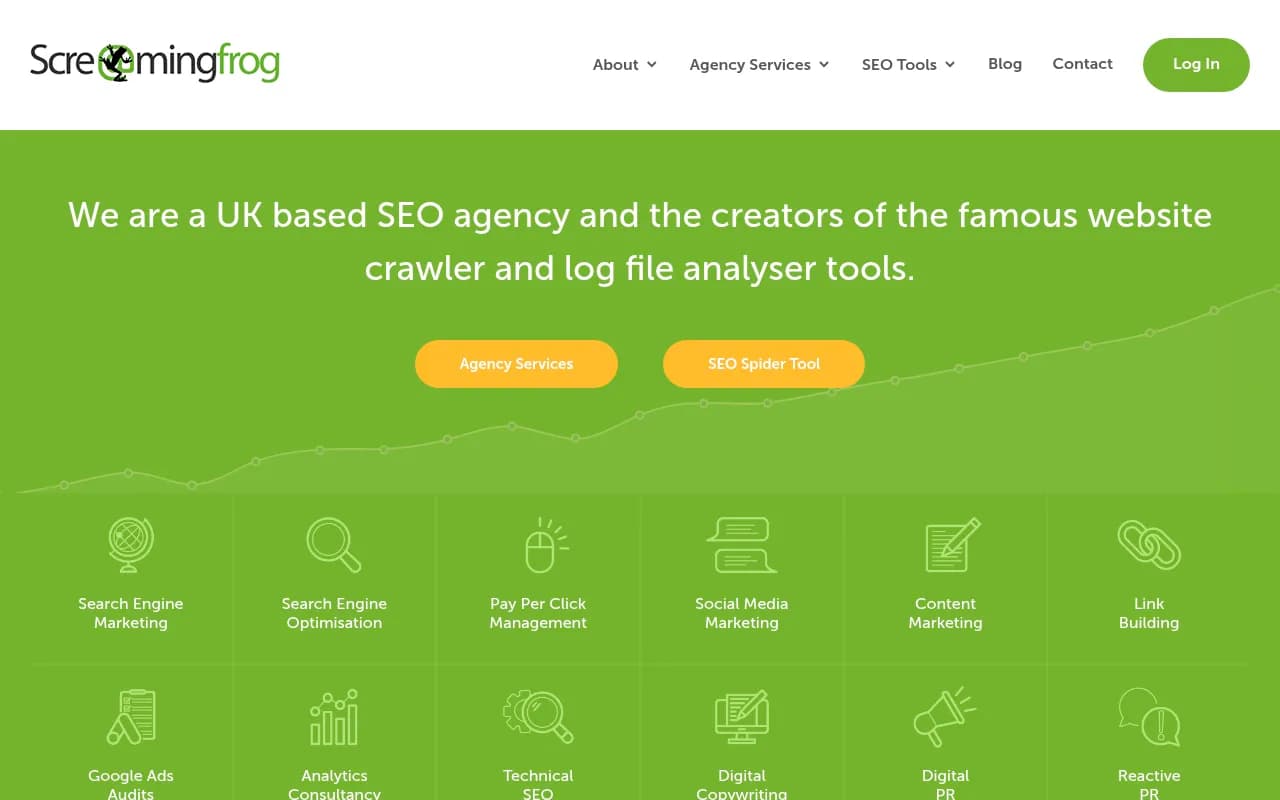
Screaming Frog is a different kind of tool than the others on this list -- it's a technical SEO crawler, not an all-in-one platform. But it earns a spot here because technical audits are a core deliverable for most agencies, and Screaming Frog is simply the best tool for the job.
The depth of crawl data it produces -- redirect chains, canonical issues, duplicate content, structured data errors, page speed metrics -- is unmatched. Agencies use it for onboarding audits, quarterly health checks, and pre-launch reviews. The paid version handles large sites without breaking a sweat.
It's a desktop application (with a cloud version now available), which means it doesn't have the portfolio dashboards or reporting automation of the other tools here. You use it alongside your main platform, not instead of it. But if you're doing serious technical SEO work for clients, it's non-negotiable.
How these platforms compare
| Platform | Best for | White-label reporting | Multi-client dashboard | AI visibility | Pricing model |
|---|---|---|---|---|---|
| Semrush | All-in-one research + reporting | Yes (Agency Kit) | Moderate | Basic | Per user/tier |
| Ahrefs | Backlink research + audits | No | Basic | Brand Radar only | Per user/tier |
| SE Ranking | Agencies wanting one platform | Yes | Strong | AI Overviews + LLM monitoring | Per project |
| AgencyAnalytics | Reporting-focused agencies | Yes | Strong | Via integrations | Per client |
| Moz Pro | Beginner-friendly teams | Limited | Basic | No | Per user |
| Screaming Frog | Technical SEO audits | No | No | No | Per license |
The AI search visibility gap
Here's something worth being direct about: none of the platforms above give you a complete picture of how your clients appear in AI search results. Semrush has some AI Overview data. Ahrefs has Brand Radar. SE Ranking is adding features. But tracking whether a client shows up when someone asks ChatGPT for a product recommendation, or monitoring which pages Perplexity cites in its answers -- that's a different category of tool.
For agencies whose clients are asking about AI search visibility (and more are asking every month), a dedicated platform fills this gap. Promptwatch, for example, tracks citations across 10 AI models, shows which pages are being cited and how often, and includes content gap analysis to show what topics your client's site is missing that competitors are getting cited for.

It's not a replacement for your core SEO stack -- it's an additional layer. But as AI search becomes a larger share of how people find information, being able to show clients their AI visibility alongside their traditional rankings is becoming a real differentiator for agencies.
How to build your agency stack
The honest answer is that no single platform does everything well. Most agencies end up with a two or three-tool stack:
A research and analysis tool (Semrush or Ahrefs) for keyword research, competitive analysis, and backlink monitoring. A reporting tool (AgencyAnalytics or SE Ranking's built-in reporting) for client-facing dashboards and automated reports. A technical crawler (Screaming Frog) for audits.
If AI search visibility is a service you're offering or planning to offer, add a dedicated tracking layer on top.
The trap to avoid is paying for overlap. If you're using SE Ranking for everything including reporting, you probably don't need AgencyAnalytics. If you're using Semrush for research and Screaming Frog for technical audits, you might not need Moz Pro at all.
Start with what your actual workflow bottlenecks are. If Friday-night reporting is killing your team, solve that first. If clients keep asking about AI search, solve that. The best stack is the one that removes the specific friction points in your agency's workflow -- not the one with the most features.
What to look for as you evaluate
A few practical things worth checking before committing to any platform:
How does the pricing actually scale? Some tools charge per keyword tracked, which gets expensive fast when you're tracking rankings for 20 clients across hundreds of keywords each. Others charge per project or per user, which is more predictable.
Can you actually white-label the reports? Some platforms offer "white-label" that's really just adding your logo to their template. Others let you fully customize the report layout, colors, and domain. The difference matters when you're sending reports to enterprise clients.
What does the client portal look like? Log in as a client and see what they see. If it's confusing or cluttered, clients will stop using it and start emailing you questions instead -- which defeats the purpose.
Is there a real API? If you want to pull data into custom dashboards or connect to other tools, a well-documented API saves enormous amounts of time. Most platforms have one, but the quality varies.
The agencies that scale efficiently in 2026 are the ones that treat their tool stack as a workflow problem, not a features problem. Pick the tools that remove friction from your specific process, and you'll be ahead of most of the competition.