Key takeaways
- The most consistent complaint across independent Peec AI reviews is that it tells you where you're invisible but not how to fix it -- it's a monitoring tool, not an optimization platform.
- Prompt and engine caps on cheaper plans push costs up quickly for growing teams, making the pricing less predictable than it first appears.
- Peec AI lacks AI crawler logs, content generation, Reddit/YouTube tracking, and ChatGPT Shopping monitoring -- gaps that matter more as AI search matures.
- Several alternatives address specific complaints better: some are cheaper for small teams, others add content generation, and a few cover the full optimization loop.
- If you need a platform that goes beyond monitoring to actually help you create content that ranks in AI search, the alternatives section below covers your options.
Peec AI has had a genuinely impressive 2025-2026. Founded in Berlin in early 2025, the company raised $29M in under a year (a $21M Series A led by Singular), crossed $4M+ ARR, and landed customers like Chanel, ElevenLabs, and TUI. For a tool that didn't exist two years ago, that's a serious trajectory.
But fast growth and strong funding don't mean a tool is right for every team. Across Reddit threads, LinkedIn reviews, and independent comparison sites, a consistent set of complaints keeps surfacing. Some are deal-breakers for certain use cases. Others are just friction points worth knowing before you commit.
Here's what users actually say -- and which tools fix each problem.

Complaint 1: It monitors but doesn't tell you how to fix anything
This is the number one criticism by a wide margin. From a Cairrot review: "This is the most common criticism across independent reviews: Peec tells you what's happening but doesn't provide strong guidance on how to fix it inside the product itself."
The Reddit thread on Peec AI's 2026 review puts it plainly: "The most common criticism is that Peec tells you where the problem is, but not always how to fix it inside the product itself."
Peec AI is genuinely good at showing you citation frequency, share of voice, and which prompts competitors are winning. But when you close the dashboard and ask "okay, what do I actually do now?" -- the tool doesn't have an answer. You're on your own to figure out what content to create, what angles to take, and how to close the gap.
For teams with experienced SEO strategists who can translate data into action, this is manageable. For everyone else, it's a real problem.
What fixes it: Promptwatch is built around a full optimization loop -- Answer Gap Analysis shows you exactly which prompts competitors rank for that you don't, Content Agents generate articles and briefs grounded in that gap data, and page-level tracking shows when your new content starts getting cited. It's the difference between a dashboard and an actual workflow.

Complaint 2: Prompt and engine caps make scaling expensive
Peec AI's Starter plan begins at $95/month, which sounds reasonable. But the caps kick in fast. Lower tiers restrict both the number of prompts you can track and the number of AI engines you can monitor simultaneously. As your team grows -- or as you want to track more competitor prompts, more markets, or more AI models -- you hit the ceiling quickly.
Multiple reviews flag this. The LinkedIn review notes: "strict prompt and answer limits on cheaper plans" and "pricing that can climb quickly" as core complaints. The Discoveredlabs review echoes it: "Prompt and answer limits on lower plans mean growing teams often need to upgrade or add engines, which can push overall costs up fairly quickly."
This isn't unique to Peec AI -- most GEO tools have tiered prompt limits. But it's worth modeling out your actual prompt volume before assuming the entry price is what you'll pay.
What fixes it: Otterly.AI is one of the more affordable monitoring options for smaller teams with tighter prompt budgets. For teams that need more scale without the sticker shock, it's worth comparing.

Complaint 3: Steep learning curve for beginners
Peec AI's dashboard is information-dense. The Cairrot review actually frames this as a positive ("bland is better than busy when you're dealing with this much information"), but the LinkedIn review gives beginner-friendliness a 6/10 and notes that "the interface and metrics can feel complex for beginners."
If you're a seasoned SEO or GEO practitioner who already understands share of voice, citation rates, and prompt-level analytics, you'll get up to speed reasonably fast. If you're a marketing manager who just wants to know "are we showing up in ChatGPT?" -- the learning curve is real.
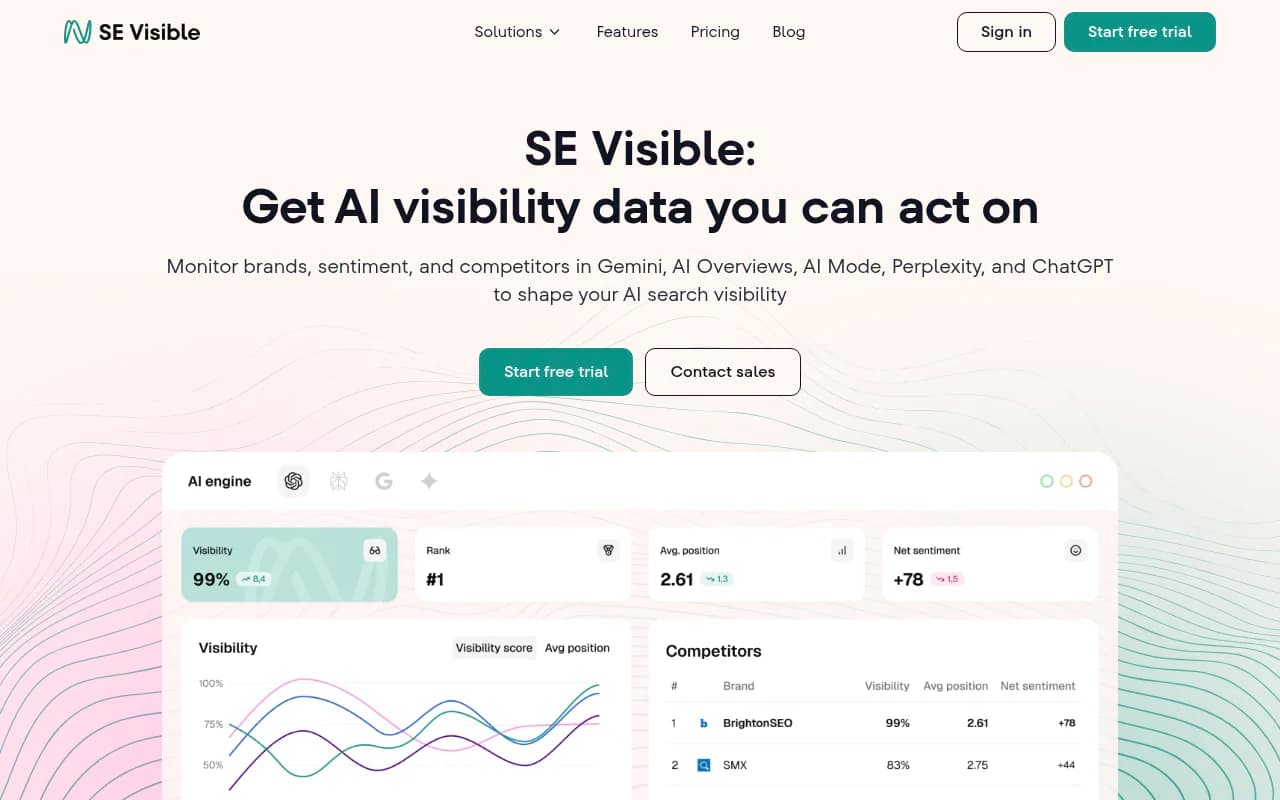
What fixes it: SE Visible is consistently rated as one of the more user-friendly AI visibility tools, designed for teams that don't want to spend a week learning a new analytics interface.
Complaint 4: No AI crawler logs or technical crawl visibility
Peec AI tracks what AI models say about your brand. It doesn't tell you whether AI crawlers are actually visiting your site, which pages they're reading, or whether they're hitting errors that prevent your content from being indexed.
This is a significant gap. Knowing you're not being cited is useful. Knowing why you're not being cited -- because Perplexity's crawler is returning a 403 on your key pages, or because ChatGPT hasn't revisited your site in 60 days -- is actionable.
Most monitoring-only tools skip this entirely, and Peec AI is no exception.
What fixes it: Promptwatch includes real-time AI crawler logs that show which AI agents (ChatGPT, Claude, Perplexity, etc.) are hitting your site, which pages they read, what errors they encounter, and how often they return. It also tracks the timeline from crawl to citation -- so you can see when a page goes from "discovered" to "cited."
Complaint 5: No content generation or content brief tools
Peec AI identifies gaps. It doesn't help you fill them. There's no built-in content generation, no brief builder, no way to go from "we're missing citations for this prompt cluster" to "here's a draft article that addresses it."
For teams that want a single platform to handle both the diagnosis and the treatment, this is a meaningful limitation. You end up stitching together Peec AI data with a separate content tool, which adds friction and makes it harder to close the loop.
What fixes it: A few tools are worth looking at here depending on your setup:
- Promptwatch's Content Agents generate articles, listicles, and comparisons grounded in real prompt data, citation data, and competitor analysis -- not generic SEO filler.
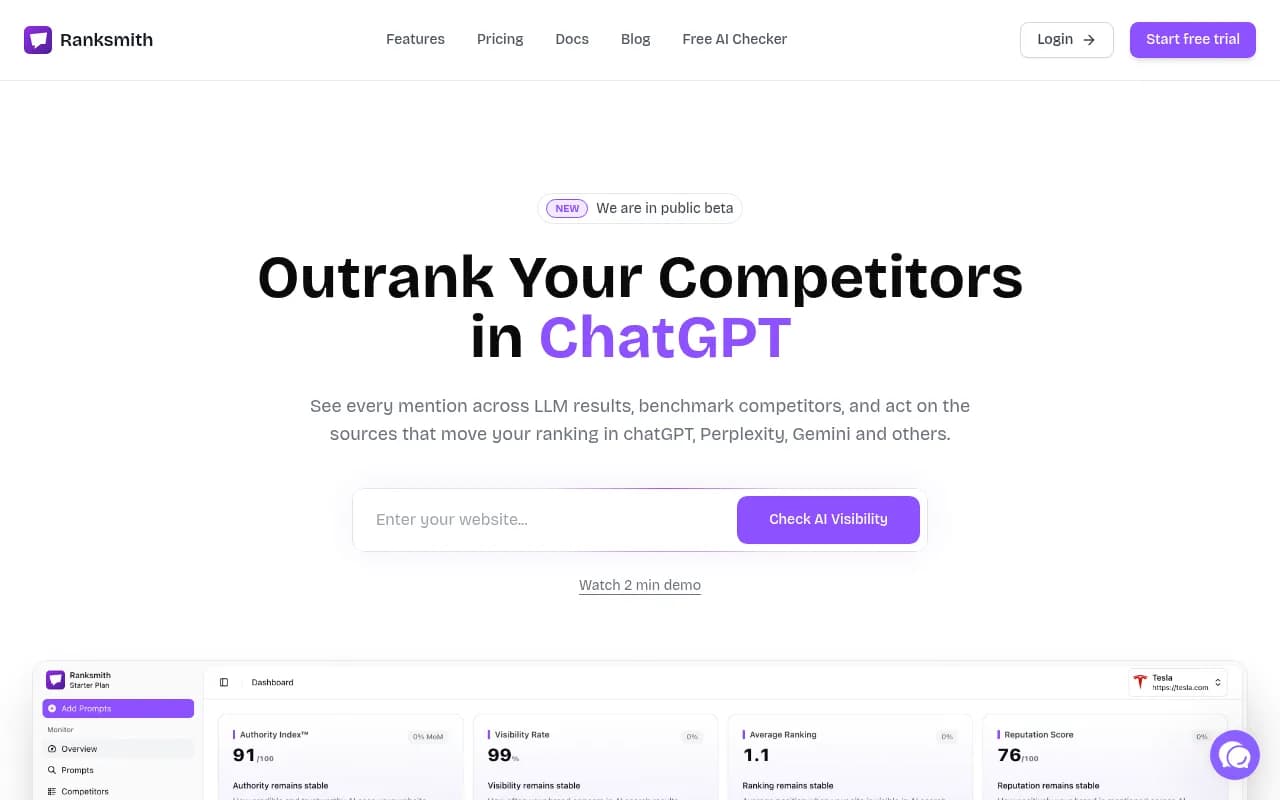
- Ranksmith focuses on actionable AI visibility insights with content recommendations built in.
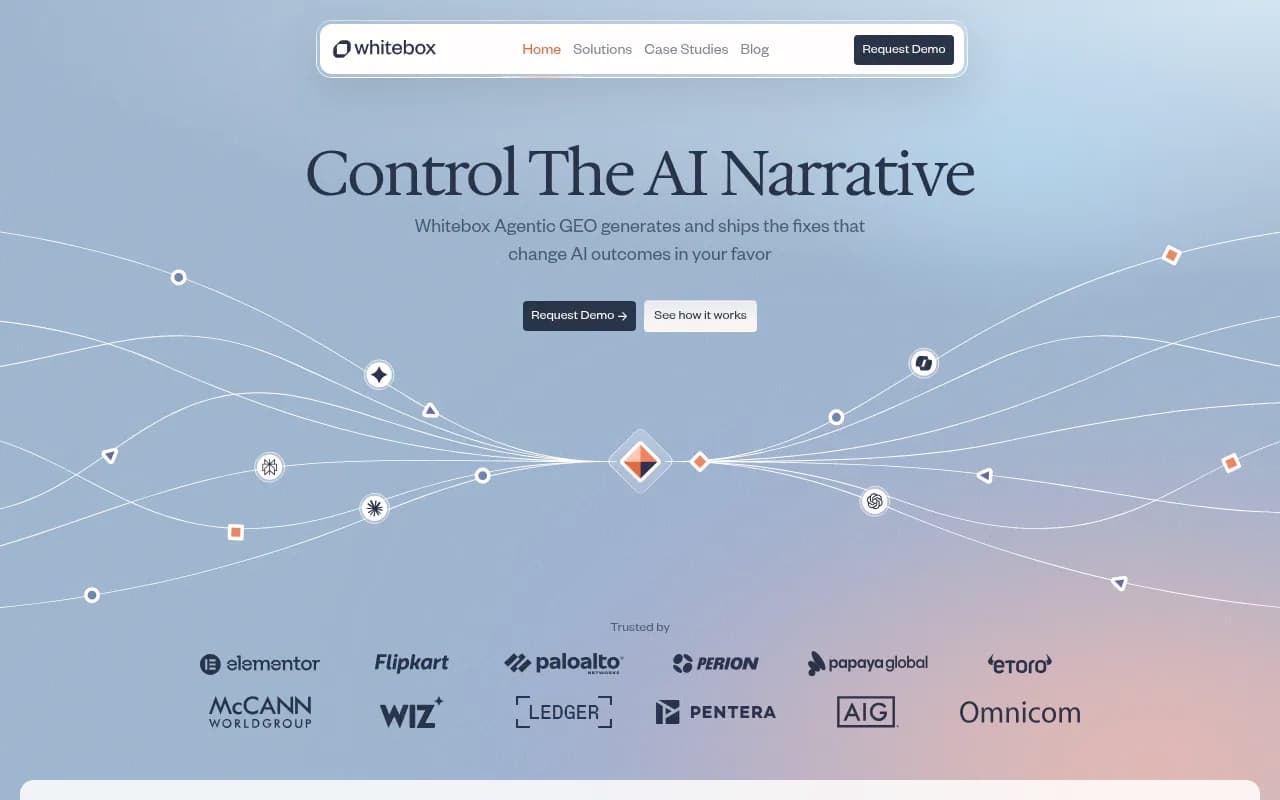
- Whitebox takes an agentic approach, automatically generating and shipping AI narrative fixes.
Complaint 6: No Reddit, YouTube, or offsite citation tracking
AI models don't just cite brand websites. They cite Reddit threads, YouTube videos, listicles, and third-party review pages. If a competitor is dominating AI recommendations partly because they have strong Reddit presence or a well-cited YouTube channel, Peec AI won't surface that.
This is a blind spot that matters more than it might seem. Reddit in particular has become a significant citation source for conversational AI -- several studies have shown that Reddit threads appear in AI-generated answers at a rate disproportionate to their traditional SEO footprint.
Peec AI tracks what's being said about your brand in AI answers. It doesn't tell you where those citations are coming from offsite, or what offsite content you'd need to create or influence to improve your position.
What fixes it: Promptwatch tracks offsite citations including Reddit posts, YouTube videos, and third-party pages that drive AI visibility outside your own site. It also surfaces Reddit and YouTube discussions that directly influence AI recommendations -- a channel most platforms ignore.
Complaint 7: Limited enterprise readiness (SSO, integrations, compliance)
The LinkedIn review gives enterprise readiness a 6/10, noting that "some enterprise-grade capabilities (like deeper integrations and SSO) are realistically only available or useful on higher tiers."
For large organizations with strict SSO requirements, compliance needs, or complex multi-brand setups, Peec AI's current enterprise story is still maturing. Given that the company is less than two years old, this is understandable -- but it's worth flagging for procurement teams at larger organizations.
What fixes it: For enterprise teams with these requirements, Profound and BrightEdge have more mature enterprise infrastructure, though both come at higher price points.

How Peec AI compares to the main alternatives
Here's a side-by-side view of how Peec AI stacks up against the most commonly considered alternatives across the complaints above:
| Feature | Peec AI | Promptwatch | Otterly.AI | Profound | Ranksmith |
|---|---|---|---|---|---|
| AI visibility monitoring | Yes | Yes | Yes | Yes | Yes |
| Actionable fix recommendations | Limited | Yes | No | Partial | Yes |
| Content generation | No | Yes | No | No | No |
| AI crawler logs | No | Yes | No | No | No |
| Reddit/YouTube tracking | No | Yes | No | No | No |
| ChatGPT Shopping tracking | No | Yes | No | No | No |
| Offsite citation analysis | No | Yes | No | Partial | No |
| Prompt volume/difficulty scoring | No | Yes | No | Partial | No |
| Beginner-friendly UI | Moderate | Moderate | Yes | Moderate | Yes |
| Starting price | ~$95/mo | $99/mo | Lower | Higher | Mid-range |
| Enterprise SSO/integrations | Limited | Yes | No | Yes | No |
A few things stand out from this table. Peec AI and Promptwatch are actually close in starting price, but the feature gap is significant -- especially once you factor in content generation, crawler logs, and offsite tracking. Otterly.AI wins on simplicity and price for teams that genuinely only need basic monitoring. Profound is the choice if enterprise compliance is non-negotiable and budget isn't a constraint.
So is Peec AI worth it in 2026?
Honestly, yes -- for a specific type of user. If you're an experienced SEO or GEO practitioner who wants a clean, affordable monitoring dashboard to track brand visibility across ChatGPT, Perplexity, and Google AI Overviews, Peec AI delivers solid value. The Cairrot review rates it as "one of the few AEO tools on the market worth the price it charges" for that use case, and that's a fair assessment.
The problems start when you need more than monitoring. If your team is asking "how do we actually improve our AI visibility?" rather than just "where are we right now?" -- Peec AI doesn't have a good answer. You'll need to pair it with other tools, or switch to a platform that handles the full loop.
The independent review from Discoveredlabs covers this tension well: Peec AI answers "are we visible in AI search?" but stops at diagnosis. Moving from diagnosis to action requires either a separate content strategy process or a platform built around optimization rather than just tracking.
For teams that want that full loop -- find gaps, generate content, track results -- Promptwatch is the most complete option at a comparable price point. For teams that just need affordable monitoring and have the in-house expertise to act on the data themselves, Peec AI is a legitimate choice.
The key is knowing which category you're in before you sign up.
Quick reference: which alternative fixes which complaint
| Complaint | Best alternative fix |
|---|---|
| No actionable guidance | Promptwatch (Answer Gap Analysis + Content Agents) |
| Prompt/engine caps too restrictive | Otterly.AI (more affordable entry tier) |
| Too complex for beginners | SE Visible (simpler UI) |
| No AI crawler logs | Promptwatch (real-time crawler log tracking) |
| No content generation | Promptwatch, Ranksmith, Whitebox |
| No Reddit/YouTube/offsite tracking | Promptwatch |
| Limited enterprise readiness | Profound, BrightEdge |