Key takeaways
- Showing up in a Google AI Overview is only the starting point. The framing, sentiment, and competitive context of what the AI says about you matters just as much as the citation itself.
- AI Overviews now appear in roughly 50% of US searches, and users who see one are half as likely to click through to a traditional result -- so the AI's summary of your brand often IS your brand impression.
- You need to audit not just whether you appear, but what claims the AI makes, which sources it pulls from, and how you compare to competitors named in the same response.
- Content structure, E-E-A-T signals, and freshness all influence how the AI characterizes your brand -- not just whether it mentions you.
- Dedicated AI visibility tools can track these signals at scale and help you identify and fix gaps before they become reputation problems.
Google AI Overviews went from a curiosity to a core part of how people research brands. On January 27, 2026, Google made Gemini 3 the default model powering AI Overviews worldwide -- a change that quietly shifted how millions of search results describe, recommend, and contextualize brands every day.
Most brands are still asking the wrong question. "Are we showing up?" is table stakes. The real question is: "What is the AI actually saying about us, and is it accurate, favorable, and complete?"
This guide is about reading those signals properly and knowing what to do with them.
Why the content of AI Overviews matters more than the citation
Here's a number worth sitting with: users who encounter a Google AI Overview click on a traditional search result in just 8% of visits, compared to 15% when no AI Overview is present, according to Pew Research. That's a roughly 47% drop in click-through rate.
What that means practically: for a large share of your potential customers, the AI Overview summary IS the brand impression. They read it, form an opinion, and move on. They never visit your site. They never read your carefully crafted "About" page or your case studies.
So if the AI describes your product as "mid-range" when you're premium, or lists you third after two competitors, or omits a key differentiator -- that's a real business problem, not a technical SEO footnote.
The shift to Gemini 3 makes this more acute. Gemini 3 is better at synthesizing multiple sources into coherent narratives, which means AI Overviews are getting more opinionated and more detailed. A vague mention is increasingly being replaced by a characterization.
What to actually look for when you appear in an AI Overview
When you find your brand in a Google AI Overview, don't just note that it appeared. Work through these specific questions:
What claim is the AI making about you?
The AI isn't just citing you -- it's making a claim. "Brand X is a good option for small businesses" is very different from "Brand X is an enterprise solution." Read the exact language. Is it accurate? Is it the positioning you want?
Sometimes the AI pulls a claim from a three-year-old blog post that no longer reflects your product. Sometimes it synthesizes a description from a review site that has outdated information. The source of the claim matters as much as the claim itself.
Who else is mentioned in the same response?
AI Overviews rarely mention a single brand. They typically present a set of options or a comparison. If you appear in a response that also names your top three competitors, you're in a competitive context whether you like it or not.
Look at the order. Look at how each brand is described. If a competitor is described as "the industry standard" and you're described as "an alternative," that framing shapes perception even if both brands are cited.
Which source is the AI pulling from?
Google AI Overviews cite their sources. Click through to them. If the AI is describing your brand based on a Reddit thread from 2023, a listicle you don't control, or a review site with mixed ratings -- that's the content you need to address. Your own website may be ranking well in traditional search but losing the narrative war in AI Overviews because third-party sources are dominating the citations.
Is the information current?
Gemini 3 has improved temporal reasoning, but AI Overviews still sometimes surface outdated information. If your pricing changed, if you launched a major feature, if you pivoted your positioning -- check whether the AI knows. The Reddit thread linked in the research data for this guide actually documents cases where Google AI Overviews confidently stated the wrong year, which is a good reminder that these systems aren't infallible.
What's missing?
This is the hardest one to spot. If the AI Overview answers "what is Brand X good for?" and doesn't mention your strongest use case, that's a gap. The AI can only synthesize what it can find. If your best content isn't structured in a way the AI can parse, it won't make it into the summary.
The signals that shape what the AI says about you
Understanding why the AI says what it says helps you change it. A few factors drive the content of AI Overviews specifically:
Source authority and recency
Gemini 3 heavily weights sources that are authoritative and recent. If your highest-authority pages haven't been updated in 18 months, you're competing against fresher content from competitors and third-party sites. Pages that already rank in the top 10 for a query are much more likely to feed the AI Overview for that query -- so traditional rankings are still the entry ticket, but freshness is what gets you the good narrative.
How directly your content answers the query
AI Overviews are built to answer questions. If your content buries the answer in paragraph four after three paragraphs of context-setting, the AI may skip it entirely or pull a less accurate summary. Content that leads with a direct, clear answer -- then supports it -- is structurally better suited for AI synthesis.
E-E-A-T signals the AI can verify
Experience, Expertise, Authoritativeness, and Trustworthiness aren't just abstract quality signals. For AI Overviews specifically, they need to be verifiable from the content itself. Named authors with credentials, specific data points, citations to primary sources, and consistent brand information across the web all help the AI build a coherent, positive picture of your brand.
Third-party corroboration
If your website says you're the best in your category but no external source corroborates that claim, the AI will either ignore it or hedge it. Third-party mentions -- in industry publications, review sites, Reddit discussions, YouTube videos -- act as corroboration. The AI synthesizes across sources, so a claim that appears on your site AND in three credible external sources carries more weight than a claim that only appears on your site.
Building a systematic audit of your AI Overview presence
One-off checks aren't enough. AI Overviews change frequently -- Gemini 3 updates its responses as new content is indexed, as query patterns shift, and as the underlying model is refined. You need a repeatable process.
Here's a practical audit framework:
Step 1: Identify the queries that matter. Start with branded queries ("Brand X review", "Brand X vs competitor", "what is Brand X"), then move to category queries where you want to appear ("best [product category] for [use case]"). These are the prompts where your brand's narrative is being shaped.
Step 2: Run each query and capture the full AI Overview. Don't just note whether you appear. Screenshot the full response, note the sources cited, and record the exact language used to describe your brand.
Step 3: Categorize what you find. For each appearance, classify it: accurate and favorable, accurate but neutral, inaccurate, missing key information, or unfavorable framing. This gives you a prioritized list of things to fix.
Step 4: Trace each issue to its source. For inaccurate or unfavorable descriptions, find the source the AI is pulling from. For missing information, identify what content would need to exist (and where) for the AI to include it.
Step 5: Track changes over time. After you make content changes, monitor whether the AI Overview updates. This feedback loop is how you know if your optimizations are working.
Doing this manually at scale is genuinely painful. Tools built for AI visibility monitoring can automate much of this. Promptwatch tracks AI Overview responses across queries, logs which sources are being cited, and shows you how your brand is characterized versus competitors -- which makes the audit process significantly faster.

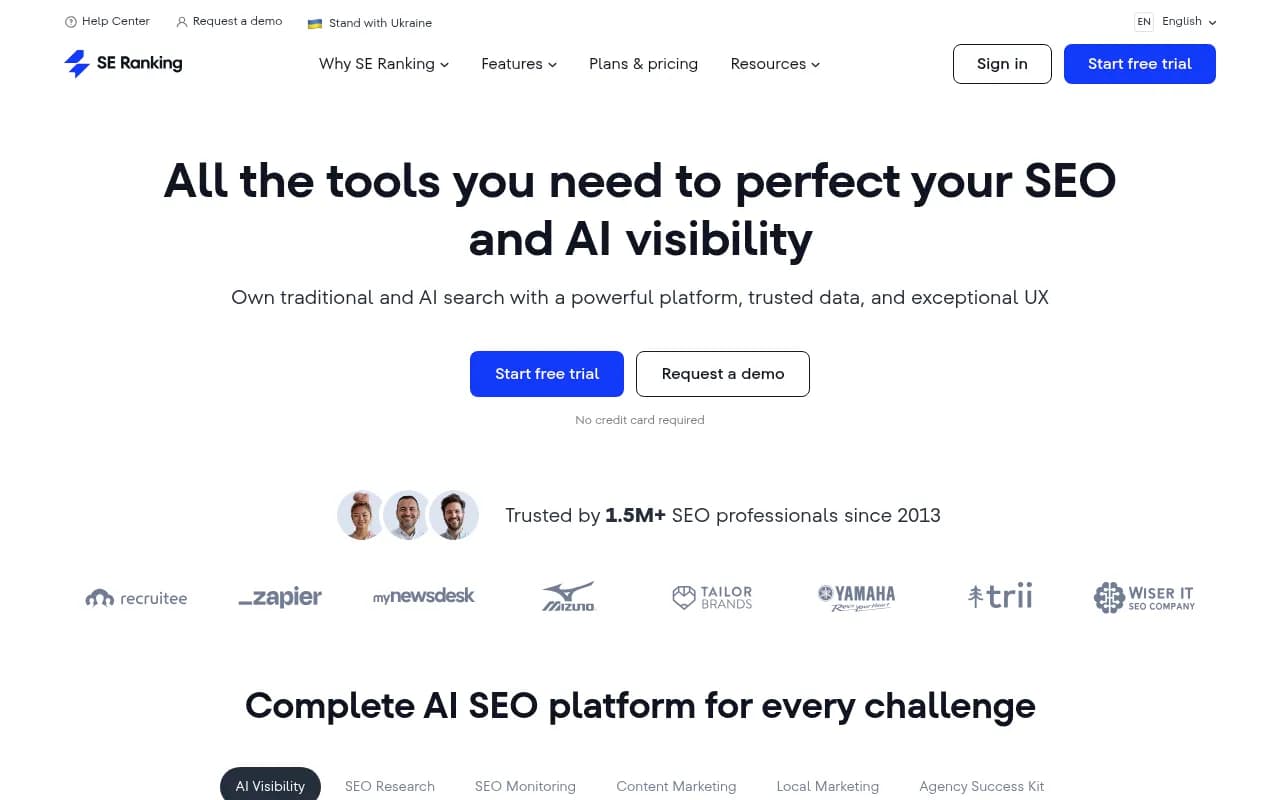
For teams that want to focus specifically on Google AI Overviews alongside traditional rank tracking, tools like Thruuu and SE Ranking have built specific AI Overview monitoring features worth considering.
When the AI says something wrong about your brand
This happens more than most brands realize. The fix isn't to contact Google -- there's no meaningful mechanism for that. The fix is to make the correct information more prominent, more authoritative, and more widely corroborated across the web.
Specifically:
- Publish a clear, authoritative page on your own site that directly addresses the inaccurate claim. If the AI says you're "only for enterprise" and you serve SMBs, create content that explicitly and specifically addresses SMB use cases with concrete examples.
- Get that correct information onto third-party sources. A guest post, a PR mention, an updated listing on a relevant review site -- these external corroborations signal to the AI that the correct information is the consensus view.
- Update any old content on your own site that might be feeding the wrong narrative. If a blog post from 2022 describes your product in a way that's no longer accurate, update it or redirect it.
- Check your structured data. Schema markup that clearly describes your brand, products, and positioning gives the AI structured signals it can parse reliably.
Competitive context: what the AI says about you relative to competitors
One of the more underappreciated aspects of AI Overviews is that they're inherently comparative. When someone searches "best project management software for remote teams," the AI Overview doesn't just describe one tool -- it synthesizes a comparison. Your brand's position in that comparison is determined by the content ecosystem around your brand versus your competitors'.
This means you need to monitor not just your own AI Overview appearances but the full competitive context. Which competitors are consistently named alongside you? How are they described? Are there queries where competitors appear and you don't?
This competitive gap analysis is where a lot of the actionable insight lives. If a competitor is appearing in AI Overviews for a query where you're absent, the question is why -- and the answer is almost always traceable to specific content gaps or authority gaps that can be addressed.
Tools like Profound and AthenaHQ offer competitive visibility tracking across AI search engines, though they're primarily monitoring-focused. Promptwatch goes further by combining the gap analysis with content generation tools that help you actually create the content needed to close those gaps.


The sentiment dimension: favorable vs. neutral vs. unfavorable
Most AI visibility discussions focus on presence and absence. Fewer address sentiment -- and sentiment matters enormously when the AI Overview is the primary brand impression for a large share of searchers.
An AI Overview can mention your brand in three meaningfully different ways:
- Favorably: "Brand X is widely recommended for its ease of use and strong customer support."
- Neutrally: "Brand X is one option in this category."
- Unfavorably: "Brand X has received mixed reviews, with some users noting limitations in its reporting features."
The AI synthesizes these characterizations from the sources it cites. If the dominant sources discussing your brand are critical reviews, that's what the AI will reflect. If the dominant sources are positive case studies and expert endorsements, the characterization will be different.
This is why offsite content strategy matters so much for AI visibility. Your own website content is necessary but not sufficient. The broader content ecosystem -- what review sites say, what Reddit discussions surface, what YouTube reviewers conclude -- shapes the AI's characterization of your brand.
Practical tools for tracking AI Overview brand characterization
Here's a quick comparison of tools that can help you monitor and interpret what AI Overviews say about your brand:
| Tool | AI Overview tracking | Competitor comparison | Content gap analysis | Sentiment tracking |
|---|---|---|---|---|
| Promptwatch | Yes | Yes | Yes (with content generation) | Yes |
| Profound | Yes | Yes | Limited | Limited |
| AthenaHQ | Yes | Yes | No | No |
| SE Ranking | Yes | Partial | No | No |
| Thruuu | Yes (focused) | No | No | No |
| Otterly.AI | Basic | Basic | No | No |
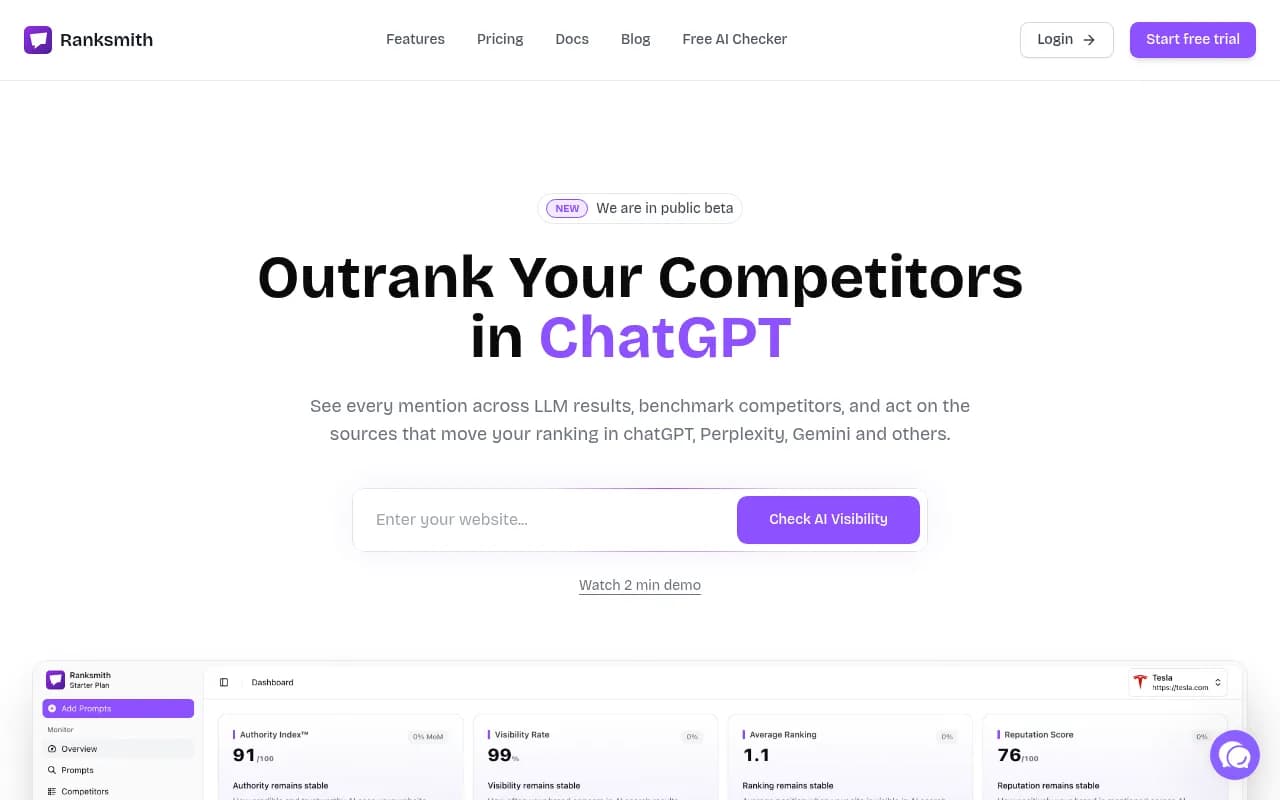
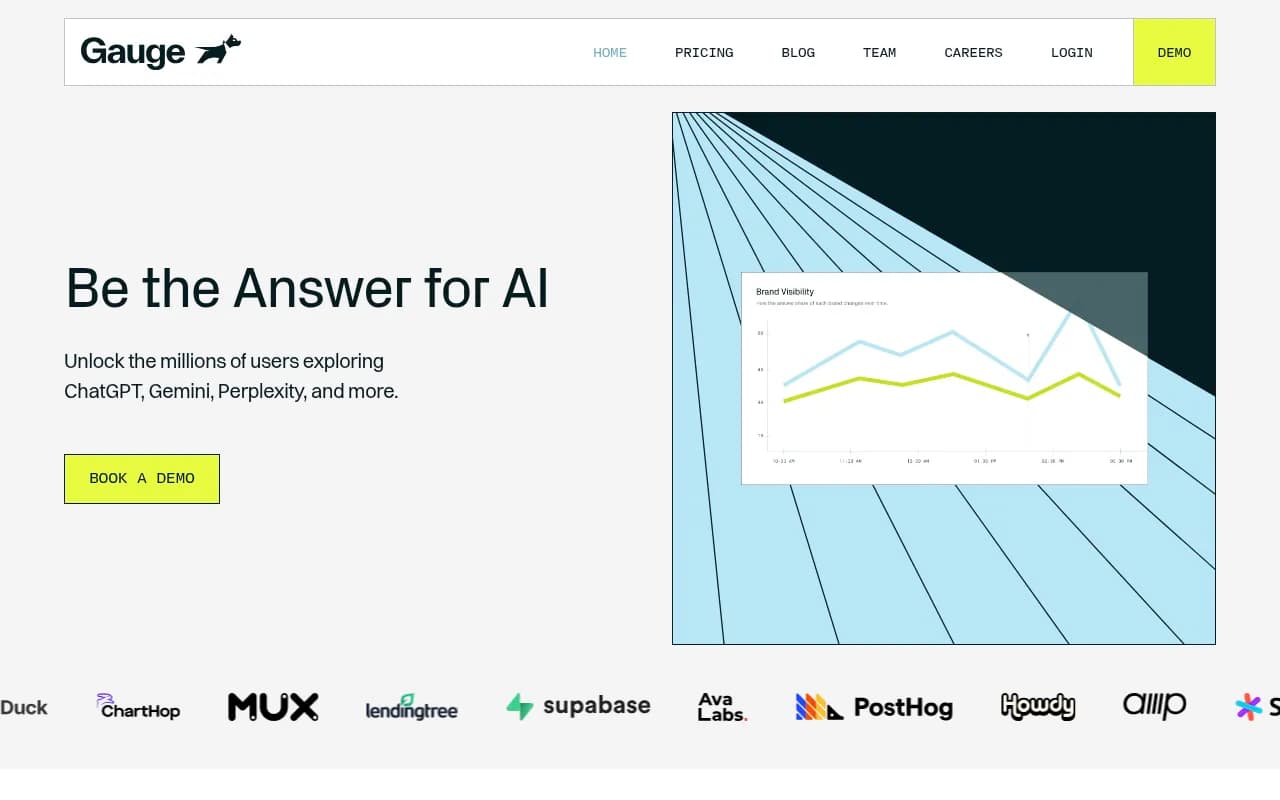
For most marketing teams, the workflow looks like this: use a monitoring tool to catch AI Overview appearances automatically, then do a deeper manual review of the specific queries that matter most to your brand. The automated monitoring catches changes; the manual review catches nuance.

What good looks like: the AI Overview brand narrative you're aiming for
When you've done this well, here's what you're working toward: a consistent, accurate, favorable characterization of your brand across the AI Overviews that matter to your category. The AI should be able to answer "what is Brand X?" and "who is Brand X best for?" with language that reflects your actual positioning, supported by authoritative sources both on and off your site.
That's not a one-time achievement. It requires ongoing monitoring because the AI's responses change as new content is indexed, as competitors publish new material, and as the underlying model evolves. Gemini 3 is already a significant step up from its predecessor in terms of synthesis quality -- and there will be a Gemini 4.
The brands that treat AI Overview monitoring as a continuous discipline rather than a one-time audit will have a meaningful advantage. The ones that only check whether they appear are leaving the most important part of the picture unread.
Start with the audit. Trace the claims back to their sources. Fix the inaccuracies. Fill the gaps. And build the monitoring habit that keeps you ahead of the next model update.