Key takeaways
- 2025 saw GEO platforms split into two camps: monitoring-only dashboards and full optimization loops. The gap between them widened significantly by year-end.
- Profound doubled down on enterprise analytics but remained expensive and execution-light. Peec.ai grew its agency user base with clean reporting. Otterly.AI stayed budget-friendly but limited.
- Promptwatch emerged as the only platform in the category rated "Leader" across all evaluation criteria in a 2026 comparison of 12 GEO platforms, largely because it closes the loop from gap detection to content creation to traffic attribution.
- The biggest shift of 2025: teams stopped asking "are we visible in AI?" and started asking "why aren't we, and how do we fix it?" Tools that couldn't answer the second question started losing ground.
- If you're evaluating platforms heading into 2026, the right question isn't which tool has the best dashboard -- it's which tool helps you actually move the needle.
2025 was a strange year to work in SEO. Organic traffic dropped for a lot of teams, AI search kept eating into click-through rates, and suddenly everyone needed a GEO strategy -- even if they couldn't quite define what GEO meant yet.
The four platforms that came up most in those conversations were Promptwatch, Profound, Peec.ai, and Otterly.AI. Each took a different approach, attracted a different audience, and made different bets on where the category was heading. By the end of the year, those bets had very different payoffs.
This is a look back at how each platform evolved through 2025, what changed, and what GEO teams should take from it.
The backdrop: what 2025 actually demanded from GEO tools
Before getting into the platforms, it's worth being honest about what the year required.
NP Digital's analysis of 50 B2B companies found organic leads dropped 47% between January and October 2025. Research from Magenta Associates put AI tool adoption among UK senior decision-makers at 66% for supplier research -- with 90% trusting the recommendations those tools gave them. Gartner projected search engine volume declining 25% by 2026.
These weren't fringe signals. They were mainstream enough that marketing teams who'd ignored AI search visibility in 2024 couldn't ignore it anymore.
What that created was real pressure on GEO platforms to do more than show a dashboard. Teams needed to know which prompts they were losing, why, and what to do about it. The platforms that could answer all three questions had a good year. The ones that stopped at the first question had a harder time justifying their price tags.
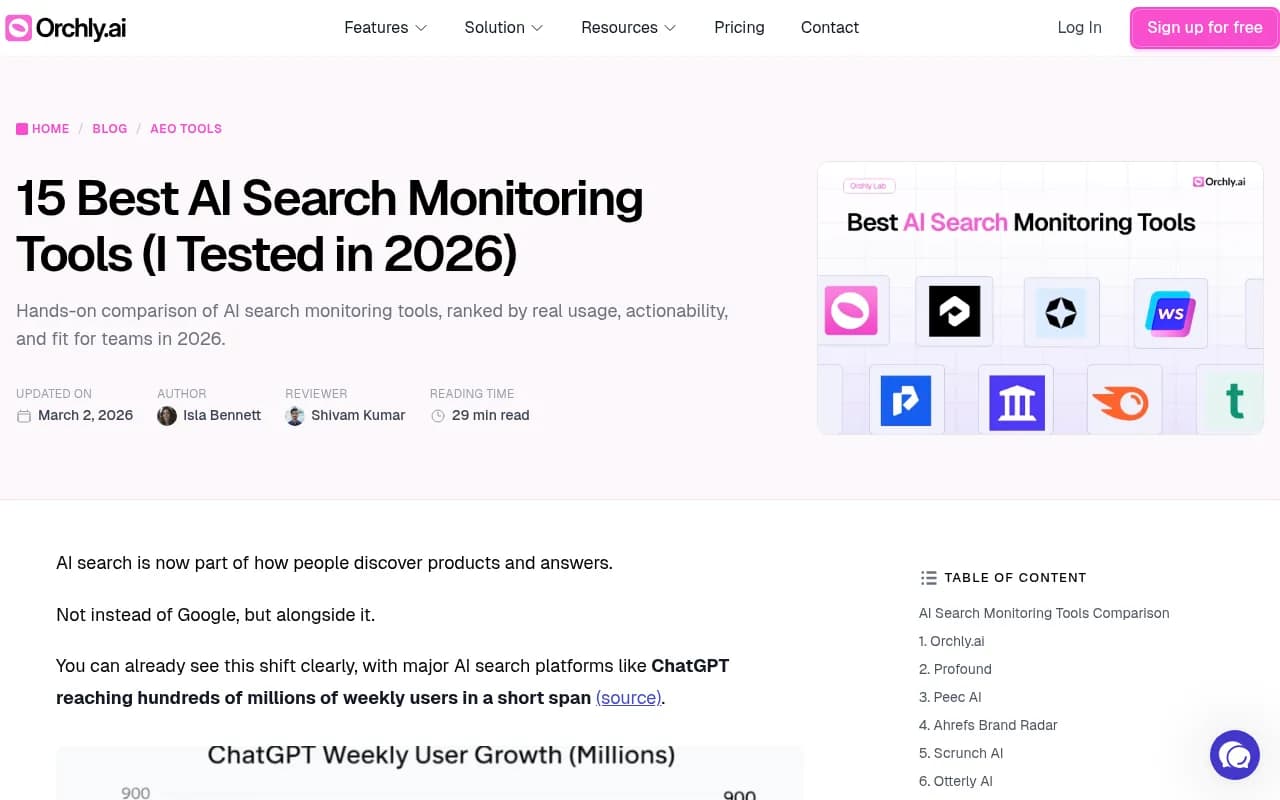
Promptwatch: from tracker to optimization platform
Promptwatch entered 2025 already positioned as more than a monitoring tool, but the year is when that positioning really got tested.
The core of what Promptwatch built -- and kept building through 2025 -- is what they call the action loop: find gaps, create content, track results. That sounds simple, but most competitors only do step one.
The Answer Gap Analysis feature became one of the most talked-about capabilities in the category. It shows you exactly which prompts competitors are visible for that you're not -- not just a vague "you're missing coverage here" signal, but the specific questions AI models are answering with competitor content instead of yours. That's genuinely useful in a way that a share-of-voice percentage isn't.
The built-in AI writing agent was the other major development. It generates articles, listicles, and comparison content grounded in citation data -- not generic SEO filler, but content specifically engineered to get cited by ChatGPT, Claude, Perplexity, and other models. By the time 2025 closed, Promptwatch had processed over 880 million citations to inform that content generation.
A few other things that set it apart through the year:
- AI Crawler Logs showing exactly which pages ChatGPT, Claude, and Perplexity were crawling, how often, and what errors they hit. Most competitors don't have this at all.
- Reddit and YouTube tracking, surfacing the discussions that directly influence AI recommendations -- a channel the rest of the category mostly ignored.
- ChatGPT Shopping tracking, which became relevant fast as ChatGPT expanded its product recommendation features.
- Traffic attribution via code snippet, GSC integration, or server log analysis, so teams could connect AI visibility to actual revenue rather than just impressions.
By the end of 2025, Promptwatch was tracking 10 AI models across OpenAI/ChatGPT, Perplexity, Google AI Overviews, Google AI Mode, Claude, Gemini, Meta/Llama, DeepSeek, Grok, Mistral, and Copilot. The 6,700+ brand and agency customer base -- including Booking.com and Center Parcs -- reflected a platform that had moved well past the early-adopter phase.

Profound: enterprise depth, execution gap
Profound had a strong 2025 in terms of analytics sophistication. If you needed to understand AI visibility at scale -- branded answer detection, competitive share of voice across models, deep prompt-level breakdowns -- Profound delivered.
The platform is genuinely impressive for large enterprises that have the internal bandwidth to act on what they see. The dashboards are detailed, the data is reliable, and the coverage across AI engines is broad.
The friction point, which didn't really change through 2025, is the price-to-execution ratio. At $499/month and up, Profound is asking for a significant budget commitment from teams that still need to do all the actual optimization work themselves. The platform diagnoses. It doesn't fix.
For a Fortune 500 company with a dedicated GEO team and content resources, that's fine -- you're paying for the intelligence layer and you have people to act on it. For a mid-market marketing team of three trying to figure out why they're not showing up in ChatGPT, it's a harder sell.
Profound also doesn't have Reddit or YouTube tracking, no ChatGPT Shopping monitoring, and no AI content generation. Those gaps were less visible in early 2025 when the category was still defining itself. By Q4, they were more noticeable.
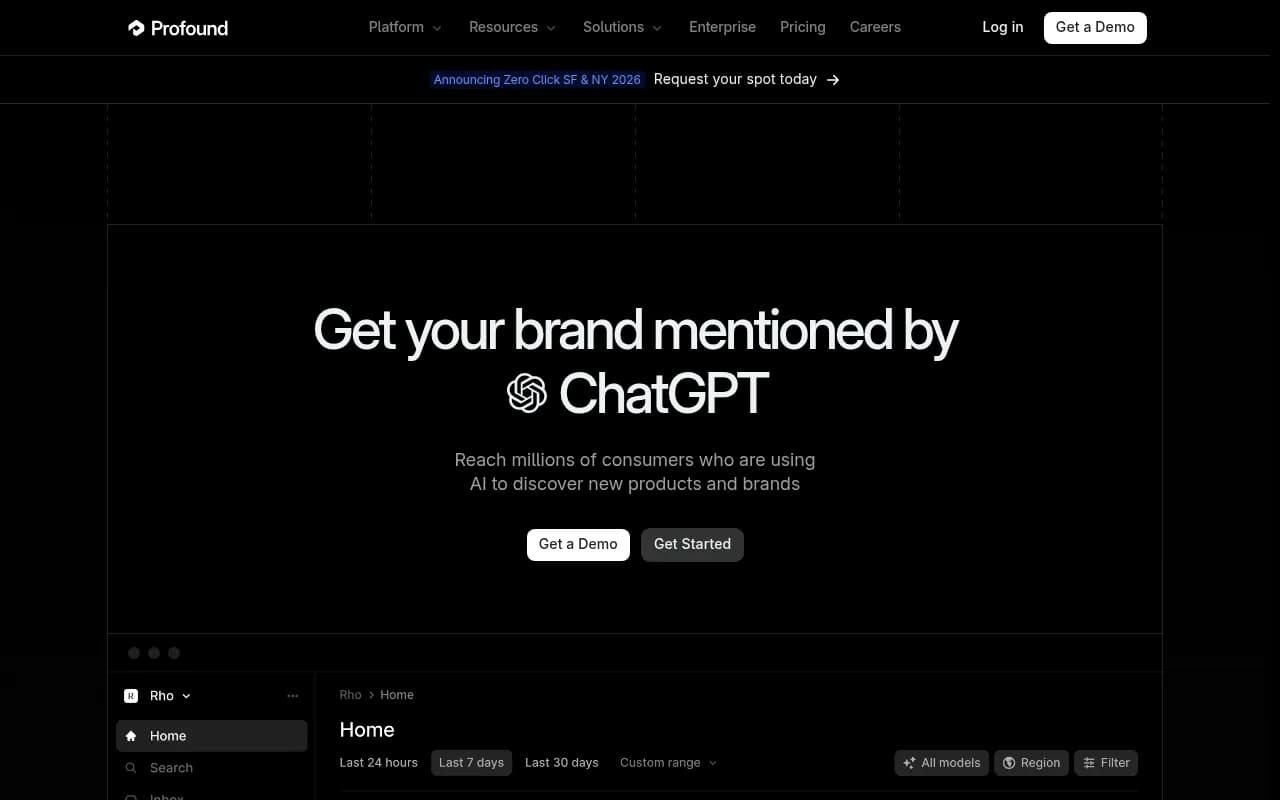
Peec.ai: clean reporting, growing agency adoption
Peec.ai had a quieter but solid 2025. The platform's strength has always been clean, readable reporting -- it's the kind of tool that looks good in a client deck and doesn't require a lengthy onboarding call to understand.
Starting at €89/month, it's positioned as a mid-market option, and it found a real audience among agencies managing multiple clients who needed a way to show AI visibility progress without a lot of complexity. The multi-language support was a meaningful differentiator for European agencies in particular.
What Peec.ai didn't do in 2025 was expand much beyond reporting. It tracks citations, shows share of voice, lets you monitor competitors -- but the workflow ends there. There's no content generation, no crawler logs, no traffic attribution. You get a clear picture of where you stand, then you're on your own to figure out what to do about it.
That's a reasonable product for certain teams. If you have a content team that just needs direction, Peec.ai can provide the "what to work on" signal. But the gap between "here's your visibility data" and "here's how to improve it" was something teams increasingly wanted closed in a single platform by the end of the year.

Otterly.AI: budget entry point, ceiling reached
Otterly.AI is the most accessible entry point in this group -- pricing starts around $29/month, and it does the basics well enough for teams that are just starting to think about AI visibility.
Through 2025, Otterly attracted a lot of first-time GEO users who wanted to see whether their brand was showing up in ChatGPT and Perplexity without committing to a serious budget. For that use case, it works. You can set up monitoring, track a handful of prompts, and get a basic sense of your visibility.
The ceiling shows up fast, though. There's no depth to the analytics, no content gap analysis, no crawler logs, no traffic attribution, and no content generation. It's a monitoring dashboard in the purest sense -- it tells you what's happening but not why, and definitely not what to do about it.
Teams that started on Otterly in early 2025 and got serious about GEO by mid-year mostly found themselves looking for something with more horsepower. The platform didn't add enough through the year to change that pattern.
That said, for a small business or a solo marketer who just wants a pulse check on AI visibility without spending much, Otterly still makes sense as a starting point.

Side-by-side: how the four platforms compare
Here's a direct comparison across the dimensions that mattered most to GEO teams in 2025.
| Capability | Promptwatch | Profound | Peec.ai | Otterly.AI |
|---|---|---|---|---|
| AI models tracked | 10 (ChatGPT, Claude, Perplexity, Gemini, Grok, DeepSeek, Copilot, Meta AI, Google AI Overviews, Google AI Mode) | Multiple (enterprise focus) | Multiple | ChatGPT, Perplexity, others |
| Answer gap analysis | Yes | Limited | No | No |
| AI content generation | Yes (citation-grounded) | No | No | No |
| AI crawler logs | Yes | No | No | No |
| Reddit/YouTube tracking | Yes | No | No | No |
| ChatGPT Shopping tracking | Yes | No | No | No |
| Traffic attribution | Yes (GSC, snippet, logs) | No | No | No |
| Prompt volume/difficulty scoring | Yes | Limited | No | No |
| Multi-language/region | Yes | Yes | Yes | Limited |
| Starting price | $99/mo | $499/mo | €89/mo | $29/mo |
| Best for | Teams that want to find gaps AND fix them | Large enterprises with internal execution teams | Agencies needing clean client reporting | Budget entry point, basic monitoring |
The pattern is clear: Promptwatch is the only platform in this group that covers the full cycle. The others are useful for specific parts of it.
What the year revealed about the category
A few things became obvious by the end of 2025 that weren't as clear at the start.
Monitoring alone isn't enough. The teams that got the most value from GEO tools in 2025 were the ones that could act on what they saw. Platforms that only showed data -- without helping teams understand what content to create or how to fix indexing issues -- started feeling like expensive dashboards.
Citation data is the foundation. The quality of any GEO platform's recommendations is only as good as its underlying citation data. Promptwatch's 880M+ citations processed gave its content recommendations a specificity that generic AI writing tools couldn't match. Teams noticed the difference.
Reddit and YouTube matter more than most platforms acknowledge. AI models cite Reddit threads and YouTube videos constantly. A GEO strategy that ignores those channels is working with incomplete information. Promptwatch tracked this; the others mostly didn't.
The "fix it" gap is where platforms win or lose. The question that defined 2025 for GEO teams wasn't "are we visible?" -- it was "why aren't we, and what do we do?" Platforms that could answer the second question held their users. Platforms that couldn't saw churn.
What this means heading into 2026
The GEO category is maturing fast. In 2024, having any AI visibility monitoring was enough to feel ahead of the curve. In 2025, monitoring became table stakes. In 2026, the question is optimization -- can you actually move your visibility scores, and can you connect that movement to revenue?
Teams evaluating platforms now should be asking:
- Does this tool show me which specific prompts I'm losing and why?
- Can it help me create content that addresses those gaps, or do I need a separate workflow for that?
- Can I see which of my pages AI models are actually crawling and citing?
- Can I connect AI visibility to traffic and conversions, not just impressions?
Profound, Peec.ai, and Otterly.AI all have legitimate roles depending on your team's size, budget, and internal capabilities. But if you want a single platform that handles the full loop -- from finding gaps to generating content to tracking results -- Promptwatch is the clearest option in the category right now.
The tools that will matter most in 2026 aren't the ones with the prettiest dashboards. They're the ones that help you do something with what you see.
Other tools worth knowing in 2026
The four platforms above aren't the only options. A few others worth having on your radar:
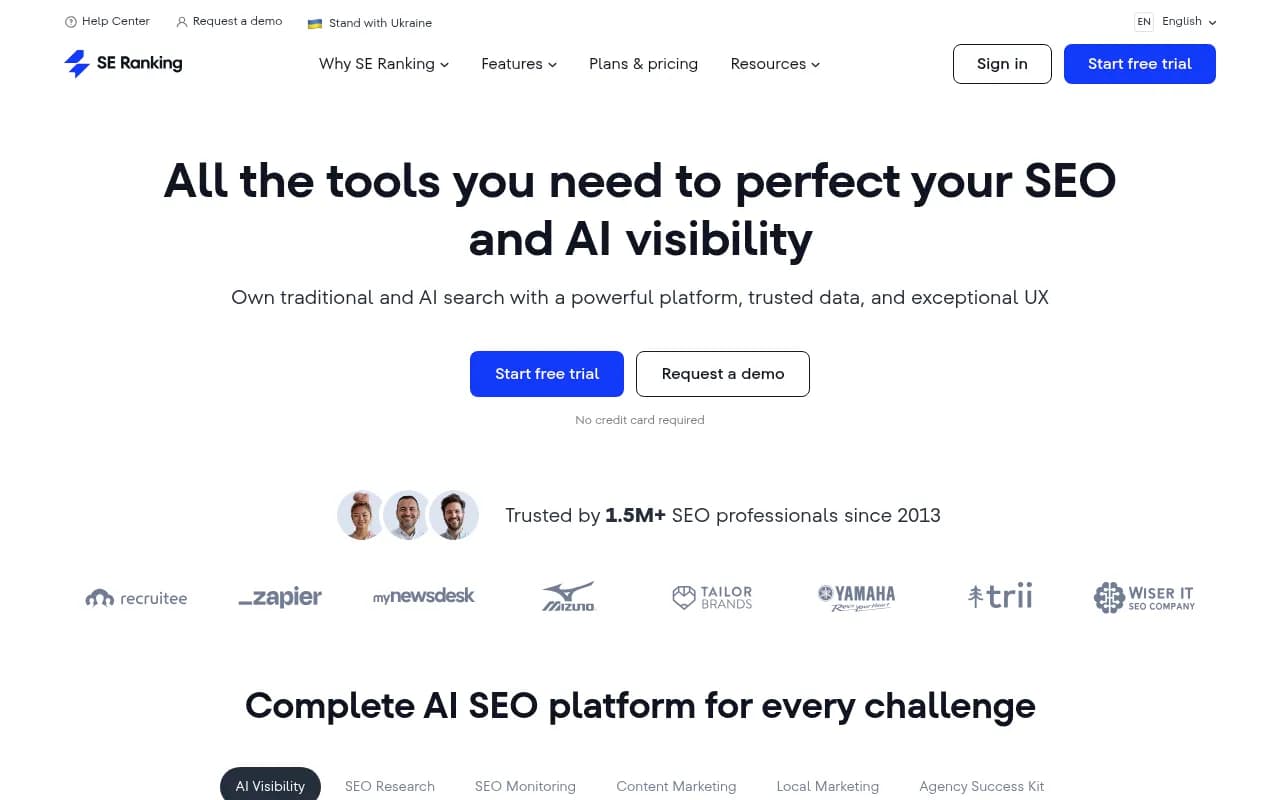
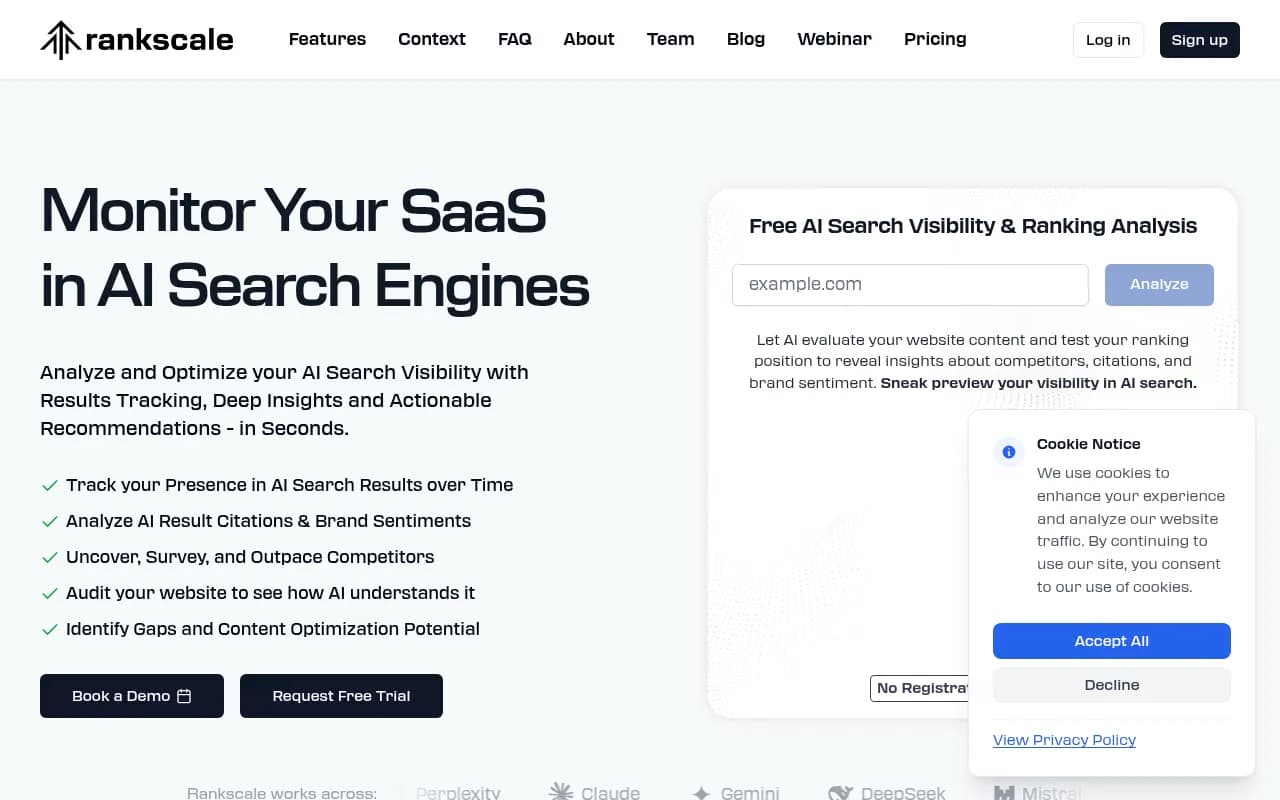
For teams that want SEO + AI visibility in one place:
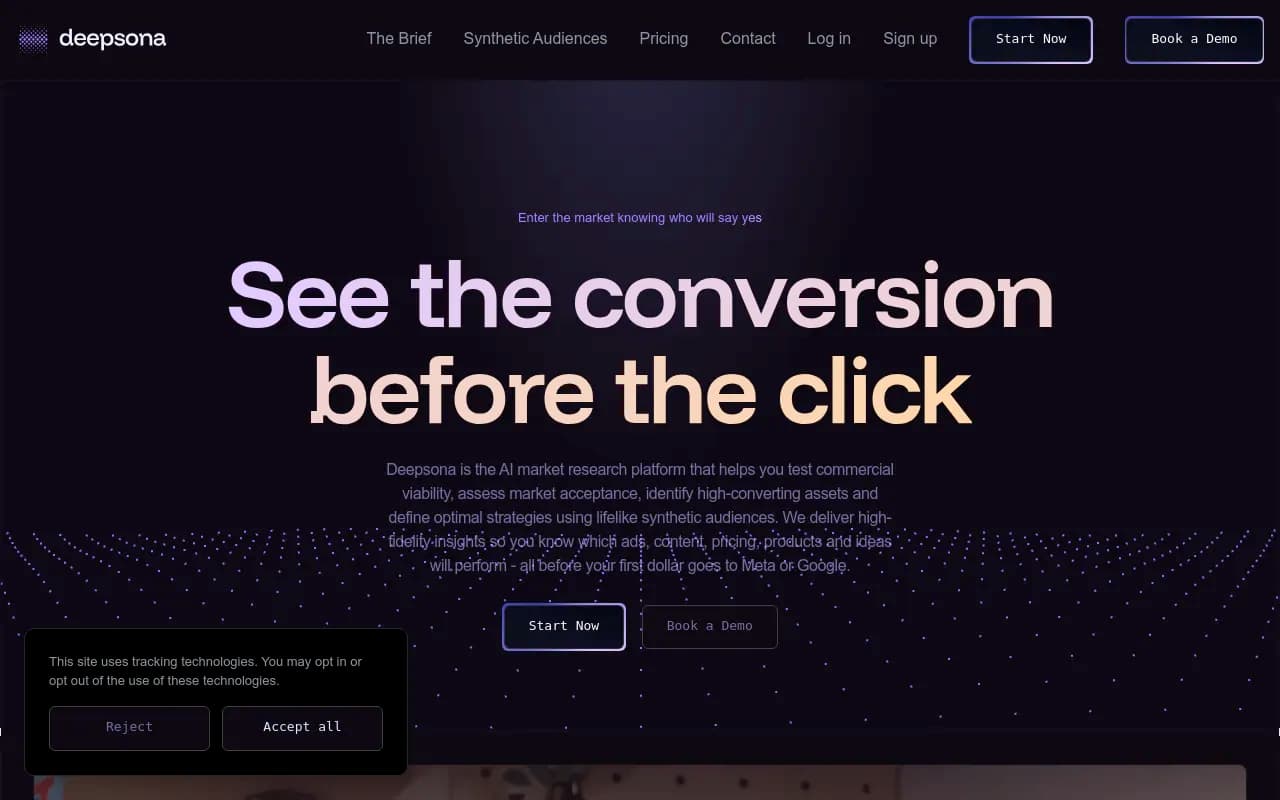
For agencies managing multiple clients:
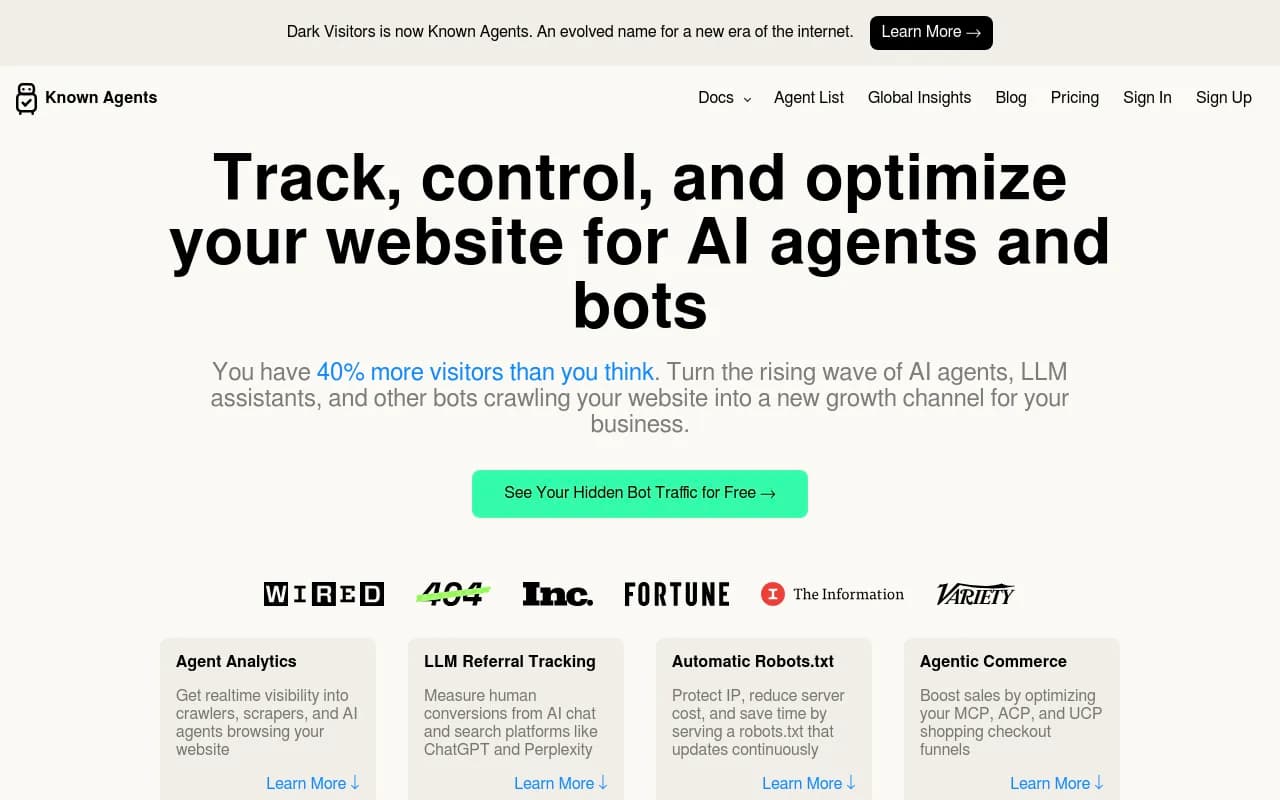
For teams focused on technical AI crawlability:
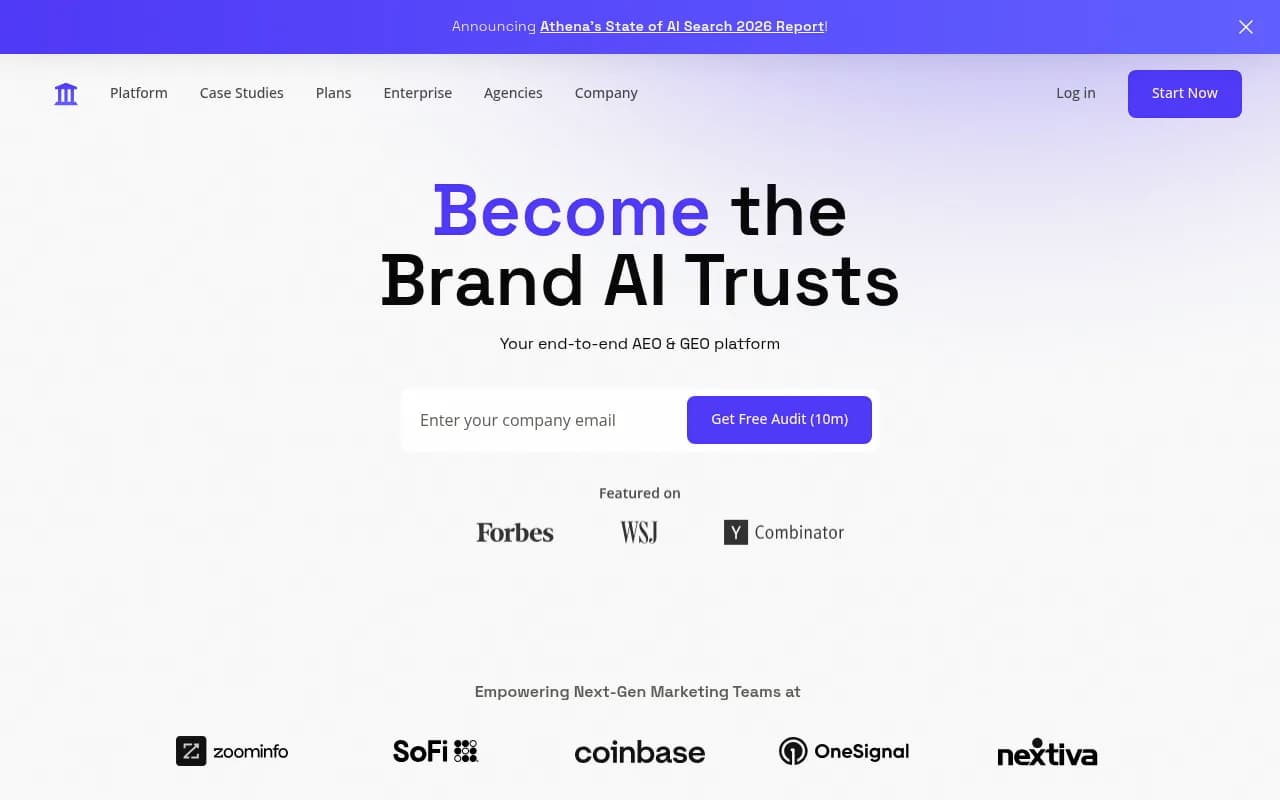
For enterprise teams with complex reporting needs:
The category is crowded, but most tools are still solving the same monitoring problem. The ones that help you act on what you find are still relatively rare -- and that's where the real value is in 2026.