Key takeaways
- Hall AI (usehall.com) is shutting down in 2026, joining a wave of AI startups that couldn't survive the market shakeout
- You need to export your data, prompt lists, and tracking history before the service goes dark
- The AI brand monitoring space has matured enough that there are solid alternatives -- some with far more capabilities than Hall AI ever had
- Not all replacements are equal: some are monitoring-only dashboards, others actually help you fix your visibility gaps
Hall AI shutting down is not a surprise if you've been watching the AI tools market closely. The company built a reasonably useful product for tracking how AI platforms cite and talk about your brand -- but it was operating in a space that's gotten brutally competitive, fast.
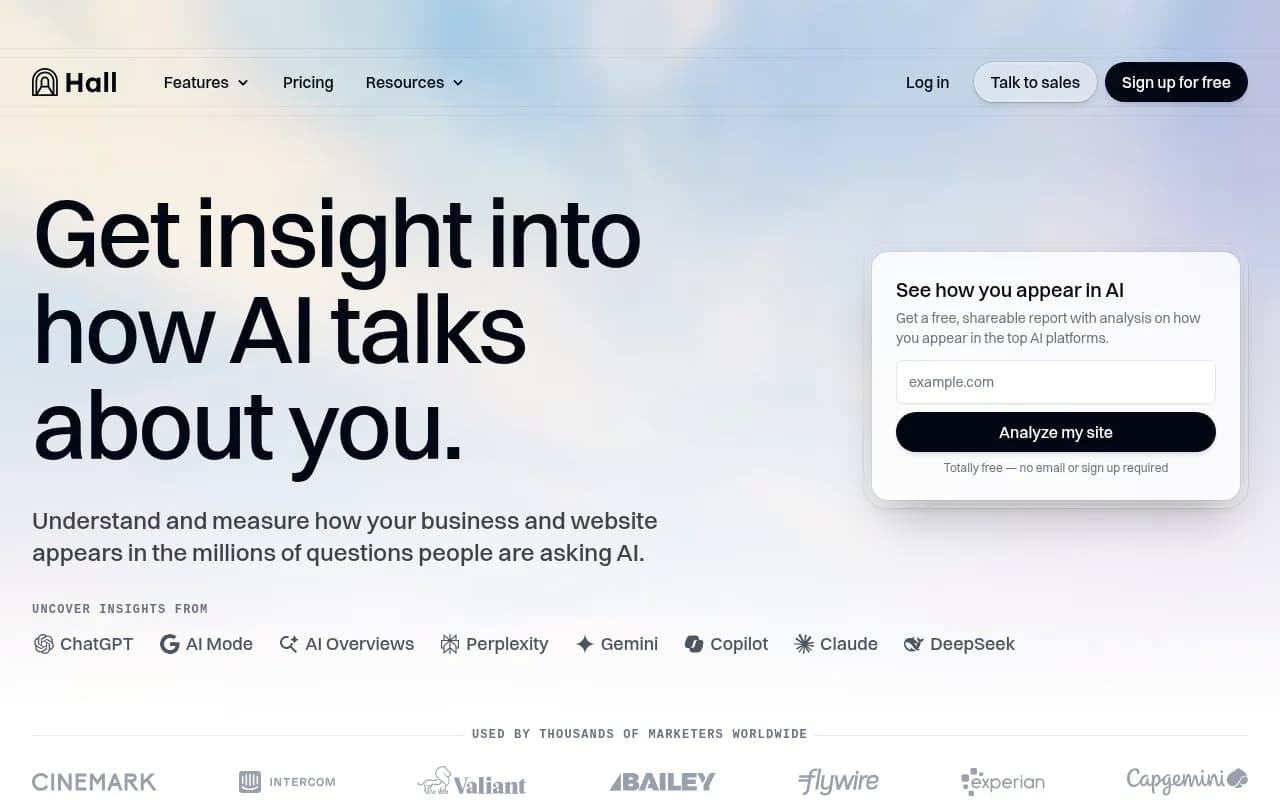
The pattern is familiar. A focused, well-designed tool gets traction in an emerging category, then the category matures, larger platforms absorb the use case, and the smaller player can't keep up with the pace of development or the cost of infrastructure. It happened in SEO tools, it happened in social listening, and it's happening now in AI visibility monitoring.
What matters for you right now is two things: getting your data out safely, and finding a replacement that actually moves the needle.
What Hall AI did (and why it mattered)
Hall AI was built around a specific problem: brands had no idea whether AI search engines like ChatGPT, Perplexity, or Claude were mentioning them, recommending them, or ignoring them entirely. It let you track citations, monitor brand mentions across LLMs, and get a rough sense of your AI search presence.
That's a real problem. AI search is eating into traditional search traffic in ways that Google Analytics can't capture -- because when someone asks ChatGPT for a software recommendation and it names your competitor, you never see that in your referral data.
Hall AI was an early mover in making this visible. But "early mover" in a fast-moving category is a double-edged thing.
Step 1: Export your data before it's gone
This is the most urgent thing. When a SaaS tool shuts down, the timeline between "announcement" and "data gone forever" is often shorter than users expect.
Here's what you should export immediately:
- Your tracked prompt lists (every query you were monitoring)
- Historical visibility scores and citation data
- Any competitor benchmarks or share-of-voice snapshots
- Brand mention logs and source URLs
- Any custom reports or dashboards you've built
Check Hall AI's settings or account pages for export options -- most tools offer CSV or JSON exports. If they have an API, pull everything through it now, not later. If customer support is still active, contact them directly and ask about data retention timelines.
Screenshot anything you can't export. It's not elegant, but it works.
Step 2: Understand what you actually need from a replacement
Before you just sign up for the first alternative you find, it's worth being clear about what you were actually getting value from with Hall AI.
Most people using an AI visibility tool need at least some of these things:
- Prompt monitoring: tracking specific queries across ChatGPT, Perplexity, Gemini, Claude, etc.
- Citation tracking: knowing which sources AI models are citing when they answer questions in your space
- Competitor benchmarking: seeing how your visibility compares to competitors
- Content gap analysis: understanding what you're missing that competitors are getting cited for
- Traffic attribution: connecting AI citations to actual website visits and revenue
Hall AI covered the first two reasonably well. The last three are where most monitoring-only tools fall short -- and where the real value is.
The AI visibility tool landscape in 2026
The good news: the category has grown up. There are now dozens of tools in this space, ranging from lightweight trackers to full optimization platforms. The bad news: most of them are still monitoring-only dashboards. They show you data. They don't help you do anything with it.
Here's an honest breakdown of the main options worth considering:
Full-platform options (monitor + optimize)
These tools go beyond tracking and help you actually improve your AI visibility.
Promptwatch is the most complete option in this category. It tracks your brand across 10 AI models (ChatGPT, Perplexity, Google AI Overviews, Claude, Gemini, Grok, DeepSeek, Copilot, Meta AI, Mistral), but the more interesting part is what happens after the tracking. Answer Gap Analysis shows you exactly which prompts your competitors are getting cited for that you're not -- and Content Agents generate articles and briefs designed to close those gaps. It also has AI crawler logs that show you when ChatGPT or Perplexity's bots are hitting your site, which pages they're reading, and when those pages move from crawled to cited.

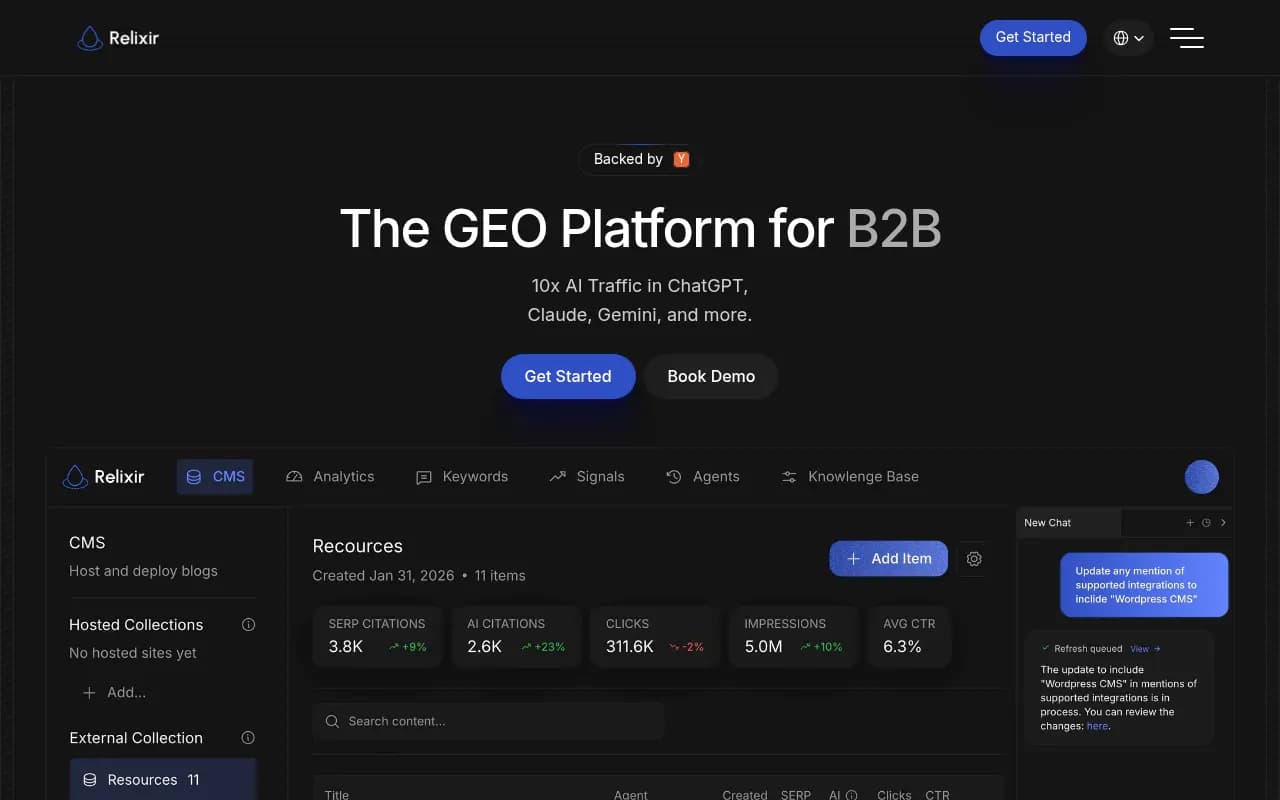
Relixir takes a similar approach with an AI-native CMS built in, so you can generate and publish content directly from the platform.
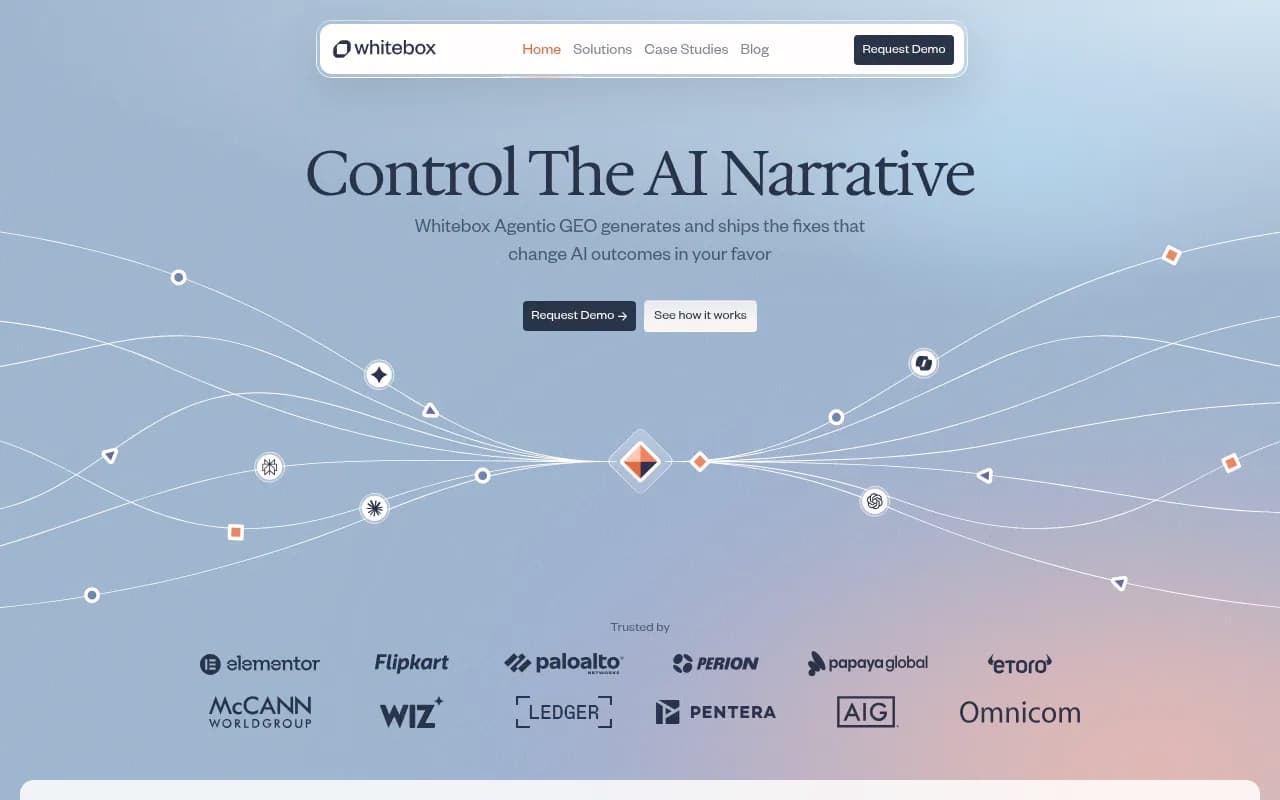
Whitebox is worth a look if you want something more agentic -- it automatically generates and ships narrative fixes based on what it finds in AI responses.
Solid monitoring tools (good data, limited action)
These are legitimate tools that will give you reliable visibility data. They just won't tell you what to do about it.
Otterly.AI is one of the more affordable options and covers the main LLMs well.

Peec AI is strong on multi-language tracking, which matters if you operate in multiple markets.

AthenaHQ tracks across 8+ AI search engines and has a clean interface for monitoring brand visibility.

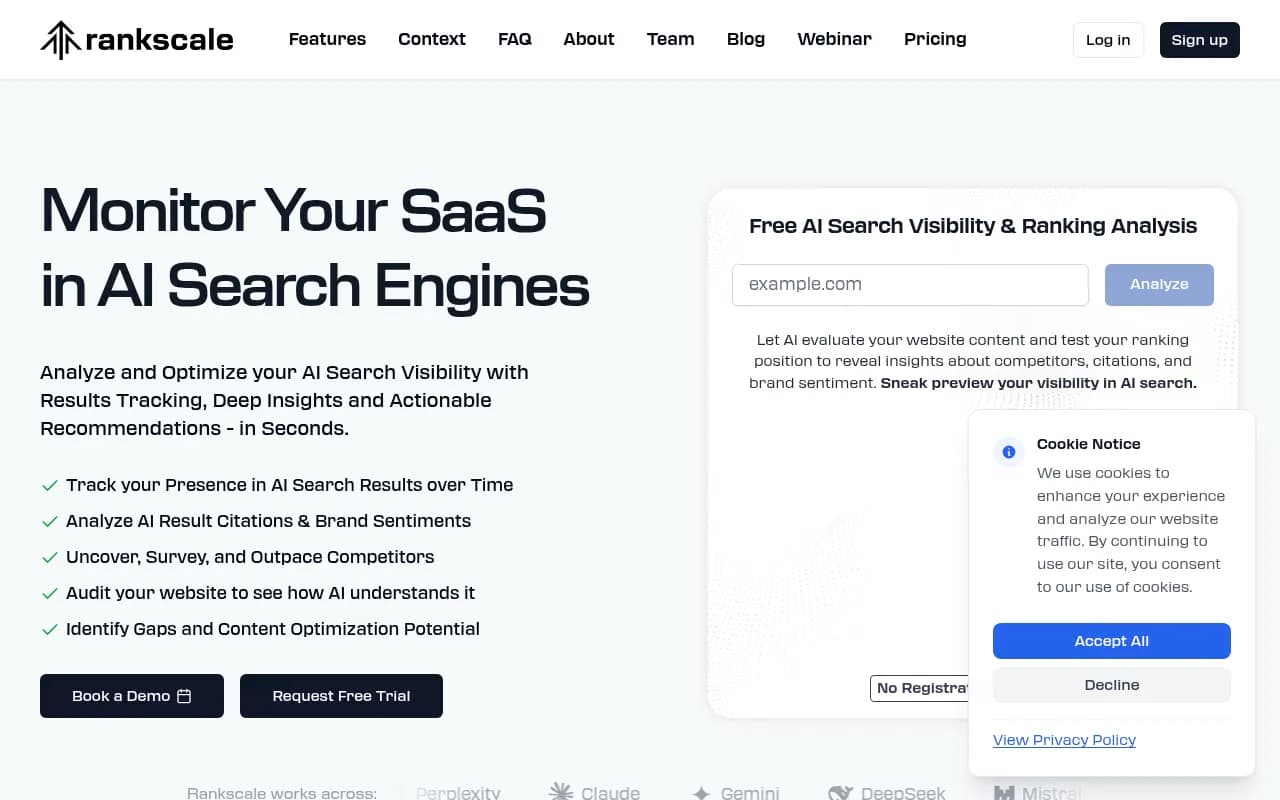
Rankscale focuses on AI search ranking and is worth considering if prompt-level ranking data is your primary need.
Lightweight / budget options
If you were using Hall AI at a basic level and just need simple tracking, these are lower-cost entry points:
Airefs is one of the more affordable options in the space.
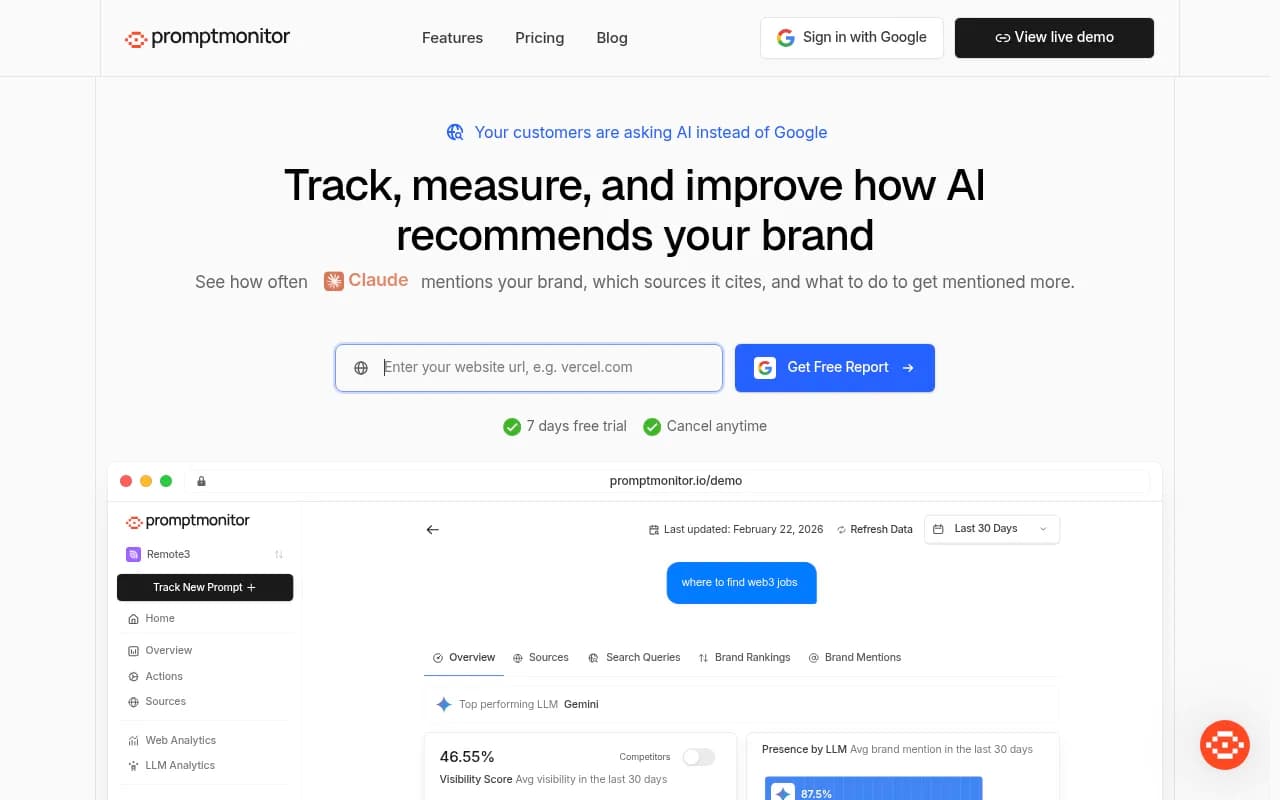
Promptmonitor keeps things simple and focused on monitoring without a lot of overhead.
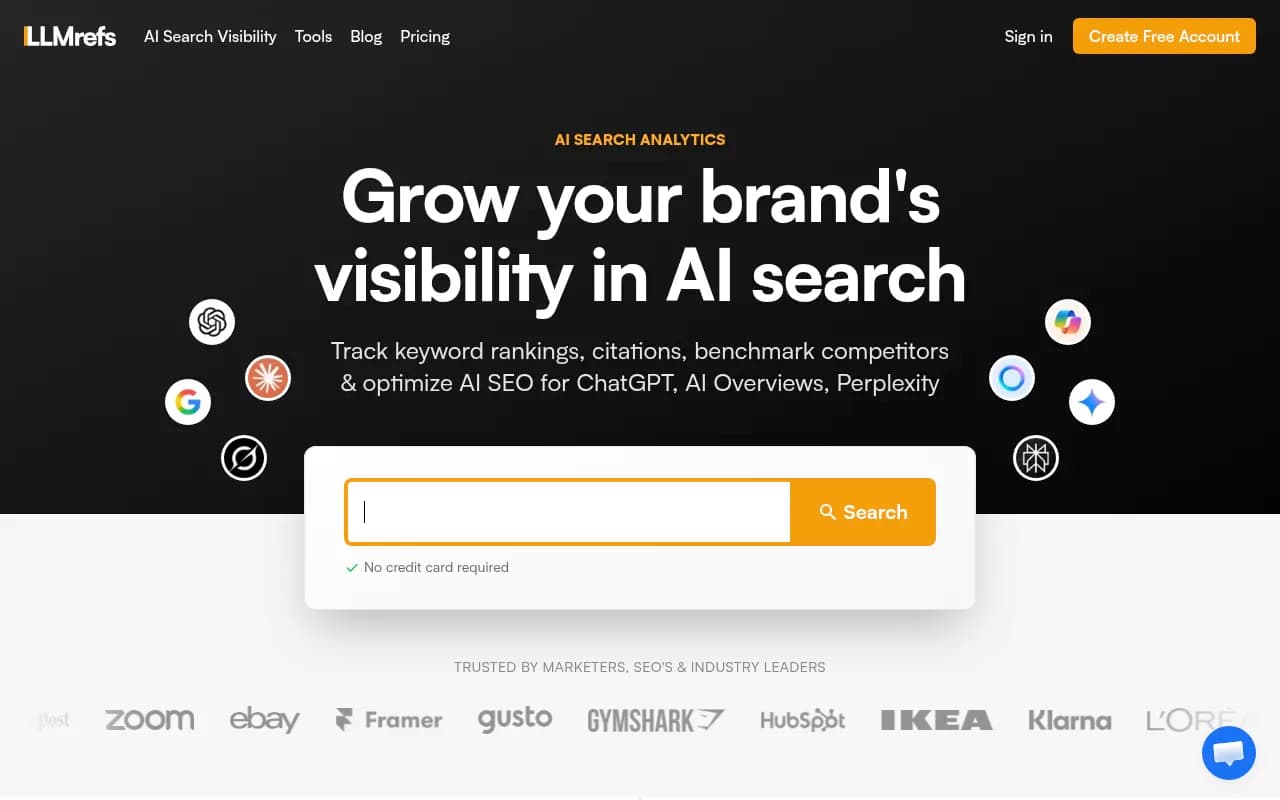
LLMrefs tracks brand visibility across ChatGPT, Perplexity, and other major models.
Comparison table: Hall AI alternatives at a glance
| Tool | Monitors LLMs | Content generation | Crawler logs | Competitor benchmarking | Price range |
|---|---|---|---|---|---|
| Promptwatch | 10 models | Yes (Content Agents) | Yes | Yes | $99-$579/mo |
| Relixir | Multiple | Yes (AI-native CMS) | No | Yes | Custom |
| Whitebox | Multiple | Yes (agentic) | No | Yes | Custom |
| AthenaHQ | 8+ models | No | No | Yes | Mid-range |
| Otterly.AI | Multiple | No | No | Basic | Low |
| Peec AI | Multiple | No | No | Yes | Mid-range |
| Rankscale | Multiple | No | No | Yes | Mid-range |
| Airefs | Multiple | No | No | Basic | Low |
| LLMrefs | Multiple | No | No | Basic | Low |
The pattern is clear: if you want to do more than watch your visibility scores, the options narrow quickly.
Why so many AI tools are shutting down right now
Hall AI isn't alone. The AI tools market is going through a shakeout that was predictable but is still painful for users caught in the middle.
The core problem is that many AI startups built thin wrappers around GPT or Claude APIs, charged subscription fees, and called it a product. When the underlying models got better and more accessible, and when larger platforms started building the same features natively, the thin-wrapper tools lost their reason to exist.
The AI visibility monitoring category specifically has a second problem: it's expensive to run. You have to actually query AI models at scale, process and store the responses, track changes over time, and do this across multiple models and multiple languages. The infrastructure costs are real, and a small team with a modest customer base can't sustain them.
What survives is either well-funded (and therefore able to absorb the infrastructure costs) or genuinely differentiated (and therefore able to charge enough to cover them). Tools that are neither tend to disappear.
This isn't a reason to be cynical about the category -- AI visibility monitoring is a real and growing need. It's just a reason to be selective about which tools you commit to.
What to look for in a replacement
A few things worth checking before you commit to a new platform:
Breadth of model coverage. The AI search landscape is not just ChatGPT. Perplexity is driving significant traffic. Google AI Overviews is changing how people interact with search results. Claude, Gemini, and Grok all have meaningful user bases. A tool that only monitors one or two models is already incomplete.
Real prompt data vs. API-only. Some tools query AI models through their APIs, which can return different results than what users actually see in the interface. Tools that monitor real user-facing responses give you more accurate data about what your potential customers are actually seeing.
Whether it helps you act. Monitoring tells you where you are. It doesn't tell you what to do. If a tool can't help you identify content gaps, generate content to fill them, or at least point you toward what's driving your competitors' citations, you're paying for a dashboard you'll eventually stop checking.
Company stability. This is the uncomfortable one. After Hall AI, it's reasonable to ask whether a tool will still exist in 12 months. Look for tools with real customer bases, transparent pricing, and some track record. A company with 1,000+ customers and enterprise clients is more likely to be around than one with a few hundred users and no public information about their business.
Making the switch: a practical checklist
Once you've exported your Hall AI data and chosen a replacement, here's how to set up properly:
- Recreate your prompt list. Take every query you were tracking in Hall AI and import or re-enter it in your new tool. This is tedious but necessary.
- Set up competitor tracking. Add the same competitors you were benchmarking against.
- Run a baseline. Let the new tool run for at least two weeks before drawing conclusions -- you need a baseline before you can measure change.
- Connect your website. If your new tool supports crawler log integration or a tracking snippet, set it up. This is how you connect AI visibility to actual traffic.
- Set up alerts. Most tools let you configure alerts for significant changes in visibility. Set these up so you're not manually checking dashboards every day.
The bigger picture
Hall AI shutting down is a reminder that the AI tools market is still early and still volatile. Tools that seemed essential 18 months ago are disappearing. Tools that didn't exist 18 months ago are now category leaders.
The right response isn't to avoid committing to any tool -- you need visibility data to make good decisions about your AI search presence. The right response is to choose tools that are solving the problem at a level of depth that justifies their existence, and to make sure you're not locked into a platform that can't export your data when things go sideways.
Your AI visibility strategy shouldn't depend on any single tool. The data you collect, the prompts you track, the content you create -- those should be yours, portable, and not trapped in a platform that might not exist next year.
Get your Hall AI data out now. Then find a replacement that actually helps you improve, not just observe.