Key takeaways
- You can build a credible prospect audit with free tools in an afternoon: a free AI visibility checker, Search Console and Bing Webmaster Tools, a robots.txt check, and a manual prompt sample.
- Free checkers are good for a first finding in a pitch. They are weak for trend data, volumes, and anything you would show a client monthly.
- Most of the roundups ranking these tools are written by the vendors in them, so treat the rankings as marketing and use the free checks as the useful part.
- Check the technical layer first (can AI crawlers even read the site?) before you spend time on prompts.
- Move to a paid platform only when you have repeat clients, need scheduled tracking, or have to prove traffic and conversions.
Why audit a prospect before buying a platform
Here is a pattern I see a lot. An agency gets excited about AI search, buys a platform, then discovers it has no prospects to point it at and no clear idea what a good audit looks like. The tool becomes shelfware.
Flip the order. Run the audit by hand and with free tools first. You learn what questions matter, what a useful finding looks like, and which parts of the work are worth paying to automate. When you do buy, you know exactly what you are buying.
A prospect audit also has a different job from a client dashboard. It has to produce one or two sharp findings you can say out loud in a meeting. "ChatGPT never names you for your three core category prompts, and GPTBot is blocked in your robots.txt" beats a 40-slide deck.
What a prospect visibility audit should answer
Keep it to five questions:
- Does AI mention the brand at all for category prompts, and in what position?
- Which competitors show up instead?
- What does AI say about the brand (accurate, outdated, negative)?
- Which sources get cited, and is the prospect's own site one of them?
- Can AI crawlers actually reach the site?
Questions one to three are about outcomes. Four and five are about causes. Pitches that only cover outcomes feel like a scare tactic. Add the causes and you have a plan.
Step 1: Run a free AI visibility checker
Start with a free one-click scan. It gives you a baseline in minutes and something to screenshot.
Options mentioned across vendor roundups and in our catalog:
- Promptwatch's free AI visibility report scans how ChatGPT, Gemini, and Perplexity talk about a brand with no login, and includes a visibility score and a crawler access check.
- HubSpot's AEO Grader is a free one-off grader for answer engine visibility.
- Semrush has a free AI visibility checker, which one roundup calls a fast way to sanity-check a prospect before committing tooling.
- AthenaHQ offers a free 10-minute audit that its own marketing pitches as a pitch asset.
- Honeyb and Yotpo both advertise free checks or scores.
- FalconRank and GEO Toolbox are free checkers in our catalog.
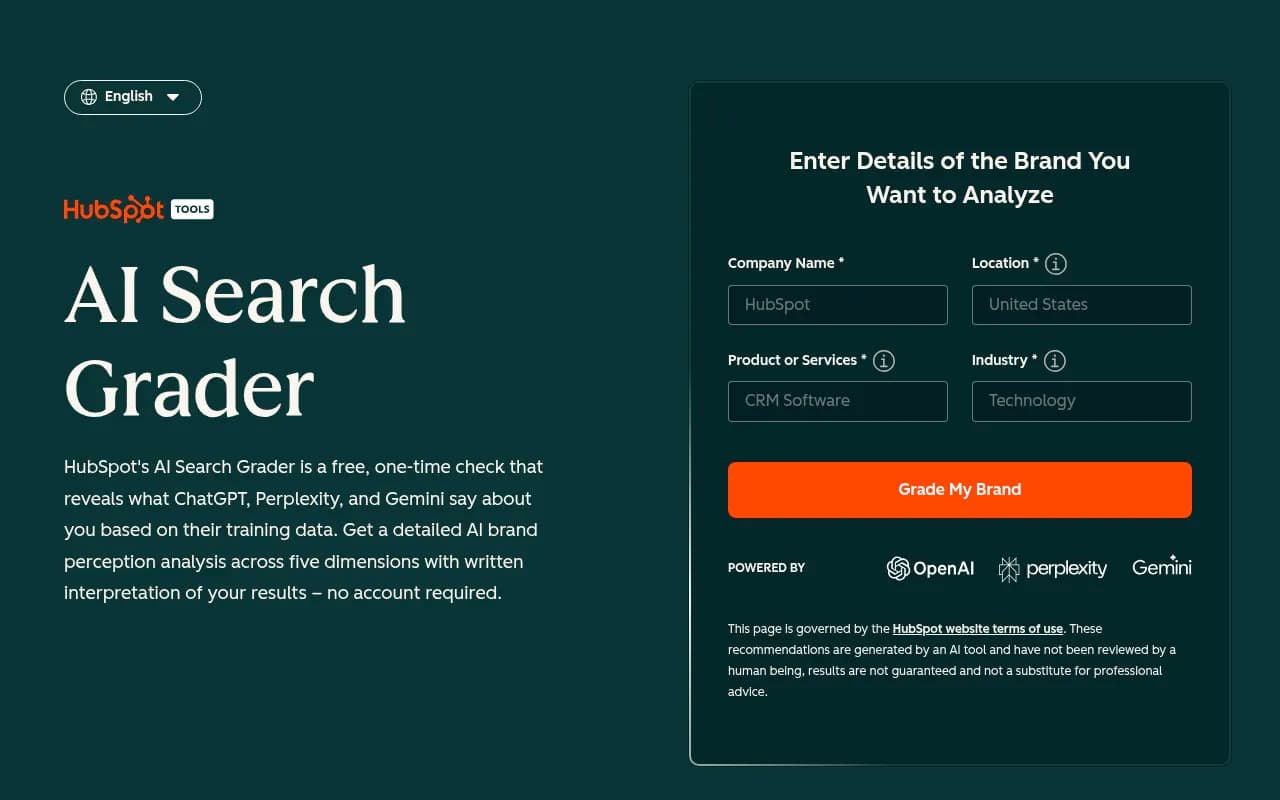
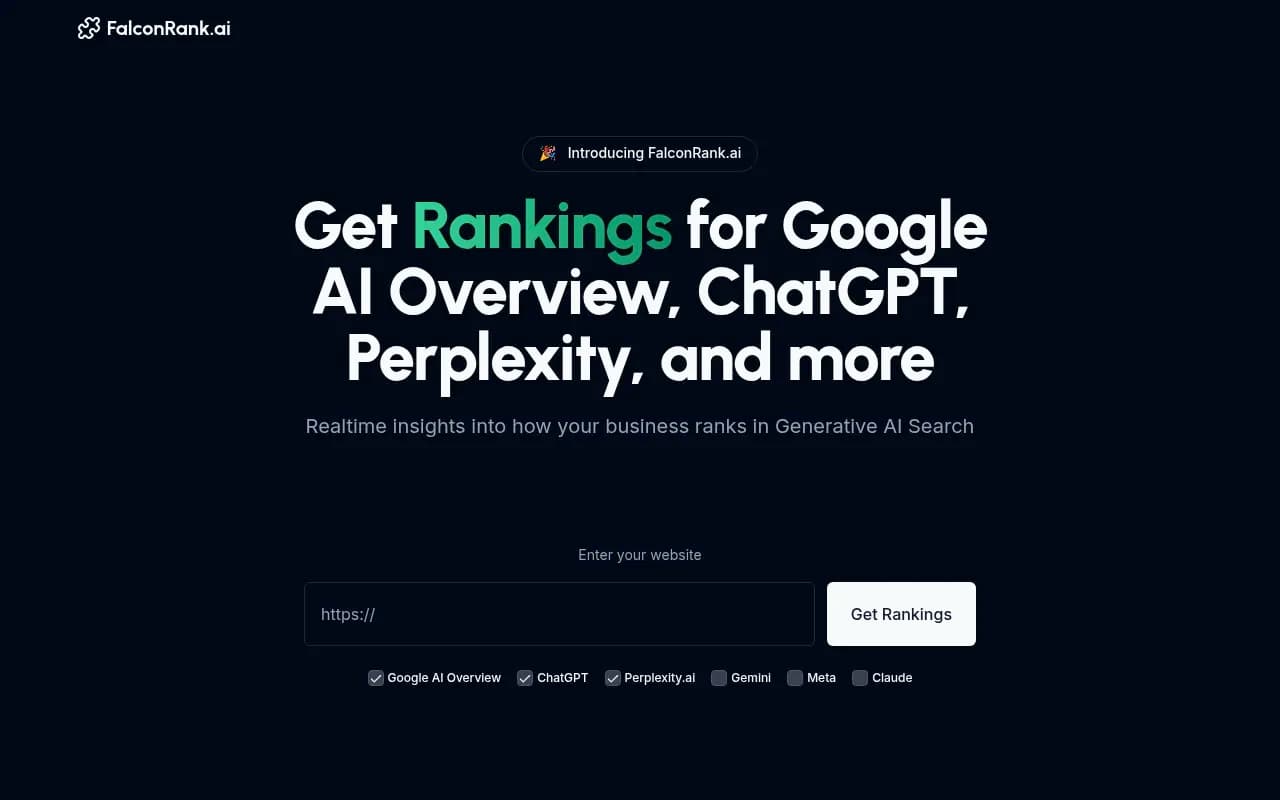
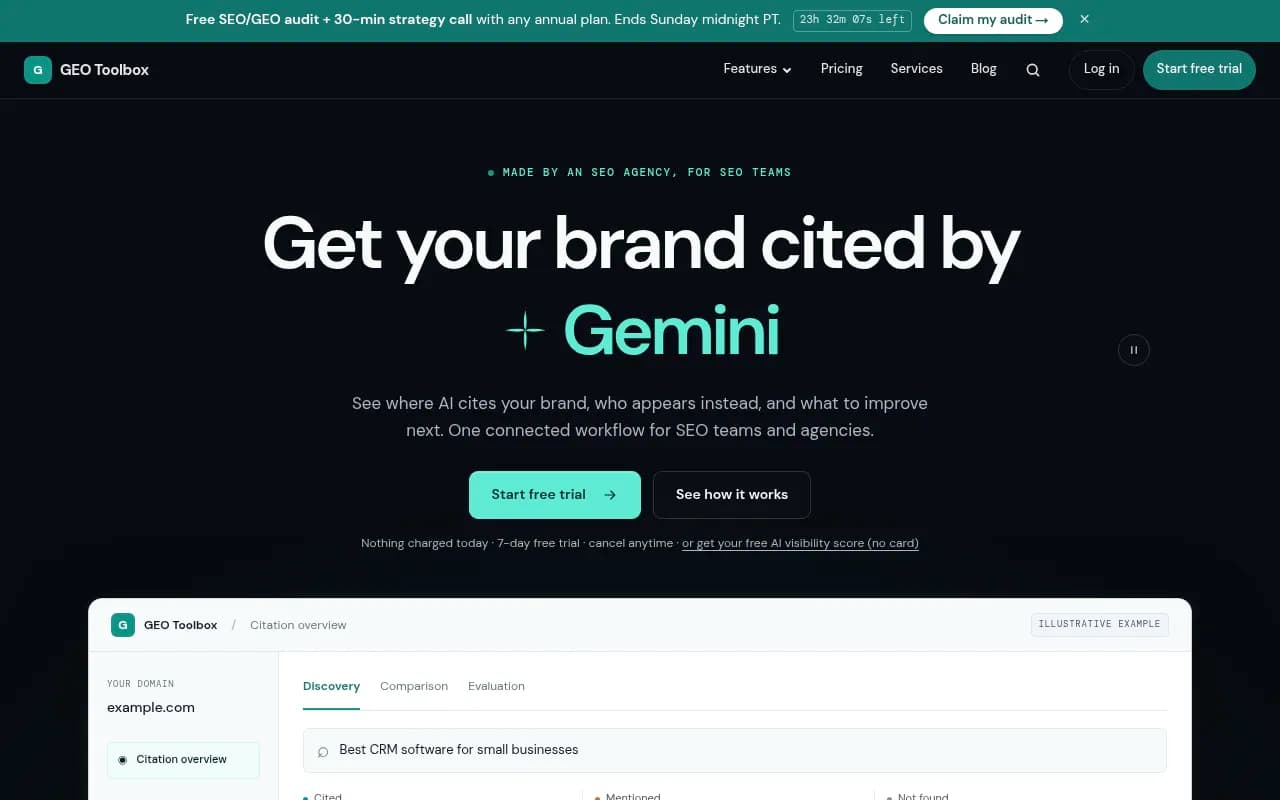

I have not verified the current limits of each free tool, such as how many prompts or engines a check covers. Confirm that on each vendor's page before you promise a prospect anything. Also expect the checks to disagree with each other. They use different prompts, so run two and look for what both agree on.
Start with Promptwatch's free report
For the crawler access check alone, the Promptwatch free report is worth running first, because it flags access problems that make every later prompt result moot.

Step 2: Pull the free search baselines
Ask the prospect for read access to Google Search Console and Bing Webmaster Tools. Both are fully free and both are the baseline recommended in roundups of AI visibility tooling.
Bing matters more than most agencies assume, because Copilot draws on Microsoft's search stack. If the prospect never verified Bing Webmaster Tools, that is a finding by itself.
What to pull:
- Top queries by impressions that look like questions or comparisons. These become your prompt list.
- Pages with many impressions and few clicks. These are candidates for rewriting.
- Index coverage problems on pages that should be answering category questions.
If the prospect will not give access before signing, use the free tools in the next steps instead and skip this one. Do not stall the pitch over it.
Step 3: Check whether AI crawlers can read the site
This is the step agencies skip and it is often the most valuable one. If a CDN or WAF rule blocks GPTBot or ClaudeBot, no amount of content work will fix visibility.
Free checks:
- Open robots.txt and read it. Look for blanket disallows and for rules naming AI user agents.
- Use the free Agentic Readiness Check to see which AI crawlers can read the site and which standards (llms.txt, MCP server cards and others) it supports.
- Use the AI crawler URL inspector on a few key URLs.
- Look up unfamiliar user agents in the AI bots and crawlers directory, which lists 400+ crawlers with robots.txt guidance.
There is also useful context from Promptwatch Data. In its AI crawler traffic report (IP-verified weekly requests, June 8 to September 6, 2026), OpenAI made up 79.8% of verified AI crawler requests in the week of August 31 to September 6, down from 94.8% in the week of June 8 to 14. The report recommends checking robots.txt, CDN, and WAF rules for every major provider. If a provider is large in that mix but near zero in the prospect's own server logs, the site is probably blocked or unreachable for that provider.
A caveat on those numbers: shares are relative within each week, so a bigger segment does not mean more absolute requests.
One more point, since it comes up in pitches. Markdown and llms.txt files are not a magic fix. Promptwatch's markdown in AI search data shows markdown files are just 0.05% of AI search citations. They serve AI agents, not AI search, so do not lead a pitch with them.
Step 4: Run a manual prompt sample
Free checkers use their own prompts. Your own sample is more convincing because it uses the prospect's real buyer language.
Build 15 to 25 prompts:
- 5 to 8 category prompts ("best CRM for a 10-person agency")
- 5 to 8 comparison prompts ("Brand A vs Brand B")
- 3 to 5 branded prompts ("is Brand A good for X")
- A few problem-led prompts from the Search Console questions you pulled
Run them in ChatGPT, Gemini, Perplexity, and Google AI Overviews. Use logged-out or clean sessions where you can, and note the country. Record whether the brand is mentioned, its position in the list, which competitors appear, and which URLs are cited.
A few things to know so you do not misread the results:
- Answers vary run to run. Run each prompt at least twice and count a mention only if it is repeatable, or report it as a rate.
- Promptwatch's average sources per response data (page dated September 23, 2025, ChatGPT figures count only responses where web search triggered) shows ChatGPT citing about 5 sources per answer while AI Overviews and Perplexity cite about 10. ChatGPT slots are more contested, so a brand can be absent from ChatGPT yet present in AI Overviews. Report each engine separately.
- Perplexity's citation count is steady, which makes it a decent engine for before-and-after checks.
- Copilot's average swung from under 2 to nearly 17 sources over a few weeks in that data, so do not read much into a single Copilot snapshot.
- Almost half of ChatGPT responses cite 10 or more unique domains in Promptwatch's unique domains per response data (September 28 to October 4, 2026). A brand not named can still be influencing the answer through the sources it appears in.
If you want to see what ChatGPT actually searched for, the free GEO Inspector Chrome extension shows query fan-outs and fetched versus cited sources locally with no sign-in. The query fan-out generator is a free way to expand a seed prompt into likely sub-searches.
Step 5: Look at where the citations come from
Once you have cited URLs, sort them by type. Is the prospect's own site cited? Are review sites, marketplaces, or forums doing the talking?
Industry matters here. Promptwatch Data shows very different citation mixes by vertical: for software prompts GitHub, Microsoft's docs, and G2 lead and documentation and help centers earn the largest share (software report, September 28 to October 4, 2026), while for travel prompts booking and search sites earn more than half (travel report). In automotive, marketplaces like Autotrader and Cars.com outrank every car brand (automotive report, August 2026).
So for a software prospect the finding might be "you are missing from G2 and your docs are thin." For a car dealer it might be "marketplaces own your category prompts." Do not give every prospect the same recommendation.
Social sources are another trap. In the social media citations report (September 28 to October 4, 2026), ChatGPT got 0.46% of its citations from social platforms while Google AI Overviews got 12.2%. A Reddit-heavy plan helps in one engine far more than the other. Promptwatch's data also shows Reddit's share of ChatGPT citations fell from about 4% to 0.5% on August 14, 2026.
Step 6: Run a quick technical and content sanity check
A crawler and a light content check round out the audit. Free or freemium options:
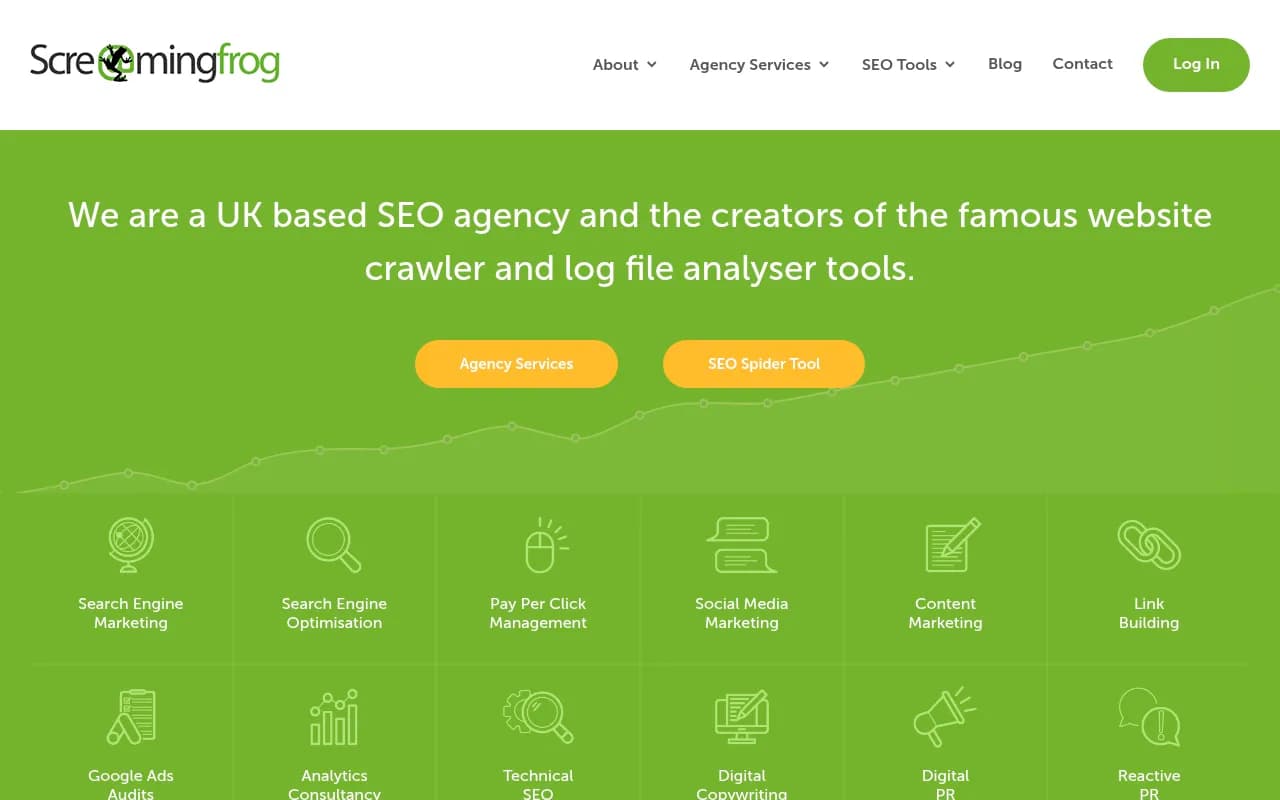
- Screaming Frog's free version crawls up to a limited number of URLs and is enough for a quick look at titles, headings, and broken links.
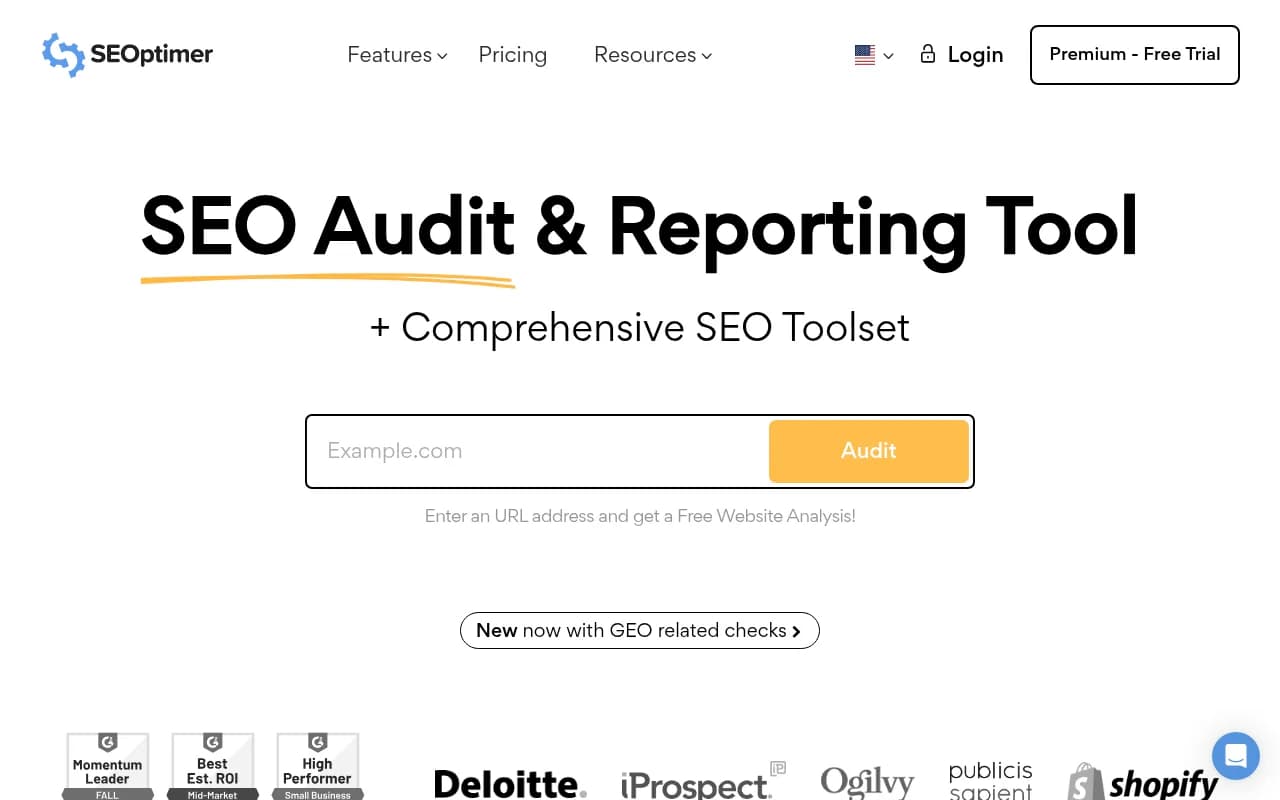
- SEOptimer produces a lightweight website audit report.
- Promptwatch's free AI SEO audit checks a page against AI search basics.
Look for thin or outdated pages on topics where the prospect is missing from answers. Promptwatch's content half-life data (pages cited on July 6, 2026 and tracked for 90 days) found news loses half its cited pages within 36 days while landing pages and docs stay cited longest. If the prospect's best-performing content is news-style, it will need steady refreshing.
Free audit toolkit at a glance
| Tool | What it checks | Cost | Best used for | Main limit |
|---|---|---|---|---|
| Promptwatch free AI visibility report | Brand mentions in ChatGPT, Gemini, Perplexity, crawler access | Free, no login | First baseline and pitch screenshot | One-off scan, no trend data |
| HubSpot AEO Grader | Answer engine visibility grade | Free | Second opinion on the baseline | One-off grade |
| Semrush free AI visibility checker | Brand presence in AI answers | Free | Quick sanity check | Limits not verified |
| AthenaHQ free audit | Brand and prompts | Free 10-minute audit | Pitch asset | Paid plans from $295/mo |
| Google Search Console | Queries, indexing, clicks | Free | Prompt ideas, pages to fix | Needs prospect access |
| Bing Webmaster Tools | Bing index and queries (Copilot) | Free | Copilot readiness | Needs prospect access |
| Agentic Readiness Check | AI crawler access and agent standards | Free | Technical findings | Access only, not outcomes |
| Manual prompt sample | Mentions, position, competitors, sources | Free (your time) | Custom, buyer-language evidence | Variable answers, hard to scale |
Turning findings into a pitch
Keep the output to one page:
- A table of prompts by engine with mention yes/no and position.
- The top three competitors that appeared instead.
- Two or three citation sources that matter for the prospect's industry.
- One crawler or technical finding, if any.
- A 90-day plan with the first three actions.
A free check can also be the opening line, not the whole pitch. One roundup puts it well: the free check lets you walk in with a finding, not a promise. I agree, with one caveat. Do not oversell a single snapshot. Say "in our sample" and give the sample size.
If you are an agency building out the broader service around this, 1001 SEO Media is one of the agencies that publishes this network and does this kind of audit work as part of its AI search and GEO services.
When free tools stop being enough
Free tools break down in predictable places:
- You have more than two or three prospects or clients at once, and manual prompt runs eat hours.
- You need the same prompts tracked daily so you can show movement, not a snapshot.
- A client asks whether AI is sending real traffic or conversions.
- You need to fix gaps, not only find them, and writing content one page at a time stops scaling.
At that point, evaluate platforms with a checklist built from what you did by hand: real-interface data across engines and countries, crawler logs, traffic attribution, and agency features such as separate client workspaces and pitch projects.
A reality check on vendor claims: most agency roundups are written by vendors who place themselves first. Profound's list picks Profound, Yotpo's picks Yotpo Discover, and Botric's picks Botric. Use them to learn the category and the feature names, then test with your own prospect.
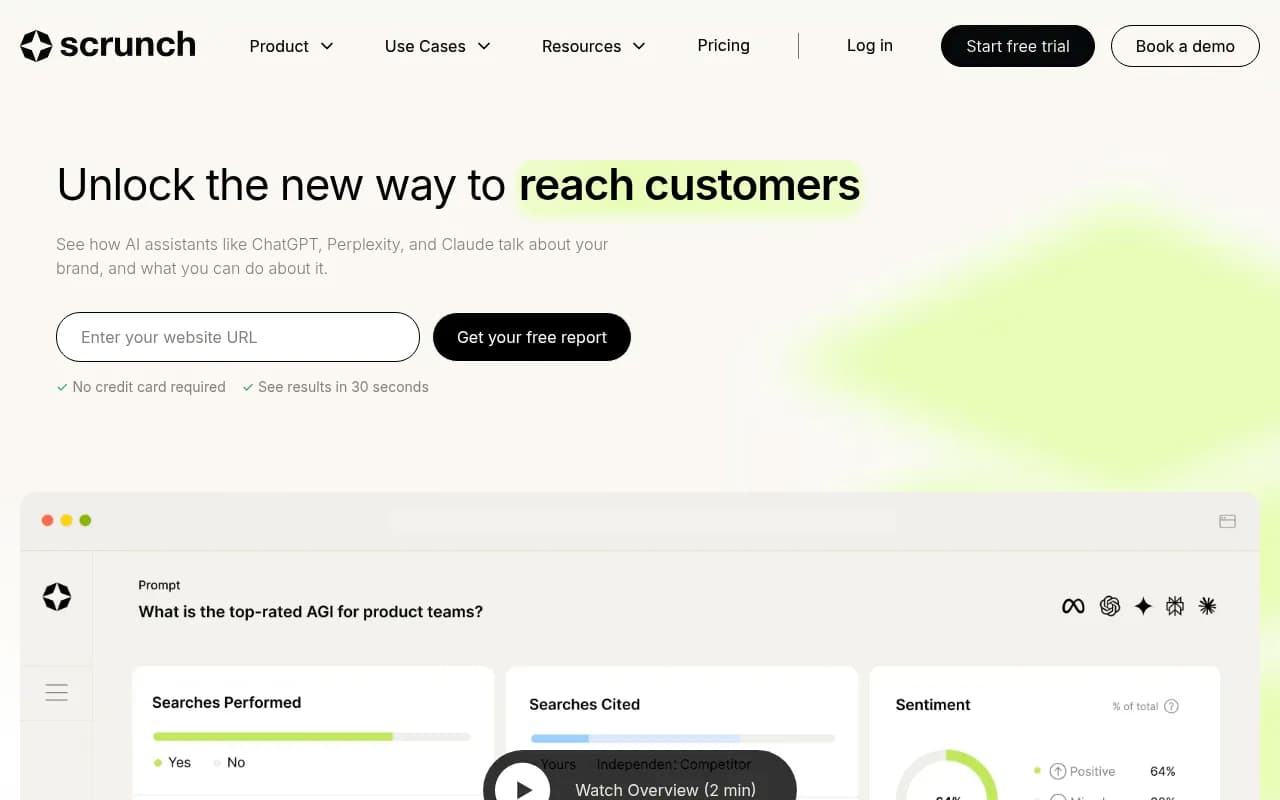
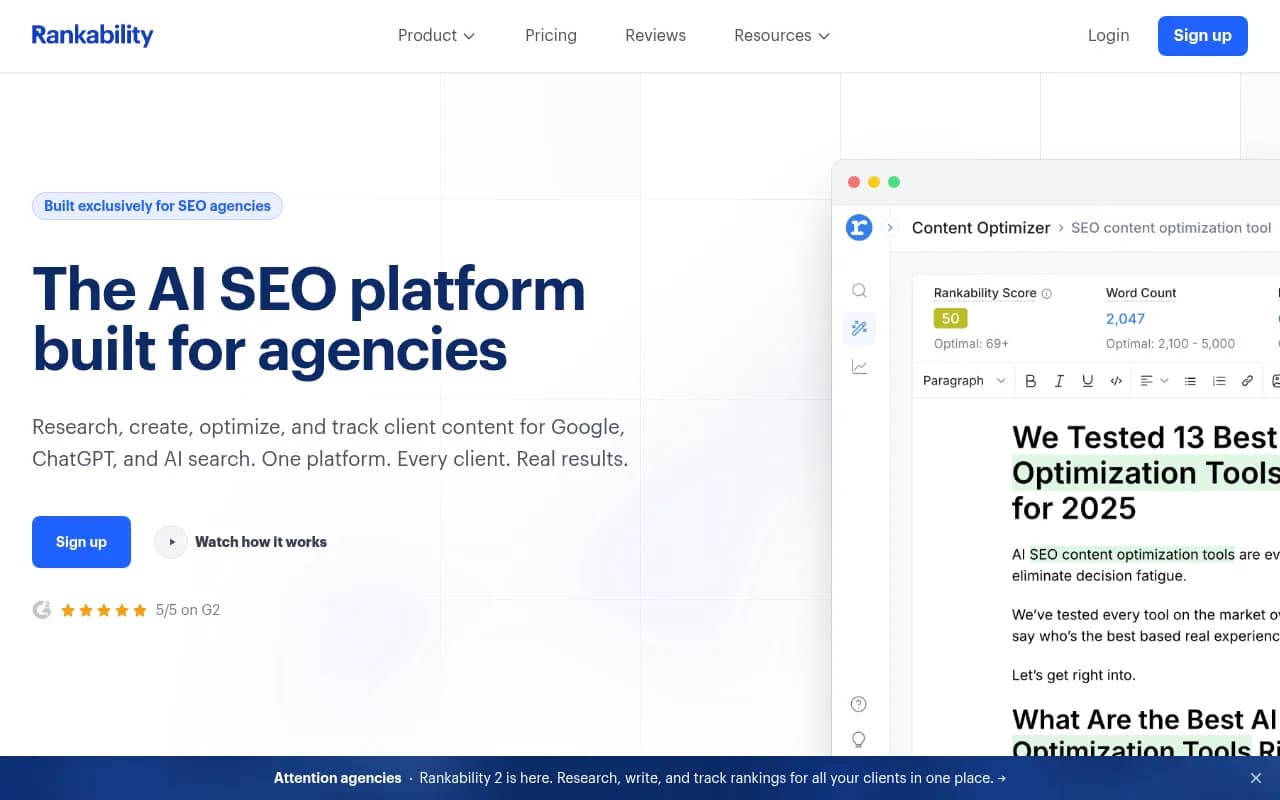
Platforms worth a trial for agencies include Promptwatch, which pairs tracking with crawler logs, visitor analytics, and a Content Agent that writes and publishes pages, and which has agency plans from $199/mo (Kick-off) with unlimited projects and pitch projects. Confirm current pricing at promptwatch.com/pricing. Others in our catalog worth a look include Profound, Scrunch, Otterly.AI, Peec AI, and Rankability.


For a wider catalog, see the GEO software directory at bestgeosoftware.com, and for agency-focused rank tracking, ai-rank-tools.com.
Prospecting licenses and pitch environments
Some vendors give agencies free pitch access. Scrunch offers a free prospecting license through its partner program (Agency Core is $500/mo per one roundup), and Profound's Agency Mode includes pitch environments. These are worth asking about if you pitch often, but check terms: free pitch access usually comes with a partner commitment.
Common mistakes
- Running one prompt once and calling it a finding.
- Auditing only ChatGPT. Engines differ a lot in sources and citation counts.
- Skipping the crawler check, then recommending content for a site AI cannot read.
- Using the same recommendations for every industry.
- Quoting vendor roundup rankings as if they were independent research.
- Buying a platform before you know which questions you need answered.
A simple one-afternoon workflow
- 20 minutes: run two free checkers and screenshot the results.
- 20 minutes: robots.txt, Agentic Readiness Check, and a few URL inspections.
- 60 minutes: manual prompt sample across four engines, two runs each.
- 30 minutes: tag the cited sources by type and note competitors.
- 30 minutes: write the one-page summary with three first actions.
If that afternoon produces a finding a prospect cares about, you have validated the service. Then, and only then, price out a platform.