Key takeaways
- Dedicated GEO platforms are built to track, analyze, and improve visibility inside AI-generated answers (ChatGPT, Perplexity, Gemini, etc.) -- not just traditional SERPs.
- SEO suites with AI features (Semrush, Ahrefs, BrightEdge) have added AI tracking as a layer on top of their existing tools, which means coverage is often shallower and action-oriented features are limited.
- The right choice depends on how much of your traffic and pipeline is already coming from AI search -- and how fast that's growing for your category.
- If you're in a competitive B2B or research-heavy category, the gap between a dedicated platform and an SEO suite's AI add-on is already large enough to matter.
- Most dedicated GEO platforms are monitoring-only. The ones worth paying for also help you close the gaps they find.
Why this decision is harder than it looks
A year ago, the choice was simple: you had your SEO tool, and a handful of scrappy GEO startups were just starting to appear. Now the category has exploded. Nearly every major SEO platform has bolted on some form of AI visibility tracking, and there are 30+ dedicated GEO tools competing for attention.
The problem is that "AI visibility" means very different things depending on who's selling it. Some tools track whether your brand name appears in a ChatGPT response. Others go much deeper -- mapping which prompts your competitors rank for, showing you the specific content gaps causing you to miss citations, and generating the content to fix it. These are not the same product, even if they use the same marketing language.
So before you evaluate any tool, you need to be honest about what you actually need.
What each type of tool is actually built for
Dedicated GEO platforms
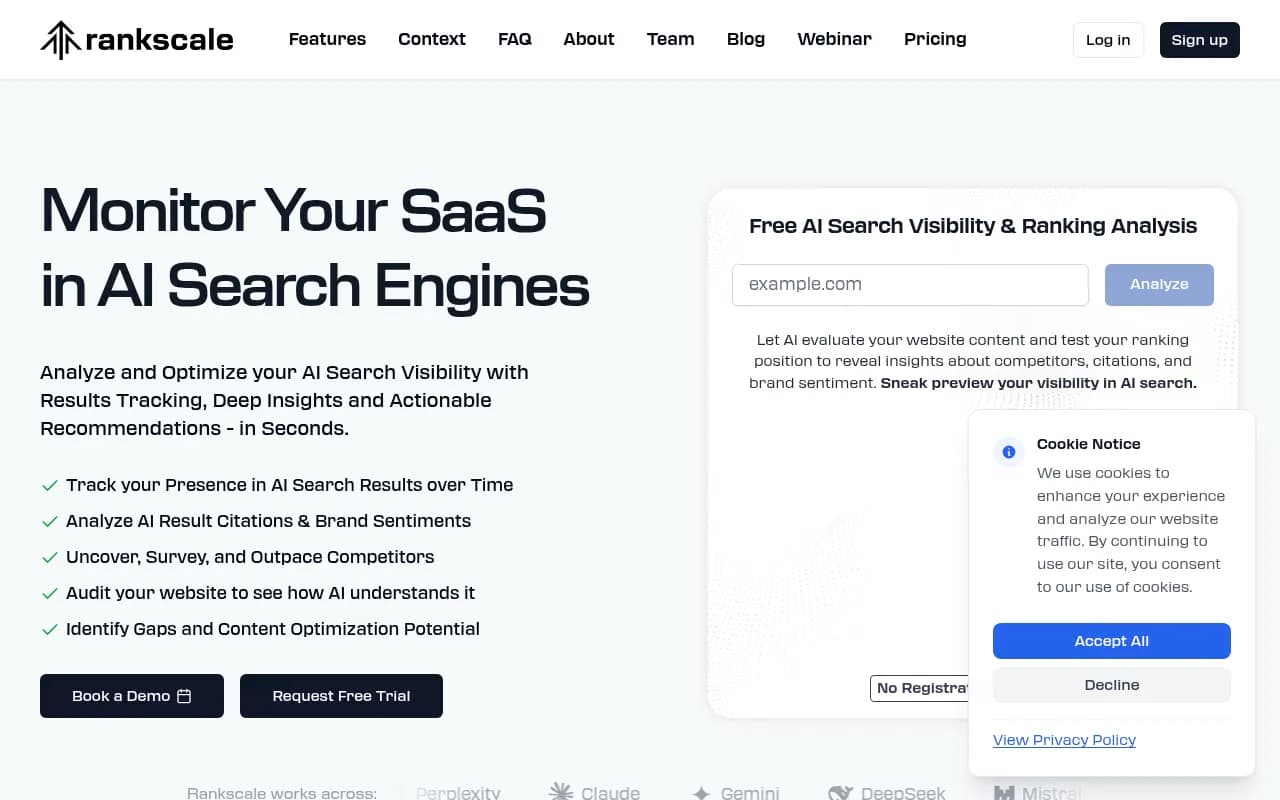
These tools were designed from scratch to answer one question: how visible is your brand in AI-generated answers, and what can you do about it?
The best ones track your brand's presence across multiple AI models (ChatGPT, Perplexity, Gemini, Claude, Grok, etc.), measure your share of voice relative to competitors, identify which prompts you're missing, and -- this is where most tools stop -- help you create content that closes those gaps.
The monitoring side is generally much richer than what SEO suites offer. You get things like:
- Prompt-level tracking (not just brand mentions, but which specific questions trigger your competitors and not you)
- Citation source analysis (which pages, Reddit threads, and third-party domains AI models are pulling from)
- AI crawler logs (when ChatGPT or Perplexity's crawlers actually visit your site, which pages they read, and whether those pages end up cited)
- Multi-model coverage that reflects how real users interact with AI, not just API outputs
The trade-off is that dedicated GEO platforms don't replace your SEO tool. They sit alongside it. If budget is tight, that's a real consideration.
SEO suites with AI features
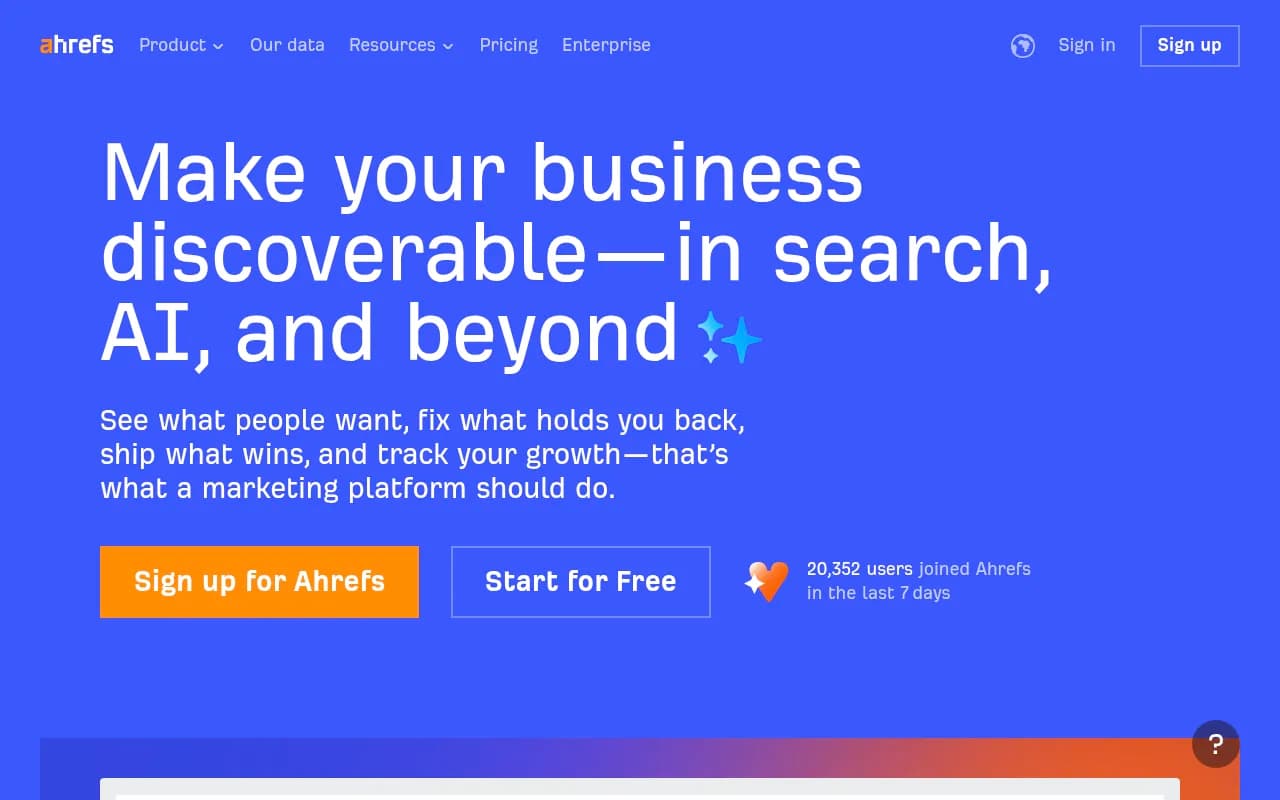
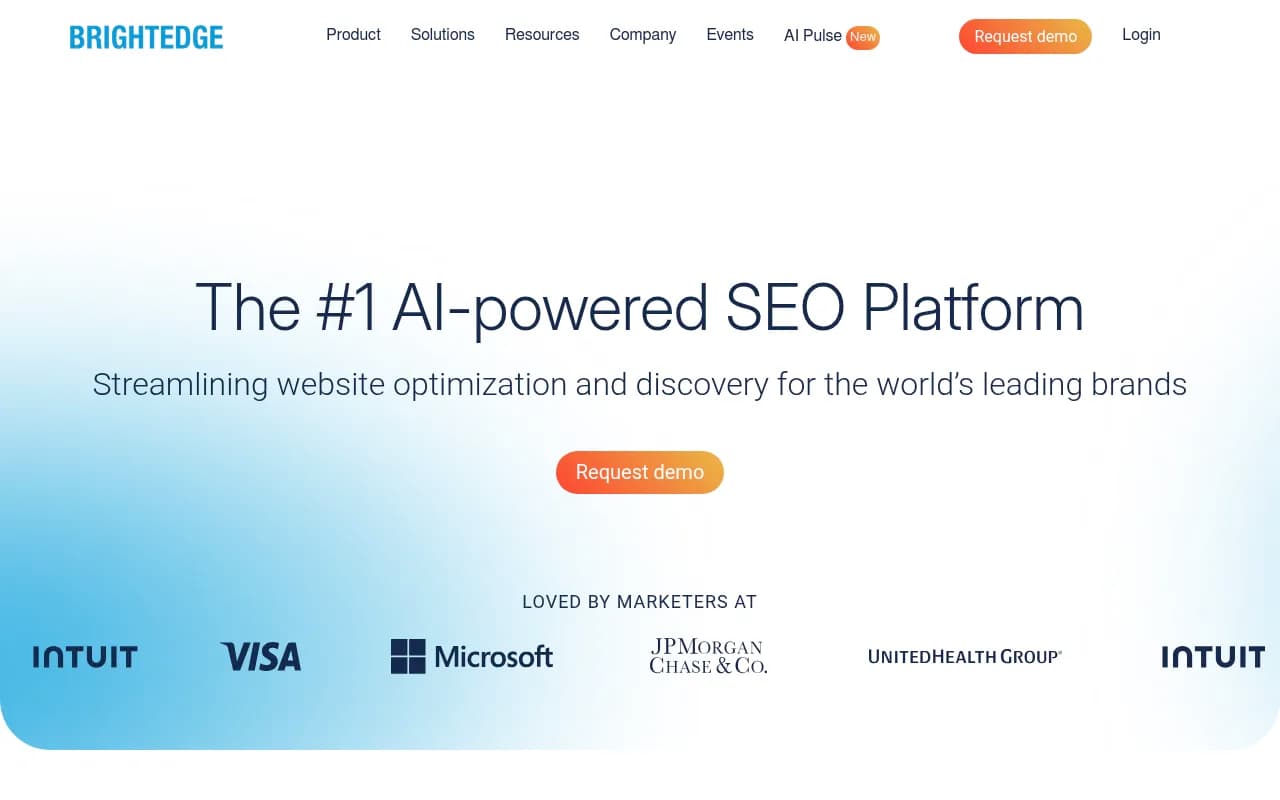
Semrush, Ahrefs, BrightEdge, seoClarity -- these platforms have added AI visibility tracking to their existing toolsets. The appeal is obvious: one platform, one bill, one login.
But the AI tracking in these tools tends to be narrower. Semrush's AI tracking uses fixed prompt sets, which means you're seeing visibility for the prompts Semrush chose, not necessarily the prompts your actual customers are typing. Ahrefs Brand Radar has a similar limitation -- fixed prompts, no AI traffic attribution. BrightEdge goes deeper on the enterprise side, but it's priced accordingly and still skews toward traditional search.
None of these platforms currently offer AI crawler logs, prompt volume estimates, or content generation grounded in real citation data. They're useful for getting a rough sense of your AI presence, but they're not built to help you systematically improve it.
The feature gap, visualized
Here's an honest comparison of what each type of tool typically covers:
| Feature | Dedicated GEO platform | SEO suite with AI add-on |
|---|---|---|
| Multi-model AI tracking (ChatGPT, Perplexity, Gemini, Claude, etc.) | Yes (most) | Partial (usually 2-4 models) |
| Custom prompt tracking | Yes | Rarely (usually fixed prompts) |
| Prompt volume & difficulty scoring | Some | No |
| Competitor AI share of voice | Yes | Limited |
| Answer gap analysis (prompts you're missing) | Yes (better platforms) | No |
| AI crawler logs | Some | No |
| Citation source analysis | Yes | No |
| Reddit/YouTube citation tracking | Some | No |
| Content generation for AI visibility | Some | No |
| AI traffic attribution | Some | No |
| Traditional SEO (rankings, backlinks, audits) | No | Yes |
| Pricing (entry-level) | $49-$249/mo | $99-$499/mo (full suite) |
The pattern is clear: SEO suites cover the monitoring basics but stop there. Dedicated platforms go much deeper on both the analysis and the action side -- though there's significant variation within the dedicated category too.
The monitoring-only trap
This is worth calling out directly, because it affects most dedicated GEO platforms too.
A lot of tools will show you a dashboard of your AI visibility scores, a list of prompts where competitors appear and you don't, and a graph of how your share of voice has changed over time. That's genuinely useful information. But it leaves you with a question: now what?
If the tool can't help you answer that question -- if it can't tell you what content to create, help you create it, or show you whether the content you published actually moved the needle -- then you're paying for a reporting tool, not an optimization platform.
When evaluating any GEO tool, ask: does it close the loop? Can it go from "here's a gap" to "here's the content that fills it" to "here's proof it worked"?
Promptwatch is one of the few platforms built around this full cycle. The Answer Gap Analysis shows which prompts competitors rank for that you don't. Content Agents generate articles and briefs grounded in real prompt data. Page-level tracking then shows when those pages get crawled and cited by AI models.



When to choose a dedicated GEO platform
A dedicated platform makes sense if any of these apply:
AI search is already driving measurable traffic or leads. If you're seeing referrals from Perplexity or ChatGPT in your analytics, you're already in the game. A dedicated tool will help you understand and grow that channel properly.
You're in a category where AI answers dominate. B2B software, financial services, healthcare, travel, and research-heavy consumer categories are seeing AI-generated answers displace traditional search results fast. If your buyers are using AI to research options, your competitors' AI visibility is a direct threat.
You need prompt-level intelligence. Knowing your brand appears in "some AI responses" isn't actionable. Knowing you're invisible for "best [category] tool for [use case]" -- a prompt with high volume and clear buyer intent -- is.
You want to track what's actually driving AI citations. Which of your pages are being cited? Which external sources (Reddit threads, review sites, YouTube videos) are influencing AI recommendations about your brand? SEO suites don't answer these questions.
You're running an agency and need multi-client reporting. Most dedicated GEO platforms have agency tiers with white-label reporting and multi-site management that SEO suites don't match for this specific use case.


When to stick with your SEO suite's AI features
There are legitimate reasons to stay with an SEO suite, at least for now:
You're early in your AI visibility journey. If you've never tracked your AI presence before, the AI features in Semrush or Ahrefs are a reasonable starting point. They'll give you a rough baseline without adding another tool to your stack.
Your category isn't heavily AI-searched yet. Some industries are still seeing minimal AI search traffic. If that's you, the ROI on a dedicated platform isn't there yet. Check back in six months.
Budget is genuinely constrained. A dedicated GEO platform on top of your existing SEO suite adds $100-$600/month depending on the tier. If you can only afford one, and traditional search still dominates your traffic, the SEO suite wins.
You just need brand mention monitoring. If your goal is simply to know when your brand name appears in AI responses -- not to systematically improve that visibility -- some SEO suites cover this adequately.
A closer look at the dedicated GEO landscape
The dedicated GEO category has fragmented quickly. Here's how the main types break down:
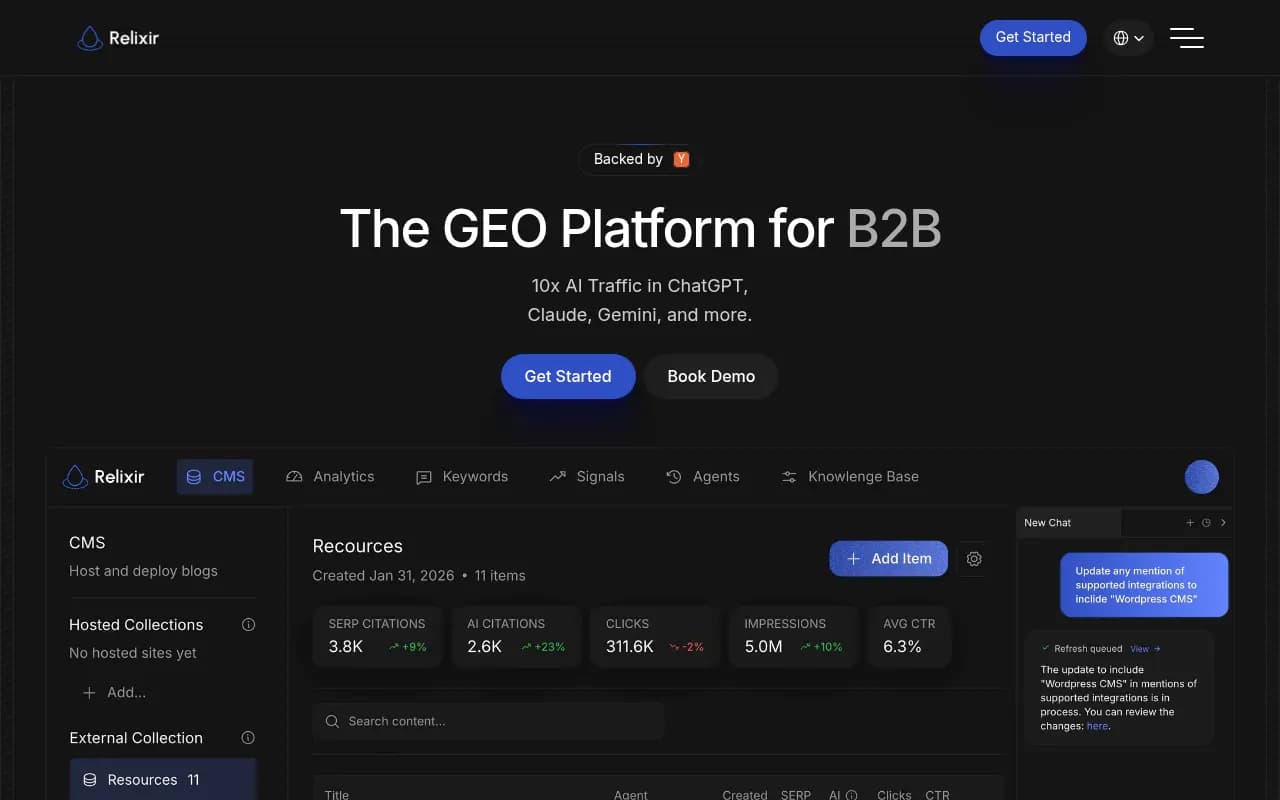
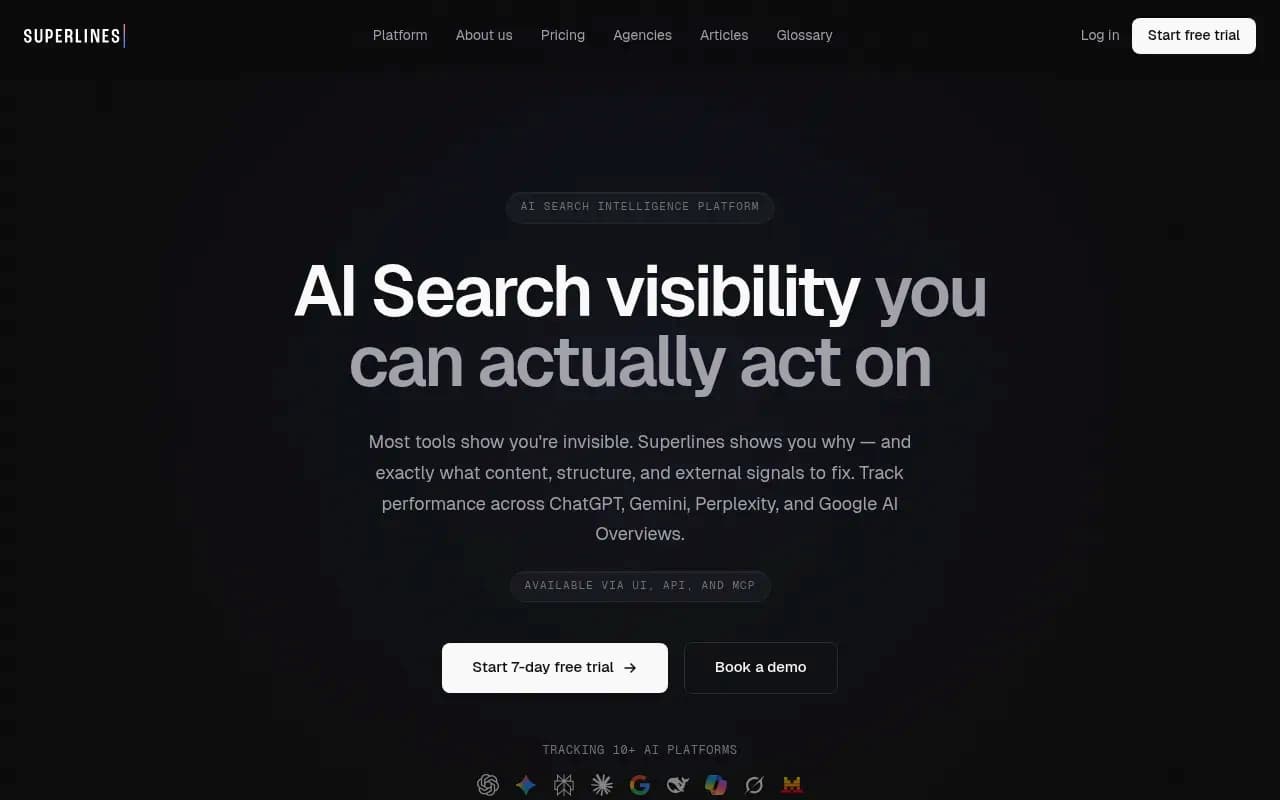
Full-stack platforms (monitor + analyze + act)
These are the tools worth paying serious attention to. They don't just show you data -- they help you do something with it.
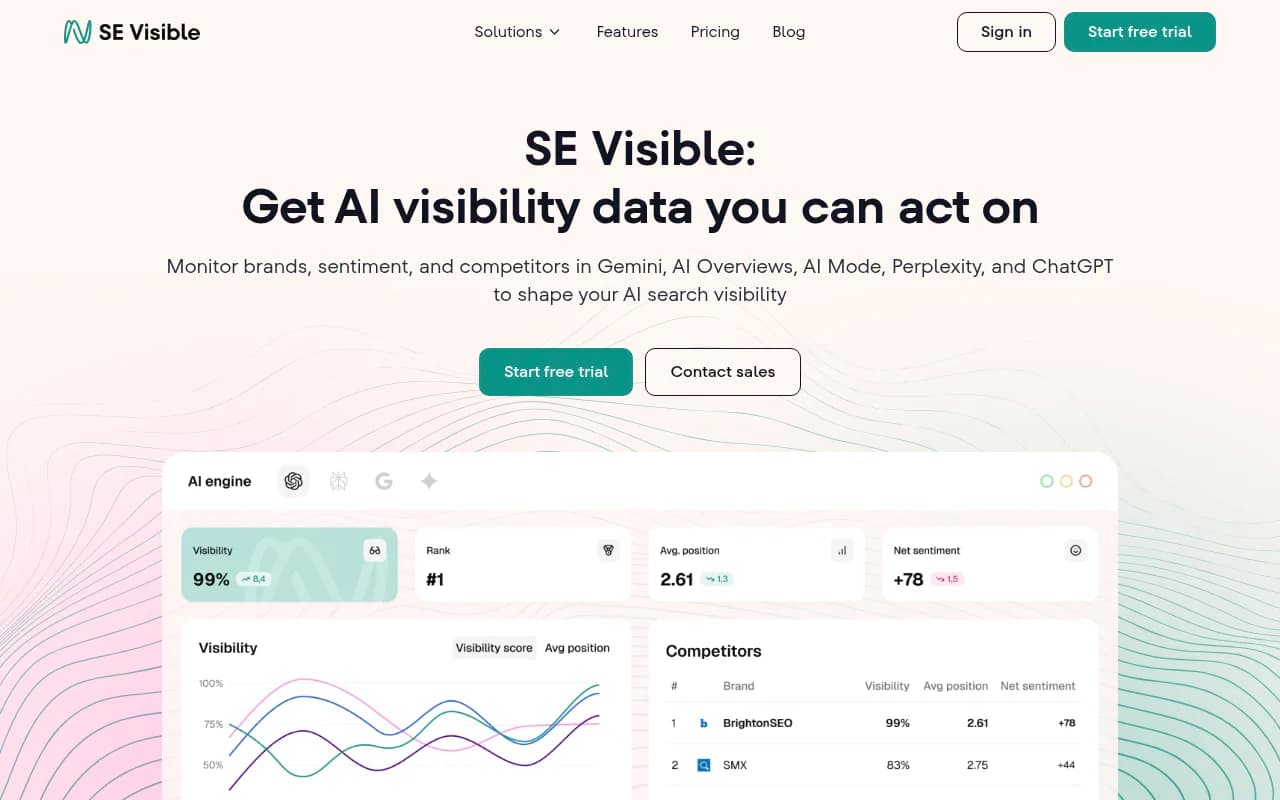
Monitoring-focused platforms
Strong on data, weaker on action. Good for teams that have content production handled separately.
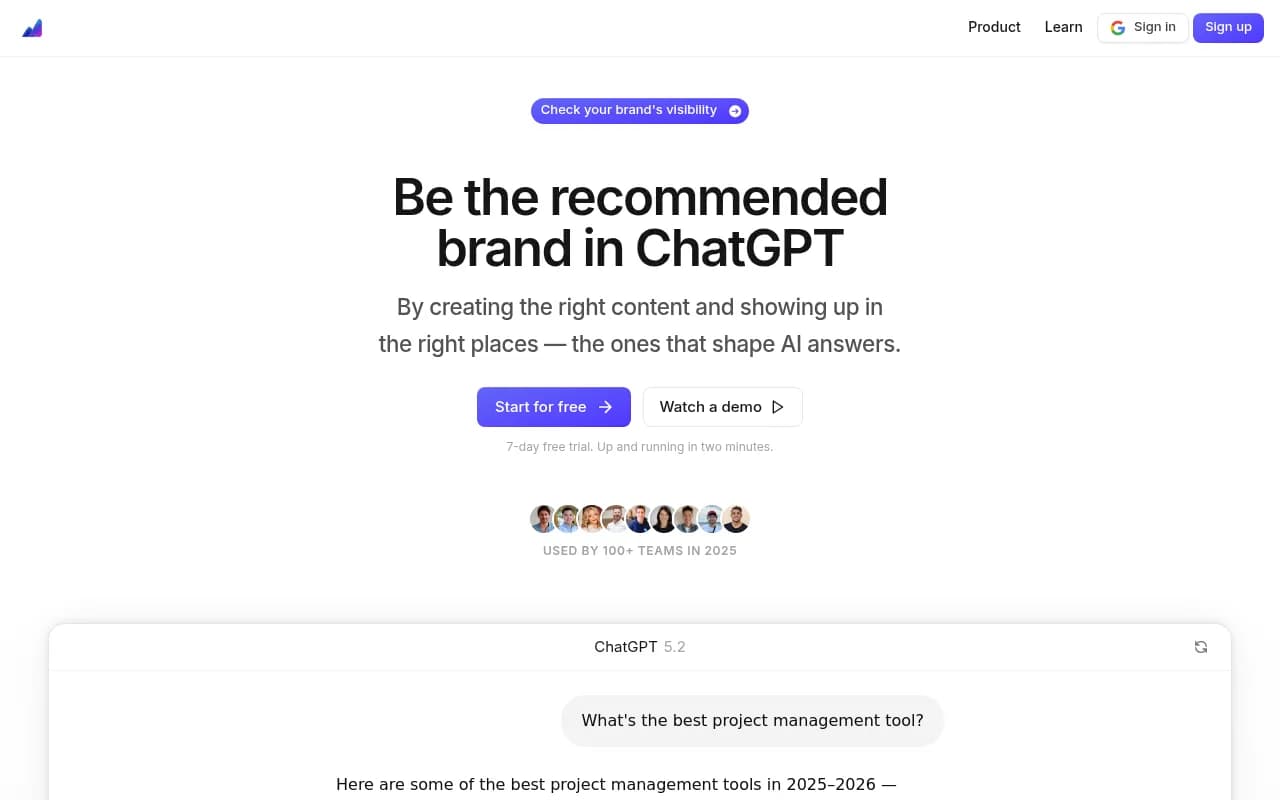
Lightweight / entry-level trackers
Lower cost, narrower coverage. Good for small teams or early-stage monitoring.
Questions to ask before you buy anything
Before signing up for a trial, get clear answers to these:
- Which AI models does it track, and how? (API calls vs. real user interface simulation matters -- the answers can differ.)
- Can I define my own prompts, or am I limited to a fixed set?
- Does it show me which of my pages are being cited, or just whether my brand appears?
- Can it tell me what content I'm missing -- the specific gaps causing me to lose citations?
- Does it help me create that content, or just identify the gaps?
- How does it handle multi-language and multi-region tracking?
- What does the crawler log data look like? Can I see when AI bots visit my site?
- How does pricing scale? What happens when I add more prompts or sites?
If a vendor can't answer questions 4-7 clearly, you're looking at a monitoring tool, not an optimization platform.
The practical decision framework
Here's a simple way to think through the choice:
Step 1: Check your current AI traffic. Open your analytics and look for referrals from perplexity.ai, chatgpt.com, and similar sources. If you're already getting meaningful traffic, a dedicated platform is worth the investment.
Step 2: Check your competitors. Search for your main category keywords in ChatGPT and Perplexity. Are your competitors being cited and you're not? That's a gap with real commercial consequences.
Step 3: Assess your content capacity. If you have a content team that can act on insights, a more analysis-heavy platform makes sense. If you need the tool to help generate content too, narrow your shortlist to platforms with content generation built in.
Step 4: Decide on stack complexity. Are you willing to run a dedicated GEO platform alongside your SEO tool? Most serious teams end up doing this. If not, the AI features in your existing SEO suite are better than nothing.
Step 5: Trial before you commit. Most dedicated GEO platforms offer free trials. Run two or three in parallel for two weeks. The one that surfaces insights you actually act on is the one worth paying for.
The bottom line
The honest answer is that SEO suites with AI features are fine for getting started, but they're not built to help you win in AI search. They show you a slice of the picture and leave you to figure out the rest.
Dedicated GEO platforms vary enormously -- from lightweight trackers that show you a visibility score to full-stack platforms that take you from gap identification to content creation to citation tracking. The price difference between these tiers is real, but so is the difference in what you can actually do with the data.
If AI search is already part of your acquisition mix, or if you're in a category where it's clearly heading that way, a dedicated platform is worth the additional spend. The question isn't really "dedicated vs. SEO suite" -- it's "which dedicated platform actually closes the loop."