Key takeaways
- Wellows and Respona are not direct competitors -- they attack the AI citation problem from different angles.
- Wellows is an AI visibility platform: it tracks where your brand appears in ChatGPT, Perplexity, Gemini, and Google AI Overviews, then surfaces the gaps and outreach opportunities.
- Respona is an outreach automation tool: it helps you land the backlinks, listicle placements, and editorial mentions that AI models tend to cite.
- If you only have budget for one, your choice depends on whether you need to understand your visibility problem first or act on it immediately.
- Most serious teams will eventually want both -- Wellows to find the gaps, Respona to close them.
There's a question that keeps coming up in marketing Slack channels in 2026: "Why is our competitor showing up in ChatGPT answers and we're not?"
The answer usually comes down to citations. AI models don't rank pages the way Google does. They pull from sources they've seen cited, linked to, and discussed across the web -- listicles, editorial roundups, Reddit threads, authoritative blog posts. If your brand isn't in those places, you're invisible to AI search no matter how well you rank on Google.
Two tools that address this problem in very different ways are Wellows and Respona. One helps you see the problem clearly. The other helps you fix it. This guide breaks down exactly what each tool does, where they overlap, and which one (or which combination) makes sense for your situation.
What Wellows actually does
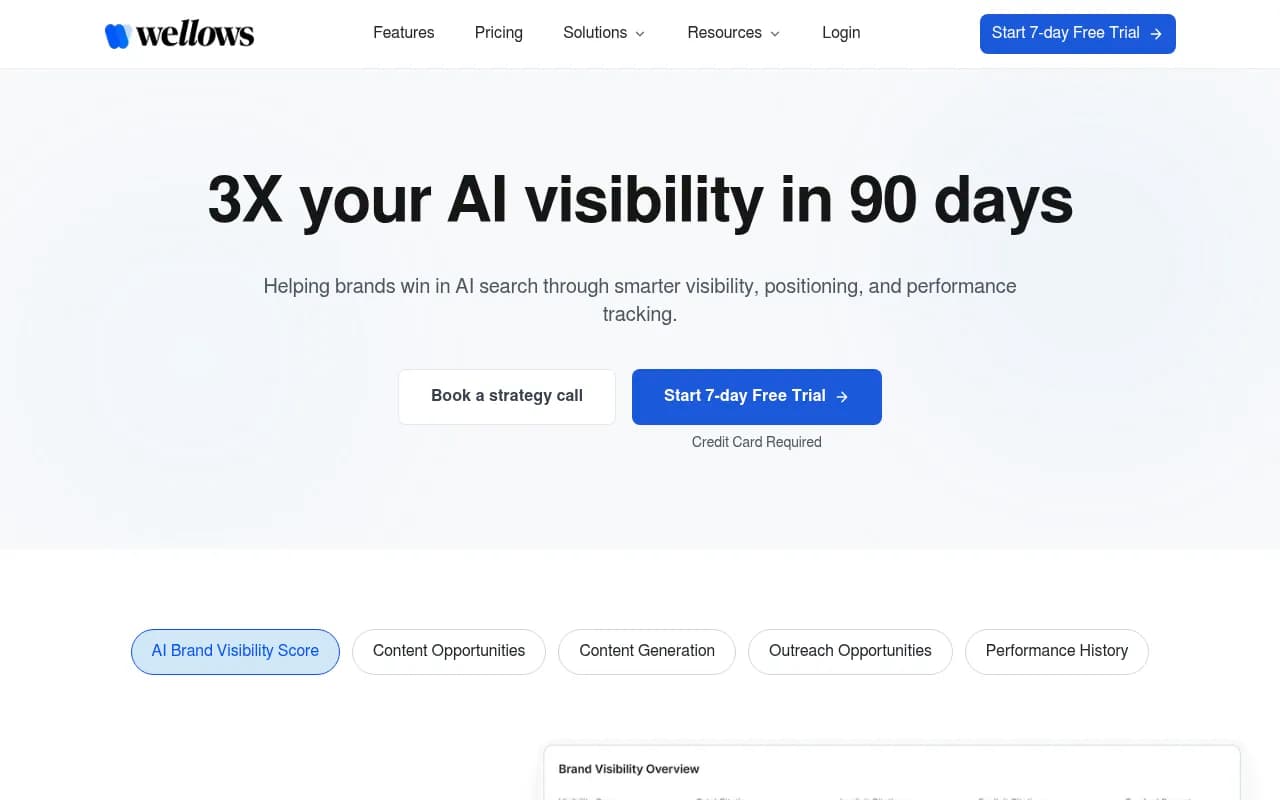
Wellows is built around one core question: when someone asks an AI assistant for recommendations in your category, does your brand appear?
It tracks your visibility across ChatGPT, Perplexity, Gemini, Google AI Overview, and AI Mode. You set up prompts that your target customers might actually type -- "best project management tools for remote teams," "top CRM for small businesses," that kind of thing -- and Wellows monitors how often your brand shows up in the answers, where your competitors appear, and which sources AI models are citing.
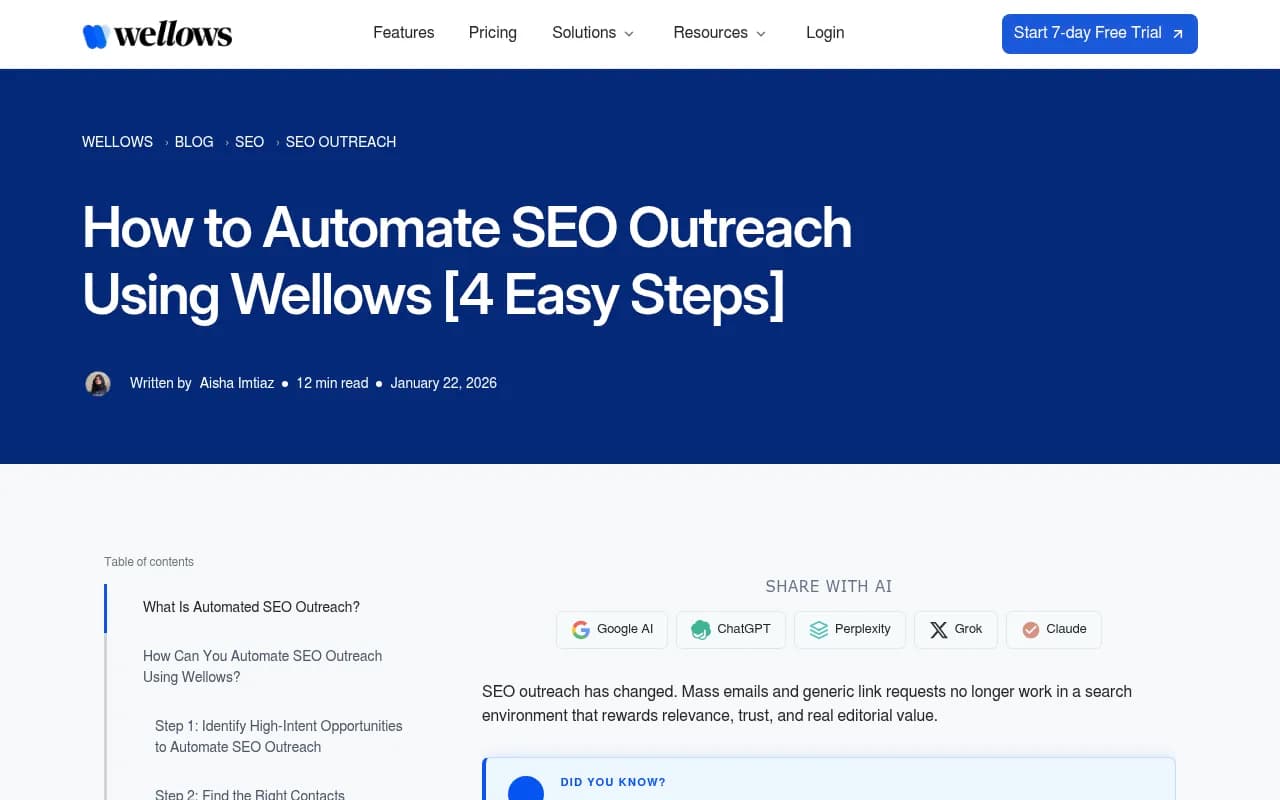
Beyond the monitoring layer, Wellows surfaces actionable outreach opportunities. It identifies implicit brand mentions (places where your brand is referenced but not linked), missed citation opportunities, and the specific publishers where a placement would actually move the needle on AI visibility. The platform's outreach workflow then helps you act on those findings -- finding contact details, personalizing pitches, and tracking responses.
According to a review by Sanjay Singh on LinkedIn, Wellows scores particularly well on AI visibility tracking (9/10) and citation opportunity analysis (9/10), with an overall rating of 8.5/10. The reviewer noted it's designed for agencies, brands, consultants, and freelancers who need more than a curiosity tool.
What Wellows is good at
- Tracking brand visibility across multiple AI models simultaneously
- Identifying which prompts your competitors appear in but you don't
- Surfacing citation gaps and outreach targets based on real AI response data
- Competitive visibility heatmaps showing who's winning for which queries
- Connecting outreach opportunities directly to AI citation data
Where Wellows falls short
- The outreach execution features are newer and less mature than dedicated outreach tools
- Email sequencing and deliverability management aren't its core strength
- It doesn't have Respona's depth of publisher prospecting or contact database
What Respona actually does
Respona comes at the problem from the opposite direction. Rather than starting with "where am I visible?", it starts with "how do I get placed in the sources AI models actually cite?"
The platform combines link prospecting, contact finding, and automated email outreach into one workflow. You can run campaigns targeting listicle placements ("best X tools" articles), editorial mentions, podcast appearances, and backlink opportunities. The key insight from Respona's own blog is that they focus on generating the signals behind AI visibility -- the backlinks, brand mentions, and editorial placements that AI systems use as quality signals when deciding whose content to surface.
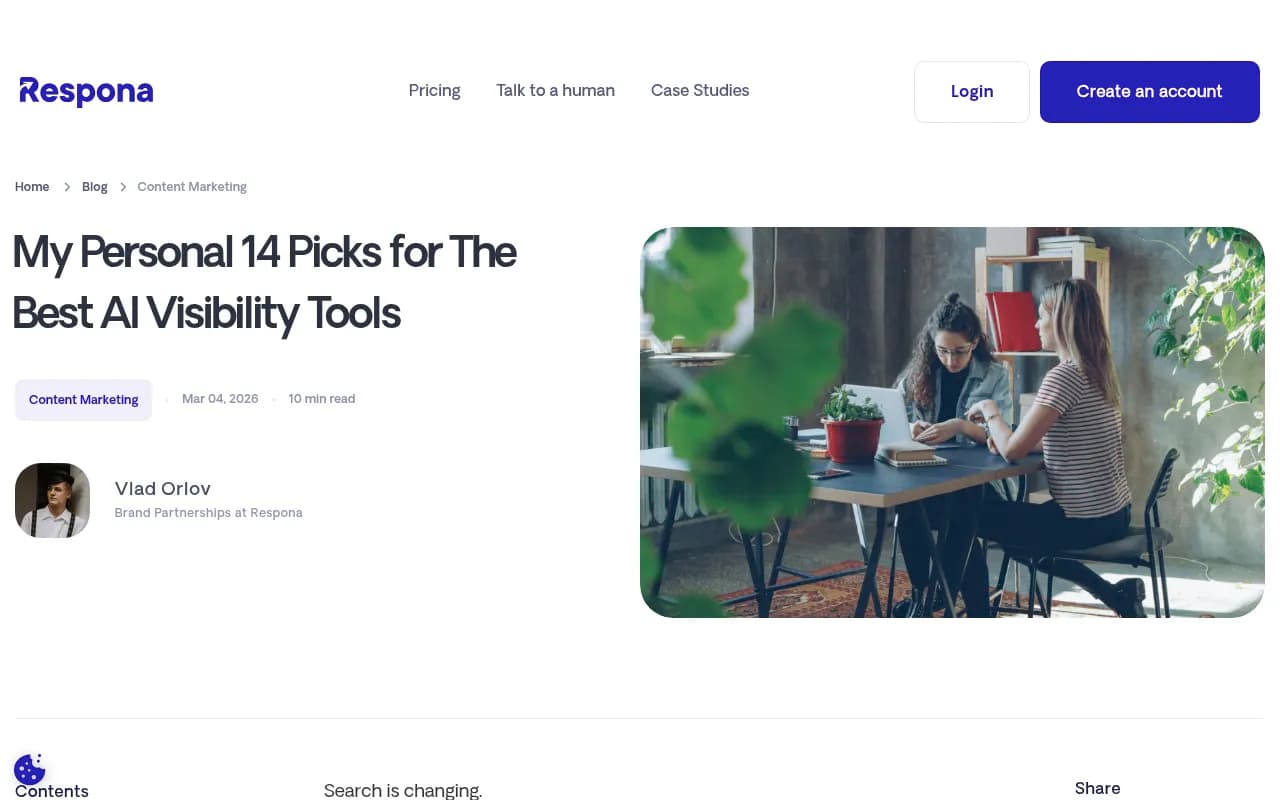
Respona's prospecting pulls from live Google search results, so when you want to get listed in "best CRM tools" roundups, it finds the actual pages ranking for those queries, extracts contact information, and helps you send personalized pitches at scale. The email automation handles follow-ups, tracks open rates, and manages responses.
What Respona is good at
- Finding and contacting publishers who write the listicles and roundups AI models cite
- Automated email sequences with personalization at scale
- Backlink campaign management with built-in contact database
- Tracking outreach campaign performance (opens, replies, placements secured)
- Targeting the exact content types (listicles, comparisons, roundups) that AI models pull from
Where Respona falls short
- It doesn't tell you which prompts you're invisible for -- you need to know your gaps before you can target them
- No AI model monitoring or visibility scoring
- You're working somewhat blind without a separate tool to validate whether your outreach is actually improving AI visibility
Head-to-head comparison
| Feature | Wellows | Respona |
|---|---|---|
| AI model monitoring | Yes (ChatGPT, Perplexity, Gemini, Google AI) | No |
| Citation gap analysis | Yes | No |
| Competitor visibility tracking | Yes | No |
| Outreach campaign automation | Basic | Advanced |
| Email sequencing | Limited | Full sequences + follow-ups |
| Contact database / prospecting | Yes (AI-focused) | Yes (broad SEO/PR) |
| Listicle placement targeting | Yes | Yes |
| Visibility scoring | Yes | No |
| Prompt tracking | Yes | No |
| Backlink campaign management | No | Yes |
| Best for | Understanding + monitoring AI visibility | Executing outreach to earn citations |
| Pricing | Starts ~$49-99/mo (varies by plan) | Starts ~$99/mo |
The core difference: diagnosis vs treatment
Here's the clearest way to think about it.
Wellows is diagnostic. It tells you you're invisible for "best email marketing tools for ecommerce" in Perplexity, that your competitor Klaviyo appears in 87% of those responses, and that the top-cited sources are three specific roundup articles on sites you haven't been featured in. That's genuinely valuable intelligence.
Respona is the treatment. Once you know those three roundup articles exist, Respona helps you find the editors, craft a personalized pitch, send it, follow up automatically, and track whether you got placed.
Neither tool fully replaces the other. Using Wellows without Respona means you know exactly where you're losing but have limited tooling to act on it efficiently. Using Respona without Wellows means you're running outreach campaigns without knowing whether they're actually moving your AI visibility scores.
Who should use Wellows
Wellows makes most sense if you're starting from scratch on AI visibility and need to understand the landscape before spending time on outreach. It's also the right choice if you're running an agency and need to report on AI visibility metrics for clients -- the monitoring and reporting features are built for that use case.
It's also worth considering if your team already has outreach capabilities (whether through Respona, a dedicated PR team, or another tool) and you just need better intelligence on which opportunities to prioritize.
Who should use Respona
Respona makes sense if you already have a clear picture of your AI visibility gaps -- maybe from a manual audit, a competitor analysis, or another monitoring tool -- and you need to execute outreach efficiently at scale. It's particularly strong for teams that are already doing link building and want to extend that workflow to target the specific editorial placements that influence AI citations.
It's also a good fit if your primary goal is traditional SEO backlinks and AI visibility is a secondary benefit you're happy to get along the way.
Using both together: the citation loop
The teams getting the best results in 2026 are running a loop:
- Use Wellows to find which prompts competitors appear in that you don't
- Identify which publishers and pages are being cited in those AI responses
- Use Respona to run outreach campaigns targeting those specific publishers
- Monitor in Wellows to see whether new placements improve your visibility scores
This is more systematic than either tool alone. You're not guessing which outreach targets matter -- you're working from actual AI response data. And you're not running outreach blindly -- you're measuring whether it works.
What about broader AI visibility platforms?
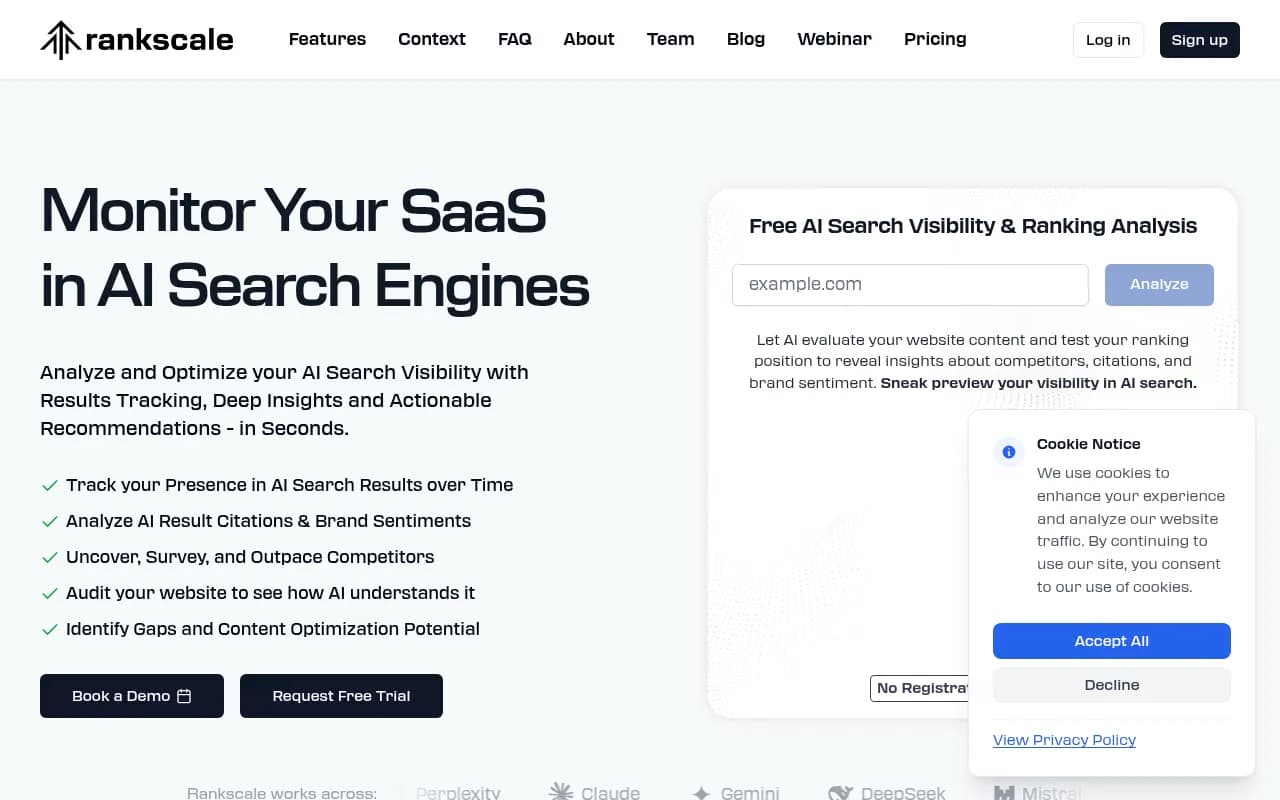
Wellows and Respona both have a narrower focus than full-stack AI visibility platforms. If you want monitoring, content gap analysis, content generation, crawler logs, and outreach intelligence in one place, there are platforms built specifically for that.
Promptwatch is worth looking at here -- it covers the monitoring and gap analysis side (similar to Wellows) but also includes content generation tools that create articles and briefs specifically designed to fill citation gaps, plus page-level tracking that shows which of your pages are being cited and by which AI models. It's a different product category, but relevant if you're looking for something more integrated.

Other tools worth knowing about in this space:



Alternatives to consider
If Wellows or Respona don't quite fit your needs, here are a few others worth evaluating:
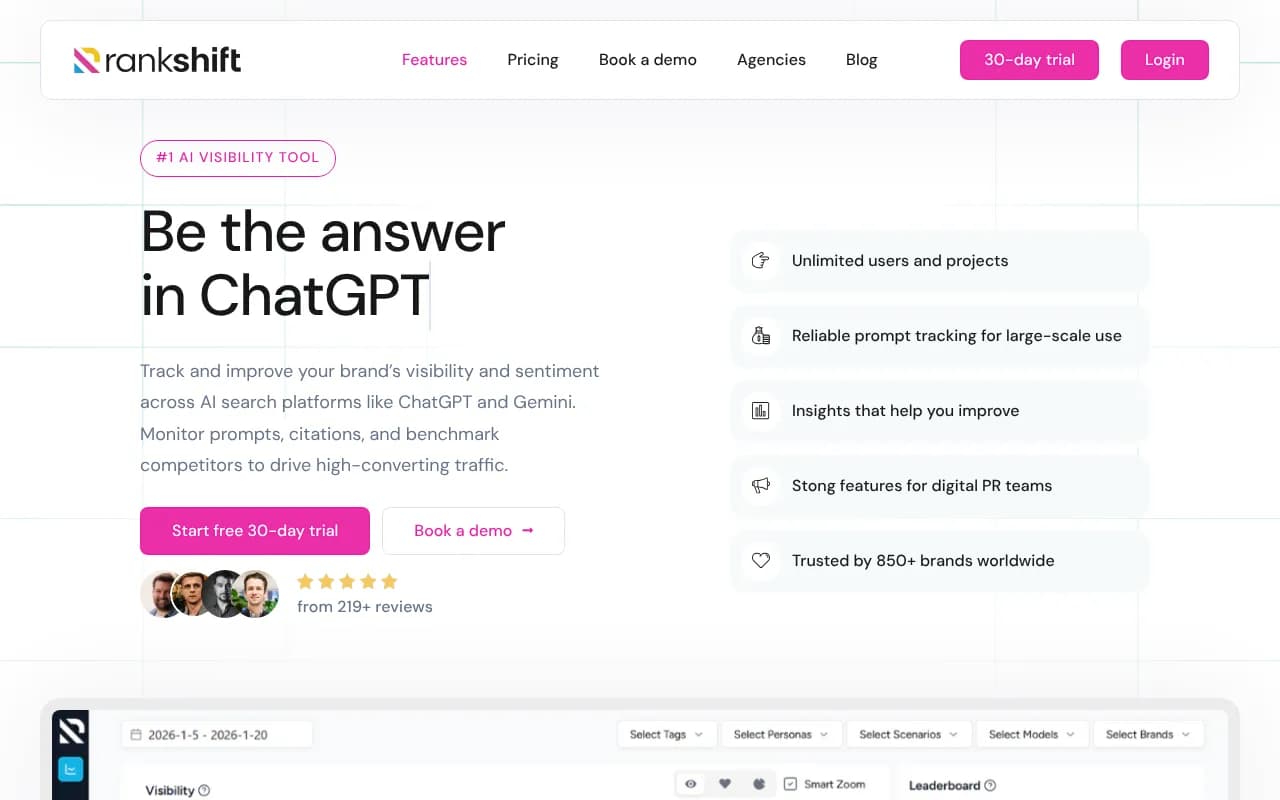
For AI visibility monitoring similar to Wellows:

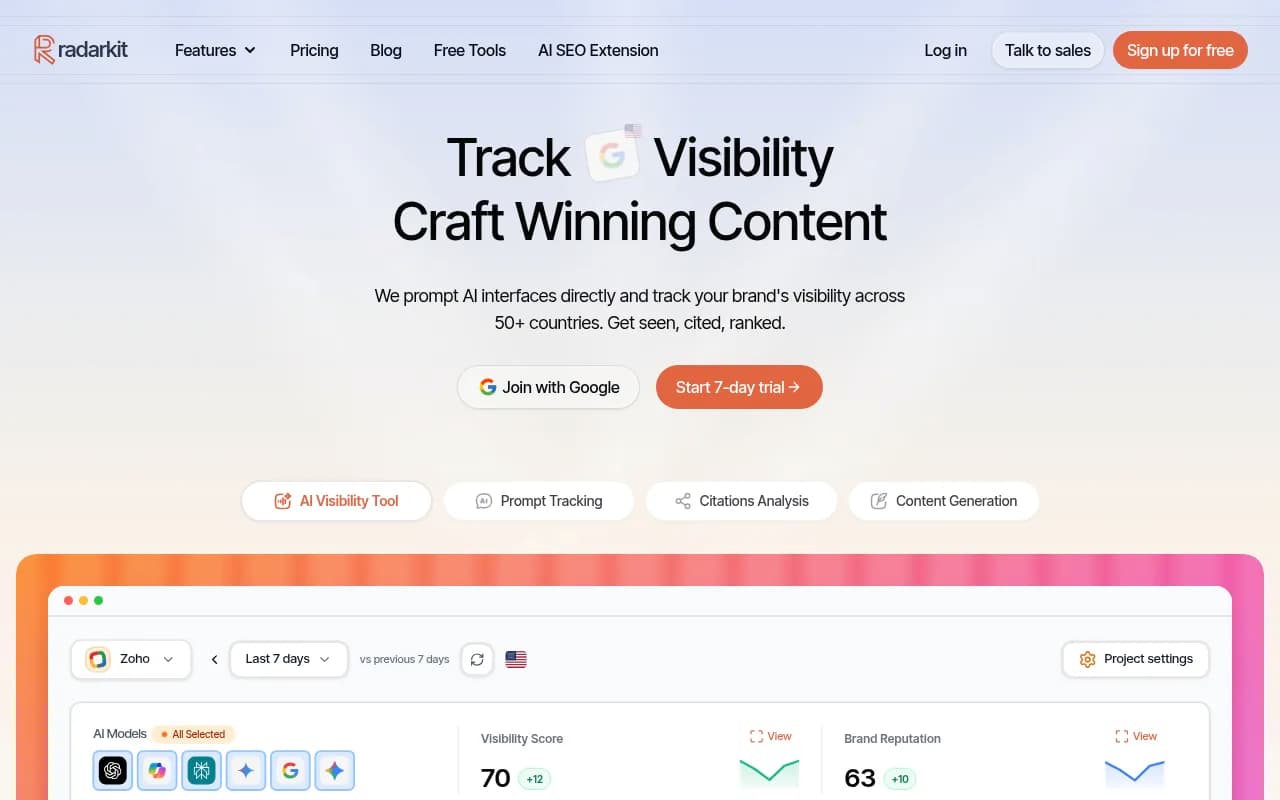
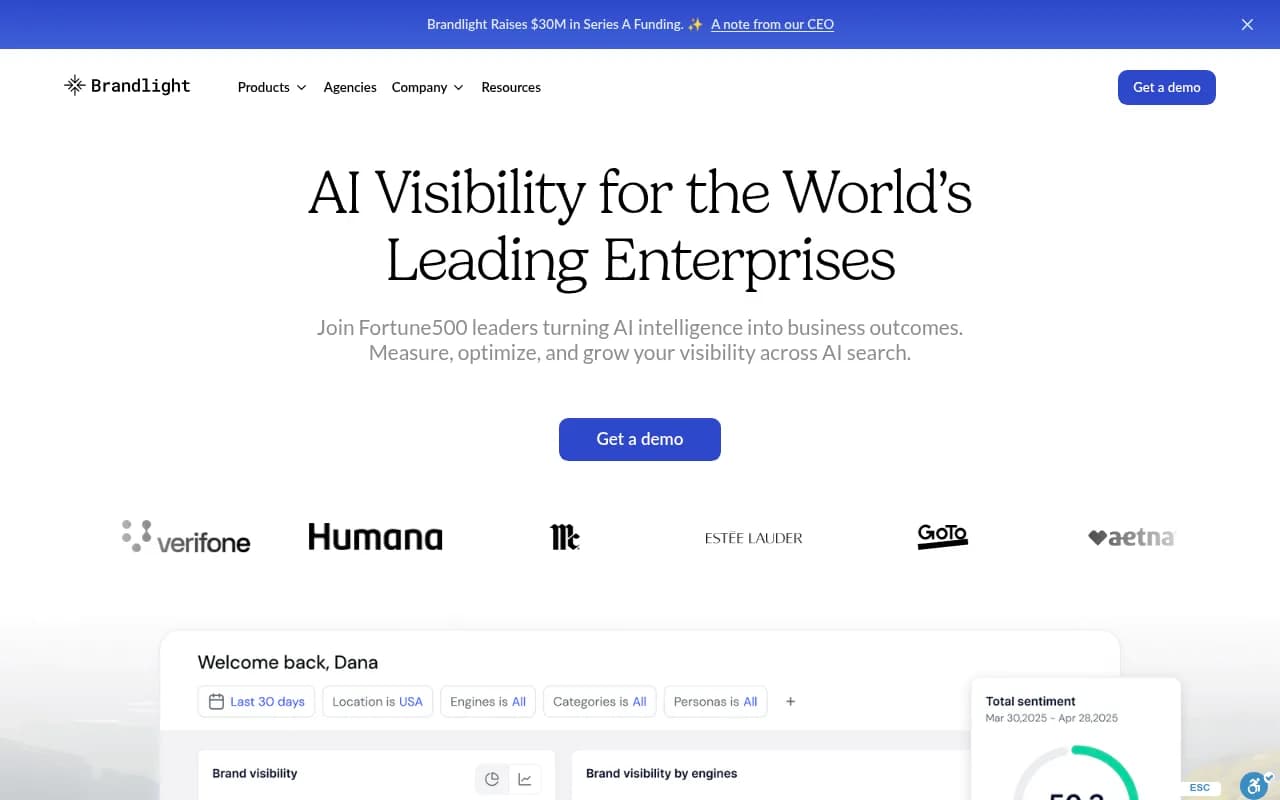
For outreach and citation building similar to Respona:
Verdict
Neither Wellows nor Respona is the "better" tool in any absolute sense -- they're solving different parts of the same problem.
If you're trying to understand why you're invisible in AI search and where the gaps are, start with Wellows. If you already know the gaps and need to execute outreach efficiently to close them, Respona is the stronger choice for that specific job.
The most effective approach is running them in sequence: Wellows for intelligence, Respona for execution. The citation loop that results -- find gaps, target publishers, earn placements, track improvement -- is how brands are actually moving the needle on AI visibility in 2026, not by hoping AI models stumble across their content.
If you want a single platform that handles more of this loop end-to-end (monitoring, gap analysis, content creation, and tracking), that's a different product category worth exploring separately. But for teams that want best-in-class tools for each job, Wellows and Respona are a reasonable pairing.