Key takeaways
- Most AI visibility tools only track whether your own website gets cited -- they miss the Reddit threads, YouTube videos, listicles, and review sites that AI models actually pull from heavily.
- Offsite citations often carry more weight in AI responses than your own content, because AI models treat third-party sources as more credible.
- Tracking offsite mentions requires a different approach than onsite tracking: you need to monitor where AI models source their answers, not just whether your domain appears.
- Tools like Promptwatch surface offsite citation sources directly, showing which external pages, Reddit posts, and third-party domains are driving your AI visibility.
- Once you know which offsite sources matter, you can actively influence them -- through PR, partnerships, community engagement, and content seeding.
There's a version of AI citation tracking that most marketing teams are doing right now. They set up a tool, plug in their domain, and watch a dashboard that tells them how often ChatGPT or Perplexity mentions their brand. That number goes up, they feel good. It goes down, they panic.
The problem is that this approach only captures part of the picture -- and arguably not the most important part.
When an AI model answers "what's the best project management tool for remote teams," it isn't just pulling from the official monday.com or Asana websites. It's synthesizing from G2 reviews, Reddit threads in r/productivity, YouTube comparison videos, TechRadar listicles, and a dozen other third-party sources. Your brand might not appear on your own site's citation report at all -- but it could be getting mentioned (or buried) in every single one of those sources.
That's the gap most teams are missing in 2026.
Why offsite citations matter more than you think
AI models are trained to be skeptical of self-promotion. A brand's own website is useful for factual information -- pricing, features, contact details -- but when it comes to recommendations, AI models weight third-party corroboration heavily.
Think about how you'd answer a question if someone asked you to recommend a tool. You'd probably recall what you've read in reviews, heard from peers, or seen discussed in communities -- not what the tool's homepage says. LLMs work similarly. They've ingested enormous amounts of third-party content, and that content shapes their recommendations far more than any brand's owned pages.
According to research from impact.com, the path to purchase is increasingly happening inside AI-generated answers, compressing what used to be a multi-step research process into a single response. That response is built from sources your brand may not even know are influencing it.
The practical implication: if you're only tracking your own domain's citation rate, you're measuring the output of AI recommendations without understanding the inputs that drive them.
The four main offsite citation sources AI models use
Before you can track offsite citations, you need to know where to look. AI models draw from a fairly consistent set of source types when forming recommendations.
Review and comparison sites
G2, Capterra, Trustpilot, TrustRadius, and similar platforms are heavily cited in AI responses about software and services. These sites aggregate structured reviews, comparison tables, and category rankings -- exactly the kind of organized, third-party content that AI models find easy to synthesize.
If your G2 profile is thin, outdated, or missing key use-case categories, that's a direct gap in your AI visibility. The AI isn't going to recommend you for "best CRM for startups" if the only G2 reviews you have are from enterprise customers.
Reddit and community forums
Reddit is one of the most-cited sources in AI responses, particularly for product recommendations. Threads in subreddits like r/entrepreneur, r/marketing, r/SaaS, and thousands of niche communities carry real weight. AI models treat upvoted community discussions as social proof.
The tricky part: Reddit content is conversational and organic. You can't just publish a press release there. But you can monitor which threads are influencing AI responses and engage authentically in those communities.
YouTube and video content
YouTube videos -- particularly comparison reviews, tutorials, and "best of" roundups -- appear in AI citations more than most brands expect. A single well-optimized YouTube video titled "Notion vs. Coda vs. Obsidian in 2026" can influence AI recommendations across multiple models for months.
If your brand isn't appearing in relevant YouTube content, or if the existing videos about your product are outdated or negative, that's a real AI visibility problem.
Third-party listicles and editorial content
Articles like "10 best email marketing tools" or "top project management software for agencies" on sites like Forbes, HubSpot Blog, TechRadar, and niche industry publications are major citation sources. AI models love structured lists with clear recommendations.
Getting featured in these articles -- or updating your presence in existing ones -- is one of the highest-leverage offsite citation activities you can do.
How to actually track offsite AI citations
Here's where it gets practical. Tracking offsite citations is harder than tracking onsite ones, because you're not just monitoring your own domain -- you're monitoring the entire web of sources that AI models might pull from.
Step 1: Map which sources AI models are actually citing
The first step is to run a set of relevant prompts through multiple AI models and manually inspect the citations. Ask ChatGPT, Perplexity, Gemini, and Claude the kinds of questions your customers would ask, then look at every source they cite.
You're looking for patterns: which domains come up repeatedly? Which Reddit threads? Which YouTube channels? This gives you a map of the citation ecosystem for your category.
This is tedious to do manually at scale, which is why purpose-built tools matter here. Promptwatch's offsite citation analysis does this automatically -- it tracks which external pages, Reddit threads, YouTube videos, and third-party domains are driving AI visibility across your category, so you're not spending hours doing manual prompt research.

Step 2: Identify where your brand appears (and doesn't)
Once you have a map of the citation ecosystem, you need to audit your presence within it. For each major citation source type:
- Review sites: Are you listed? Is your profile complete and current? Do your reviews reflect the use cases AI models are recommending you for?
- Reddit: Are there threads discussing your brand? What's the sentiment? Are you appearing in the threads that AI models are actually citing?
- YouTube: Are there videos featuring your product? Are they recent? Do they appear in AI responses?
- Listicles: Are you included in the key "best of" articles in your category? Are those articles still being cited by AI models, or have they been replaced by newer ones?
The gap between where citations are happening and where your brand appears is your offsite citation gap.
Step 3: Set up ongoing monitoring
One-time audits aren't enough. The citation ecosystem shifts constantly -- new Reddit threads get upvoted, new YouTube videos get published, listicles get updated. You need ongoing monitoring to catch changes as they happen.
A few approaches work well here:
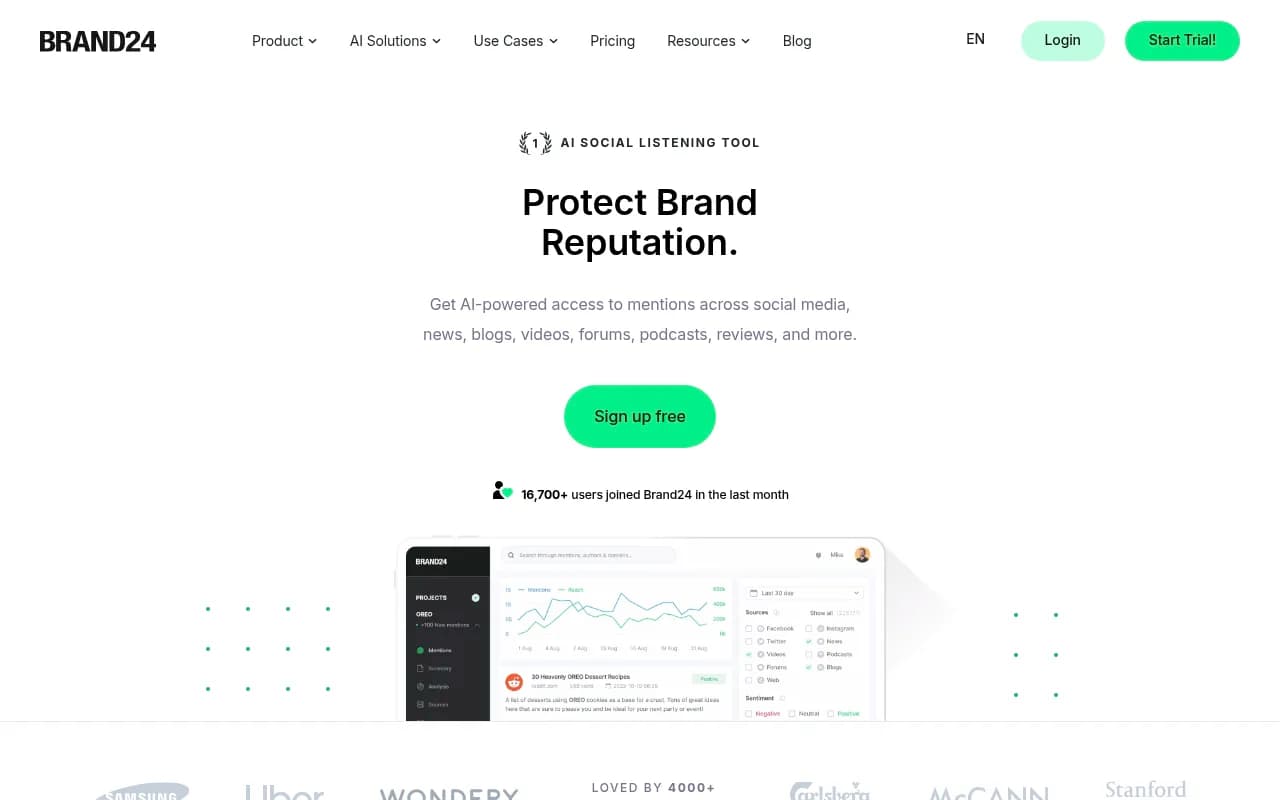
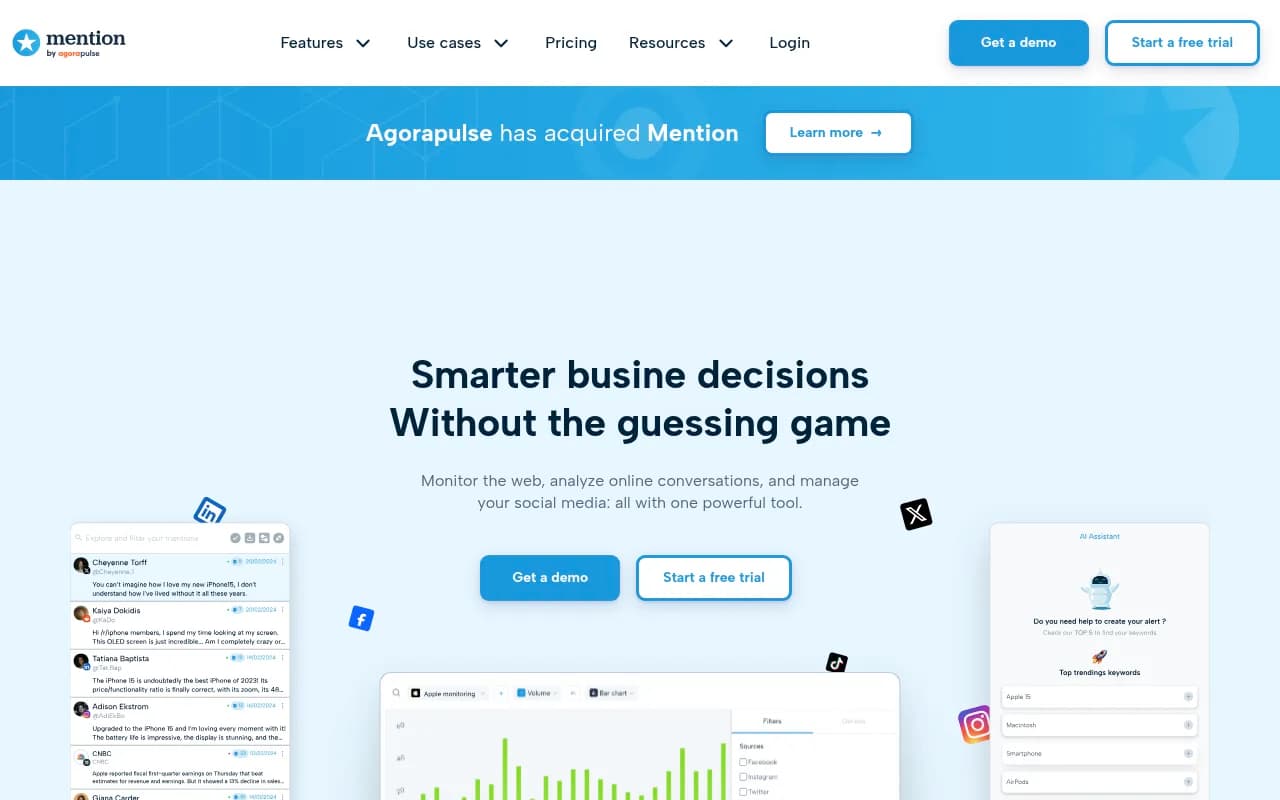
For Reddit specifically, tools like Brand24 and Mention track brand mentions across social platforms including Reddit in near real-time.
For broader AI citation monitoring that includes offsite sources, Promptwatch tracks which external pages are being cited in AI responses and flags changes over time. This is different from social listening -- you're not just tracking where your brand is mentioned on the web, you're tracking which of those mentions are actually influencing AI model outputs.
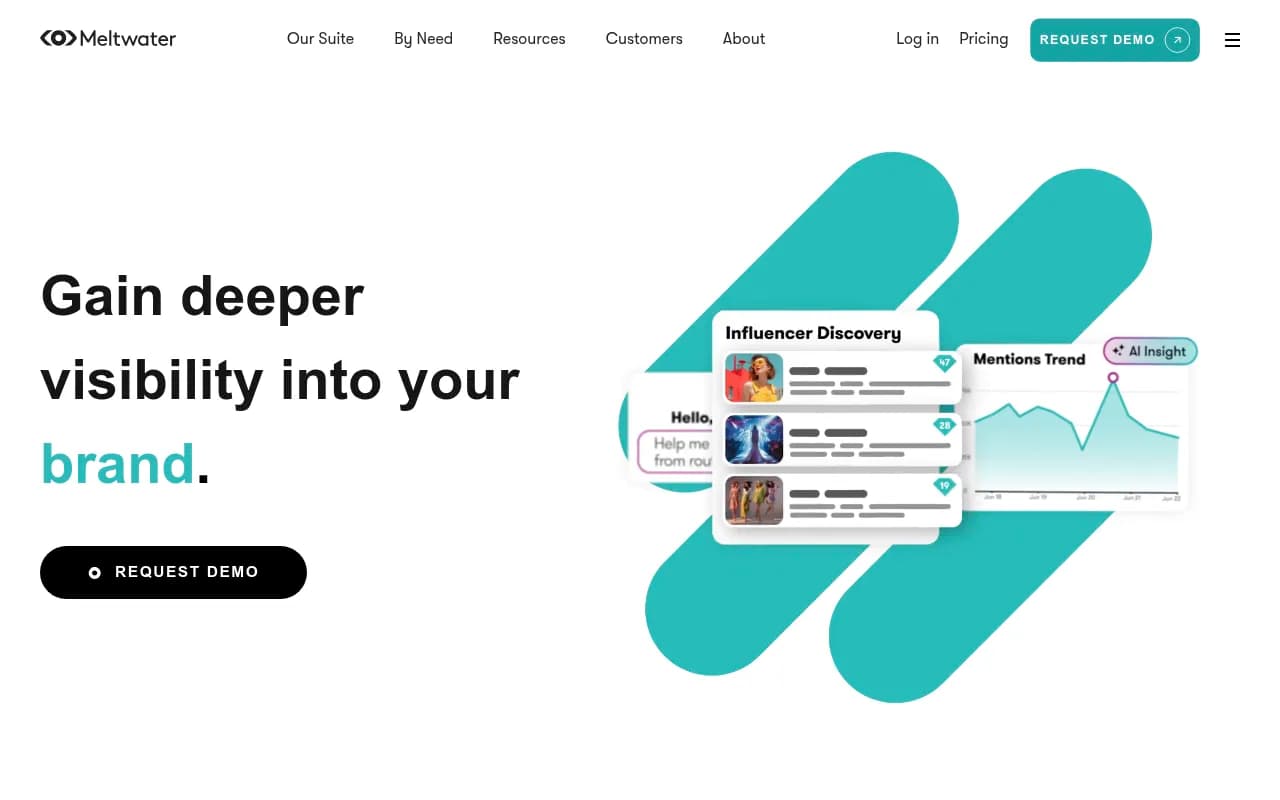
For enterprise teams that need media intelligence layered on top of AI tracking, Meltwater covers a wide range of third-party sources.
Step 4: Track AI referral traffic from offsite sources
Here's something most teams overlook: when AI models cite a third-party source that mentions your brand, users sometimes click through to that source and then navigate to your site. That traffic shows up in your analytics, but it's often misattributed.
Setting up proper AI referral tracking in GA4 helps here. You can create custom channel groups using regex filters to isolate traffic from AI referral sources -- both direct citations of your domain and indirect traffic through cited third-party pages.
Tools like LLM Clicks are specifically built to track citation-driven traffic, including from offsite sources.
The tools worth knowing about
The market for AI visibility tools has expanded significantly in 2026, but most tools are still focused primarily on onsite citation tracking. Here's a quick breakdown of what's available for offsite monitoring specifically:
| Tool | Offsite citation tracking | Reddit/YouTube monitoring | AI traffic attribution | Content gap analysis |
|---|---|---|---|---|
| Promptwatch | Yes | Yes | Yes | Yes |
| Brand24 | Partial (social listening) | Yes | No | No |
| Mention | Partial (social listening) | Yes | No | No |
| Meltwater | Partial (media monitoring) | Limited | No | No |
| Otterly.AI | No | No | No | No |
| Peec.ai | No | No | No | No |
| AthenaHQ | Limited | No | No | No |
The honest picture: most dedicated AI visibility tools are built around onsite tracking. They'll tell you how often your domain gets cited, but they don't surface the Reddit threads or YouTube videos that are shaping those citations upstream. Promptwatch is one of the few platforms that explicitly tracks offsite citation sources as part of its core feature set.


What to do once you find the gaps
Tracking is only useful if it leads to action. Once you know which offsite sources are influencing AI citations in your category and where your brand is missing, here's what to do about it.
Prioritize high-traffic citation sources first
Not all offsite citations are equal. A Reddit thread with 2,000 upvotes that appears in Perplexity responses for a high-volume query is worth more than a mention in an obscure blog post. Use your citation map to prioritize by impact.
Engage authentically in Reddit communities
If specific subreddits are driving AI citations in your category, participate in them genuinely. Answer questions, share expertise, be helpful. Don't astroturf -- AI models are increasingly good at detecting and discounting inauthentic community content, and Reddit's own community will call it out.
If your brand is being discussed negatively in cited threads, address it directly. A thoughtful response from a company representative can shift the sentiment of a thread and, by extension, how AI models characterize your brand.
Update and expand your review site presence
If G2, Capterra, or Trustpilot are major citation sources in your category, treat your profiles there as seriously as you treat your own website. Make sure your profile reflects your current product, targets the right use-case categories, and has recent reviews that speak to the specific jobs-to-be-done your customers care about.
Build relationships with publishers of cited listicles
The editorial teams at TechRadar, G2, Forbes Tech, and similar publications update their "best of" articles regularly. If you're not in the articles that AI models are citing, reach out. Offer updated information, demos, or data. This is essentially PR for AI visibility -- and it works.
Create content that fills citation gaps
If AI models are citing a particular type of content that doesn't exist for your brand -- say, a detailed comparison of your product vs. competitors, or a tutorial for a specific use case -- create it. Then seed it in the places where AI models are likely to find it: your own site, relevant YouTube channels, industry publications.
This is where the gap between monitoring-only tools and action-oriented platforms becomes real. Knowing you have a citation gap is step one. Being able to generate the content that fills it, grounded in actual prompt data and competitor citation analysis, is step two.
A note on attribution
One of the harder problems in offsite citation tracking is connecting the dots between an AI citation, a third-party source, and an eventual conversion. The chain looks like this: a user asks an AI a question, the AI cites a G2 review that mentions your brand, the user clicks through to G2, reads your profile, then visits your site and converts.
Traditional attribution models miss this entirely. The conversion gets attributed to "direct" or "organic" when it was actually driven by an AI citation of a third-party source.
Getting this right requires a combination of proper GA4 channel grouping, UTM discipline on any links you control in third-party content, and ideally a platform that can stitch together AI crawler data with traffic attribution. It's not a solved problem in 2026, but it's getting closer.
The bigger picture
The shift to AI-mediated discovery means your brand's reputation is increasingly determined by what third parties say about you, not what you say about yourself. That's always been true to some extent -- word of mouth, reviews, press coverage -- but AI amplifies it dramatically because it synthesizes those third-party signals into direct recommendations at scale.
Brands that only track their own domain's citation rate are measuring the surface of this problem. The real work is understanding the full ecosystem of sources that AI models trust, auditing your presence within that ecosystem, and actively shaping it over time.
That's a fundamentally different task than traditional SEO, and it requires a different set of tools and habits. But the brands that get this right in 2026 will have a significant and durable advantage in AI search visibility -- because they'll be influencing the inputs, not just watching the outputs.