Key takeaways
- Agencies need more than a dashboard: multi-client projects, white-label reports, and a way to turn findings into deliverables matter more than prompt count.
- Tools fall into three groups: SEO suite add-ons (Semrush, SE Ranking, Ahrefs), monitoring-first GEO trackers (Peec AI, Otterly.AI, Scrunch, Profound), and platforms that also help you fix visibility (Promptwatch).
- A single prompt tells you little. Almost half of ChatGPT responses cite 10 or more domains, so you need large prompt sets, position, sentiment, and competitor context.
- Most roundups are published by the vendors they rank. Verify pricing and white-label features on vendor pages yourself.
- Start with a pilot on two or three clients before you commit your whole book to one platform.
Why agencies need a different tool checklist
A brand marketer buying a GEO tool asks one question: how are we showing up? An agency asks five more. Can I run twenty clients without twenty logins? Can I hand a client a branded report? Can I price this as a service without losing margin? Can I show work, not just charts? And what happens when the numbers move for reasons I did not cause?
That last one is real. ChatGPT's average citations per response dropped around the GPT-5.3 rollout on March 4, 2026, according to Promptwatch's citation drop data. If your tracker baseline shifts overnight and you cannot explain why, the client call gets awkward fast.
The research I pulled together for this guide points at a pattern. Nearly every "best GEO tools for agencies" article comes from a vendor that ranks itself first. The Raccoon AI roundup puts WorkDuo at #1 and the Dageno post puts Dageno on its own list. That does not make the tools bad. It means you should treat any ranking, including this one, as a starting list and test.
What to measure before you pick a tool
Before comparing vendors, decide what your GEO service will actually report. Promptwatch's data suggests a few baselines.
Position and sentiment, not just mentions
In the week of Sep 28 to Oct 4, 2026, 47.6% of ChatGPT responses with citations cited 10 or more unique domains, and only 6% cited three or fewer (Promptwatch Data on unique domains per response). Crowded answers mean a brand can be "mentioned" and still be invisible. Your tool should show where the client lands in the answer and how the answer describes them.
Many prompts, many variants
Brand-specific prompts behave differently from organic ones. Only 21.3% of brand-specific responses cite 10 or more domains, versus 52.5% for organic prompts. Competitor comparison prompts sit around 49.1%. A good prompt set mixes all three types, plus sub-question variants like pricing and alternatives, because ChatGPT query fanouts break one question into several searches.
Citations and the sources behind them
Third-party listicles, reviews, and forums are how brands get into crowded answers. If a tool tells you the client was not mentioned but cannot tell you which pages the AI cited instead, you have a diagnosis with no treatment. Citation data is what turns a report into a to-do list.
Engine coverage and real interfaces
ChatGPT, Google AI Overviews, AI Mode, Perplexity, Gemini, and Copilot all behave differently. Perplexity averages almost exactly 10 citations per answer every day, which makes it a steady test bench for GEO changes, while Copilot swung from under 2 to nearly 17 in a few weeks (Promptwatch's sources per response report). That report dates from 2025, so check current numbers, but the lesson holds: judge volatile engines on monthly trends.
The three kinds of tools
SEO suite add-ons
If your agency already lives in Semrush or SE Ranking, adding AI tracking to the same login is the lowest-friction start.
Semrush has an AI visibility toolkit, and Semrush One bundles SEO and AI visibility in one platform.
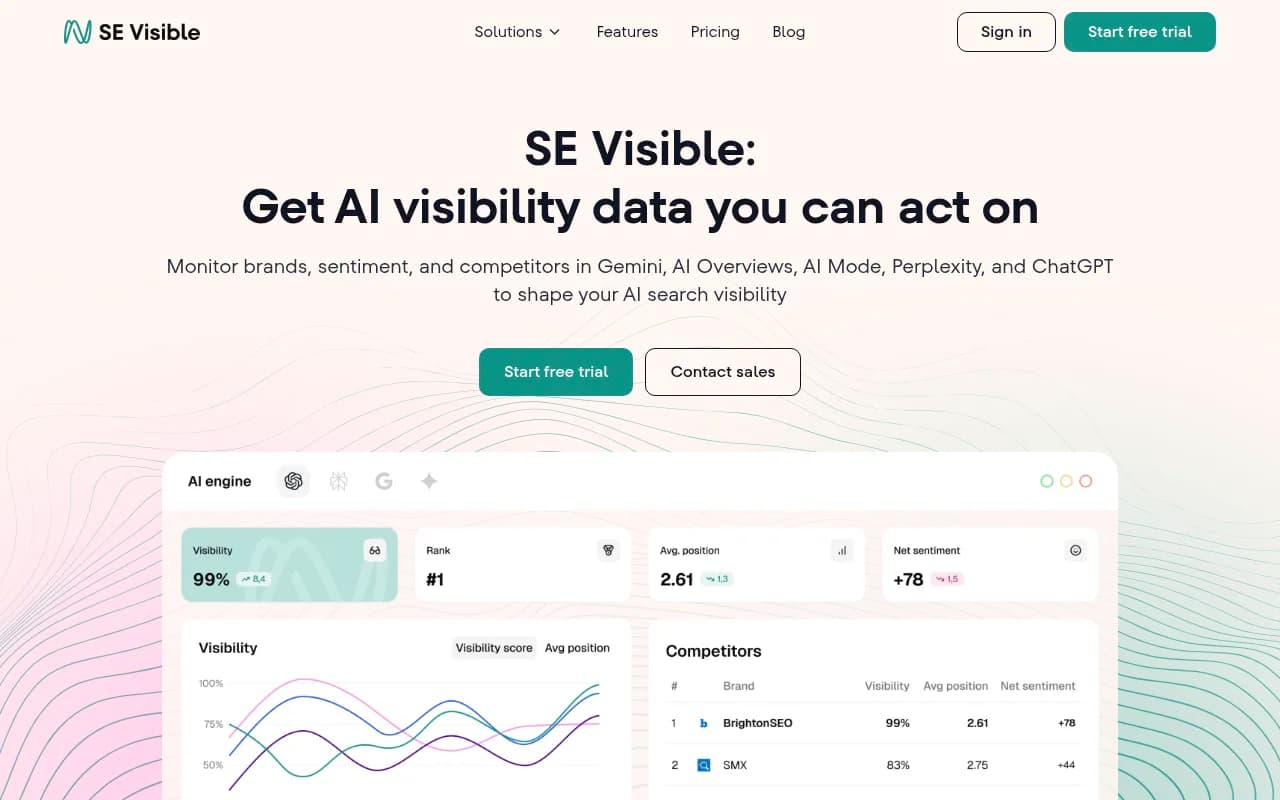
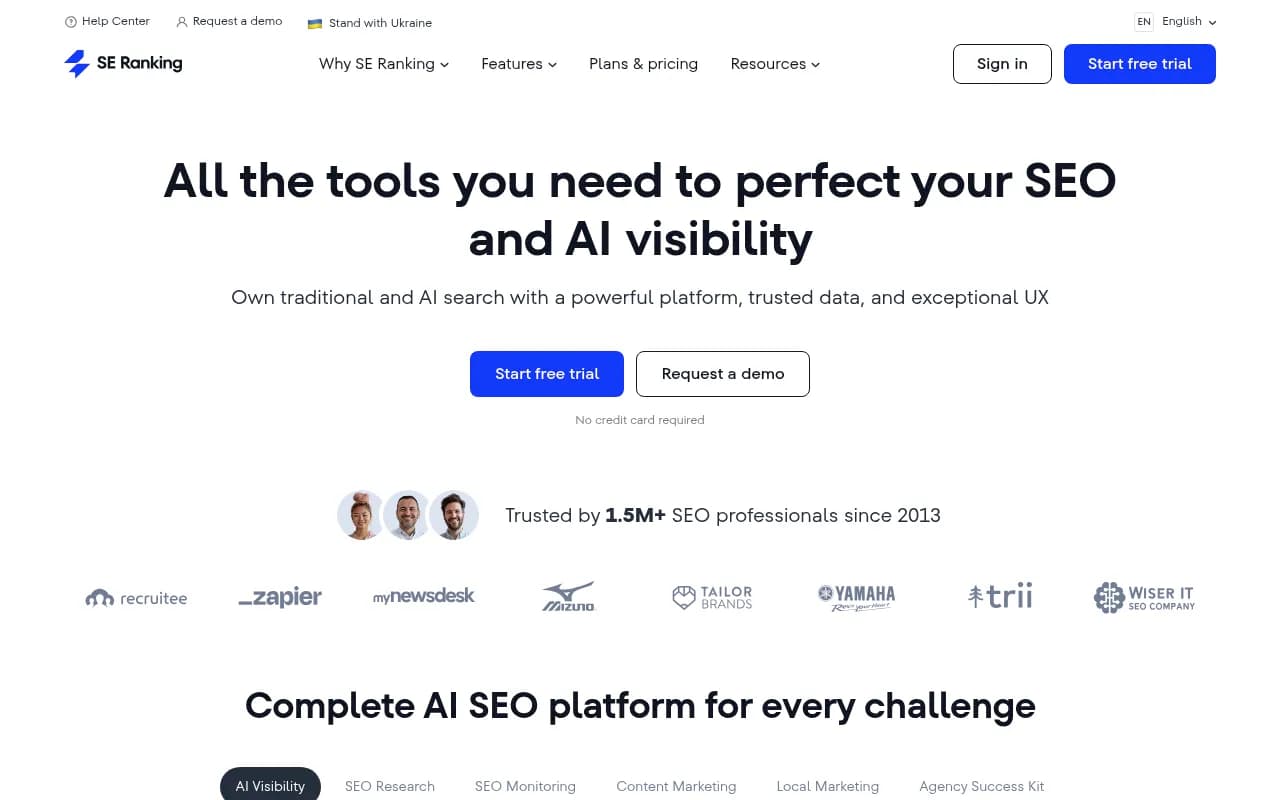
SE Visible is SE Ranking's AI visibility product, and SE Ranking's own platform has white-label reporting.
Ahrefs Brand Radar covers brand monitoring in AI search for teams already on Ahrefs.

The tradeoff: suites usually work from fixed prompt sets and shallower AI-specific data. They are a fine first step. They are rarely where a serious GEO practice ends up. The research lists Semrush from $139.95 per month and SE Ranking from $129 per month, but those are the SEO reporting prices from May 2026, not GEO add-on prices. Check the vendor pages.
Monitoring-first GEO trackers
This is the crowded middle. These tools track prompts across AI engines and report visibility. Some have agency features, some do not.



Peec AI is known for multi-language tracking and Otterly.AI for being affordable. Profound and Scrunch have deeper monitoring and higher price points. AthenaHQ tracks 8+ engines. All of these tell you where the client stands. Few help you change it, and that matters when your retainer depends on showing movement.
Agency-built and agency-focused platforms
A newer group is built specifically for agency workflows. I have not tested these, and the research did not verify their white-label or multi-client features, so treat this as a shortlist to pilot.
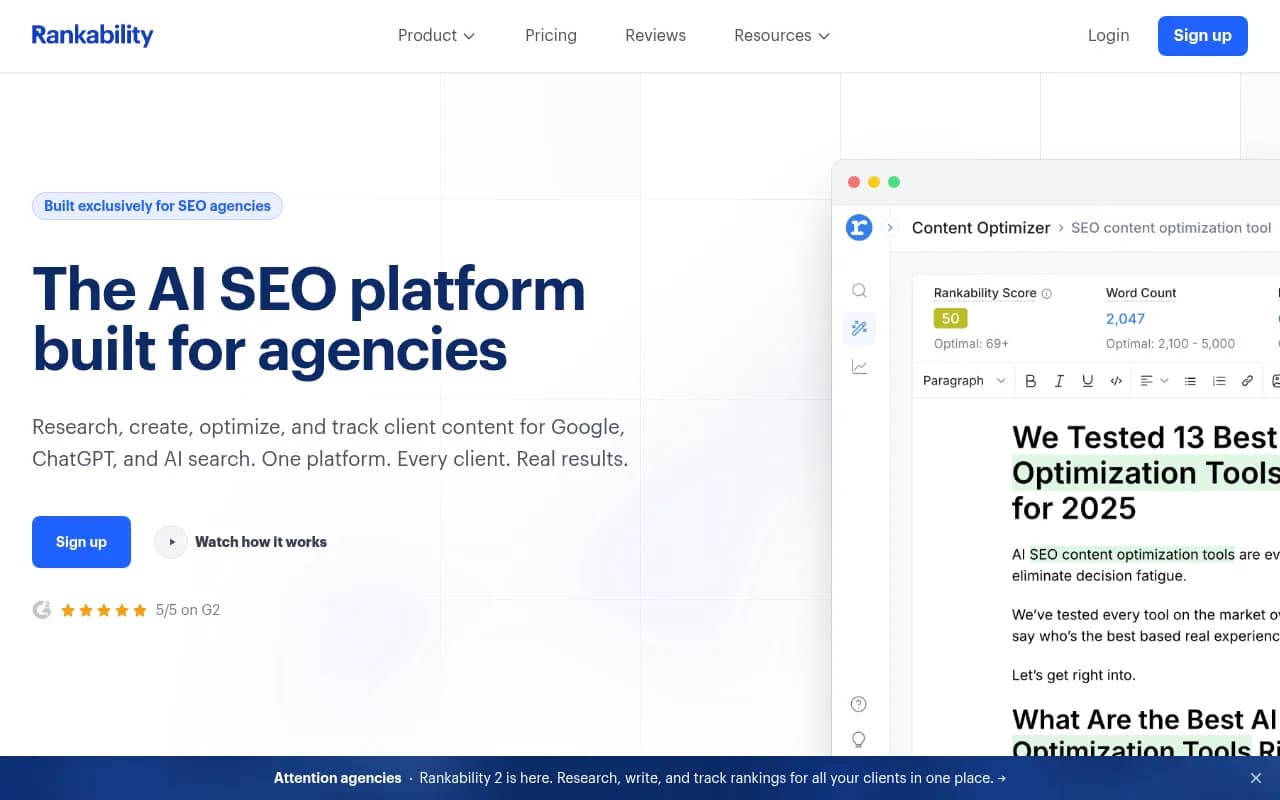
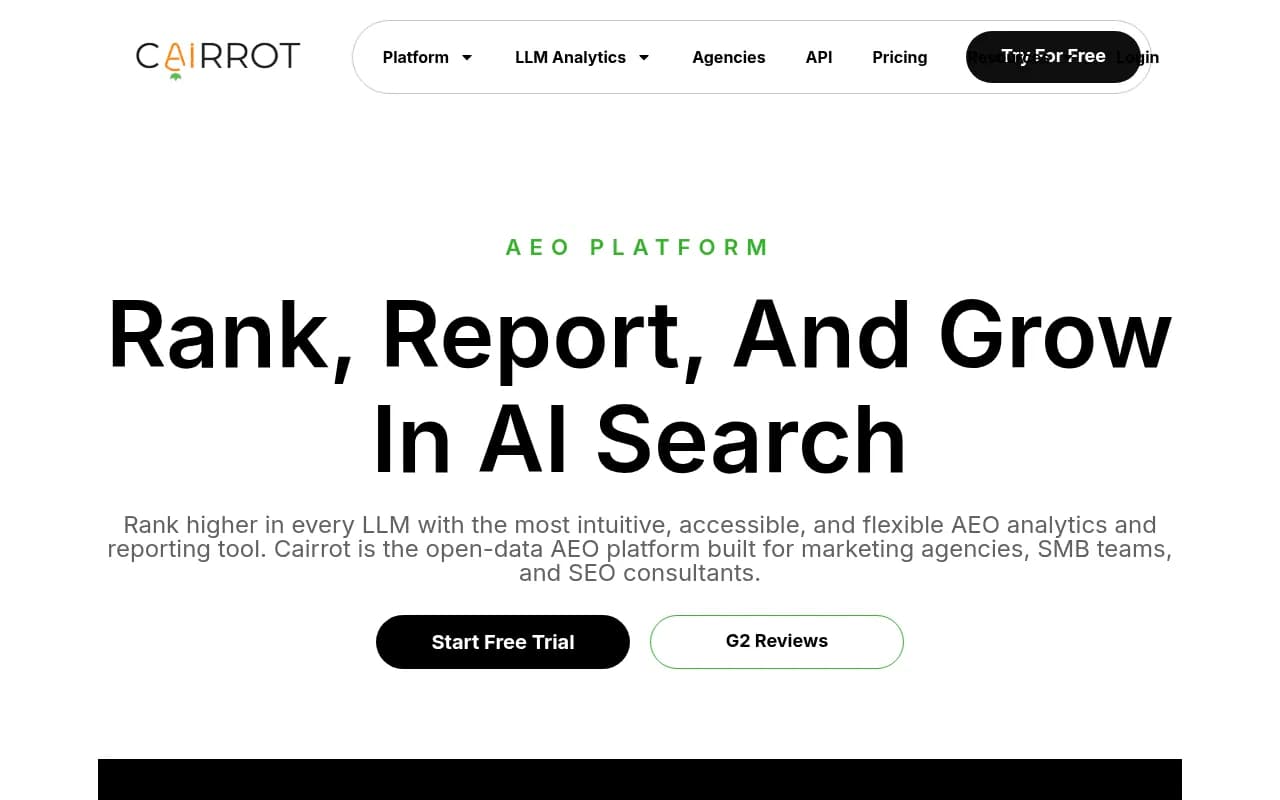
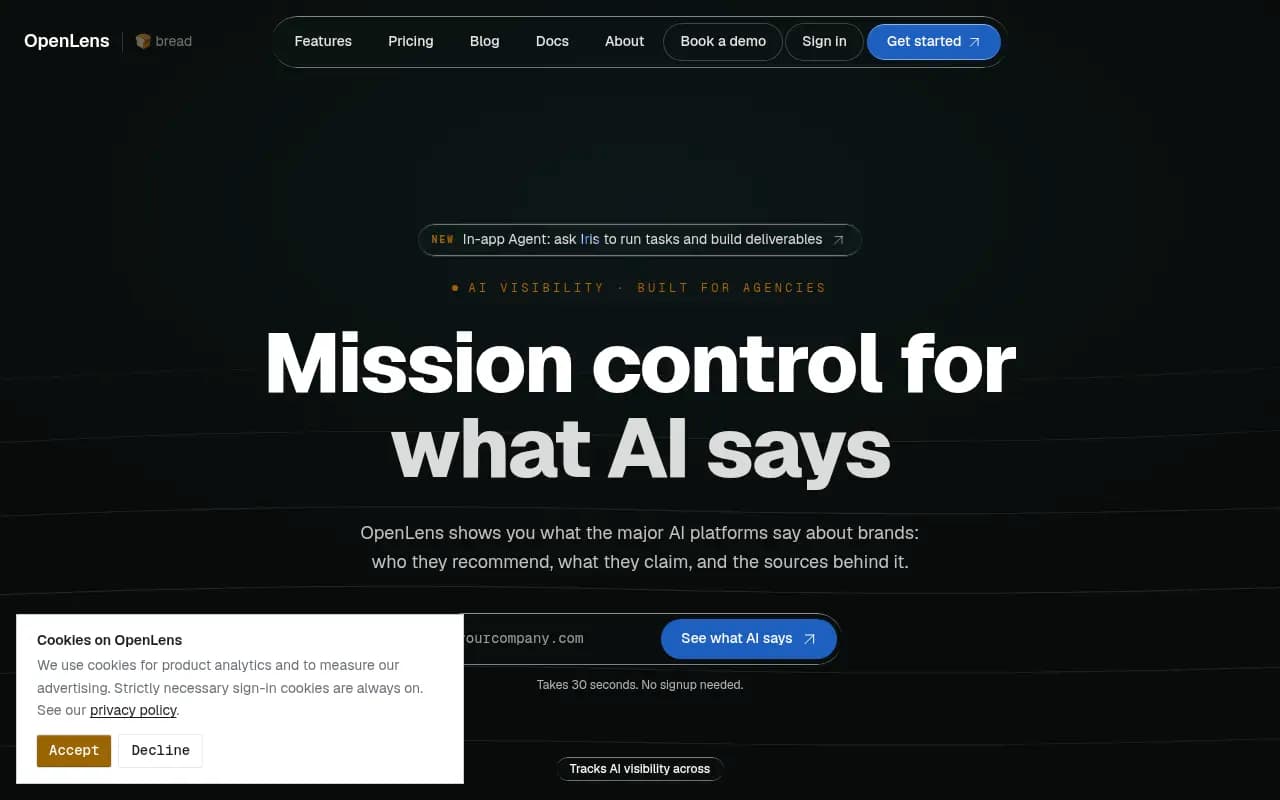
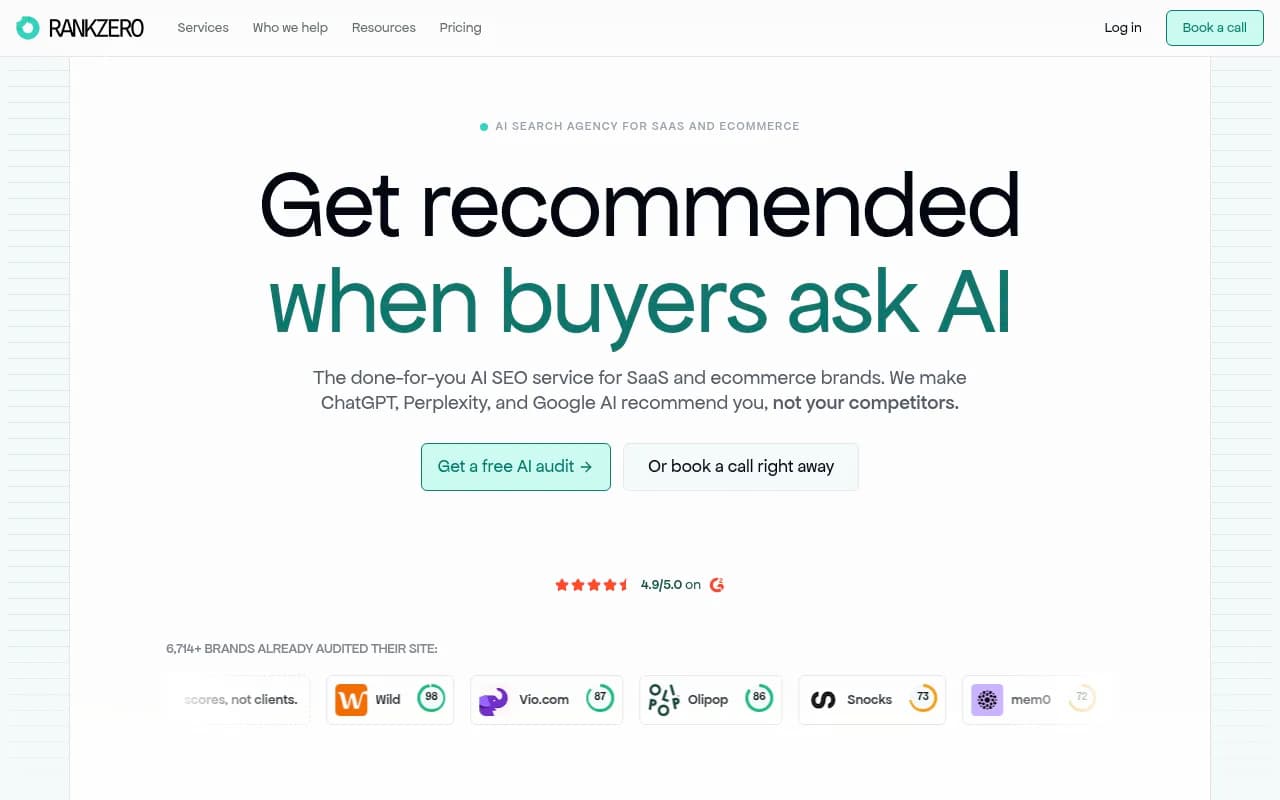
WorkDuo is listed from $33 per project per month, which is cheap per client, though that price comes from a vendor-adjacent source. Rankability, Cairrot, and OpenLens are positioned for agencies directly. RankZero adds sentiment tracking. For a wider scan of the category, the AI rank tracking tools directory and the GEO software directory list far more options than any single article can.
Where Promptwatch fits for agencies
Promptwatch is the one platform on this list that goes past tracking, which is why it is what 1001 SEO Media uses for GEO work. It monitors prompts in the real interfaces of ChatGPT, Gemini, Perplexity, Google AI Overviews, AI Mode, Copilot and others, then traces which pages and third-party sources get cited, and then helps you act on the gaps.

For an agency, the useful parts are specific:
- Agency plans with unlimited projects, prompts, and team seats: Kick-off at $199/mo, Growth at $399/mo, and Scale at $799/mo. Confirm current pricing at promptwatch.com/pricing.
- Pitch projects (also available through the API and MCP) so you can show a prospect their AI visibility before they sign.
- PDF reports, scheduled to any inbox, plus Looker Studio and CSV exports.
- IP-verified AI crawler logs, which let you tell a client whether AI bots can read their site or whether the problem is the content. Most competitors lack this entirely.
- The Action Board, an AI-generated prioritized to-do list, and Agent Chat for answering questions over live client data.
- Reddit, YouTube, LinkedIn, and Instagram citation reports. Reddit's share of ChatGPT citations fell from about 4% to 0.5% on August 14, 2026 (Promptwatch data), and ChatGPT cited social platforms for only 0.46% of its citations in early October versus 12.2% for AI Overviews (social citations report). A tool that blends these into one number hides exactly what you need to explain.
Two honest caveats. Agency plans do not include the Content Agent, the Knowledge Base, or a white-label client portal. Agencies that need content generation or a white-label dashboard go to Enterprise. If your model is "we write everything for clients using the platform," budget for that. The Promptwatch vs Profound and vs Peec pages lay out the differences if you are already weighing those.
There is also a guide to GEO for agencies in the Promptwatch Academy, and the free AI visibility report works well as a no-login prospecting tool.
Comparison table
Pricing and features below are from the provided research and vendor positioning. Verify white-label and multi-client details on each vendor page before buying.
| Tool | Type | Agency angle | Watch out for |
|---|---|---|---|
| Promptwatch | End-to-end GEO platform | Agency plans from $199/mo, pitch projects, crawler logs, Action Board, scheduled PDFs | No white-label portal or Content Agent below Enterprise |
| Semrush One | SEO suite add-on | Familiar login, existing reporting | Fixed prompt sets, shallower AI data |
| SE Visible / SE Ranking | SEO suite add-on | White-label reporting in the wider platform | Verify GEO depth for your needs |
| Ahrefs Brand Radar | SEO suite add-on | Fits Ahrefs-centric teams | Brand monitoring focus |
| Peec AI | Monitoring tracker | Multi-language tracking | No crawler logs or content generation |
| Otterly.AI | Monitoring tracker | Affordable entry | Basic tracking |
| Profound | Monitoring tracker | Deep monitoring | Higher price points |
| Scrunch AI | Monitoring tracker | Strong monitoring | Higher price points |
| Rankability | Agency-focused | Built for agency analytics | Verify features directly |
| WorkDuo | Agency reporting | From $33/project/mo | Source of that claim is vendor-adjacent |
How to run a pilot
Do not buy a tool based on a feature grid. Pick two or three clients in different industries and run the same prompts through your top two or three candidates for two weeks.
Step 1: build the same prompt set everywhere
Write 30 to 50 prompts per client: organic category questions, brand-specific ones, and competitor comparisons. Add sub-question variants like pricing and alternatives. Keep the set identical across tools so you can compare results.
Step 2: compare more than mention rate
Check whether tools agree on who gets cited, where the client appears in the answer, and whether sentiment readings match what you see by hand. If two tools disagree wildly, find out whether one uses API outputs and the other the real interface. Answers can differ between the two.
Step 3: test the report you would send
Export the client report from each tool. Would you put your agency name on it? Does it show what changed and why? If it needs an hour of cleanup per client, multiply that by your client count.
Step 4: ask what you would do with the data
The cleanest test is to take one gap the tool found and see how far the tool takes you toward fixing it. A cited competitor page, a missing topic, a crawl error. Tools that stop at the chart leave the real work, and the margin pressure, with you.
Related tools worth a look
A few options in the catalog suit narrower needs. For general brand monitoring across the web, Brand24 and Mention track mentions beyond AI answers.
For large enterprise teams already on an SEO platform, seoClarity and BrightEdge have AI visibility tracking inside systems they already use.
For a budget or solo-practitioner start, tools like Airefs and Otterly.AI keep entry costs down. For broader browsing, SurferStack has reviews and comparisons across the software categories agencies buy.
Pricing your GEO service around the tool
Tool cost is small next to labor. A platform at a few hundred dollars a month spread across a dozen clients is noise. The expensive part is analyst time: building prompt sets, interpreting changes, and writing recommendations. That is why tools with prioritized actions and chat-style analysis tend to pay for themselves faster than raw dashboards.
Two practical rules. First, price GEO as a monthly retainer tied to work done (content, citations, crawl fixes) plus reporting, not as access to a dashboard. Second, set expectations that AI answers move. The same prompt can return different brands from day to day, which is why measuring across many prompts matters.
If you would rather partner than build the practice from scratch, 1001 SEO Media runs GEO and AI search programs and works with Promptwatch.
Frequently asked questions
Do I need a separate GEO tool if I already use Semrush or SE Ranking?
Start with the add-on if your clients are small and you only need directional numbers. Move to a dedicated platform when you need larger prompt sets, citation analysis, or crawler data to back recommendations.
How many prompts should I track per client?
Enough that no single response moves the number much. Thirty to fifty is a reasonable start for a small client, with more for larger brands or multiple markets.
Can I trust the ranked lists online?
Treat them as leads. The research for this guide found most roundups come from the vendors they feature. The only reliable method is a pilot on your own clients.
What about white-label?
This varies a lot by vendor and plan, and I could not verify it for most GEO tools. Ask for a sample report and a screenshot of the client-facing view before you sign.
Bottom line
Pick based on what you plan to sell. If GEO is a reporting add-on to existing SEO retainers, a suite add-on like Semrush One or SE Visible will do the job. If it is a standalone service where you need to show cause and effect, look at platforms with citation tracing, crawler data, and actions built in. Promptwatch is the strongest fit I know of for that second case, and you can test it with the 7-day free trial. Run your pilot, check pricing pages yourself, and keep whichever tool makes your next client report easier to write.