Key takeaways
- Homeowners now ask ChatGPT, Gemini, Perplexity and Google AI Overviews who to hire and what a project costs. GEO tools show whether your brand is named in those answers.
- Pick by team size and job. Small contractors need cheap monitoring or managed help. Multi-location remodelers and national brands need crawler data, local targeting and content execution.
- ChatGPT cites product pages, landing pages and listicles most (Promptwatch Data, Sep 28 to Oct 4, 2026). Your service pages and third-party roundups matter more than a blog post count.
- Construction software such as Roofr, AccuLynx, JobNimbus and ServiceTitan runs your operations. It is not GEO. Don't confuse the two categories when budgeting.
- Treat "best tool for home improvement" claims from vendors and agencies as marketing. Test with a trial and your own prompts.
What GEO means for a contractor
GEO (generative engine optimization) is the work of getting your brand mentioned and cited inside AI-written answers. Some vendors call it AEO. Same idea.
For construction and home improvement, the questions are very concrete. "Who is the best roofing contractor in Tampa?" "How much does a kitchen remodel cost?" "Vinyl vs fiber cement siding." A homeowner gets a few paragraphs and a handful of named companies. If you are not in them, you are not on the shortlist, and you never see the lost lead in your analytics.
This category has a few quirks worth knowing before you shop:
- Searches are local. A tool that only tracks national prompts misses most of your demand.
- Lead value is high and sales cycles are long, so one cited answer can be worth thousands.
- Much of what AI cites about contractors lives off your site: directories, review sites, manufacturer dealer pages, "best of" lists.
- Many remodelers have thin websites. AI crawlers can't cite what they can't read.
What AI actually cites (and what it means for your pages)
There is no Promptwatch report specific to construction, so I won't pretend there is. But the general citation data is useful for this vertical.
In Promptwatch Data's analysis of ChatGPT citations by content type (Sep 28 to Oct 4, 2026), product pages took 22.4% of citations, landing pages 16.8% and listicles 13.6%. How-to guides were 8.7% and FAQ pages 3.3%. For commercial prompts like "best X", product pages, landing pages, listicles and comparisons made up almost 70% of citations.
Translate that to a contractor: your individual service pages (roof replacement, bathroom remodel, window installation) with real prices, materials, warranties and service areas are the equivalent of product pages. A vague "our services" page isn't. And getting named in third-party "best contractors in [city]" roundups matters as much as anything you publish yourself.
Two more findings shape strategy:
- Almost half of ChatGPT responses cite 10 or more unique domains (Promptwatch Data, same week). You will share nearly every answer with other sources, so measure across many prompts, not one.
- Social is uneven. ChatGPT drew only 0.46% of its citations from social platforms, while Google AI Overviews drew 12.2%, with YouTube at 4.28% and Facebook at 2.38% (Promptwatch Data). Project walkthrough videos and a maintained Facebook page help in AI Overviews. They do little for ChatGPT. Reddit also collapsed in ChatGPT citations in August 2026, from roughly 4% to 0.5% (Promptwatch Data), so don't build a plan on Reddit threads.
What to look for in a GEO tool
A short checklist, in rough order of importance for this industry:
- Local targeting. Can you track prompts from a specific city or coordinates, not just a country?
- Real interface coverage. Do results come from the actual ChatGPT and AI Overviews interfaces or only from API calls, which can differ?
- Citation sources. You need to see which pages and directories AI pulls from, not just a mention count.
- Crawler visibility. If AI bots hit errors on your site, no amount of content fixes that.
- Action, not just a dashboard. Reports are cheap. Something that tells you what to publish, or publishes it, saves hours.
- Price per prompt. Contractors with one service area don't need 500 prompts.
The Olostep guide on GEO tools makes a fair point: most "best GEO tools" articles are written by the vendors they rank. Keep that in mind here too, including for the tools below.
The shortlist
Promptwatch: best for multi-location brands and agencies
Promptwatch is an end-to-end AI visibility platform rather than a tracker. It monitors the real interfaces of ChatGPT, Google AI Overviews, AI Mode, Gemini, Perplexity, Copilot and others, then traces which pages and third-party sources get cited, and has agents that write and publish content to WordPress, Webflow or Framer.
For construction brands the useful pieces are local GEO/SEO targeting at exact coordinates (so a prompt like "roofer near me" is answered as if asked from a specific neighborhood), AI crawler logs that show whether bots can actually read your service pages, and content gap analysis against the prompts homeowners ask. Local targeting and the automated Content Agent start on the Business plan at $579/mo. Essential is $95/mo and Professional $245/mo for simpler monitoring. Agencies managing several contractor clients can look at the Kick-off, Growth and Scale plans ($199, $399 and $799/mo). Confirm current pricing at promptwatch.com/pricing. A 7-day free trial and a free AI visibility report are the low-risk starting points.

It is more than a one-owner roofing company needs. If you have five branches, a franchise network or a client roster, it is the one I'd test first.
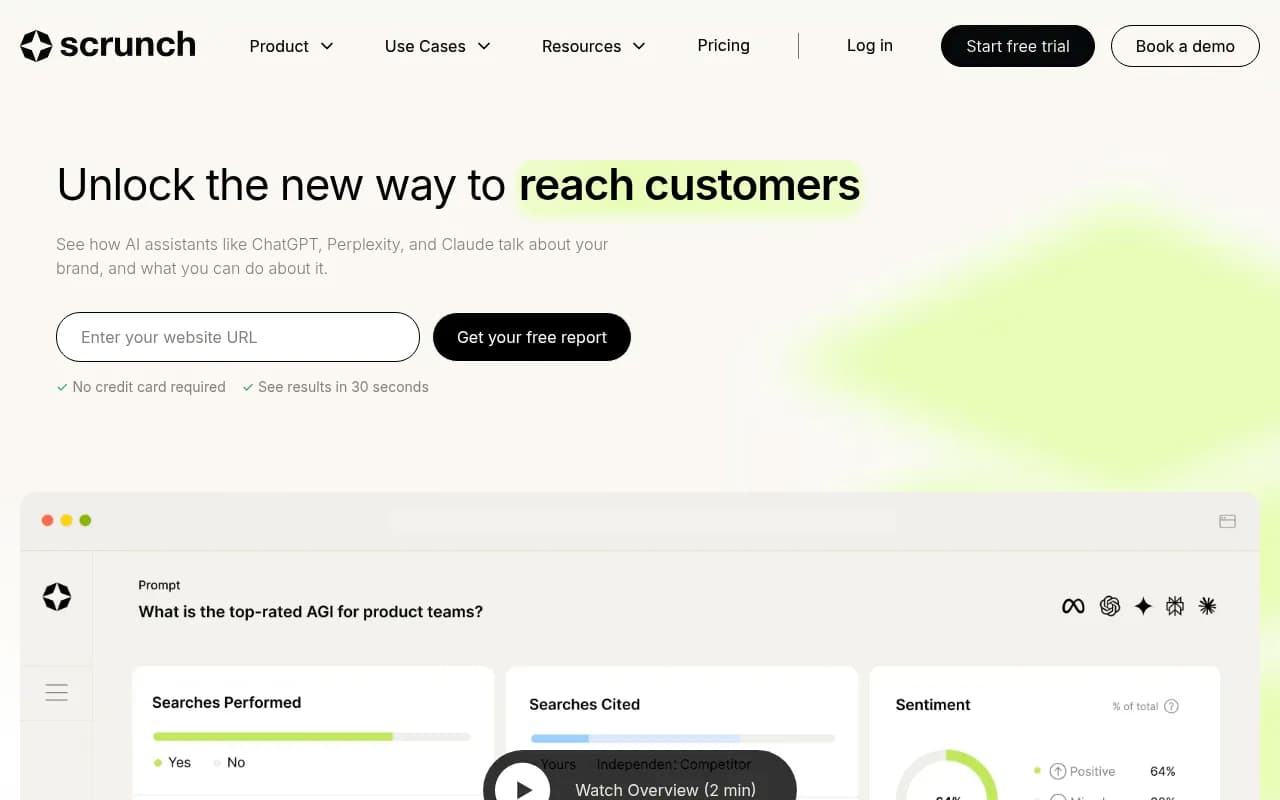
Profound and Scrunch: enterprise monitoring
Both are strong monitoring platforms aimed at larger marketing teams. Expect higher price points and less emphasis on local contractors. They suit a national manufacturer or big-box brand more than a regional remodeler. Promptwatch has head-to-head pages if you are comparing: Promptwatch vs Profound and Promptwatch vs Scrunch.

Otterly.AI and Peec AI: cheaper prompt tracking
If all you want is to see whether AI names you for 20 to 50 prompts, these basic trackers work and cost less. The trade-off is no crawler logs, no visitor analytics and no content generation, so you will need other tools to act on what you find.


Frizerly: auto-publishing for small home improvement companies
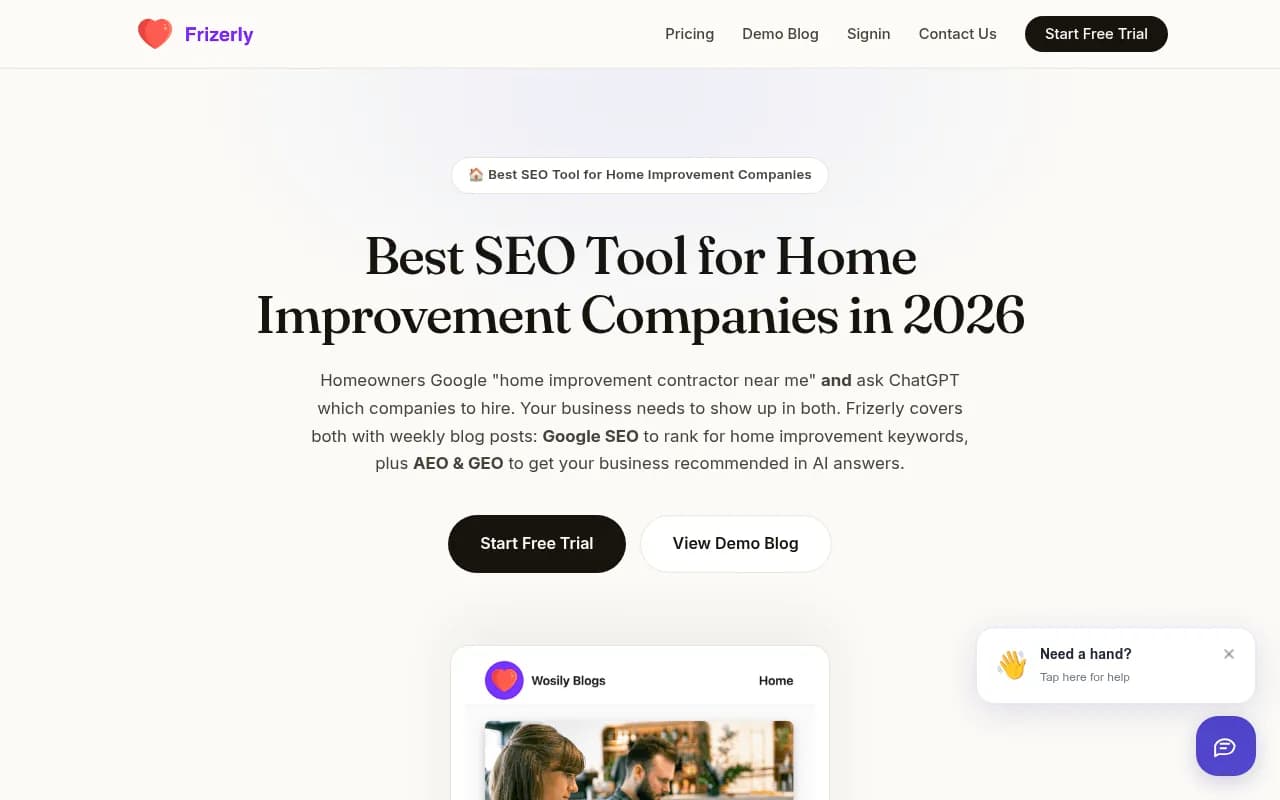
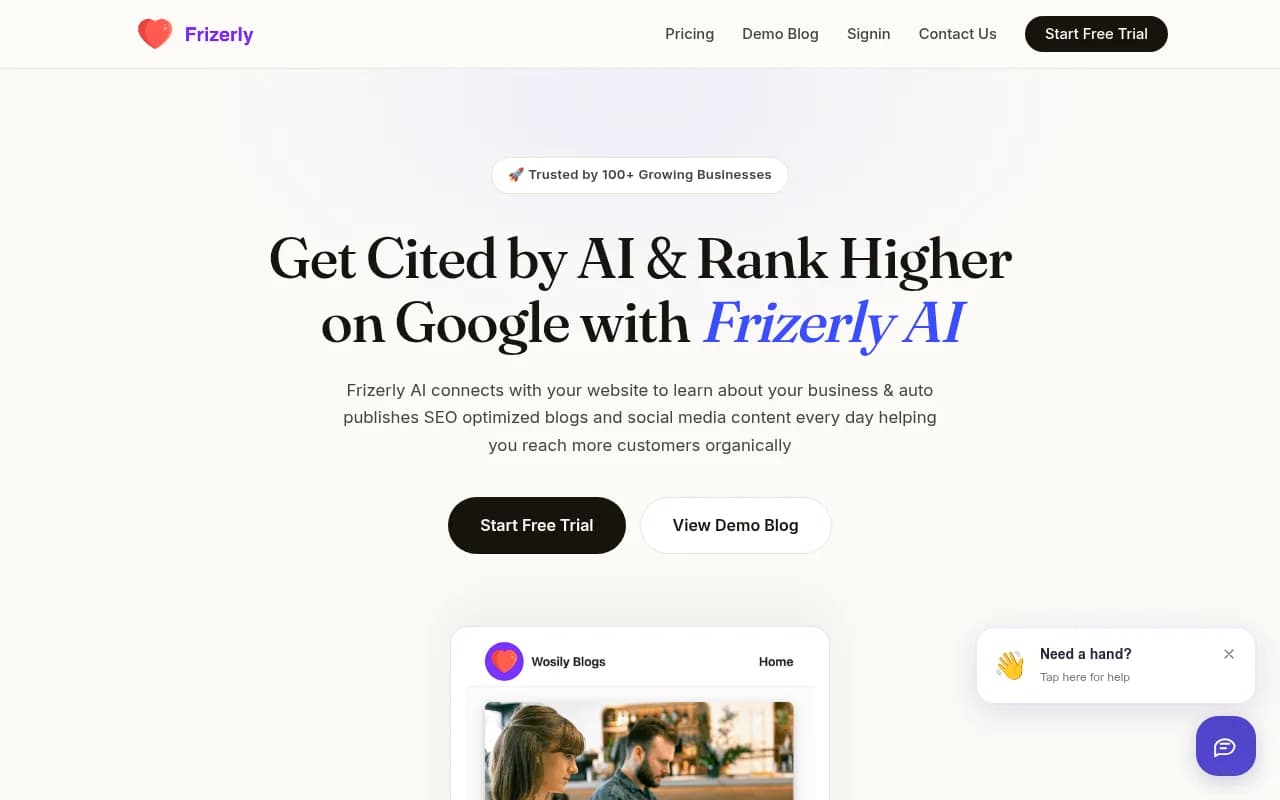
Frizerly pitches itself directly at home improvement firms, with weekly auto-published blog posts and review and social agents. Its own page claims to be the best tool for the category, which is a vendor claim I haven't verified. The appeal is that a small shop with no marketing person gets content shipped without effort. The risk is volume over substance. Per the citation data above, a weekly blog is not what AI favors. Detailed service pages and third-party mentions are.
MaxAEO and Geoptie: budget options for small teams
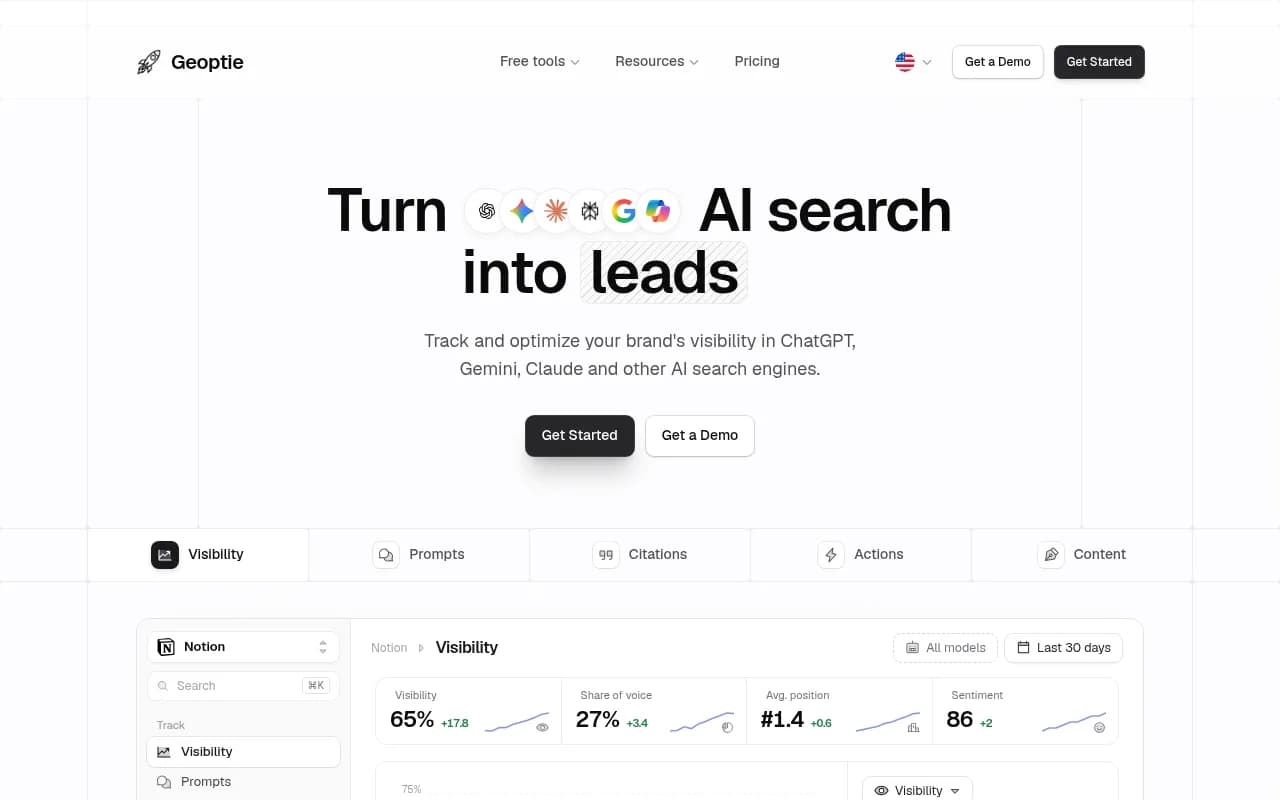
MaxAEO is a self-serve AEO platform aimed at SMBs, covering ChatGPT, Gemini, Perplexity, Claude, Copilot and Grok according to its own blog. Geoptie is a budget all-in-one toolkit. Both make sense when you need a first look and have little money.
Local listings and reviews tools
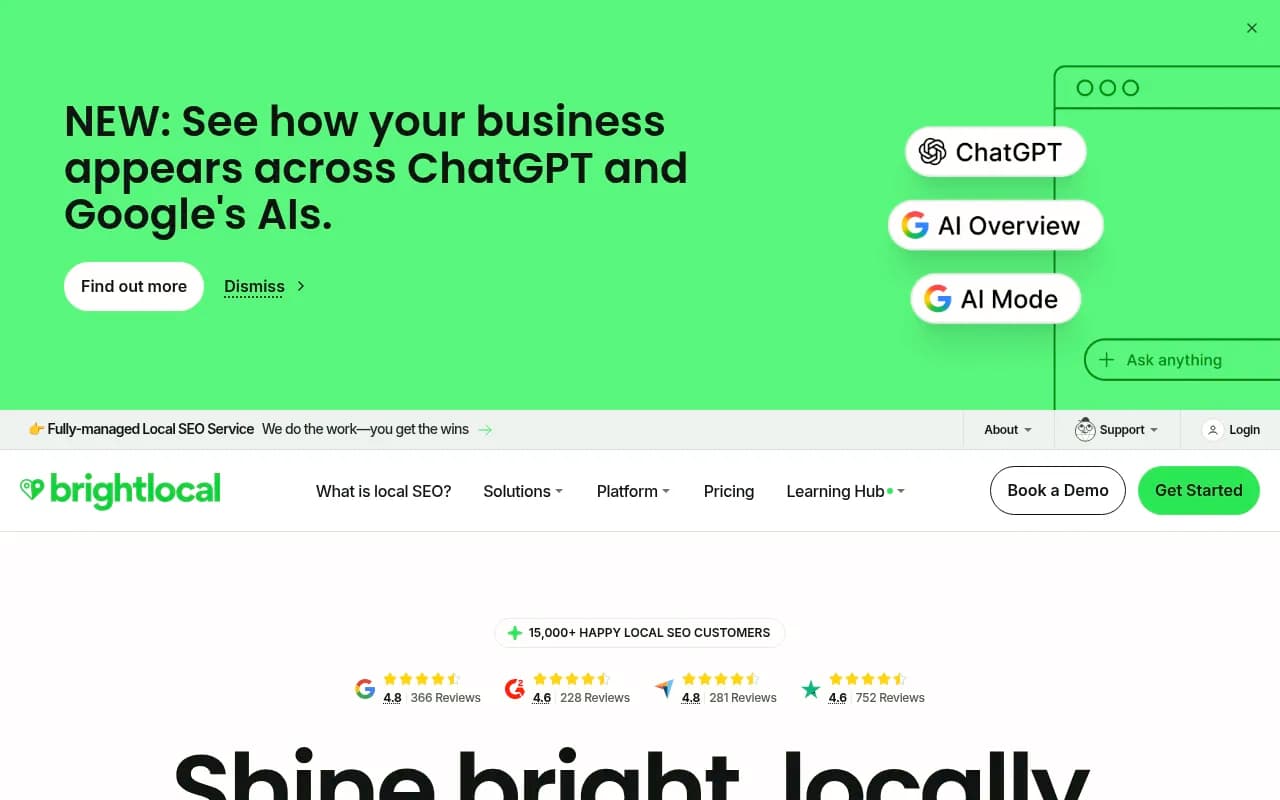
AI answers about contractors lean on reviews and listings, which GEO trackers don't manage. Pair a tracker with something like BrightLocal, Birdeye or NiceJob so your Google reviews, directory profiles and review volume are in good shape.


SEO suites with AI tracking
If you already pay for Semrush or Ahrefs, their AI modules are a free first step. They tend to use fixed prompt sets and shallower AI data, so treat them as a sanity check.

Comparison table
| Tool | Best for | Local targeting | Acts on gaps | Notes |
|---|---|---|---|---|
| Promptwatch | Multi-location brands, agencies | Exact coordinates (Business and up) | Content Agent, Action Board, CMS publishing | Crawler logs and visitor analytics included |
| Profound | Enterprise brands | Check with vendor | Mostly monitoring | Higher price point |
| Scrunch | Enterprise brands | Check with vendor | Mostly monitoring | Strong monitoring set |
| Otterly.AI | Small prompt sets | Limited | No | Cheap, simple |
| Peec AI | Multi-language tracking | Limited | No | Basic tracker |
| Frizerly | Solo contractors | Check with vendor | Auto-publishes blogs | Vendor-claimed results |
| MaxAEO | SMBs and startups | Check with vendor | Some | Self-serve |
| Semrush / Ahrefs | Existing SEO users | No | No | Fixed prompt sets |
I haven't verified current pricing or feature depth for tools other than Promptwatch, so check each vendor's page before you buy.
Don't confuse GEO tools with construction software
Search for "best tools for contractors" and you will find ABC Supply's roundup of Roofr, AccuLynx, JobNimbus, ServiceTitan, Hover, EagleView and weather tools like Perry Weather. Those are good for estimating, CRM and jobsite work. They do nothing for whether ChatGPT recommends you. Budget for them separately.
A practical setup by company size
One-location contractor
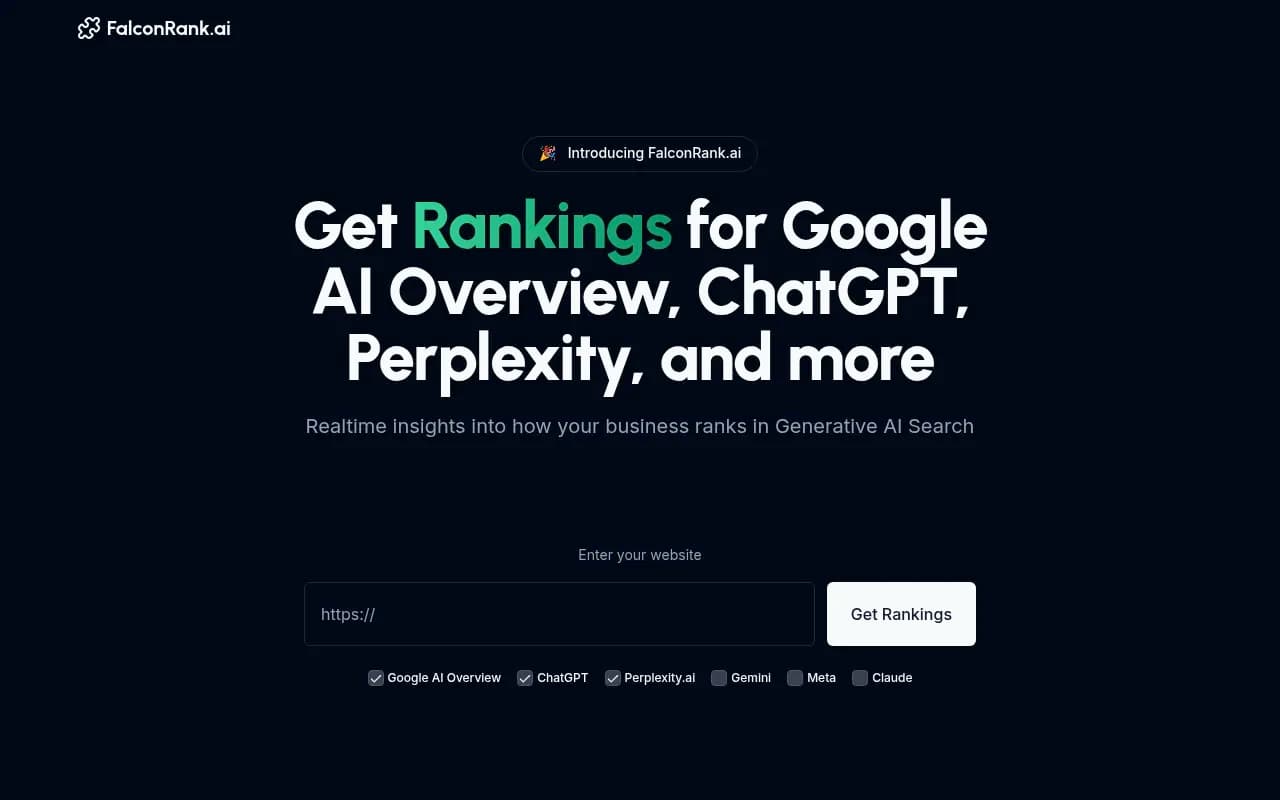
Start with the free AI visibility report from Promptwatch or the free FalconRank check. Fix your Google Business Profile, collect reviews, and rewrite each core service page with price ranges, service areas and FAQs. Add a cheap tracker like Otterly.AI or MaxAEO if you want weekly numbers.
Regional remodeler with several branches
You need city-level tracking, crawler visibility and a way to find the third-party lists naming competitors but not you. This is where a platform like Promptwatch earns its price. Track 30 to 50 prompts per market, such as "best kitchen remodeler in Austin" and "how much does a bathroom remodel cost in Austin."
National manufacturer or franchise
Add persona prompts (homeowner, builder, property manager), shopping-style product prompts and brand narrative checks. Enterprise options include Promptwatch Enterprise, Profound and Scrunch.
Agency serving contractors
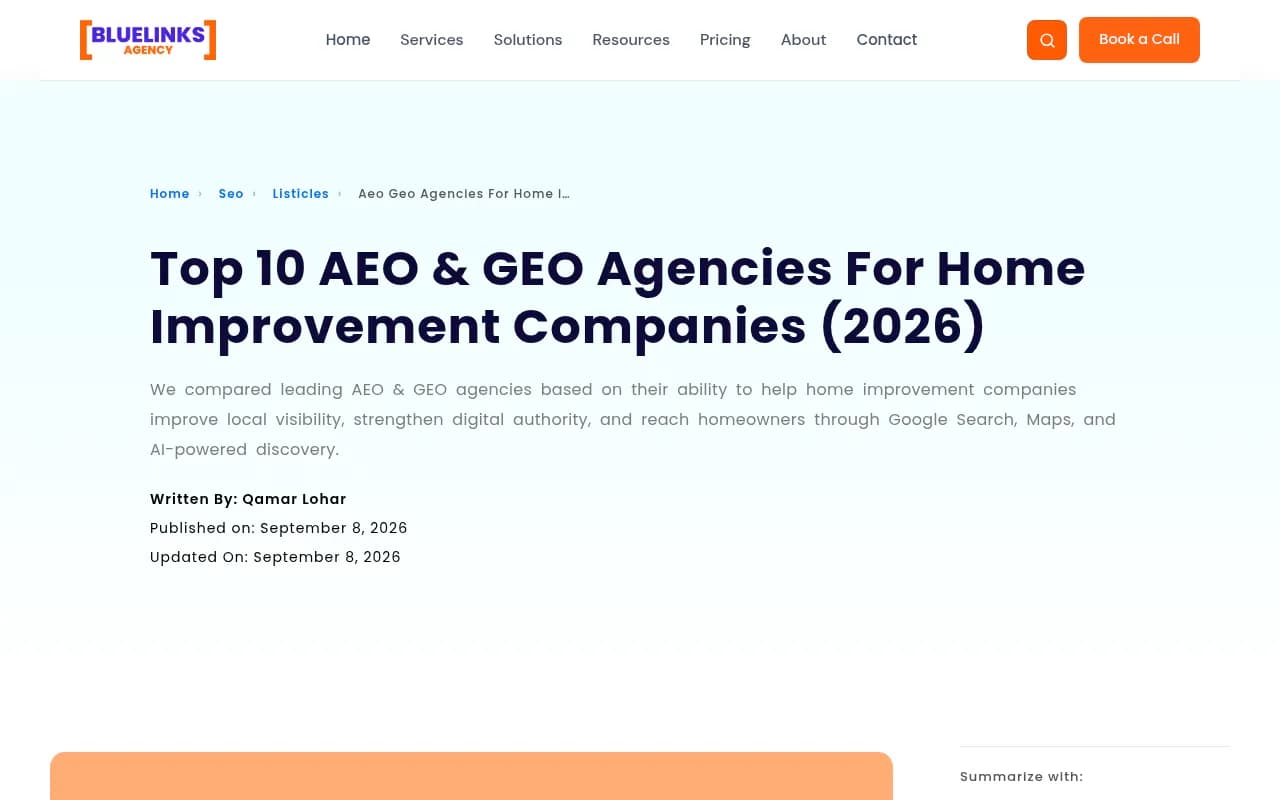
Agency plans with unlimited projects and white-label reporting matter more than raw prompt counts. If you want expert help rather than software, an SEO and GEO agency such as 1001 SEO Media covers technical SEO, content and AI search work. The Bluelinks list of home improvement agencies is another starting point, though it is agency self-promotion, so vet any shortlist yourself.
Ten things to do with whatever tool you pick
- Build a prompt list from real customer questions: costs, comparisons, "near me", warranty, permits.
- Track by city, not only by country.
- Rebuild service pages with prices, materials, timelines and service areas.
- Add FAQ sections to those pages. FAQ pages are 3.3% of ChatGPT citations, small but cheap to add.
- Get into local "best of" roundups and manufacturer dealer directories.
- Check that robots.txt doesn't block AI crawlers. The free Robots.txt Generator for AI and Agentic Readiness Check help.
- Publish project videos on YouTube for AI Overviews.
- Keep reviews flowing on Google and trusted directories.
- Review news and seasonal content every few months. Promptwatch Data found news loses half its cited pages within 36 days, while landing pages and docs last longest.
- Tie leads back to AI. Use tracked phone numbers or a visitor analytics script so you can see calls and forms from AI referrals.
How to choose
If you are a one-truck operation, don't spend $579 a month. Run a free report, fix your pages and reviews, and revisit in three months. If you run multiple markets or clients, test two platforms on the same 40 prompts for a week and compare which one tells you what to do next, not just where you rank.
More options are listed in the GEO software directory at bestgeosoftware.com. The broader research trail is on the Promptwatch Data hub, where the citation numbers above are updated regularly.