Key takeaways
- At $99/month, most tools give you basic monitoring: brand mentions, a handful of prompts tracked, and limited AI model coverage. Good for getting started, not for scaling.
- The $200-$300 range is where things get interesting -- you start seeing multi-model tracking, content gap analysis, and some form of content tooling. This is the sweet spot for growing teams.
- $500+ per month is justified only if you're running multiple sites, managing agency clients, or need enterprise-grade features like crawler logs, traffic attribution, and deep competitor intelligence.
- The biggest mistake buyers make is paying for monitoring without optimization. Knowing you're invisible doesn't help if the tool can't tell you how to fix it.
- Always check what's actually included at each tier: prompt limits, number of AI models covered, content generation credits, and whether traffic attribution is available.
Pricing in the AI SEO space is a mess right now. Tools launched in 2023 and 2024 are repricing aggressively as the category matures, and the gap between what tools charge and what they actually deliver is wider than it looks on a pricing page.
This guide cuts through that. We'll walk through what you realistically get at three price points -- roughly $99/month, $249/month, and $500+ per month -- across the main categories of AI SEO and GEO (Generative Engine Optimization) tools. The goal is to help you decide whether a tool is worth its price, not just whether it has a long feature list.
What "AI SEO tool" actually means in 2026
Before we get into pricing, it's worth being clear about what we're comparing. "AI SEO tool" now covers at least three distinct categories:
- Traditional SEO platforms that have added AI features (think Semrush, Ahrefs, Moz)
- AI visibility / GEO platforms that track how your brand appears in ChatGPT, Perplexity, Claude, and other LLMs
- AI content generation tools that write SEO-optimized articles
These categories overlap but they're not the same thing. A tool like Surfer SEO helps you optimize content for Google. A tool like Promptwatch helps you understand and improve how AI models talk about your brand. Jasper writes the content. Paying $249/month for the wrong category is a real risk.
This guide focuses primarily on AI visibility and GEO platforms, since that's where pricing is least understood and where the most confusion exists. We'll touch on content tools and traditional SEO platforms where relevant.
The $99/month tier: what you're actually buying
At $99/month, you're in entry-level territory. Most tools at this price point offer:
- Brand mention tracking across 2-5 AI models
- A limited prompt set (typically 25-75 prompts per month)
- Basic visibility scoring
- Manual reporting or simple dashboards
This is enough to answer the question "am I showing up in AI search at all?" It's not enough to answer "why am I not showing up, and what do I do about it?"
Some tools worth knowing at this tier:
Promptwatch sits at $99/month for its Essential plan, which covers 1 site, 50 prompts, and 5 AI-generated articles per month. That's a reasonable entry point because it includes content generation -- most $99 tools don't.

Otterly.AI is a common starting point for teams new to AI visibility tracking. It's monitoring-focused, which means you get data but not much guidance on what to do with it.

Peec AI covers multi-language tracking at accessible pricing, which matters if you're operating in non-English markets.

At this tier, the main limitation isn't the price -- it's the prompt cap. 50 prompts sounds like a lot until you realize that a single product category might have 20-30 relevant prompts across different customer intents. You'll hit the ceiling quickly if you're tracking more than one product line or competitor set.
What $99/month tools typically miss
- AI crawler logs (which pages are AI bots actually reading?)
- Traffic attribution (is AI visibility driving actual visits?)
- Content gap analysis (which prompts are competitors winning that you're not?)
- Prompt volume and difficulty data
- Reddit and YouTube citation tracking
If any of those matter to you, $99/month probably won't cut it.
The $249/month tier: the real decision point
This is where the market splits. At $249/month, some tools are genuinely full-featured platforms. Others are just $99 tools with a higher price tag and slightly higher limits.
The honest question to ask at this tier: does the tool help me take action, or does it just show me more data?
Platforms that earn the $249 price point typically include:
- 100-200 prompts tracked per month
- Coverage across 5+ AI models
- Some form of content gap or answer gap analysis
- Basic content generation or optimization tooling
- Page-level citation tracking (not just brand-level)
Promptwatch's Professional plan at $249/month includes 150 prompts, 2 sites, 15 AI-generated articles, crawler logs, and state/city-level tracking. The crawler logs are notable -- they show you which pages AI bots are actually visiting, which is data most tools at any price point don't provide.
Profound is a well-regarded option at this tier, with strong tracking features and a clean interface. It's more monitoring-focused than Promptwatch but solid for teams that primarily want visibility data.

AthenaHQ covers 8+ AI search engines and has good competitive benchmarking. Like Profound, it leans toward monitoring rather than optimization.

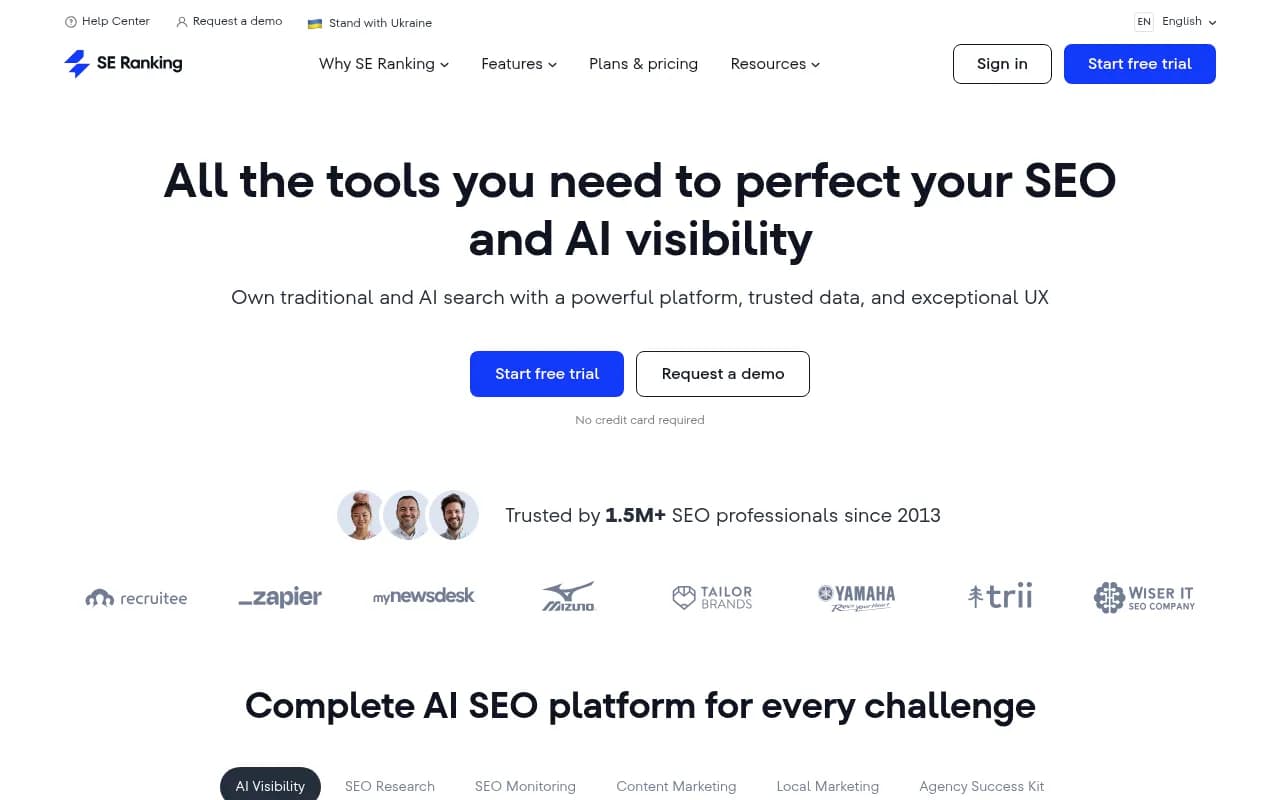
SE Ranking is worth mentioning here because it's one of the few traditional SEO platforms that has built meaningful AI visibility features into its existing suite. If you're already paying for an SEO platform and want AI tracking added, SE Ranking is a reasonable option.
The content generation question
At $249/month, you should expect some content tooling. The question is whether it's generic AI writing or something actually calibrated for AI citation.
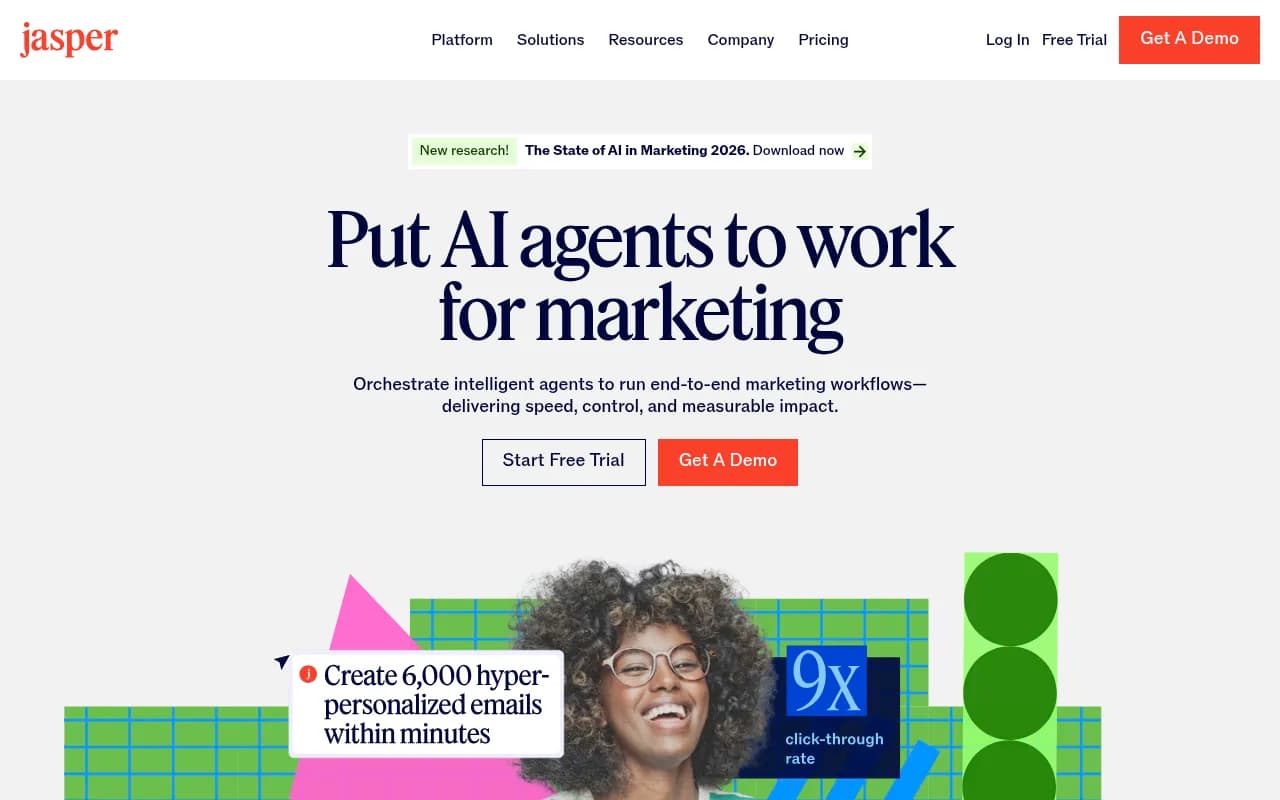
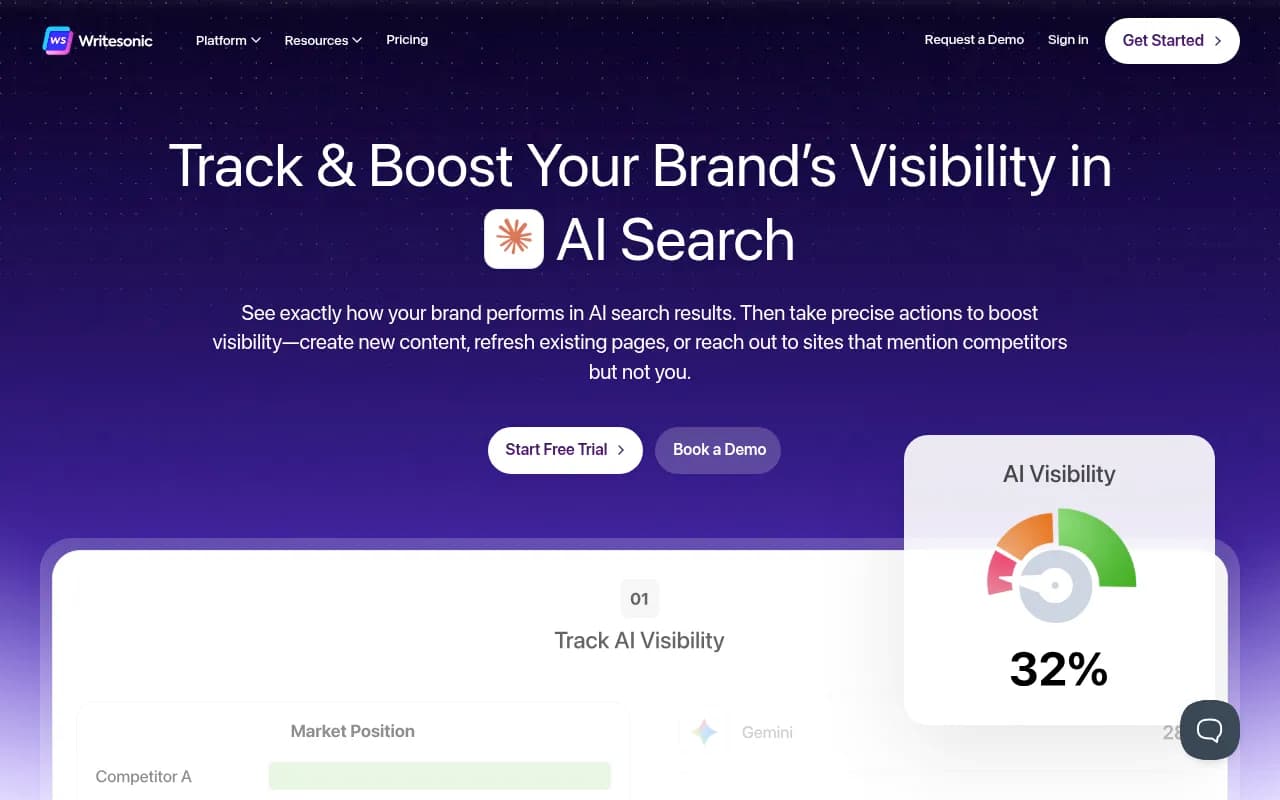
Generic AI writing tools (Jasper, Writesonic, etc.) can produce content at this price point, but they're not optimized for getting cited by ChatGPT or Perplexity. They're optimized for human readers and Google rankings.
Content built for AI citation is different. It needs to be structured around the specific questions AI models are being asked, grounded in what those models are already citing, and formatted in ways that LLMs tend to pull from. That's a meaningfully different product than a standard AI writing tool.
Mid-tier comparison
| Tool | Prompts/month | AI models | Content generation | Crawler logs | Traffic attribution |
|---|---|---|---|---|---|
| Promptwatch Professional | 150 | 10+ | 15 articles | Yes | Yes |
| Profound | ~100 | 6+ | No | No | Limited |
| AthenaHQ | ~100 | 8+ | No | No | No |
| SE Ranking AI Toolkit | Varies | 4-5 | Limited | No | No |
| Otterly.AI mid-tier | ~100 | 4-5 | No | No | No |
The table above is a rough picture -- exact limits change as these tools update their plans. But the pattern holds: most $249/month tools give you more monitoring. Fewer give you the tools to act on what you find.
The $500+/month tier: enterprise features or agency overhead?
Above $500/month, you're either buying enterprise-grade capabilities or paying for agency overhead bundled into a software price. It's worth knowing which one you're getting.
Legitimate reasons to pay $500+/month
- Multiple sites (5+) under one account
- Agency client management with white-label reporting
- Deep competitor intelligence across dozens of prompts
- Custom AI model personas and geo-targeting
- API access for custom workflows
- Dedicated support or onboarding
Promptwatch's Business plan at $579/month covers 5 sites, 350 prompts, and 30 AI-generated articles per month. For an agency managing 5 client accounts, that's $116/client -- reasonable if the tool is driving measurable results.
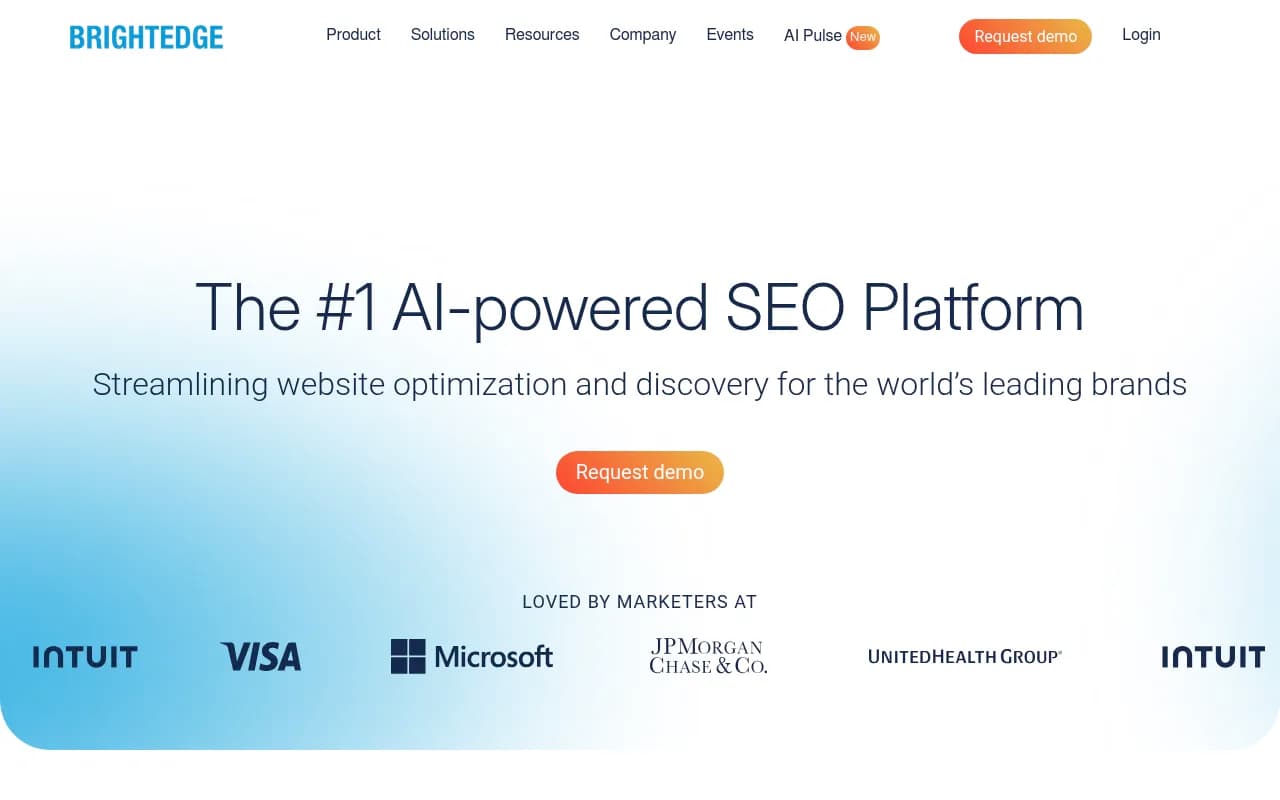
BrightEdge and seoClarity are enterprise platforms that operate in this range and above. They're built for large in-house teams with dedicated SEO resources. The feature depth is real, but so is the implementation overhead.
Scrunch AI and Search Party are agency-oriented platforms that sit in the $500+ range. Search Party in particular is built around agency workflows, though it has less depth on prompt metrics and content gap analysis than some competitors.
When $500+/month isn't worth it
A $500/month tool that sits unused -- or that you use only to generate monthly reports -- is worse value than a $99 tool you actually act on. This is the core insight from the SEO automation pricing research: the right tool depends on how you'll actually use it, not on which one has the longest feature list.
The other trap at this tier is paying for monitoring depth you don't need. If you're tracking 500 prompts across 10 AI models but your team only has capacity to act on 20 of them, you're paying for data you can't use.
The hidden costs nobody talks about
Sticker price is only part of the story. Here are the costs that catch teams off guard:
Prompt limit overages. Many tools charge per-prompt above your plan limit. If you're running competitive analysis or expanding into new markets, you can blow through your monthly allocation fast.
Seat-based pricing. Some platforms charge per user. A $249/month plan can become $500/month once you add your content team, your analyst, and your agency partner.
Annual commitment discounts. Most tools offer 20-30% off for annual billing. If you're evaluating a tool, ask about this upfront -- it significantly changes the effective monthly cost.
Onboarding and setup time. Enterprise tools in the $500+ range often require 2-4 weeks of setup before you're getting useful data. That's real cost even if it's not on the invoice.
Content production costs. A tool that identifies content gaps but doesn't help you fill them means you're paying separately for content production. Factor that in when comparing tools that include content generation vs. those that don't.
How to actually choose
Here's a practical framework:
Start with your goal. Are you trying to understand your current AI visibility? Improve it? Both? Tools built for monitoring (Otterly.AI, Peec AI, many others) are fine for the first goal. You need an optimization platform for the second.
Count your prompts. List the actual questions your customers ask AI models about your product or category. If you can identify 30-50 prompts, a $99 plan might work. If you're tracking 100+ prompts across multiple competitors, you need a higher tier.
Check the action loop. The best way to evaluate any AI SEO tool is to ask: after I see the data, what does the tool help me do next? If the answer is "export a CSV and figure it out yourself," that's a monitoring tool. If the answer is "here are the specific content gaps, here's a draft article targeting them, here's how to track whether it worked" -- that's an optimization platform.
Use free trials aggressively. Most tools in this space offer 7-14 day trials. Run the same set of prompts through two or three tools and compare the quality of insights, not just the quantity of data.
A note on traditional SEO tools adding AI features
Semrush and Ahrefs have both added AI visibility features to their existing platforms. If you're already paying for one of these, it's worth checking what's included before buying a separate GEO tool.
The honest assessment: these features are useful for getting started but limited in depth. Semrush uses fixed prompt sets rather than custom prompts, which means you're tracking what Semrush decided matters rather than what your customers are actually asking. Ahrefs Brand Radar has similar constraints and lacks traffic attribution. For serious AI visibility work, a dedicated platform will outperform an add-on feature.
Bottom line
The AI SEO tool market in 2026 is maturing fast, and pricing is starting to reflect real differentiation. The $99 tier is fine for awareness. The $249 tier is where you should expect to see real optimization capabilities -- and if a tool at that price is still just a monitoring dashboard, it's overpriced. The $500+ tier makes sense for agencies and multi-site operations, but only if you're actually using the depth you're paying for.
The single most useful question to ask any vendor: "After I see that I'm not showing up for a prompt, what does your tool help me do about it?" The answer tells you more than any pricing page will.