Key takeaways
- Profound is strong on prompt data and AI search monitoring, but it stops there -- it doesn't help you act on what you find.
- The 7 biggest gaps: no AI crawler logs, no content generation, no Reddit/YouTube tracking, no ChatGPT Shopping visibility, no traffic attribution, limited prompt intelligence, and no offsite citation analysis.
- Each gap has a tool (or two) that fills it well -- and one platform covers most of them in a single workflow.
- If you're evaluating Profound alternatives, the question isn't just "who tracks more AI models" -- it's "who helps me do something about it."
Profound has a genuinely impressive foundation. Its 400M+ real user prompt dataset is something no competitor has fully replicated, and its AI search monitoring covers the major models reasonably well. If you need to show a CMO a dashboard with brand visibility scores across ChatGPT and Perplexity, Profound will do that.
But here's the problem: it's 2026, and showing a dashboard isn't enough anymore. AI search is now a primary traffic channel for many brands. The question isn't just "are we visible?" -- it's "why aren't we visible, what do we do about it, and is it working?" Profound answers the first question. It mostly leaves you alone with the other two.
This guide breaks down the seven specific features Profound is missing, why each one matters, and which tools actually fill the gap.

1. AI crawler logs and agent analytics
This is probably the most technically significant gap. Profound tells you whether your brand appears in AI responses -- but it doesn't tell you whether AI crawlers are even visiting your site, which pages they're reading, how often they return, or whether they're hitting errors.
That matters because AI citation isn't just about content quality. It's about crawlability. If Perplexity's crawler keeps hitting a 404 on your most authoritative page, you'll never appear in Perplexity responses for that topic -- and Profound won't tell you why.
Crawler log analysis for AI agents is a relatively new capability, and most platforms don't have it. Promptwatch does -- it shows real-time logs of AI crawlers hitting your site, which pages they read, errors they encounter, and how often they return. It also tracks the timeline from crawl to citation, so you can see when a page moves from "discovered" to "referenced."

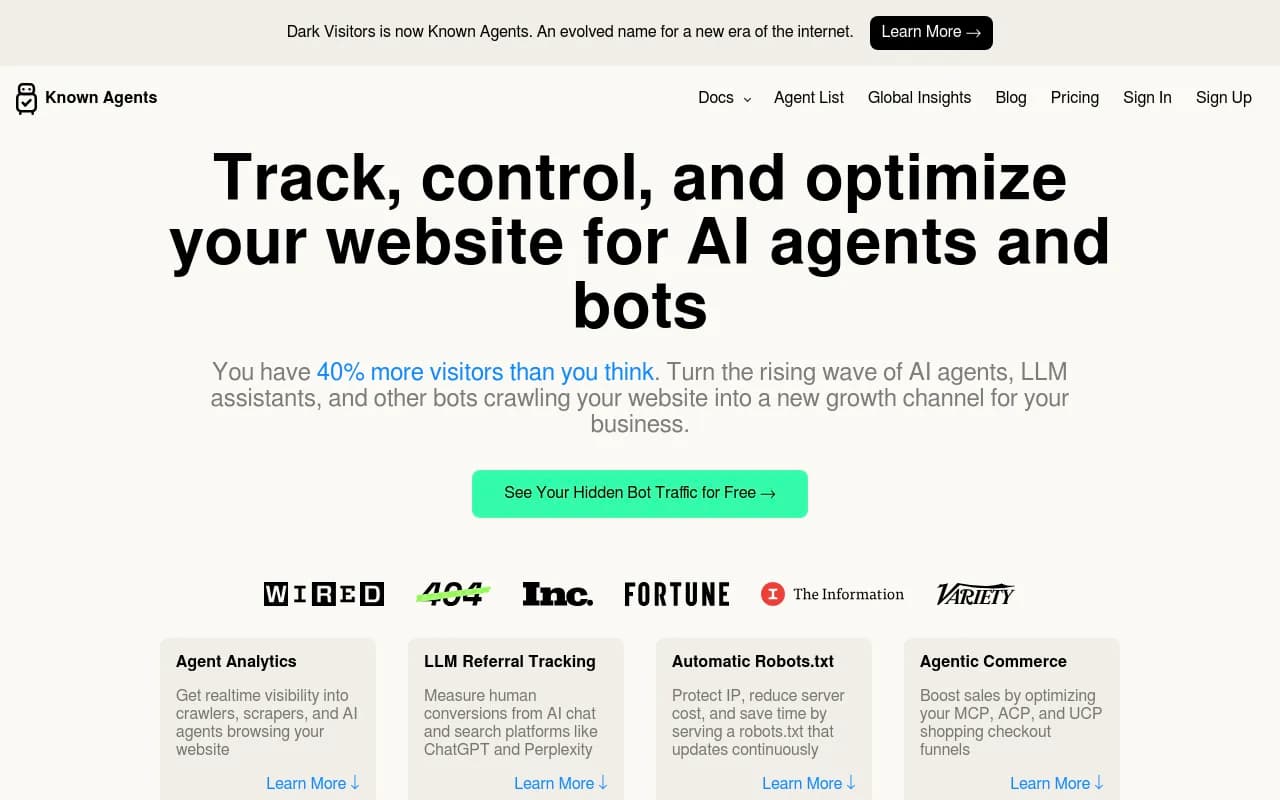
DarkVisitors is another option if you want a standalone tool focused purely on AI bot identification and log analysis.
2. Content generation grounded in prompt data
Profound shows you where you're not visible. It does not help you create the content that would make you visible. That's a significant gap, because knowing you're missing from AI responses for "best enterprise CRM for manufacturing" doesn't automatically tell you what to write or how to write it.
The platforms that are pulling ahead in 2026 are the ones that close this loop. Promptwatch's Content Agents generate articles, listicles, comparisons, and briefs built on real prompt data, citation data, and competitor analysis. The output is grounded in what AI models are actually citing -- not generic SEO filler.
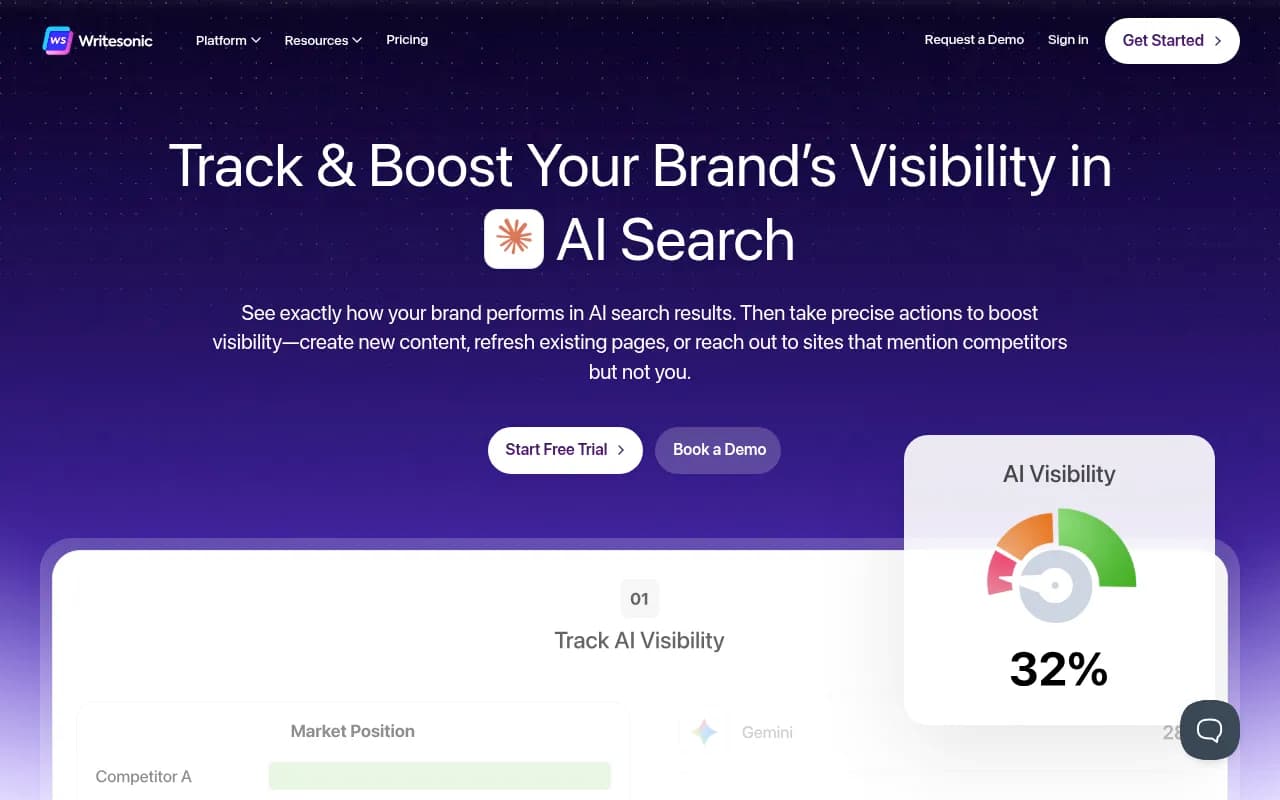
Writesonic has also built GEO-focused content features, though they're newer and less specialized.
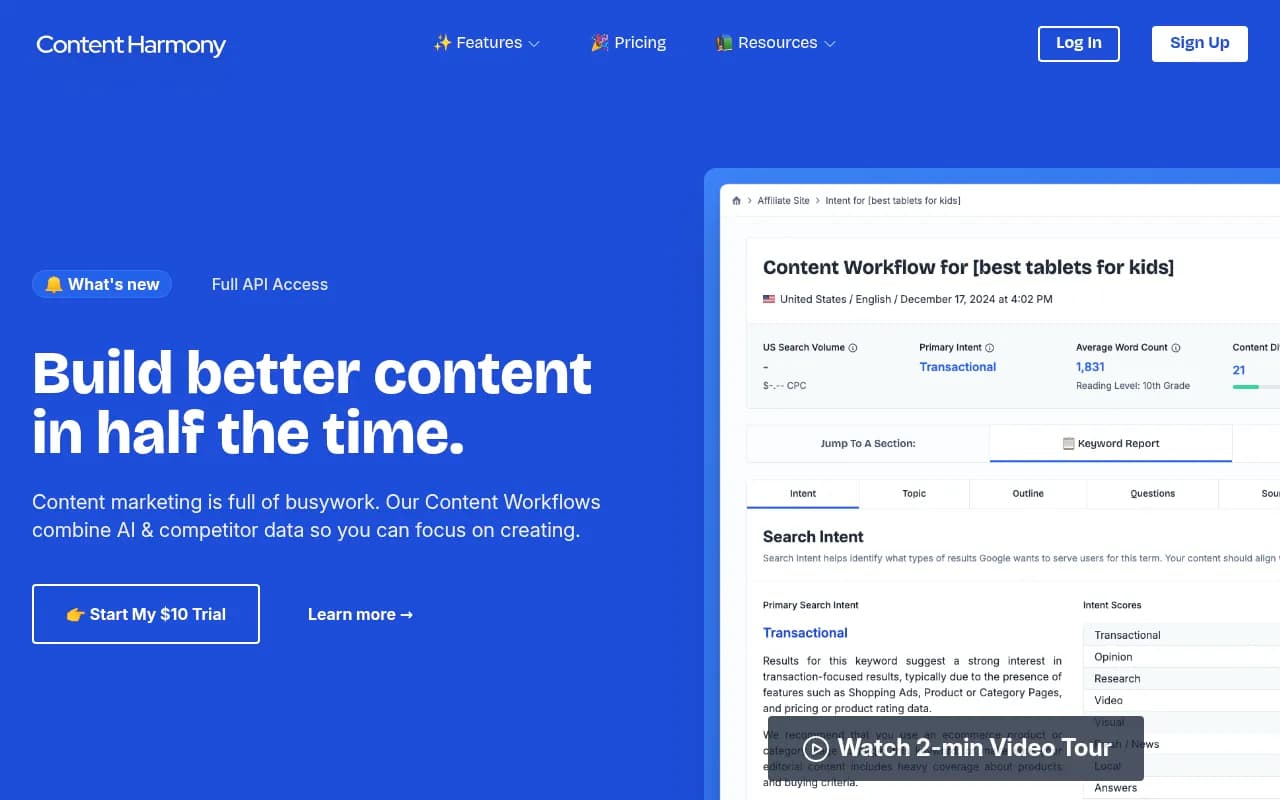
If you want a dedicated content brief builder that can feed into your existing writing workflow, Content Harmony is worth a look.
The core point: monitoring without content creation is like a doctor who diagnoses you and then hands you a list of symptoms. Profound is good at diagnosis. The treatment is somewhere else.
3. Reddit and YouTube tracking
This one surprises people. Reddit threads and YouTube videos are disproportionately cited by AI models -- particularly ChatGPT and Perplexity -- because they contain real user opinions, discussions, and recommendations that AI models treat as trustworthy signals.
If a Reddit thread is driving AI recommendations in your category and you don't know it exists, you're flying blind. If a YouTube video is being cited as a source for product comparisons in your space, that's a distribution channel you should know about.
Profound doesn't track either. Most competitors don't either, which makes this a genuine differentiator for platforms that do. Promptwatch surfaces Reddit discussions and YouTube content that directly influence AI recommendations in your category -- something that's genuinely hard to replicate with a monitoring-only approach.
4. ChatGPT Shopping tracking
ChatGPT's shopping recommendations and product carousels are a distinct surface from its regular text responses. A brand can be well-cited in conversational AI answers but completely absent from shopping recommendations -- or vice versa. These are different algorithms, different citation patterns, and different optimization strategies.
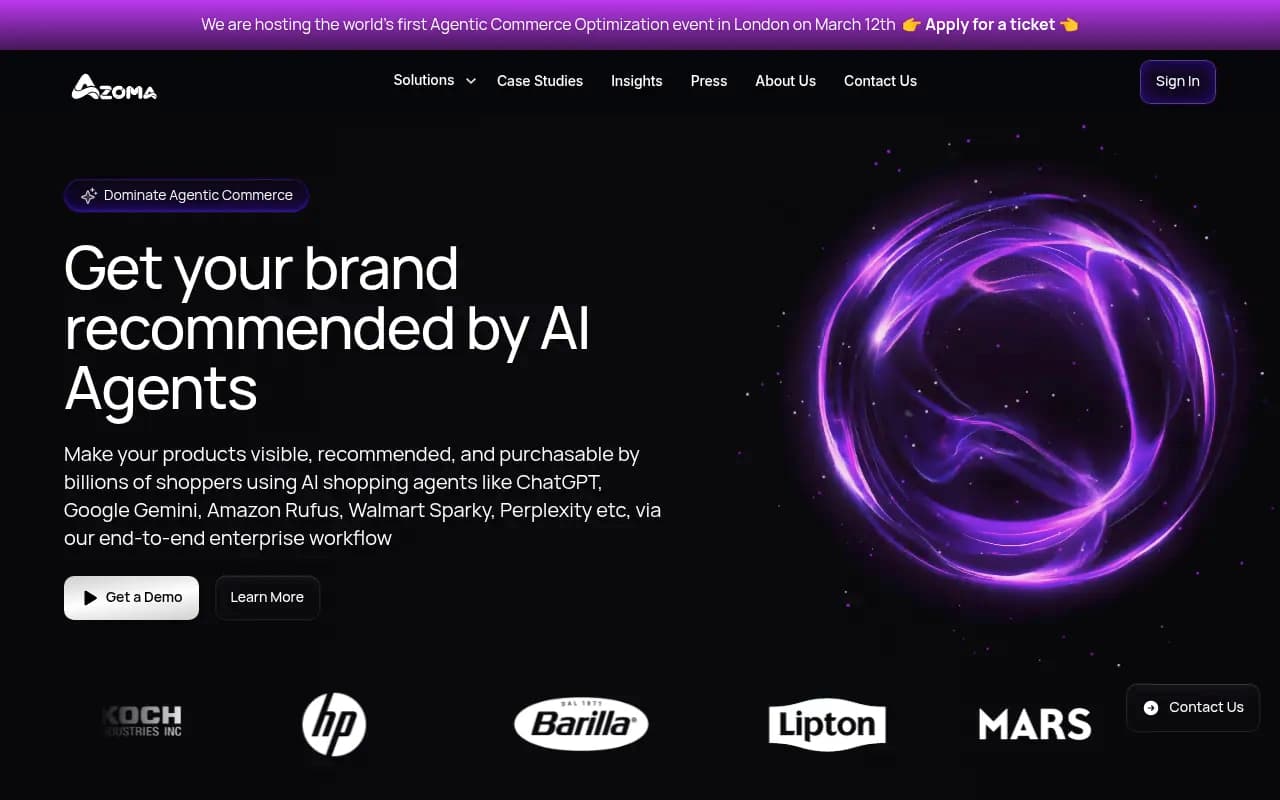
Profound doesn't track ChatGPT Shopping. For e-commerce brands or any company that sells products, this is a real blind spot. Azoma is purpose-built for AI shopping optimization across ChatGPT, Amazon Rufus, and similar surfaces.
Promptwatch also tracks ChatGPT Shopping and entity mentions, which matters if you want a unified view rather than managing separate tools.
5. Traffic attribution from AI search
Knowing you're cited in AI responses is useful. Knowing that those citations are driving actual traffic and revenue is what justifies the budget. Profound's monitoring tells you about visibility -- it doesn't connect that visibility to sessions, conversions, or revenue.
This gap is significant for any team that needs to report ROI. You can show a brand visibility score going up, but if you can't connect it to business outcomes, it's hard to defend the investment.
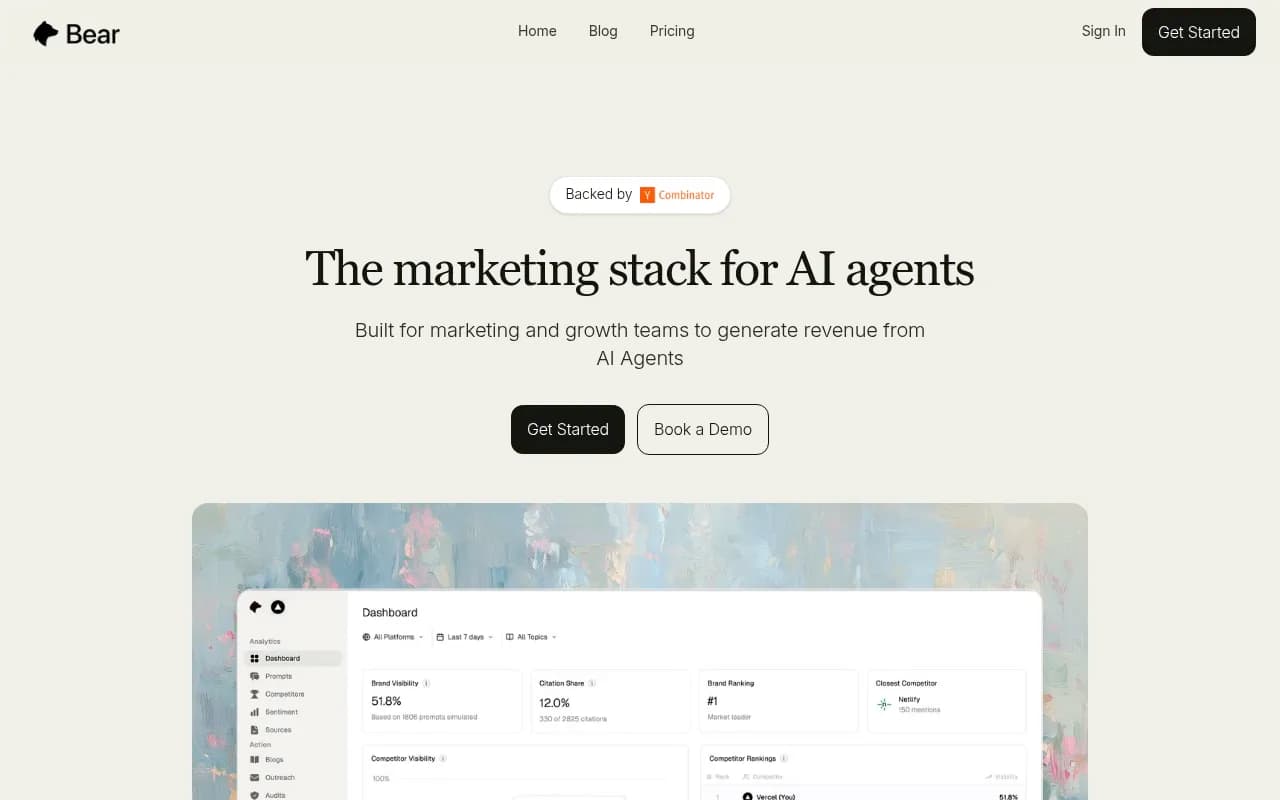
Bear AI is specifically built around converting AI search traffic into measurable revenue.
Promptwatch approaches this through website integrations (Cloudflare, Vercel, Google Search Console, or a tracking snippet) that connect AI crawler activity and citation data to actual traffic attribution. It's not a replacement for a full attribution platform, but it closes the loop between "we're being cited" and "here's what that's worth."
6. Prompt intelligence: volume, difficulty, and query fan-outs
Profound gives you visibility data by prompt. What it doesn't give you is a clear way to prioritize -- which prompts have the most volume, which are winnable given your current authority, and how one prompt branches into related sub-queries.
This matters because not all prompts are equal. Spending three months optimizing for a low-volume prompt when a high-volume adjacent prompt is sitting there uncontested is a real opportunity cost. Prompt intelligence -- volume estimates, difficulty scores, query fan-outs -- is what turns a list of prompts into a prioritized roadmap.
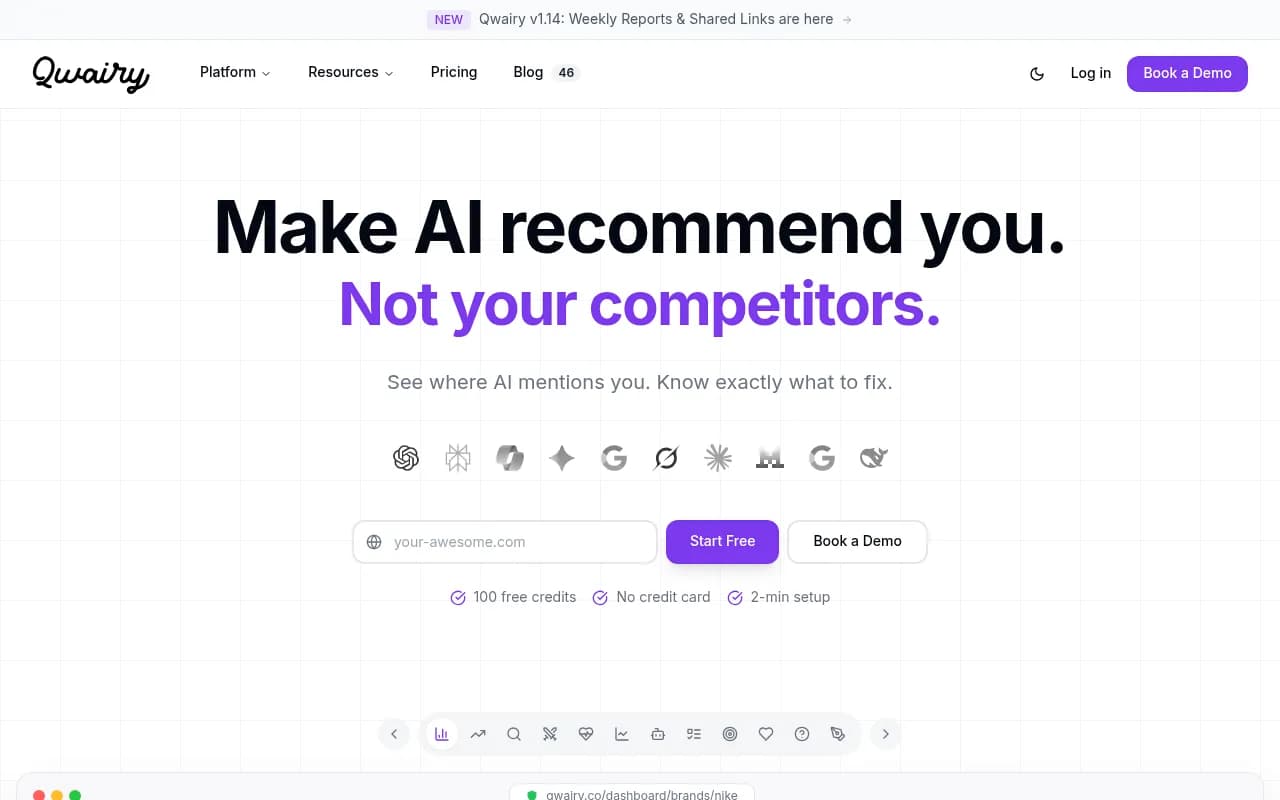
Promptwatch includes prompt volume estimates and difficulty scoring, plus query fan-out analysis that shows how one prompt branches into sub-queries. Qwairy also has strong prompt strategy features if you want a dedicated tool for this.
AthenaHQ covers prompt tracking across multiple AI engines and has decent coverage, though it's more monitoring-focused than strategy-focused.

7. Offsite citation analysis
Your AI visibility doesn't live only on your own website. Third-party listicles, review sites, industry publications, Reddit posts, and YouTube videos that mention your brand all contribute to how AI models perceive and cite you. Profound's focus is primarily on your own brand's appearance in AI responses -- it doesn't systematically map the external citation ecosystem that's influencing those responses.
This is a meaningful gap. If a competitor is dominating AI responses partly because they're cited in 15 high-authority third-party articles and you're only in 3, you need to know that. And you need to know which specific external pages are driving the citations.
Promptwatch tracks offsite citations -- which external pages, Reddit threads, YouTube videos, and third-party domains are driving AI visibility outside your own site. That's the kind of intelligence that tells you where to publish guest content, which publications to target for coverage, and which third-party mentions to build.
How Profound compares: a feature breakdown
| Feature | Profound | Promptwatch | AthenaHQ | Otterly.AI | Writesonic |
|---|---|---|---|---|---|
| AI search monitoring | Yes | Yes | Yes | Yes | Partial |
| Real user prompt data | Yes (400M+) | Yes | Partial | No | No |
| AI crawler logs | No | Yes | No | No | No |
| Content generation | No | Yes | No | No | Yes |
| Reddit/YouTube tracking | No | Yes | No | No | No |
| ChatGPT Shopping | No | Yes | No | No | No |
| Traffic attribution | No | Yes | No | No | No |
| Prompt volume/difficulty | Partial | Yes | Partial | No | No |
| Offsite citation analysis | No | Yes | No | No | No |
| Answer gap analysis | Partial | Yes | Partial | No | No |
The pattern is pretty clear. Profound is a strong monitoring tool. The gap is everything that comes after monitoring.
Who should still use Profound?
To be fair: Profound's real user prompt dataset is genuinely differentiated. If your primary need is understanding what real users are asking AI models in your category -- not synthetic API queries -- Profound's data quality is hard to match. Research teams, market intelligence functions, and brands doing category-level analysis will find real value there.
The problem is that most marketing and SEO teams don't just need research. They need to act on it. They need to know which content to create, track whether it's working, and connect the whole thing to revenue. That's where Profound's monitoring-only approach runs into its limits.
The tools that fill the gaps
To summarize the alternatives worth evaluating:
For AI crawler logs and technical visibility: Promptwatch, DarkVisitors
For content generation grounded in prompt data: Promptwatch, Writesonic, Content Harmony
For Reddit and YouTube influence tracking: Promptwatch
For ChatGPT Shopping: Promptwatch, Azoma
For traffic attribution: Promptwatch, Bear AI
For prompt intelligence and prioritization: Promptwatch, Qwairy
For offsite citation analysis: Promptwatch


A few other solid monitoring tools worth knowing: Otterly.AI and Peec.ai are both more affordable entry points if you just need basic AI visibility tracking. They won't fill Profound's gaps -- they share most of them -- but they're cheaper if budget is the constraint.
The bottom line
Profound built something real. The prompt dataset is valuable, the monitoring is solid, and for pure research use cases it holds up well. But in 2026, the brands winning in AI search aren't just the ones who know where they're invisible -- they're the ones who fix it. That requires content creation, crawler analysis, traffic attribution, and offsite intelligence that Profound simply doesn't offer.
If you're evaluating your GEO stack and Profound is on the list, the honest question to ask is: what happens after the dashboard? If the answer is "we figure it out manually," that's where the real cost is hiding.