Key takeaways
- Goodie AI's domain (goodie.ai) is currently listed for sale on Spaceship.com, meaning the product is effectively dead. Anyone evaluating it needs to look elsewhere.
- Goodie AI promised visibility scoring, sentiment analysis, and content writing -- but even when it was live, it had significant gaps in crawler intelligence, prompt data, and multi-model coverage.
- The 7 missing features map to real tools you can use today: from AI crawler logs to Reddit tracking to content generation grounded in actual citation data.
- No single tool replicates Goodie AI exactly, but several combinations (or one platform like Promptwatch) cover everything it promised and more.
There's something almost poetic about writing a breakdown of Goodie AI's missing features when the company's domain is currently listed for sale at $80,000. The product appears to be gone. If you were mid-evaluation or already a customer, that's a frustrating situation to be in.
But it's also a useful moment to be honest about what Goodie AI was actually offering -- and where it fell short even before the lights went out. Because the gaps weren't just about what the product lacked. They reflect a broader problem with first-generation GEO tools: they were built to show you data, not help you do anything with it.
Here's a look at the 7 features Goodie AI was missing, and which tools fill each gap today.
What Goodie AI was (and wasn't)
Goodie AI positioned itself as a full GEO (Generative Engine Optimization) platform. At around $495/month, it offered AI visibility scoring, sentiment analysis, and some content writing capabilities. That's a reasonable starting point for 2024.
The problem is that the GEO category moved fast. By 2026, the bar for what a serious AI visibility platform needs to do has risen considerably. Monitoring your brand mentions across a handful of AI engines is now table stakes. What teams actually need is the ability to find gaps, fix them, and track whether the fixes worked.
Goodie AI never got there. And now it's gone.
The 7 features Goodie AI was missing
1. AI crawler log analysis
This one is foundational and almost universally missing from first-generation GEO tools. Knowing that ChatGPT or Perplexity cited your competitor is useful. Knowing why they didn't cite you -- which pages the crawlers visited, which ones they skipped, which ones returned errors -- is what actually lets you fix the problem.
Goodie AI had no crawler log functionality. You couldn't see whether AI bots were even reaching your content, let alone what they did when they got there.
Tools that fill this gap:
Promptwatch logs AI crawler visits in real time, showing which pages each AI agent read, how often they return, and when a page moves from "crawled" to "cited." That last part -- the crawl-to-citation timeline -- is something most platforms don't track at all.

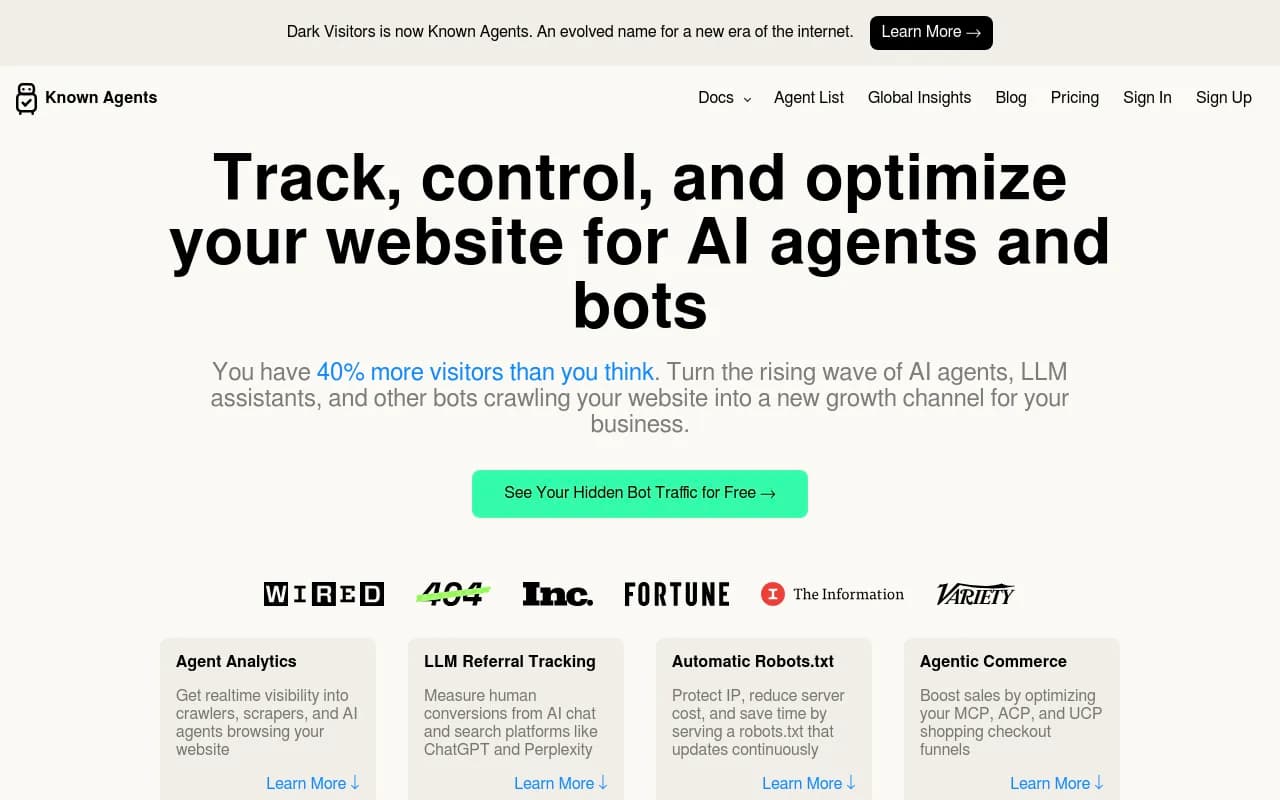
For teams that want a dedicated crawler-focused view, tools like DarkVisitors specialize in tracking AI agents and bots hitting your site.
2. Prompt volume and difficulty data
Goodie AI let you track prompts, but it didn't tell you which prompts were worth tracking. There's a big difference between a prompt that 50,000 people type into ChatGPT every month and one that almost nobody uses. Without volume estimates and difficulty scores, you're essentially guessing at prioritization.
This matters because GEO is still a resource-constrained activity for most teams. You can't optimize for every prompt. You need to know which ones to go after first.
Tools that fill this gap:
Promptwatch includes prompt volume estimates and difficulty scoring, plus query fan-outs that show how a single prompt branches into related sub-queries. That's genuinely useful for deciding where to spend content budget.

Peec AI also tracks prompt-level data with solid analytics, though it doesn't include content generation to act on what you find.
3. Answer gap analysis (knowing what competitors rank for that you don't)
Goodie AI could tell you where you appeared. It couldn't tell you where you should appear but don't -- specifically, which prompts your competitors are getting cited for while you're invisible.
That distinction is everything. Knowing you have a visibility score of 34 is less useful than knowing the 12 specific prompts where your top competitor appears and you don't, along with what content gap is causing it.
Tools that fill this gap:

AthenaHQ does solid competitive monitoring and shows you where competitors are winning. It's monitoring-focused, but the competitive view is genuinely useful.
For teams that want to go from gap identification to actually fixing it, Promptwatch's Answer Gap Analysis shows the specific prompts competitors rank for that you don't, then connects that directly to content generation. That loop -- find the gap, create the content, track the result -- is what separates optimization platforms from monitoring dashboards.
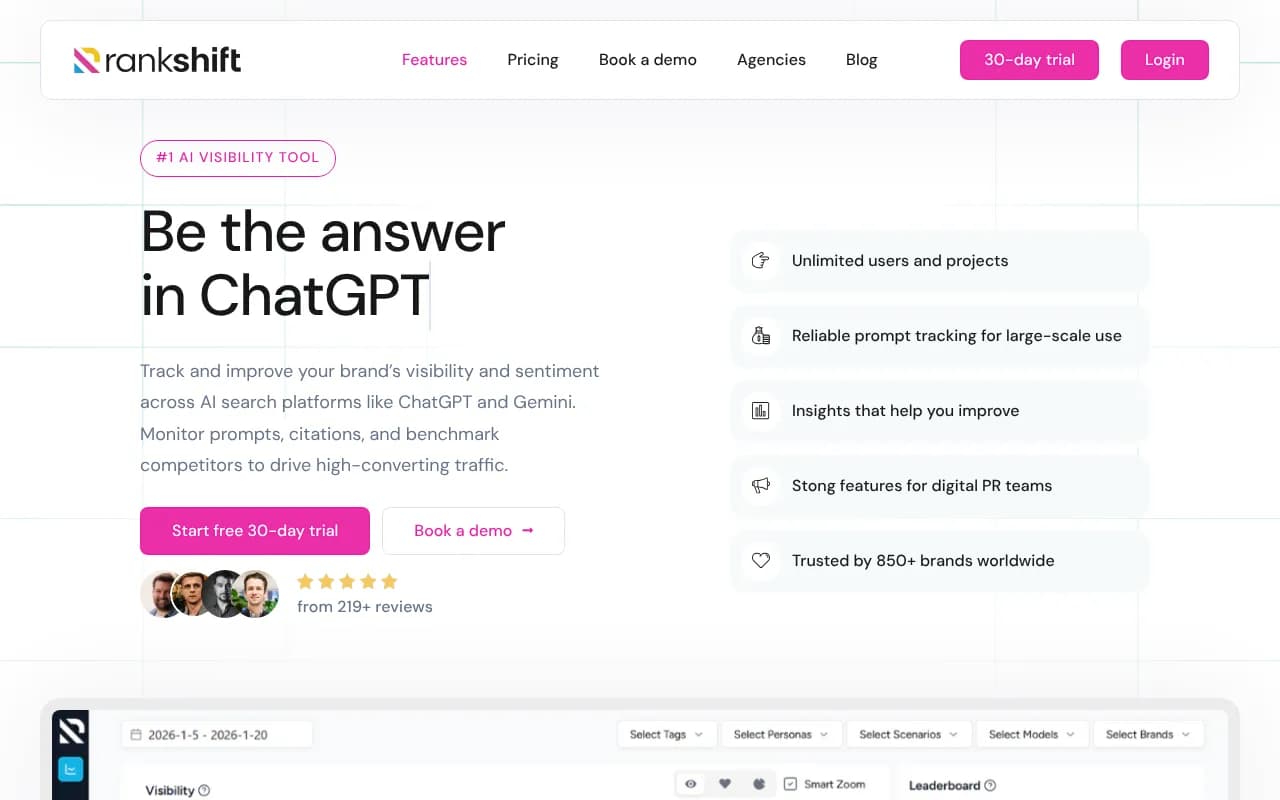
Rankshift is another option worth looking at for competitive gap tracking.
4. Content generation grounded in real citation data
Goodie AI had some content writing features, but they weren't grounded in actual AI citation behavior. Writing content that ranks in AI search is different from writing content that ranks in Google. AI models cite sources that directly answer specific questions, in specific formats, with specific authority signals. Generic SEO content doesn't cut it.
The gap here isn't just "no content tool" -- it's that the content tool needs to be connected to real prompt data, citation patterns, and competitor analysis to be useful.
Tools that fill this gap:
Promptwatch's Content Agents generate articles, listicles, comparisons, and briefs using real prompt data, citation data, prompt volumes, and competitor analysis. The output is engineered to answer the specific gaps AI models are exposing, not just keyword-stuffed filler.
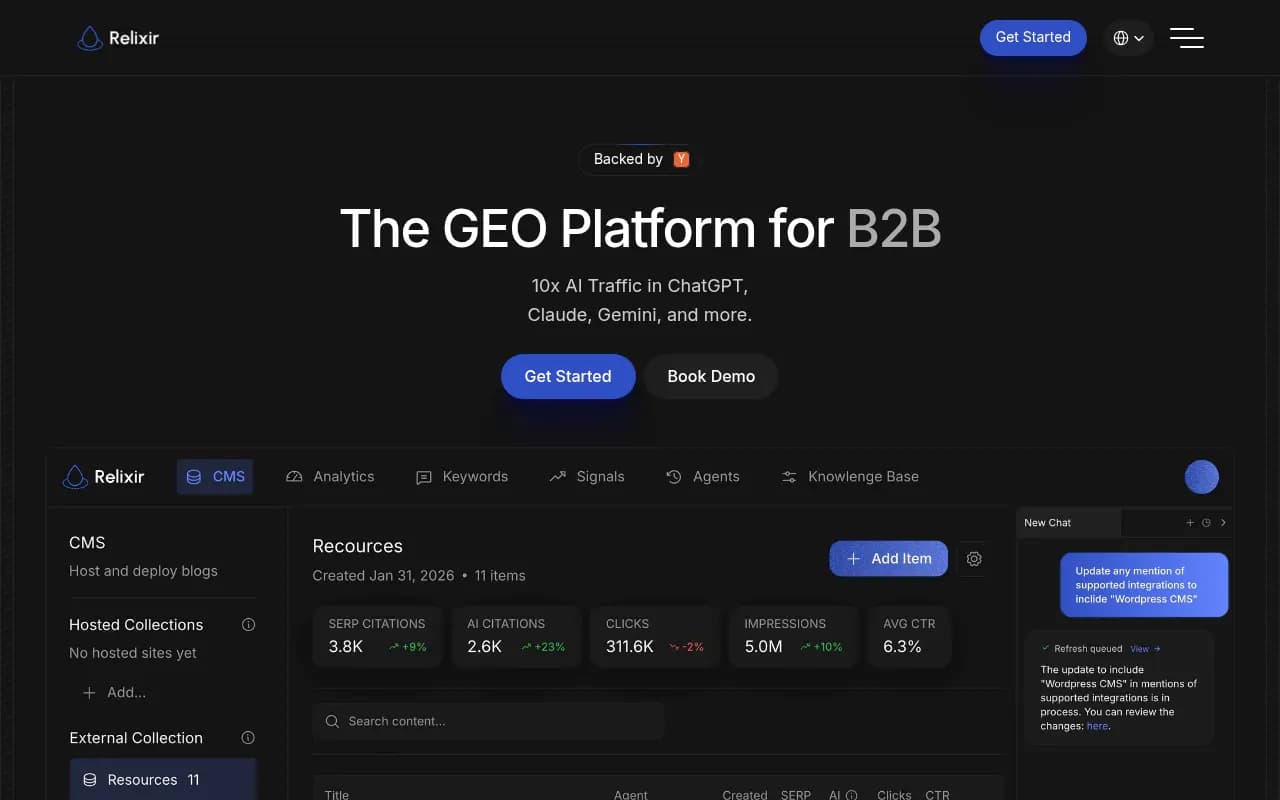
Relixir is an all-in-one GEO platform with an AI-native CMS that also handles content generation alongside visibility tracking.
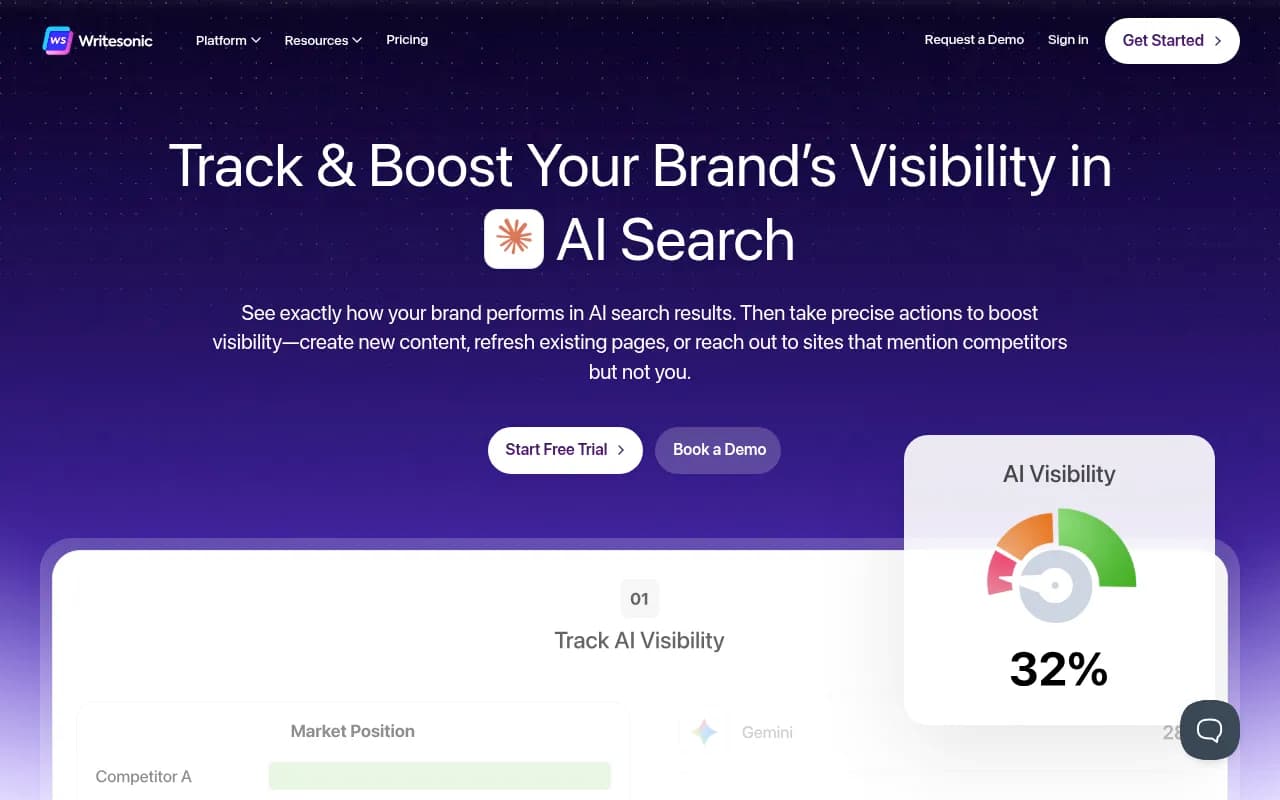
Writesonic has moved into the GEO space with content tools that connect to AI visibility data.
5. Reddit and YouTube tracking
This one surprises people. Reddit threads and YouTube videos are among the most-cited sources in AI responses. When someone asks ChatGPT for a product recommendation, the model often pulls from Reddit discussions, YouTube reviews, and community posts -- not just brand websites.
Goodie AI ignored this entirely. If your brand is being discussed (positively or negatively) in a Reddit thread that Perplexity keeps citing, you need to know about it.
Tools that fill this gap:
Promptwatch tracks Reddit and YouTube content that directly influences AI recommendations, which is a channel most competitors skip entirely. Knowing which external discussions are driving (or hurting) your AI visibility is genuinely different information from what your own site is doing.
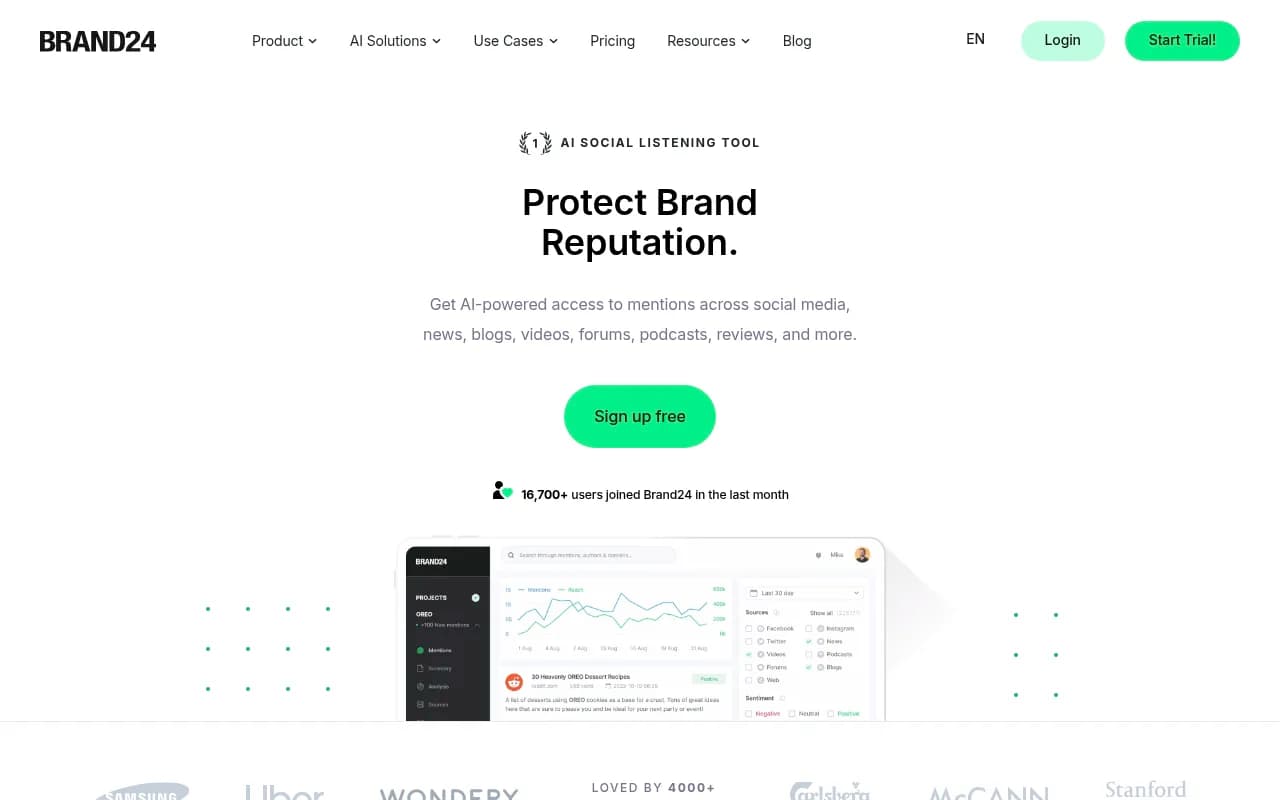
Brand24 monitors brand mentions across 25M+ sources including Reddit, which gives you a broader social listening view alongside AI-specific tracking.
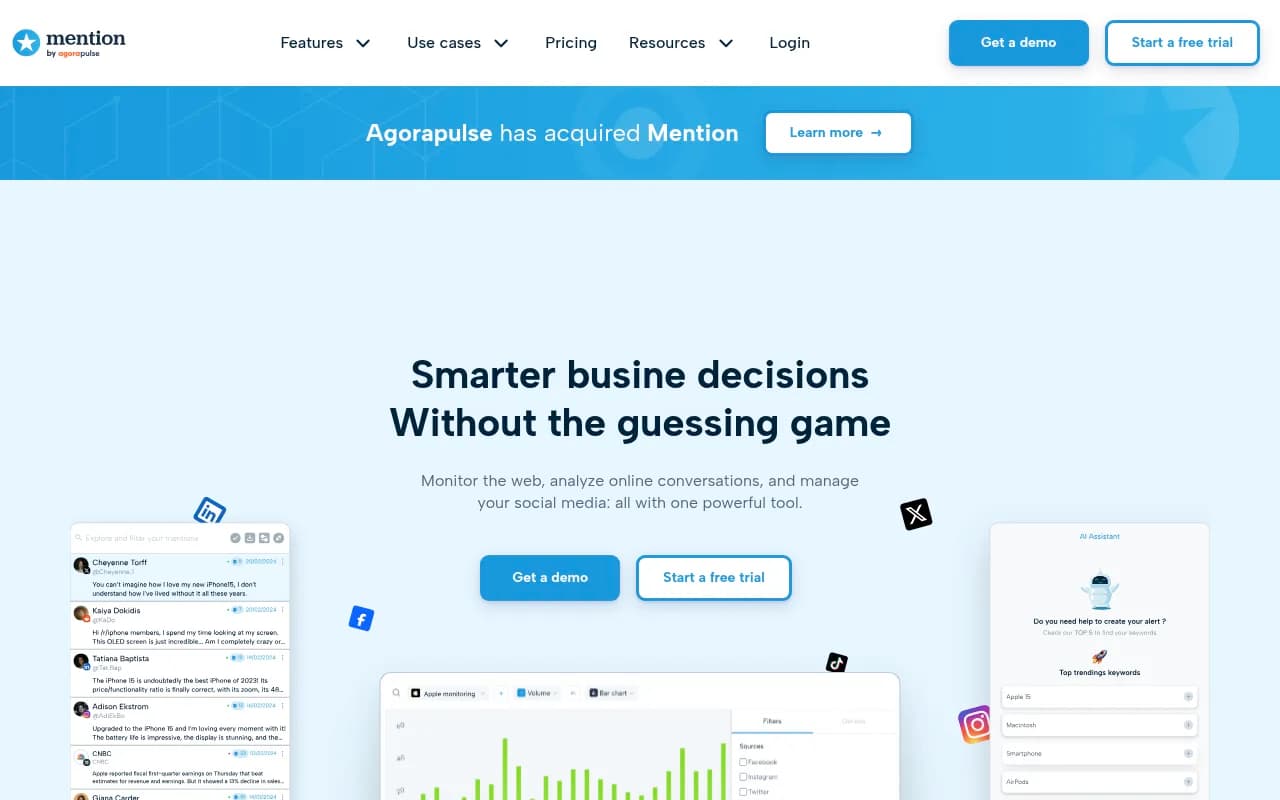
Mention also covers Reddit monitoring in real time, though it's not AI-visibility-specific.
6. ChatGPT Shopping and entity tracking
AI search isn't just about text answers anymore. ChatGPT now surfaces product recommendations, shopping carousels, and entity cards. If you sell physical products or have a strong brand entity, your visibility in these surfaces matters as much as your visibility in text responses.
Goodie AI had no shopping or entity tracking. This wasn't a niche gap -- it's a significant revenue channel that the platform simply didn't address.
Tools that fill this gap:
Promptwatch tracks ChatGPT Shopping appearances, product recommendation carousels, and entity mentions. For e-commerce brands especially, this is a meaningful differentiator.
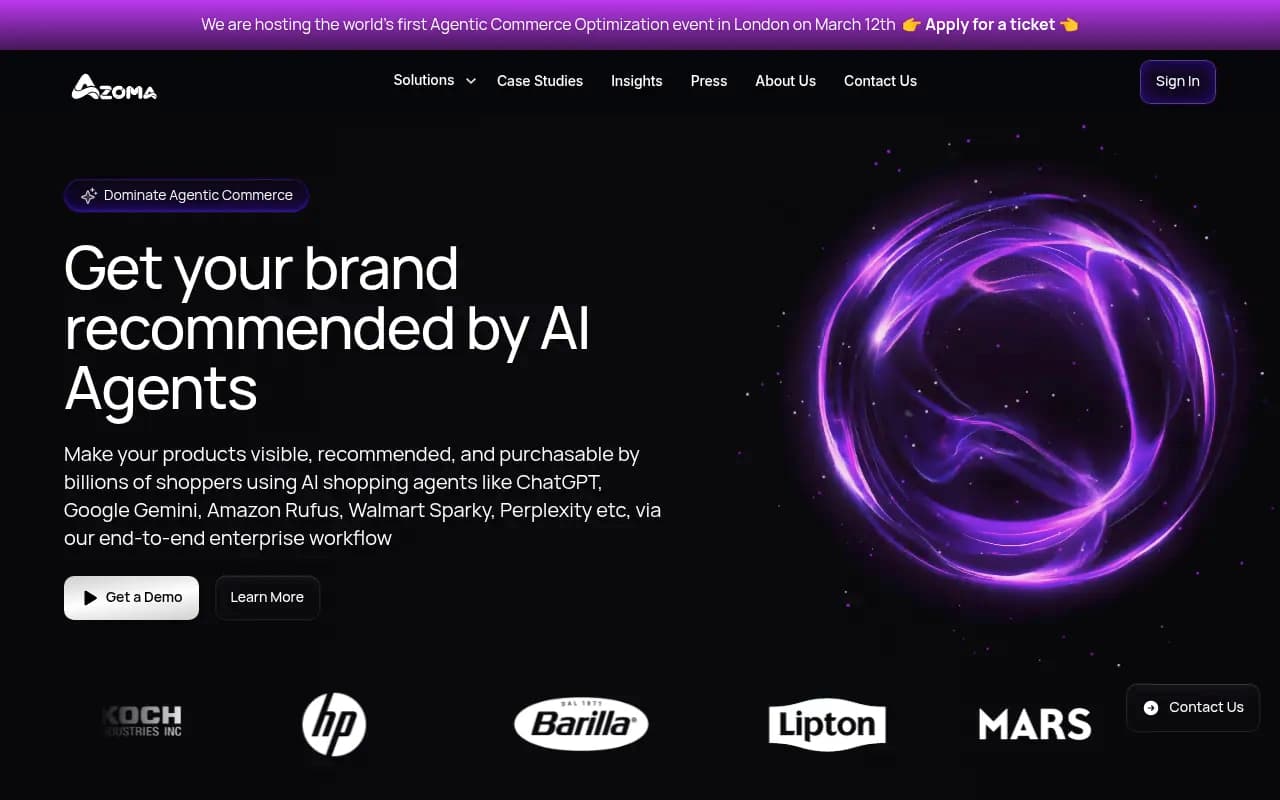
Azoma is built specifically for enterprise AI shopping optimization across ChatGPT, Amazon Rufus, and similar surfaces.
7. Multi-model, multi-region coverage with persona targeting
Goodie AI tracked a limited number of AI engines. In 2026, the AI search landscape includes ChatGPT, Perplexity, Google AI Overviews, Google AI Mode, Claude, Gemini, Meta/Llama, DeepSeek, Grok, Mistral, and Copilot. Different models behave differently. A brand that's well-cited in Perplexity might be invisible in Gemini.
Beyond multi-model coverage, persona targeting matters. How AI models respond depends on who's asking. A prompt from a "first-time homebuyer" gets different results than the same prompt from a "real estate investor." Goodie AI had no persona customization.
Tools that fill this gap:

Profound covers 10+ AI engines at enterprise scale and includes account management support. It's one of the more comprehensive monitoring platforms available.
Peec AI handles multi-language tracking across 4 engines at a reasonable price point (€89/mo), making it a solid option for teams with international audiences.
Promptwatch monitors 10 AI models with customizable personas that match how your actual customers prompt, plus multi-language and multi-region support.
How the alternatives compare
Here's a direct comparison of the tools that fill Goodie AI's gaps, across the 7 features:
| Tool | Crawler logs | Prompt volume data | Answer gap analysis | AI content generation | Reddit/YouTube tracking | Shopping/entity tracking | Multi-model + personas |
|---|---|---|---|---|---|---|---|
| Promptwatch | Yes | Yes | Yes | Yes | Yes | Yes | Yes (10 models) |
| Profound | No | Partial | Partial | No | No | No | Yes (10+ models) |
| Peec AI | No | No | No | No | No | No | Yes (4 models) |
| AthenaHQ | No | No | Partial | No | No | No | Yes (8+ models) |
| Otterly.AI | No | No | GEO audit only | No | No | No | Yes (6 models) |
| Relixir | No | No | Partial | Yes | No | No | Partial |
| Semrush | No | No | No | Content toolkit | No | No | Multiple |
| Ahrefs Brand Radar | No | No | No | No | No | No | Yes (6 models) |
The pattern is clear: most tools cover one or two of these gaps. Very few cover all seven.
Which tool should you actually use?
It depends on what you need most.
If you just want basic monitoring at a low price, Otterly.AI ($29/mo) or Peec AI (€89/mo) get you started without a big commitment.

If you're an enterprise team that needs scale and account support, Profound is worth evaluating.
If you want the full loop -- find gaps, create content, track results -- Promptwatch covers all seven of the features Goodie AI was missing, at pricing that starts at $99/month for a single site. The Professional plan ($249/mo) adds crawler logs, which is where things get genuinely useful.
For teams that want content generation specifically, Relixir and Writesonic are worth a look alongside whatever monitoring tool you choose.
The real lesson from Goodie AI
Goodie AI's disappearance isn't just a business story. It's a signal about what the GEO category actually requires to survive. Monitoring-only platforms face a hard question: why would a team pay $495/month to see data they can't act on?
The tools that are winning in 2026 are the ones that close the loop. They show you where you're invisible, tell you why, help you create content that fixes it, and then track whether it worked. That's a fundamentally different product than a dashboard that refreshes your visibility score once a week.
If Goodie AI had built that loop, it might still be around. Instead, its domain is for sale at $80,000 -- which is, honestly, a pretty good summary of where monitoring-only GEO tools are headed.