Key takeaways
- Enterprise GEO is consolidating. Sitecore announced its acquisition of Scrunch on June 3, 2026, and the big SEO suites (Semrush, Ahrefs, HubSpot, Conductor) have all added AI visibility modules.
- Money is concentrating in a few vendors. Profound reported a $180M Series D at a $1.8B valuation on September 15, 2026, while smaller trackers fight over price.
- Most tools still only watch. Third-party roundups sort the market into watch, diagnose, and act, and only a minority of vendors change your site or content.
- Several widely repeated figures (the Scrunch deal value, the Semrush/Adobe claim) are unverified. Treat them that way in your business case.
- Buyers should ask about roadmap after acquisition, data collection method, crawler visibility, and whether the tool closes the loop from insight to published fix.
Why enterprise GEO is consolidating now
GEO, AEO, AI SEO, LLM SEO. Whatever you call it, the category is about 18 months into being a real software market, and it is behaving like one. A flood of seed-stage trackers, a handful of well-funded leaders, and the incumbents buying or building their way in.
The wider deal market explains some of the pressure. PwC's mid-year 2026 outlook says global deal value is on track for about $4tn, the strongest year since 2021, but volumes are falling. Deals above $5bn make up almost half of total value. PwC also notes that software has cooled as buyers reassess AI disruption. So money is available, but it goes to scale or to clear strategic fits, not to every small software company.

L40's 2026 trend piece makes a related point: M&A is increasing but selectively, and software valuations are bifurcating rather than rising across the board. Translate that to GEO. A tracker with a thin moat and a $95 plan is hard to sell at a premium. A platform with enterprise logos, proprietary data, or a distribution channel into a big customer base is a very different asset.
That is the lens for everything below. I would not read the GEO market as one wave lifting all boats. It is splitting.
What has actually happened so far
Sitecore acquires Scrunch
The clearest enterprise GEO deal this year. Sitecore announced it was acquiring Scrunch on June 3, 2026, framing it around helping brands influence discovery and buying decisions in the AI search era. Scrunch now calls itself a Sitecore company, and scrunchai.com redirects to scrunch.com.
Terms were not disclosed. One reviewer puts the value near $225M and another cites Bloomberg for roughly the same figure. Neither is confirmed, so do not quote it as fact. What we do know: Scrunch had raised $26M (a Series A led by Decibel) and reportedly had 500+ brands as customers before the deal.
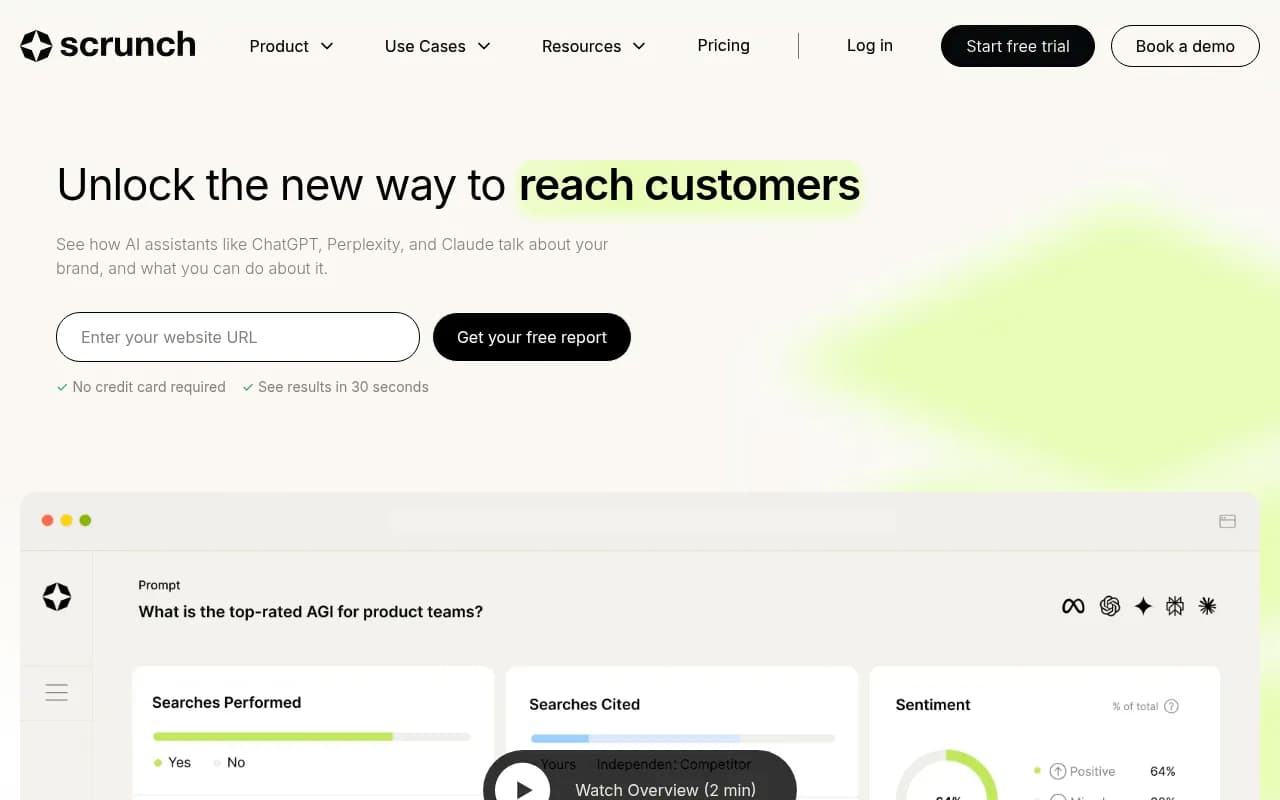
Scrunch's pitch has leaned on an Agent Experience Platform that serves a machine-readable version of a site to AI crawlers. That makes strategic sense inside a content management ecosystem. It also raises an obvious question for anyone who is not a Sitecore customer, and I will come back to it in the buyer checklist.
The SEO suites build rather than buy
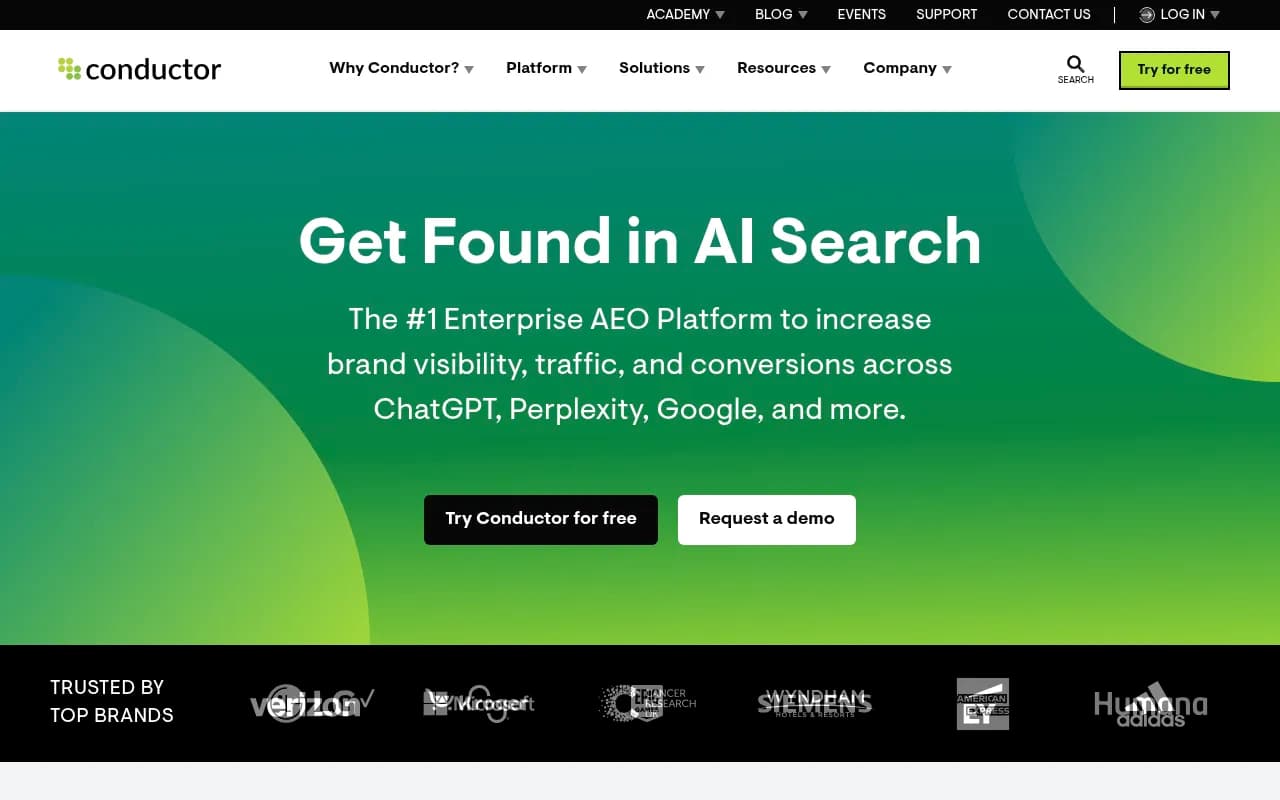
Semrush, Ahrefs (Brand Radar), HubSpot (AEO) and Conductor have all added AI visibility modules. A Rework roundup found that all four land in the watch or diagnose categories and do not change your site or content. Conductor's drafting product, Creator, is a separate purchase.
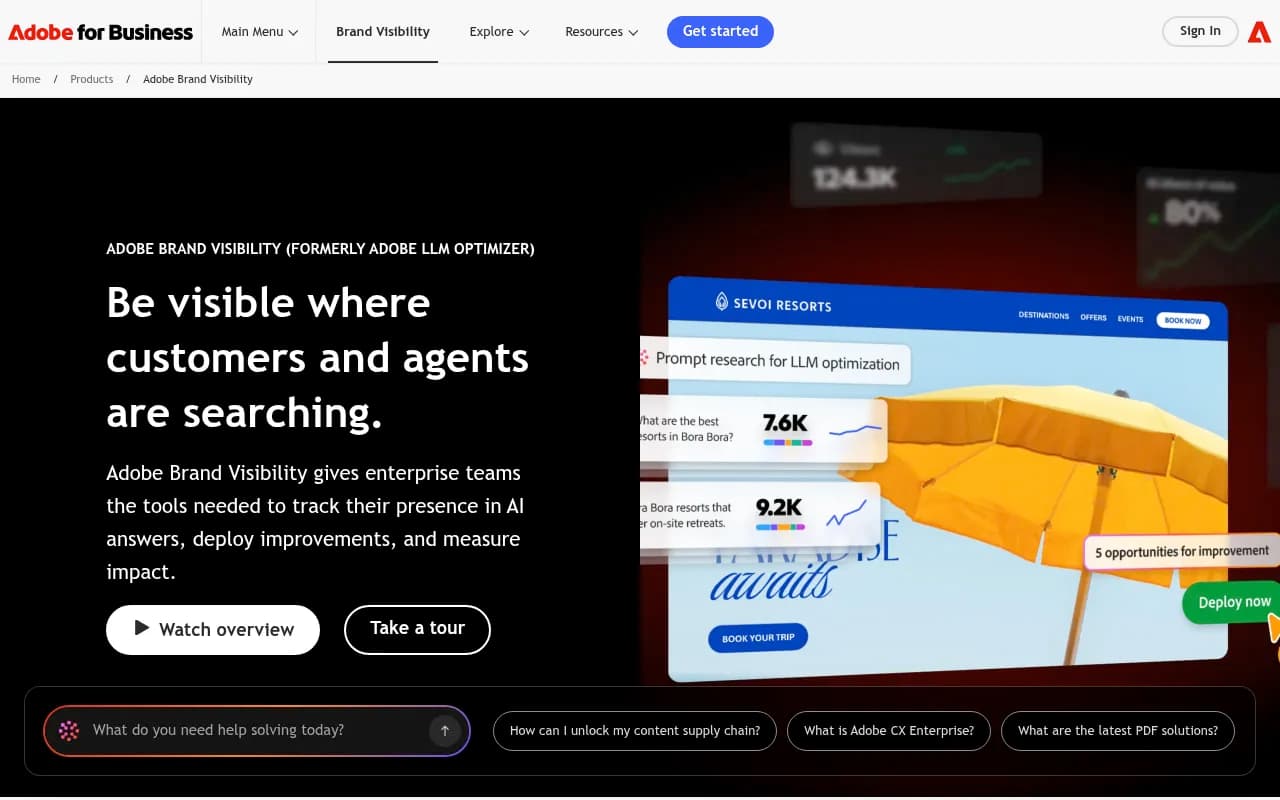
There is also a claim in that same roundup that Semrush is now "an Adobe company." I could not verify it against a primary source, so treat it as unconfirmed until Semrush or Adobe says so. Separately, Adobe sells its own products in this space.

The pattern is familiar. Large suites add a feature, bundle it, and make it good enough for customers who would rather not buy another contract. That is a real threat to standalone trackers and a real convenience for suite customers. It is rarely the deepest option.
Funding is concentrating
Profound reported a $180M Series D at a $1.8B valuation on September 15, 2026, bringing its total to $334.5M across five rounds. Older roundups still cite $155M raised and a $1B valuation from a Series C in February 2026, which is now stale. One roundup reports roughly 10% of the Fortune 500 use Profound. That is a vendor-adjacent claim, so hold it loosely.

Others: Peec AI reached $4M+ ARR in ten months and raised a $21M Series A. AthenaHQ had a $2.2M seed from Y Combinator. Those are very different weight classes, and it shows in what each product does.


Watch, diagnose, act
Rework's framework is the most useful way I have seen to cut through the feature lists. It sorts tools by what they do for you.
| Tier | What it means | Tools Rework places here |
|---|---|---|
| Watch | Reports mentions and visibility, you do the work | Peec, Otterly, Rankscale, Ahrefs Brand Radar, HubSpot |
| Diagnose | Finds problems and explains them | AthenaHQ, Semrush, Conductor |
| Act | Drafts, publishes, or changes things | Profound, Goodie, Scrunch, Trakkr |
Notice who sits where. The suites are all in watch or diagnose. AthenaHQ's Oracle feature flags factually wrong AI answers but does not correct them. Peec is monitoring only. Profound has an AI Marketer agent that researches, drafts and reports. Scrunch changes what AI crawlers see.
This is the axis that will matter most as the market shakes out. A dashboard is easy to copy and easy to bundle. Closing the loop, from an AI answer to a published fix to a measured result, is harder, and that is where I expect premium pricing to survive.
Reported pricing, with caveats
Pricing is moving fast, and most figures below come from third-party roundups (Everything PR, Rework, Surmado) that are sometimes affiliated or inconsistent. I found no primary-source pricing pages. Verify with each vendor.
| Vendor | Reported pricing |
|---|---|
| Profound | Custom enterprise. One review says self-serve brand plans were dropped in September 2026 |
| Scrunch | Starter $250/mo billed annually, $300/mo monthly, 7 engines |
| AthenaHQ | Free tier with 300 credits, Starter $295/mo |
| Peec AI | $95, $245 and $495/mo, self-serve tracks 3 of 6 models; agency plans $245, $495, $795 |
| Semrush AI Visibility Toolkit | $99/mo per domain, 25 tracked prompts at entry |
| Conductor | Not published, free AI checker available |
Two things stand out. Entry prices cluster around $95 to $300 a month, which means the self-serve end is already commoditized. And the leaders are moving toward custom enterprise quotes, which is the usual sign that a vendor wants sales-led deals.
Vendor-authored benchmarks deserve extra skepticism. AthenaHQ published a 30-day test where it gained 45% answer share and Profound lost 1%. Maybe true. Also written by AthenaHQ.
An end-to-end option in the middle of all this
One vendor that is built around the full loop rather than a dashboard is Promptwatch. It tracks how ChatGPT, Gemini, Claude, Perplexity, Google AI Overviews, AI Mode, Copilot and others mention and cite a brand, then traces where answers come from, helps teams act on gaps with content agents that publish to WordPress, Webflow or Framer, and measures results with IP-verified AI crawler logs and visitor analytics. It is ISO/IEC 27001 certified and GDPR compliant, which tends to matter in enterprise security reviews.

Business starts at $579/mo and is the first plan with the Content Agent, faster-than-daily tracking and local targeting, and agencies have separate plans from $199/mo. Confirm current numbers at promptwatch.com/pricing. If you want a side-by-side before talking to anyone, the 2026 GEO platform comparison covers most of the vendors named here, and there are head-to-heads such as Promptwatch vs Profound and Promptwatch vs Semrush.
Other enterprise-oriented vendors to know
The catalog of enterprise-leaning tools is longer than the headline names. A few worth a look when building a shortlist:
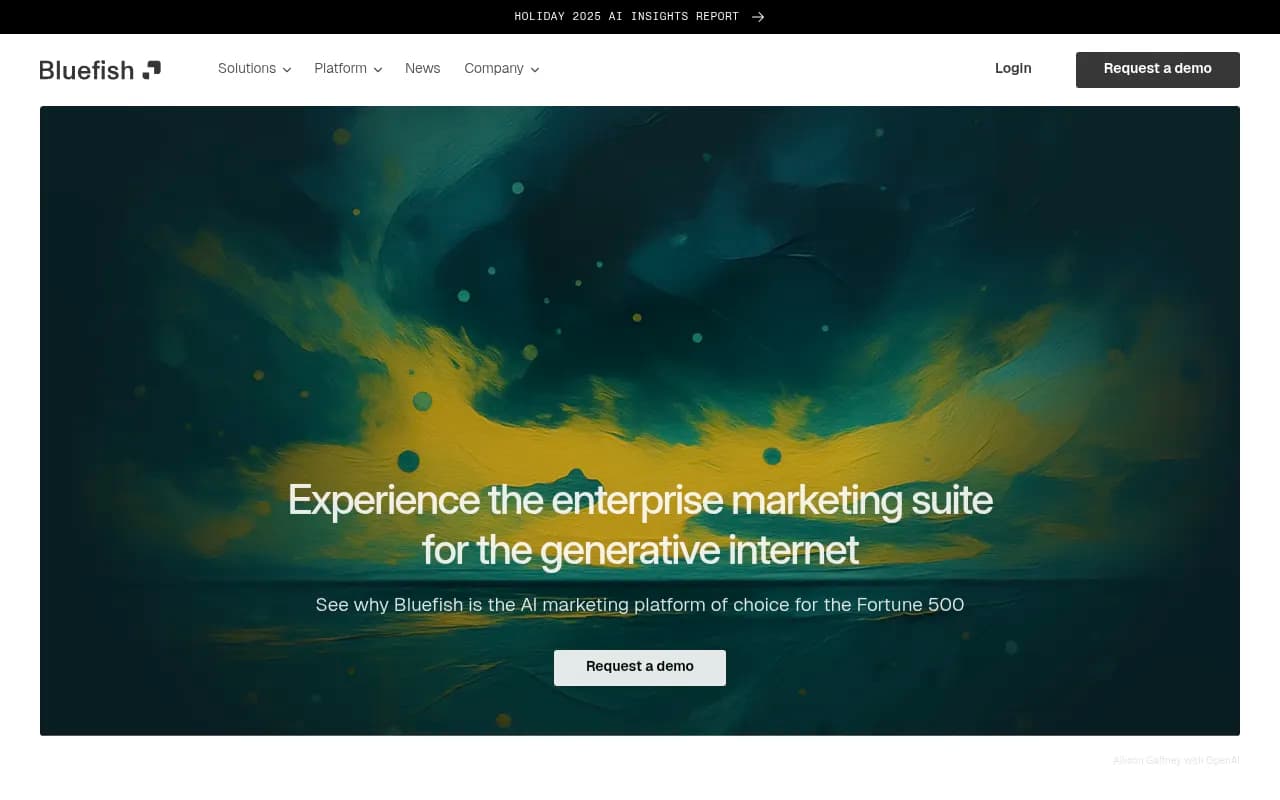
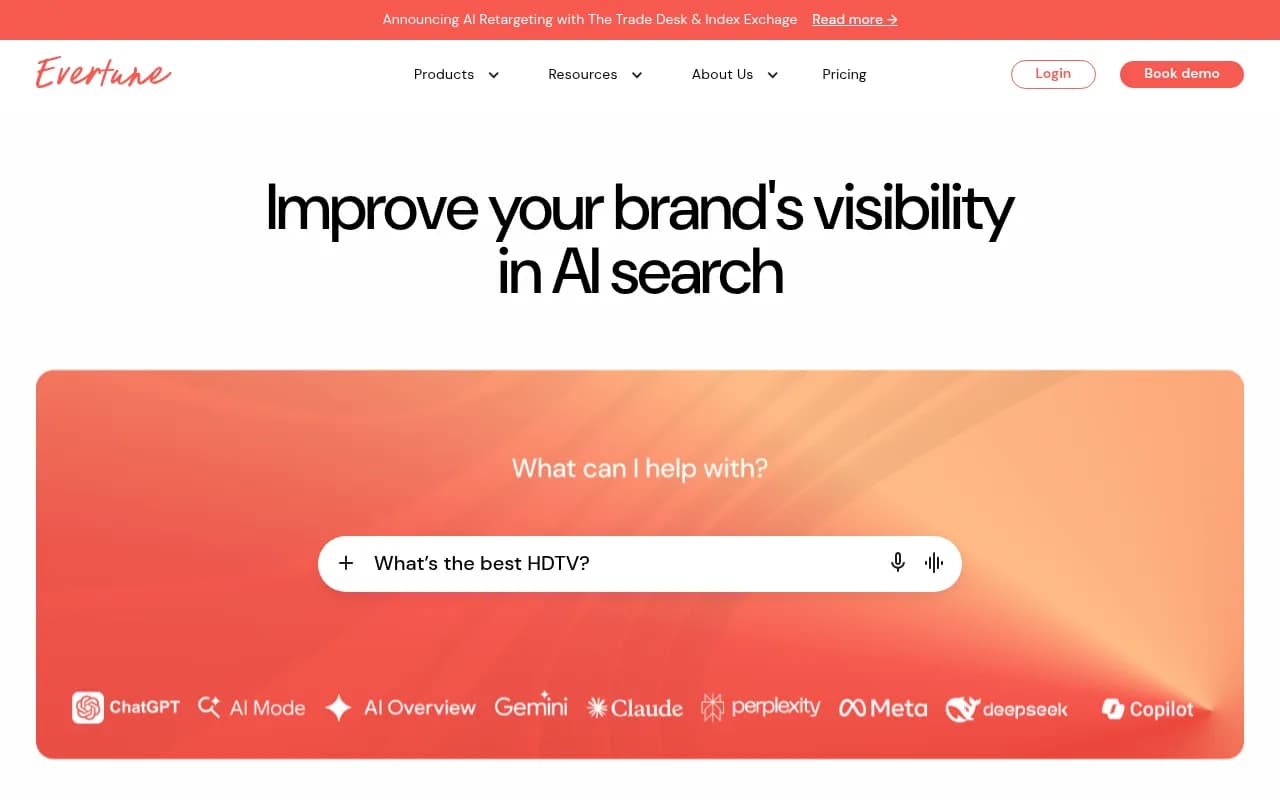
- Bluefish and Evertune target Fortune 500 brand visibility. I could not confirm any acquisition activity for either.
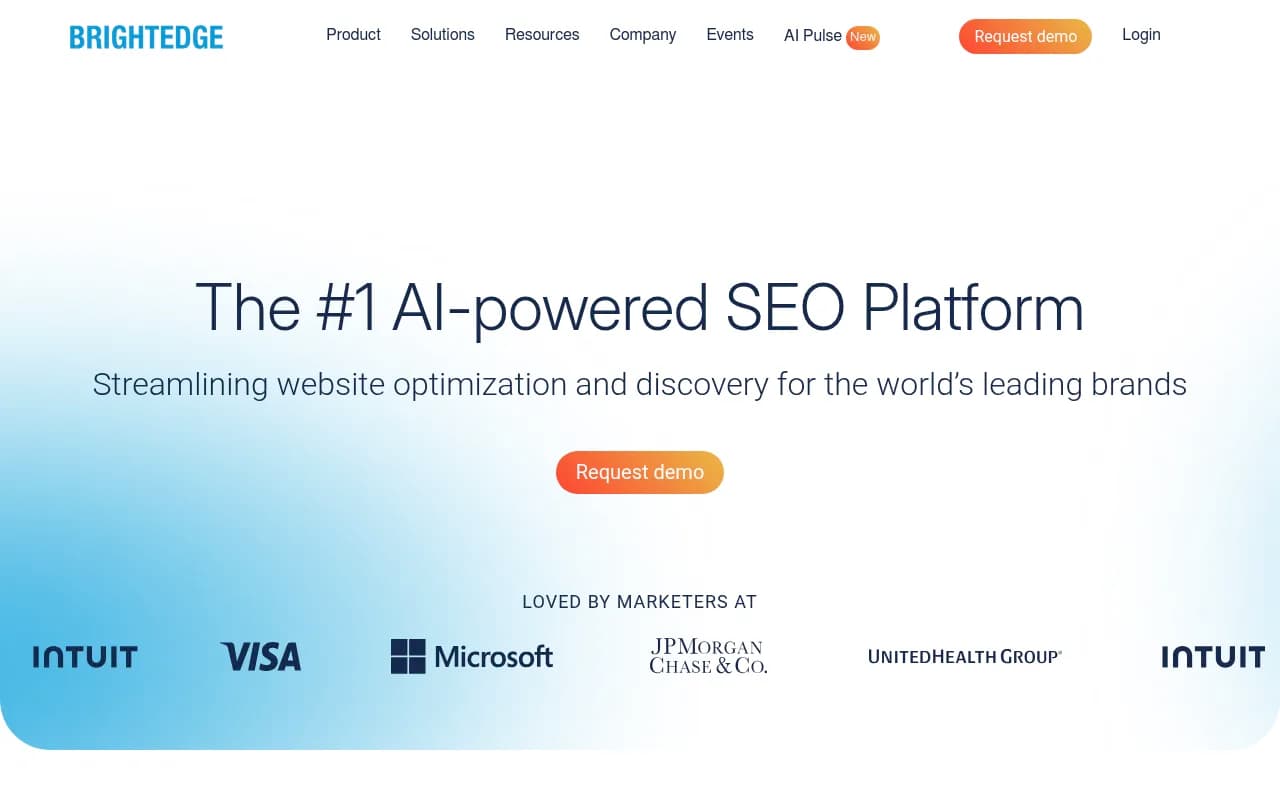
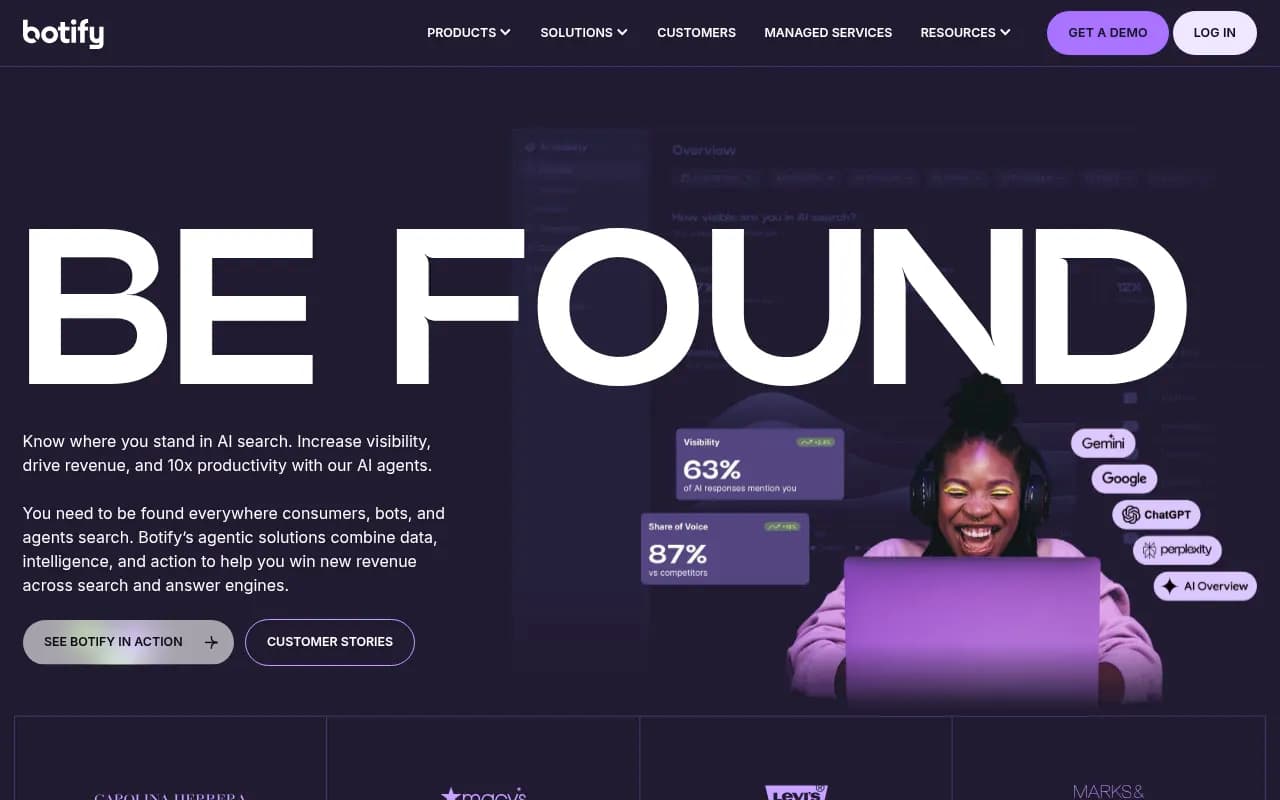
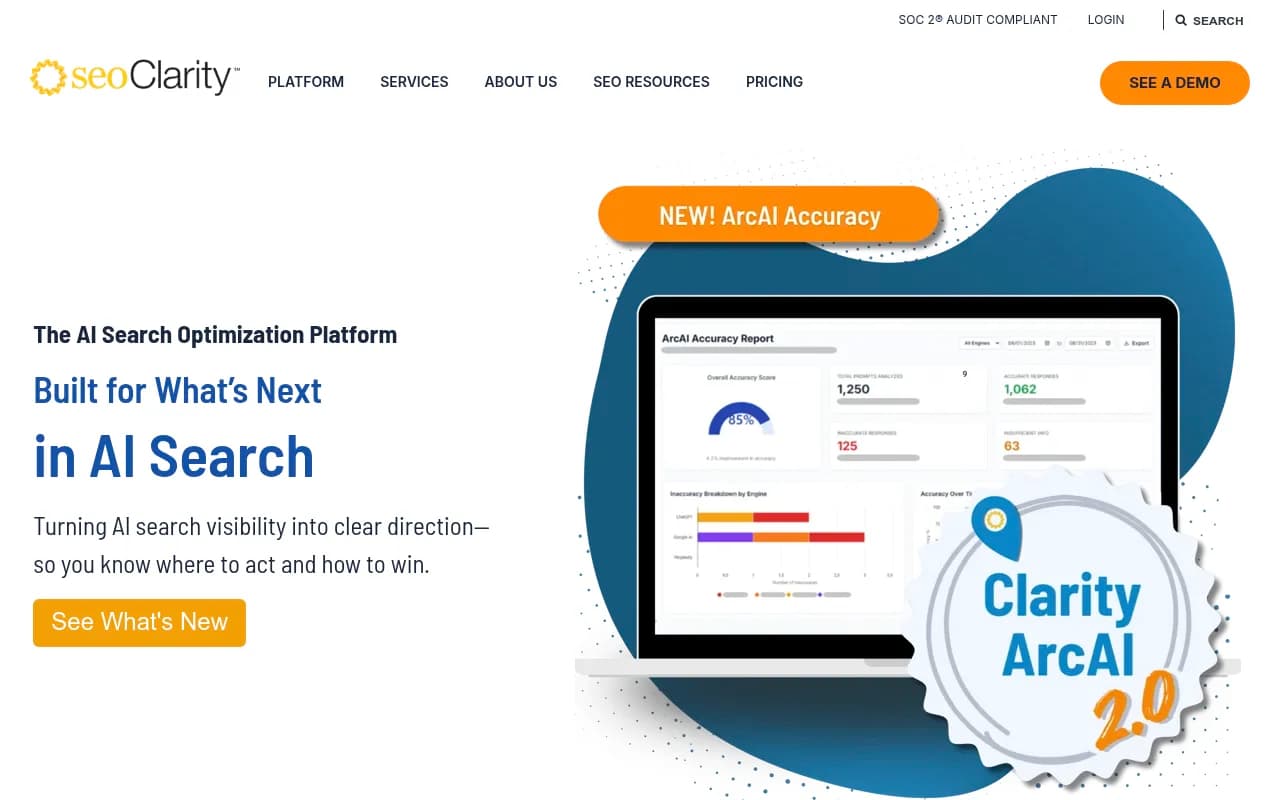
- BrightEdge, Botify and seoClarity are established enterprise SEO platforms that have added AI search tracking.
- Brandlight and Searchable are narrower players.
For a wider survey, the GEO software directory at bestgeosoftware.com lists far more than I can cover here.
What buyers should expect over the next year
This is opinion built on the pattern above, not a forecast with data behind it.
- More acquisitions of mid-sized trackers by platforms that already own the customer relationship: CMS vendors, marketing clouds, analytics suites. Sitecore and Scrunch is the template.
- Standalone watch-only tools get squeezed. Suite bundles are good enough for many teams and cost nothing extra.
- Enterprise pricing goes custom. If self-serve tiers disappear at the top, budget for a sales process.
- The differentiators shift from visibility scores to evidence: crawler logs, citation sources, and measured traffic or conversions.
On that last point, Promptwatch's data is useful context for why scores alone are shaky. Its report on Reddit citations in ChatGPT shows reddit.com's share of ChatGPT citations falling from roughly 4% to 0.5% on August 14, 2026. And its social media citations by AI model report found ChatGPT drew 0.46% of citations from social platforms between Sep 28 and Oct 4, 2026, while Google AI Overviews drew 12.2%. A strategy tuned to one engine can fall apart on another, so multi-engine tracking from real interfaces matters more than a single blended number. The Promptwatch Data hub has the rest.
Buyer checklist
Ask about ownership and roadmap
If your vendor was acquired or might be, ask who owns the roadmap. Surmado says Scrunch is best if content delivery to AI agents is on your roadmap, and Everything PR lists Sitecore users as a best fit. Neither addresses non-Sitecore customers, so ask directly: will the product stay platform-agnostic, and what happens to your contract terms?
Ask how data is collected
API outputs and real user-interface answers can differ. Ask which engines are tracked through the actual interface, in which countries and languages, and how often prompts run.
Ask whether it changes anything
Use the watch, diagnose, act split. If you only need reporting, a cheaper tool or your existing suite may do. If you need pages written, published and re-measured, check that the tool does it natively rather than through a separate purchase.
Ask for evidence beyond a score
Crawler logs tell you whether AI bots can read a page. Traffic attribution tells you whether it pays off. Without both, a visibility score is hard to defend to a CFO. Tools like DarkVisitors cover part of the crawler side, and platforms like Promptwatch bundle it with citations and visitor analytics.
Ask about security and procurement
ISO/IEC 27001, GDPR, SSO, audit logs and role-based access are table stakes for enterprise procurement. Get them in writing.
Get current quotes
Because plans are changing quickly, every figure in this guide should be re-checked before you build a budget.
What I would do
If you already run Sitecore, evaluate Scrunch seriously. If you live in Semrush or Ahrefs, try their modules first, then decide whether you need more than watching. If you need the full loop, shortlist two or three act-tier platforms, run the same prompt set on each for 30 days, and compare on crawler data and traffic, not vendor-authored benchmarks. For teams that want help choosing or running the program, an agency such as 1001 SEO Media works with Promptwatch as its GEO platform.
The free starting points are low-risk: Promptwatch offers a free AI visibility report and a 7-day trial on monthly plans. Use them to see what real-interface data looks like before committing to any enterprise contract.