Key takeaways
- AI models don't rank URLs -- they select sources they trust enough to cite. The signals that earn citations are different from traditional SEO ranking factors.
- Perplexity behaves more like a search engine than a chatbot: it crawls the web in real time and sends traffic to cited sources. ChatGPT and Claude rely more heavily on training data and cached knowledge.
- The core signals that matter across all three: entity clarity, content structure, topical authority, external mentions, and freshness (for real-time models).
- Schema markup, FAQ formatting, and clear factual statements help AI models extract and cite your content accurately.
- Tracking your AI visibility -- which prompts you appear for, which models cite you, which pages get pulled -- is now a distinct discipline from traditional rank tracking.
Why AI ranking is nothing like Google ranking
Google ranks pages. AI models choose sources.
That distinction matters more than most people realize. When someone searches Google for "best project management software," Google returns a list of URLs ranked by a combination of backlinks, on-page relevance, and hundreds of other signals. The user clicks through.
When someone asks ChatGPT the same question, ChatGPT synthesizes an answer from everything it knows -- training data, recent web browsing (if enabled), and cached knowledge -- and either names specific tools or cites sources inline. There's no ranked list of URLs. There's a response, and either your brand is in it or it isn't.
Perplexity works differently again. It's a real-time answer engine that actively crawls the web when you submit a query, pulls from live sources, and cites them directly. With over 780 million monthly queries (roughly triple what it was a year ago), it's sending meaningful referral traffic to the sites it trusts. Claude sits somewhere in between -- primarily drawing on training data, with web access available in some configurations.
The practical upshot: you can't optimize for "AI search" as a single monolithic thing. You need to understand how each model sources its answers, then work backward to what that means for your content.
How each model actually sources its answers
ChatGPT
ChatGPT's base behavior is to draw on its training data -- a massive snapshot of the web up to its knowledge cutoff. When web browsing is enabled (as it is by default in ChatGPT Plus and the API with tools), it can pull fresh information from the web. But even then, it tends to favor sources that were already well-represented in its training data: established publications, frequently cited domains, Wikipedia, Reddit, and sites with strong topical authority.
What this means practically: if your brand or content wasn't well-represented in training data, you're starting from scratch. Building presence on third-party sites -- getting mentioned in industry roundups, appearing in Reddit threads, being cited in other articles -- matters a lot here. ChatGPT has seen those sources. It trusts them.
Perplexity
Perplexity is the most "search-like" of the major AI models. It runs a live web search for every query, evaluates the top results, and synthesizes an answer from what it finds. It cites sources explicitly and, crucially, those citations drive real traffic.
Because Perplexity is doing live retrieval, traditional SEO signals matter more here than with other AI models. If your page ranks well in Google for a relevant query, there's a reasonable chance Perplexity will find and cite it. But Perplexity also has its own crawler (PerplexityBot) and its own indexing preferences. It favors structured, scannable content -- comparison tables, numbered lists, clear headers -- because that format is easy to extract and synthesize.
One thing worth checking: your robots.txt file. Some sites accidentally block AI crawlers, which means Perplexity simply can't read your content regardless of how good it is.
Claude
Claude relies primarily on its training data and, in some configurations, tool use that allows web retrieval. It tends to be more cautious about citing specific sources and more likely to synthesize a general answer. That said, it still shows clear preferences: it favors content that's well-structured, factually precise, and written with clear expertise. Vague, fluffy content gets ignored. Specific, well-sourced claims get picked up.
The signals that actually drive AI citations
Entity clarity
AI models work with entities -- named things with defined attributes. Your business is an entity. So is your product, your founder, your category. If an AI model can't clearly understand what your entity is, what it does, who it serves, and how it relates to other entities, it won't confidently recommend you.
This is why schema markup matters so much. LocalBusiness, Organization, Person, Product, and Service schema give AI crawlers a structured, machine-readable description of your entity. An About page that clearly states what you do, who you are, and what makes you different helps too. So does consistent information across Google Business Profile, LinkedIn, Crunchbase, industry directories, and your own site. Inconsistencies confuse entity resolution.
Topical authority
AI models don't just look at individual pages -- they assess whether a domain is a credible source on a given topic. A site that has published 50 well-structured articles about B2B SaaS pricing is going to be treated as more authoritative on that topic than a site that has one article about it buried among unrelated content.
This is the "depth over breadth" principle that keeps coming up in 2026 SEO discussions. Matt Diggity put it well in a LinkedIn post: "AI doesn't reward 'more content.' It rewards better signals -- hierarchy, stats, citations, and depth." Publishing thin content at scale doesn't build topical authority. Publishing comprehensive, well-researched content on a focused set of topics does.
Content structure
AI models extract information from your content. The easier you make that extraction, the more likely they are to use it.
Practically, this means:
- Use clear H2 and H3 headings that describe what each section covers
- Put the direct answer near the top of each section, not buried in paragraph four
- Use numbered lists and comparison tables for anything comparative
- Add FAQ sections -- they map directly to how people prompt AI models
- Keep sentences short and factual where possible
The Surfer Academy video on Perplexity optimization makes a useful point here: structured formats aren't just good for humans, they're what AI models are optimized to parse. A wall of prose is harder to cite accurately than a clean table or a bulleted list.
External mentions and citations
This is the AI equivalent of backlinks, and it's arguably more important. When other credible sources mention your brand, cite your research, or link to your content, AI models pick that up as a trust signal. ChatGPT has seen those mentions in its training data. Perplexity's retrieval system weights sources that are referenced elsewhere.
The channels that matter here are broader than traditional link building. Reddit threads where your brand is mentioned positively. YouTube videos that reference your product. Industry publications that cite your data. Podcast transcripts. Wikipedia mentions. The more your entity appears in credible third-party contexts, the more AI models treat you as a known, trusted source.
Freshness (for real-time models)
For Perplexity and any AI model with web browsing enabled, content freshness matters. A page last updated in 2022 is going to lose out to a page that was updated last month, all else being equal. This doesn't mean you need to churn out content constantly -- it means keeping your key pages current, updating statistics, and adding new information as your topic evolves.
Trust signals
Reviews, credentials, awards, and verifiable claims all feed into how AI models assess trustworthiness. Google reviews are particularly important because Google Business Profile is one of the data sources AI tools actively use. Detailed testimonials with specific outcomes ("reduced our onboarding time by 40%") carry more weight than generic five-star ratings. Credentials and certifications that appear consistently across your site and third-party profiles help too.
Where most brands are getting this wrong
The most common mistake is treating AI optimization as a content volume problem. More articles, more keywords, more pages. That's not what's missing.
What's actually missing, for most brands, is answer coverage. There are specific questions that people are asking AI models in your category -- questions about your competitors, your use cases, your pricing model, your alternatives -- and your content doesn't address them. So when those prompts come in, AI models cite someone else.
The second common mistake is ignoring third-party presence. You can have a technically perfect website with great schema and clean structure, and still be invisible in AI search if no one else is talking about you. AI models have seen the whole web. They know which brands get mentioned and which don't.
The third mistake is not measuring any of this. Traditional rank tracking tools show you where you rank in Google. They don't show you whether ChatGPT mentions you when someone asks for a recommendation in your category, or which of your pages Perplexity is citing, or how your AI visibility compares to competitors. That's a different measurement problem.
A practical framework for improving AI visibility
Step 1: Audit your entity footprint
Check whether your business information is consistent across Google Business Profile, Bing Places, Apple Maps, LinkedIn, Crunchbase, and any relevant industry directories. Inconsistencies in your name, address, phone number, or service descriptions create entity resolution problems for AI models.
Add or update schema markup on your site. At minimum: Organization or LocalBusiness, Service or Product, and FAQ on relevant pages. Person schema for key team members helps too.
Step 2: Map the prompts in your category
What questions are people asking AI models about your category? What comparison queries exist ("X vs Y")? What use-case queries ("best tool for [specific job]")? What "how to" queries relate to problems your product solves?
This is the prompt landscape you need to be visible in. Most brands have never mapped it systematically.
Step 3: Audit your content against those prompts
For each prompt, ask: does my site have a page that directly and comprehensively answers this? Is that page structured clearly enough for an AI model to extract the answer? Is it up to date?
The gaps you find here are your content priorities -- not keyword gaps in the traditional SEO sense, but answer gaps. Specific questions that AI models want to answer but can't find good sources for on your site.
Step 4: Build third-party presence
Identify the publications, forums, and communities that AI models cite in your category. Get mentioned there. Contribute original data or research that others will cite. Engage in Reddit communities where your topic comes up. Create content that earns links and references from credible sources.
Step 5: Track your AI visibility
This is where most brands are flying blind. You need to know which prompts you appear for, which models cite you, which pages are being pulled, and how your visibility compares to competitors. That's not something you can get from Google Search Console.
Tools like Promptwatch are built specifically for this -- tracking citations across ChatGPT, Perplexity, Claude, Gemini, and other AI models, and showing you where the gaps are. The difference between monitoring-only tools and a full optimization platform matters here: knowing you're invisible is only useful if you know what to do about it.

How the signals compare across models
| Signal | ChatGPT | Perplexity | Claude |
|---|---|---|---|
| Training data presence | Very high | Moderate | Very high |
| Real-time web crawling | Optional (browsing tool) | Always on | Optional |
| Schema markup | Moderate impact | High impact | Moderate impact |
| Third-party mentions | High impact | High impact | High impact |
| Content freshness | Low (without browsing) | High | Low (without tools) |
| Structured formatting | High impact | Very high impact | High impact |
| Domain authority | Moderate | High | Moderate |
| FAQ content | High impact | High impact | High impact |
| Reddit/forum presence | High (in training data) | High (live retrieval) | High (in training data) |
Tools worth knowing about
If you're serious about tracking and improving AI visibility, a few categories of tools are relevant.
For monitoring your brand across AI models -- seeing which prompts you appear for, which competitors are outranking you, and how citations change over time -- platforms like Promptwatch, AthenaHQ, and Profound cover the core tracking use case.


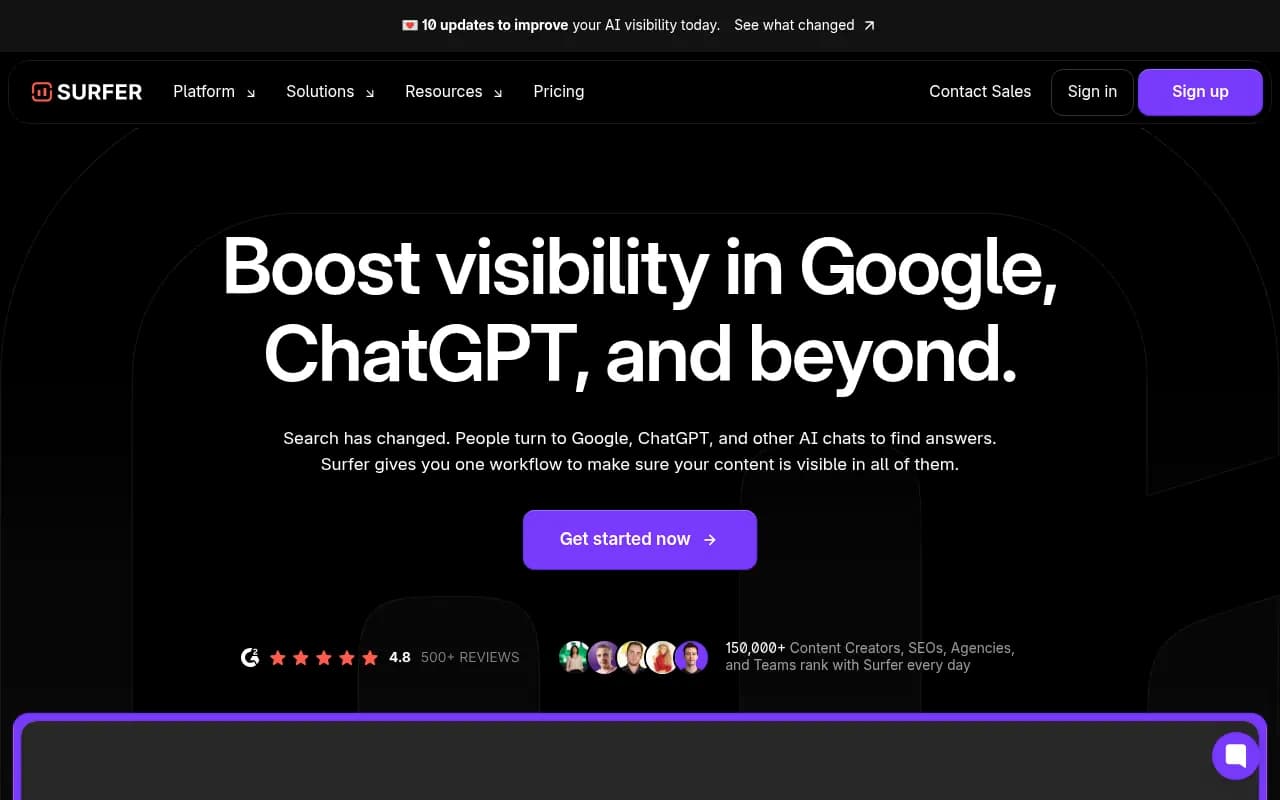
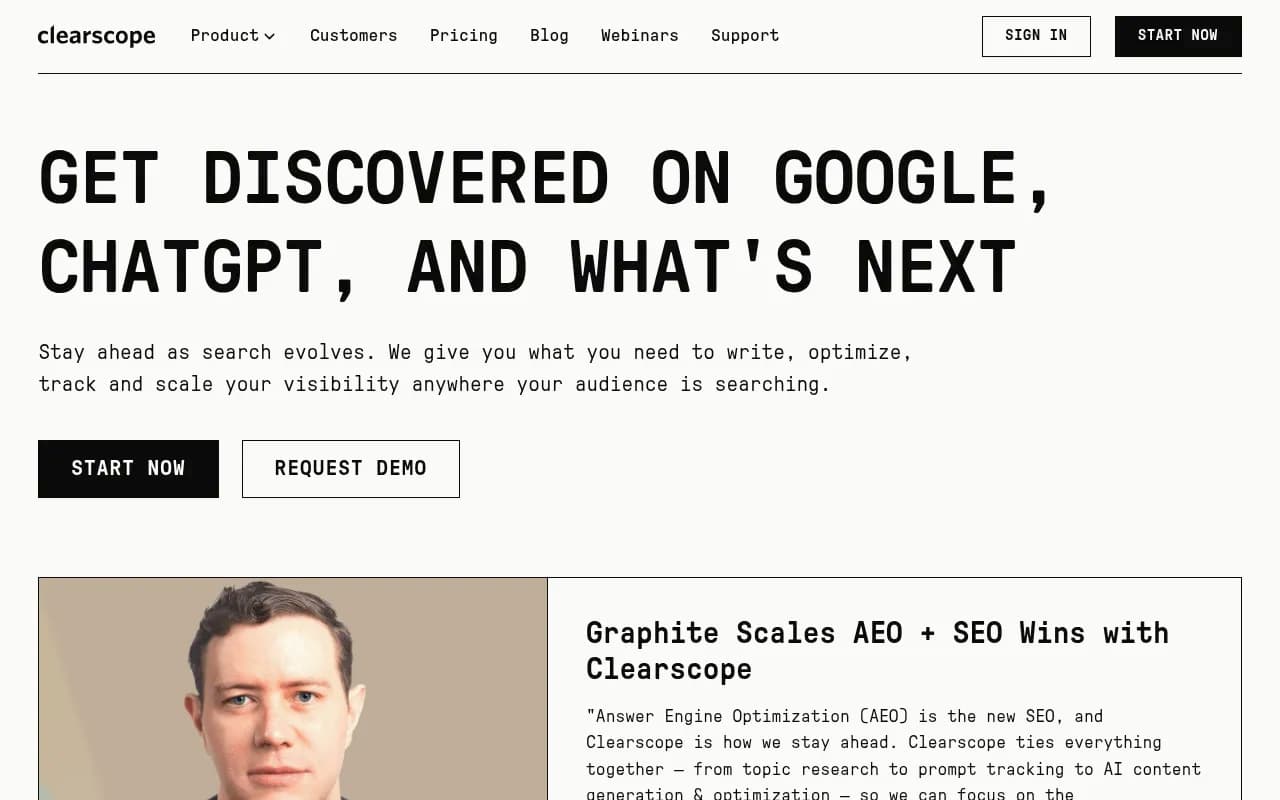
For content optimization specifically -- making sure your pages are structured in ways that AI models can parse and cite -- tools like Surfer SEO and Clearscope help with on-page structure and semantic coverage.
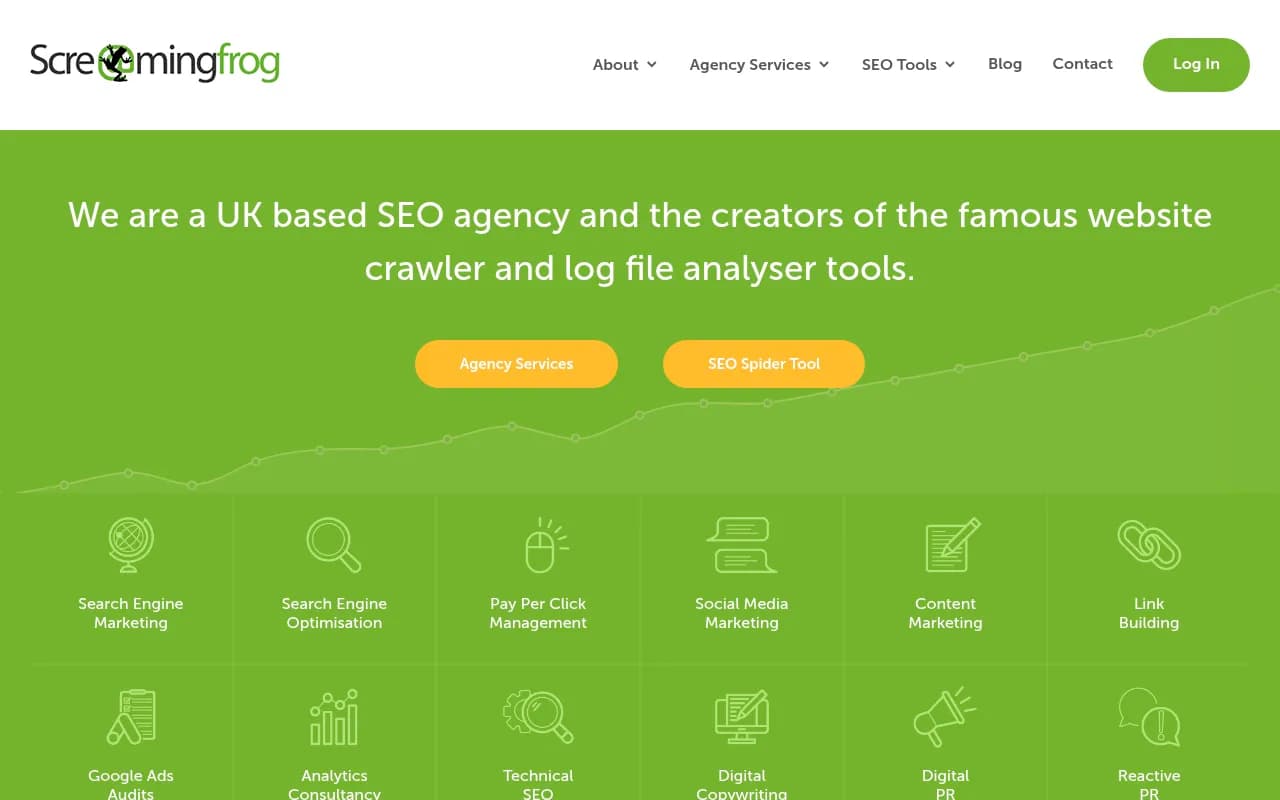
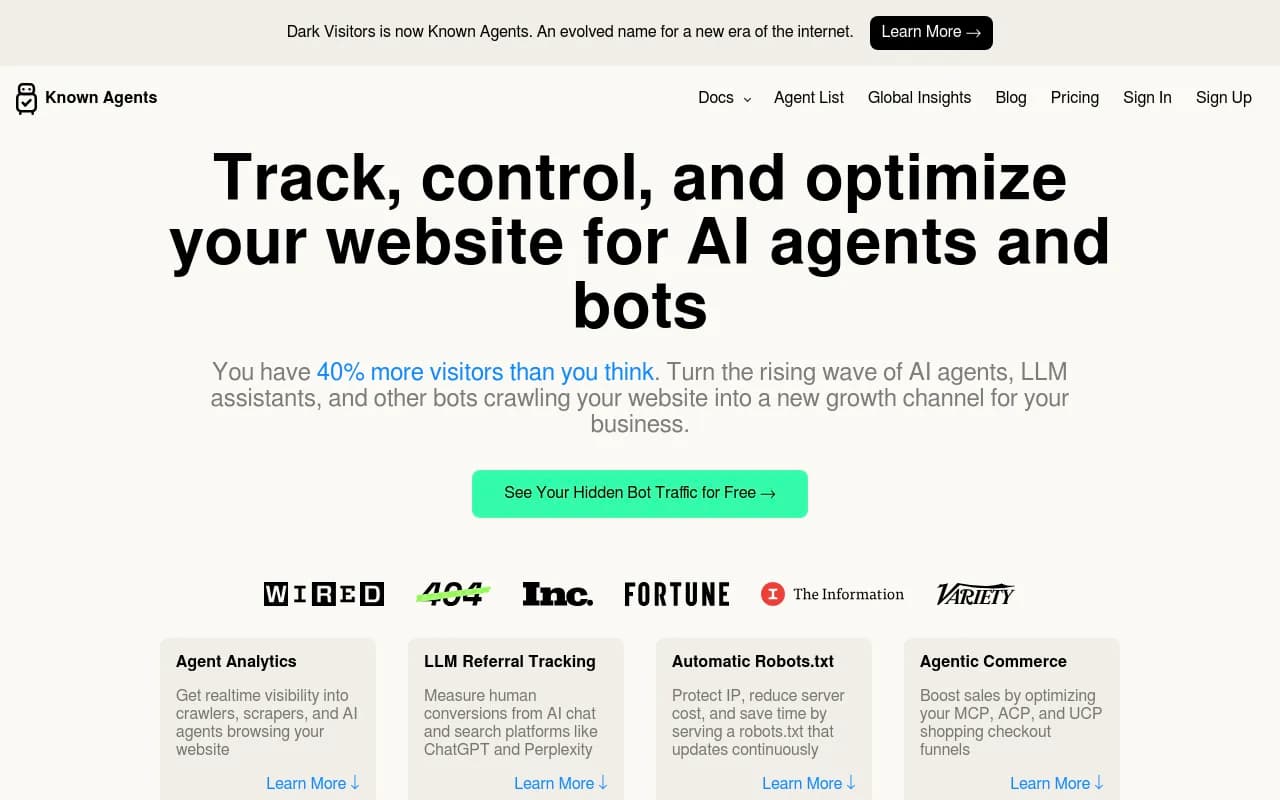
For technical crawl issues -- making sure AI bots can actually access your content -- Screaming Frog remains the standard for auditing crawlability, and DarkVisitors specifically tracks which AI agents are hitting your site and whether they're being blocked.
For tracking AI-driven traffic -- connecting citations to actual visits and revenue -- you need either a code snippet, GSC integration, or server log analysis. Most traditional analytics tools don't surface AI referral traffic clearly, which is why purpose-built platforms have an edge here.
The honest reality of where this is heading
AI search isn't replacing traditional search overnight. Google still handles billions of queries a day, and most of them still result in clicks. But the share of queries that get answered directly by AI -- without a click -- is growing, and the brands that are building AI visibility now are going to have a meaningful head start.
The good news is that the fundamentals aren't alien. Clear content, genuine expertise, consistent entity information, and third-party credibility have always mattered. AI search just makes the penalties for ignoring them more immediate and harder to see.
The harder truth is that you can't optimize what you can't measure. If you don't know which prompts your competitors are appearing for, which of your pages are being cited, and what questions your content isn't answering, you're guessing. The brands that treat AI visibility as a measurable, trackable discipline -- the same way they treat organic search -- are the ones that will show up consistently as AI search continues to grow.