Key takeaways
- Donors, volunteers and people looking for services now ask ChatGPT, Perplexity and Google AI Overviews instead of scrolling search results. If an AI answer names five organizations and you are not one of them, you were skipped without ever knowing.
- Nonprofits and public affairs teams need different things. A nonprofit wants to be named and cited. A public affairs team also needs to know what AI says about an issue, a policy or the organization, and whether it is accurate.
- Budget tools like Otterly.AI are cheap, but they mostly monitor. Profound has moved toward custom enterprise pricing. Platforms that also help you fix gaps cost more but save staff time.
- Start free. A no-login visibility scan or a free nonprofit audit tells you whether you have a problem before you spend anything.
- Check pricing pages directly. Several vendors changed plans in 2026, and many roundups, including older ones, are out of date.
Why this is a different problem for nonprofits
Most AI visibility tools are written about for SaaS companies: track your brand, beat competitors, drive pipeline. A food bank in Chicago or a climate policy coalition does not have a pipeline. It has a mission that depends on being found, usually with one communications person and a modest budget.
Two things make the nonprofit case unusual.
First, the questions people ask AI are often about trust. "Is this charity legitimate?" "Which organizations help with housing in my county?" "What does this advocacy group actually want?" The answer shapes donations and public opinion, and AI can get it wrong with total confidence.
Second, the sources AI leans on in your sector are not the usual marketing sites. Promptwatch Data looked at organic healthcare prompts in ChatGPT between Sep 9 and Oct 8, 2026. NIH was the most cited source at 5.46% of healthcare citations, ahead of the FDA at 1.76% and the NHS at 1.1%. Government and public health sites together held 7.06% of all healthcare citations in that sample, and the 20 charted domains held 15.54% in total. Health is just one sector, but it shows the pattern: institutional and government sources carry weight, and an organization that agrees with and links to them is easier for AI to trust.
What to look for before you pay for anything
A June 2026 comparison from Pixis made a useful point: the marketing pages for these tools read almost the same, and the differences that matter sit elsewhere. Four of them are worth turning into questions for any vendor.
- Engine coverage. Which AI engines are actually included in your plan? Some plans cover only a subset. Otterly.AI, for example, lists 3 of 7 engines on each plan, so check before you buy.
- Sampling. Are answers collected once or repeatedly? AI answers vary run to run, so a single sample is noisy.
- Reporting versus fixing. Does the tool only tell you where you are missing, or does it help you write, publish and measure the fix?
- True cost. Prompts, responses, seats, projects and add-ons all change the bill. Small nonprofits usually need unlimited seats, because the board, the fundraising lead and a volunteer all want to look.
Public affairs teams should add two more: sentiment, and some way to check what AI claims about you against the facts.
Start with free options
Before a budget conversation, find out where you stand. A few free starting points exist.
- Community Boost runs a free nonprofit AI visibility audit, currently in beta. It tests ChatGPT, Claude, Perplexity and Gemini and returns a 0 to 100 score, share of voice against peer organizations, and a prioritized action plan.
- Promptwatch has a free AI visibility report that scans how ChatGPT, Gemini and Perplexity describe your brand, with a crawler access check.
- HubSpot's AEO Grader and FalconRank both offer quick, free one-off checks.
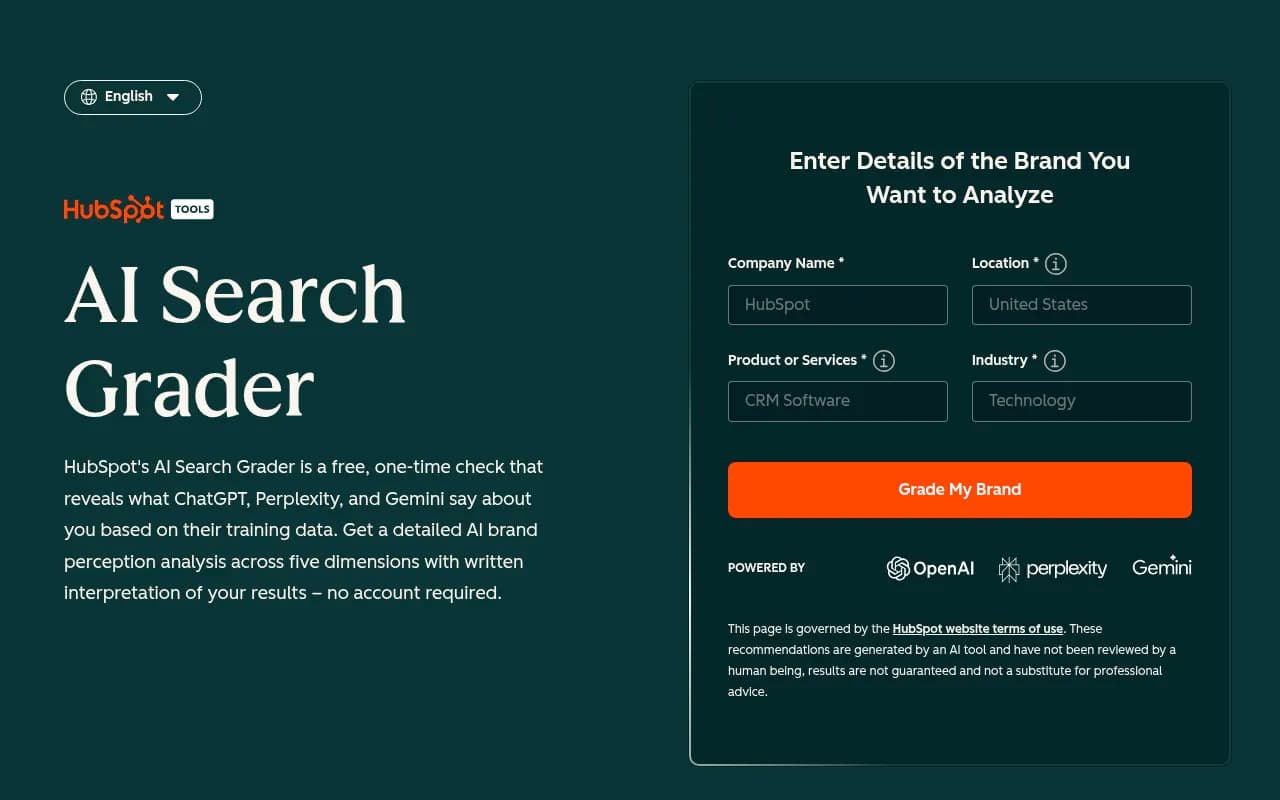
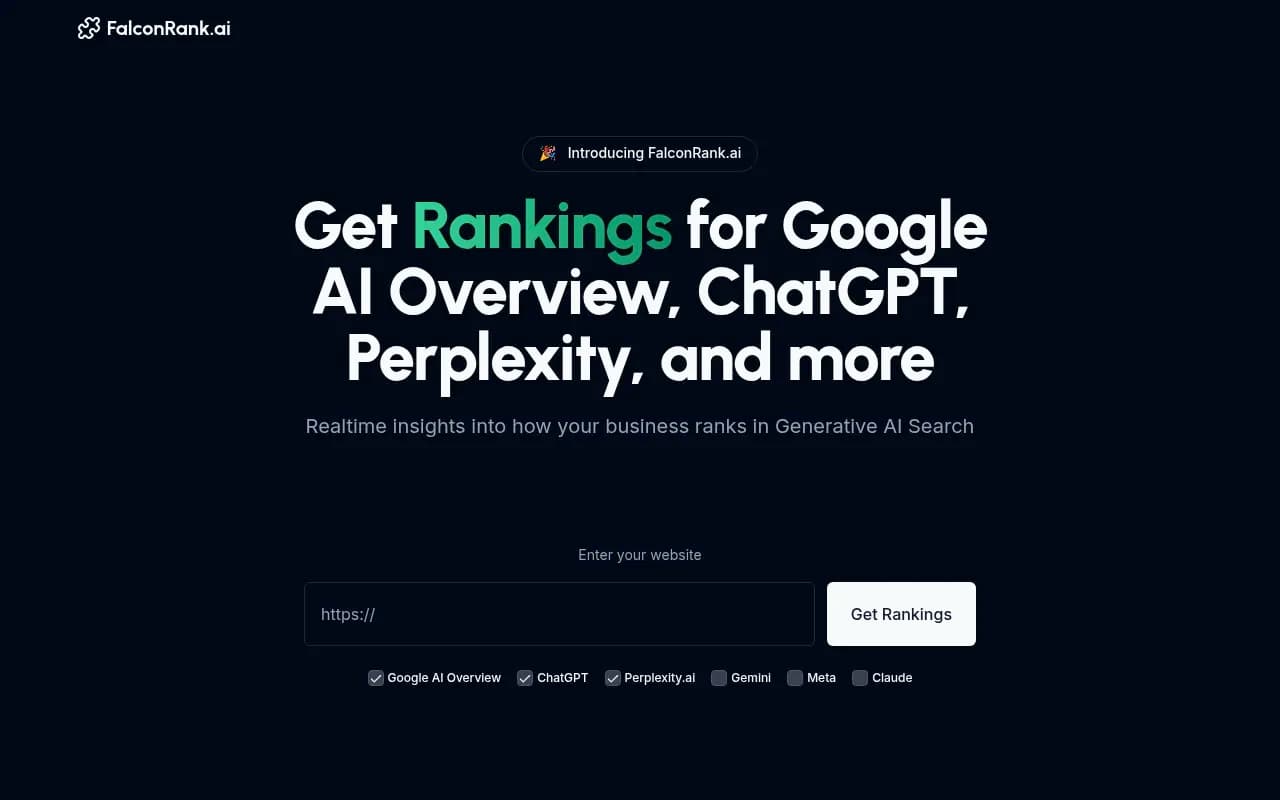
These are snapshots, not monitoring. They are good for a board slide that says "here is the problem" and not much more.
The platforms worth considering
Promptwatch
Promptwatch is the option I would look at first if your team wants to improve visibility rather than just watch it. It tracks ChatGPT, Perplexity, Google AI Overviews and AI Mode, Gemini, Claude, Copilot, Meta AI and others from the real interfaces, then traces which pages and third-party sources AI cites, and helps close the gaps with content gap analysis, an Action Board and, on higher plans, a Content Agent that can publish to WordPress, Webflow or Framer.

For nonprofits the practical points are these:
- Every plan includes unlimited team seats, Agent Chat and Brand Narrative, which pulls out the specific claims AI makes about you ("low overhead", "focuses on youth") and groups them by theme.
- Fact Check, on Business and above, lets you mark a claim accurate or inaccurate and then finds the pages on your site that state it or its opposite. For a public affairs team worried about misinformation, this is the feature that stands out.
- Essential is $95/mo with 1 project, 50 prompts and country-level tracking. Professional is $245/mo, Business is $579/mo, and Enterprise is custom. Annual billing gives 12 months for the price of 10. Confirm current numbers at promptwatch.com/pricing, because an older roundup quotes $99 for Essential.
- I found no published nonprofit discount. Ask them.
The honest caveat: Essential has no AI crawler logs and no AEO articles. If you want the content-writing side, you are looking at Professional or Business, which is a real jump for a small organization. Local nonprofits that care about "near me" queries should know that state and city tracking and exact-coordinate local targeting are on Business and above.
A good first step is the 7-day free trial on monthly billing.
Otterly.AI
Otterly.AI is the cheap, simple entry point. Live pricing is Lite at $29/mo (20 prompts, 3 of 7 engines, daily tracking, 1 workspace), Standard at $189/mo (160 prompts), Premium at $489/mo and custom Enterprise. Annual billing takes 15% off. An older $29 for 15 prompts figure still circulates, so ignore it.

It suits a small organization that wants a weekly look at mentions and citations and has someone to act on the findings. It will not write content or tell you what a page is missing in depth. Watch the engine limit.
Profound

Profound has deep analytics, but 2026 changed the picture. A third-party tracker reports that around mid-September it dropped its self-serve brand plans, leaving a 7-day trial and then custom Enterprise pricing. Treat that as secondhand and check Profound's pricing page. A competitor blog estimates Enterprise near $50k a year, which is also unverified. Even if the real number is lower, it is built for teams with a dedicated analyst. For most nonprofits it is out of reach. A large national association or a public affairs department inside a big institution is the realistic buyer.
Peec AI, Scrunch and AthenaHQ
These three are the monitoring-focused mid-market names that show up in most shortlists.

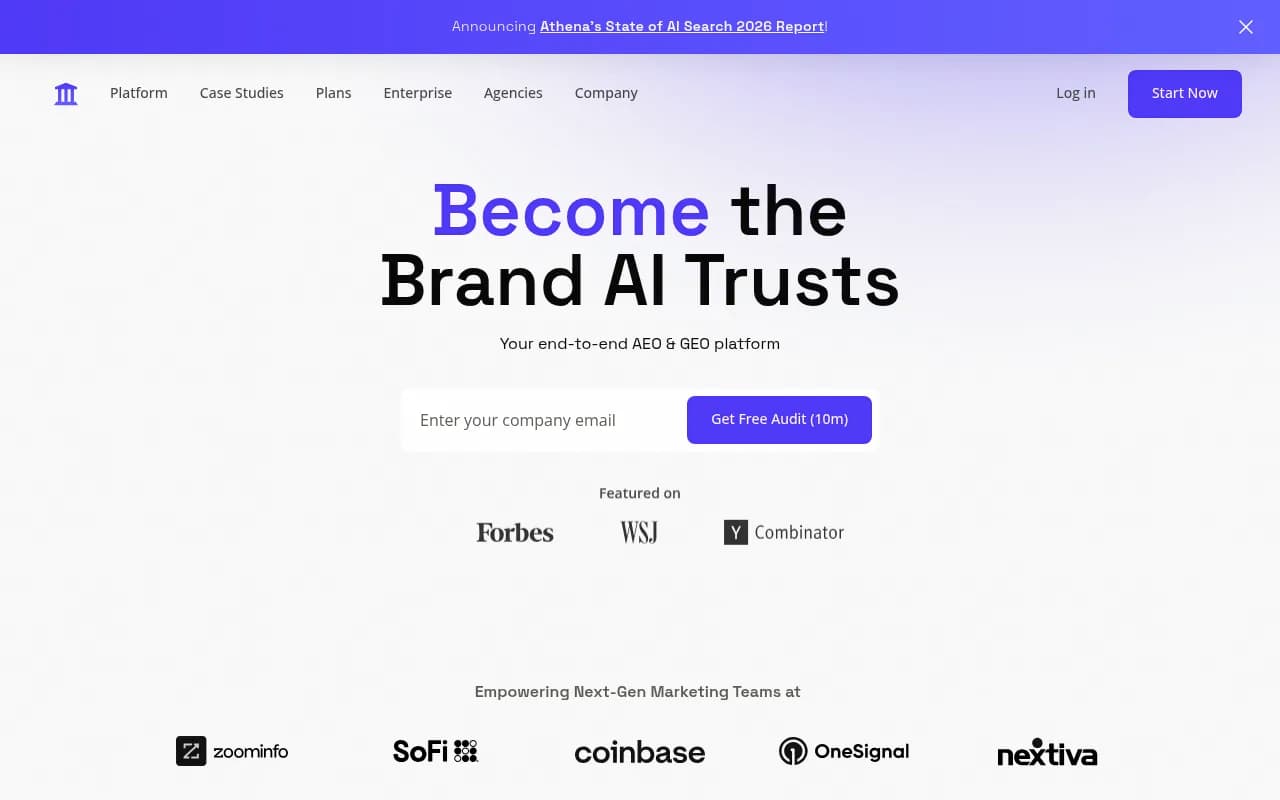
They report visibility and citations well enough. What they generally lack compared with a full platform is content generation, CMS publishing and crawler-level data. Fine if your problem is awareness of the problem; less fine if your problem is staff time.
Budget tools aimed at small teams
The catalog has a cluster of low-cost trackers that suit a team of one. I have not verified their nonprofit terms, so treat this as a shortlist to test, not a recommendation.
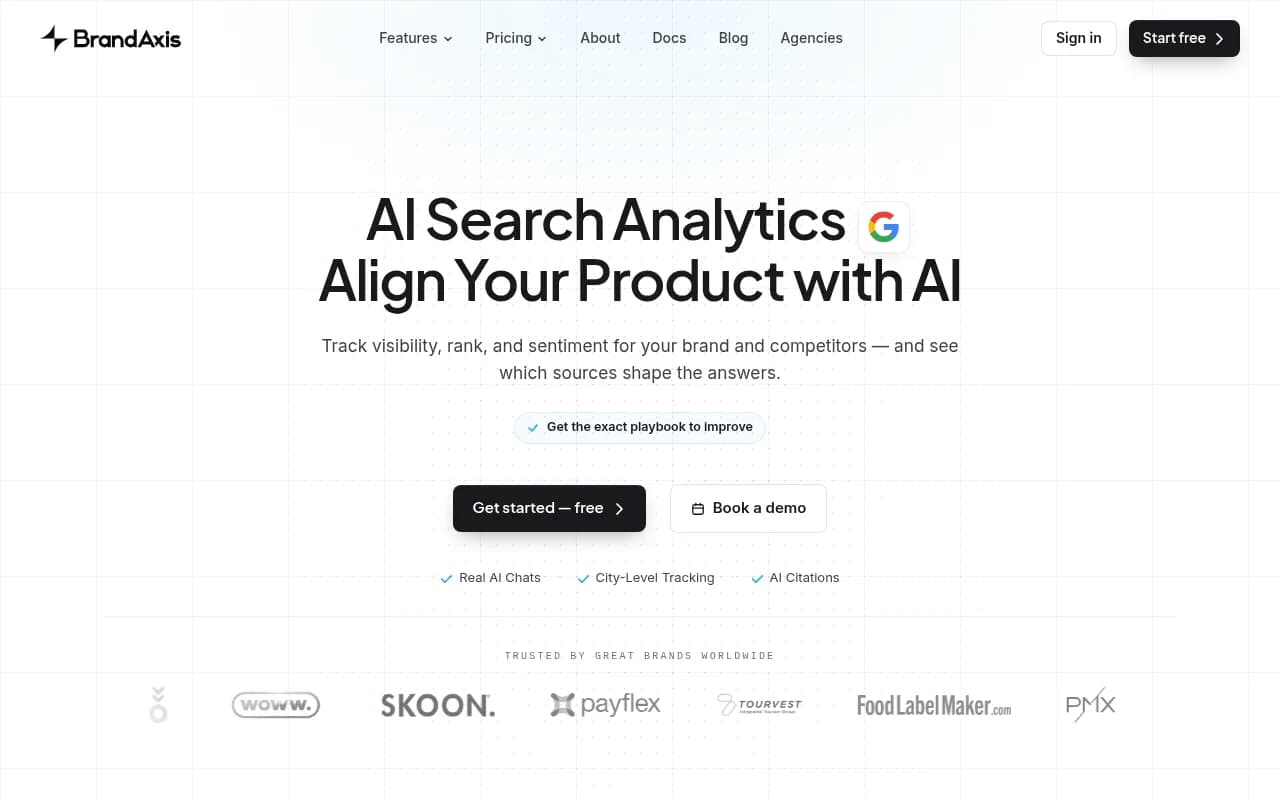
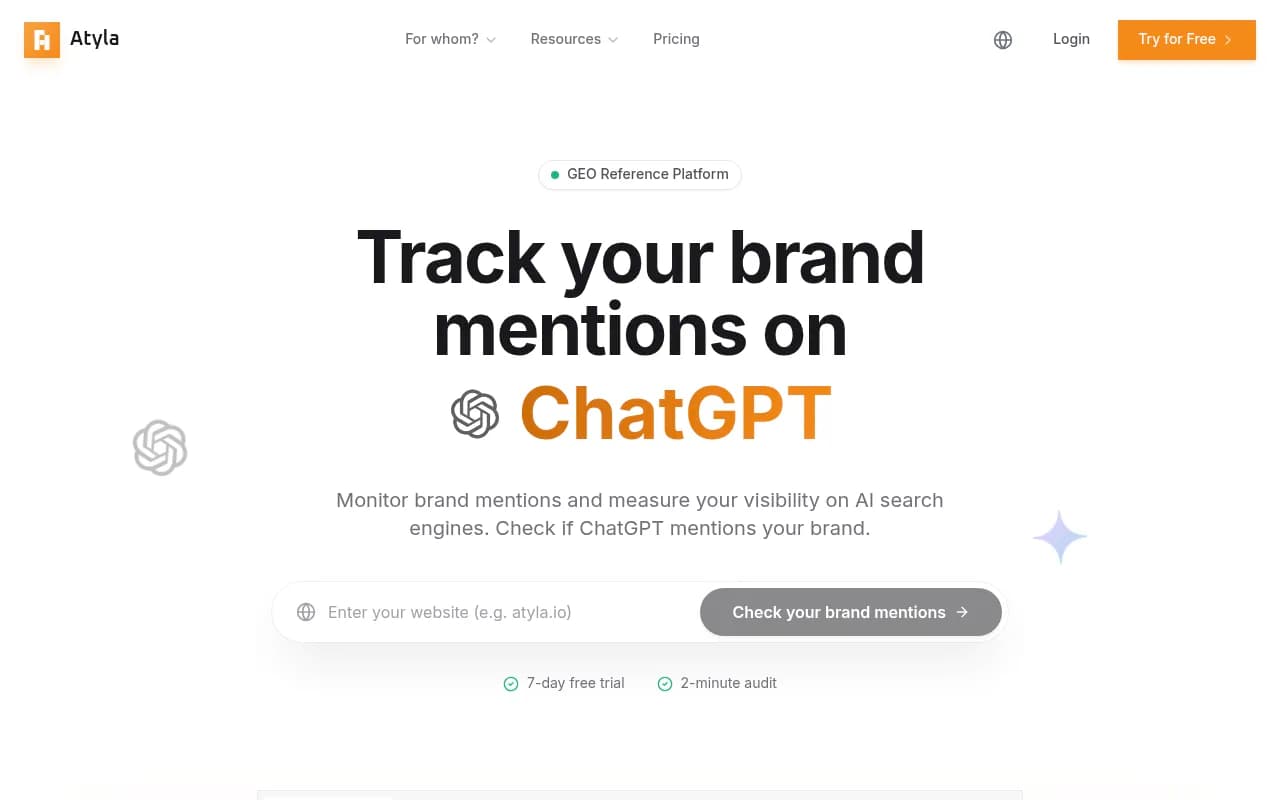
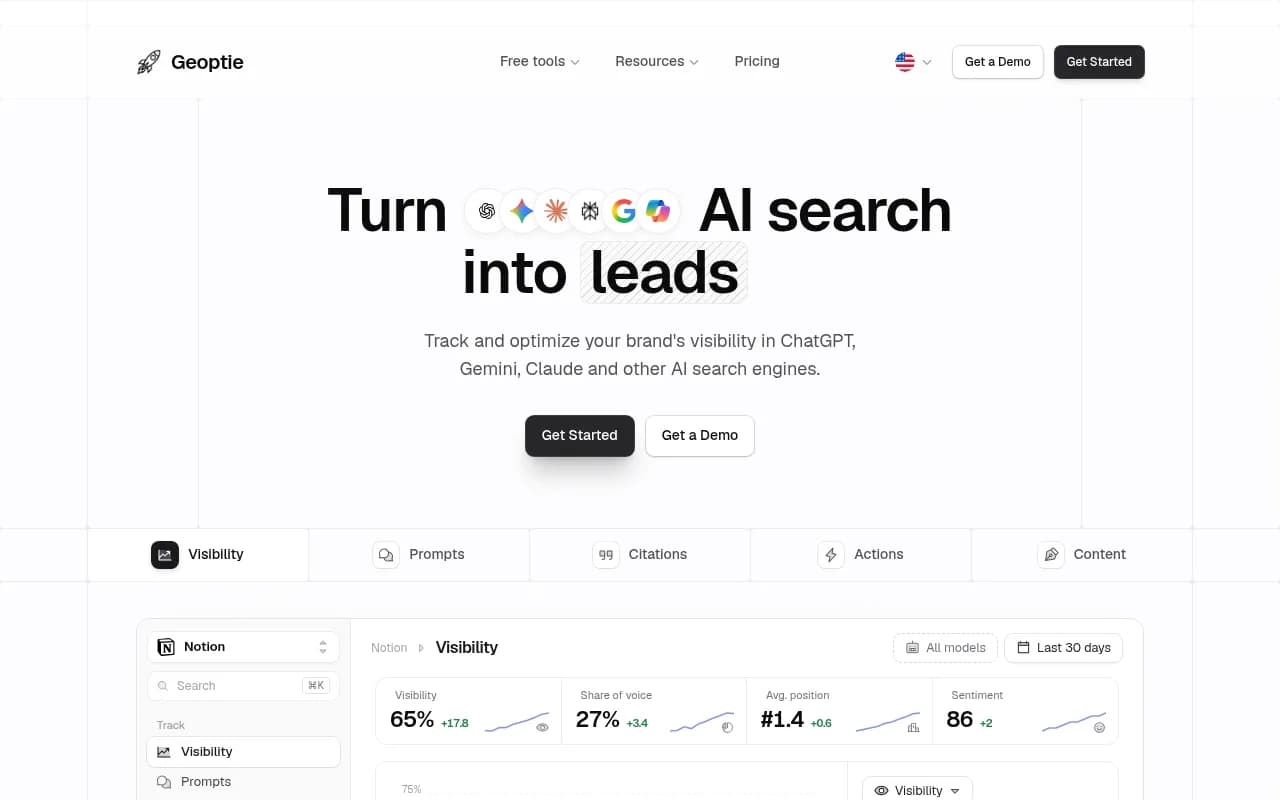
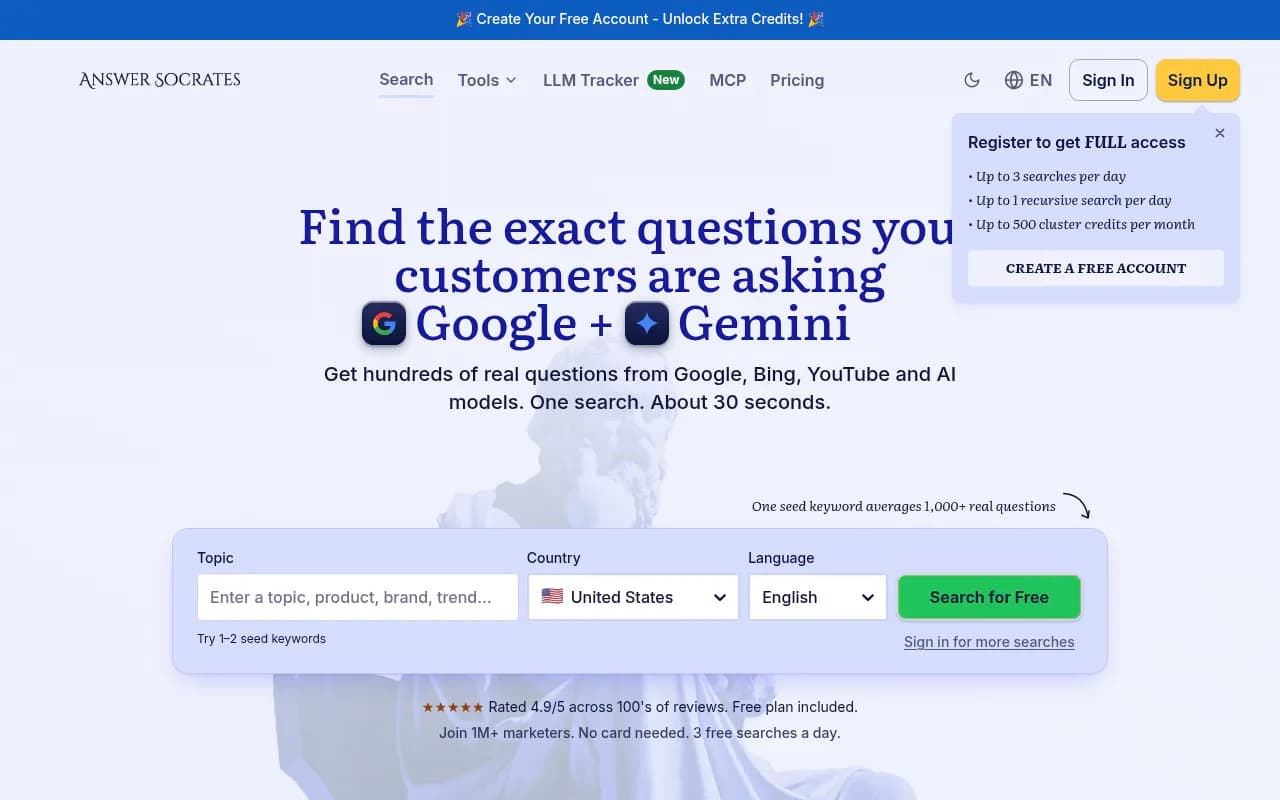
Expect thinner data, fewer engines and less support. For a volunteer-run organization, that can still be the right trade.
SEO suites you may already pay for
If your team already has Semrush or Ahrefs, check what the AI add-on costs before buying a separate tool.
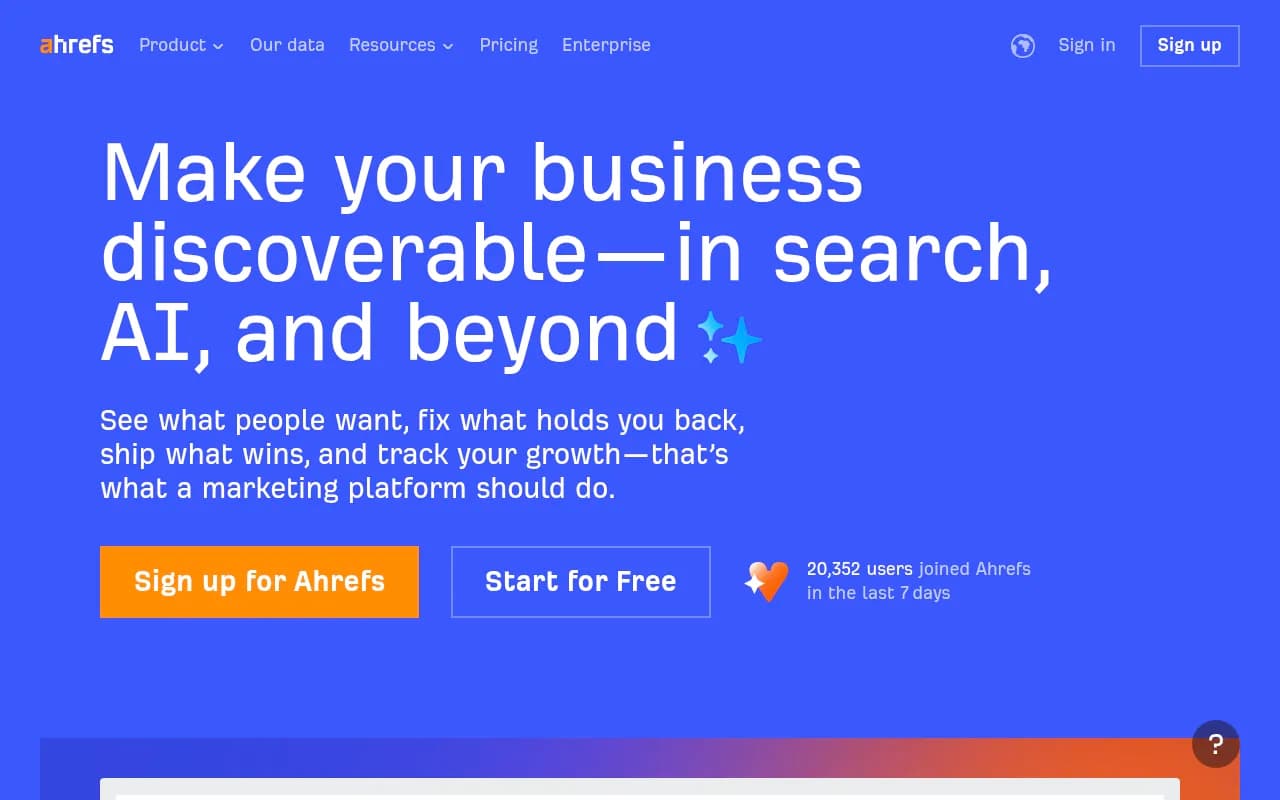
These are convenient but usually track a fixed set of prompts with less depth on citations and no execution layer.
Comparison table
| Tool | Entry price | Fixes gaps or only monitors | Best for |
|---|---|---|---|
| Promptwatch | $95/mo (Essential) | Monitors, writes and publishes (content tools on higher plans) | Teams that want results, and public affairs fact-checking |
| Otterly.AI | $29/mo (Lite) | Mostly monitors | Tiny budgets, getting started |
| Profound | Custom (trial first) | Monitors, enterprise depth | Large associations with analysts |
| Peec AI, Scrunch, AthenaHQ | Varies, check vendor | Mostly monitors | Mid-size teams that need reporting |
| Community Boost audit | Free (beta) | One-off audit | Proving the problem to your board |
| Semrush or Ahrefs add-ons | Add-on to existing plan | Light monitoring | Teams already on the suite |
What public affairs teams need on top
Public affairs is about issues, not just the organization. That changes what you track.
Track issue prompts, not only brand prompts. "Is [policy] effective?" or "Who supports [bill]?" matter as much as "best charities for X." Use personas so you can see what a journalist, a legislator's staffer and a donor each get back.
Watch sentiment and claims. Sentiment scoring plus claim-level analysis tells you whether AI says your organization is credible, partisan, outdated or wrong. Promptwatch's Brand Narrative and Fact Check are built for this, and that is the main reason I would put it ahead of a pure tracker here.
Look at which sources AI relies on. If AI keeps citing a government dataset or an academic paper on your issue, your content should reference and agree with it. Pitching coverage on those sources matters more than another blog post.
A note on adjacent tools: Quorum is public affairs software for legislation tracking and stakeholder management. It is useful, but it is not an AI visibility tool, so do not buy it expecting AI citation data. Media monitoring tools like Meltwater or Mention cover press and social mentions, which is a different job.
What actually moves visibility
Tools only measure. The work is on your site and around the web.
Make program and donate pages complete
Promptwatch's ChatGPT content type data for Sep 28 to Oct 4, 2026 found product pages made up 22.4% of classified citations and landing pages 16.8%. My reading, and the report does not say this about nonprofits, is that your program, services and donate pages play the role of product and landing pages. For branded prompts, reviews rose to 5.6% and FAQ pages to 4.8%. Keep program, impact and FAQ pages factual, specific and current.
Do not rely on social posts for ChatGPT
In Promptwatch's November 2026 social citation report, social platforms earned 13.16% of Google AI Overviews citations but only 0.64% of ChatGPT's. YouTube alone was 6.71% of AI Overviews citations. If your audience finds you through Google, video on YouTube is worth the effort. For ChatGPT, owned pages and third-party editorial matter more. The two periods in that report are different lengths, so compare cautiously.
Plan for news decay
Promptwatch's content half-life study tracked pages ChatGPT cited on July 6, 2026 for 90 days. News pages lost half their citations within about 36 days, while landing pages and docs lasted far longer. Press releases are fine for coverage, but evergreen pages are what keep you cited.
Check that AI crawlers can read you
It sounds basic, but many sites block AI bots by accident. The free Agentic Readiness Check shows which crawlers can reach your site. Promptwatch's crawler logs go further on paid plans.
Build authority off your own site
A NonProfit PRO write-up of a 2026 fundraisers symposium session on donor discovery recommends two first steps: audit how AI describes your organization, then build authority beyond your own website. I agree. Directory profiles, partner pages, press mentions and listings in "best charities" roundups often decide who gets named.
Which tool for which organization
- Volunteer-run or one-person team: run the free audits, then try Otterly.AI Lite or a budget tracker. Revisit quarterly.
- Small staff with a website that needs work: Promptwatch Essential or Professional gives you monitoring plus ways to act. Use the free trial to see if the Action Board produces tasks your team can really finish.
- Advocacy or public affairs team: you want sentiment, claim-level analysis and fact-checking. That points to Promptwatch Business, or Enterprise if you need SSO and audit controls.
- National association with analysts and budget: Profound is worth a demo, along with the enterprise tier of whatever you pick.
- Agency serving several nonprofits: look at agency plans. Promptwatch's agency tiers start at $199/mo with unlimited projects and seats.
If you would rather hand the strategy to specialists, 1001 SEO Media runs AI search and GEO programs for organizations, and uses Promptwatch for its own tracking. That is the agency that publishes this site, so weigh the suggestion accordingly.
For more options by category, the GEO software directory at bestgeosoftware.com lists the wider field.
How to run a sensible 30-day pilot
- Write 20 to 30 prompts your audience would really ask. Include donor questions, service-seeker questions and two or three issue questions.
- Run a free audit first to set a baseline.
- Put the same prompts in one paid tool on a trial and compare against the baseline.
- Note which sources AI cites for your prompts and which of your pages never appear.
- Fix three pages. Not thirty. Then check again in a few weeks.
- Ask the vendor about nonprofit pricing before you sign. I could not find a published discount at any of the three main vendors, but asking costs nothing.
One warning about roundups, including some I used for research: many carry affiliate links and rank the vendor that pays. Verify pricing on the vendor page and read the engine limits in the fine print.
Bottom line
For most nonprofits, the best sequence is free audit, then a low-cost tracker or a Promptwatch trial, then a decision based on whether your team can act on what it finds. For public affairs teams, prioritize sentiment and fact-checking over raw mention counts. Whichever you choose, the lasting gains come from accurate, complete pages and credible third-party mentions, not from the dashboard.