Key takeaways
- ChatGPT Shopping carousels are a real, measurable e-commerce channel in 2026 -- Adobe reported AI-sourced retail traffic grew 1,100% year over year, with AI visitors showing 12% higher engagement.
- Most AI visibility tools are monitoring dashboards only. Very few track ChatGPT Shopping specifically, and fewer still help you do anything about gaps they find.
- Promptwatch is one of the only platforms with dedicated ChatGPT Shopping tracking, plus content gap analysis and an AI writing agent to help you actually improve your visibility.
- For e-commerce brands, the metrics that matter most are citation frequency, sentiment in product comparisons, and whether your brand appears in shopping-intent prompts -- not just general brand mentions.
- Pricing ranges from $29/mo (basic monitoring) to enterprise contracts. Most platforms offer a free trial.
Why ChatGPT Shopping changes everything for e-commerce
Not long ago, "AI search visibility" was mostly a concern for publishers and B2B SaaS companies. E-commerce brands were watching from the sidelines, figuring their Google Shopping campaigns and product feeds were enough.
That's changed fast. ChatGPT now surfaces product recommendations directly in its responses, complete with images, prices, and buy links. When someone asks "what's the best running shoe under $150?" or "which air fryer should I buy?", ChatGPT doesn't just describe options -- it recommends specific products and links to retailers. If your brand isn't in that answer, you're invisible at the moment of purchase intent.
Adobe's data puts numbers to this: AI-sourced retail traffic grew 1,100% year over year in the U.S., and those visitors converted at higher rates than typical organic traffic. This isn't a future trend -- it's happening now, and most e-commerce brands are flying blind.
The problem is that traditional SEO tools weren't built for this. Google Shopping rank trackers tell you where you rank in a product listing ad. They don't tell you whether ChatGPT recommends your brand when someone asks a buying question. Those are completely different things.
What "AI brand visibility" actually means for e-commerce
Before comparing tools, it's worth being clear about what you're actually trying to measure. There are several distinct things that matter:
Brand mentions in AI responses -- Does ChatGPT, Perplexity, or Gemini mention your brand at all when answering questions in your category? This is the baseline.
Citation frequency -- When AI models cite sources, do they cite your website? This affects both visibility and the quality of information AI has about your products.
Shopping carousel appearances -- Does your brand appear in ChatGPT's dedicated product recommendation carousels? This is the most commercially valuable placement and the hardest to track.
Sentiment in comparisons -- When AI compares your brand to competitors, is the framing positive, neutral, or negative? A mention that says "Brand X is cheaper but lower quality" is very different from "Brand X is the best value option."
Prompt coverage -- Are you visible for the specific buying-intent prompts your customers actually use? "Best [product category] for [use case]" queries are where purchase decisions happen.
Most tools cover the first two reasonably well. Fewer handle the third and fourth. Almost none give you a complete picture of the fifth.
The tools worth knowing about
Platforms with ChatGPT Shopping tracking
Only a handful of platforms have built specific functionality for ChatGPT Shopping carousels. This is a newer feature and the tracking infrastructure is genuinely difficult to build -- you need to query ChatGPT at scale, parse shopping-specific response formats, and map appearances to specific product categories.
Promptwatch is the most complete option here. It tracks ChatGPT Shopping appearances alongside general AI visibility across 10 models (ChatGPT, Perplexity, Claude, Gemini, Grok, DeepSeek, Copilot, Meta AI, Mistral, and Google AI Overviews). What separates it from most competitors is the action loop: it doesn't just show you where you're missing -- it shows you which content gaps are causing those misses, then has a built-in AI writing agent to create content engineered to get cited. For e-commerce brands, the combination of Shopping tracking + content gap analysis + traffic attribution (via GSC integration or server logs) is genuinely useful.

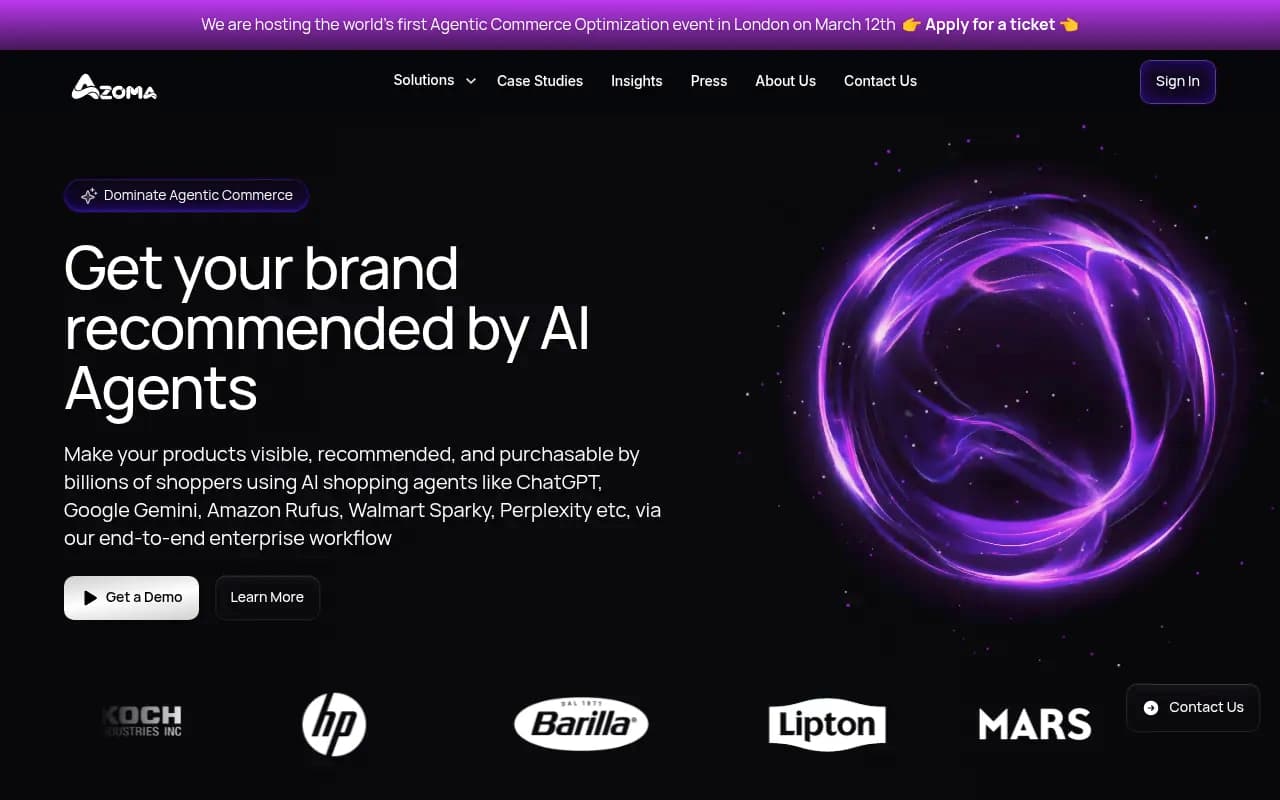
Azoma is worth mentioning specifically for e-commerce. It's built around AI shopping optimization -- covering ChatGPT, Amazon's Rufus, and other AI shopping surfaces. If your primary concern is product-level visibility in AI shopping contexts (rather than broader brand visibility), Azoma is purpose-built for that use case.
Profound has strong enterprise-grade monitoring and covers ChatGPT among its tracked models. It's particularly good at narrative tracking -- understanding how AI describes your brand over time. The trade-off is price: advanced features are locked to higher tiers, and it doesn't have the content generation capabilities that Promptwatch does.

Solid general-purpose AI visibility tools
These platforms do good work on brand monitoring across AI models, even if their ChatGPT Shopping tracking is limited or absent.
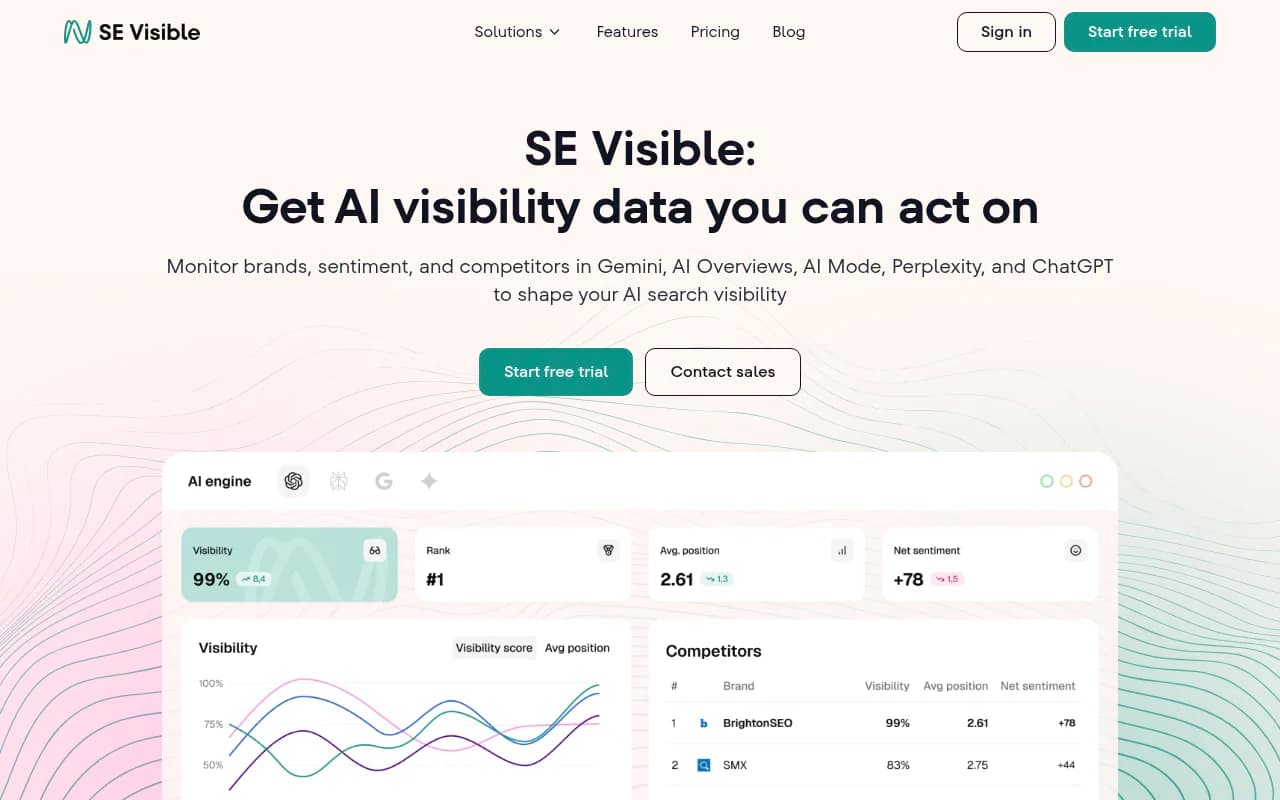
SE Visible (from SE Ranking) is one of the more polished general-purpose options. It tracks visibility scores, sentiment trends, and competitor benchmarks across major AI models. The interface is clean and it's a reasonable choice for marketing teams that want a dashboard without a steep learning curve. CSV-only data export is a real limitation if you need to plug data into other systems.
Otterly.AI is popular with agencies managing multiple brands. At $29/mo it's one of the more affordable options, and the Brand Visibility Index gives a clean single metric to track over time. The main limitation is prompt volume -- lower tiers cap how many prompts you can monitor, which matters if you're tracking a broad product catalog.

Peec AI handles multi-language tracking well, which matters for e-commerce brands selling across multiple markets. If you're running campaigns in German, French, or Spanish and want to know how AI models in those markets describe your products, Peec AI is worth looking at.

AthenaHQ covers 8+ AI search engines and has clean reporting. It's monitoring-focused -- you'll get good data on where you stand, but you'll need to take that data elsewhere to act on it.

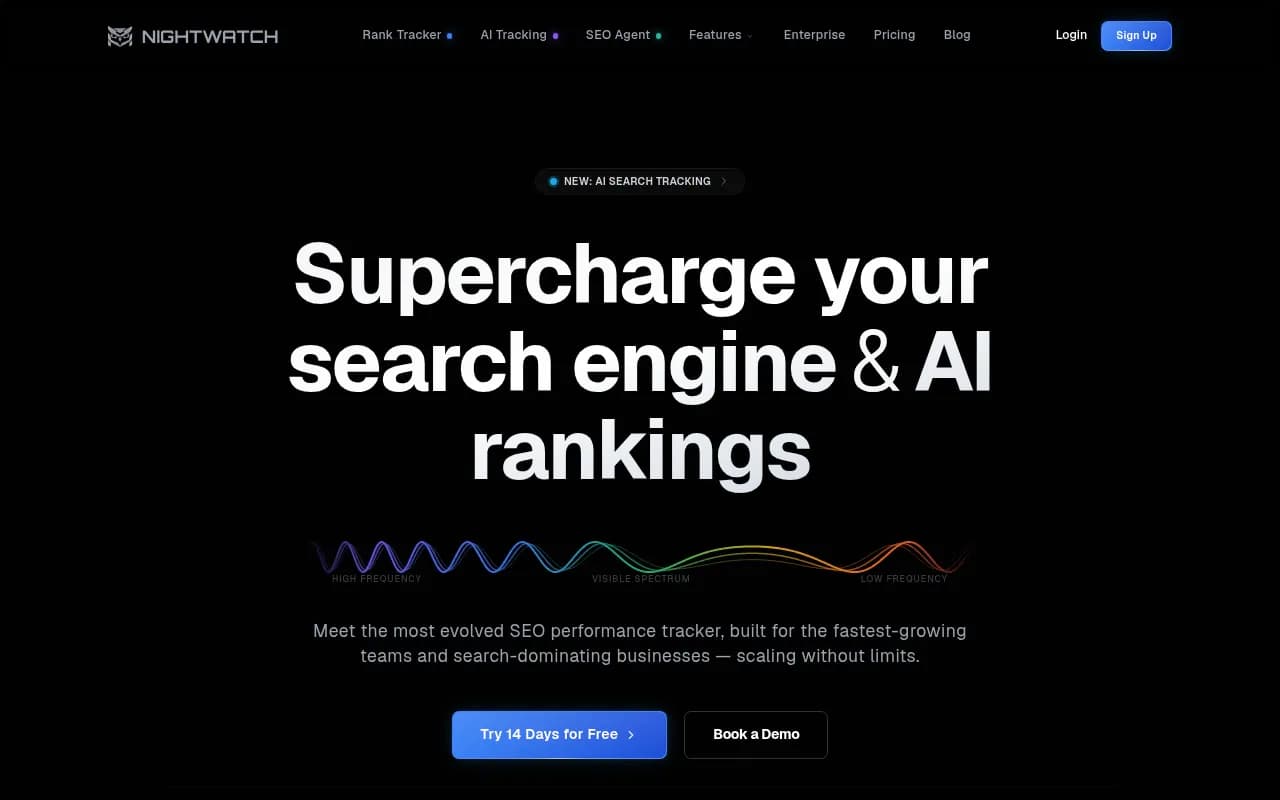
Nightwatch is interesting because it combines traditional SEO rank tracking with AI visibility as an add-on ($99/mo on top of the base plan). If you're already using Nightwatch for Google rankings, the AI add-on gives you a unified view. The downside is that the AI tracking feels bolted on rather than native.
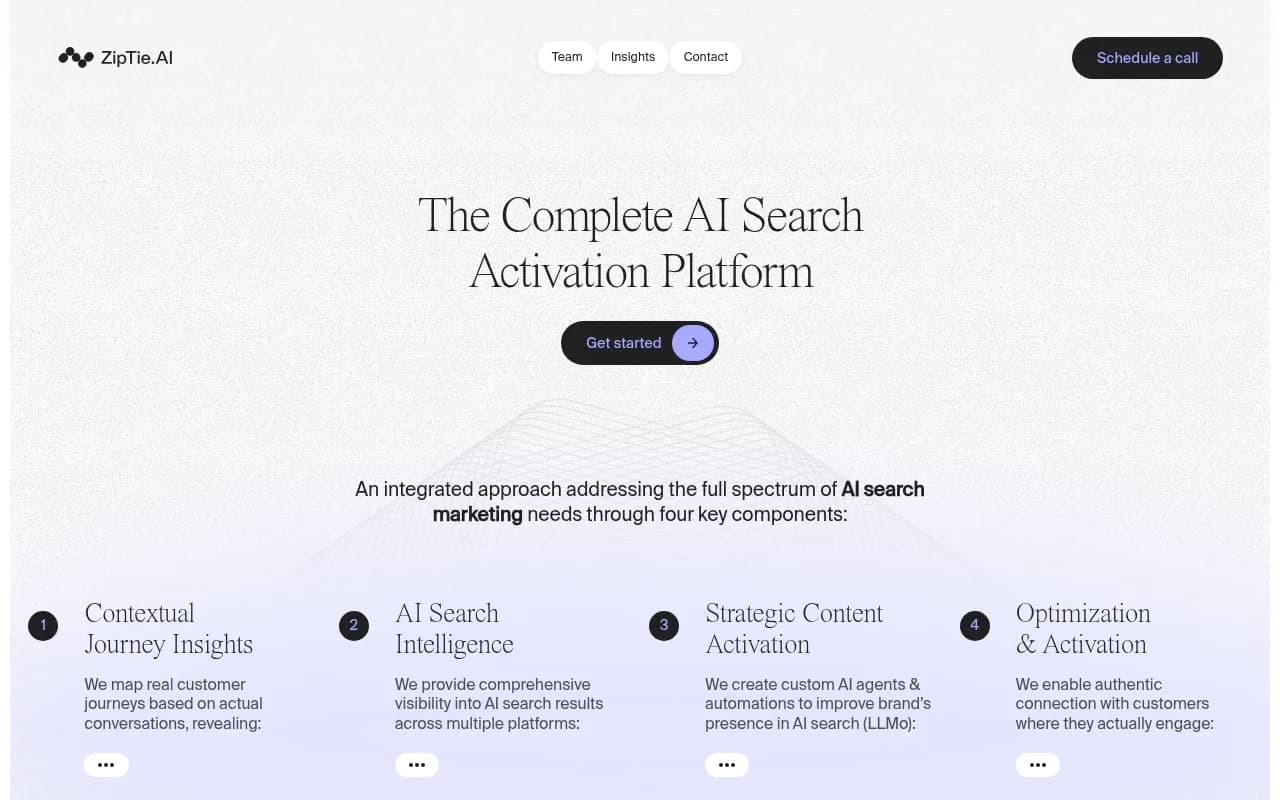
ZipTie takes a diagnostic approach -- it's more analytical than dashboard-y, which some teams prefer. Good for deep dives into why you're not being cited rather than ongoing monitoring.
Tools for specific e-commerce use cases
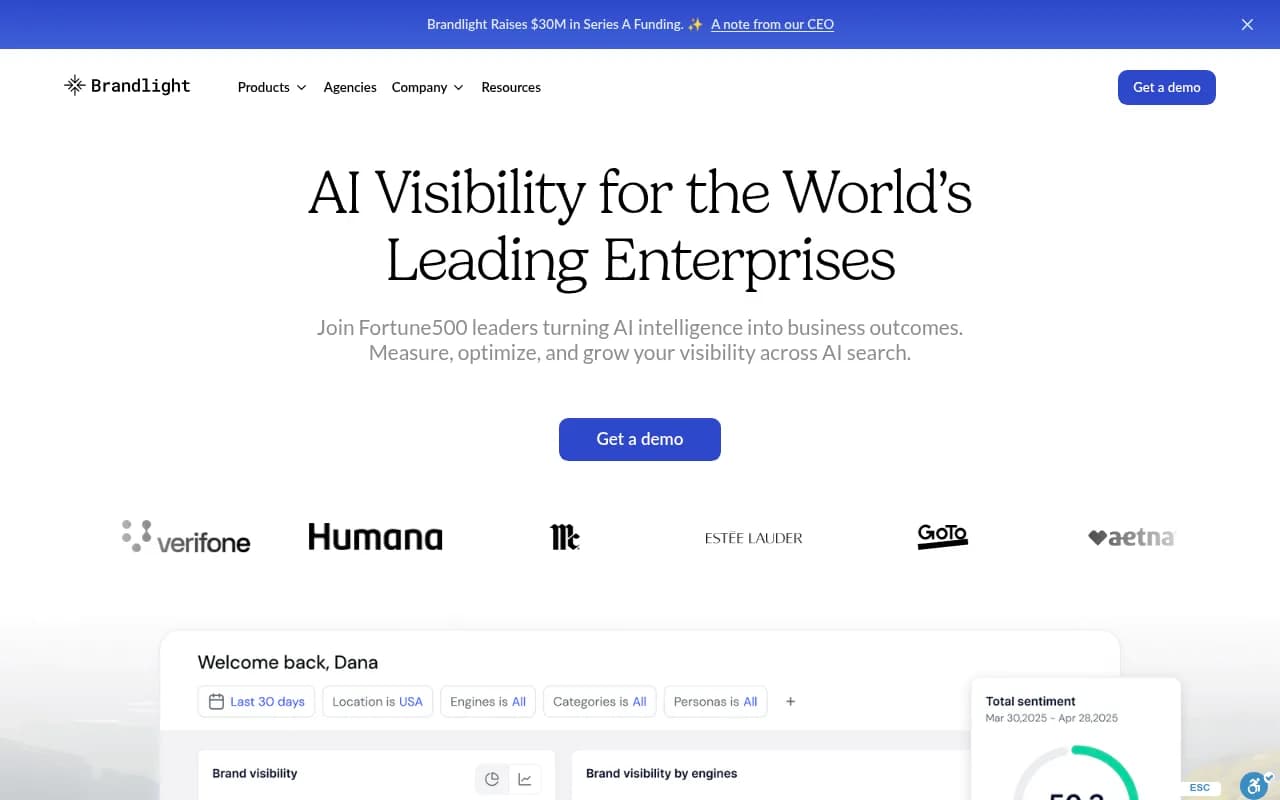
Brandlight focuses on brand reputation across AI models, which matters when you're trying to understand how AI describes your products in comparison contexts. If a competitor is being recommended over you, Brandlight helps you understand the narrative gap.
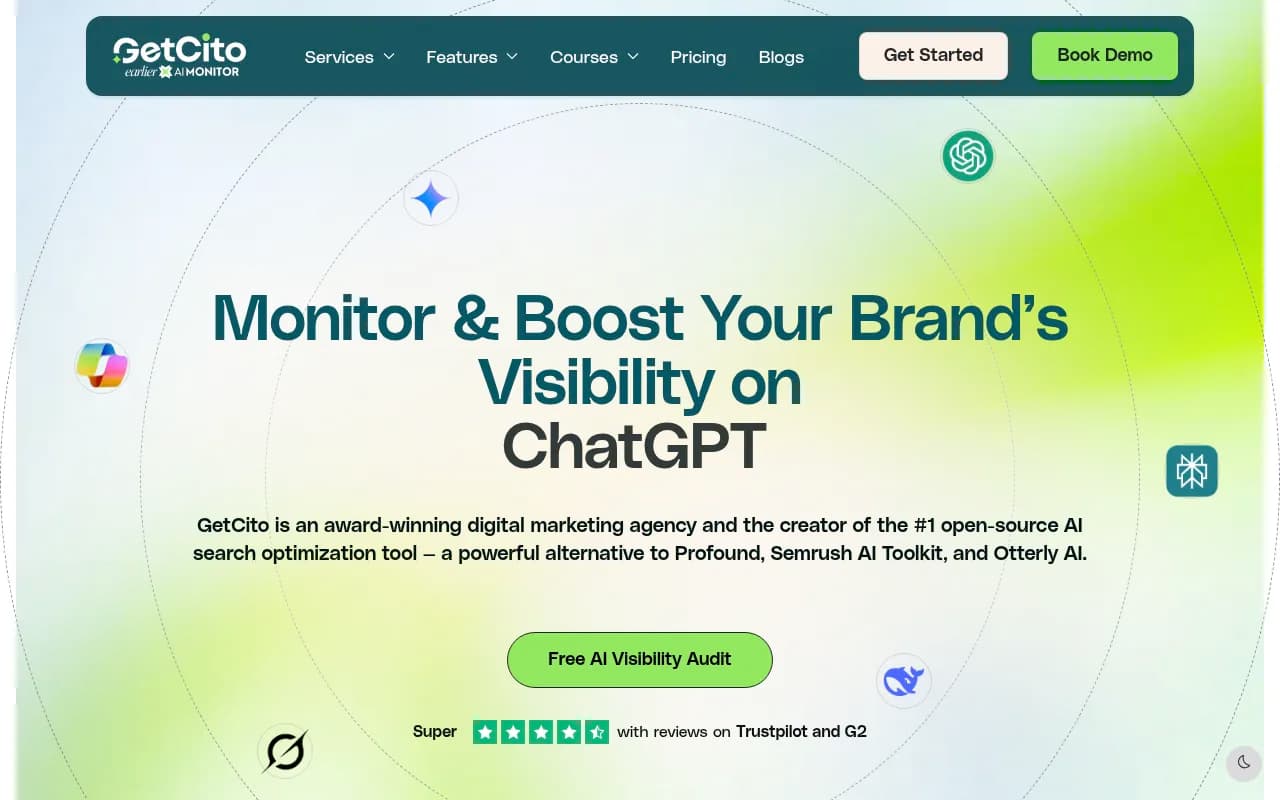
GetCito combines visibility tracking with optimization guidance. It's positioned toward teams that want actionable recommendations, not just data.
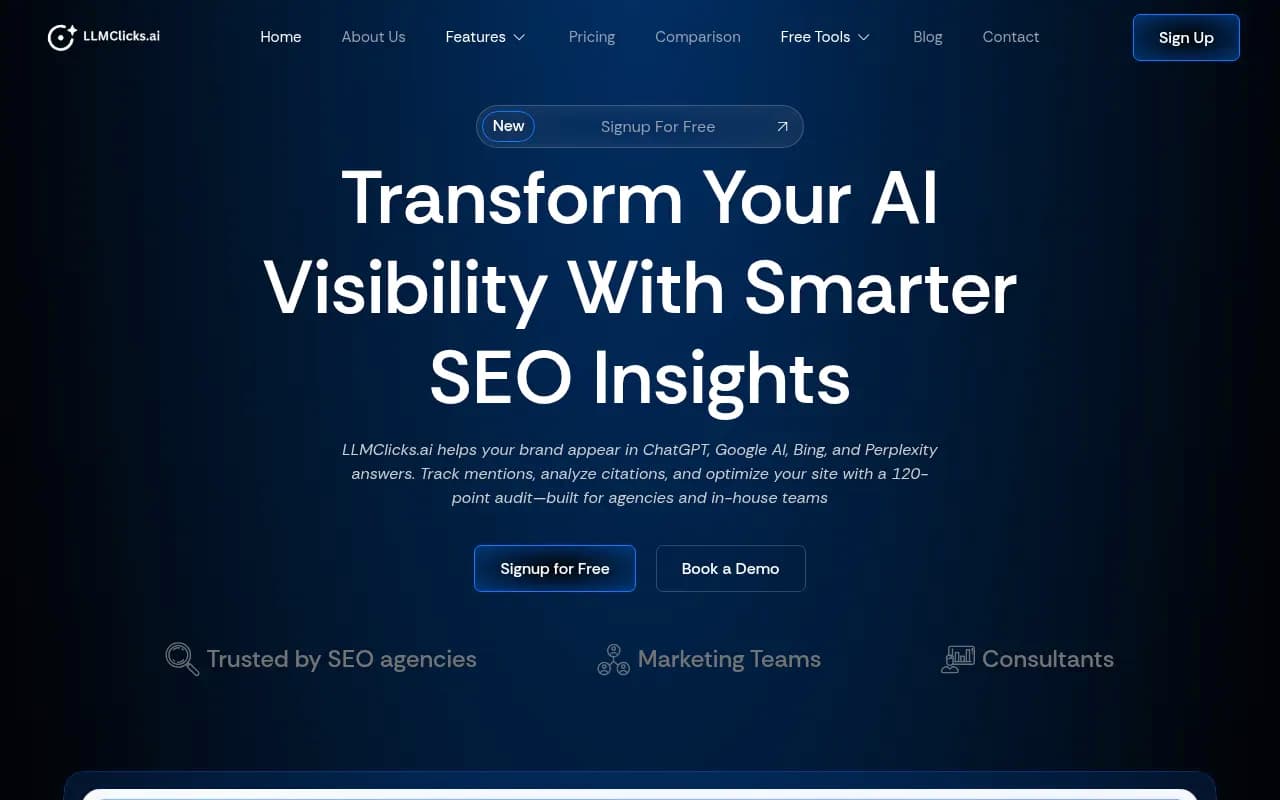
LLM Clicks specializes in citation tracking -- specifically tracking when AI models cite your pages and what traffic that generates. For e-commerce brands trying to connect AI visibility to actual revenue, this attribution angle is useful.
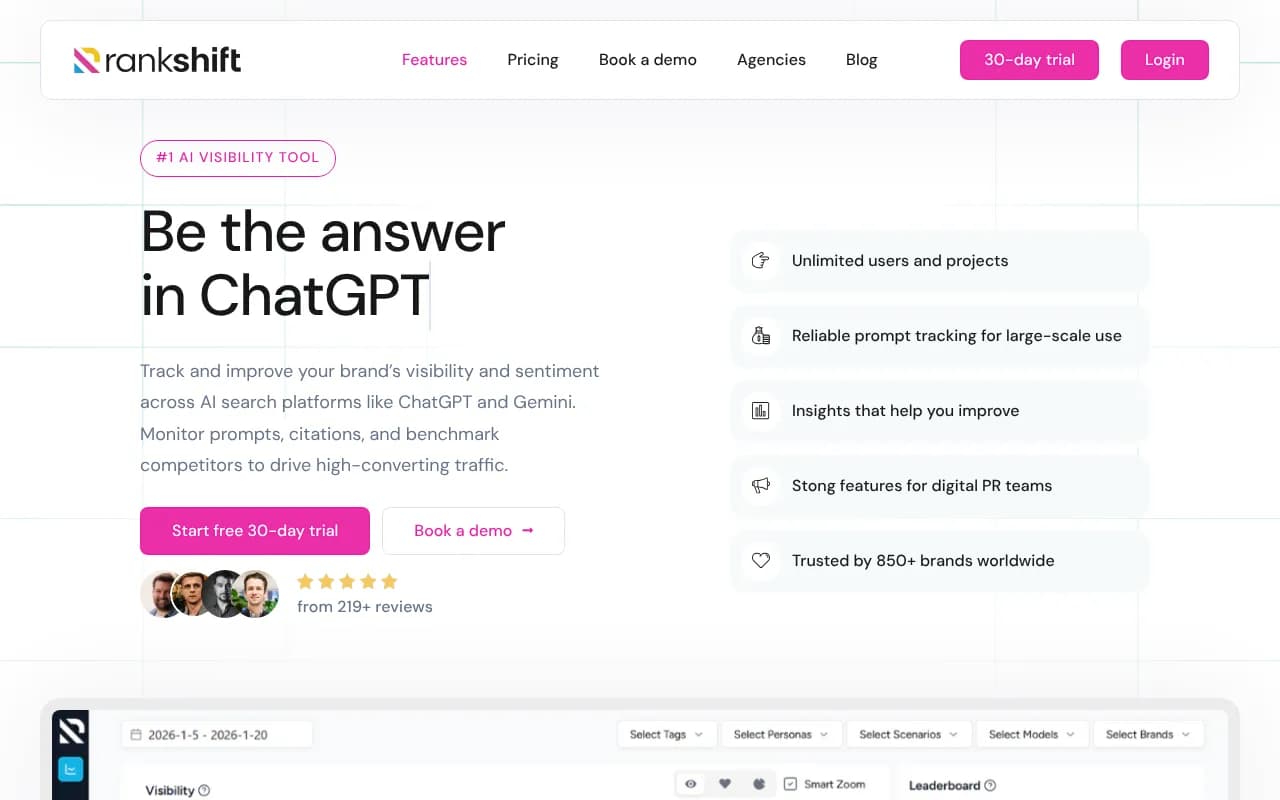
Rankshift is a newer entrant focused on GEO (Generative Engine Optimization) specifically. It tracks LLM responses and gives optimization recommendations. Worth watching as the platform matures.
Feature comparison: what each platform actually tracks
| Platform | ChatGPT Shopping | Multi-model tracking | Content gap analysis | AI content generation | Traffic attribution | Crawler logs | Pricing from |
|---|---|---|---|---|---|---|---|
| Promptwatch | Yes | 10 models | Yes | Yes | Yes | Yes | $99/mo |
| Azoma | Yes (shopping focus) | Limited | No | No | No | No | Custom |
| Profound | Partial | Yes | No | No | No | No | $99/mo |
| SE Visible | No | Yes | No | No | No | No | $189/mo |
| Otterly.AI | No | Yes | No | No | No | No | $29/mo |
| AthenaHQ | No | 8+ models | No | No | No | No | Custom |
| Peec AI | No | Yes | No | No | No | No | Custom |
| Nightwatch | No | Yes | No | No | No | No | $39/mo + $99 AI add-on |
| ZipTie | No | Limited | Partial | No | No | No | $69/mo |
| Brandlight | No | Yes | No | No | No | No | Custom |
What most tools get wrong for e-commerce
There's a pattern worth naming. Most AI visibility tools were built by SEO teams thinking about brand monitoring. They're good at answering "is my brand being mentioned?" but weak on the questions e-commerce teams actually care about:
"Which specific products are being recommended?" Most tools track brand-level visibility. E-commerce brands often need SKU-level or category-level visibility -- knowing that your running shoes are being recommended but your trail shoes aren't is actionable. Generic brand mention counts aren't.
"What's driving the recommendation?" AI models recommend products based on what they've learned from web content. If a competitor is being recommended over you, it's usually because their product pages, reviews, or third-party coverage gives AI models more useful information to work with. Tools that show you the citation sources (which pages, which Reddit threads, which review sites are being cited) help you understand the root cause.
"How do I fix it?" This is where the monitoring-only tools hit a wall. Knowing you're invisible in ChatGPT Shopping carousels is useful. Knowing exactly what content you need to create to change that is more useful. Only a few platforms -- Promptwatch being the clearest example -- close this loop with actual content generation tools.
A Reddit thread from early 2026 where someone ran visibility audits on 30 e-commerce brands found that most were essentially invisible in AI search, not because AI models had negative opinions of them, but because their product pages simply didn't give AI models enough structured, useful information to cite. That's a content problem, not a monitoring problem.
How to choose the right platform for your e-commerce brand
The right tool depends on what stage you're at and what you're trying to accomplish.
If you're just starting out and want to understand your baseline, Otterly.AI or SE Visible give you a clean starting point without a large investment. You'll get a sense of where you stand across major AI models and can identify obvious gaps.
If ChatGPT Shopping is a priority channel, Promptwatch's dedicated Shopping tracking is the most complete option available. The combination of Shopping carousel monitoring, prompt-level data, and content generation tools makes it the most actionable choice for e-commerce teams that want to move fast.
If you're an enterprise brand with complex product catalogs, Azoma's shopping-specific focus or Profound's enterprise narrative tracking may be worth evaluating alongside Promptwatch. Both handle scale well, though neither has the content generation capabilities that Promptwatch does.
If you're an agency managing multiple e-commerce clients, Otterly.AI's multi-brand structure is practical at the price point. Promptwatch also has agency/enterprise pricing with custom configurations.
If you need to connect AI visibility to revenue, look specifically for platforms with traffic attribution. Promptwatch's GSC integration and server log analysis are the most robust options here. LLM Clicks also specializes in this attribution layer.
One thing worth being direct about: most platforms in this space are monitoring dashboards. They show you data. The harder problem -- figuring out what to do with that data and actually improving your visibility -- is what separates the more complete platforms from the rest. For e-commerce brands where AI Shopping appearances directly translate to revenue, that distinction matters.
Getting started: a practical approach
If you're new to AI visibility tracking for e-commerce, here's a reasonable starting sequence:
-
Pick one platform and run a baseline audit. Understand where your brand currently appears (and doesn't) across the major AI models for your key product categories.
-
Identify your highest-value prompts. "Best [your product category] for [use case]" queries are usually where the most purchase intent lives. Check whether you appear in those responses.
-
Audit your citation sources. Which pages on your site are AI models actually citing? Are there obvious gaps -- product categories with no coverage, or product pages that aren't being indexed by AI crawlers?
-
Create content to fill the gaps. This is where most brands stall. Generic blog content won't move the needle. You need content that directly answers the questions AI models are trying to answer when they get shopping-intent prompts.
-
Track changes over time. AI model responses shift as models update and as new content gets indexed. Monthly tracking at minimum; weekly if you're actively publishing new content.
The brands that will win in AI Shopping aren't necessarily the ones with the biggest budgets -- they're the ones that understand what information AI models need to recommend them and then provide it clearly and consistently. The tools covered here are the infrastructure for doing that systematically.