Key takeaways
- An AI citation is when an AI model links to your content as a source. A brand mention is when an AI names your brand directly in its response. These are not the same thing, and you can have one without the other.
- The "Mention-Source Divide" affects roughly 80% of brands: AI uses your content as evidence but recommends a competitor by name.
- Brand mentions correlate 3x more strongly with AI visibility than backlinks, making traditional link-building an incomplete strategy for AI search.
- Only about 28% of brands achieve both citations and mentions in AI-generated answers, according to RankScience research.
- Tracking both signals requires different tools and different strategies -- most monitoring platforms only capture one.
Why this distinction matters more than most people realize
Here's a scenario that plays out constantly in 2026: a company publishes a genuinely excellent guide. It earns citations in ChatGPT and Perplexity responses -- you can see your URL appearing as a source footnote. The team celebrates. Then a prospect asks one of those AI tools "what's the best solution for X?" and the AI recommends three competitors by name. Your brand doesn't appear.
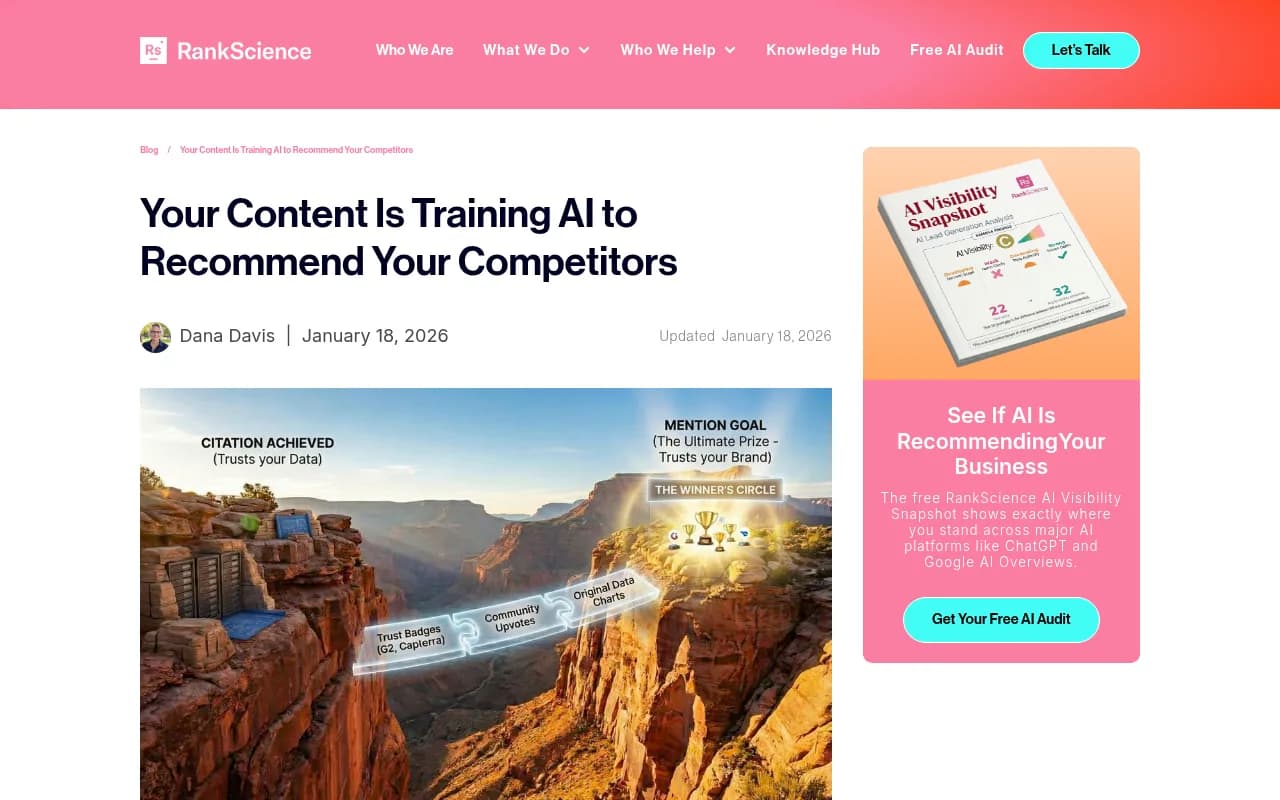
That's the Mention-Source Divide. Your content is being used as evidence. Your brand is not being trusted as a recommendation.
This isn't a fringe problem. RankScience's research puts it at 80% of brands. Understanding why it happens requires understanding what citations and mentions actually are -- and how AI models treat them differently.
What AI citations actually are
A citation in AI search is a footnote. When ChatGPT, Perplexity, or Claude pulls information from the web to construct an answer, it sometimes links to the source it drew from. That link is a citation.
Citations tell you that your content is useful as reference material. The AI found your page credible enough to borrow facts, statistics, or explanations from. That's genuinely valuable -- it means your content is being indexed and read by AI crawlers, and it signals that your information is considered accurate.
But here's the catch: citations are about your content, not your brand. An AI can cite a page from your site while simultaneously recommending a competitor when asked for a product recommendation. The citation is an academic-style attribution. The recommendation is a trust signal. They operate on completely different logic.
What drives citations:
- Clear, factual, well-structured content that AI can extract and quote
- Accessible site structure (no JavaScript walls, proper crawlability)
- Content that directly answers specific questions
- Domain authority and established publishing history
What brand mentions actually are
A brand mention is when an AI names your company, product, or service directly in its response -- without necessarily linking to anything. It's the AI saying "Acme Corp is a good option for this" or "many users prefer Brand X for this use case."
Mentions are endorsements. They reflect how AI models have built up an understanding of your brand as an entity -- through training data, web crawls, Reddit discussions, review sites, and the accumulated weight of how your brand is talked about across the internet.
This is why brand mentions correlate more strongly with AI visibility than backlinks. AI doesn't think in links the way Google's PageRank algorithm does. It thinks in entities and associations. If your brand name consistently appears in conversations about a particular problem, AI models learn to associate your brand with that problem's solution.
The implication is uncomfortable for traditional SEO teams: you can have excellent technical SEO, strong backlink profiles, and well-optimized pages -- and still be invisible in AI recommendations if your brand isn't being talked about in the right contexts.
What drives mentions:
- Consistent brand presence in third-party content (reviews, forums, comparisons)
- Reddit and YouTube discussions that AI models actively index
- Unlinked brand mentions across authoritative sites
- Entity recognition -- AI understanding what your brand is and what it does
- Frequency and consistency of brand association with specific topics
The four possible states your brand can be in
It helps to think about this as a 2x2:
| Cited (content sourced) | Not cited | |
|---|---|---|
| Mentioned (brand recommended) | Best position -- trusted and useful | Mentioned but content not indexed |
| Not mentioned | Invisible-Source Divide -- used but not trusted | Fully invisible |
Most brands land in the bottom-left quadrant: cited but not mentioned. Their content is useful to AI, but their brand hasn't built enough entity authority to earn direct recommendations.
Getting to the top-left requires working on both signals simultaneously -- which is why treating citation tracking and mention tracking as the same thing leads to incomplete strategies.
How AI models decide who gets cited vs who gets recommended
Citations and mentions are determined by different mechanisms inside AI systems.
For citations, the process is closer to retrieval: the model searches for content that answers a specific factual question, evaluates credibility signals (domain authority, content clarity, recency), and pulls from the most useful sources. Your content either answers the question clearly or it doesn't.
For mentions, the process is more like memory. AI models have absorbed enormous amounts of text during training and through real-time web access. They've read countless comparisons, reviews, forum threads, and articles. Over time, they build associations: "when someone asks about project management tools, Notion, Asana, and Linear come up constantly." Those associations become the basis for recommendations.
This is why AirOps research found that only 30% of brands stayed visible from one AI answer to the next -- and just 20% held presence across five consecutive runs. Mention-based visibility is volatile because it depends on the accumulated weight of brand associations, which can shift as new content enters the training and retrieval pipeline.
Why traditional brand monitoring tools fall short
Most brand monitoring tools -- the kind that track social media mentions, news coverage, and web references -- were built for a different era. They tell you when your brand name appears somewhere on the internet. That's useful for PR and reputation management, but it doesn't tell you anything about how AI models are representing your brand.
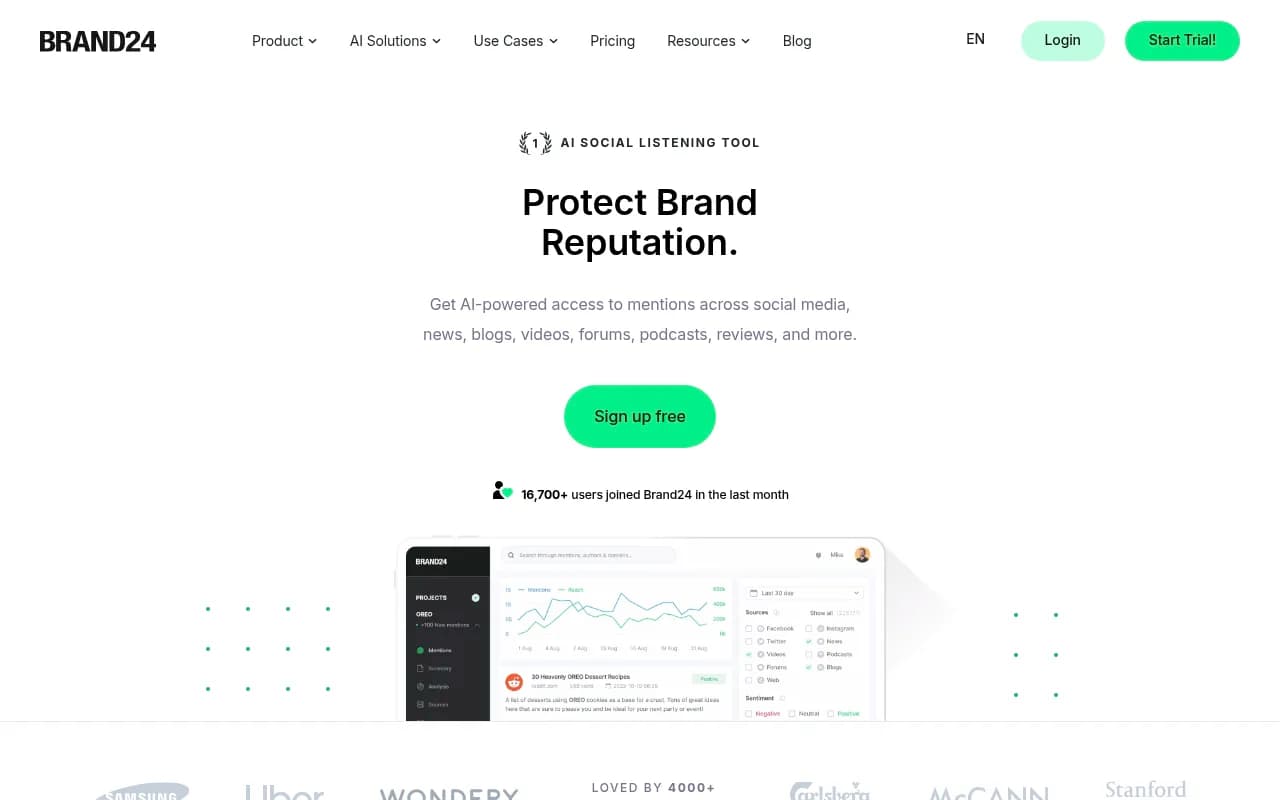
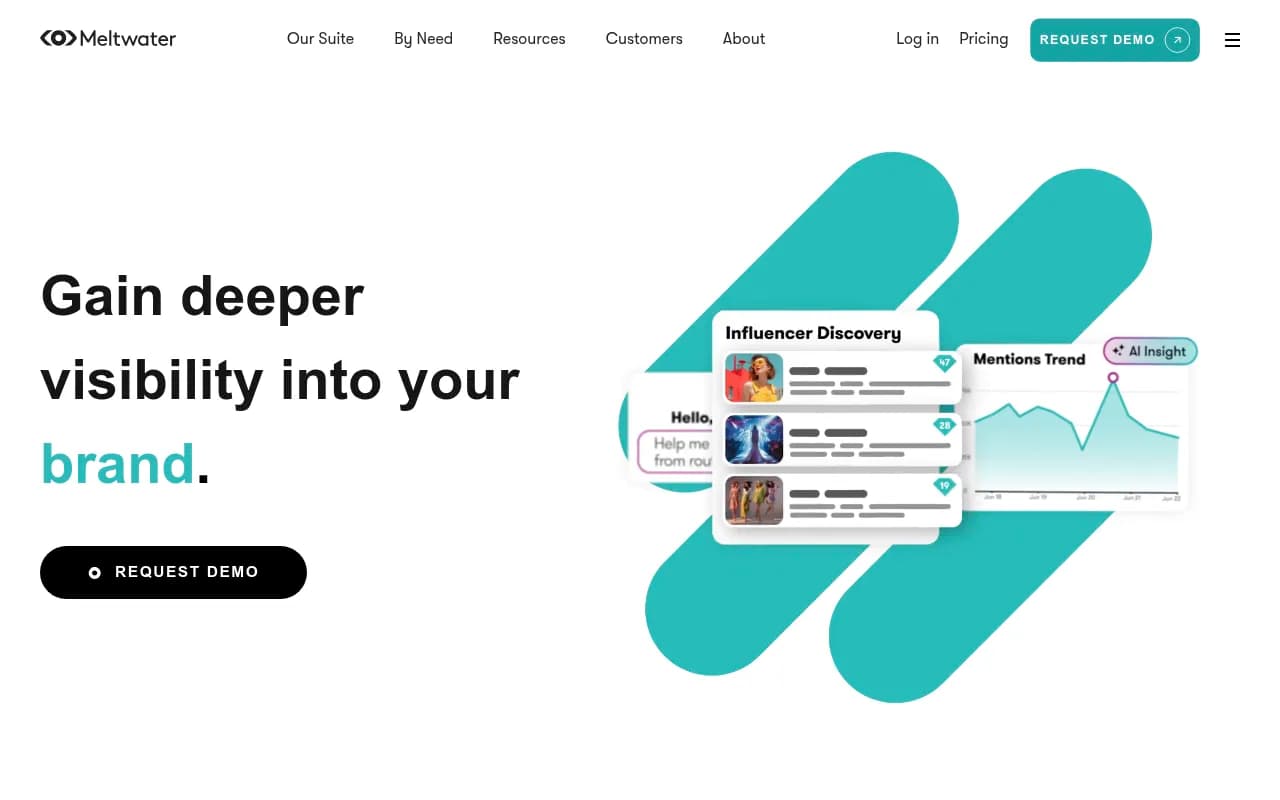
Tools like Brand24 or Meltwater are excellent at what they do.
But they weren't designed to answer questions like:
- When someone asks ChatGPT to recommend a tool like yours, does your brand appear?
- Which AI models mention you, and which ignore you?
- Are you being cited as a source but not recommended as a solution?
- What topics trigger your brand to appear in AI responses?
For those questions, you need tools built specifically for AI visibility monitoring.
Tools built for AI citation and mention tracking
The market for AI visibility tools has grown quickly in 2026, but the quality varies significantly. Here's a breakdown of what's available and what each approach covers.
Full-stack AI visibility platforms
Promptwatch tracks both citations and brand mentions across 10 AI models including ChatGPT, Perplexity, Claude, Gemini, Grok, and Google AI Overviews. What separates it from most monitoring tools is that it doesn't stop at showing you the data -- it identifies which prompts competitors appear for that you don't, then helps you generate content to close those gaps. For teams that want to act on visibility data rather than just observe it, that's a meaningful difference.

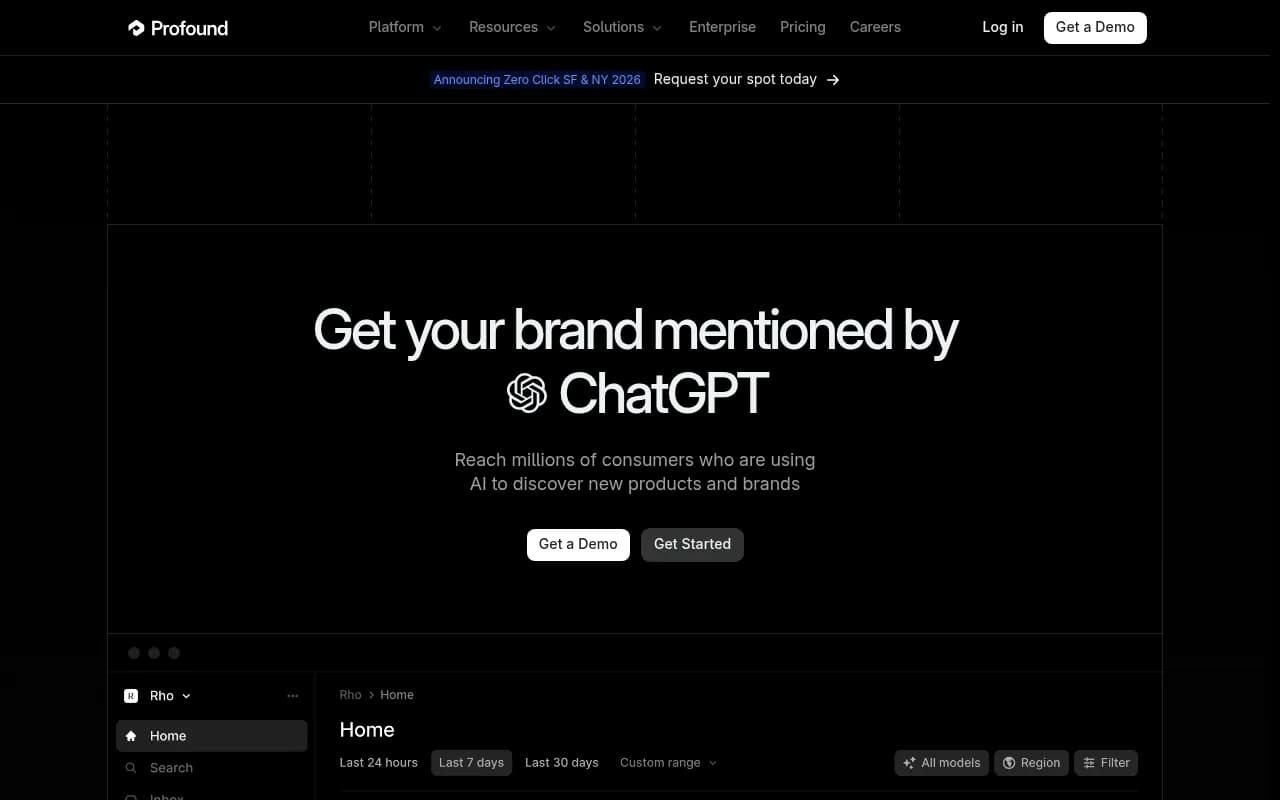
Profound is another strong option for tracking brand visibility across AI search engines, with solid competitive benchmarking features.
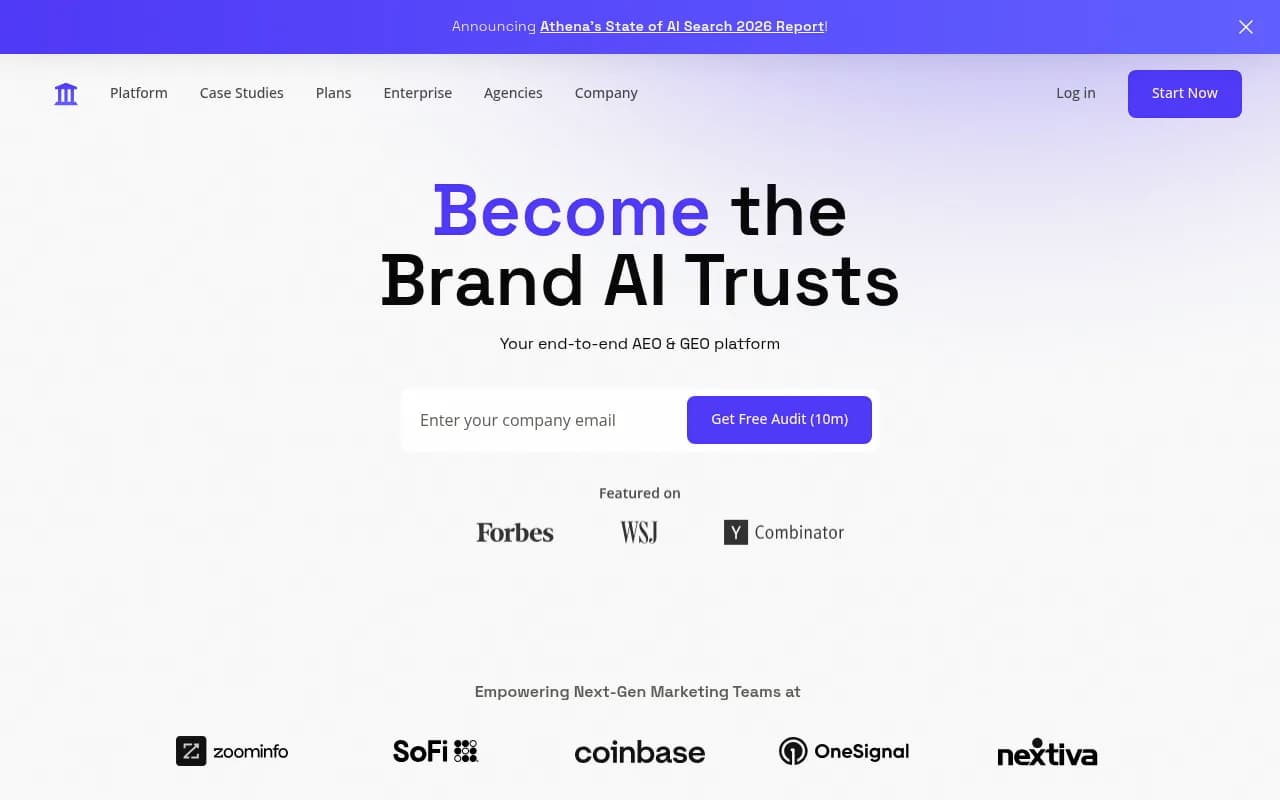
AthenaHQ covers 8+ AI search engines and focuses on tracking and optimization, though it's more monitoring-oriented than action-oriented.
Monitoring-focused tools
For teams that primarily want to know where they stand without necessarily needing built-in content optimization:


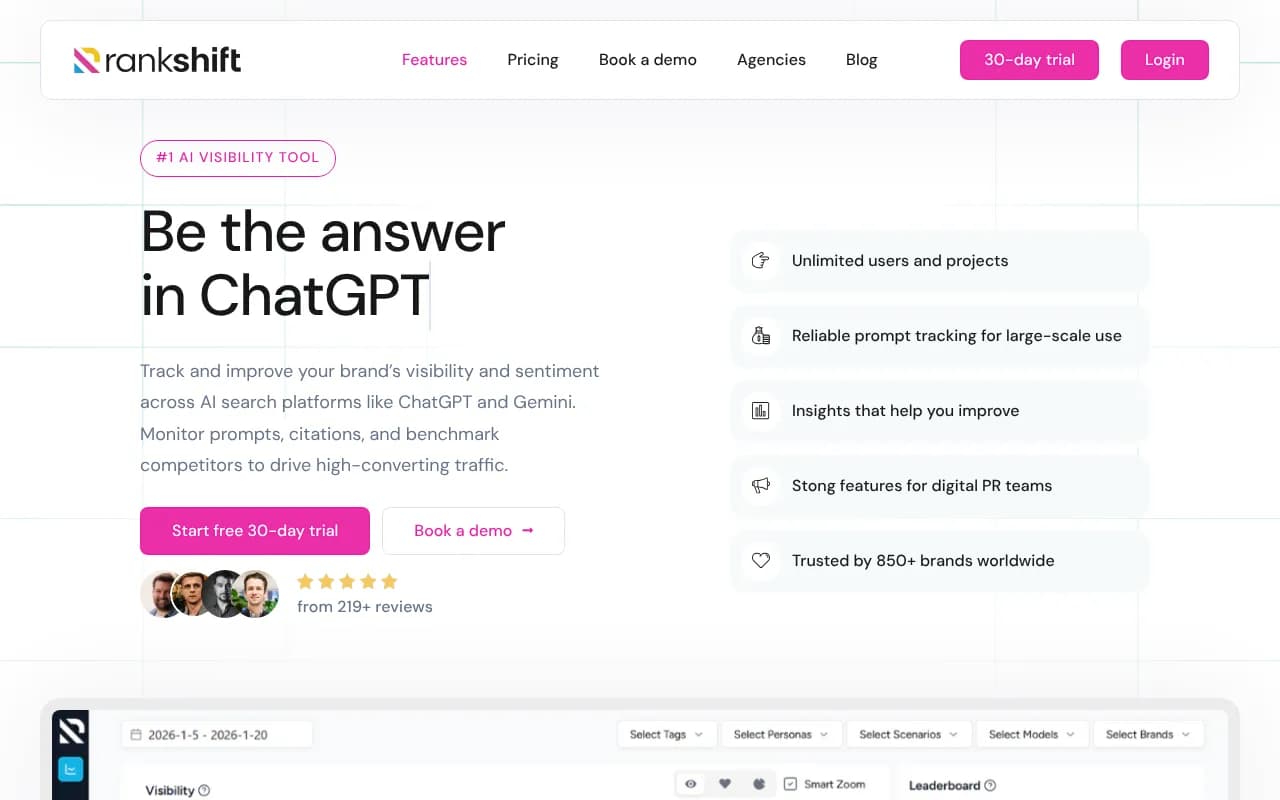
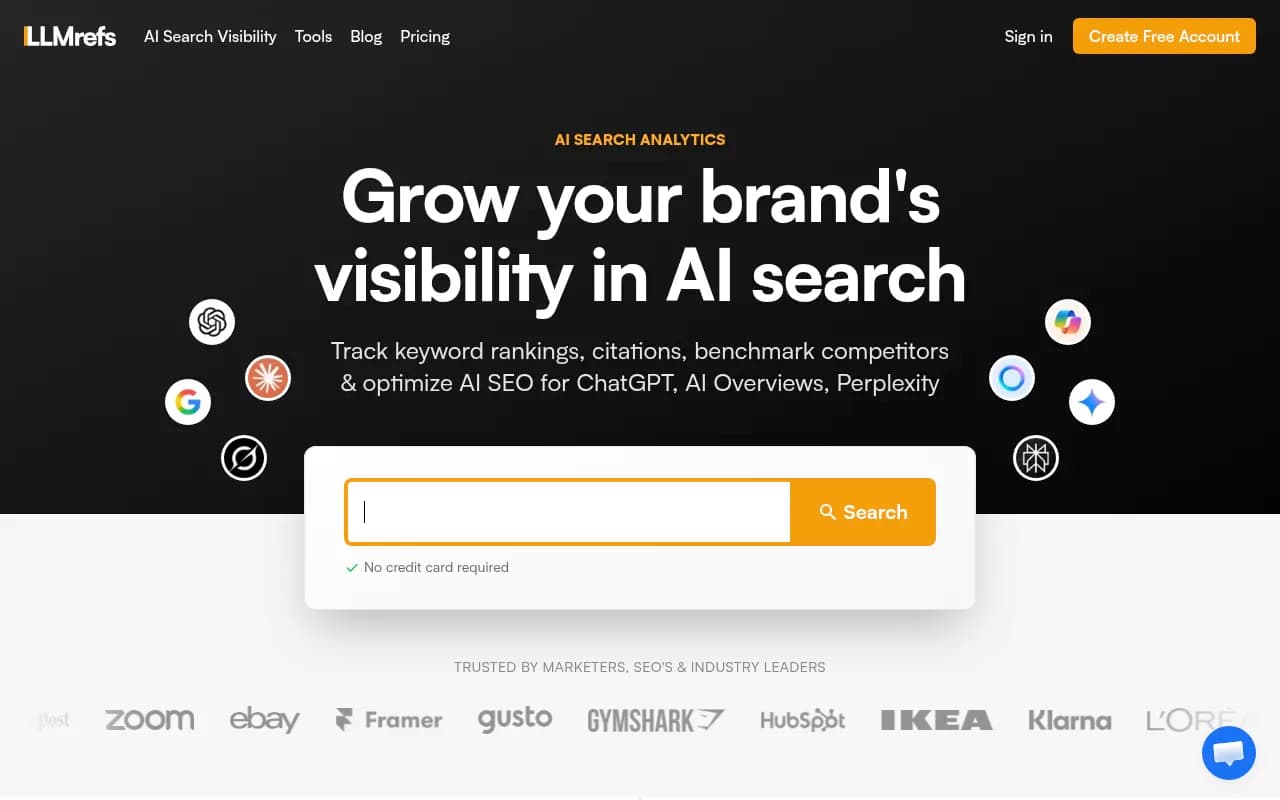
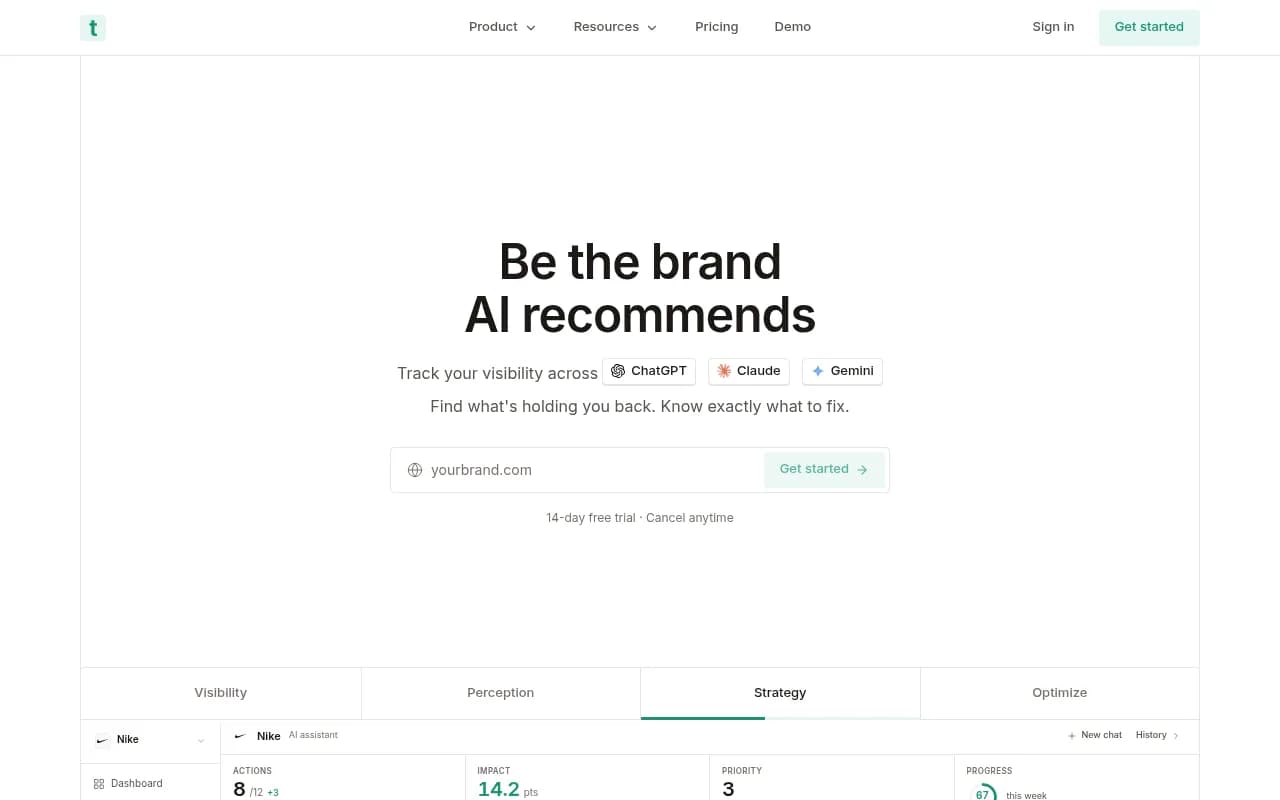
These tools are generally more affordable and easier to get started with, but they'll show you the gap without helping you close it.
Specialized citation trackers
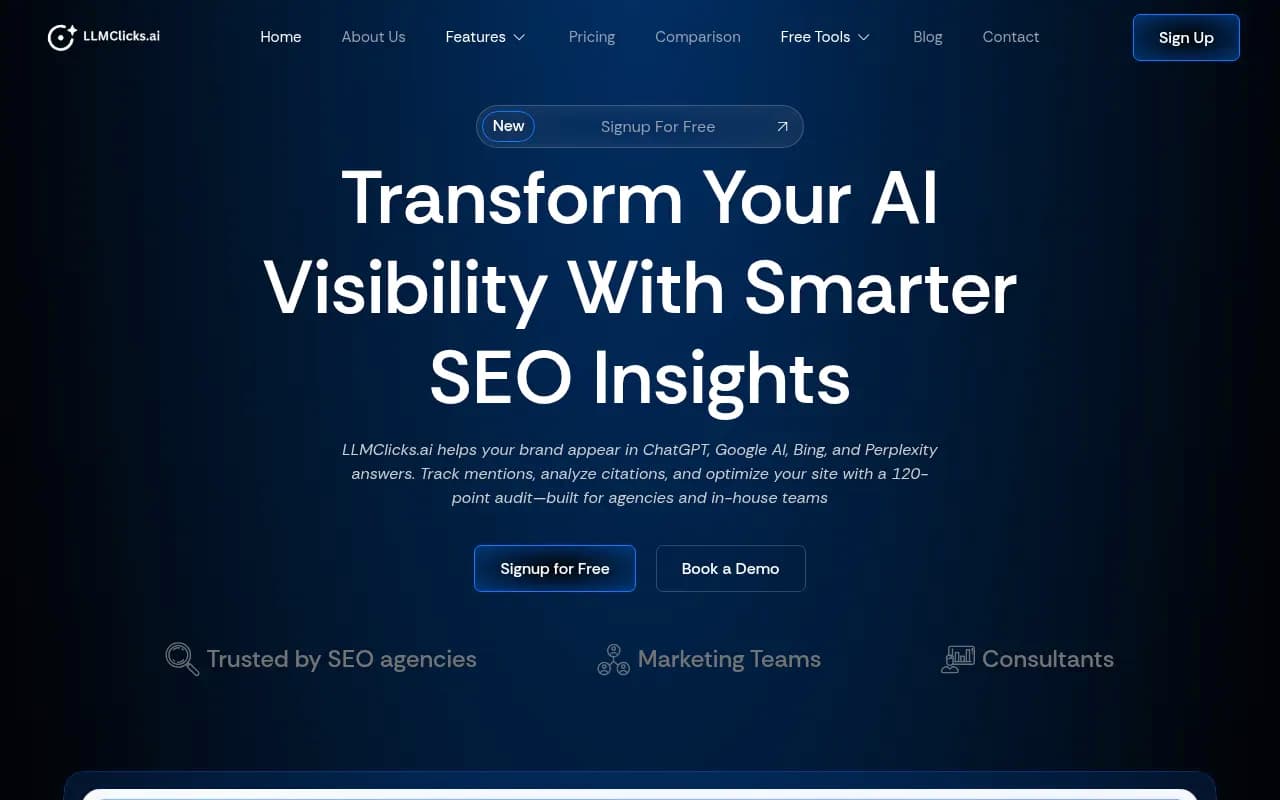
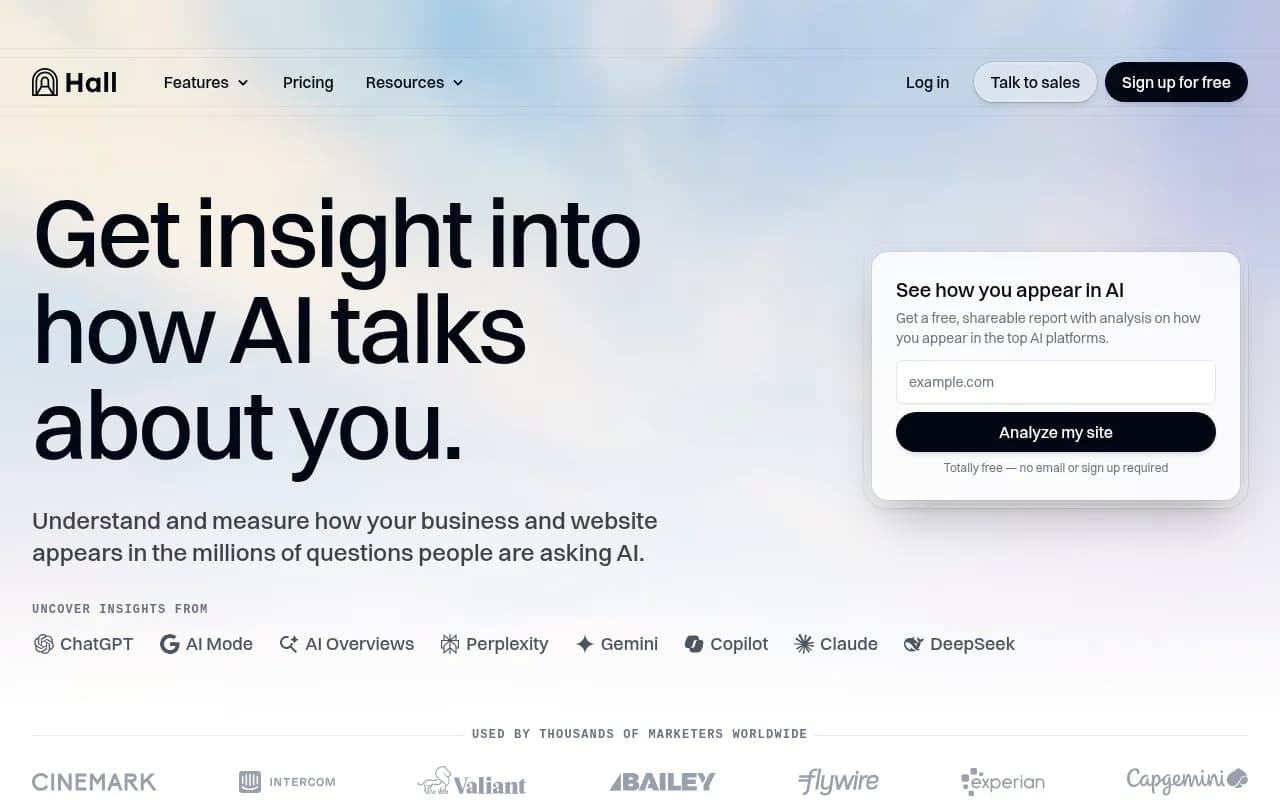
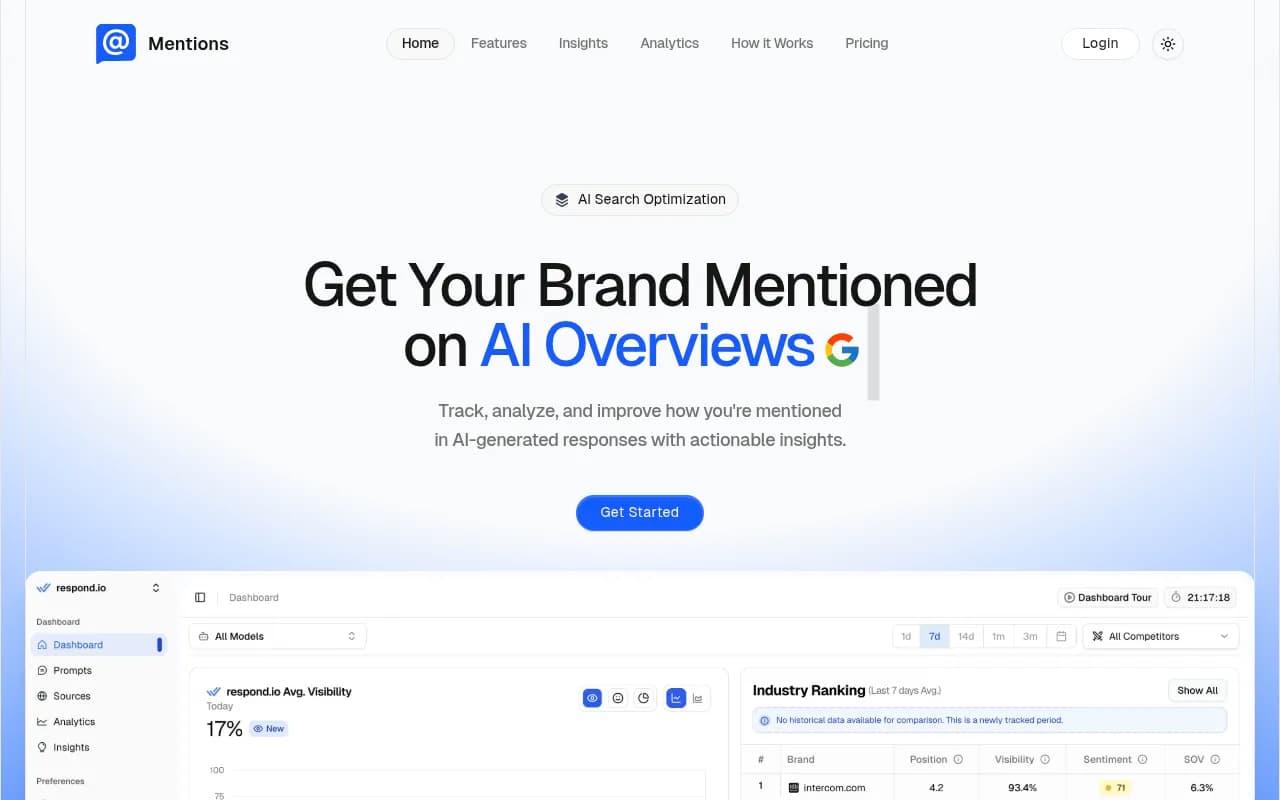
These tools focus specifically on tracking when and how AI platforms cite or mention your brand, often with more granular data on individual citation events.
Comparing key tools across citation vs mention tracking
| Tool | Citation tracking | Mention tracking | Content gap analysis | AI content generation | Crawler logs |
|---|---|---|---|---|---|
| Promptwatch | Yes | Yes | Yes | Yes | Yes |
| Profound | Yes | Yes | Limited | No | No |
| AthenaHQ | Yes | Yes | No | No | No |
| Otterly.AI | Basic | Basic | No | No | No |
| Peec.ai | Basic | Basic | No | No | No |
| Hall AI | Yes | Yes | No | No | No |
| LLM Clicks | Yes | Limited | No | No | No |
| Brand24 | No | Web only | No | No | No |
What to actually track and how
Whether you're starting from scratch or refining an existing setup, here's a practical framework for tracking both signals.
For citation tracking
- Set up structured prompt testing across at least three AI platforms (ChatGPT, Perplexity, and either Claude or Gemini covers most of the market).
- Run prompts that match real buyer questions in your category -- not brand-name queries, but category-level questions like "what's the best tool for X."
- Check whether your domain appears as a cited source in the responses.
- Track which specific pages are being cited, not just whether your domain appears.
- Test weekly, not monthly. AirOps found that visibility shifts fast enough that monthly snapshots miss meaningful trends.
For mention tracking
- Run the same prompts and look for brand name appearances in the response text itself, separate from any source links.
- Track sentiment and context -- is your brand mentioned positively, neutrally, or with caveats?
- Monitor competitor mentions in the same responses. Share of voice matters as much as absolute mention count.
- Look at which topics and question types trigger your brand to appear. This tells you where your entity associations are strongest.
- Check Reddit and YouTube -- AI models heavily index both, and discussions there directly influence what AI recommends. Platforms like Promptwatch surface these discussions specifically because they shape AI recommendations in ways that traditional web content doesn't.
Connecting visibility to revenue
Tracking citations and mentions is only useful if you can connect the data to business outcomes. The most rigorous approach involves:
- A JavaScript snippet on your site that captures AI referral traffic
- Google Search Console integration to see traffic from AI-powered search features
- Server log analysis to identify AI crawler visits and correlate them with subsequent traffic
Without this attribution layer, you're measuring visibility in a vacuum. You want to know whether being cited or mentioned in AI responses actually drives visitors and conversions -- not just whether the mentions exist.
The content strategy implications
Understanding the citation vs mention distinction changes how you think about content.
For citations, you're optimizing for extractability. Content needs to be clear, factual, and structured so AI can pull specific answers from it. This means direct answers to specific questions, proper heading structure, and content that doesn't bury the key information in paragraphs of context.
For mentions, you're optimizing for entity authority. This is a longer game. It means getting your brand talked about in third-party content -- reviews, comparisons, forum discussions, industry roundups. It means being consistent about what your brand stands for so AI models build accurate associations. And it means publishing content that earns natural references from other sites, not just backlinks.
The brands that win in AI search in 2026 are doing both. They're publishing content that earns citations while simultaneously building the kind of brand presence that earns unprompted recommendations.

Common mistakes to avoid
Treating citation count as the primary success metric. A high citation rate with zero brand mentions means you're a reference library, not a recommended solution. Both numbers matter.
Only checking your own brand. Competitor mention data is often more actionable than your own. Knowing that a competitor appears in 70% of AI responses to a category question -- while you appear in 15% -- tells you exactly where the gap is.
Running one-off checks. AI responses are volatile. A single snapshot tells you almost nothing. Weekly testing over at least a month gives you a baseline worth acting on.
Ignoring platform differences. ChatGPT, Perplexity, and Claude don't behave identically. A brand that's well-represented in Perplexity might be nearly invisible in Claude. Multi-platform tracking isn't optional if you want an accurate picture.
Assuming good SEO equals good AI visibility. Page-one Google rankings don't translate directly to AI mentions. The signals overlap but they're not the same. Brands that assume their SEO strength carries over to AI search are often surprised by how invisible they are.
Where to start if you're new to this
If you haven't started tracking AI visibility at all, the fastest path to useful data is:
- Pick three to five prompts that represent real buyer questions in your category.
- Run them manually in ChatGPT, Perplexity, and Claude. Note whether your brand is cited (source link) or mentioned (named in the response).
- Do the same for two or three competitors.
- That gap -- where they appear and you don't -- is your starting point.
From there, a dedicated tool makes the process systematic and scalable. The right choice depends on whether you need monitoring only or whether you also want help generating content to close the gaps you find.
For teams that want to move fast and actually improve their visibility rather than just measure it, the combination of gap analysis and content generation in a single platform is worth the investment. Tracking the data is step one. Doing something about it is where the real work happens.