Key takeaways
- No single product does everything well. Reputation suites (Birdeye, SOCi, Yext) handle reviews and listings. GEO platforms handle AI answers. Most local brands need one of each, or a suite that is honest about its gaps.
- Reviews matter most when someone searches for a specific brand or location. In Promptwatch Data for Sep 28 to Oct 4, 2026, reviews were 1.7% of ChatGPT citations overall but 5.6% for branded prompts.
- Be skeptical of vendor listicles. One 2026 advertorial claims only a single vendor offers grid rank tracking. That is wrong, and it is a good reminder to check every claim yourself.
- Verify pricing on vendor pages. Reputation software pricing is usually per location and often quote-based.
Why local GEO and reputation management are converging
A few years ago, reputation software had one job: get more stars on Google. You sent review requests, answered complaints, and watched a rating climb. Local SEO was a separate budget with a separate dashboard.
That split is breaking down. Customers now find a local business through Google Search, Maps, AI Overviews, ChatGPT, review sites, and social profiles. The same review content shows up in all of them. A complaint about slow service on one location's Google profile can end up paraphrased in an AI answer about that brand.
So the question buyers ask has changed. It is no longer "which tool collects reviews?" It is "which tool connects reviews, listings, and AI visibility so I can see what is actually influencing choice?"
Here is the honest answer: as of this comparison, very few platforms do the whole job. The market splits into three camps, and knowing which camp a tool belongs to saves a lot of demo time.
The three types of tools you will compare
Reputation and listings suites
These are built around review collection, response, listings accuracy, and messaging. Birdeye, SOCi, and Yext sit here. They are strong on workflow for multi-location teams: permissions, bulk responses, location-level reports.
AI visibility and GEO platforms
These track whether your brand is mentioned or cited in ChatGPT, Gemini, Perplexity, and Google AI Overviews. Most are monitoring tools. A few help you fix what they find. They usually do not collect or answer reviews.
Local SEO tools with review features
BrightLocal, Local Viking, Local Falcon and similar tools bolt review monitoring onto grid rank tracking and citation management. They suit agencies and single-brand owners more than enterprise chains.
What the data says about reviews in AI answers
Before picking software, it helps to know how much reviews actually matter for AI visibility. The answer is: it depends on the prompt.
Promptwatch Data's ChatGPT citation share by content type report (Sep 28 to Oct 4, 2026) shows product pages at 22.4% of classified citations, landing pages at 16.8%, and listicles at 13.6%. Review content is just 1.7%.
But look at branded prompts, the ones that name a company. There, reviews jump to 5.6% of citations, more than three times their overall share. Social posts reach 3.0% and FAQ pages 4.8%.
What this means for a local business: reviews are not what gets you into generic discovery answers like "best plumber near me." They are what shapes the answer when someone asks "is Smith Plumbing any good?" That is a reputation moment, and it is where review management and GEO really overlap.
Social profiles matter too, though unevenly by engine. According to Promptwatch Data's social media citations report for Sep 28 to Oct 4, 2026, ChatGPT drew only 0.46% of its citations from the seven tracked social platforms, while Google AI Overviews drew 12.2%. In AI Overviews, Facebook sat at 2.38% and Instagram at 1.61%. If your buyers come through Google, keep your public Facebook and Instagram pages complete and active.
Reputation and listings platforms compared
I have not verified current pricing for any of these, so treat the table as a positioning guide and confirm cost on each vendor's site. Most are quote-based and priced per location.
| Platform | Core strength | Built-in review tools | AI search visibility tracking | Best for |
|---|---|---|---|---|
| Birdeye | All-in-one for local businesses | Yes: monitoring, requests, replies, surveys | Limited, check current features | SMBs and mid-size multi-location |
| SOCi | Local search, social, and reviews with agentic AI | Yes | Check current features | Franchises and large multi-location brands |
| Yext | Listings and structured data for search and AI answers | Yes, via reviews module | Positioned around AI answers | Enterprises with many locations |
| GetMint | AI visibility plus reputation | Reputation features | Yes | Brands wanting both views in one tool |
| BrightLocal / Local Viking | Local rank grids, citations | Review monitoring | No | Agencies and single-location owners |
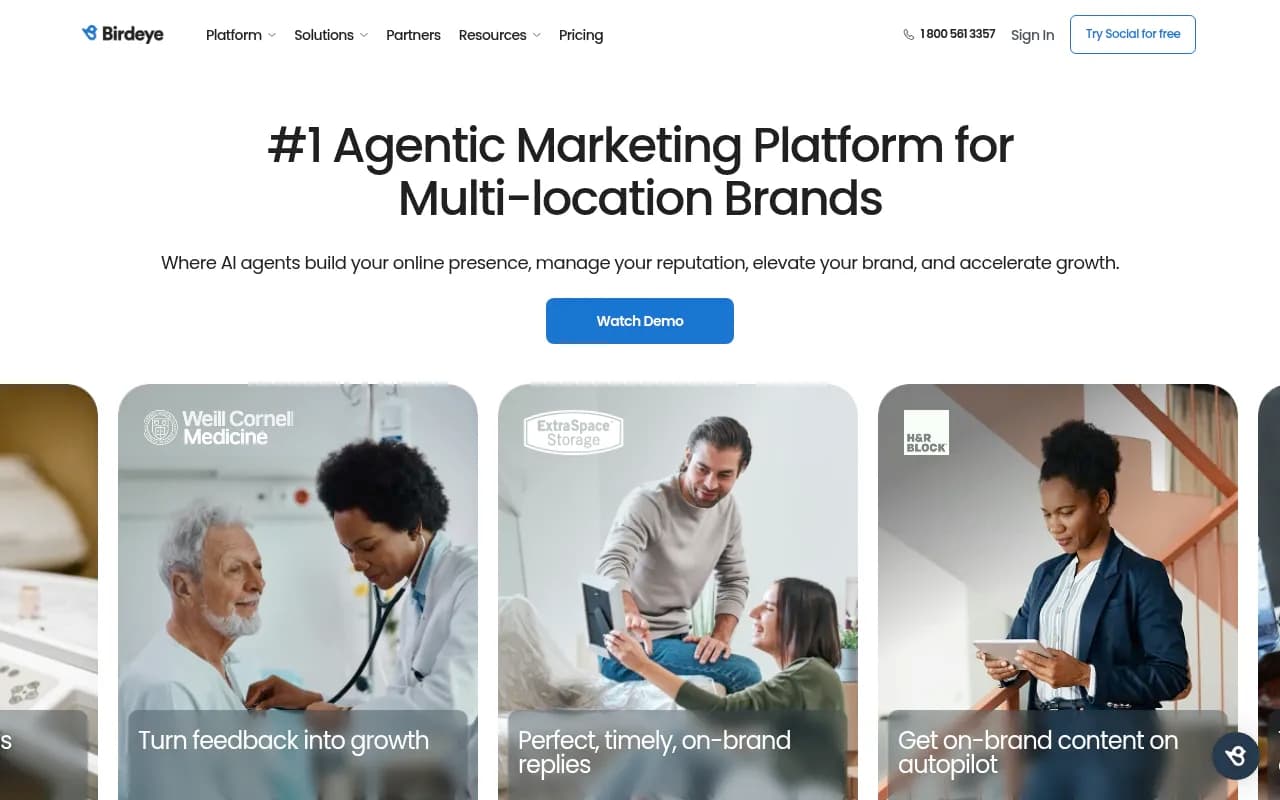
Birdeye
Birdeye is the one most often described as an all-in-one for local businesses. It combines review management, listing updates, messaging, and surveys. If your pain point is "we have 40 locations and nobody replies to reviews," this is the category to start with.
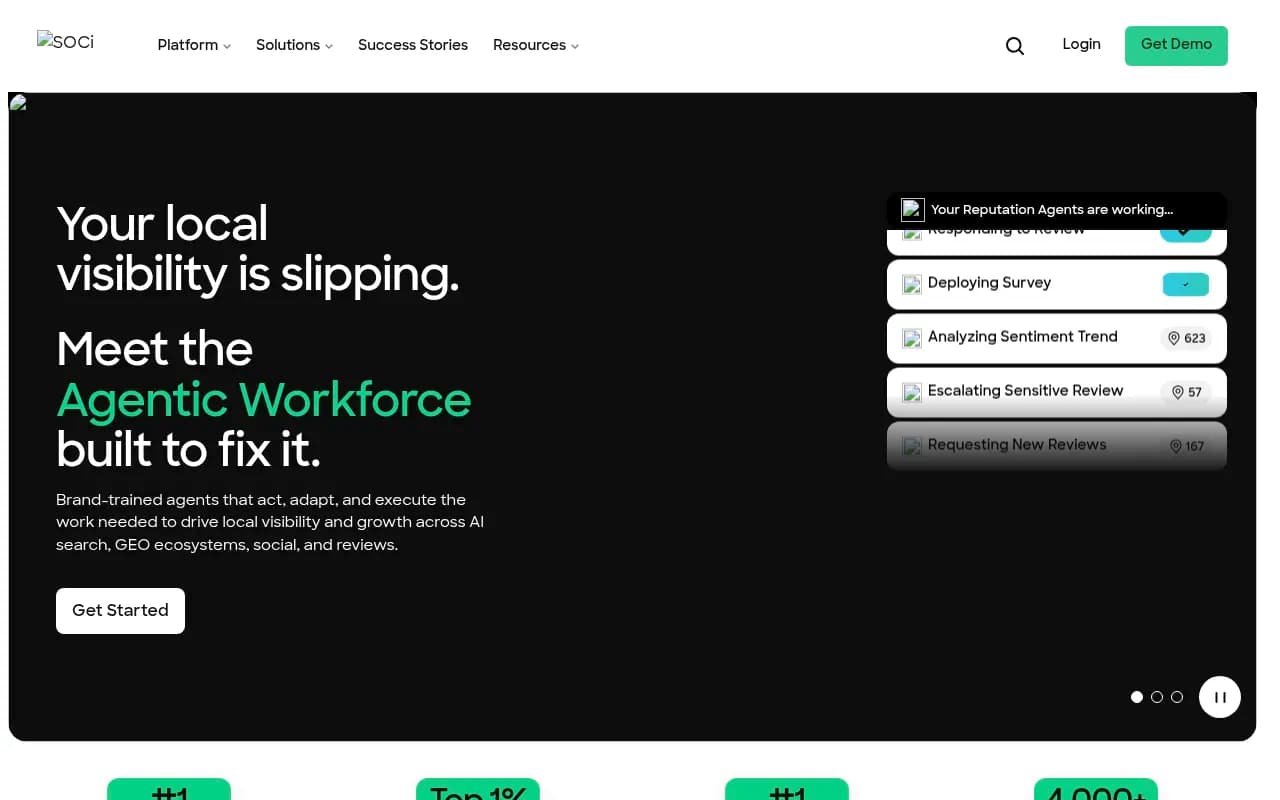
SOCi
SOCi pitches itself as agentic AI that runs local search, social, and reviews for multi-location brands. The appeal for franchises is central governance with local flexibility: corporate sets the rules, local managers post and respond within them.
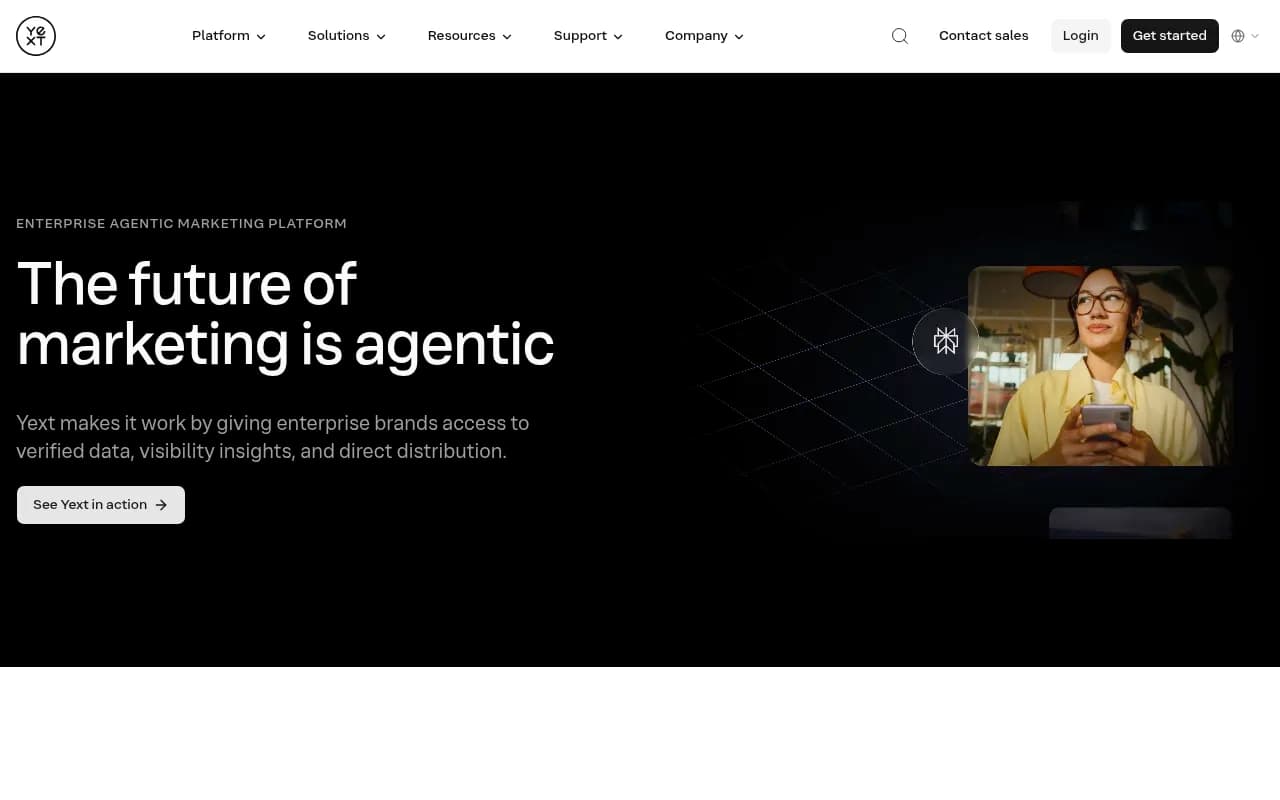
Yext
Yext began as a listings sync tool and has moved toward managing the structured facts about your business that search and AI answers pull from. It is a heavy enterprise product. If you have a handful of locations, it is probably more than you need.
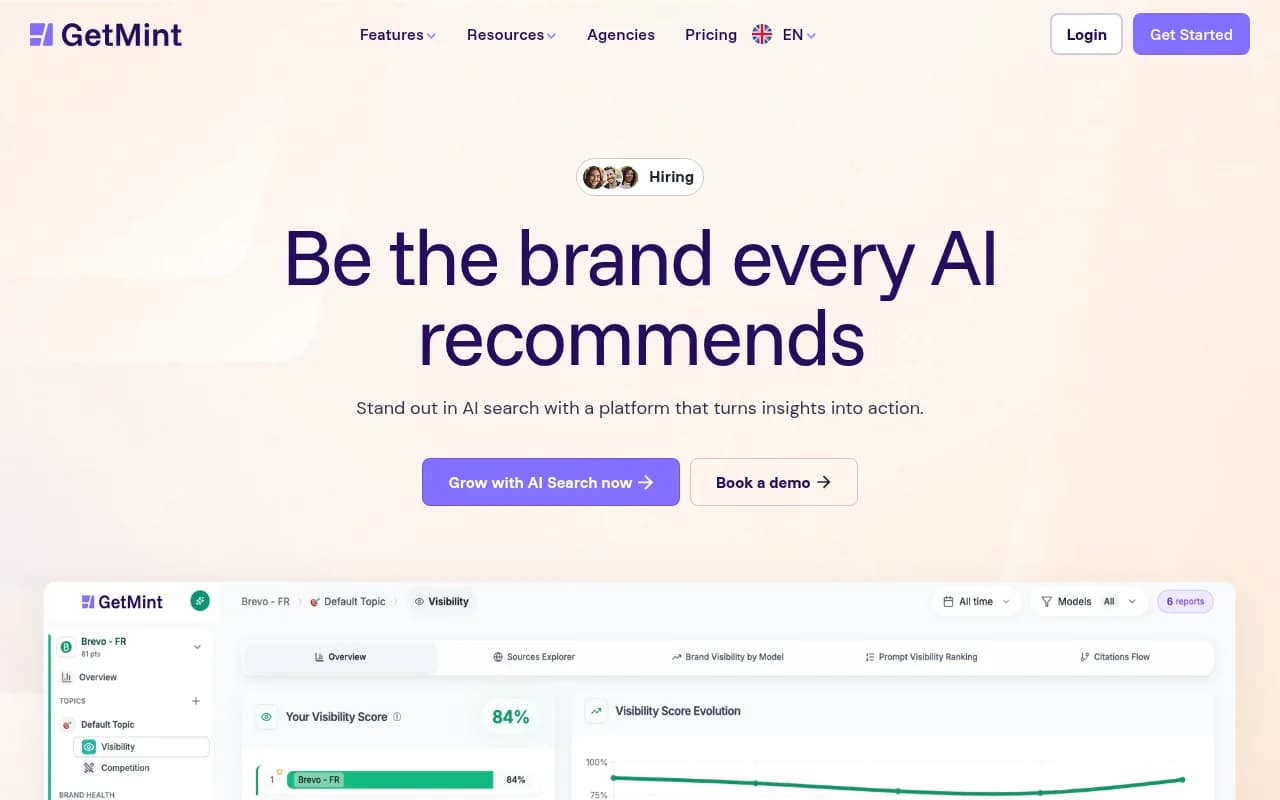
GetMint
GetMint is listed as an AI visibility and reputation management platform. It is worth a demo if you want both concerns in a single place, though you should test how deep each half goes.
What multi-location buyers should check
A vendor-authored 2026 comparison from RightChoice.ai lists the features multi-location brands usually evaluate. The categories hold up regardless of who wrote them:
- Real-time review monitoring across Google, Facebook, and industry sites
- AI-drafted replies with brand voice controls and approval flows
- Role-based permissions, so a local manager cannot go off-script
- Location-level reporting and branch comparisons
- Listings management and duplicate suppression
- Escalation rules for serious complaints
That piece is a useful checklist, but remember its source. It is published by a vendor, and the same goes for most "top 12" lists. One sponsored advertorial I came across claimed only one platform includes a GEO grid rank tracker. That does not survive contact with reality: Local Falcon and Local Viking, among others, offer grid tracking. Treat any "only we have this" claim as a prompt to run your own check.
Also be careful with statistics. The "85% of consumers trust reviews as much as personal recommendations" figure that circulates in these articles is usually unsourced. The same goes for the claim that complete Google profiles make customers 70% more likely to visit; the link behind it was a support forum thread, not an official Google source. I would not repeat either in a board deck without tracing them back.
Where AI visibility platforms fit
Reputation suites tell you what customers say. They rarely tell you what ChatGPT or AI Overviews say about you, which pages they cite, or whether their crawlers can even read your location pages. That is the gap GEO platforms fill.
For most local brands, a sensible split looks like this: use a reputation suite for the daily workflow of requests and replies, and a dedicated AI visibility platform to measure and improve how you show up in AI answers.
Promptwatch is the one I would put on a shortlist for the second job, because it goes past monitoring. It tracks ChatGPT, Google AI Overviews, AI Mode, Gemini, Perplexity and others in each country, and it can also show where AI sources come from, including Reddit, YouTube and LinkedIn mentions of your brand. It then helps you act on the gaps with content tools and a prioritized to-do list. It does not replace review replies or listings management, so pair it with one of the reputation suites above.

Other AI visibility options in our catalog include tools like Profound, Peec AI, and Otterly.AI, which lean toward monitoring.



If you want to compare more options, the GEO software directory at bestgeosoftware.com lists many of them side by side.
A practical way to combine them
The stack matters less than the habits. Here is a workflow that works for most multi-location brands.
- Fix the basics first. Complete and consistent profiles on Google, Facebook, and Instagram. Wrong hours or a duplicate listing hurts you in both Maps and AI answers.
- Automate review requests at the point of service, then reply to every review, good or bad, within a day or two.
- Track branded prompts. Ask AI engines about each location by name, and read what comes back. That is where reviews carry the most weight.
- Collect reviews on the sites people trust in your category, not just Google. Promptwatch's advice for branded prompts is to do exactly that, and to add an FAQ page that answers common brand questions.
- Publish location pages with real, specific content. Product and landing pages are the most cited content types in ChatGPT, so thin location pages are a missed opportunity.
- Review monthly. Look for locations where sentiment in reviews and sentiment in AI answers disagree.
Which setup fits which business
| Situation | Suggested setup |
|---|---|
| 1 to 5 locations, tight budget | Local SEO tool with review monitoring, plus a free AI visibility check |
| 10 to 100 locations, franchise | Birdeye or SOCi for reviews and social, plus an AI visibility platform |
| 100+ locations, enterprise governance | Yext or SOCi, plus a GEO platform with API and reporting |
| Agency serving local clients | Local rank grid tool, a reputation suite with white-label, and a GEO platform with agency plans |
Questions to ask in every demo
- Which review sources do you ingest, and how often?
- Can AI replies be locked to our brand voice and require approval?
- Do you track AI engine answers, or only Google rankings?
- Can I export location-level data to my own reporting?
- What is the real per-location price at my size, including onboarding?
- Which features are in the base plan and which are add-ons?
Get the answers in writing. Feature checkmarks in comparison tables are easy to fake and hard to audit.
Bottom line
There is no single platform that is best at reviews, listings, local rank tracking, and AI visibility all at once. Pick a reputation suite based on your location count and governance needs, then add AI visibility measurement so you can see what the engines say about each location. If you are weighing agency help to run the combination, 1001 SEO Media does local SEO and AI search work. Either way, start with branded prompts for your top locations this week. It takes an hour and tells you more than any comparison table.