Key takeaways
- AI search engines like ChatGPT, Perplexity, and Gemini are now a meaningful discovery channel for new products -- you need a baseline before you launch, not after
- Pre-launch setup involves identifying the prompts your buyers are already using, auditing competitor citations, and structuring your content so AI models can actually parse it
- Post-launch monitoring tracks citation frequency, share of voice, which pages get crawled, and whether visibility translates to traffic and revenue
- Most monitoring tools stop at showing you a number -- the ones worth using help you act on it
- The full cycle is: find gaps, publish content that fills them, track the lift
Launching a product used to mean getting your page indexed by Google and watching rank climb over a few weeks. That's still part of the job, but it's no longer the whole job.
In 2026, a meaningful chunk of product discovery happens in AI search. Someone asks ChatGPT "what's the best tool for X" or prompts Perplexity for a comparison, and the answer they get shapes whether your product even enters their consideration set. If you're not cited, you don't exist in that moment -- and unlike Google rankings, you can't just check position 1 through 10 to know where you stand.
This guide walks through a practical monitoring playbook: what to set up before you publish your launch content, what to track after, and how to close the loop between visibility data and actual content decisions.
Why AI visibility tracking is different for a product launch
Traditional launch SEO has a clear rhythm: publish pages, submit sitemaps, wait for crawl, watch rankings. AI visibility doesn't work that way.
AI models don't rank pages in a list -- they synthesize answers from sources they've decided to trust. Getting cited depends on whether your content clearly answers the questions being asked, whether your domain has enough authority signals, and whether the model's training data (or live retrieval, in the case of Perplexity and Google AI Mode) includes your content at all.
For a new product, this creates a specific problem: you're starting from zero. No citation history, no mention patterns, no baseline. If you don't establish that baseline before launch, you have no way to know whether your post-launch content is actually moving the needle.
There's also the competitor angle. Your competitors are probably already being cited for the prompts your buyers are using. Knowing which prompts they're winning -- and which ones are genuinely uncontested -- tells you where to focus your content effort.
Phase 1: Pre-launch setup (2-4 weeks before)
Step 1: Map the prompts your buyers are actually using
Before you write a single word of launch content, you need to know what your target buyers are asking AI search engines. This isn't the same as keyword research, though there's overlap.
AI prompts tend to be longer, more conversational, and more intent-specific than search queries. "Best project management tool for remote teams" is a Google query. "What project management software do you recommend for a 15-person remote team that uses Slack and needs Gantt charts?" is an AI prompt -- and the answer to that second one is what your buyer actually sees.
Start by brainstorming prompt categories:
- Category-level prompts ("best [category] tools")
- Problem-first prompts ("how do I solve [specific pain point]")
- Comparison prompts ("[your product] vs [competitor]")
- Use-case prompts ("what tool should I use for [specific workflow]")
- Buyer-stage prompts ("is [product] worth it", "what are the downsides of [product]")
Then use a platform that gives you actual prompt volume data -- not guesses -- so you can prioritize which prompts are worth targeting at launch versus which can wait.
Promptwatch has prompt volume estimates and difficulty scores built in, which lets you see which prompts are high-traffic and winnable versus ones where established competitors have a lock. That's genuinely useful for a launch where you have limited content bandwidth.

Step 2: Audit competitor citations before you launch
Run your top 5-10 competitors through an AI visibility audit. You want to know:
- Which prompts are they being cited for?
- Which AI models cite them most (ChatGPT vs Perplexity vs Gemini)?
- What pages are being cited -- blog posts, comparison pages, product pages, third-party reviews?
- Are there prompts where nobody is being cited well (your opportunity)?
This competitive baseline does two things. First, it shows you the content gaps -- the specific prompts where AI models are giving weak or incomplete answers because no one has written the right content yet. Second, it sets your benchmark. If a competitor has 40% share of voice on your core category prompts before you launch, you have a concrete target to beat.
Tools like Profound and AthenaHQ give you competitor visibility data. Promptwatch's Answer Gap Analysis goes a step further and shows you the specific content your site is missing that competitors are winning with.


Step 3: Structure your launch content for AI readability
This is where a lot of product launches go wrong. Teams write great marketing copy -- punchy headlines, benefit-focused language, conversion-optimized CTAs -- and then wonder why AI models don't cite it.
AI models don't respond to marketing copy. They respond to clear, factual, well-structured content that directly answers questions. A few things that actually matter:
- Use descriptive H2s and H3s that match how buyers phrase their questions
- Include direct answers near the top of each section, not buried in paragraphs
- Add structured data (FAQ schema, Product schema, HowTo schema) where relevant
- Write comparison content that names competitors explicitly -- AI models use these for "X vs Y" prompts
- Include specific numbers, use cases, and named features rather than vague benefit statements
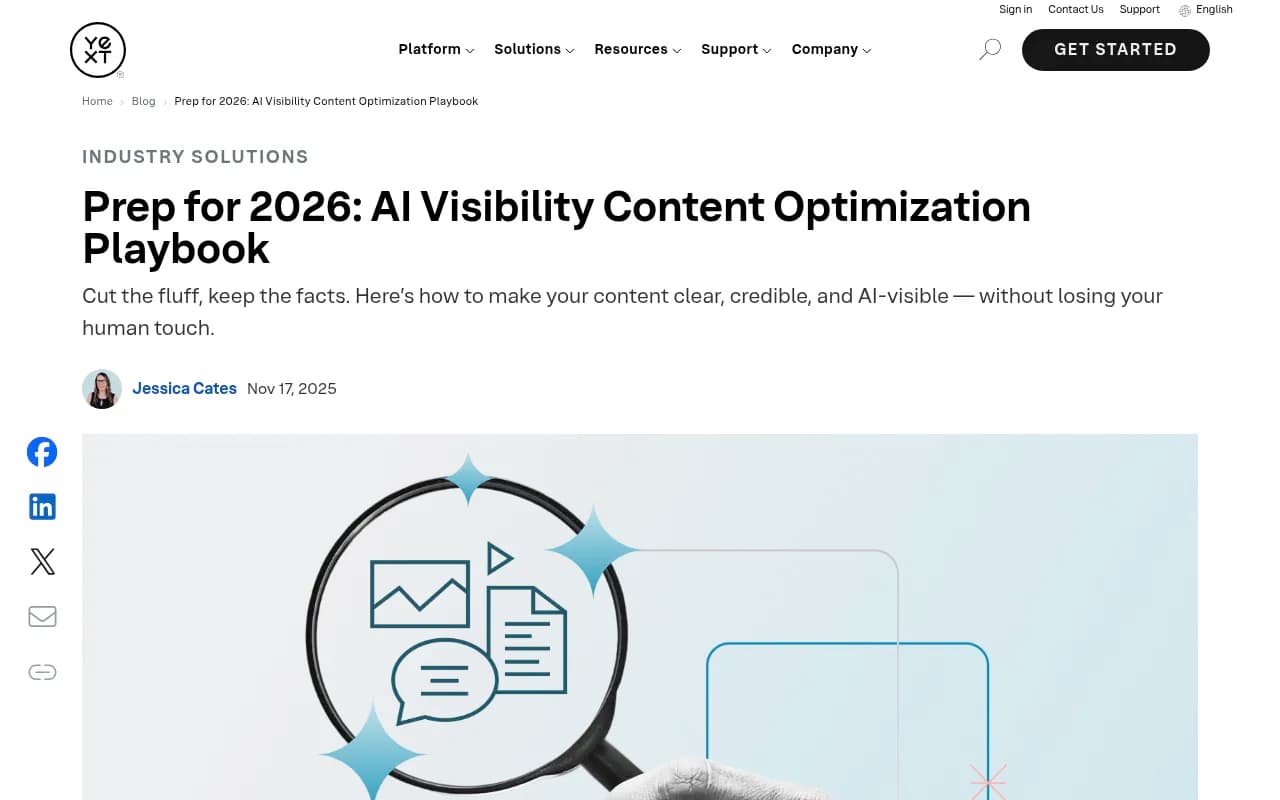
Yext's research found that 86% of AI citations come from brand-managed sources -- meaning your own website, listings, and content. That's actually good news for a launch: you have more control than you might think.
Step 4: Set up your monitoring baseline before day one
This is the step most teams skip, and it's the most important one. You need a snapshot of your AI visibility before your launch content goes live. Without it, you can't attribute any visibility gains to specific content decisions.
Set up tracking for:
- Your brand name across all major AI models (ChatGPT, Perplexity, Gemini, Claude, Grok, Copilot)
- Your 20-30 highest-priority prompts
- Your top 3-5 competitors on those same prompts
- Any third-party pages (review sites, Reddit threads, YouTube videos) that currently mention your category
Run your first batch of prompt checks and save the results. This is your day-zero baseline. Everything after launch gets measured against it.
Phase 2: Launch week monitoring
What to watch in the first 72 hours
The first few days after launch are mostly about crawl, not citation. AI models need to discover your new content before they can cite it. What you're watching for:
- AI crawler activity on your new pages (ChatGPT's crawler, Perplexity's bot, Google's AI crawlers)
- Any immediate citation appearances for brand-name prompts
- Whether your structured data is being parsed correctly
If you have crawler log access -- either through your platform or via a Cloudflare/Vercel integration -- you can see exactly which AI bots are hitting which pages and how often. This tells you whether your content is being discovered at all, which is the prerequisite for being cited.
Most monitoring tools don't give you this. Promptwatch's AI Crawler Logs show you real-time crawler activity, errors, and the timeline from crawl to citation. For a launch, knowing that GPTBot hit your pricing page three times in 48 hours but hasn't touched your comparison page is actionable information.
Tracking citation velocity
Citation velocity is the rate at which new citations appear after you publish. For a new product, you're looking for the first appearance -- the moment an AI model starts including your product in a response.
Track this daily in the first two weeks. You're looking for:
- First citation by model (which AI engine cited you first?)
- Which page got cited first (was it your homepage, a blog post, a comparison page?)
- What prompt triggered the citation
- How your citation rate compares to competitors on the same prompts
Some tools that are useful for this kind of monitoring:


Phase 3: Post-launch optimization (weeks 2-8)
Reading your visibility data correctly
After two weeks, you should have enough data to see patterns. A few things to look for:
One AI model citing you but others not is common and tells you something specific. Perplexity uses live web retrieval, so it picks up new content faster. ChatGPT's training cutoff means it may not include very recent content unless it's using browsing. Gemini has its own crawl schedule. If Perplexity is citing you but ChatGPT isn't, your content is probably good -- you just need to wait, or build more citation signals.
Getting cited for some prompts but not others tells you where your content gaps are. If you're showing up for "what is [product]" but not for "best [category] tool for [use case]", you probably need more use-case-specific content.
Low citation rate despite good content sometimes means your domain authority is the bottleneck. AI models weight trusted sources heavily. Building citations on third-party sites -- review platforms, industry blogs, Reddit threads -- can accelerate this.
The content gap loop
This is where monitoring becomes optimization rather than just reporting. The process:
- Identify prompts where competitors are cited but you aren't
- Look at what content those competitors have that you don't
- Create content that directly addresses those prompts
- Track whether new citations appear after you publish
This loop is the core of what separates useful AI visibility platforms from dashboards that just show you numbers. Promptwatch's Answer Gap Analysis shows you the specific prompts and content types you're missing, and its Content Agents can generate articles, comparisons, and briefs grounded in that gap data. It's not generic content -- it's built around the actual prompts AI models are being asked.
Tracking offsite citations
A lot of AI visibility doesn't come from your own website. Reddit discussions, YouTube reviews, G2 listings, and industry comparison posts are heavily cited by AI models -- sometimes more than brand-owned content.
For a new product launch, you should be tracking:
- Which third-party pages mention your product
- Whether those pages are being cited by AI models
- Which Reddit threads in your category are influencing AI responses
- Whether your product appears in YouTube content that AI models reference
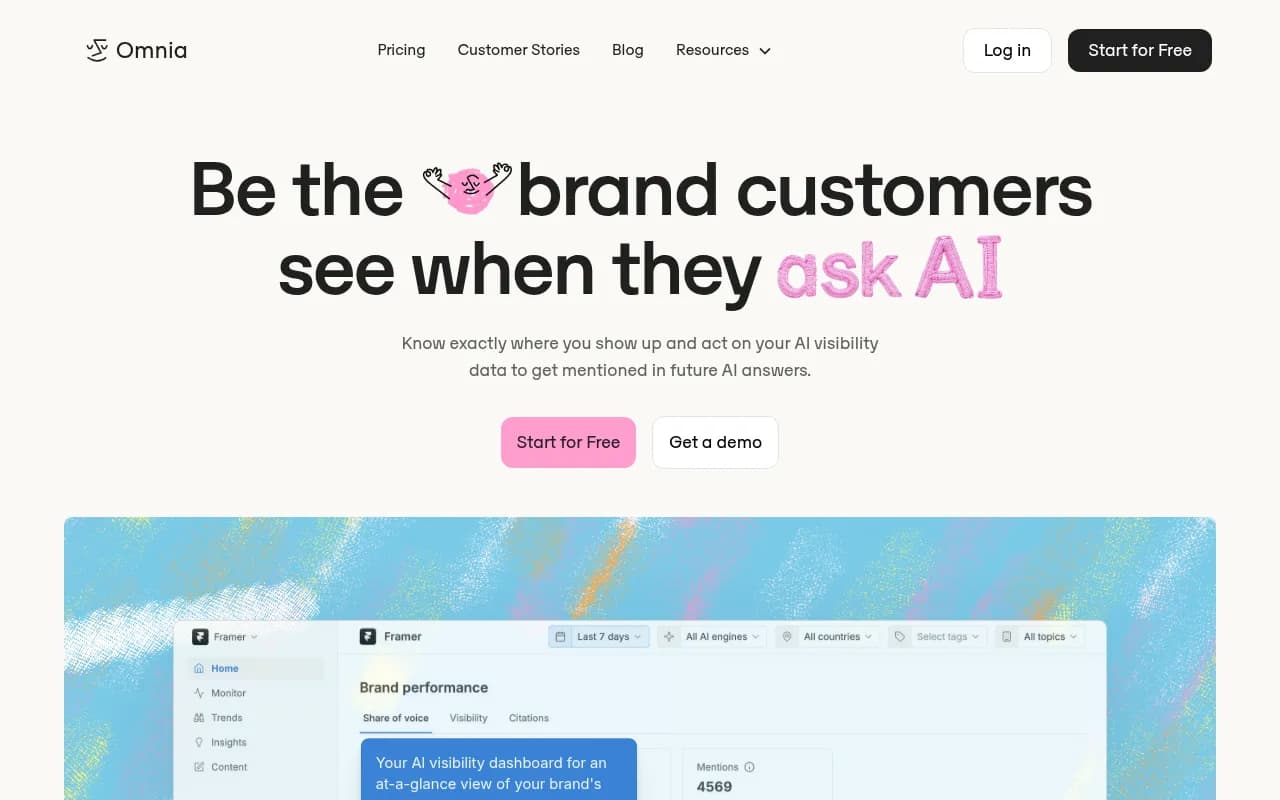
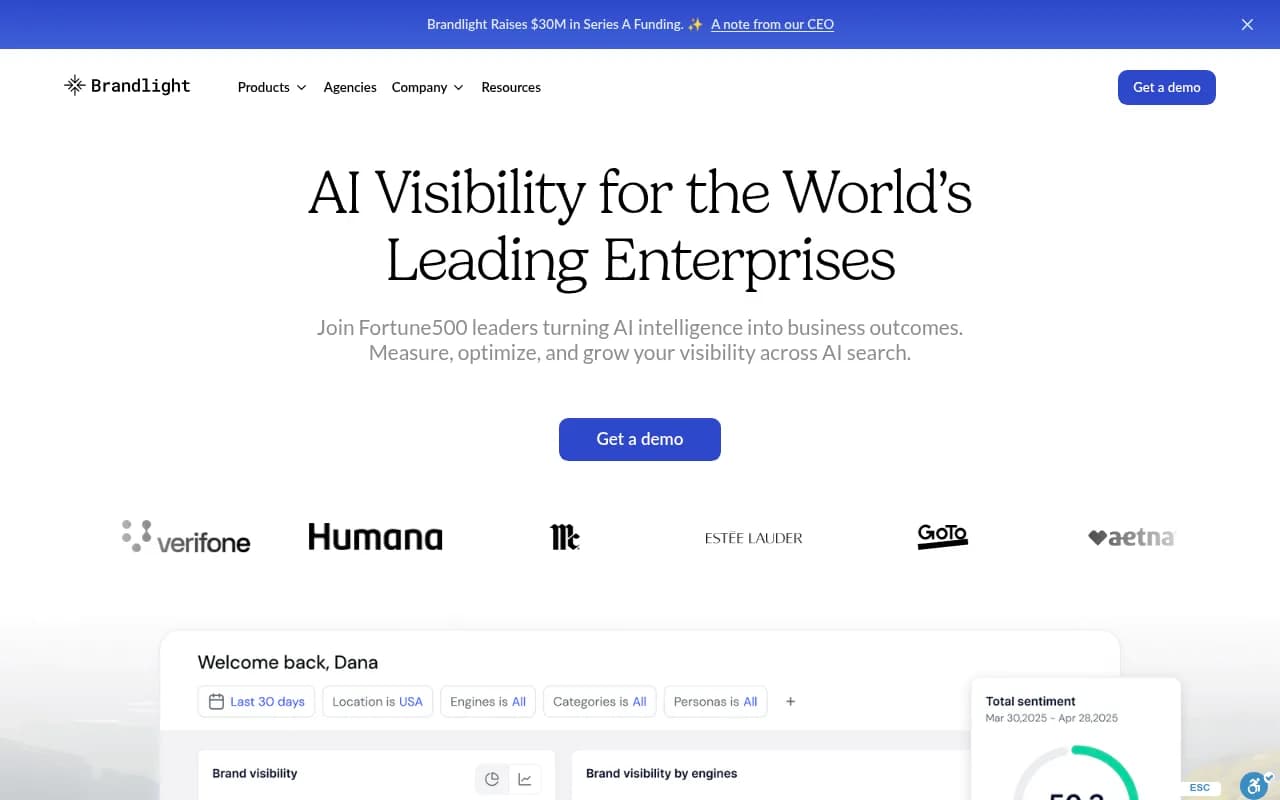
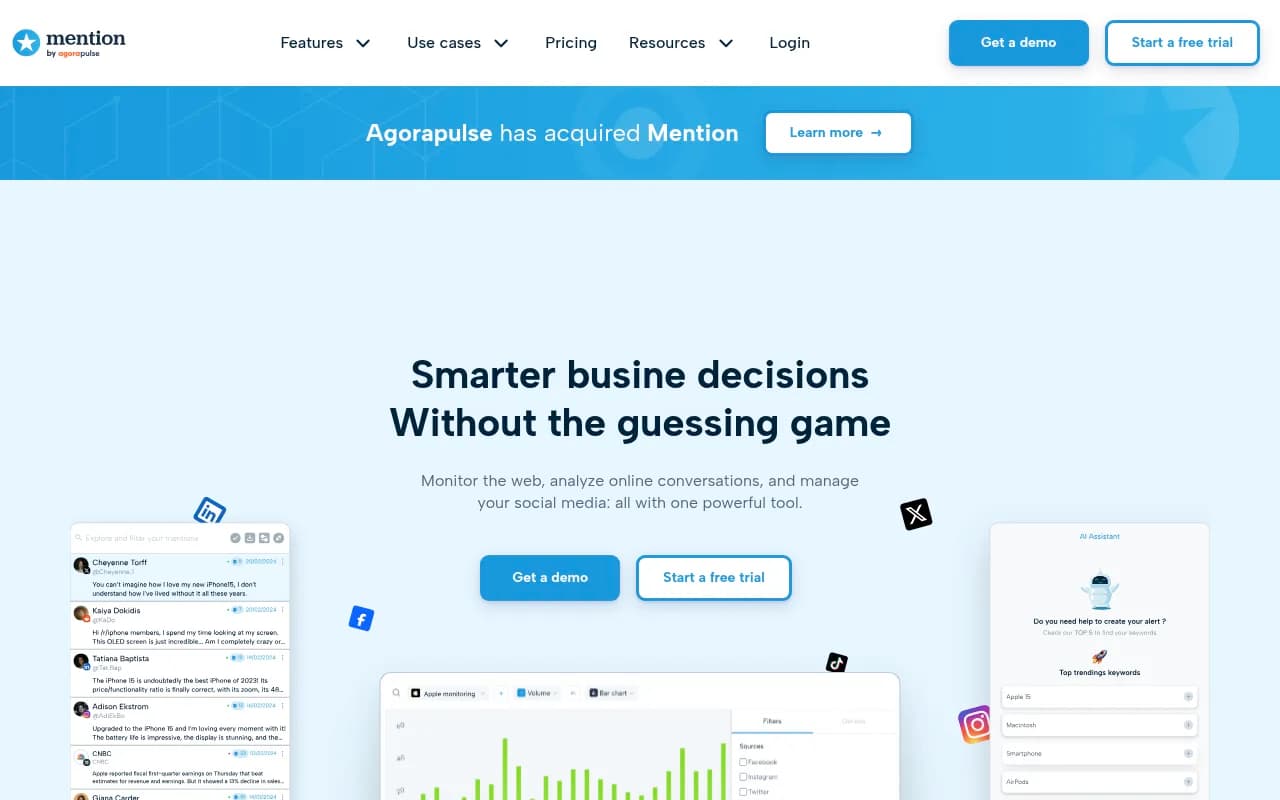
This offsite layer is easy to miss if you're only monitoring your own domain. Tools like Brandlight and Mention can help with broader mention tracking across the web.
Metrics that actually matter for a product launch
Here's a comparison of the metrics worth tracking at each stage:
| Metric | When it matters | What it tells you |
|---|---|---|
| Crawler activity on new pages | Launch week | Whether AI bots are discovering your content |
| First citation by model | Week 1-2 | Which AI engines are picking you up first |
| Citation frequency | Ongoing | How often you appear vs competitors |
| Share of voice by prompt | Week 2+ | Your competitive position on key queries |
| Page-level citation tracking | Week 2+ | Which specific pages are driving citations |
| Prompt-level visibility score | Ongoing | Where you're winning and losing |
| Offsite citation count | Week 3+ | How third-party content is contributing |
| AI traffic attribution | Week 4+ | Whether visibility is driving actual visits |
The last metric -- AI traffic attribution -- is the one most teams don't set up until it's too late. If you're not tracking which visits and conversions are coming from AI search referrals, you can't make the business case for continued investment in AI visibility work.
Tool comparison: monitoring platforms for product launches
Different platforms suit different stages and team sizes. Here's a practical breakdown:
| Tool | Best for | Crawler logs | Content generation | Prompt volume data |
|---|---|---|---|---|
| Promptwatch | Full-cycle optimization | Yes | Yes | Yes |
| Profound | Mid-market monitoring | No | No | Limited |
| Peec AI | Multi-language tracking | No | No | No |
| Otterly.AI | Budget monitoring | No | No | No |
| AthenaHQ | Monitoring-focused teams | No | No | No |
| Omnia | Share of voice analysis | No | No | No |
For a product launch specifically, the crawler log capability matters more than it does for ongoing monitoring. Knowing whether AI bots are actually hitting your new pages in the first week is the difference between "wait and see" and "something is broken, fix it now."
Common mistakes teams make at launch
A few patterns that come up repeatedly:
Publishing launch content without schema markup. AI models use structured data to understand what a page is about. A product page without Product schema, or an FAQ section without FAQ schema, is harder for AI to parse and cite correctly.
Monitoring only their own brand name. Brand name prompts are the last thing to move -- AI models already know who you are from your homepage. The prompts that drive new customer discovery are category and use-case prompts, and those are the ones most teams forget to track.
Waiting until week four to check results. Crawler activity in the first 72 hours tells you whether your content is even being seen. If GPTBot hasn't visited your core pages in the first week, something is blocking it -- robots.txt, noindex tags, or a crawl budget issue -- and you want to know that immediately, not a month later.
Treating AI visibility as a separate project from content marketing. The teams that move fastest are the ones who integrate AI prompt data into their content planning from the start. Every piece of launch content should be mapped to specific prompts, not written in isolation and then checked for AI visibility afterward.
A practical launch checklist
Before you publish:
- Identify 20-30 priority prompts with volume and difficulty data
- Run competitor citation audit across ChatGPT, Perplexity, Gemini, and Claude
- Audit launch content for AI readability (structure, schema, directness)
- Set up monitoring for brand prompts, category prompts, and competitor prompts
- Record day-zero baseline for all tracked prompts
- Verify AI crawler access (check robots.txt, ensure GPTBot and PerplexityBot aren't blocked)
Launch week:
- Monitor crawler logs daily for new page discovery
- Check for first citations on brand-name prompts
- Watch for any structured data errors in Google Search Console
Weeks 2-8:
- Run weekly prompt checks and compare to baseline
- Identify citation gaps vs competitors
- Create content to fill the highest-priority gaps
- Track offsite mentions and citations
- Connect AI visibility data to traffic and conversion data
The goal isn't a perfect score on some AI visibility dashboard. It's a repeatable process that tells you where you're invisible, helps you fix it, and shows you whether the fix worked. That loop -- find gaps, publish content, track the lift -- is what makes AI visibility a growth lever rather than just another metric to report.