Key takeaways
- "Free" means at least four different things in this category: a one-off checker, a capped free tier, a demo-only sales funnel, and a trial that needs a credit card. Know which one you're looking at before you trust the number it gives you.
- Mangools' AI Search Grader, HubSpot's AI Search Grader, and Ahrefs Brand Radar (currently free during its beta) are the closest things to a real, no-cost starting point right now.
- Free tools typically cap you at 25-50 prompts a month, refresh data weekly instead of daily, and skip sentiment, citation quality, and share-of-voice entirely. You're seeing a sliver of the picture, not the whole thing.
- AI answers are non-deterministic. The same prompt can return a different answer five minutes later, so a single free snapshot is one sample, not a verdict.
- A sensible path: run 2-3 free tools for a full quarter, log what you learn manually, and only pay once you know exactly which question a paid tool would answer that the free ones can't.
Why "free" is doing a lot of work in this sentence
Every brand monitoring vendor wants to say they have a free option, because it gets people in the door. But when you look closely, "free" splits into categories that behave nothing alike.
There's the one-off check: you type in your domain, wait ten seconds, and get a snapshot of how ChatGPT or Gemini currently describes you. There's the capped free tier: an account that keeps running, but stops you at a handful of prompts or a couple of models. There's the free audit, which is really a lead-gen report a human or an automated system generates once and emails you. And there's the no-card trial, which is the full paid product on a 7 or 14-day clock, after which you either pay or lose access.
None of these are worthless. But they answer different questions, and mixing them up is how people end up making decisions based on data that's thinner than they think.
The tools that are actually free right now
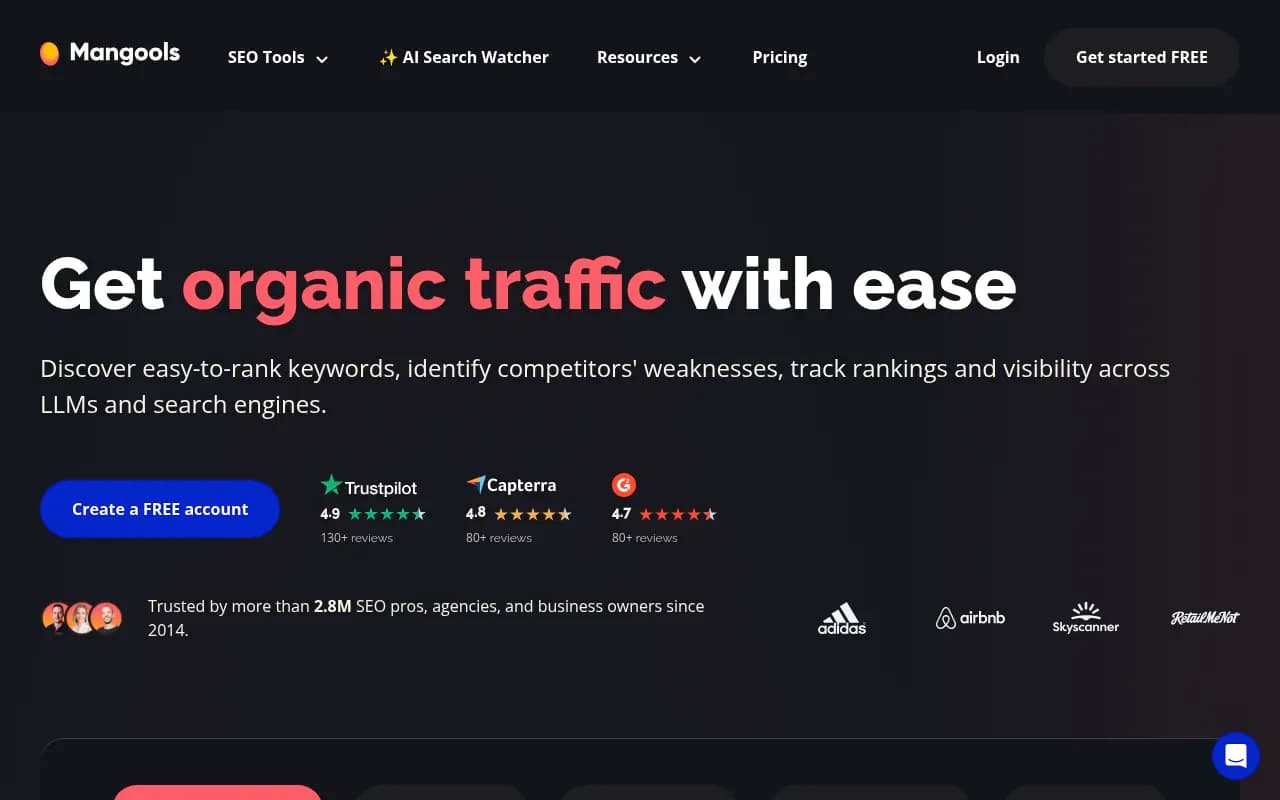
Mangools AI Search Grader
This is genuinely free with no signup required for a basic scan across three models (ChatGPT's GPT-5 Nano, Mistral Small 3.2 24B, and Meta Llama 3.3 70B). Create a free account with no credit card and it opens up to 7-8 engines total, including DeepSeek, Claude, and Gemini. Third-party reviewers have called it the most comprehensive free snapshot available, and for B2B brands whose audience actually lives inside Grok or DeepSeek conversations, it's close to the only free tool that tells you anything at all. The catch: it's a scan, not ongoing monitoring. For continuous tracking you'd need Mangools' paid AI Search Watcher.
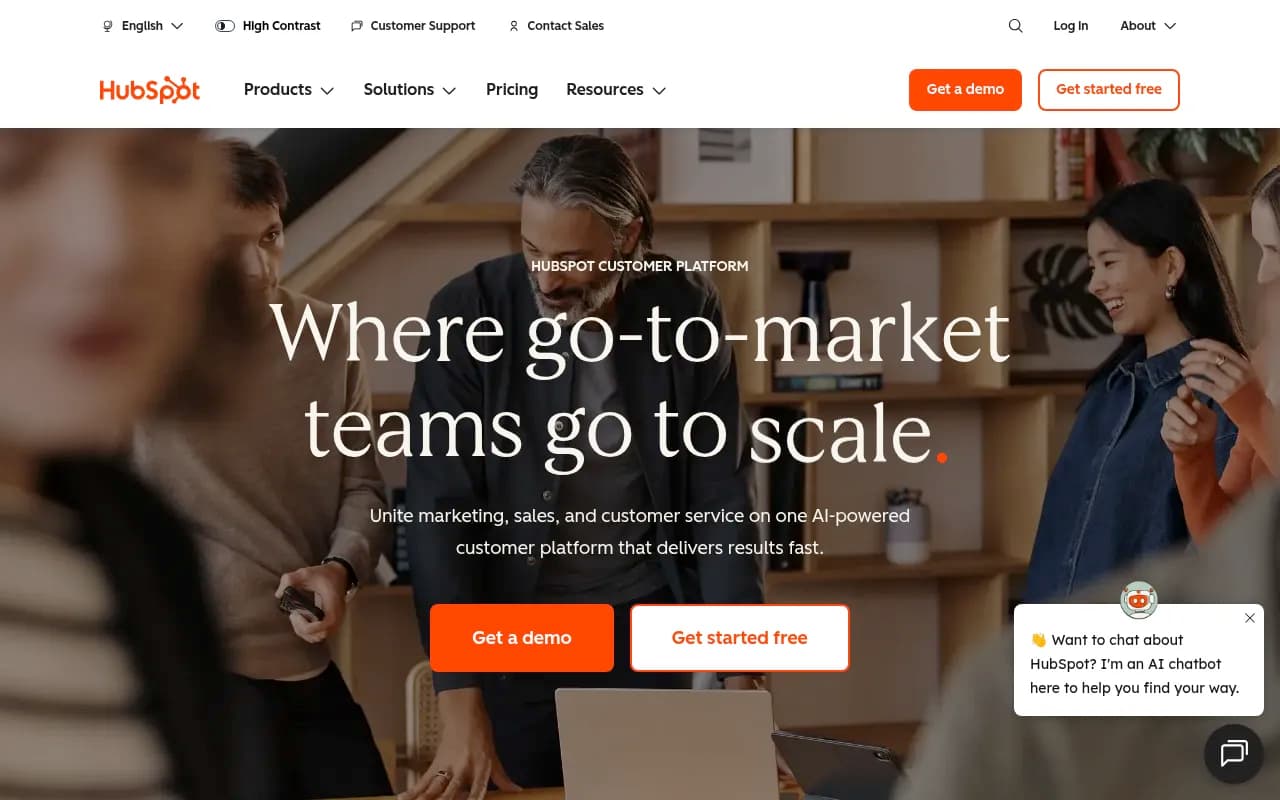
HubSpot AI Search Grader
A free, one-time diagnostic that scores how your brand shows up across ChatGPT, Perplexity, and Gemini. It's one of the few free tools that actually attempts sentiment, not just presence, which is rarer than it sounds. If you want ongoing tracking after the free grade, HubSpot's AEO product picks up at $50/month, which is the cheapest paid ongoing tool in this entire category.
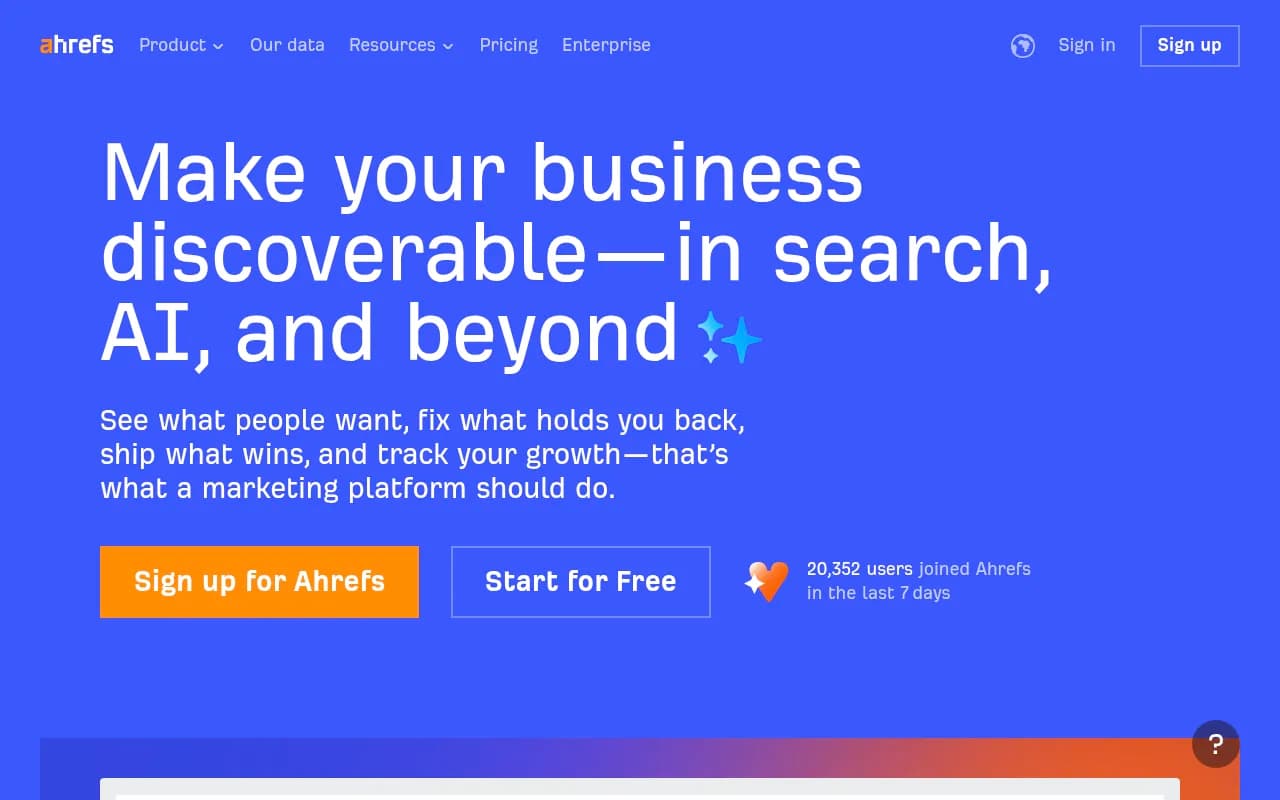
Ahrefs Brand Radar
Launched in January 2026 with a database of 250 million+ tracked prompts behind it. The free tier lets you watch custom prompts, see which engines surface your brand, and check competitor overlap on the same prompts. Right now, YouTube, TikTok, and Reddit tracking are free while that part of the feature is in beta, which won't last. If you already have an Ahrefs login, this slots into a UI you already know. The unbundled paid version gets expensive fast, with reports putting it near $199/month per AI answer engine, so six engines runs close to $700/month.
Otterly.AI and Peec AI
Both offer trials, not permanent free tiers, and both want a card up front in most configurations. Otterly starts at $29/month for 15 prompts once the trial ends; Peec starts around $70-95/month depending on billing and region. Useful to test-drive, not useful as a permanent free option.


Semrush AI Toolkit
Not free in the strict sense. It's bundled into existing Semrush subscriptions, so if you already pay for Semrush, the AI visibility layer costs nothing incremental. Standalone, it runs $99/month.
Profound and Scrunch
Worth naming so you don't waste time looking for a signup button. Both are demo-only, sales-led products aimed at enterprise budgets ($499/month and up for Profound's Lite tier). There is no free self-serve door here at all.

Athena HQ
A genuine working free tier, not just a locked demo, covering five models with basic competitor insight and reportedly a small starting credit. One independent reviewer called it the easiest tool in the category to actually try. Paid plans start around $295/month.

Free tool comparison
| Tool | Free entry type | Models covered free | Card required | Ongoing or one-off |
|---|---|---|---|---|
| Mangools AI Search Grader | Free scan + free account | 3 free, 7-8 with account | No | One-off scan |
| HubSpot AI Search Grader | Free diagnostic | ChatGPT, Perplexity, Gemini | No | One-off |
| Ahrefs Brand Radar | Free tier (beta perks) | Multiple + Reddit/YouTube/TikTok in beta | Ahrefs account | Ongoing, capped |
| Athena HQ | Free tier | 5 models | Varies | Ongoing, capped |
| Otterly.AI | Trial only | 6 engines | Yes | Time-limited |
| Peec AI | Trial only | 6 engines | Yes | Time-limited |
| Profound | Demo only | 7+ engines | Sales-led | No self-serve free |
What free tools quietly leave out
This is the part most comparison posts skip, and it matters more than the feature list. Independent analysis of free AI visibility reports estimates they typically show less than 10% of the complete picture, capping prompts at 25-50 per month and limiting historical data to 30-90 days. That's not a knock on any specific vendor, it's just the structural reality of a free tier: it exists to get you curious, not to run your GEO program.
A few specific gaps worth knowing before you build a strategy on a free dashboard:
- Sentiment, citation quality, and share-of-voice are usually missing entirely. You can see that your brand was mentioned, but not whether the mention helped or hurt you, or how you stacked up against a competitor mentioned in the same answer.
- Free tools default to generic prompts ("best HR software") instead of the specific, intent-rich prompts that actually drive conversions for your business. GEO consultant Aleyda Solis calls non-representative prompt libraries the single biggest measurement mistake in this category, ranking above almost everything else on her list of common mistakes.
- Coverage usually stops at ChatGPT, Gemini, Perplexity, and AI Overviews. Claude and niche or industry-specific assistants often get skipped entirely, which is a real problem if your buyers happen to live there.
- AI answers aren't deterministic. The same prompt run twice can return different citations. A single free snapshot is one sample from a distribution, not a fixed ranking, so don't overreact to one bad-looking result.
There's also a hidden labor cost. Manually compensating for what a free tool doesn't show, tracking sentiment yourself, cross-checking competitor mentions, building your own historical baseline, tends to eat 10-15 hours a month, which one estimate puts at $500-1,500 in labor. "Free" and "zero cost" are not the same thing once you factor in your own time.
Why the citation slots are so contested
Part of why free tools feel thin is that the AI engines themselves don't cite that many sources per answer. Promptwatch's data on citation counts shows ChatGPT typically cites around 5 sources per web-search response, roughly half of what a Google results page offers. Perplexity and Google AI Overviews are more generous, each citing around 10 sources per answer, with Perplexity notably consistent day to day. Microsoft Copilot is the outlier: its citation count has swung from under 2 sources to nearly 17 within a few weeks, evidence that Microsoft is still rebuilding how Copilot attributes sources at all.
That scarcity is exactly why a 25-prompt free tier feels so limiting. If there are only five citation slots per answer and your brand isn't specifically prompted about, you're not going to see much movement, free tool or not.
There's a second wrinkle worth knowing if you're relying on free tools that track Reddit mentions specifically. Promptwatch's data on Reddit citations shows reddit.com's share of ChatGPT Search citations collapsed from roughly 4% to about 0.5% on a single day in August 2026. If a free tool's headline number is "we track Reddit mentions," that channel can shrink to nearly nothing within a day as OpenAI adjusts retrieval, which is a good argument against building a monitoring strategy around any single platform.

A sensible free stack, and when to stop using it
If you have zero budget, this combination covers the most ground without spending anything:
- Run Mangools' AI Search Grader monthly for broad model coverage, including the engines other free tools ignore.
- Run HubSpot's AI Search Grader as your baseline sentiment check, something to share with leadership as a single number.
- If you already have an Ahrefs login, layer in Brand Radar's free tier while Reddit and YouTube tracking are still included.
- Keep a simple spreadsheet of 10-20 prompts you test weekly by hand. It's tedious, but it's the only way to catch trend shifts a capped free tool won't surface.
Run that stack for a full quarter before deciding anything. The question isn't "should I pay for a tool," it's "which specific question is my free stack failing to answer." If that question is depth (more than 50 prompts, daily refresh, real sentiment tracking, crawler-level data on which pages AI actually reads before citing you), that's when a paid platform earns its keep. Tools like Promptwatch go further than most monitoring products at that stage, pairing prompt tracking with AI crawler logs, content gap analysis, and automated content generation so you're not just watching the problem, you're fixing it. But that's a step two decision, not a step one one.
If you want to browse more of the category before committing to anything, the GEO software directory at bestgeosoftware.com and the rankings at aisearchtoolrank.com are good places to compare options side by side once your free stack has told you what you actually need.