Key takeaways
- ChatGPT Shopping carousels operate completely differently from traditional search rankings — there's no "page two," no keyword rank, and no impression share to monitor with conventional tools
- Most AI visibility platforms track brand mentions in conversational responses but don't isolate product carousel placements specifically
- A small number of tools have built dedicated ChatGPT Shopping tracking: Promptwatch, Azoma, and a handful of others are ahead of the pack here
- The gap between "monitoring your brand in AI" and "tracking whether your products appear in shopping carousels" is significant — don't assume one covers the other
- For e-commerce brands, the most important metric is carousel inclusion rate across category-relevant prompts, not general brand mention frequency
Why ChatGPT Shopping is a different tracking problem
When ChatGPT launched its shopping feature, it didn't just add another channel to monitor. It changed the fundamental structure of product discovery. A user types something like "best running shoes under $150 for flat feet" and gets a curated carousel of products with images, prices, and links — no blue links, no comparison of ten results, just a short list. Your brand either makes that list or it doesn't.
That binary outcome is what makes ChatGPT Shopping so hard to track with existing tools. Traditional SEO platforms measure rank positions, click-through rates, and impression share. AI visibility tools (the newer generation) measure whether your brand gets mentioned in conversational responses. Neither of those is the same as measuring carousel inclusion.
Shopping carousel tracking requires asking: for which product-intent prompts does my brand appear? How often? Which competitors are displacing me? What sources is ChatGPT pulling from when it builds those carousels? These are fundamentally different questions from "is my brand mentioned in an AI response?"
The result is a market where most tools claim AI visibility tracking but very few have actually built the infrastructure to monitor shopping-specific carousel placements. Let's go through what actually exists.
The tools that actually track ChatGPT Shopping carousels
Promptwatch
Promptwatch is one of the few platforms with explicit ChatGPT Shopping tracking built in. It monitors when your brand appears in ChatGPT's product recommendations and shopping carousels specifically, not just general conversational mentions. That distinction matters enormously for e-commerce teams.
What makes it useful beyond just the carousel tracking is the surrounding infrastructure. Promptwatch runs prompts across 10 AI models (ChatGPT, Perplexity, Claude, Gemini, Grok, DeepSeek, Copilot, Meta AI, Mistral, and Google AI Overviews), so you can see whether your product visibility gap is ChatGPT-specific or systemic. The Answer Gap Analysis shows which product-intent prompts competitors are appearing for that you're not, and the built-in content generation tools help you actually fix those gaps rather than just stare at the data.
For e-commerce brands, the AI crawler logs are also genuinely useful here. You can see which pages ChatGPT's crawler is actually reading — your product pages, category pages, structured data — and identify indexing issues before they affect carousel inclusion.

Azoma
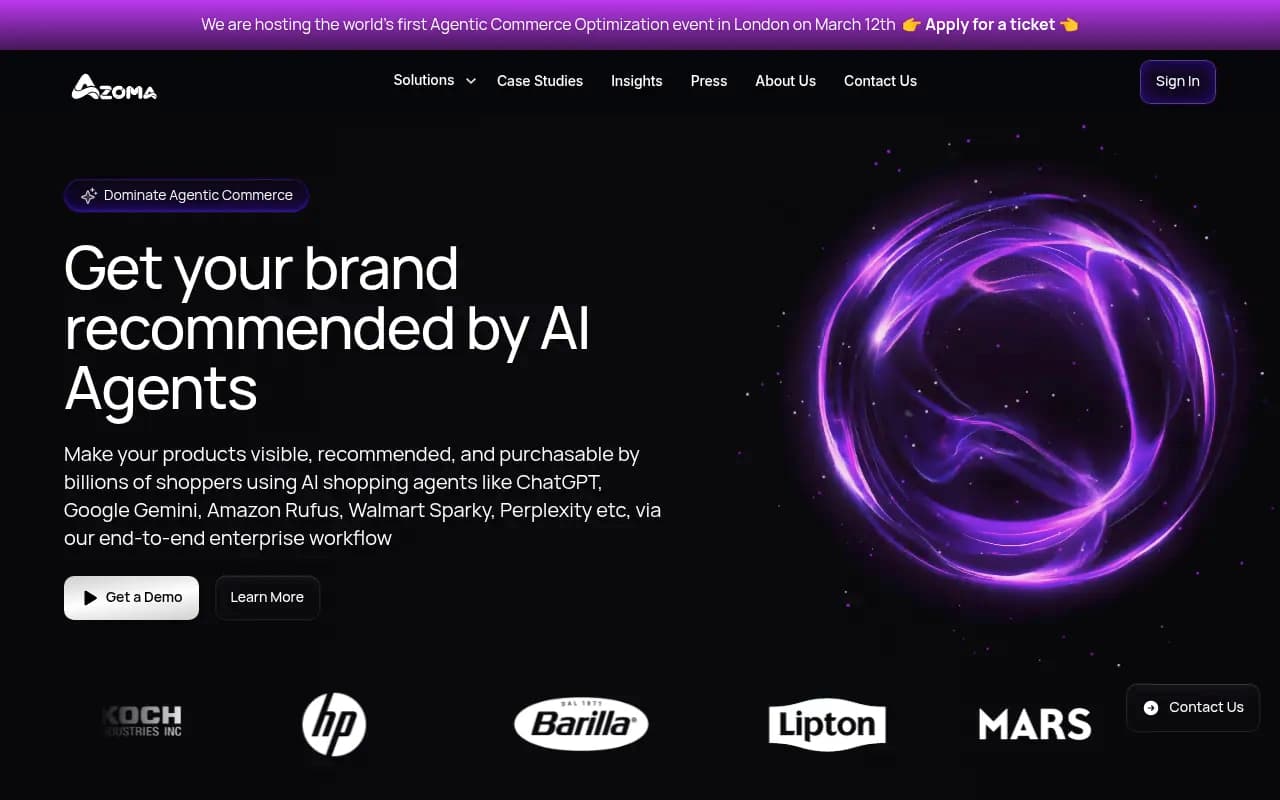
Azoma is purpose-built for AI shopping optimization across ChatGPT, Amazon Rufus, and Google Shopping AI. It's more narrowly focused than Promptwatch — it's specifically an e-commerce AI shopping tool rather than a broad GEO platform — but that focus means it goes deep on product feed optimization, structured data recommendations, and carousel placement tracking.
If your primary concern is ChatGPT Shopping and Amazon Rufus specifically, Azoma is worth evaluating. If you need broader AI visibility across multiple models and content types, you'll likely need something more comprehensive alongside it.
SE Visible (SE Ranking)
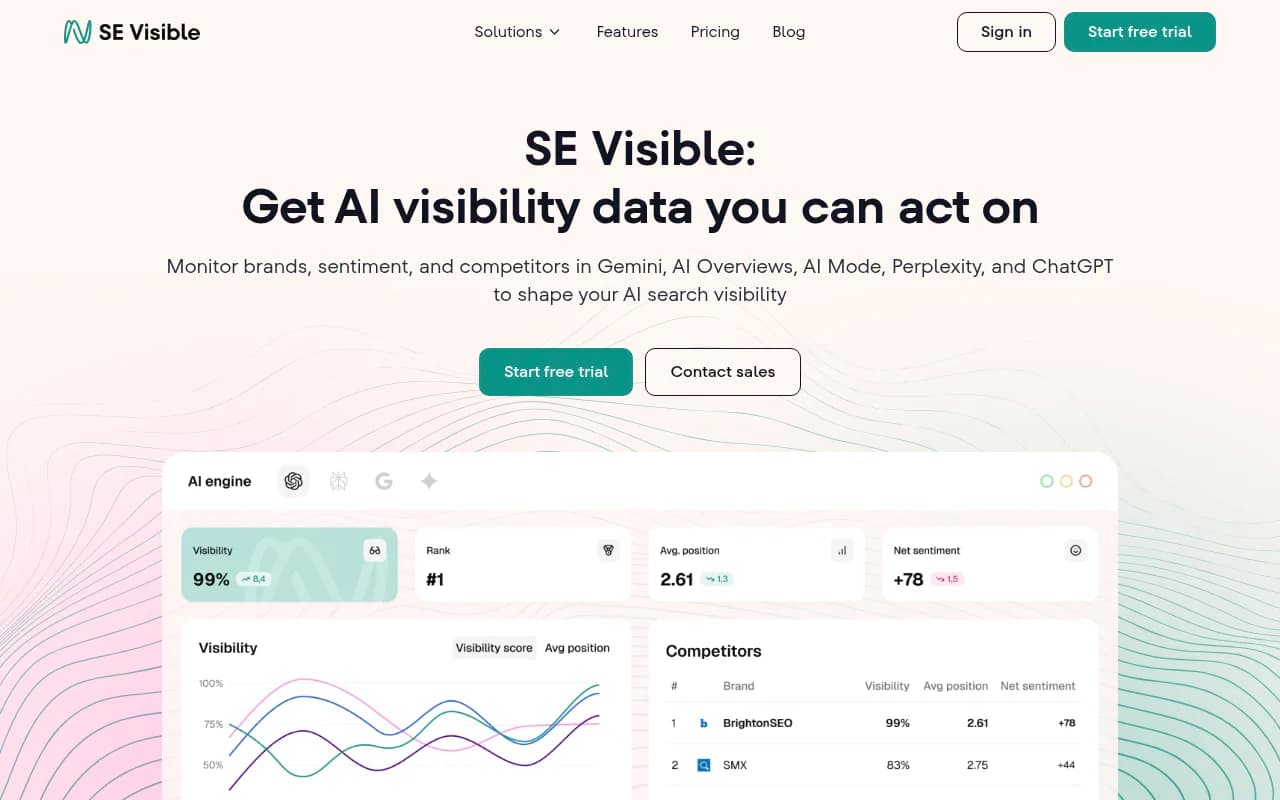
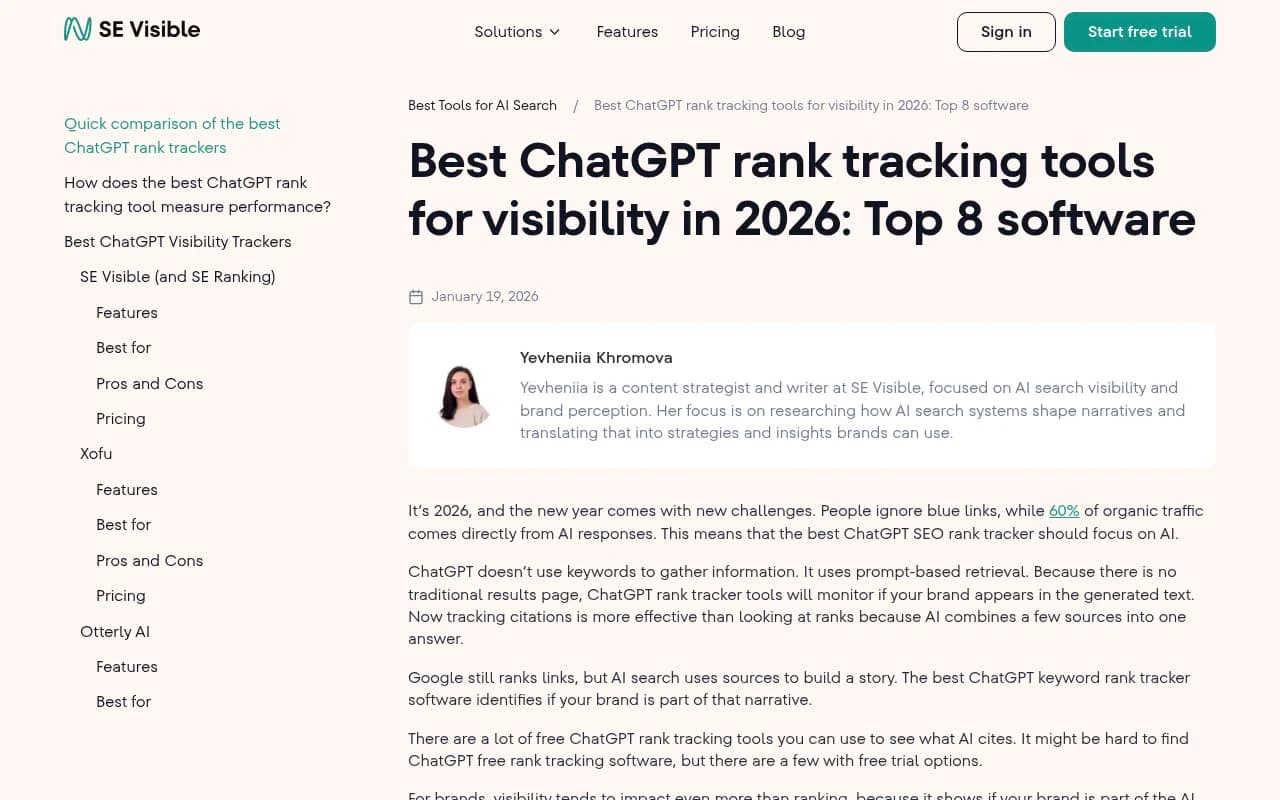
SE Visible has built out solid AI visibility tracking with a visibility score, sentiment analysis, and competitor benchmarking. It covers multiple AI models and has a reasonably clean interface for tracking brand mentions over time.
The limitation for e-commerce is that it's primarily a brand monitoring tool. It tracks whether your brand appears in AI responses, but it doesn't specifically isolate shopping carousel placements from general conversational mentions. For a brand that wants to know "did we appear in the ChatGPT shopping carousel for 'best wireless headphones'?" versus "did ChatGPT mention us somewhere in a response about headphones?", that distinction matters.
Profound
Profound targets enterprise brands and has strong narrative tracking capabilities — understanding how AI models describe your brand, what attributes they associate with it, and how that changes over time. It's genuinely good at that.
For ChatGPT Shopping specifically, it's more limited. The platform is built around brand perception and share of voice in AI conversations rather than product carousel monitoring. Enterprise brands with complex brand management needs will find it useful, but pure e-commerce carousel tracking isn't its core strength.

Otterly.AI
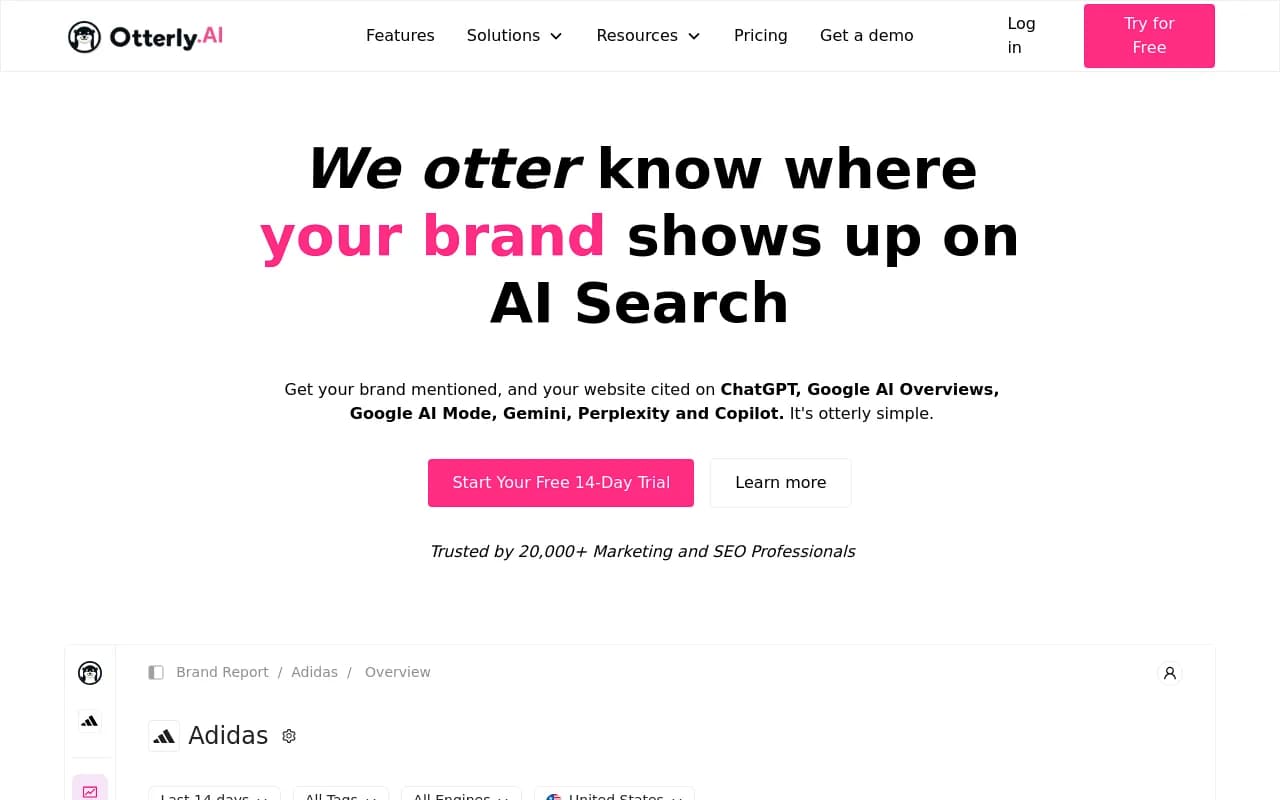
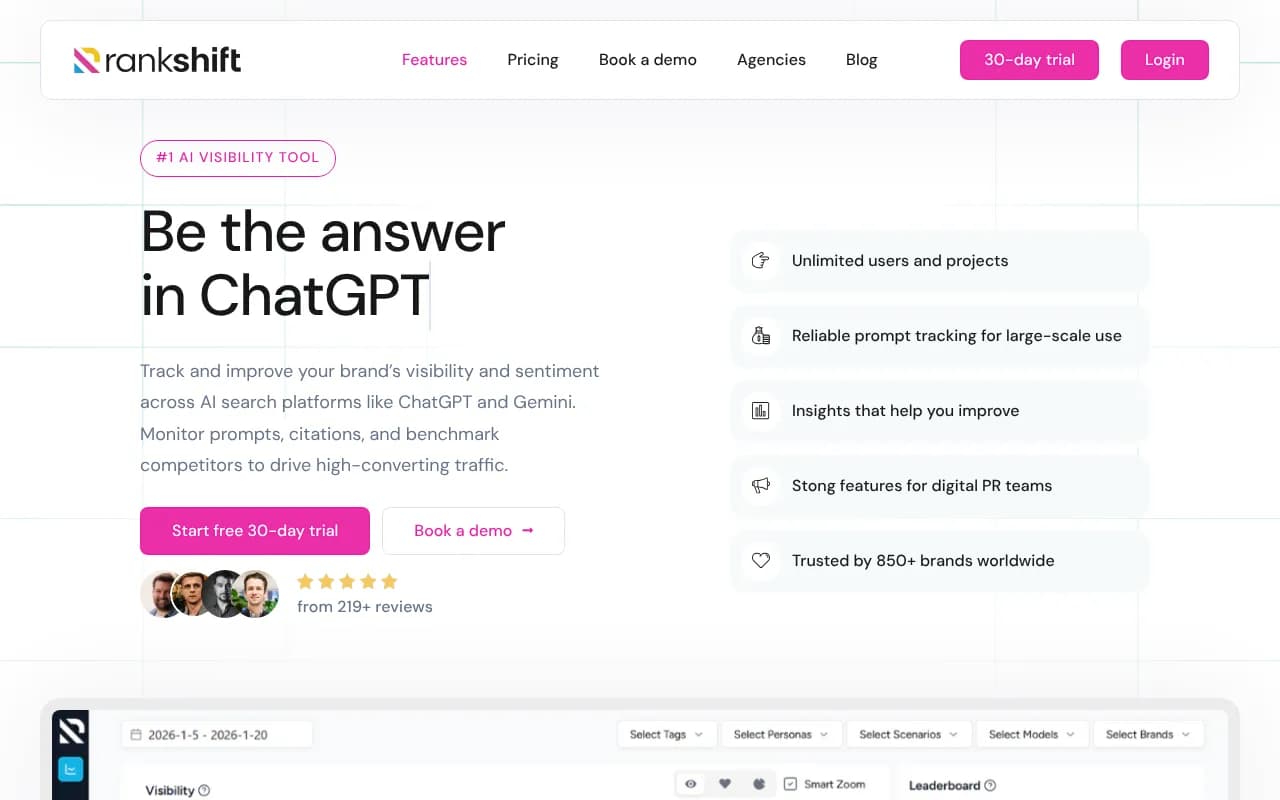
Otterly is one of the more affordable options in the AI visibility space and works well for agencies managing multiple brands. It tracks brand mentions across AI engines and provides a Brand Visibility Index with sentiment data.
It doesn't have dedicated ChatGPT Shopping tracking. For e-commerce teams specifically looking to monitor carousel placements, it's not the right fit — though it works fine for general AI brand monitoring at a lower price point.
Tools that monitor AI visibility but miss the shopping layer
A lot of platforms have entered the AI visibility space in 2025-2026, and most of them do the same thing: they run prompts against ChatGPT, Perplexity, Claude, and others, then tell you whether your brand was mentioned. That's useful, but it's not the same as shopping carousel tracking.
Here's an honest comparison of the broader field:
| Tool | ChatGPT Shopping tracking | General AI visibility | Content optimization | Crawler logs | Best for |
|---|---|---|---|---|---|
| Promptwatch | Yes | Yes (10 models) | Yes (AI writing agent) | Yes | E-commerce + full GEO |
| Azoma | Yes (specialized) | Limited | Product feed focus | No | AI shopping only |
| SE Visible | No | Yes | Limited | No | Brand monitoring |
| Profound | No | Yes | Limited | No | Enterprise brand |
| Otterly.AI | No | Yes | No | No | Affordable monitoring |
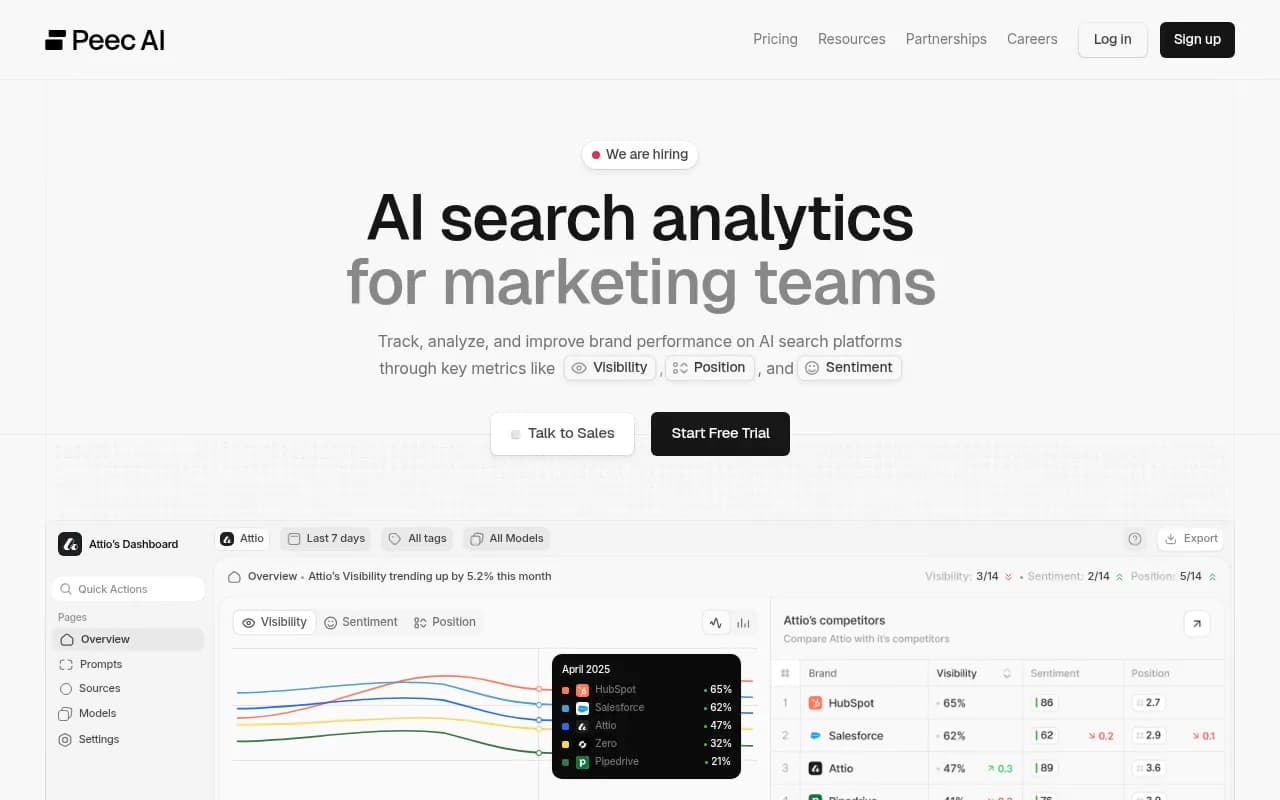
| Peec AI | No | Yes | No | No | Multi-language |
| AthenaHQ | No | Yes | No | No | Monitoring-focused |
| Semrush AI module | No | Partial | Limited | No | Existing Semrush users |
| Ahrefs Brand Radar | No | Partial | No | No | Existing Ahrefs users |
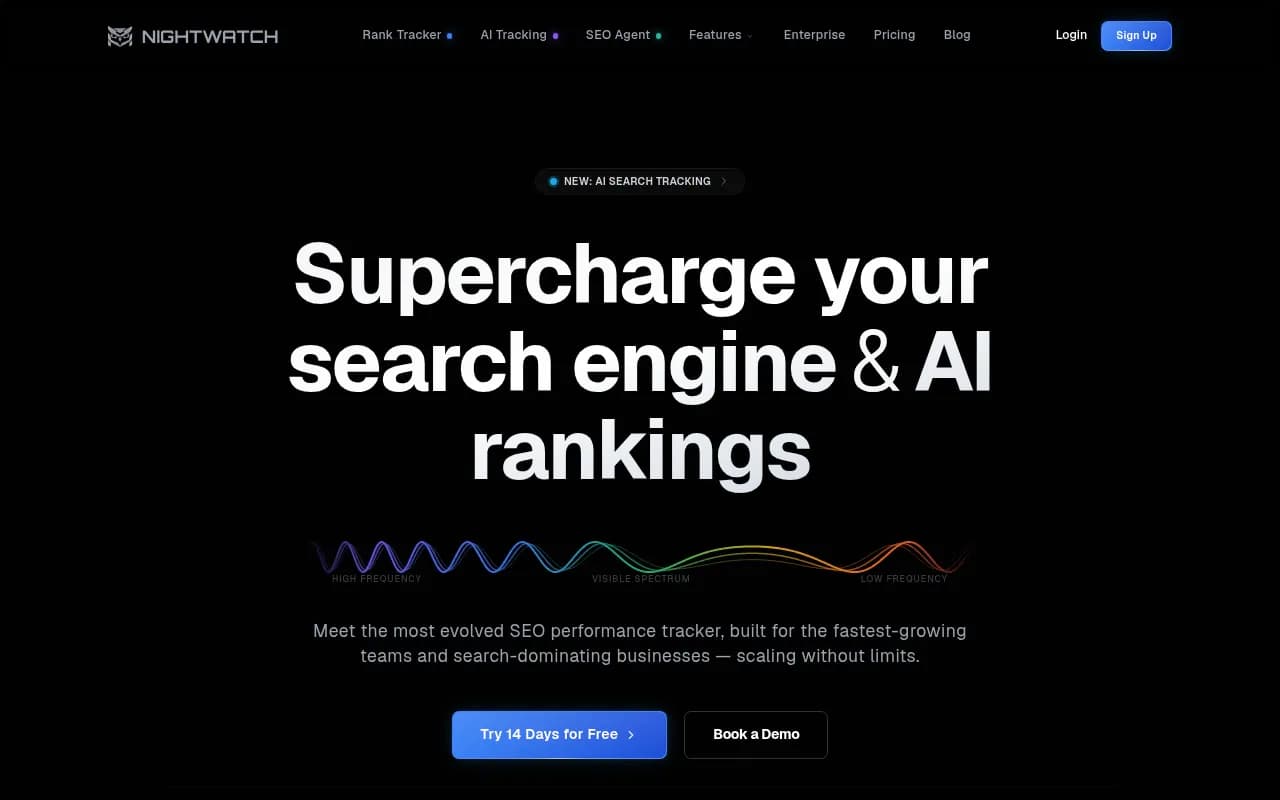
| Nightwatch | No | Yes (add-on) | No | No | Hybrid SEO + AI |


What the research actually shows about the market
Looking at the current landscape, a few things stand out.
Most platforms were built for the "is my brand mentioned in AI?" question, not the "does my product appear in the shopping carousel?" question. These are related but different. A brand can have strong general AI visibility while being completely absent from shopping carousels, because carousel inclusion depends on different signals: product feed quality, structured data, merchant reputation markers, and how ChatGPT evaluates product suitability for specific purchase-intent queries.
The Alhena AI research from early 2026 noted that Semrush's AI Optimization module tracks product visibility across ChatGPT, Perplexity, Claude, Gemini, and DeepSeek — but explicitly flagged that it doesn't track ChatGPT Shopping carousels specifically. That's a meaningful gap for e-commerce brands who assumed their existing Semrush subscription covered this.
The SE Ranking comparison guide also highlights that most tools in the market are monitoring dashboards rather than optimization platforms. You can see that you're invisible, but the tool doesn't help you fix it.
What signals actually drive ChatGPT Shopping carousel inclusion
Understanding what ChatGPT evaluates when building shopping carousels helps clarify what you should be tracking and optimizing. Based on what's known about how the feature works:
Structured data quality matters more than it does for traditional SEO. ChatGPT pulls product information from feeds and structured markup. Incomplete or outdated product schema is a common reason brands get excluded even when their products are highly relevant.
Third-party review signals play a significant role. ChatGPT's shopping recommendations lean on external validation — review platforms, comparison sites, and editorial mentions. If your product pages have strong content but weak external signals, you may still miss carousels.
Merchant reputation markers include things like return policies, shipping information, and trust signals that appear in structured data and on-page content. ChatGPT appears to factor these into product recommendations.
Conversational query matching is different from keyword matching. The prompts that trigger shopping carousels are often longer, more specific, and more intent-rich than traditional search queries. Tracking which prompts trigger carousels — and which competitors appear for those prompts — requires running those specific queries, not just monitoring general brand mentions.
This is why prompt intelligence matters so much for e-commerce. Tools that show you prompt volumes and difficulty scores for purchase-intent queries give you something actionable to work with. Promptwatch's prompt intelligence features (volume estimates, difficulty scores, query fan-outs) are particularly useful here because they help you prioritize which product-intent prompts are worth targeting.
How to actually set up ChatGPT Shopping tracking
If you're starting from scratch, here's a practical approach:
Step 1: Map your product-intent prompts. These are the queries a buyer would use when they're close to a purchase decision. "Best [product category] for [use case]", "cheapest [product] that [requirement]", "which [product] should I buy for [scenario]". Build a list of 30-50 of these for your category.
Step 2: Run baseline visibility checks. Use a tool with ChatGPT Shopping tracking to see which of those prompts currently trigger carousels, and whether your brand appears. This is your baseline.
Step 3: Identify the gap. Which prompts are triggering carousels where competitors appear but you don't? That's your priority list.
Step 4: Audit your product data. Check your structured data, product feeds, and on-page content against the prompts where you're missing. Often the issue is incomplete product information rather than a content problem.
Step 5: Track changes over time. As you make changes to product pages, structured data, or external signals, monitor whether your carousel inclusion rate improves. This requires consistent tracking, not one-off checks.
Tools like Promptwatch make steps 2, 3, and 5 significantly easier because they run prompts automatically on a schedule and track changes over time. Manual checking in ChatGPT is possible but doesn't scale and doesn't give you historical data.
The broader AI visibility picture for e-commerce
ChatGPT Shopping is important, but it's one piece of a larger shift. Perplexity has its own shopping features. Google AI Overviews increasingly surface product recommendations. Google AI Mode (the new search experience) blends conversational responses with product carousels in ways that traditional rank tracking completely misses.
E-commerce brands that focus only on ChatGPT Shopping tracking are solving part of the problem. The brands getting ahead are monitoring product visibility across all of these surfaces simultaneously.
That's where a platform covering multiple AI models becomes more valuable than a single-purpose ChatGPT Shopping tool. You want to know: for this purchase-intent prompt, where do I appear across ChatGPT, Perplexity, Google AI Overviews, and Google AI Mode? And where are my competitors appearing that I'm not?
Recommendations by use case
If you're trying to figure out which tool to use, here's a straightforward breakdown:
E-commerce brand that primarily cares about ChatGPT Shopping carousels: Start with Promptwatch for the combination of ChatGPT Shopping tracking, multi-model coverage, and content optimization. If you need deep product feed optimization specifically for AI shopping, add Azoma.
Agency managing multiple e-commerce clients: Promptwatch's agency/enterprise tier covers multiple sites with white-label reporting. Otterly.AI is cheaper but lacks the shopping-specific tracking.
Enterprise brand with complex AI narrative needs: Profound handles brand perception and narrative control well. For shopping-specific tracking, you'll need to layer in something else.
Budget-conscious brand just starting out: SE Visible at $189/month covers general AI visibility reasonably well. You won't get ChatGPT Shopping-specific tracking, but you'll get a solid baseline on brand mentions across AI models.
Already using Semrush or Ahrefs: Their AI modules are useful additions but don't replace dedicated AI visibility tools for e-commerce. Semrush's AI module doesn't track ChatGPT Shopping carousels specifically, and Ahrefs Brand Radar uses fixed prompts with no AI traffic attribution.
The honest summary: if ChatGPT Shopping carousel tracking is your priority, the tool shortlist is short. Most platforms in this space weren't built for it. Promptwatch and Azoma are the clearest options, with Promptwatch offering the broader platform if you need more than just shopping carousel monitoring.
The category is moving fast. Tools that didn't have shopping tracking six months ago are adding it. But "adding it" and "doing it well" are different things — and for e-commerce brands where carousel inclusion directly affects revenue, the quality of that tracking matters.