Key takeaways
- ChatGPT does not return ten blue links, so "rank" means three things: whether you are mentioned, where you sit in the answer, and which of your URLs get cited.
- One prompt run is one sample. Answers change by run, model version and locale, so you need repeated tracking across many prompts.
- The tools below differ most on surface coverage (model-only, Search, Shopping), sampling frequency, sub-query visibility and whether they help you fix anything.
- Most listicles on this topic are vendor-written and rank themselves first. Check pricing and claims on each vendor's own page before you buy.
- Platforms that pair tracking with crawler data, content and traffic attribution are worth more than score-only dashboards.
What ChatGPT rank tracking measures
Google gives you a position. ChatGPT gives you an answer. It breaks a question into sub-queries, retrieves pages, writes a synthesis and names a handful of brands. There is no page two to climb from.
So a ChatGPT rank tracker watches a set of prompts and records, for each response:
- Mentions: did your brand appear at all, and in what tone?
- Position: where did you land in the order of brands in the answer?
- Citations: which URLs were listed as sources, and were any yours?
- Share of voice: your slice of all brand mentions versus competitors.
These are separate problems. Mentioned but never cited usually means a content or crawlability gap. Cited but ranked last means ChatGPT trusts your page but does not see you as the top pick. A good tool lets you tell them apart.
Why a single check tells you almost nothing
I would not trust any number built on one run of one prompt. The data backs this up.
Promptwatch's data on unique domains per ChatGPT response (Sep 28 to Oct 4, 2026) found that 47.6% of responses with citations cite 10 or more domains, and 66.1% cite at least 8. For organic prompts with no brand named, 52.5% cite 10 or more. Brand-specific prompts are tighter, with 5 domains the most common count at 14.9%. With that many sources in play, your presence in any single answer is noisy.
The same report recommends tracking where you appear in the response and how ChatGPT describes you, not only whether you are cited, and checking which competitors show up in the same responses as you.
Search behavior also moves under you. According to Promptwatch's report on ChatGPT's site: operator shift, the share of fanout queries using site: jumped from 0.37% to 16.8% in a single day on August 8, 2026, and average fanouts per response rose from about 1.08 to 1.83. Anything you mapped before that date is stale. That is the argument for continuous monitoring over one-off audits.
Fanouts are also short. In Promptwatch's ChatGPT query fanout data, average fanout length fell from about 117 characters in December to about 53 in April. They look like keyword searches, which makes a tracker that shows sub-queries genuinely useful for content planning.
How to evaluate a ChatGPT rank tracker
Before comparing logos, run each candidate through these questions:
- Which ChatGPT surfaces does it cover? Model-only answers, ChatGPT Search, Shopping and fan-out queries behave differently.
- How is data collected? Real user interface collection can differ from API output. Ask which one the vendor uses.
- How often does it sample? Daily is a baseline. Hourly matters during launches.
- Does it separate citations from mentions? If they are blended, you cannot diagnose anything.
- Can it filter by country and language? The same prompt answers differently by locale.
- Does it show sub-queries? Otherwise you are guessing why a competitor won.
- What happens after the report? Some tools stop at a score. Others turn gaps into content or tasks.
- What does it cost per prompt? Entry prices hide prompt caps.
Searchable's own testing cites an average of 1.74 underlying searches per ChatGPT response across 6.9 million responses. That is a vendor figure, but it fits the point: a single check is a sample, not a result.
The 11 tools at a glance
Prices below come from vendor-written roundups published in 2026 and from the tools' own positioning. Treat them as starting points and confirm on each pricing page.
| Tool | Core strength | Best for | Reported entry price |
|---|---|---|---|
| Promptwatch | Tracking plus content, crawler logs and traffic | Teams that want to fix gaps, not just see them | $95/mo (Essential) |
| Profound | Enterprise AI narrative control | Large brands | Vendor-quoted; one roundup lists $99/mo |
| Otterly.AI | Cross-engine brand monitoring | Agencies, small budgets | About $29/mo |
| ZipTie | Clear optimization actions | Marketing leads | About $69/mo |
| Searchable | Every ChatGPT surface plus content tools | Teams wanting one workflow | Check pricing page |
| Rankscale | Citations kept separate from mentions, frequent sampling | Cost-sensitive analysts | Low entry price per vendor roundups |
| Rankability | Agency-focused AI visibility | Agencies | Check pricing page |
| Nightwatch | Hybrid SEO and AI rank tracking | Teams already tracking Google | About $39/mo plus AI add-on |
| Xofu | Bottom-of-funnel prompts | High-intent tracking | Free tier / about $99/mo |
| Geoptie | Budget GEO toolkit with citation positions | Small teams | Check pricing page |
| BrightEdge AI Catalyst | Enterprise share of voice and benchmarking | Enterprise SEO teams | Quote-based |
The tools, one by one
Promptwatch
Promptwatch is the one I would start with if you want more than a scoreboard. It collects from the real ChatGPT, Gemini, Perplexity, Claude and AI Overviews interfaces in each country and language, then reports Visibility Score, Share of Voice, Position, sentiment and citation rank per prompt. That covers the mention, position and citation split directly.
What separates it from pure trackers is the loop after the report. IP-verified AI crawler logs show whether GPTBot or OAI-SearchBot even read a page, query fan-outs show the searches ChatGPT runs, and the Content Agent can write and publish pages to WordPress, Webflow or Framer for gaps. Visitor analytics then show whether the traffic arrives. Prompts run daily on every plan, and Business adds 12, 6 or 1 hour tracking plus ChatGPT Shopping insights.

Plans start at $95/mo for Essential (50 prompts), $245/mo for Professional and $579/mo for Business. Confirm at promptwatch.com/pricing. You can also start with the 7-day free trial or the free AI visibility report. For a side-by-side with the biggest name here, see Promptwatch vs Profound.
Profound
Profound is the enterprise name most people mention first. It has strong monitoring and narrative features and a price to match. If you are a large brand with a procurement process, it belongs on the shortlist. If you are a ten-person team, probably not.

Otterly.AI
Otterly is a straightforward tracker with a low entry price, popular with agencies handling several brands. It does the monitoring job well. Do not expect crawler logs, traffic attribution or content generation.

ZipTie
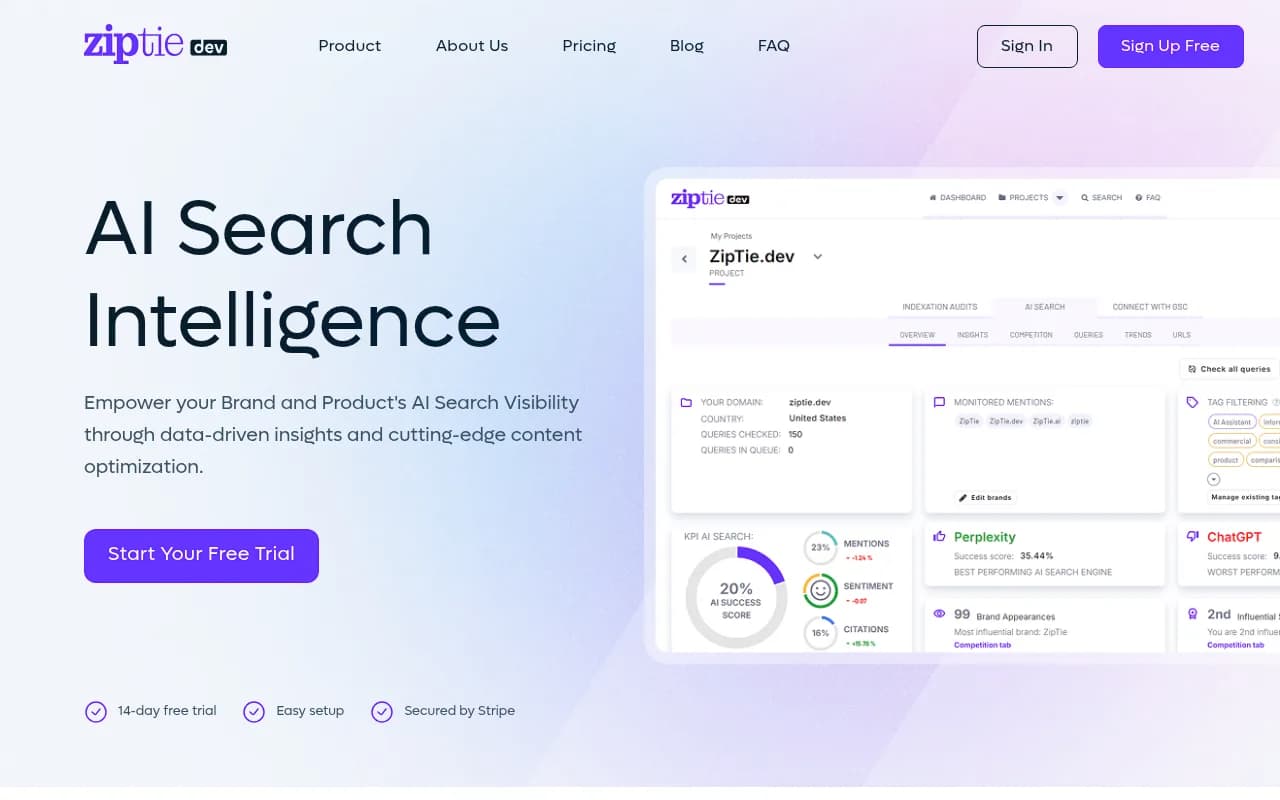
ZipTie's pitch is clarity: fewer charts, more "here is what to change." That suits marketing leads who do not want to interpret raw data. There are two listings in our catalog, ZipTie and Ziptie.dev, which is positioned as a solo SEO diagnostic tool.
Searchable
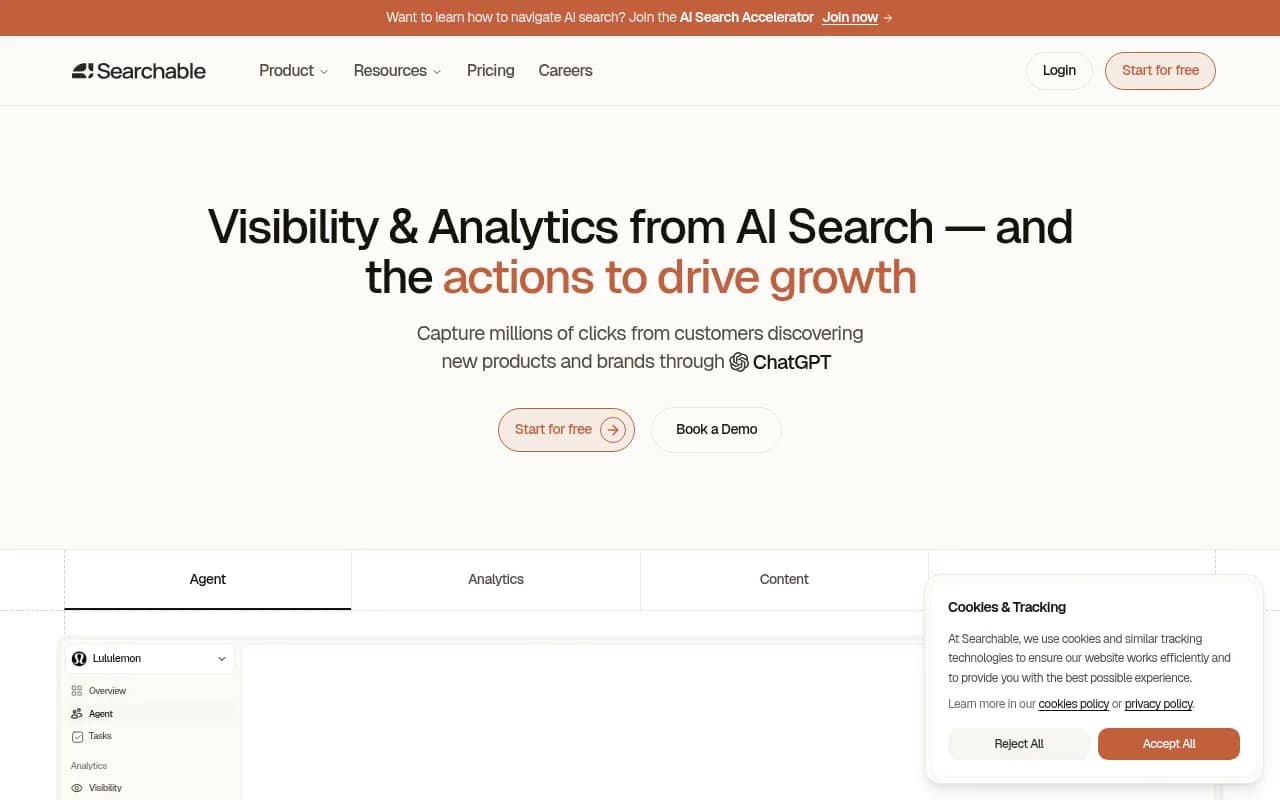
Searchable tested eight tools on every ChatGPT surface and ranked itself first, so read that with the obvious caveat. Still, its framing is correct: model-only, Search, Shopping and fan-out queries are four different surfaces, and it tracks sub-queries many tools hide. It also bundles content and technical optimization.
Rankscale
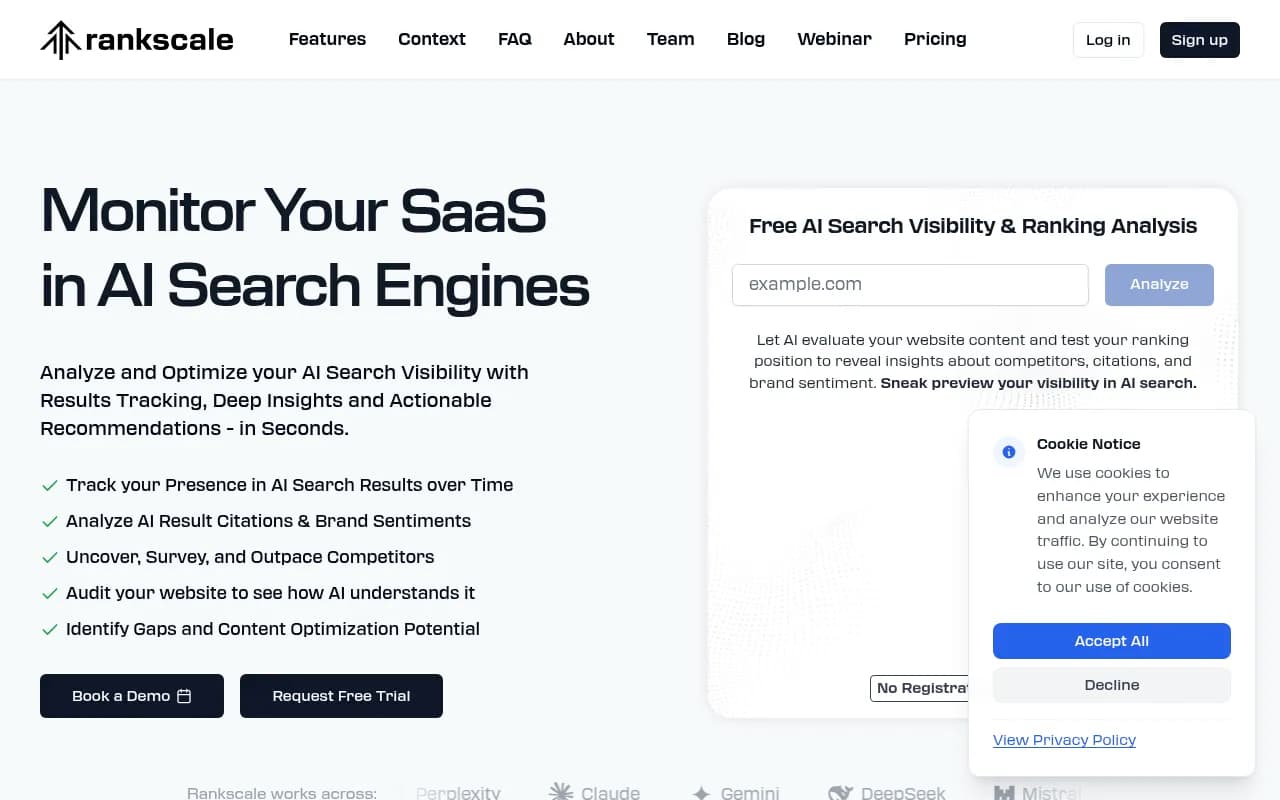
Rankscale keeps citation data structurally separate from mentions, which is exactly the diagnostic split you want, and it is reported to sample as often as hourly at a low entry price. Rework's decision framework picks it for that reason.
Rankability
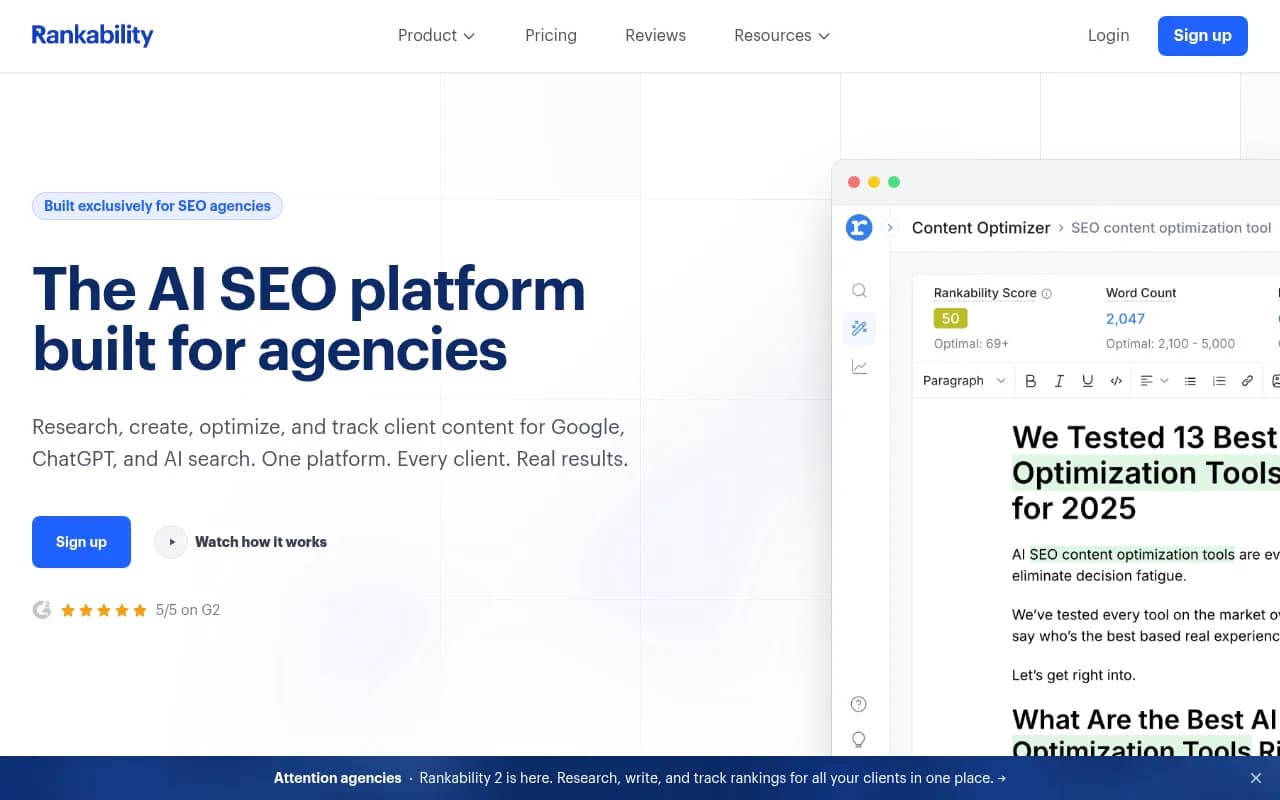
Rankability markets a ChatGPT rank tracker covering mentions, citations and position changes over time, with an agency angle for client reporting.
Nightwatch
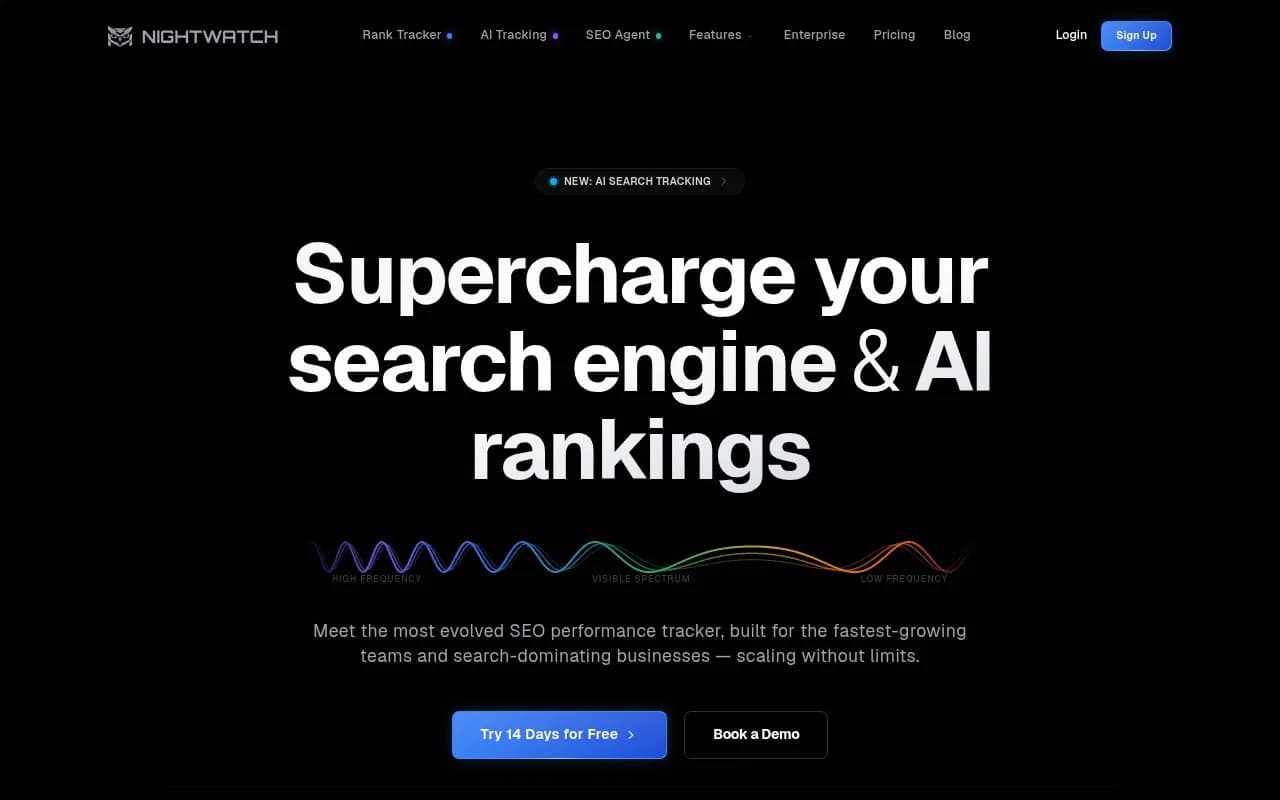
Nightwatch is the pragmatic pick if you already track Google rankings and want AI monitoring in the same login. The AI piece is an add-on, so budget for both.
Xofu
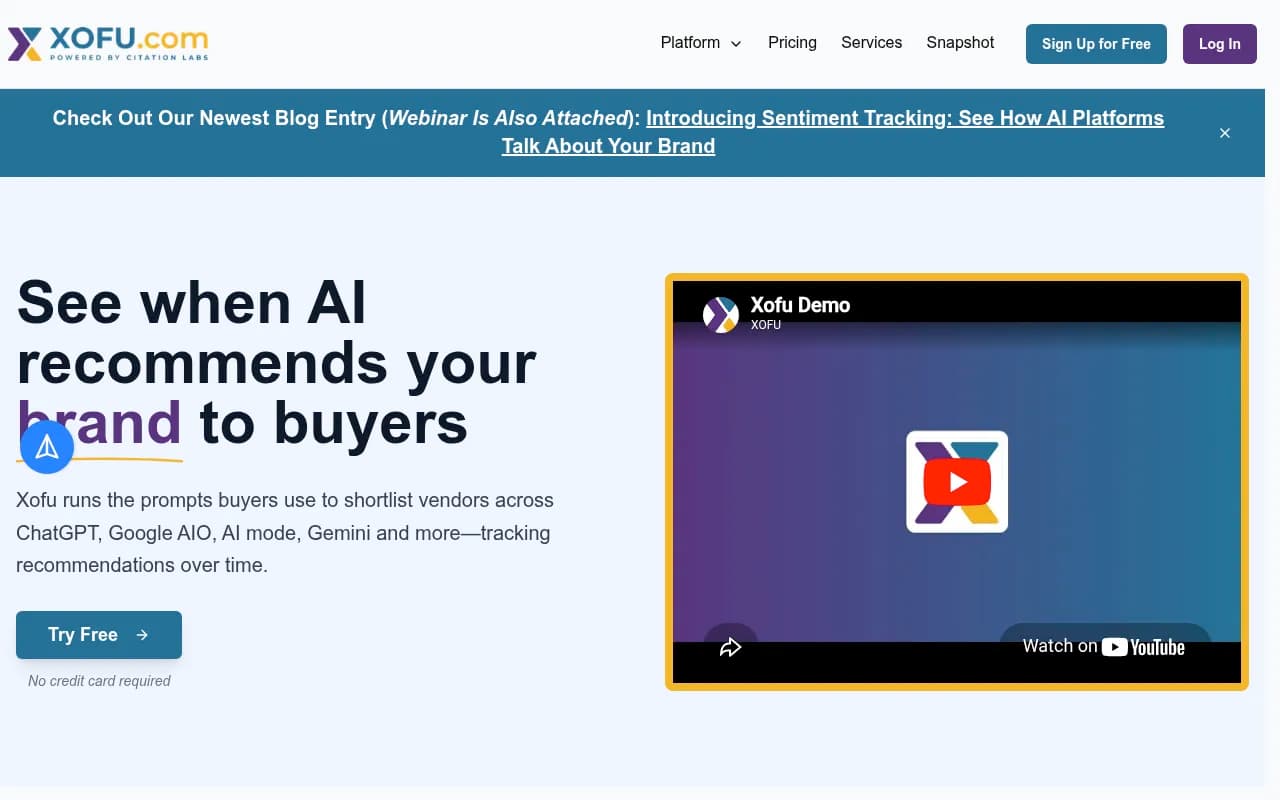
Xofu focuses on bottom-of-funnel prompts, the "best X for Y" and "alternatives to Z" questions that shape shortlists. Tracking fewer, higher-intent prompts is a legitimate strategy when budgets are tight.
Geoptie
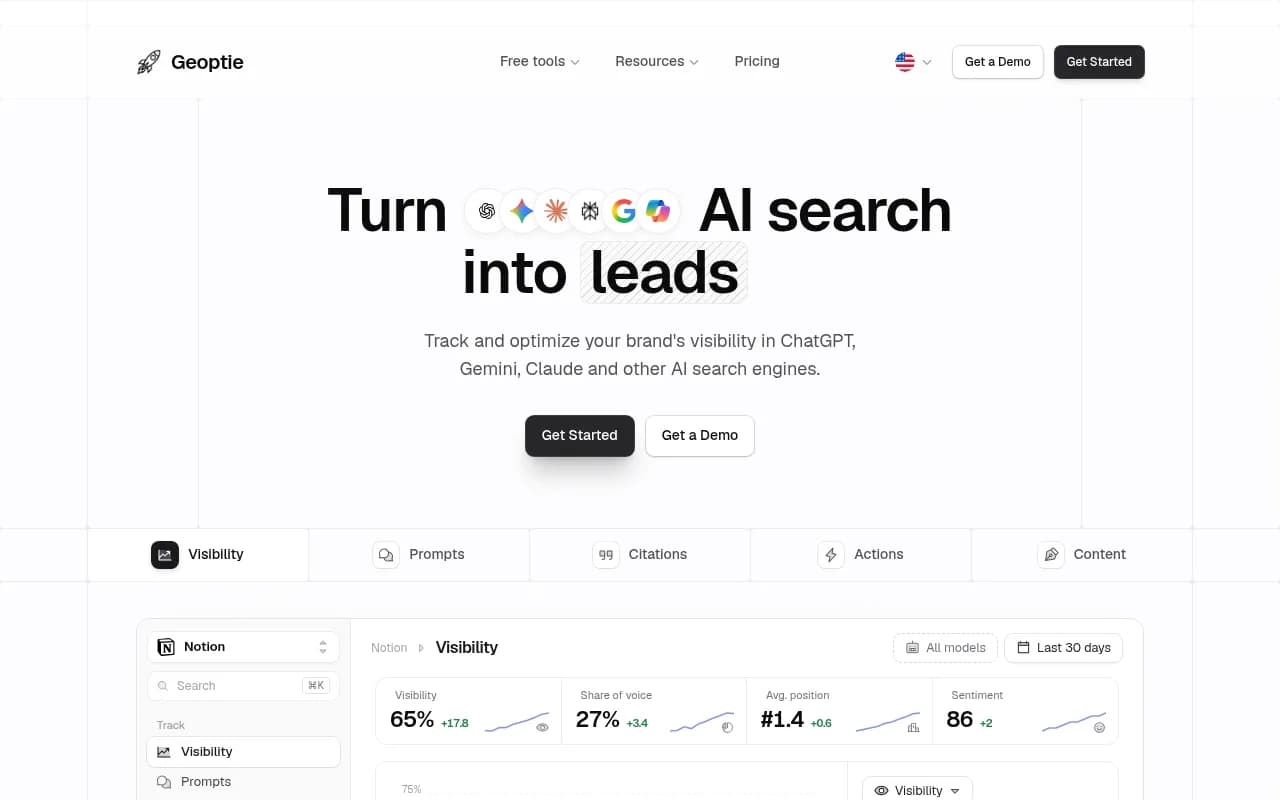
Geoptie offers citation tracking with source position, top cited pages and top cited domains at a budget price. Good for small teams that mainly want to see which of their URLs get picked.
BrightEdge AI Catalyst
BrightEdge tracks ChatGPT citations with share of voice and competitive benchmarking inside an enterprise SEO suite. Useful if BrightEdge is already your system of record.
Which tool for which situation
| If you need to... | Look at |
|---|---|
| Track, fix gaps and measure AI traffic in one place | Promptwatch |
| Lowest-cost monitoring across engines | Otterly.AI, Rankscale |
| Citation data kept apart from mentions | Rankscale |
| Every ChatGPT surface including Shopping | Searchable, Promptwatch |
| Google and AI tracking together | Nightwatch |
| Enterprise benchmarking | Profound, BrightEdge AI Catalyst |
| Client reporting for several brands | Otterly.AI, Rankability |
If none of these fit, browse the wider field at the AI rank tracking directory or the GEO software directory at bestgeosoftware.com.
What to do with the data
Tracking only pays off if it changes what you publish. A few patterns worth acting on:
- Product pages carry weight. In Promptwatch's ChatGPT citation share by content type (Sep 28 to Oct 4, 2026), product pages were the most cited type at 22.4%, followed by landing pages and listicles.
- Content decays unevenly. Promptwatch's content half-life study found landing pages and docs stayed cited longest, while news lost half its pages within 36 days. Refresh time-sensitive pages first.
- Mid-authority sites win more than you would expect. According to Promptwatch's domain rank report, DR 46-75 sites earned almost half of ChatGPT citations in August 2026, while DR 91-100 fell to about 3%.
- Reddit is not the shortcut it was. Reddit's share of ChatGPT citations fell from about 4% to 0.5% on August 14, 2026. If your tracker shows Reddit as a big source, check the date range.
A weekly rhythm works: review visibility and position by topic, look at which competitors appear next to you, check whether cited pages are being crawled, then ship two or three pieces aimed at the biggest gaps. If you would rather hand this off, an agency like 1001 SEO Media runs this kind of GEO program using Promptwatch.
Mistakes to avoid
- Buying on prompt count alone. Fifty well-chosen prompts beat five hundred generic ones.
- Trusting vendor rankings. Almost every listicle in this space ranks its publisher first. I did too, in a sense, so verify with a trial.
- Repeating unsourced stats. One roundup claims roughly 60% of organic traffic now comes from AI responses. There is no cited source, and I would not repeat it.
- Ignoring locale. Track each market separately.
- Stopping at the dashboard. A score that never triggers an action is decoration.
Bottom line
Pick two or three tools from the table, run them against the same 30 to 50 prompts for two weeks, and compare. See whether each separates mentions from citations, shows sub-queries and samples often enough to be stable. If a tool can also tell you why you lost and help you fix it, that is worth paying more for.