Key takeaways
- AirOps is genuinely good at template-driven, programmatic content, but reviewers consistently flag workflow fragility, a steep setup curve, and a pricing structure that jumps from roughly $200/mo to $2,000/mo with nothing in between.
- Google's March 2026 core update enforced its scaled content abuse policy against volume, not against AI itself. Sites that published thousands of near-identical pages with no named author or original data got hit the hardest, and recovery reportedly takes months.
- Promptwatch's citation data shows mid-authority domains (DR 46-75) earned almost half of all ChatGPT Search citations in August 2026, which means the "out-publish everyone" strategy that got teams burned was never actually necessary.
- The real fix usually isn't switching content tools, it's separating content generation from AI-visibility measurement, because most automation-gone-wrong stories trace back to nobody checking whether the output was actually getting cited or read.
- Alternatives worth evaluating depend on your bottleneck: Jasper for brand voice, Surfer SEO or Clearscope for on-page optimization, Copy.ai for GTM workflows, and a dedicated GEO/AI-visibility platform like Promptwatch if your actual problem is not knowing whether any of this content shows up in AI answers at all.
Why so many teams are burned right now
There's a specific kind of dread that comes from opening Google Search Console in April 2026 and watching a traffic graph fall off a cliff. A lot of teams that scaled fast with AirOps, or similar content-engineering platforms, are living that right now. Not because the tool lied to them exactly, but because "generate hundreds of SEO pages a week" sounded like a strategy and turned out to be a liability.
Here's what actually happened. Google's scaled content abuse policy, expanded in the March 2024 spam update and tightened significantly in the March 2026 core update, doesn't care whether a human or an AI wrote your content. It cares about volume without value. Sites that went from a few dozen pages to a few thousand in weeks, all with identical structure, no named author, and no original reporting or data, got flagged. And in 2026 Google extended these same spam policies to cover AI Overviews and AI Mode too, so the penalty surface got wider, not narrower.
The kicker: programmatic content itself isn't banned. Google's own guidance allows generated pages "when each provides real, differentiated value, such as accurate product data or genuinely useful local information." The problem was never the automation. It was publishing drafts nobody read.
What actually went wrong with AirOps specifically
AirOps sits at roughly 4.6/5 across reviews on G2, and people genuinely like the Brand Kit and CMS auto-publishing when it works. But three complaints show up again and again in 2026 reviews:
First, there's a real learning curve, often cited around two weeks, before workflows stop breaking. Second, the platform is template-rigid: it's strong for standardized, programmatic content like product descriptions or location pages, but it fights teams trying to run custom editorial review or nuanced brand-voice workflows. Third, and probably the most quoted pain point, is what one comparison site called the "$200-to-$2,000 cliff." AirOps' Solo plan runs about $199/month for 20,000 tasks, 100 tracked prompts, and single-user access with ChatGPT-only insights. The moment a team needs multi-engine tracking (Google, Perplexity, Google AI Studio), unlimited seats, or weekly reports instead of monthly ones, the only option is Pro at roughly $2,000/month. There's nothing in between, so growing teams either overpay dramatically or stay capped.
On top of that, AirOps handles generation well but doesn't natively connect planning, briefing, multi-stage review, publishing, and performance tracking into one loop. Teams end up stitching together several tools anyway, which defeats a lot of the point of buying an "all-in-one" platform in the first place.
The data that should change how you think about volume
Before picking a replacement tool, it's worth sitting with a number from Promptwatch's own research. In August 2026, domains in the DR 46-75 range earned about 46% of all ChatGPT Search citations, while domains at DR 91-100, the sites everyone assumes dominate, fell to roughly 3%. You can read the full breakdown of ChatGPT's citation share by domain rank if you want the daily trend.
That single stat undercuts the whole "publish thousands of pages fast to compete" pitch that got a lot of teams into trouble. You don't need to out-publish Forbes. You need pages that are actually useful enough to be one of roughly five sources ChatGPT cites per response, according to Promptwatch's average sources per response data. Google AI Overviews and Perplexity cite closer to ten each, but that's still a small, competitive slot count, not an open floodgate for volume.
And there's a cautionary tale baked into this dataset too. Reddit's share of ChatGPT Search citations dropped from a steady ~3.8% in late July 2026 to just 0.5% by mid-August, an 86% relative collapse in about a week, according to Promptwatch's reporting on Reddit citations dropping in ChatGPT. If your content strategy depends on gaming one platform's current citation behavior, it can evaporate before your quarterly report is due.
What content type actually earns citations now
If you're rebuilding your content process, it helps to know what AI models are actually rewarding. In August 2026, product pages remained the most-cited format on ChatGPT Search at roughly 28.7% on average for the month, but landing pages fell hard, from about 20% down to under 12% by month's end. Meanwhile how-tos more than doubled, from 4.3% of citations in the first week to 9.1% in the final stretch, and documentation nearly tripled from 3.3% to 8.2%. See the ChatGPT citation types breakdown for August 2026 for the full daily series.
Worth noting too: social-style posts, the kind of templated, low-effort formats that mass content automation tends to churn out, collapsed from 4.4% to under 1% of citations after August 14, the exact same day Reddit's citation share cratered. That's not a coincidence worth ignoring.
Comparing the alternatives
| Tool | Starting price | Best for | Notable limitation |
|---|---|---|---|
| Jasper | $59/mo (real-world enterprise often $3,600+/yr) | Brand voice consistency, 80+ marketing apps | Weak on AI/LLM visibility tracking |
| Copy.ai | $49/mo+ | GTM workflow automation beyond content | Less specialized in SEO content depth |
| Surfer SEO | $49-99/mo | On-page optimization depth | No native content generation or AI visibility |
| Clearscope | $129/mo | Enterprise content grading, unlimited seats | No workflow automation or publishing |
| Writer | $18-25/user/mo | Enterprise brand governance and compliance | Custom pricing scales fast at scale |
| Frase | $49/mo | Content research and briefs | Limited full-pipeline automation |
| Writesonic | $39-499/mo tiers | GEO/AI-prompt tracking bundled with writing | GEO features gated behind higher tiers |
| Promptwatch | $95/mo (Essential) | AI visibility, crawler logs, GEO content agents | Not a general-purpose copywriting tool |
A quick honest note on that Jasper number: third-party spend benchmarks put real-world SMB contracts closer to $3,600/year and enterprise deals averaging over $44,000/year across a 21-customer sample, so the $59/mo headline price is a starting point, not a realistic budget for most teams once seats and add-ons stack up.
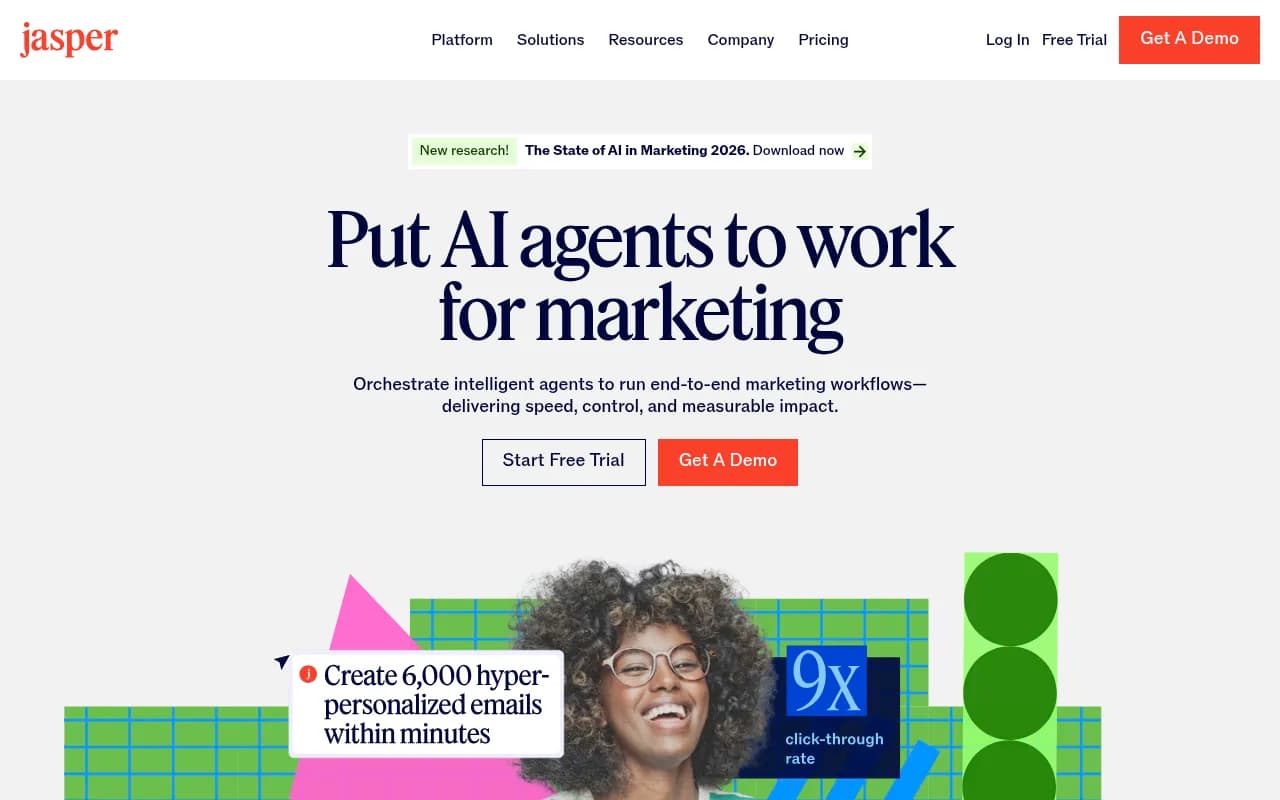
For teams whose real bottleneck is content quality and brand voice
If the burn came from AI-sounding, generic content rather than a Google penalty, Jasper's Company Knowledge and style-guide enforcement addresses that directly. It won't fix a fragmented workflow on its own, but it's a reasonable fit for teams that need consistent voice across dozens of writers.
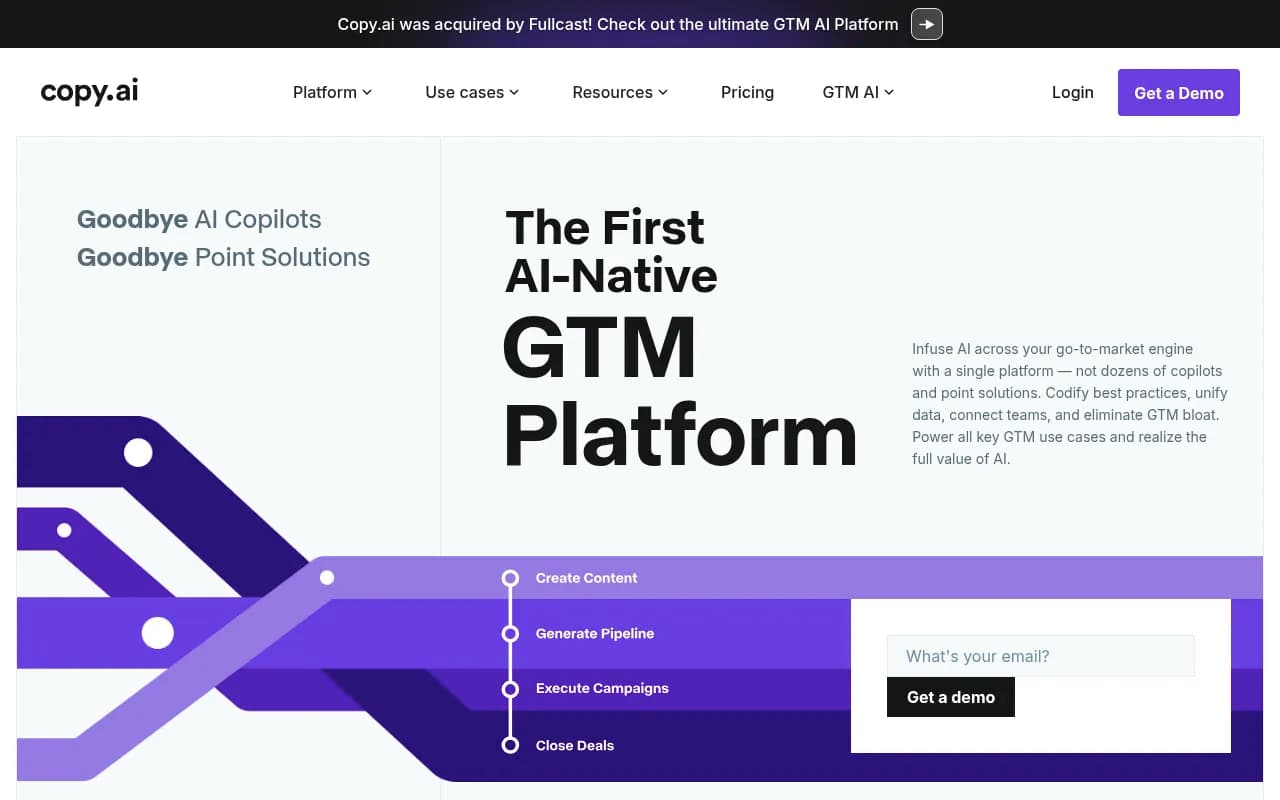
Copy.ai has moved past pure content generation into broader GTM automation, which suits teams that want their content workflows connected to sales and outbound, not just publishing.
For teams whose real bottleneck is on-page optimization
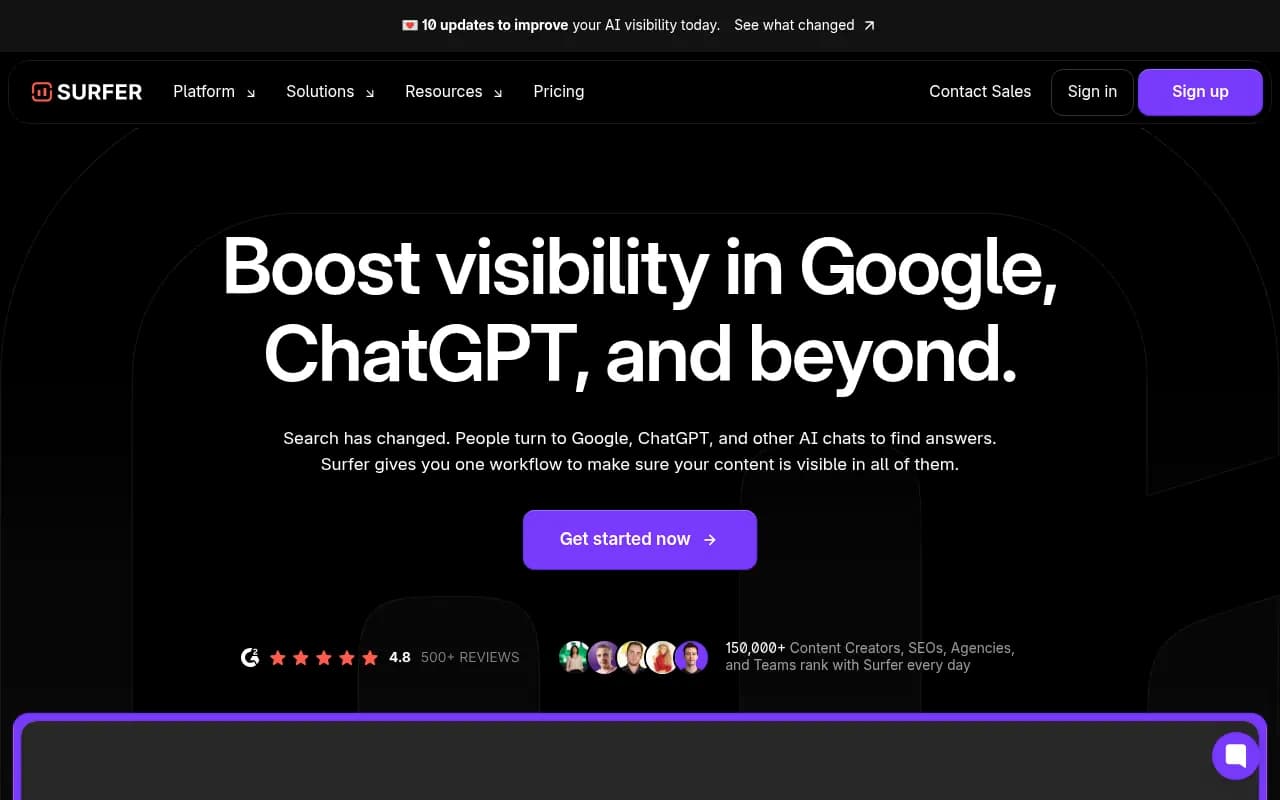
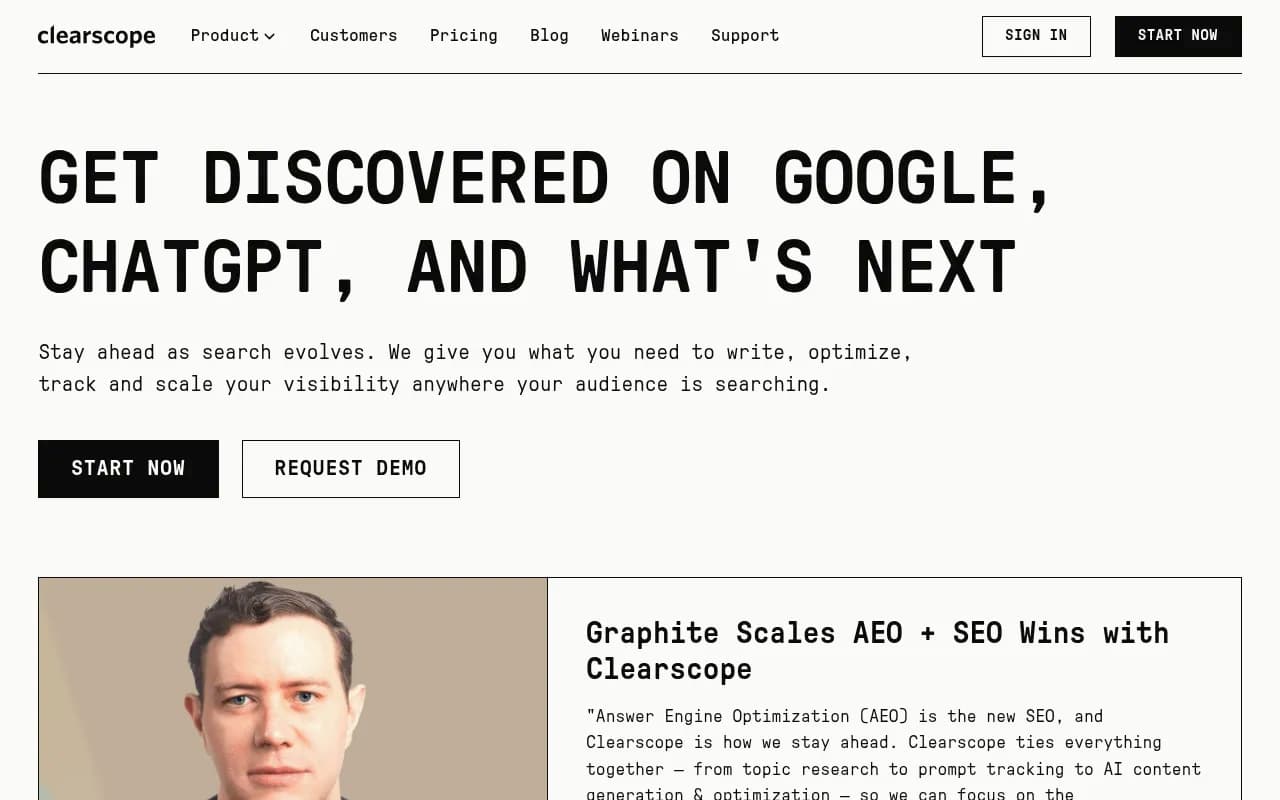
Surfer SEO and Clearscope both solve a narrower problem well: making sure the content you already have (or are about to write) is structured and covers what's actually ranking. Neither replaces a content-generation platform, but pairing either with a lighter-weight writing tool avoids the all-in-one trap that burned teams in the first place.
For teams whose real bottleneck is not knowing if any of this works
This is the part most AirOps alternative roundups skip entirely, and it's arguably the actual root cause behind a lot of "content automation gone wrong" stories. Teams scaled output without any visibility into whether AI engines were citing, ignoring, or actively penalizing what they published. If nobody's measuring citation rates, crawler behavior, or actual AI-driven traffic, you're optimizing blind, and blind optimization at scale is exactly how you end up in a scaled-content-abuse penalty.
This is where Promptwatch fits differently than the writing and workflow tools above. It's not a content generator competing with AirOps for the same job. It's the measurement layer that tells you whether your content strategy, automated or not, is actually earning citations in ChatGPT, Gemini, Perplexity, Claude, and Google AI Overviews, and it shows you why through AI crawler logs most competitors don't track at all.

The practical difference: prompt trackers answer "was I mentioned?" Promptwatch answers "why aren't I visible, and what do I fix first?" Its Agent Analytics log shows exactly when ChatGPTBot, ClaudeBot, PerplexityBot, and 400+ other crawlers hit your pages, what they read, and where they error out. Pair that with citation trend data classified across 22 content types and content gap analysis with git-diff-style update suggestions, and you've got a feedback loop that a raw content-generation tool like AirOps was never built to provide. Teams like Crisp reportedly saw 2x higher conversion rates from AI traffic versus traditional channels after adopting this kind of measurement-first approach, scaling to 5-10 published articles a day once they knew what was actually working.
Pricing starts at $95/month for the Essential plan (50 prompts, 6,000 responses, 5 AEO articles, all major LLM tracking), scaling to $245/month for Professional with automated content generation and CMS publishing to WordPress, Webflow, or Framer.
For teams that need lightweight workflow glue, not another platform
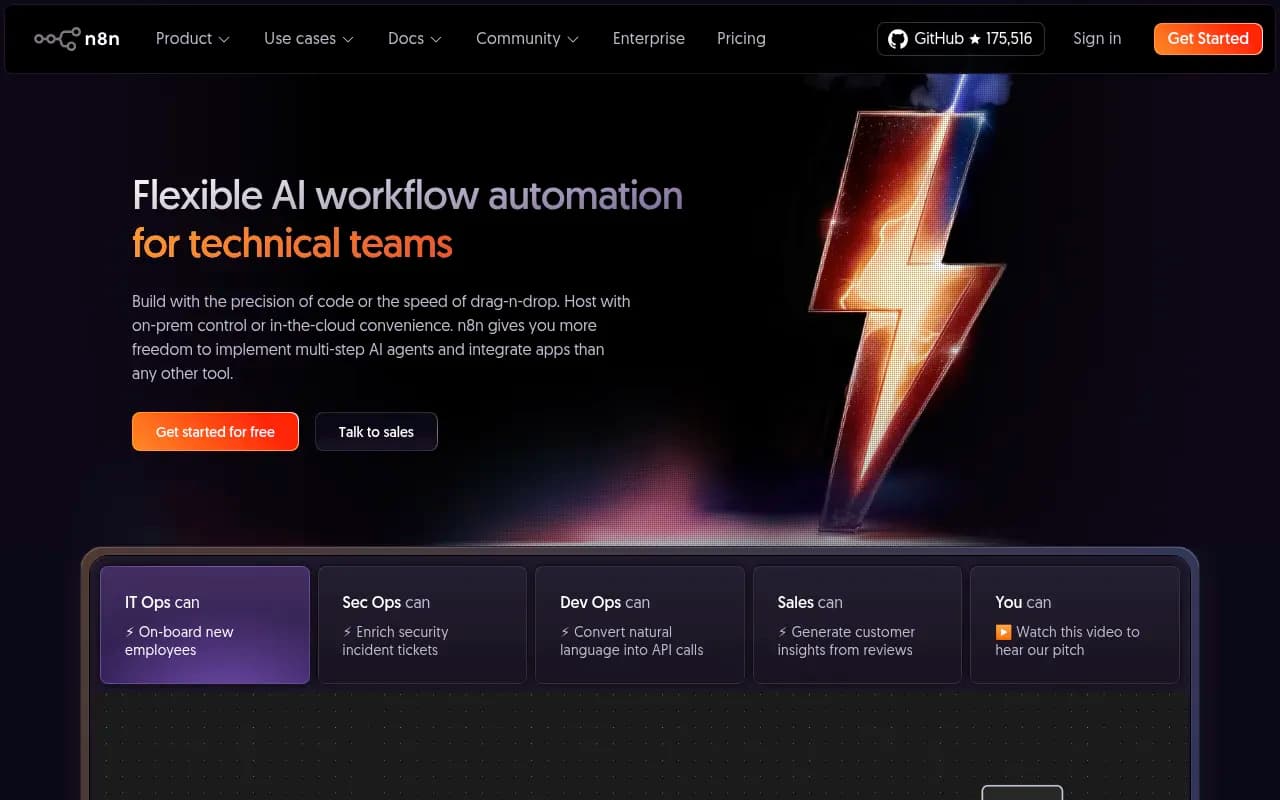
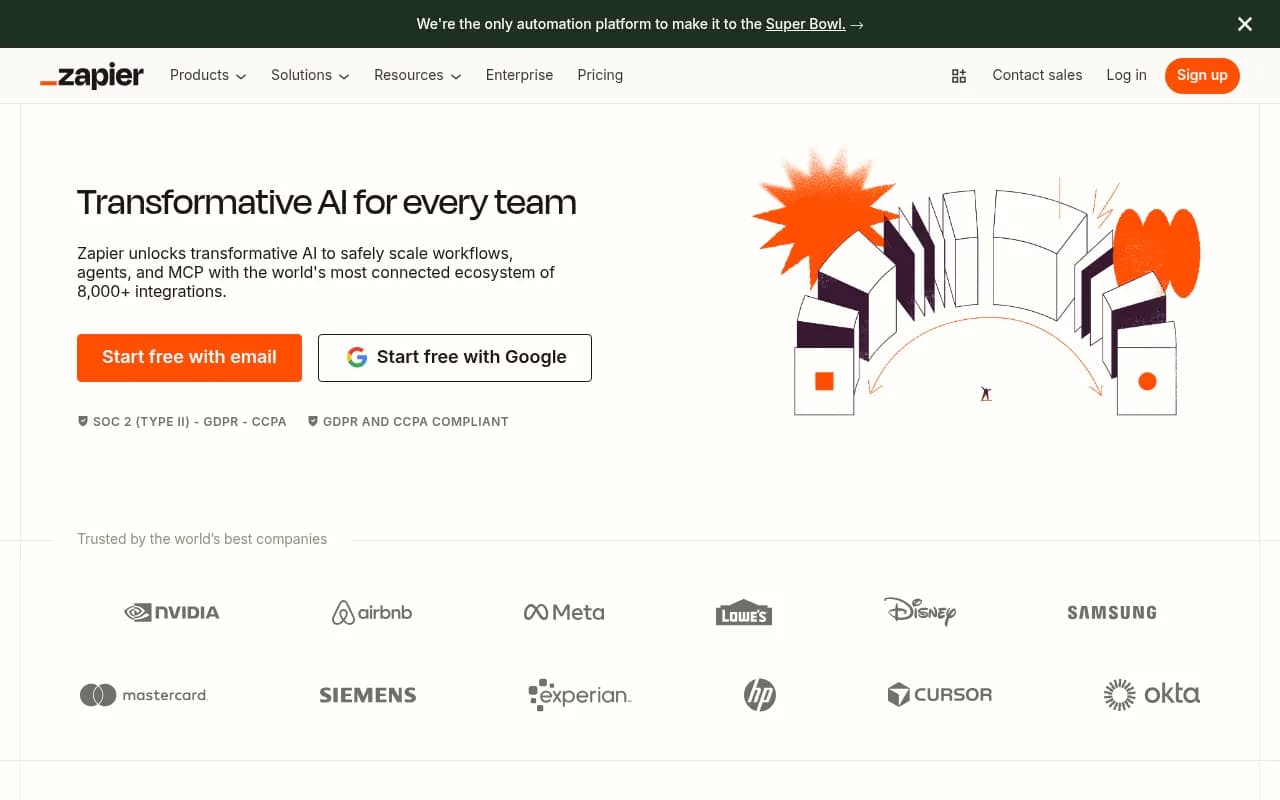
A Reddit thread on r/SEO_LLM made a fair point: if your actual problem is mostly content workflows and not a full content-ops platform, tools like n8n or Zapier can handle similar automation at a fraction of the cost and lock-in.
This matters because vendor lock-in is a real cost teams underestimate. Migrating a content-automation stack built on proprietary workflow logic has been benchmarked at roughly 200 engineering hours, about $20,000 at typical contractor rates, just to rebuild what already existed elsewhere. If you're not sure AirOps or its replacement is permanent, building on open, portable automation tools first reduces how expensive it is to change your mind later.
A simple rule that would have prevented most of this
Across the research on 2026's scaled content abuse penalties, one heuristic keeps coming up: never publish a draft nobody has read. It sounds almost too simple to matter, but the penalty cases that get cited most, product pages copied from manufacturer specs with zero first-hand testing, "news" articles with no journalist attached, generic explainers with no named expert, all share the same root cause. Nobody in the loop actually reviewed the output before it went live at scale.
Whatever tool you land on, that's the actual fix. Not a better prompt template, not a pricier tier, not a different vendor's Brand Kit. A human checkpoint between generation and publication, and a measurement layer that tells you whether the checkpoint is working.
Choosing based on your actual bottleneck
If you're evaluating AirOps alternatives right now, skip the feature-by-feature spreadsheet for a minute and answer one question honestly: what actually broke? If it was brand voice, look at Jasper. If it was on-page depth, look at Surfer or Clearscope. If it was the workflow itself fighting your editorial process, lighter tools like n8n might serve you better than another rigid platform. And if, underneath all of it, you genuinely don't know whether any of your published content is showing up in AI answers, that's a visibility problem, not a writing problem, and it's worth solving before you sign another annual content-tool contract.
For a broader look at where AI-visibility and GEO platforms land relative to each other, the directory at bestgeosoftware.com is a reasonable next stop if you want to compare more than one option side by side.