Summary
- ChatGPT favors established entities and authoritative corpus: If your brand has strong domain authority and structured entity data, ChatGPT is more likely to cite you. It pulls from a trained knowledge base plus web search.
- Perplexity rewards freshness and explicit citations: Real-time search with visible source links means recent content, Reddit threads, and timely updates get prioritized. Social signals matter here.
- Google AI Overviews tracks traditional SEO signals: Ranking factors you already know -- backlinks, page speed, structured data -- still apply. AI Overviews pulls from the same index Google Search uses.
- Each platform requires a different content strategy: One-size-fits-all SEO doesn't work anymore. You need to optimize for entity recognition (ChatGPT), citation-worthy freshness (Perplexity), and classic ranking factors (AI Overviews).
- Tracking tools help you see where you're invisible: Platforms like Promptwatch show exactly which prompts competitors rank for but you don't, then help you close the gap with AI-generated content grounded in real citation data.

The Problem: Your Brand Is Invisible in AI Search
You're ranking on Google. Traffic looks stable. Then you check ChatGPT, Perplexity, or Google AI Overviews and your brand doesn't appear anywhere. A competitor with worse traditional SEO metrics is getting cited instead.
This is happening across B2B dashboards in 2026. Rankings hold. Impressions climb. But AI referral traffic -- the segment converting at 4.4x the rate of organic search -- goes to someone else. The issue isn't that AI search is unpredictable. It's that each platform uses different ranking logic, and most brands are optimizing for none of them.
ChatGPT, Perplexity, and Google AI Overviews don't share a citation algorithm. They don't even share the same data sources. What gets you cited in one can hurt you in another. If you're treating "AI search optimization" as a single strategy, you're already behind.
How Each Platform Decides What to Cite
ChatGPT: Entity-Driven and Corpus-Reliant
ChatGPT's citation behavior feels opaque until you understand what it's optimizing for: entity recognition and authoritative corpus signals. It doesn't just crawl the web in real time. It pulls from a trained knowledge base (GPT-4's training data) plus live web search when needed.
What that means for your brand:
- Entity strength matters more than keyword density. If your brand isn't recognized as a distinct entity with clear attributes (founder, location, products, competitors), ChatGPT struggles to cite you. Structured data (schema.org markup) and consistent NAP (name, address, phone) across the web help.
- Domain authority still counts. ChatGPT favors sources it "knows" -- sites with strong backlink profiles, Wikipedia entries, and coverage in major publications. A brand mentioned in TechCrunch or the Wall Street Journal has a citation advantage.
- Recency is secondary. ChatGPT will cite older, authoritative content over fresh but unverified sources. A 2023 whitepaper from a recognized institution beats a 2026 blog post from an unknown domain.
Reddit discussions confirm this pattern. One marketer noted that ChatGPT "feels heavily entity and corpus driven" -- it's not just about having the right keywords, it's about being recognized as a legitimate entity in the first place.
If your brand is new or lacks strong entity signals, ChatGPT will skip you even if your content is better. The fix: build entity recognition through structured data, consistent citations across directories, and coverage in authoritative sources.
Perplexity: Freshness and Citation Transparency
Perplexity behaves like a research assistant, not a conversational chatbot. It pulls from Google, Bing, academic databases, and social platforms (Reddit, X, Meta) in real time, then displays visible source links with every answer.
What that means for your brand:
- Recency is a ranking factor. Perplexity prioritizes content published in the last 30-90 days. A 2026 article on "best project management tools" will outrank a 2024 guide, even if the older guide has more backlinks.
- Social signals amplify visibility. Reddit threads, X discussions, and Meta posts influence Perplexity's citation logic. If your product is being discussed on Reddit, Perplexity will surface those threads alongside (or instead of) your official website.
- Citation-worthy formatting helps. Perplexity loves lists, comparison tables, and structured answers. A blog post titled "10 Ways to Reduce Churn" with a numbered list and a comparison table is more likely to get cited than a 3,000-word essay.
- Source diversity matters. If your brand only appears on your own domain, Perplexity treats you as less credible. Third-party mentions (reviews, case studies, Reddit threads) signal legitimacy.
One user described Perplexity as rewarding "freshness and citations" -- it's not enough to have great content, you need recent content that other sources are linking to. If your last blog post is six months old, you're invisible.
The fix: publish frequently, optimize for social platforms (especially Reddit), and structure content for easy citation (lists, tables, clear headings).
Google AI Overviews: Traditional SEO Still Applies
Google AI Overviews (formerly SGE) pulls from the same index as traditional Google Search. The ranking factors you already know -- backlinks, page speed, mobile optimization, structured data -- still apply. The difference is how Google surfaces that content.
What that means for your brand:
- Classic SEO fundamentals matter. If your site isn't ranking in the top 10 for a query, it won't appear in AI Overviews either. Backlinks, domain authority, and on-page optimization are still the foundation.
- Structured data gets prioritized. Schema markup (Product, FAQ, HowTo, Review) helps Google understand your content and display it in AI Overviews. A product page with proper schema is more likely to appear than one without.
- E-E-A-T signals count. Google's Expertise, Experience, Authoritativeness, and Trustworthiness guidelines apply to AI Overviews. Author bios, citations, and third-party validation help.
- Featured snippet optimization translates. If your content already ranks for featured snippets, it's likely to appear in AI Overviews. The same principles apply: concise answers, clear headings, and direct responses to user queries.
Google AI Overviews doesn't require a new strategy. It requires executing the SEO fundamentals you've been ignoring. If your site is slow, lacks structured data, or has weak backlinks, you won't rank in AI Overviews no matter how good your content is.
The fix: audit your technical SEO, add schema markup, and build backlinks from authoritative sources.
Where Your Brand Needs to Show Up (and How to Prioritize)
You can't optimize for all three platforms at once. Each requires different content, different publishing cadences, and different distribution strategies. Here's how to prioritize based on your business model and audience.
| Platform | Best for | Content strategy | Publishing cadence | Distribution focus |
|---|---|---|---|---|
| ChatGPT | Established brands with strong domain authority | Long-form guides, whitepapers, case studies | Monthly | Backlinks, Wikipedia, major publications |
| Perplexity | Brands targeting researchers and early adopters | Lists, comparisons, timely updates | Weekly | Reddit, X, social platforms |
| AI Overviews | Brands with strong traditional SEO | FAQ pages, product pages, how-to guides | Bi-weekly | Backlinks, schema markup, featured snippets |
If You're a B2B SaaS Company
Start with Perplexity. Your buyers are doing research, comparing tools, and reading Reddit threads before they ever visit your website. Perplexity surfaces those discussions alongside official sources.
What to do:
- Publish comparison guides ("Tool A vs Tool B") and listicles ("10 Best X Tools in 2026") every week
- Engage on Reddit in relevant subreddits (r/SaaS, r/Entrepreneur, r/Marketing)
- Update your changelog and blog frequently to signal freshness
- Add comparison tables and structured lists to every guide
If You're an Established Enterprise Brand
Focus on ChatGPT. You already have domain authority, backlinks, and media coverage. The issue is entity recognition and structured data.
What to do:
- Add schema.org markup to your homepage, product pages, and about page
- Ensure your brand has a Wikipedia entry (or at least a Wikidata entry)
- Publish authoritative long-form content (whitepapers, research reports) that other sites will cite
- Build backlinks from major publications (TechCrunch, Forbes, WSJ)
If You're Optimizing for Local Search
Google AI Overviews is your priority. Local queries ("best pizza near me", "plumber in Austin") still rely on traditional ranking factors.
What to do:
- Claim and optimize your Google Business Profile
- Add LocalBusiness schema to your website
- Build citations across local directories (Yelp, Yellow Pages, Angie's List)
- Collect reviews and respond to them publicly
The Content Gap: What You're Missing (and How to Find It)
Most brands don't know which prompts competitors are visible for but they're not. They guess. They write content based on keyword research tools built for Google, not AI search.
The gap isn't just keywords. It's the specific questions, angles, and topics AI models want answers to but can't find on your site. A competitor might rank for "best CRM for real estate agents" while you rank for "best CRM software" -- same category, different prompt, completely different citation.
Promptwatch solves this with Answer Gap Analysis. It shows exactly which prompts competitors are cited for but you're not, then surfaces the content your site is missing. You see the topics, angles, and questions AI models are looking for.
Once you know the gaps, you can close them. Promptwatch's AI writing agent generates articles, listicles, and comparisons grounded in real citation data (880M+ citations analyzed), prompt volumes, and competitor analysis. This isn't generic SEO filler. It's content engineered to get cited by ChatGPT, Claude, Perplexity, and other AI models.
The loop: find gaps, generate content, track results. Most competitors (Otterly.AI, Peec.ai, AthenaHQ) stop at step one.



How to Track Your Brand Across All Three Platforms
You can't optimize what you don't measure. Tracking AI visibility manually -- running prompts in ChatGPT, Perplexity, and AI Overviews every week -- doesn't scale.
AI visibility tools automate this. They run thousands of prompts across multiple models, track which brands get cited, and show you where you're invisible. The challenge: most tools just monitor. They show you the problem but don't help you fix it.
Monitoring-Only Tools (Level 1)
These tools answer one question: "Do I show up?" They track brand mentions across ChatGPT, Perplexity, and AI Overviews, then display the results in a dashboard.
Examples:
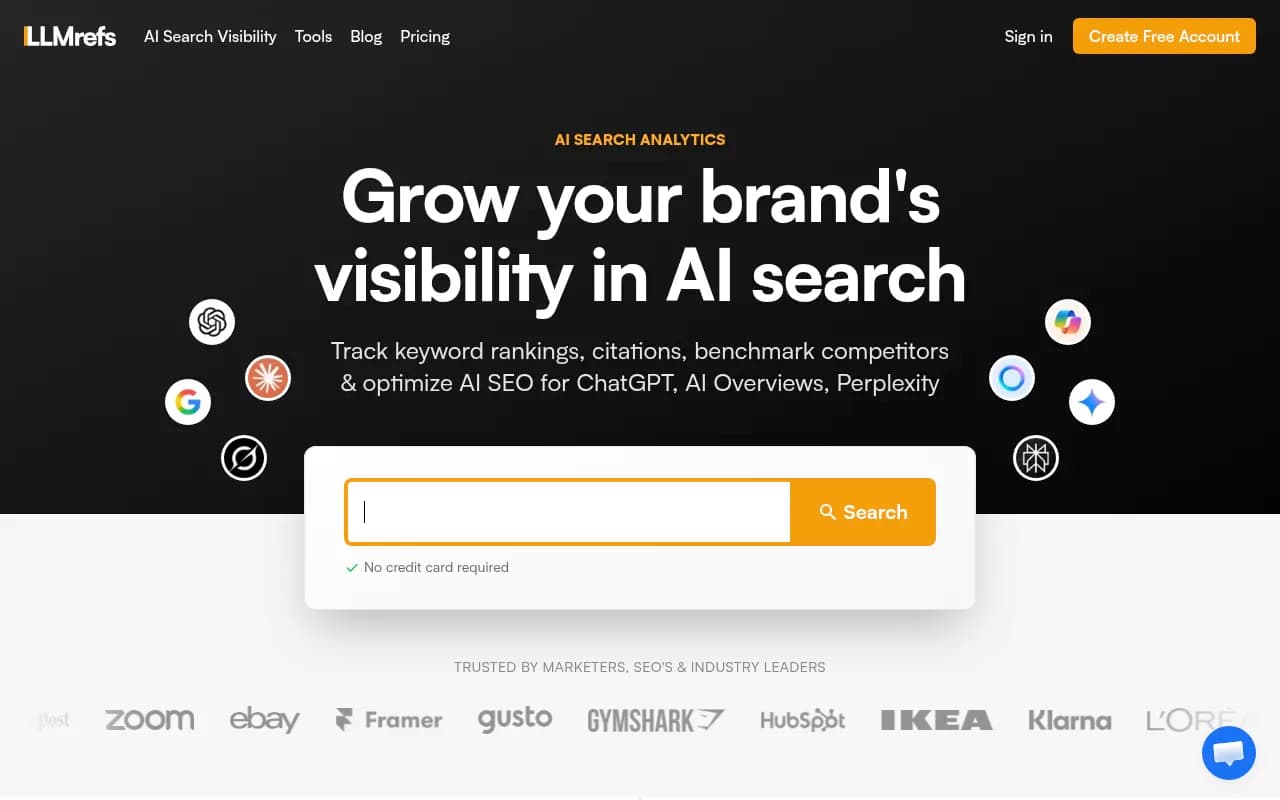
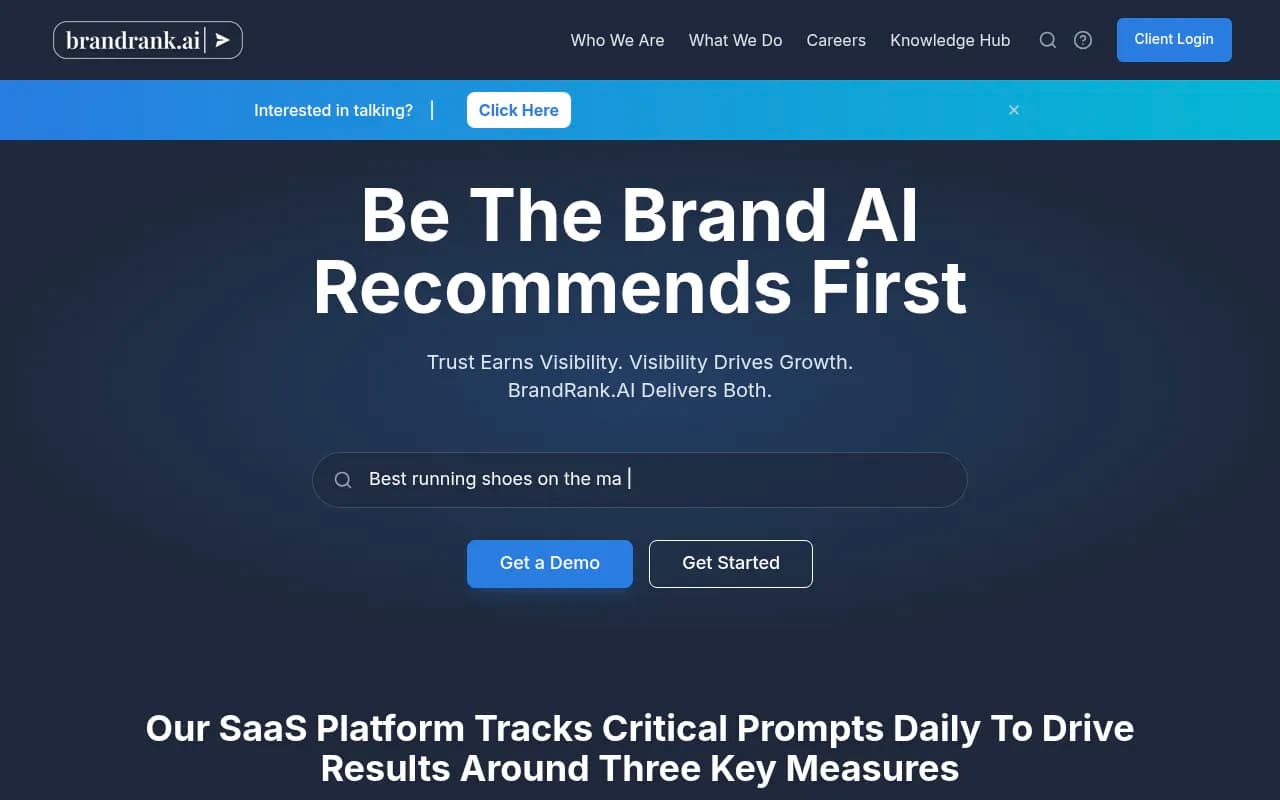
What they're good for: basic visibility tracking, alerting you when your brand appears (or disappears) in AI responses.
What they don't do: explain why you're invisible, recommend fixes, or generate content.
Intelligence Tools (Level 2)
These tools go deeper. They show you which prompts competitors rank for, analyze citation patterns, and recommend content gaps to fill.
Examples:

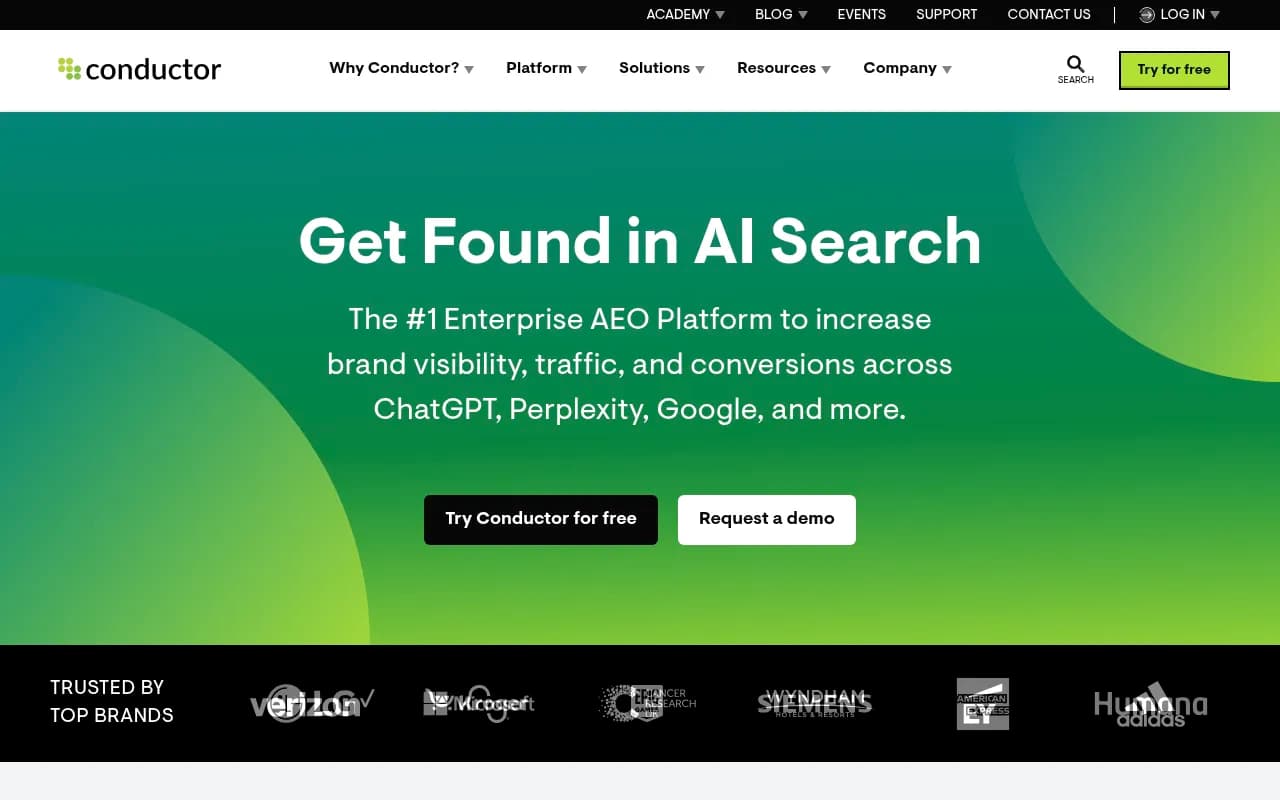
What they're good for: understanding the "why" behind visibility, prioritizing high-value prompts, and identifying content gaps.
What they don't do: create or publish content for you.
Execution Platforms (Level 3)
These platforms don't just track and analyze -- they generate content, publish it, and guarantee results.
Examples:
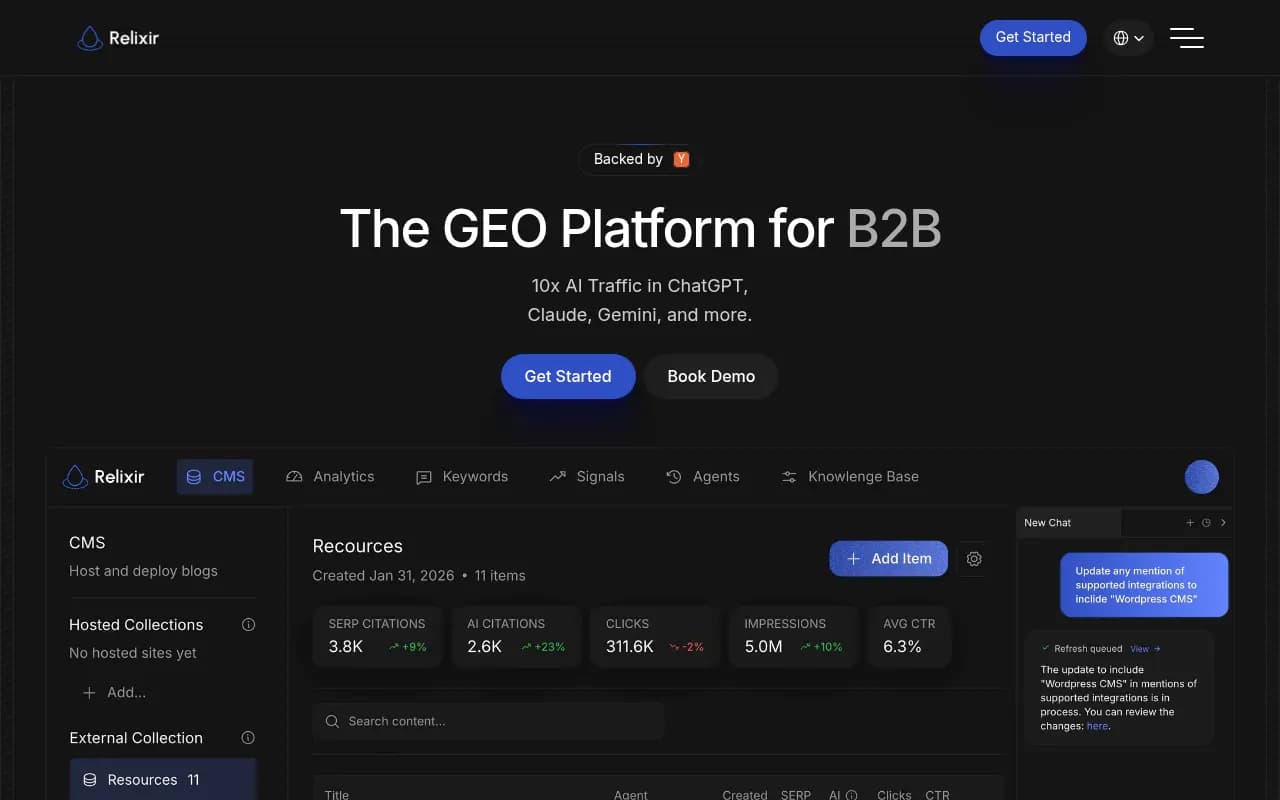
What they're good for: brands that want a done-for-you solution.
What they cost: significantly more than monitoring or intelligence tools.
For most brands, Level 2 (intelligence tools) is the sweet spot. You get the data and recommendations you need without paying for full-service execution.
What to Do Next
- Audit your current AI visibility. Run your brand name and key product terms through ChatGPT, Perplexity, and Google AI Overviews. See where you show up and where you don't.
- Identify your priority platform. Use the table above to decide whether ChatGPT, Perplexity, or AI Overviews matters most for your business model.
- Find your content gaps. Use a tool like Promptwatch to see which prompts competitors rank for but you don't.
- Create citation-worthy content. Publish the specific articles, comparisons, and guides AI models are looking for.
- Track the results. Monitor your visibility scores over time and adjust your strategy based on what's working.
AI search isn't replacing Google. It's fragmenting search behavior across multiple platforms, each with different citation logic. The brands winning in 2026 aren't the ones with the best traditional SEO. They're the ones optimizing for entity recognition (ChatGPT), freshness and citations (Perplexity), and structured data (AI Overviews) simultaneously.
If you're still treating AI search as a single channel, you're already behind.