Key takeaways
- AI assistants fill gaps with plausible guesses. If your docs, product pages, or integration listings are thin or stale, a model may invent a Salesforce sync or a Slack app you never built.
- Detection means running the questions buyers ask ("does X integrate with Y?") across several AI engines, in the real interfaces, and logging every claim that is wrong.
- Correction is mostly content work: accurate, crawlable product pages, docs, and integration pages that state clearly what you do and do not support.
- Promptwatch Data (Sep 28 to Oct 4, 2026) shows product pages and landing pages draw 39% of ChatGPT citations, so those pages are where wrong claims get fixed or created.
- Treat this as a recurring process. Models change, and a fix that works in October can drift by January.
Why AI invents features and integrations
Here is a scenario I see constantly. A prospect asks ChatGPT, "Does [your product] integrate with HubSpot?" The answer comes back confident, bulleted, and wrong. Maybe you have a Zapier connection but no native integration. Maybe you planned one in 2024 and never shipped it. The model doesn't say "I'm not sure." It says yes, and adds a made-up detail about two-way sync.
This happens for a few ordinary reasons.
- Pattern completion. Most tools in your category integrate with HubSpot, Slack, and Salesforce. A model that has little specific information about you leans on the category average.
- Stale sources. An old blog post, a changelog entry for a beta that was killed, or a third-party comparison page from 2023 can still be the most prominent text about you.
- Gaps in your own content. If your integrations page is a logo wall with no descriptions, there is nothing concrete to quote. The model fills the silence.
- Confusion with competitors. Features of similar-named products blur together, especially in comparison prompts.
I should be honest about the evidence here. I couldn't find first-party data on how often models hallucinate SaaS features or integrations. What the data does show is where models get their information, and that tells you where to look.
Where AI gets its claims about your product
Promptwatch Data on which content types ChatGPT cites (Sep 28 to Oct 4, 2026) is useful here. Across classified ChatGPT citations, product pages made up 22.4% and landing pages 16.8%. Together that is about 39% of citations going to pages that describe what a company sells. Documentation added 7.5%, listicles 13.6%, comparisons 5.9%, and reviews 1.7%.
For branded prompts like "is HubSpot good for startups," product pages (23.3%) and landing pages (22.8%) lead, with reviews at 5.6% and FAQ pages at 4.8%. Those are the prompts where a buyer checks your features directly.
Software prompts have their own pattern. In Promptwatch's software citation data for the same week, the top cited domains were github.com (1.2%), learn.microsoft.com (0.98%), and g2.com (0.73%), with intercom.com (0.28%) and zapier.com (0.24%) showing up too. By source type, docs and help centers earned 2.64% and vendor sites 2.01%, while review sites and analysts (G2, Gartner, Capterra, Software Advice) together earned 1.57%. Vendor sites and docs together earn about three times what review sites do.
My reading, and this is inference rather than measured data: the pages most likely to shape what AI says about your features are your docs, help center, product pages, G2 and Capterra profiles, and integration directory listings like Zapier's. If any of those are wrong, missing, or vague, that is where a bad answer starts.
Step 1: Build a list of claims to test
Start by writing down what buyers actually ask. Not marketing questions, but the blunt ones.
- "Does [Product] integrate with [Tool]?" for your top 20 integrations plus the 10 you don't have
- "Does [Product] have [feature]?" for features you shipped, features you retired, and features competitors have
- "[Product] vs [Competitor]" comparison prompts
- "Best [category] tools that integrate with [Tool]"
- "How do I connect [Product] to [Tool]?" (this one often produces invented setup steps)
- "What does [Product] cost and what's included?"
The integrations you don't have matter most. A model saying yes to a nonexistent Salesforce connector creates a support ticket, a churned trial, or an angry review. Include them on purpose.
Tag each prompt by persona too. A developer asking about your API gets a different answer than a marketing manager asking about reporting.
Step 2: Run the prompts in the real interfaces
Manual spot checks are a fine start. Open ChatGPT, Gemini, Perplexity, Claude, and Google AI Mode, ask your list, and screenshot the answers. Do it logged out and in a clean session if you can, because personalization muddies results.
Two cautions.
- Answers vary run to run. One check proves nothing. Ask each prompt several times, ideally on different days.
- API output isn't the same as what users see. The consumer interface of ChatGPT or AI Overviews can cite different sources than a raw API call. Your buyers use the interface.
A simple log is enough to start:
prompt | engine | date | claim made | true / false / partly | cited source | severity
Severity is a judgment call. I'd rank "claims an integration that doesn't exist" above "describes a feature slightly wrong" above "outdated pricing."
Doing it at scale
The spreadsheet approach breaks around 50 prompts across five engines. At that point you want a monitoring platform. Promptwatch runs prompts against the actual interfaces of ChatGPT, Gemini, Perplexity, Google AI Overviews and others, and its Brand Narrative feature pulls out the individual claims AI makes about you (like "integrates natively with Salesforce"), groups repeated ones, and shows which models say them. Fact Check, available on Business and above, lets you mark a claim Accurate or Inaccurate and then finds pages on your site that state it or its opposite, so you know which page the model is learning from.

Other options in the same space include Profound, Peec AI, Otterly.AI, and AthenaHQ. Most of them are monitoring-focused, so check whether they extract individual claims or just report whether you were mentioned. The GEO software directory at bestgeosoftware.com lists more.



Step 3: Trace each wrong claim to a source
A wrong answer is a symptom. You want the cause. For every false claim in your log, work through this order.
- Check the citations. If the engine shows sources, open them. Is the claim actually on the cited page? Often it isn't, which tells you the model inferred it.
- Search your own site. Look for any page that mentions the integration or feature. Old blog posts, roadmap posts, and changelog entries are frequent culprits.
- Check third-party profiles. G2, Capterra, Zapier's app directory, and marketplace listings. Vendor-submitted profiles go stale quickly.
- Check comparison and listicle pages. Competitors write these, and they are cited often. Listicles alone were 13.6% of ChatGPT citations in the Promptwatch week above.
- Check whether AI crawlers can read your docs. If your docs sit behind a login, a JavaScript wall, or a robots.txt block, the model never sees the truth.
That last one is easy to miss. IP-verified AI crawler logs tell you whether GPTBot, ClaudeBot, or PerplexityBot actually reach your integration pages and what errors they hit. Promptwatch's AI crawler logs do this, and a free Agentic Readiness Check gives a quick first read on which AI crawlers can access your site. A dedicated crawler like DarkVisitors also tracks bot visits if you only need that piece.
Sort what you find into two buckets. If the claim has no source anywhere, it is a gap problem: the model guessed because you gave it nothing. If the claim traces to a real page, it is a source problem: something published is wrong or misleading.
Step 4: Fix the source material
This is the part that moves the needle, and it's ordinary content work.
Make product and integration pages explicit
Promptwatch's own advice from the content type data is to keep specs, prices, and positioning complete and factual on product pages "because ChatGPT quotes them directly." Apply that literally.
- Give every integration its own page. Say what it does, which direction data flows, which plan includes it, and what it does not do.
- Name the limits. "One-way sync from [Product] to HubSpot; no import from HubSpot" is the sentence a model can quote correctly. A logo wall is not.
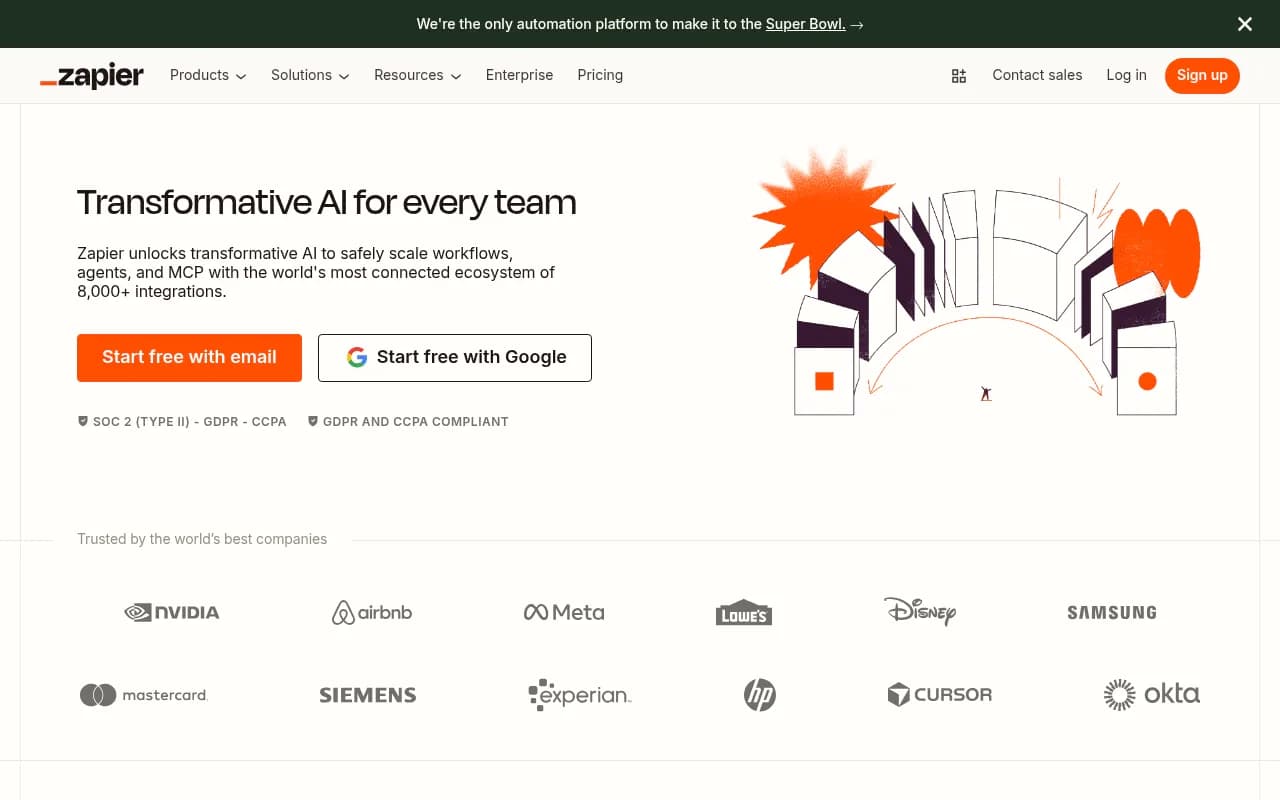
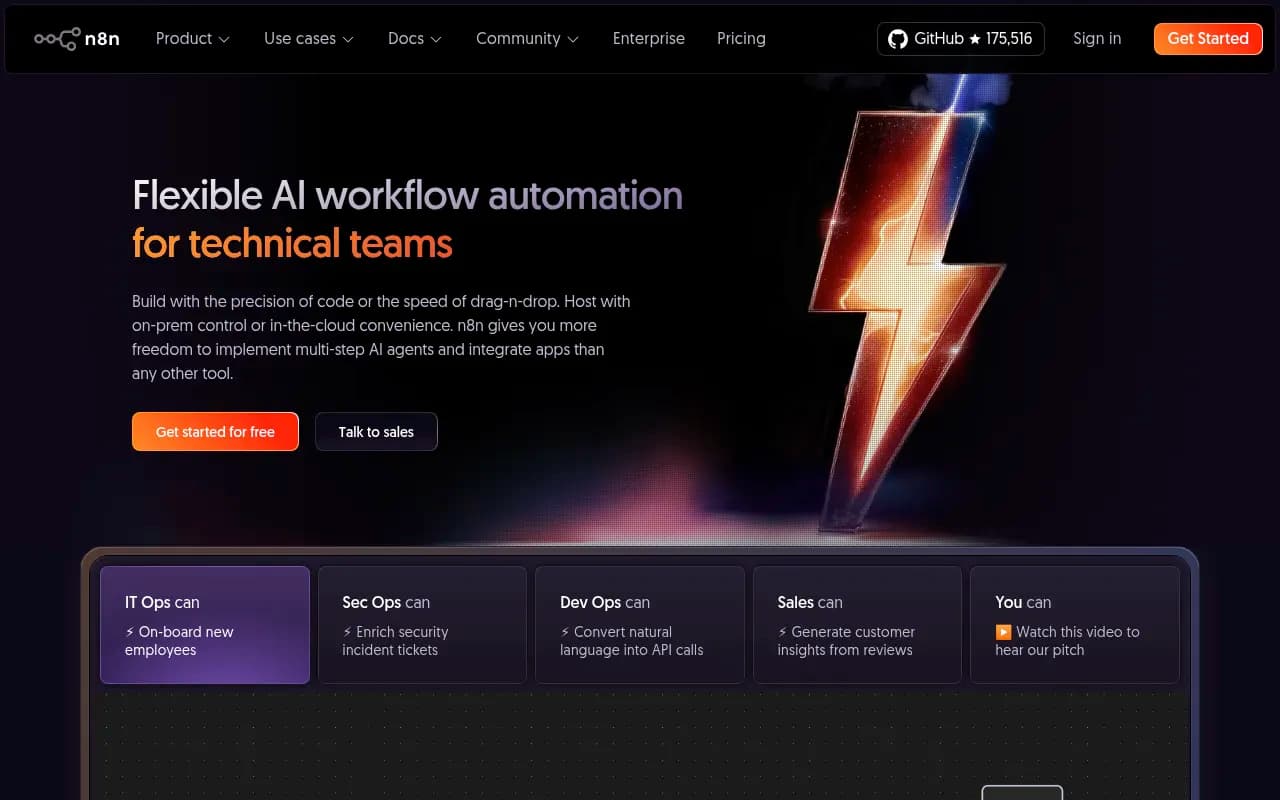
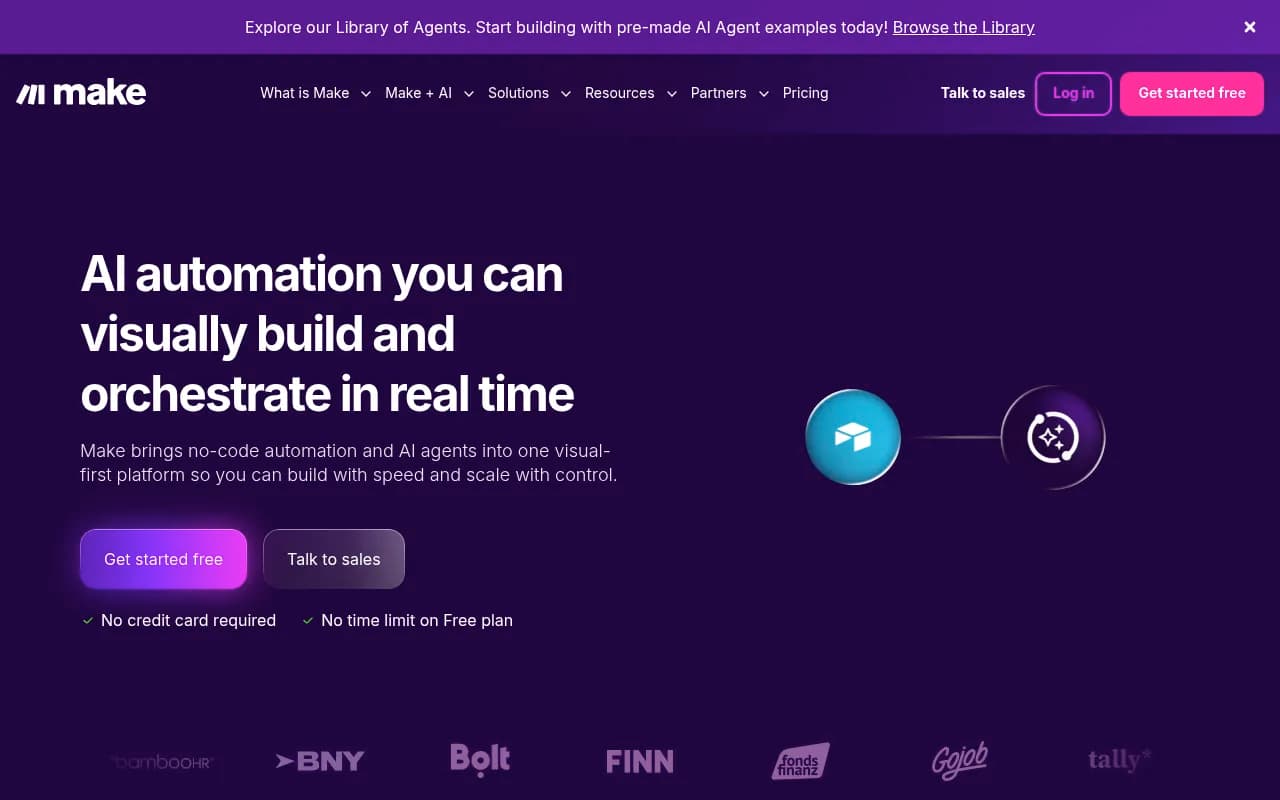
- List unsupported integrations if people constantly ask. A short "What we don't integrate with (yet)" section with alternatives like Zapier, Make, or n8n gives a model something true to say.
- Put plan and pricing requirements next to the feature. Models love to say "included in all plans."
Add a plain FAQ
FAQ pages were 3.3% of ChatGPT citations overall and 4.8% on branded prompts. Write them from your log: "Does [Product] integrate with Salesforce?" followed by a one or two sentence direct answer. Use the exact phrasing from the prompts that failed.
Keep docs public and crawlable
Docs are 7.5% of ChatGPT citations overall, and in the software category docs and help centers had the biggest share among charted source types. Make sure they are server-rendered, not gated, and not blocked in robots.txt for the AI bots you want reading them. Tools like the robots.txt generator for AI help you set that deliberately, and an llms.txt file (a free generator exists at llmtxt.info) can point models at your canonical pages. I'd treat llms.txt as a cheap extra, not a fix. Promptwatch's data shows markdown files are just 0.05% of AI search citations, so don't expect it to change much by itself.
Clean up third-party profiles
Audit G2, Capterra, Zapier, marketplace listings, and Wikipedia-style entries. Update feature lists, remove retired integrations, and match the wording to your site. Reviews were only 1.7% of ChatGPT citations, but these directory profiles are where a stale claim can sit for years.
Retire what you killed
Old blog posts announcing beta integrations are a common root cause. Update them with a clear note at the top, or redirect them. Deleting without redirecting just leaves other sites pointing at nothing.
Handle competitor-written comparisons
You can't edit a competitor's page. You can publish your own accurate comparison pages and, where the error appears on a third-party blog or review site, contact the author with a link to your docs. Most will fix a factual error when it is easy to verify.
Step 5: Recheck and keep checking
After you publish a fix, wait for crawlers to visit, then rerun the prompts. Don't expect instant change. How long a page takes to be recrawled and reflected in answers varies by engine, and some engines answer from training data that won't update until the next model release.
Promptwatch Data on content half-life in ChatGPT found that landing pages and docs stayed cited longest, while news lost half its pages within 36 days. That is another reason to put the authoritative version of your feature claims on landing pages and docs rather than in blog announcements.
A simple recheck rhythm:
- Weekly: rerun your top 20 high-severity prompts
- After every launch or deprecation: rerun the prompts for that feature
- Monthly: audit third-party profiles and comparison pages
- Quarterly: refresh the whole prompt list from sales call transcripts and support tickets
Support tickets deserve special mention. If customers keep asking for an integration you don't have, that is often a sign an AI told them you did. Tag those tickets.
Detection and correction workflow at a glance
| Stage | What you do | Output | Tool options |
|---|---|---|---|
| Build prompt list | Collect buyer questions, include integrations you lack | 50 to 100 prompts | Sales calls, support tickets, Search Console |
| Run prompts | Query real AI interfaces repeatedly | Claim log | Manual checks or Promptwatch, Profound, Peec AI |
| Extract claims | Pull out specific feature and integration statements | True / false list | Promptwatch Brand Narrative and Fact Check |
| Trace sources | Find which page the claim comes from | Source map | Citation reports, Page Tracker |
| Check access | Confirm AI crawlers can read docs | Crawl errors | Crawler logs, DarkVisitors |
| Fix content | Rewrite product, integration, FAQ, docs pages | Published updates | CMS, Content Agent |
| Verify | Rerun prompts after recrawl | Before and after | Same monitoring tool |
Choosing a tool for this job
Not every AI visibility tool is suited to this problem. Mention tracking tells you whether you appear. Hallucination detection needs claim-level analysis and a way to connect claims to your pages. Here is how I'd weigh the options.
| Need | What to look for | Example tools |
|---|---|---|
| Spot false claims about features | Claim extraction by theme, per-model breakdown | Promptwatch (Brand Narrative) |
| Prove which of your pages teach the wrong thing | Fact check against crawled pages | Promptwatch (Fact Check, Business plan and up) |
| Check AI bots can read your docs | IP-verified crawler logs | Promptwatch, DarkVisitors |
| Track mentions only, budget-friendly | Prompt tracking with simple reporting | Otterly.AI, Peec AI, Rankscale |
| Enterprise brand monitoring | Large prompt sets, reporting | Profound, Scrunch, Bluefish |
| Brand mention alerts on the open web | Social and news listening | Brand24, Mention, Meltwater |
If you want to compare more options, the directory at ai-rank-tools.com covers AI rank trackers. For fixing pages once you've found the problem, Promptwatch's Content Agent can write and publish corrected pages to WordPress, Webflow, or Framer, and tracks whether the new page gets crawled and cited. It is available from the Business plan; check promptwatch.com/pricing for current details. There is also a free AI visibility report if you want a first look before committing to anything.
Risks beyond marketing: integrations and security
There is a second side to this. Invented integrations aren't only a lead-gen issue. Grip Security's guide on AI risk in SaaS notes that integrations and OAuth connections are primary exposure points, and that AI tools rarely operate in isolation. If a model tells a customer your product connects to their CRM, they may go hunting for a third-party connector, authorize an unvetted app, or paste credentials into something sketchy to make it work.
So when you publish an integration page, include the official, supported setup path and a warning against unofficial connectors. That's a small addition that protects your customers and your support team.
Structured, honest integration data
If your integrations are real, make them machine-readable and consistent. Prismatic's B2B integration strategy guide frames integrations as structured, deterministic tools that agents can discover and invoke. Even if you aren't building agent tooling yet, the principle holds: one canonical source for what you connect to, used by your docs, your site, and your marketplace listings, leaves less room for contradictions.
If you rely on integration platforms like Zapier, Make, or n8n to cover the long tail, say so explicitly. "Connects through Zapier" is a true statement a model can repeat. "Integrates with 5,000 apps" is a vague one that invites guesses.
Common mistakes
- Testing once. One clean answer on Tuesday means little. Answers vary.
- Only testing the integrations you have. The false positives come from the ones you lack.
- Fixing the blog but not the docs. Docs and product pages are cited more than announcements and carry more weight for feature questions.
- Ignoring third-party profiles. Old G2 or marketplace listings are an easy source of stale claims.
- Hiding limits. Vague pages produce vague, and therefore invented, answers.
- Expecting an instant correction. Some engines answer from training data. You can improve what retrieval-based answers cite quickly, but model memory changes on the vendor's schedule.
A practical first week
- Day 1: write 40 prompts, 10 of them about integrations you don't have.
- Day 2: run each in ChatGPT, Gemini, Perplexity, and AI Mode, three times each. Log claims.
- Day 3: trace every false claim to a source or mark it as a pure guess.
- Day 4: rewrite your top five integration and feature pages with explicit scope and limits. Add an FAQ block.
- Day 5: check robots.txt and crawler access for your docs, and update G2 and Capterra profiles.
- Following week: rerun the same prompts and compare.
For broader background on how AI search picks sources, the Promptwatch Data hub collects the citation research referenced above.
The short version: AI guesses where you are silent. Be specific about what your product does and doesn't connect to, put that on pages models actually cite, and check the answers on a schedule.