Key takeaways
- New brands with no existing authority can expect 3-6 months before consistent ChatGPT citations; established brands with strong backlink profiles often see results in 4-8 weeks
- ChatGPT's training data and real-time web browsing are two separate mechanisms -- optimizing for both requires different tactics
- Content structure, topical authority, and third-party mentions (Reddit, review sites, press) matter more than keyword density
- Some niches are genuinely easier to rank in -- local services and niche B2B categories can see traction in days under the right conditions
- Tracking your progress requires dedicated AI visibility tooling, not traditional rank trackers
There's a question that comes up constantly in marketing forums right now: "I published a bunch of content optimized for AI search -- when will ChatGPT start recommending me?"
The honest answer is: it depends, and anyone who gives you a single number is guessing. But "it depends" isn't useful on its own, so let's break down what it actually depends on, what the real benchmarks look like in 2026, and what you can do to compress the timeline.
Why ChatGPT ranking is different from Google ranking
Before getting into timelines, it's worth being clear about what "ranking in ChatGPT" actually means. There are two distinct mechanisms at play:
Training data citations: ChatGPT's base models were trained on web data up to a certain cutoff. If your content existed and was well-cited before that cutoff, you may already appear in responses -- even without any recent optimization work.
Real-time web browsing: ChatGPT with web search enabled (the default for most users now) can pull live results. This is more like traditional SEO in that fresh, well-structured content can get picked up relatively quickly.
Most brands are trying to influence both. The training data layer is slow and largely outside your control. The browsing layer is faster and much more actionable. When people report quick wins -- like the Reddit user who claimed top ChatGPT placement in under 72 hours -- they're almost certainly seeing browsing-layer results in a low-competition niche.
The realistic timeline by scenario
Here's where things get concrete. Based on patterns observed across brands optimizing for AI search in 2026, the timeline breaks down roughly like this:
| Scenario | Typical timeline | Key factors |
|---|---|---|
| Established brand, strong domain authority | 2-6 weeks | Existing backlinks, brand mentions, structured content |
| New brand, competitive niche | 4-9 months | Needs to build third-party citations, topical authority |
| Local business, low-competition category | 1-4 weeks | Clear NAP data, reviews, local mentions |
| Niche B2B, few competitors | 2-6 weeks | Less competition for AI citations |
| E-commerce, broad consumer category | 3-8 months | High competition, needs strong review signals |
| Content publisher, topic authority | 6-12 months | Requires consistent publishing and citation building |
These aren't guarantees. They're rough ranges based on what's being observed in the market. Your actual timeline will shift based on the factors below.
What actually drives the timeline
Domain authority and existing brand signals
ChatGPT doesn't treat all websites equally. A brand that already has thousands of backlinks, press mentions, and Wikipedia-style references will get cited faster than a brand-new site with 10 pages. This is the same trust signal logic that Google uses, but the weighting is different -- AI models seem to place heavier emphasis on being mentioned by other sources rather than the raw technical quality of your own site.
If you're an established brand that hasn't thought about AI search yet, you may already be appearing in ChatGPT responses without knowing it. That's worth checking before you invest heavily in new content.
Topical authority vs. single-page optimization
Traditional SEO rewards well-optimized individual pages. AI search rewards brands that own a topic. ChatGPT is more likely to cite a source that has 20 coherent, interconnected articles on project management software than a single perfectly-optimized page.
This is why the timeline for new brands is longer -- you need to build a body of work, not just a landing page. The good news is that once you hit a critical mass of topical coverage, citations tend to compound. Brands often report a slow first three months followed by a noticeable acceleration.
Third-party mentions and community signals
This is the factor most brands underestimate. ChatGPT's training data and browsing behavior both pull heavily from Reddit, review platforms, YouTube, industry publications, and forums. A brand that's genuinely discussed in these spaces gets cited far more than a brand that only publishes on its own website.
Practically, this means: if you want to rank in ChatGPT for "best project management tool for remote teams," you need people on Reddit actually recommending you, not just a blog post on your site saying you're the best.
Content structure and answer-readiness
AI models prefer content that directly answers questions. Long preambles, thin introductions, and content that buries the answer 800 words in will get skipped. Pages that open with a clear, direct answer to the query -- then expand with supporting detail -- get cited more consistently.
FAQ sections, structured data, and clear H2/H3 hierarchies all help. Not because ChatGPT reads schema markup the way Google does, but because they force you to write in a format that's easy to extract and cite.
Crawl frequency and indexing
This is often overlooked: ChatGPT's browsing feature needs to actually find and read your pages. If your site has crawl issues, slow load times, or blocks AI crawlers in your robots.txt, you're invisible regardless of content quality.
Tools like Promptwatch provide AI crawler logs that show exactly which pages AI engines are reading, how often they return, and whether they're hitting errors. That kind of visibility is genuinely useful when you're trying to diagnose why good content isn't getting cited.

The fast-track scenarios: when 72 hours is real
That Reddit claim about ranking in 72 hours isn't fabricated -- it's just highly context-dependent. Here's when fast results are actually possible:
- You're in a niche with almost no competition for AI citations (think: very specific local services, obscure B2B categories, or emerging topics with few established sources)
- You publish content that directly answers a question ChatGPT currently has no good source for
- Your domain already has authority and the AI crawler picks up new content quickly
- You're targeting ChatGPT's browsing layer, not the training data layer
For most brands in competitive categories, 72 hours is not the expectation. But it's a useful reminder that AI search isn't purely a slow-burn game -- there are winnable opportunities that can move fast if you find the right gaps.
The slow-burn reality: months 1-9
For brands starting from scratch or entering competitive spaces, here's a more honest month-by-month picture:
Months 1-2: You publish optimized content, fix technical issues, start building third-party mentions. ChatGPT may occasionally cite you for very specific long-tail queries, but you won't see consistent visibility. This phase feels like nothing is working.
Month 3: Small traction starts appearing. You might show up for niche queries or in responses where you're one of several sources mentioned. This is the phase where tracking tools become essential -- you need data to know if you're moving in the right direction.
Months 4-6: If your content strategy is working, you start seeing compounding effects. More pages get cited, your brand starts appearing for broader queries, and you may notice referral traffic from AI sources starting to tick up.
Months 6-12: Authority kicks in. Brands that have consistently published, earned third-party mentions, and maintained technical hygiene start getting cited regularly and prominently. This is when AI search starts contributing meaningfully to pipeline.
How to compress the timeline
You can't shortcut the trust-building process entirely, but you can accelerate it.
Find the gaps your competitors haven't filled
The fastest path to ChatGPT citations is answering questions that currently have no good answer. If ChatGPT is being asked "what's the best [your category] for [specific use case]" and the existing sources are thin or outdated, you have a real opportunity.
Answer Gap Analysis -- finding the specific prompts where competitors appear but you don't -- is the most efficient way to prioritize content. Rather than guessing what to write, you're targeting known gaps in AI coverage.
Publish content that's structured for AI extraction
Write content that leads with the answer. Use clear headings. Include comparison tables, numbered lists, and direct definitions. Think about how a language model would extract and cite your page -- it needs a clean, quotable answer, not a narrative essay.
Build third-party presence aggressively
Guest posts, press mentions, forum participation, and review platform profiles all contribute to how AI models perceive your brand's authority. This isn't optional -- it's arguably more important than your own site's content.
Fix your crawlability
Check that AI crawlers aren't blocked. Monitor your robots.txt. Make sure your pages load fast and don't return errors. If AI engines can't read your content, nothing else matters.
Track what's actually happening
You can't optimize what you can't measure. Traditional rank trackers don't capture AI visibility -- you need tools built specifically for this. The market has expanded significantly in 2026, with options ranging from lightweight trackers to full optimization platforms.
Tools for tracking your ChatGPT visibility progress
Knowing where you stand is half the battle. Here are some tools worth knowing about:
Promptwatch is the most comprehensive option if you want to go beyond tracking into actual optimization -- it covers 10 AI models, includes crawler logs, and has built-in content gap analysis and AI writing capabilities.
For teams that want solid monitoring without the full optimization suite:




For more lightweight or budget-conscious tracking:
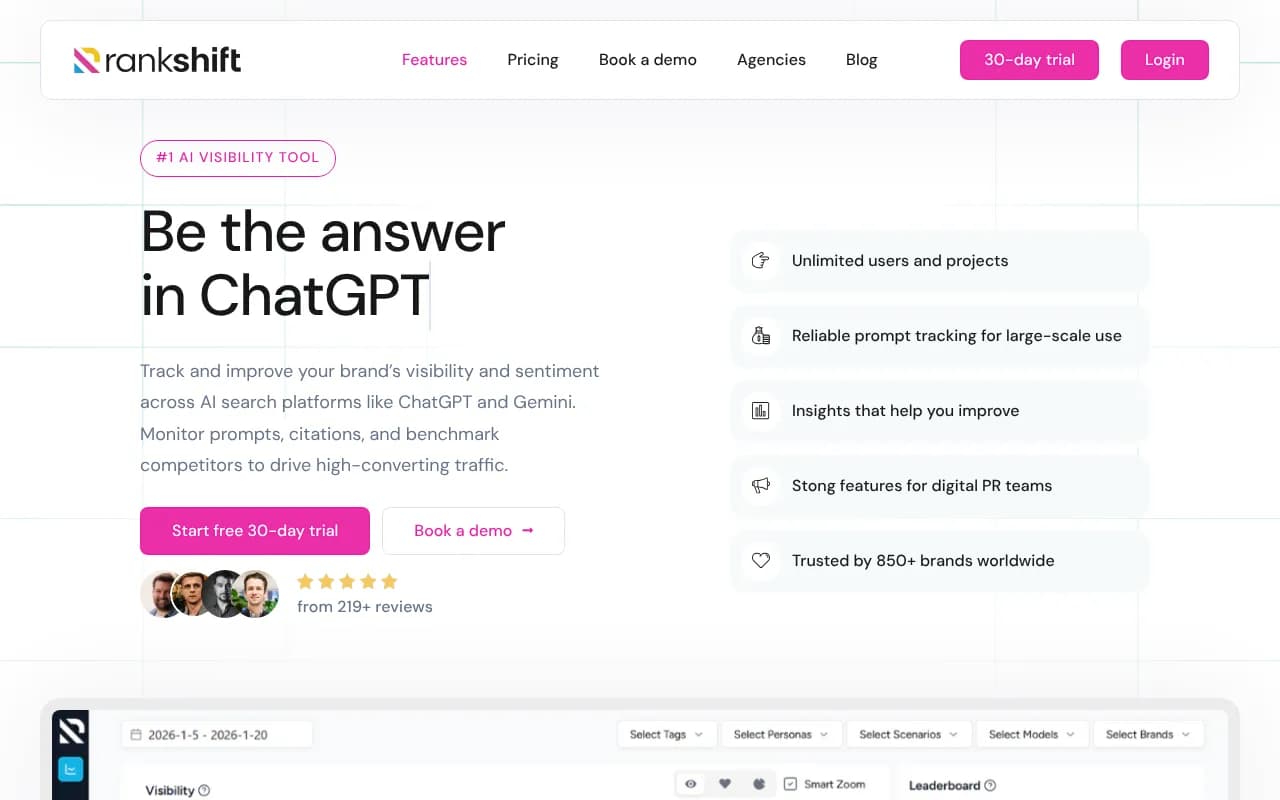
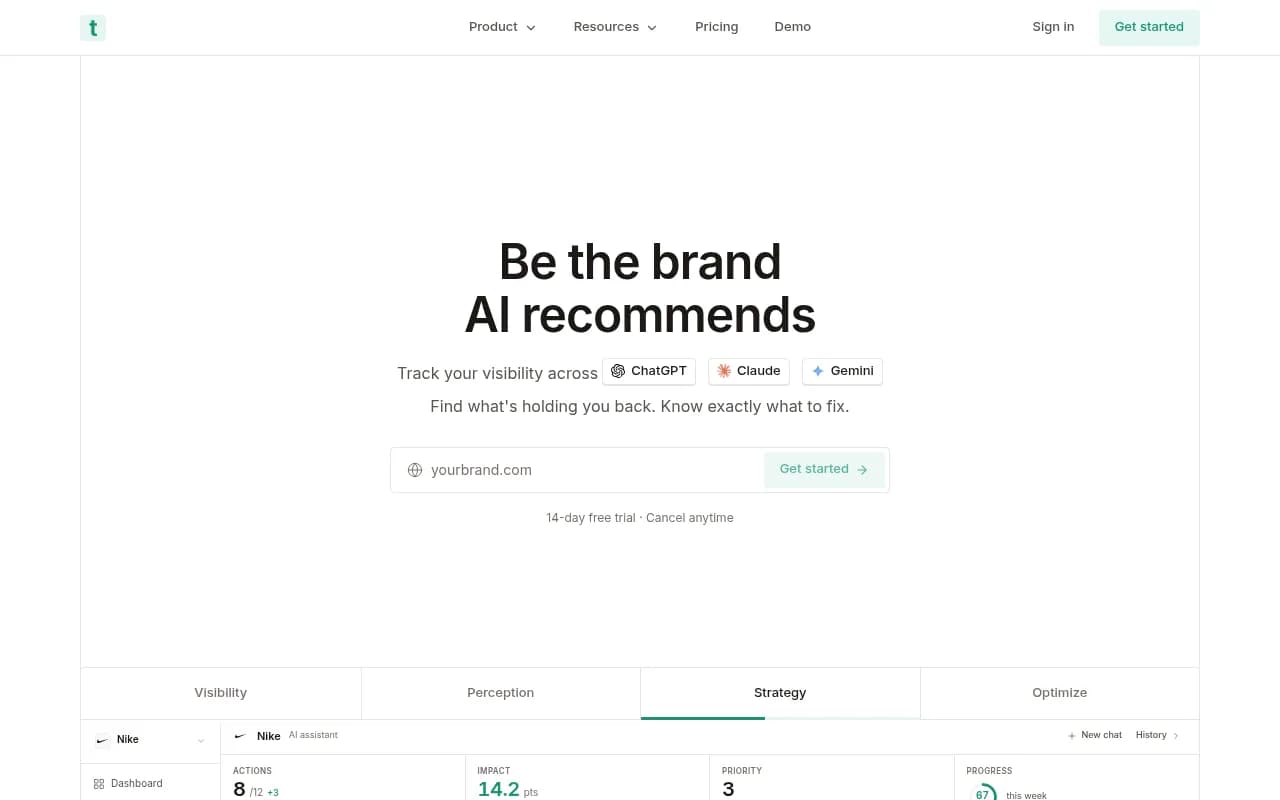
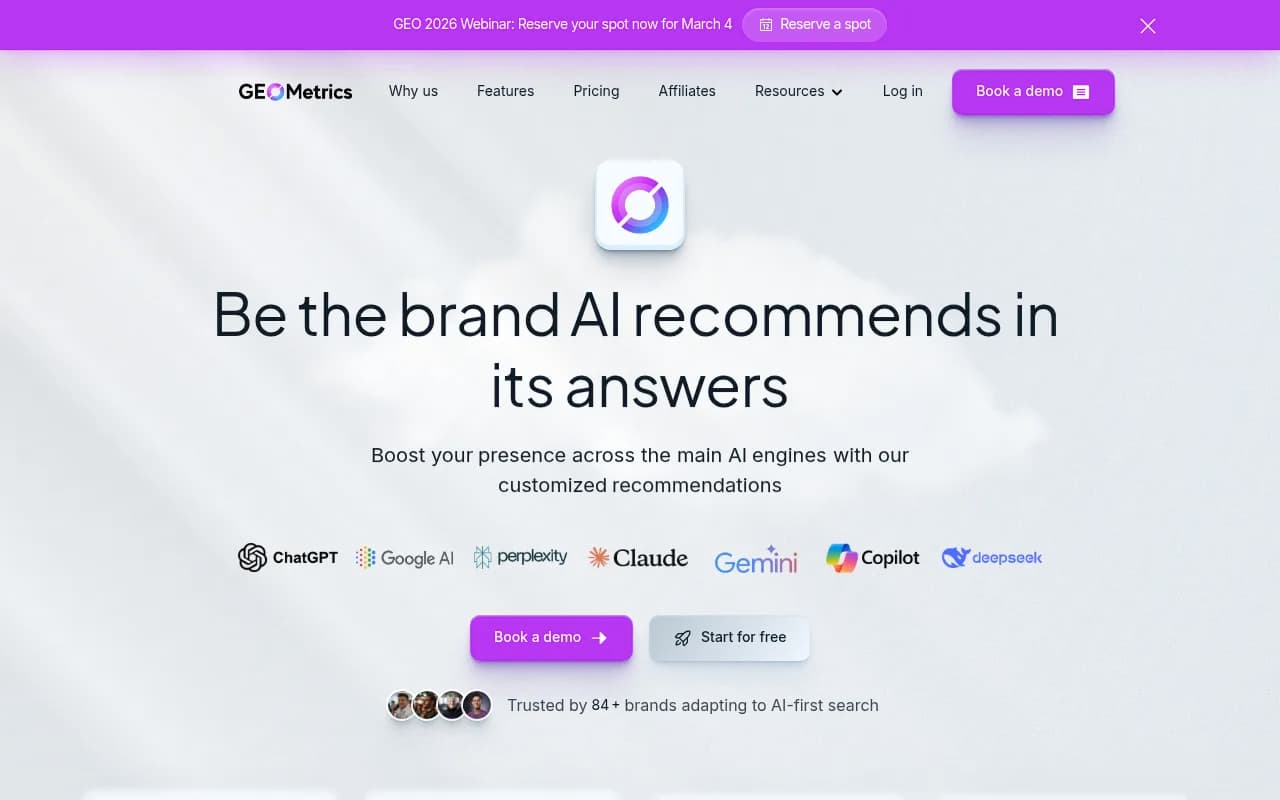
Here's a quick comparison of what to expect from different tool categories:
| Tool type | What it tells you | What it doesn't do |
|---|---|---|
| Basic AI rank trackers | Whether your brand appears in responses | Why you're not appearing, what to fix |
| Monitoring dashboards | Share of voice, competitor comparisons | Content recommendations, gap analysis |
| Full GEO platforms | Gaps, content suggestions, traffic attribution | (Varies by platform) |
The distinction matters because most tools will tell you that you're not ranking -- fewer will tell you specifically what to do about it.
Local businesses: a special case
Local businesses often see faster results than national brands, for a simple reason: the competition is thinner. If you're a plumber in a mid-sized city, there may be almost no other source answering "best emergency plumber in [city]" in a way that ChatGPT finds credible.
The key inputs for local ChatGPT visibility are:
- Consistent NAP (name, address, phone) data across directories
- Google Business Profile completeness and review volume
- Local press mentions and community forum discussions
- Clear, direct content on your site answering local service queries
Some local businesses have reported ChatGPT citations appearing within a few weeks of cleaning up their online presence. It's one of the more accessible quick wins in AI search right now.
What "ranking" actually looks like in practice
One thing worth clarifying: ChatGPT citations don't look like Google's blue links. Your brand might appear as:
- A direct recommendation ("I'd suggest looking at [Brand]...")
- One of several options in a comparison ("Some popular options include...")
- A source citation in a response with web browsing enabled
- A mention in a product recommendation or shopping context
Each of these has different value. A direct recommendation in response to "what's the best X" is the highest-value placement. Being mentioned as one of five options is still meaningful. Understanding which type of citation you're getting -- and for which queries -- requires proper tracking.
The bottom line
There's no universal answer to how long it takes to rank in ChatGPT. A new brand in a competitive category should plan for 6-9 months of consistent work before seeing meaningful, reliable citations. An established brand with existing authority might see results in weeks. A local business in an underserved niche could see traction in days.
What's consistent across all scenarios: the brands that move fastest are the ones that treat AI search as a distinct discipline, not an extension of traditional SEO. They track AI-specific metrics, build third-party presence deliberately, structure content for AI extraction, and fix crawlability issues that traditional SEO tools don't surface.
The timeline is real, but it's not fixed. How you work the process determines where you land in it.