Key takeaways
- Hall AI (usehall.com) tracked how AI platforms cited and discussed your brand, but its shutdown leaves teams needing a replacement for both brand monitoring and workflow automation.
- The best alternatives depend on what you actually used Hall for: if it was AI brand visibility tracking, tools like Promptwatch or Profound fill that gap; if it was workflow automation, n8n, Zapier, and Make are the go-to options.
- API access varies significantly across platforms -- some offer full REST APIs with webhook support, others lock key features behind enterprise tiers.
- No-code options (Zapier, Make) get you running in an afternoon; developer-first tools (n8n, Pipedream) give you far more control and lower long-term costs.
- If you were using Hall AI specifically for AI citation and brand mention tracking, that category has matured significantly in 2026 with several strong dedicated platforms.
When a tool shuts down, the first instinct is to find a drop-in replacement. But that's often the wrong frame. Hall AI sat at an interesting intersection: it tracked how AI platforms talked about your brand, which is a genuinely specific problem. Before you migrate, it's worth asking what you actually need -- brand monitoring in AI search engines, workflow automation with AI integrations, or both.
This guide covers both angles. First, the workflow automation platforms with solid API access that let you rebuild custom pipelines. Then, the AI brand visibility tools that replace Hall's core tracking function.
What Hall AI actually did (and what you need to replace)
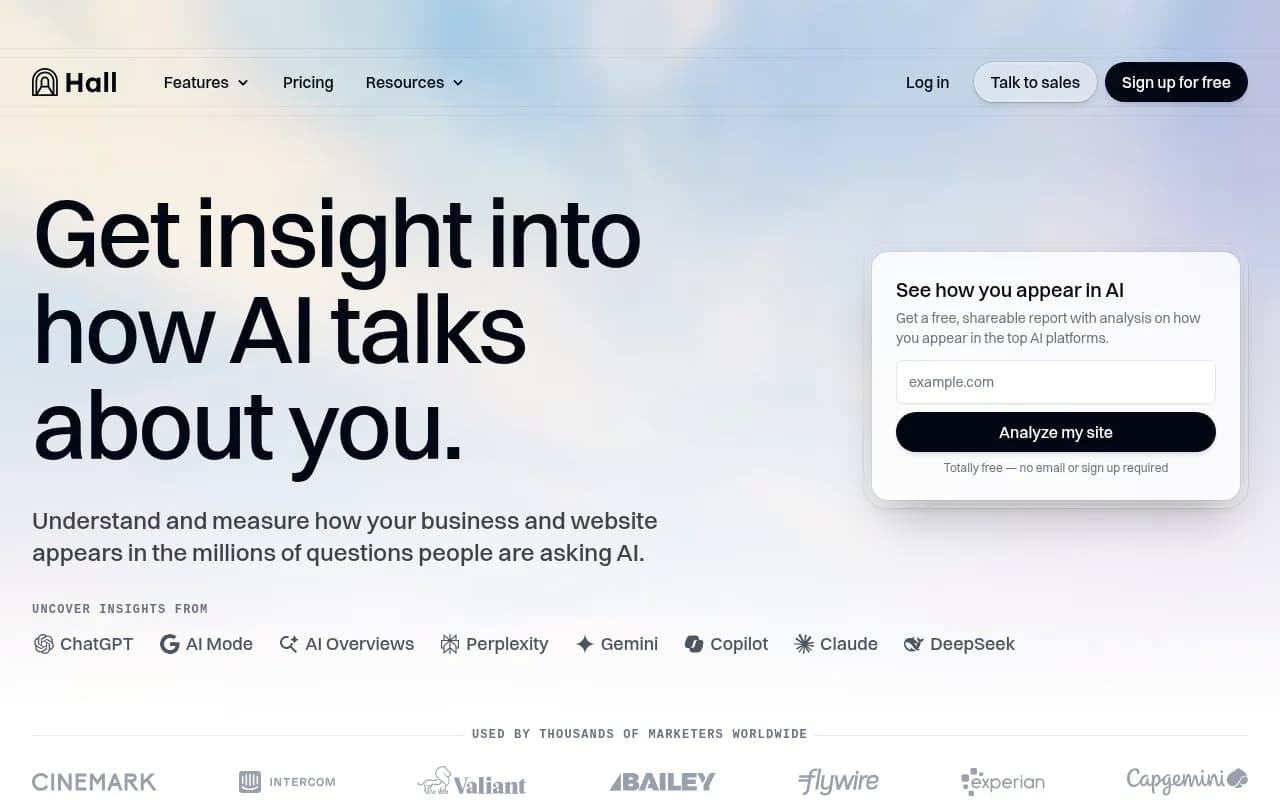
Hall AI monitored how AI platforms -- ChatGPT, Perplexity, Claude, and others -- cited and discussed your brand. That's a narrow but increasingly important job. As more people use AI search instead of Google, knowing whether your brand appears in those answers matters.
The workflow automation angle was secondary for most users: Hall let you set up alerts and basic automations around those mentions. So your replacement strategy probably splits into two tracks:
- A dedicated AI visibility and citation tracking platform
- A workflow automation tool with API access to connect everything else
Let's take each in turn.
AI brand visibility alternatives to Hall AI
This category has grown fast. In 2026 there are now a dozen-plus platforms tracking how AI models mention brands. They vary a lot in depth, API access, and whether they just show you data or actually help you do something about it.
Promptwatch
Promptwatch is the most complete option here. Where Hall AI showed you citations, Promptwatch shows you citations AND tells you what content you're missing AND helps you create it. The distinction matters: most monitoring tools leave you staring at a dashboard wondering what to do next.
Promptwatch tracks 10 AI models (ChatGPT, Perplexity, Claude, Gemini, Grok, DeepSeek, Copilot, Meta AI, Mistral, Google AI Overviews), processes real user-interface responses rather than just API outputs, and includes crawler logs that show when AI agents actually visit your pages. It also has an API and Looker Studio integration for custom reporting workflows.
Pricing starts at $99/month for one site and 50 prompts. There's a free trial.

Profound
Profound focuses on tracking and optimizing brand visibility across AI search engines. It has a clean interface and solid monitoring depth. No Reddit tracking or ChatGPT Shopping monitoring, and it sits at a higher price point than Promptwatch, but it's a credible option for teams that want straightforward visibility data.

Otterly.AI
Otterly is one of the more affordable entry points for AI visibility monitoring. It covers the main AI models and gives you prompt-level tracking. The limitation is that it's monitoring-only -- there's no content generation or gap analysis to help you act on what you find. Good for smaller teams that just need the data.

Peec AI
Peec AI is worth considering if you operate across multiple languages or regions. It handles multi-language AI visibility tracking reasonably well, which is a gap in several other platforms. API access is available on higher tiers.

AthenaHQ
AthenaHQ covers 8+ AI search engines and has a clean monitoring interface. Like Otterly, it's primarily a tracking tool -- the optimization and content creation side isn't there. If you just want to know where you stand across AI models, it works.

Comparison: AI brand visibility platforms
| Platform | AI models tracked | API access | Content generation | Reddit/YouTube tracking | Starting price |
|---|---|---|---|---|---|
| Promptwatch | 10 | Yes | Yes | Yes | $99/mo |
| Profound | Multiple | Yes | No | No | Higher |
| Otterly.AI | Multiple | Limited | No | No | Low |
| Peec AI | Multiple | Yes (paid tiers) | No | No | Mid |
| AthenaHQ | 8+ | Limited | No | No | Mid |
| Hall AI | Multiple | Limited | No | No | Shutdown |
Workflow automation alternatives with API access
If Hall AI's automation features were the main thing you used -- setting up alerts, routing data between tools, triggering actions based on brand mentions -- you need a proper workflow automation platform. Here's how the main options compare.
n8n
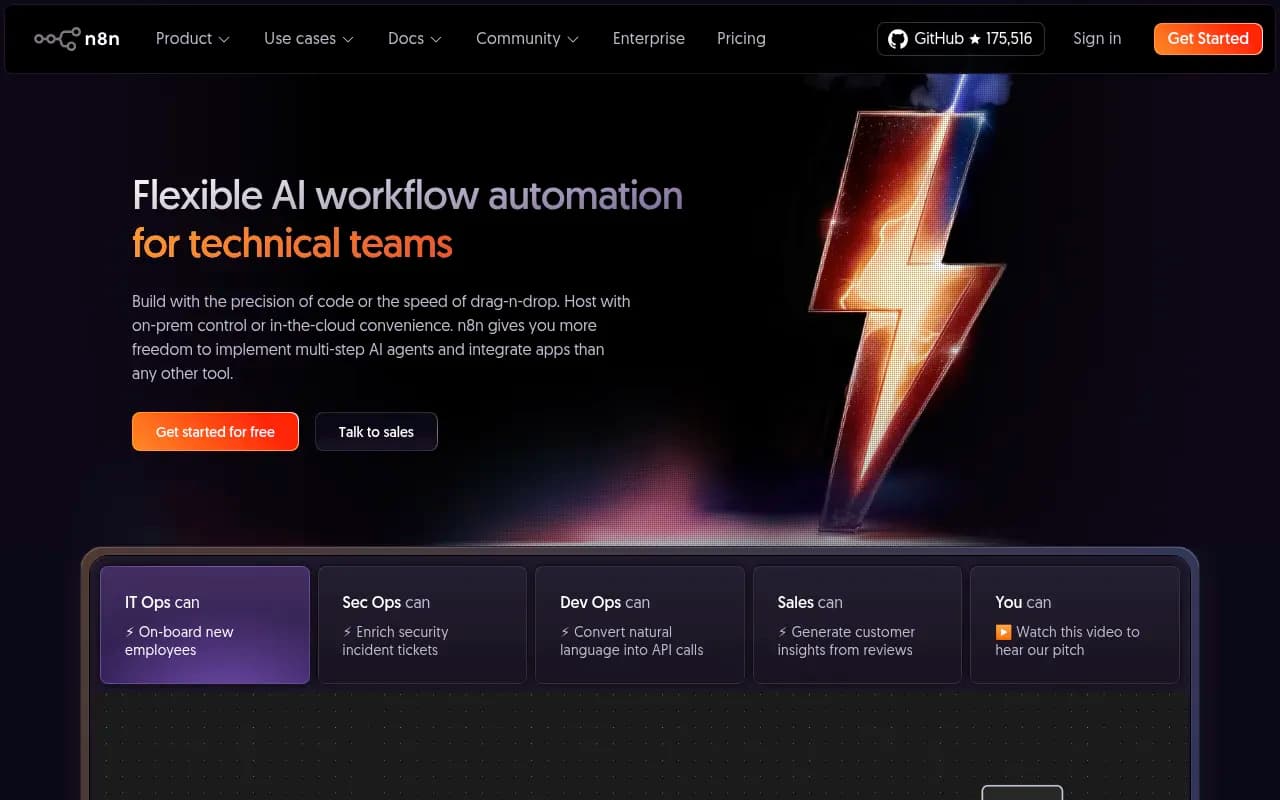
n8n is the strongest option for teams that want real API flexibility without paying enterprise prices. It's open-source, so you can self-host it, which means no per-task pricing eating into your budget as workflows scale. The visual editor handles complex branching logic well, and the AI integration options are genuinely good -- you can wire in OpenAI, Anthropic, or any model with an API.
The learning curve is steeper than Zapier or Make, but the payoff is workflows you actually own and can customize without hitting arbitrary limits.
Zapier
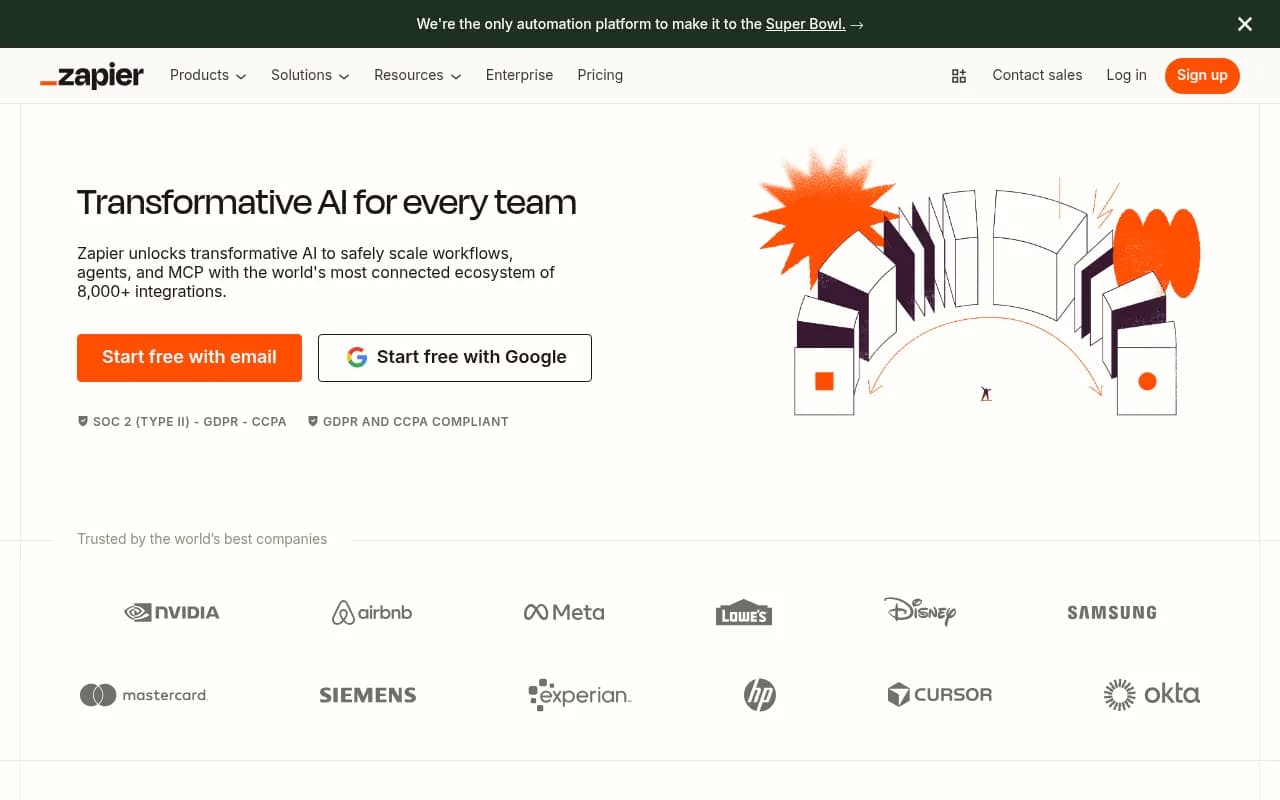
Zapier is the easiest starting point. 8,000+ app integrations, a clean visual builder, and AI features that let you add logic steps without writing code. The downside is cost: at scale, Zapier's per-task pricing adds up fast. For simple workflows connecting a handful of apps, it's hard to beat for speed of setup.
Make (formerly Integromat)
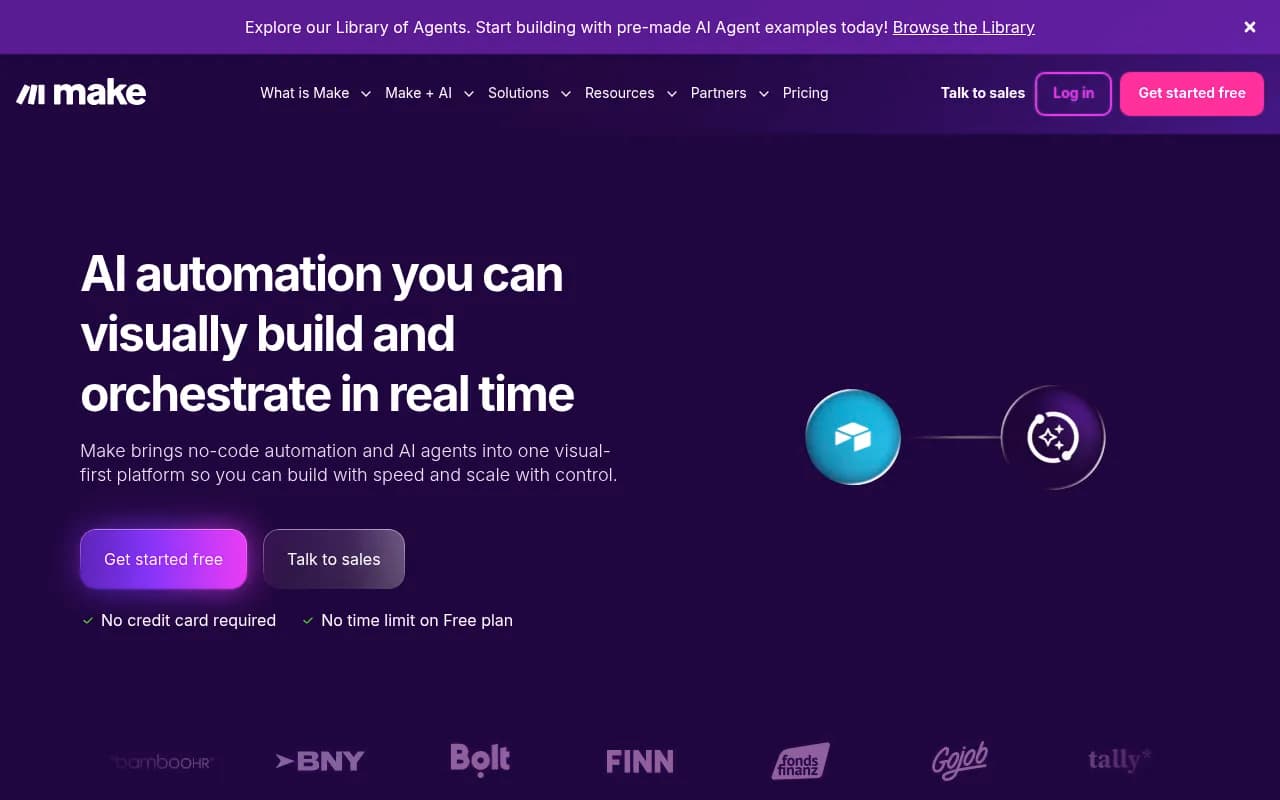
Make sits between Zapier and n8n in terms of complexity and price. The visual canvas is genuinely good for mapping out multi-step workflows, and it handles data transformation better than Zapier out of the box. 3,000+ app connections, webhook support, and a more generous free tier than Zapier. API access is available on paid plans.
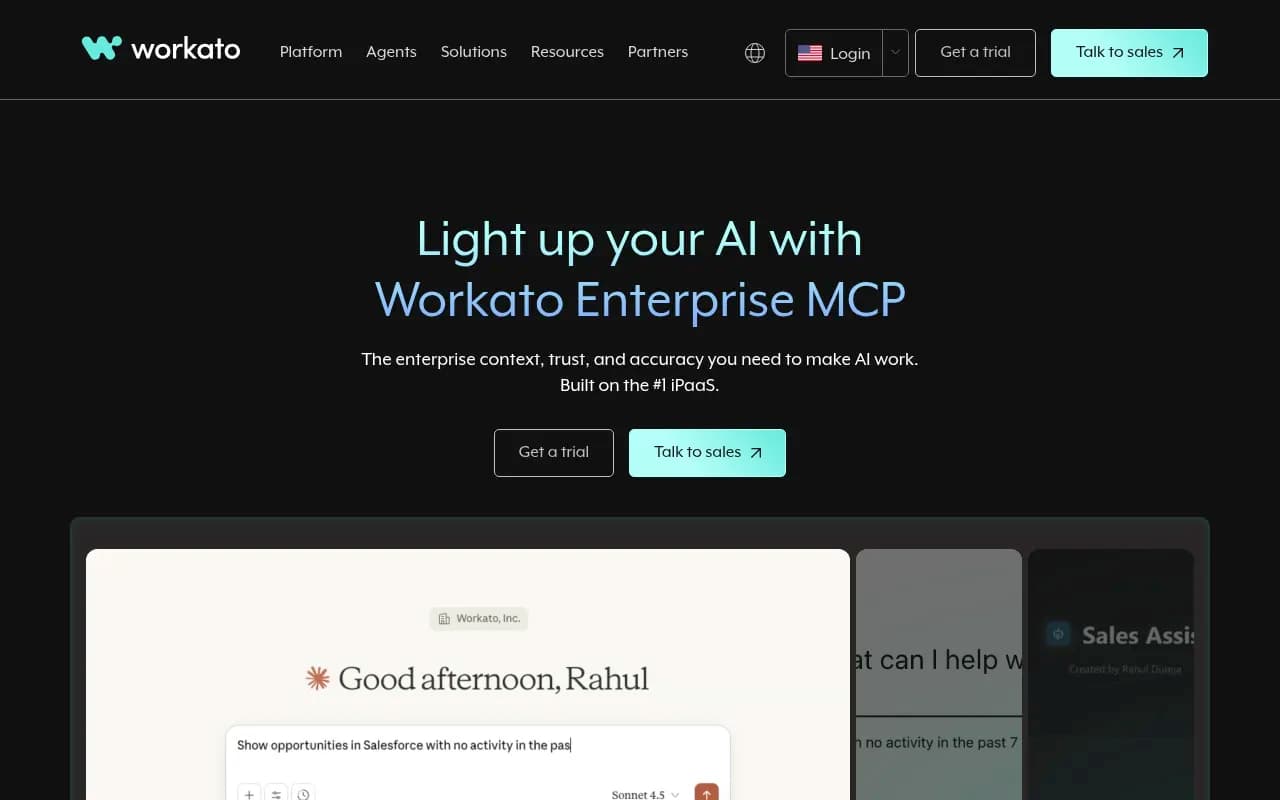
Workato
Workato is the enterprise option. It connects AI agents to 1,400+ business applications and handles the kind of complex, multi-system orchestration that smaller tools struggle with. If you're running workflows across Salesforce, SAP, and a dozen other enterprise systems, Workato is built for that. The price reflects it.
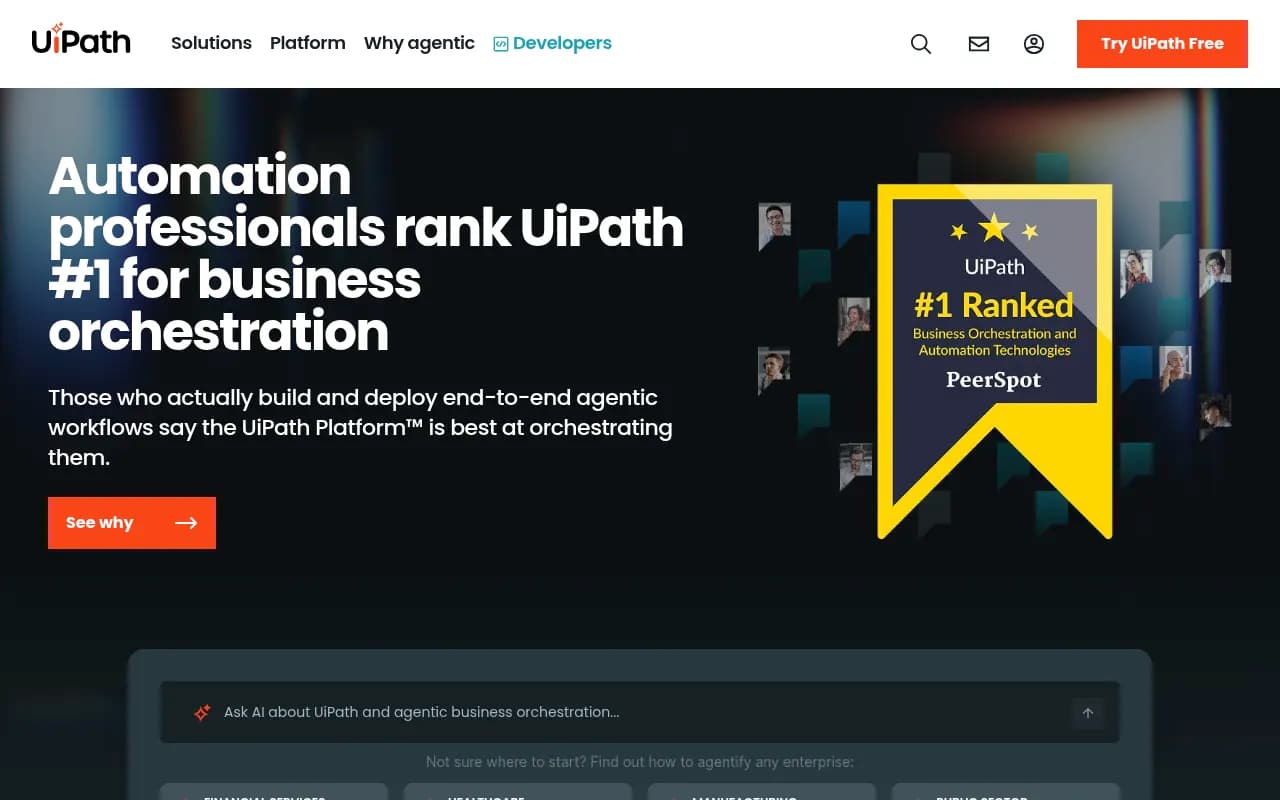
UiPath
UiPath started as an RPA (robotic process automation) platform but has moved firmly into AI-powered workflow territory. It's particularly strong for workflows that involve interacting with desktop applications or legacy systems that don't have APIs. If your Hall AI workflows touched systems without modern APIs, UiPath is worth evaluating.
Workflow automation comparison
| Platform | API access | Self-host option | AI integrations | Free tier | Best for |
|---|---|---|---|---|---|
| n8n | Full REST API | Yes | Strong | Yes (self-hosted) | Developers, agencies |
| Zapier | Yes | No | Good | Yes (limited) | Non-technical teams |
| Make | Yes | No | Good | Yes | Mid-complexity workflows |
| Workato | Yes | No | Strong | No | Enterprise IT |
| UiPath | Yes | Yes (on-prem) | Strong | Trial only | Legacy system automation |
How to choose based on what you actually need
The honest answer is that most people using Hall AI fell into one of three buckets:
You tracked brand mentions in AI search engines
Replace Hall with a dedicated AI visibility platform. Promptwatch is the most complete option -- it tracks citations, shows you gaps, and helps you create content to fill them. If budget is tight, Otterly.AI or Peec AI give you the monitoring basics at lower cost.
You automated alerts and notifications around brand mentions
You need a workflow automation tool connected to a monitoring source. The practical setup: use an AI visibility platform (Promptwatch, Profound, or similar) for the data, then connect it via API or webhook to n8n or Make to trigger Slack alerts, create tasks in your project management tool, or update a spreadsheet.
You built custom data pipelines
n8n is probably your best move. It's the most flexible, the API access is unrestricted, and self-hosting removes the cost ceiling. If you want something managed with less setup overhead, Make handles most of the same use cases with a cleaner interface.
Building a replacement stack: a practical example
Here's a concrete workflow you could build in an afternoon to replace what Hall AI was doing:
- Set up prompt tracking in Promptwatch for your brand name and key competitor terms
- Use Promptwatch's API or webhook output to push citation data to n8n
- In n8n, route the data: new citations go to a Slack channel, drops in visibility create tasks in Notion or Asana, weekly summaries get emailed to stakeholders
- Use Promptwatch's content gap analysis to identify which prompts competitors are winning that you're not
- Feed those gaps into your content calendar
This stack costs less than Hall AI likely did, gives you more data, and actually tells you what to do about visibility gaps rather than just showing you the numbers.
What to look for in any Hall AI replacement
A few things worth checking before you commit to a new platform:
Real API access, not just webhooks. Some tools advertise "API access" but only offer outbound webhooks. A real REST API lets you pull data programmatically, build custom dashboards, and integrate with internal tools. Ask specifically what the API can read vs. write.
Prompt-level tracking. Platform-level brand mention counts aren't that useful. You want to know which specific prompts trigger your brand to appear (or not appear) in AI responses. That's where the actionable data lives.
Coverage of the AI models your customers actually use. ChatGPT and Perplexity are obvious. But Google AI Overviews and AI Mode are increasingly where search traffic is going. Make sure your monitoring covers them.
Crawler logs. Knowing that an AI model cited you is useful. Knowing that the AI crawler visited your page, read it, and then cited it (or didn't) is much more useful for diagnosing and fixing problems.
The bottom line
Hall AI's shutdown is annoying but not catastrophic. The category it operated in -- AI brand visibility tracking -- has actually matured a lot since Hall launched. The alternatives are more capable now.
If you want a single platform that handles both the monitoring and the "what do I do about it" question, Promptwatch is the most complete option available. If you want to build custom automation workflows around brand data, n8n gives you the most flexibility for the price. And if you need something running by end of day with minimal setup, Zapier or Make will get you there.
The tools exist. The question is just which combination matches how your team actually works.