Key takeaways
- Google AI Mode is a distinct surface from Google AI Overviews, and many GEO tools still conflate the two or skip AI Mode entirely
- A handful of platforms now track AI Mode specifically, including Promptwatch, Semrush, Ahrefs Brand Radar, SE Visible, and Profound
- Tracking alone isn't enough -- the tools that actually move the needle combine monitoring with content gap analysis and optimization
- Prompt volume data and page-level citation tracking are the two features that separate useful tools from dashboards that just look nice
- If you're starting fresh, prioritize platforms with a free trial so you can validate coverage before committing
Google AI Mode rolled out more broadly in 2025, and by early 2026 it's become a real source of traffic for some categories -- particularly research-heavy queries, product comparisons, and anything where users want a synthesized answer rather than a list of links. That's a meaningful chunk of search behavior, and brands that aren't tracking their visibility there are flying blind.
The problem: most GEO tools were built around ChatGPT, Perplexity, and Google AI Overviews. AI Mode came later, and the tooling has been catching up at different speeds. Some platforms added it quickly. Others still don't support it, or technically list it but only query it occasionally.
This guide breaks down which platforms have genuinely caught up, what good AI Mode tracking looks like in practice, and how to choose the right tool for your situation.
What makes Google AI Mode different from AI Overviews?
Before getting into tools, it's worth being precise about what we're actually tracking.
Google AI Overviews (formerly SGE) appear at the top of standard search results pages for certain queries. They're integrated into the regular SERP, and they've been around long enough that most GEO tools support them.
Google AI Mode is a separate, dedicated interface -- users switch into it deliberately, and the responses are more conversational and multi-turn. It handles more complex queries, pulls from a wider range of sources, and behaves more like ChatGPT or Perplexity than a traditional SERP enhancement.
The citation patterns are different. The query types that trigger it are different. And the content that gets cited tends to be more in-depth and authoritative. Treating AI Mode and AI Overviews as the same thing in your tracking will give you misleading data.
What to look for in an AI Mode tracking tool
Not all "AI Mode support" is equal. Here's what actually matters:
- Dedicated AI Mode queries: The tool should query Google AI Mode specifically, not just AI Overviews. Ask vendors directly how they distinguish between the two surfaces.
- Citation-level tracking: You want to know which of your pages are being cited, not just whether your brand name appears somewhere in the response.
- Prompt coverage: The tool should let you track the specific questions your customers are asking, not just generic brand mentions.
- Frequency: AI responses change. Daily or near-daily querying matters more for AI Mode than it does for traditional rank tracking.
- Competitor visibility: Knowing you're not cited is only half the picture. Knowing your competitor is cited for the same prompt tells you what you're up against.
The tools that have actually caught up
Promptwatch
Promptwatch is one of the few platforms that tracks Google AI Mode alongside nine other AI models -- ChatGPT, Perplexity, Claude, Gemini, Grok, DeepSeek, Copilot, Mistral, and Meta AI. That breadth matters because AI Mode doesn't exist in isolation; brands need to understand their visibility across the whole AI search ecosystem, not just one surface.
What separates Promptwatch from most competitors is that it goes beyond monitoring. The Answer Gap Analysis shows you exactly which prompts competitors are being cited for that you're not -- and the built-in AI writing agent generates content specifically engineered to earn citations, grounded in real citation data from over 880 million citations analyzed. You find the gap, generate the content, and track whether it works. Most tools stop at step one.
The crawler logs are also genuinely useful for AI Mode specifically -- you can see when Google's AI crawlers are hitting your pages, which gives you a signal about what content is being indexed for AI responses before it shows up in your visibility scores.

Semrush AI Visibility Toolkit
Semrush added AI Mode tracking to its toolkit, and for teams already embedded in the Semrush ecosystem it's a reasonable option. The advantage is obvious: you get AI visibility data alongside your existing keyword research, site audit, and competitive analysis workflows in one place.
The limitation is that Semrush uses fixed prompt sets rather than letting you define your own queries. That works fine for broad brand monitoring but falls short if you want to track visibility for specific long-tail questions your customers actually ask. There's also no AI traffic attribution, so you can see your visibility scores but can't connect them to actual site traffic or revenue.
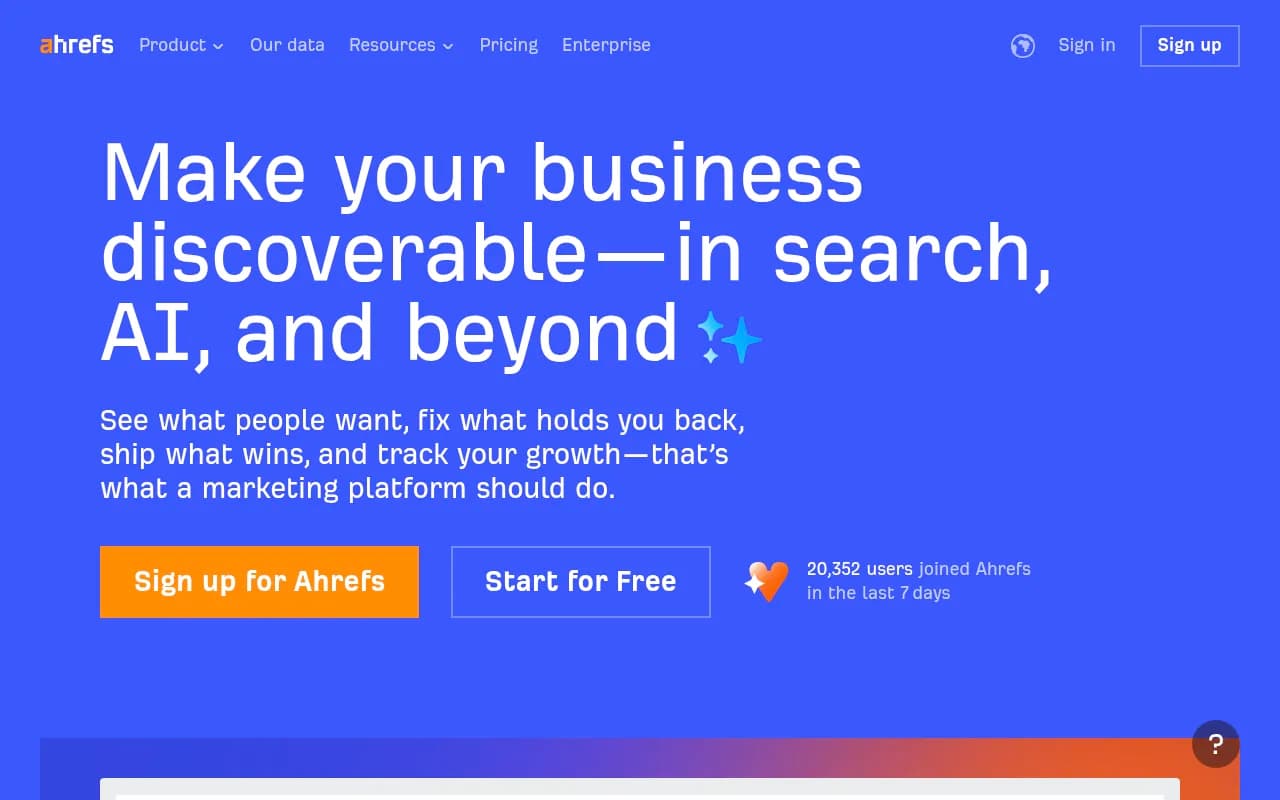
Ahrefs Brand Radar
Ahrefs Brand Radar covers Google AI Mode alongside ChatGPT, Perplexity, Gemini, Copilot, and Google AI Overviews -- plus YouTube, which is a nice addition given how often YouTube content gets cited in AI responses. Like Semrush, it's most useful if you're already an Ahrefs user.
The fixed prompt limitation applies here too. You're tracking your brand visibility across a set of prompts Ahrefs defines, not the specific questions your target customers are asking. And there's no AI traffic attribution, so the data stays in the monitoring bucket rather than connecting to business outcomes.
SE Visible
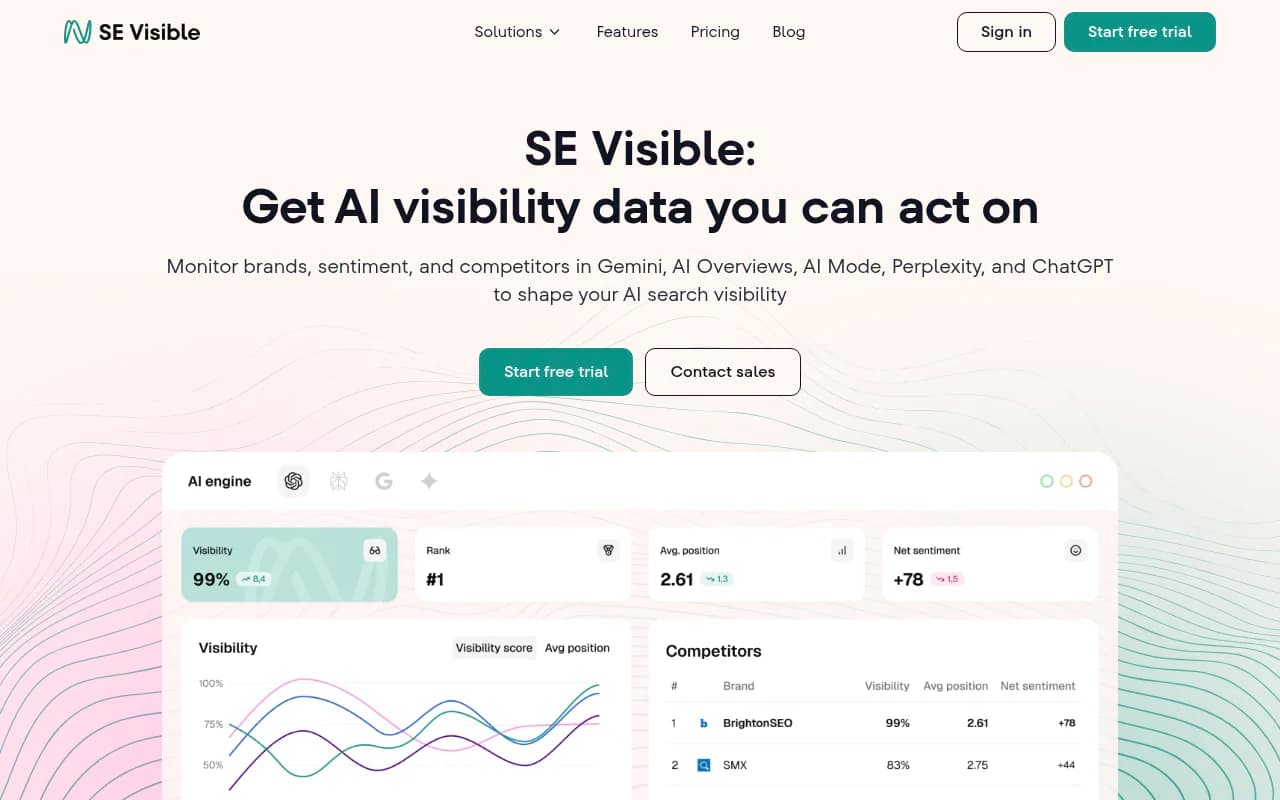
SE Visible (from SE Ranking) is a dedicated AI visibility product that includes Google AI Mode tracking. It's more focused than the Semrush or Ahrefs offerings -- built specifically for AI search rather than bolted onto a traditional SEO platform.
The interface is clean and the setup is relatively quick. It's a solid choice for teams that want dedicated AI visibility tracking without the complexity of an enterprise platform. The tradeoff is that it's primarily a monitoring tool; there's no content generation or gap analysis built in.
Profound
Profound is an enterprise-grade platform with strong analytics capabilities and API access. It tracks AI Mode and supports near-real-time monitoring, which matters for brands where visibility shifts quickly. The data depth is impressive -- it's built for analyst-led workflows where teams want to slice the data themselves.
The catch is price and complexity. Profound starts at $499/month with no free trial, and it's designed for teams with the resources to act on raw data. If you need the platform to tell you what to do next, it won't do that -- it gives you the data and expects you to draw conclusions.

Peec AI
Peec AI is a more accessible entry point, starting at €89/month with a free trial. It covers Google AI Mode alongside other major AI platforms and supports multi-language tracking, which matters for brands operating across markets.
It's a monitoring tool -- you get visibility data and alerts, but no content optimization or gap analysis. For smaller teams or those just getting started with GEO tracking, that's often enough to begin with.

Otterly.AI
Otterly.AI is one of the more affordable options in the market, and it's added AI Mode to its coverage. It's best suited for small teams or agencies managing multiple clients who need basic visibility tracking without a large budget.
The feature set is limited compared to the platforms above -- no crawler logs, no content generation, no traffic attribution. But at its price point, it covers the fundamentals.

Comparison table: AI Mode tracking across major GEO platforms
| Platform | Tracks Google AI Mode | Custom prompts | Content generation | Traffic attribution | Crawler logs | Starting price |
|---|---|---|---|---|---|---|
| Promptwatch | Yes | Yes | Yes | Yes | Yes | $99/mo |
| Semrush AI Toolkit | Yes | No (fixed) | No | No | No | $99/mo |
| Ahrefs Brand Radar | Yes | No (fixed) | No | No | No | $129/mo+ |
| SE Visible | Yes | Yes | No | No | No | ~$65/mo |
| Profound | Yes | Yes | No | No | No | $499/mo |
| Peec AI | Yes | Yes | No | No | No | €89/mo |
| Otterly.AI | Yes | Yes | No | No | No | $25/mo |
Tools that still have gaps
A few platforms worth mentioning that either don't support AI Mode yet or have limited coverage:
AthenaHQ is a solid monitoring platform but focuses more on ChatGPT and Perplexity. AI Mode coverage is partial.

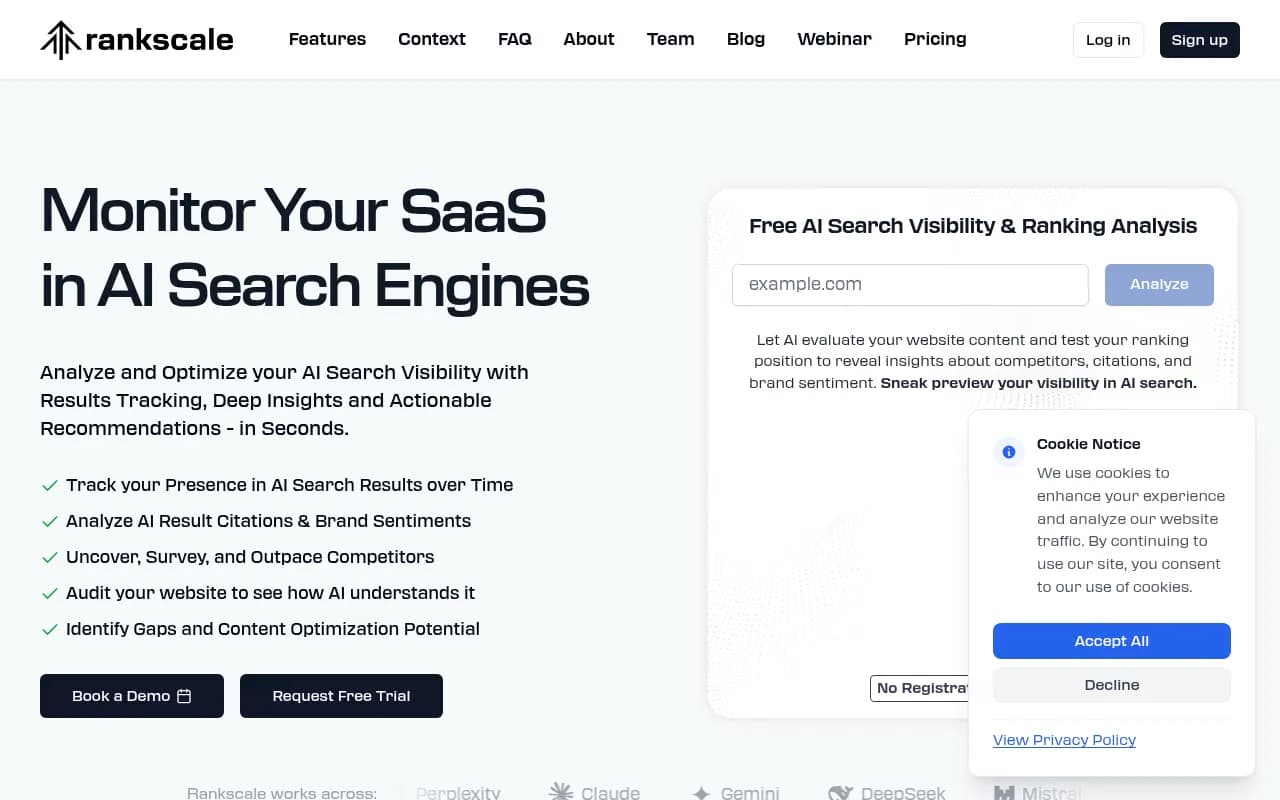
Rankscale is budget-friendly and useful for basic tracking, but AI Mode support is limited compared to the platforms above.
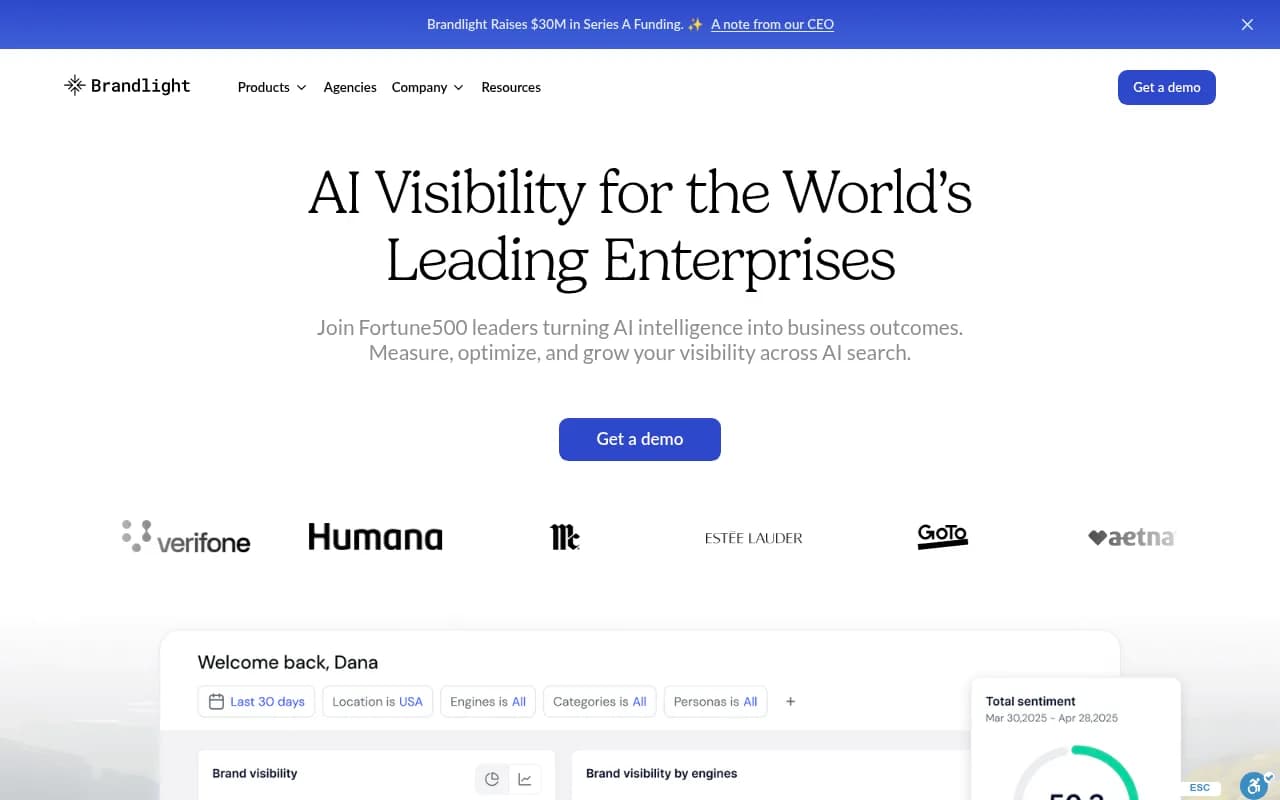
Brandlight covers several AI platforms but AI Mode tracking isn't a primary focus.
If you're evaluating any tool not on this list, the fastest way to check is to ask the vendor directly: "How do you query Google AI Mode, and how often?" Vague answers usually mean limited or inconsistent coverage.
How to actually use AI Mode tracking
Tracking your visibility score is a starting point, not an endpoint. Here's how to make the data actionable:
Start with competitor gap analysis
Before optimizing anything, find out what your competitors are being cited for that you're not. This tells you where the opportunity is. If a competitor consistently appears in AI Mode responses for "best [product category] for [use case]" and you don't, that's a content gap you can close.
Map your prompts to real customer questions
The prompts you track should reflect how your actual customers search, not how you'd describe your own product. Pull from customer support tickets, sales call transcripts, and search console data to build a prompt list that reflects real intent.
Track at the page level, not just the brand level
Brand-level visibility scores tell you whether you're being mentioned. Page-level tracking tells you which content is earning citations and which isn't. The second is far more useful for deciding what to create or update.
Connect visibility to traffic
AI Mode citations can drive real traffic, but you won't know unless you close the attribution loop. Tools that offer a tracking snippet, GSC integration, or server log analysis let you see whether your AI visibility improvements are actually moving traffic and conversions.
Which tool should you pick?
It depends on where you are and what you need to do with the data.
If you're just starting out and want to understand your AI Mode visibility without a big commitment, Peec AI or Otterly.AI give you a low-cost entry point. You'll get monitoring data and can figure out where the gaps are manually.
If you're a mid-size brand or agency that needs to actually improve visibility -- not just measure it -- Promptwatch is the most complete option. The combination of AI Mode tracking, gap analysis, and content generation means you can act on what you find rather than just staring at a dashboard. The free trial makes it easy to validate before committing.
If you're already deep in the Semrush or Ahrefs ecosystem and just want AI Mode data added to your existing workflows, the respective add-ons are the path of least resistance. Just go in knowing the fixed prompt sets are a real limitation.
If you're an enterprise with analyst resources and need raw data depth, Profound is worth the price. But it's genuinely not the right tool for teams that need guidance on what to do next.
The broader point: Google AI Mode is not going away, and the brands that figure out their visibility there now -- and build content specifically for it -- will have a meaningful head start. The tools exist. The question is whether you're using them to monitor or to actually improve.