Key takeaways
- Several solid AEO tools start at $0 or under $50/month, covering basic brand monitoring across ChatGPT, Perplexity, and Google AI Overviews
- Free and low-cost tools are genuinely useful for getting started, but most stop at monitoring -- they show you data without helping you act on it
- The biggest gap at the budget end is content optimization: knowing you're invisible is only half the problem
- For teams that need to move from tracking to fixing, mid-tier platforms (roughly $99-$249/month) unlock content gap analysis, AI writing, and crawler logs
- Pick your tool based on what you need to do, not just what you need to see
The AEO tool market exploded in 2025 and hasn't slowed down. There are now dozens of platforms promising to tell you how ChatGPT, Perplexity, and Gemini talk about your brand. Prices range from free to well over $1,000/month, and the gap between those extremes isn't always obvious from the marketing pages.
Good news: you don't need to spend enterprise money to get started. Several tools in the $0-$50 range are legitimately useful, especially if you're early in your AI visibility journey and just need to understand the landscape before committing to a full platform.
The honest caveat: most budget tools are monitoring dashboards. They tell you where you stand. What you do about it is still on you.
This guide breaks down what's actually available at each price point, what you can realistically accomplish, and where the limits are.
What AEO tools actually do (and why price tiers exist)
Before getting into specific tools, it helps to understand what you're buying at different price points.
At the core, every AEO tool does some version of the same thing: it sends prompts to AI models (ChatGPT, Perplexity, Gemini, Claude, etc.), captures the responses, and tells you whether your brand appeared. From there, the features branch out significantly.
The reason enterprise tools cost what they do isn't usually the monitoring itself -- it's everything that comes after:
- Prompt volume (how many queries you can track)
- Number of AI models covered
- Competitor tracking depth
- Content gap analysis (which prompts competitors win that you don't)
- Content generation tools built on citation data
- Crawler logs showing which pages AI bots actually read
- Traffic attribution connecting AI visibility to real revenue
Free and cheap tools cover the first few items. The rest get progressively more expensive because they require more infrastructure and, honestly, more product sophistication.
Free AEO tools worth actually using
Manual prompt testing (free, always)
The most underrated starting point costs nothing. Open ChatGPT, Perplexity, Claude, and Gemini in separate tabs. Type in the 10-15 questions your customers are most likely to ask. See if your brand appears. Note which competitors do.
This is tedious at scale, but it's genuinely useful for getting a baseline. Before you spend anything, spend an hour doing this. You'll understand the problem much better.
Otterly.AI (free tier available)
Otterly.AI has a free plan that lets you track a small number of prompts across a handful of AI models. It's one of the more accessible entry points in the category -- HubSpot's roundup called it out specifically for hitting "a sweet spot that most AEO tools miss" with affordable pricing starting at $29/month.
The free tier is limited in prompt volume, but it's enough to see whether your brand is showing up for a few key queries. Clean interface, easy to set up.

Peec AI (entry-level pricing)
Peec AI positions itself as an accessible option for growing businesses that need competitive intelligence without enterprise pricing. It covers multi-language tracking, which is useful if you're operating in markets outside the US. The monitoring features are solid for the price point.

Promptscout (lightweight tracking)
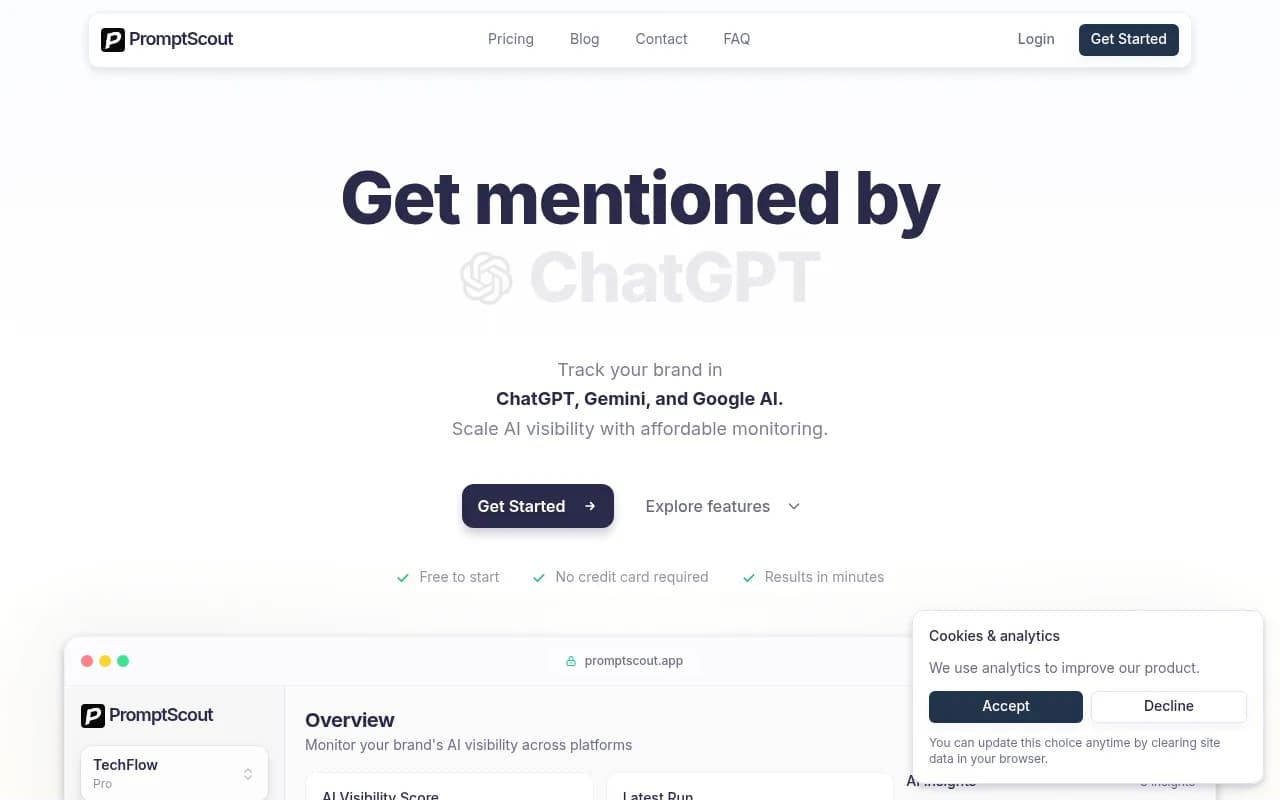
Promptscout is a simpler tool focused on tracking how ChatGPT, Gemini, and Google AI mention your brand. It's not trying to be a full platform -- it's a focused tracker, which makes it fast to set up and easy to understand.
AI Rank Checker (simple spot-checks)
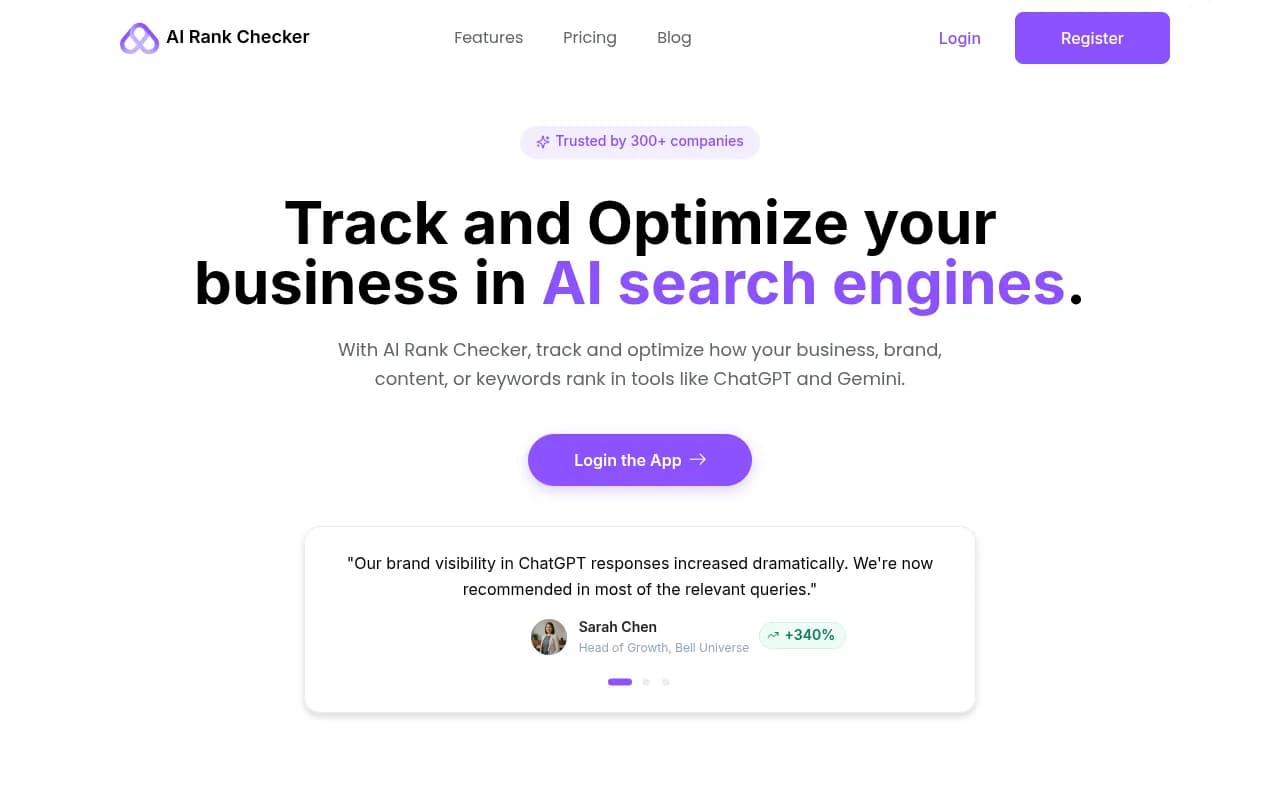
For quick, one-off checks of your AI search visibility without committing to a subscription, AI Rank Checker is worth bookmarking. It's not a monitoring platform, but it's useful for sanity-checking specific prompts.
GPT Rank Tracker
Another lightweight option for monitoring GPT-specific visibility. Good for teams that are primarily worried about ChatGPT rather than the full AI search landscape.

Low-cost tools ($29-$99/month) that punch above their weight
Nightwatch ($39/month + AI add-on)
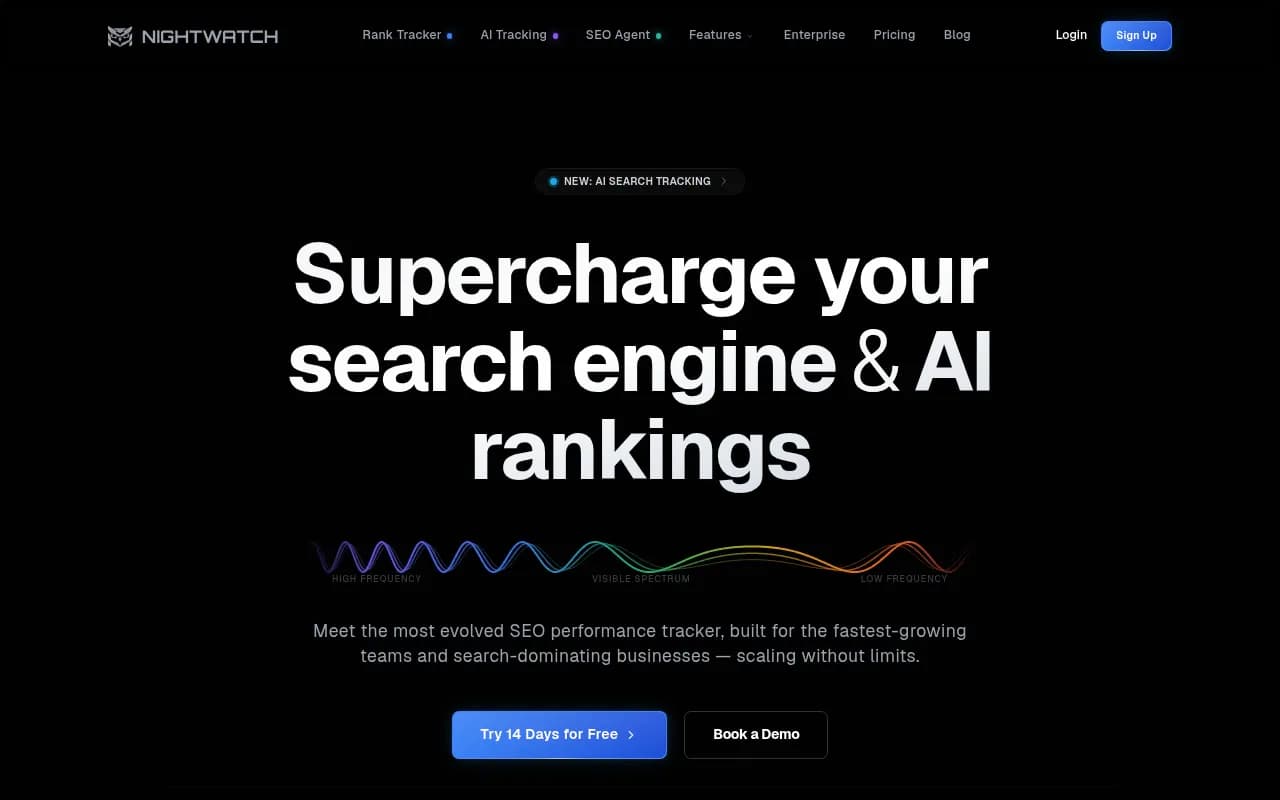
Nightwatch started as a classic rank tracker and added AI search monitoring as an add-on. The base plan is $39/month; the AI visibility add-on runs $99/month on top of that. It's a bit of an awkward pricing structure, but if you're already using Nightwatch for traditional SEO, the add-on makes sense.
It covers ChatGPT, Google AI Overviews, Bing Copilot, Perplexity, and Claude. The zip-code level tracking is genuinely useful for local SEO teams.
SE Visible ($99/month)
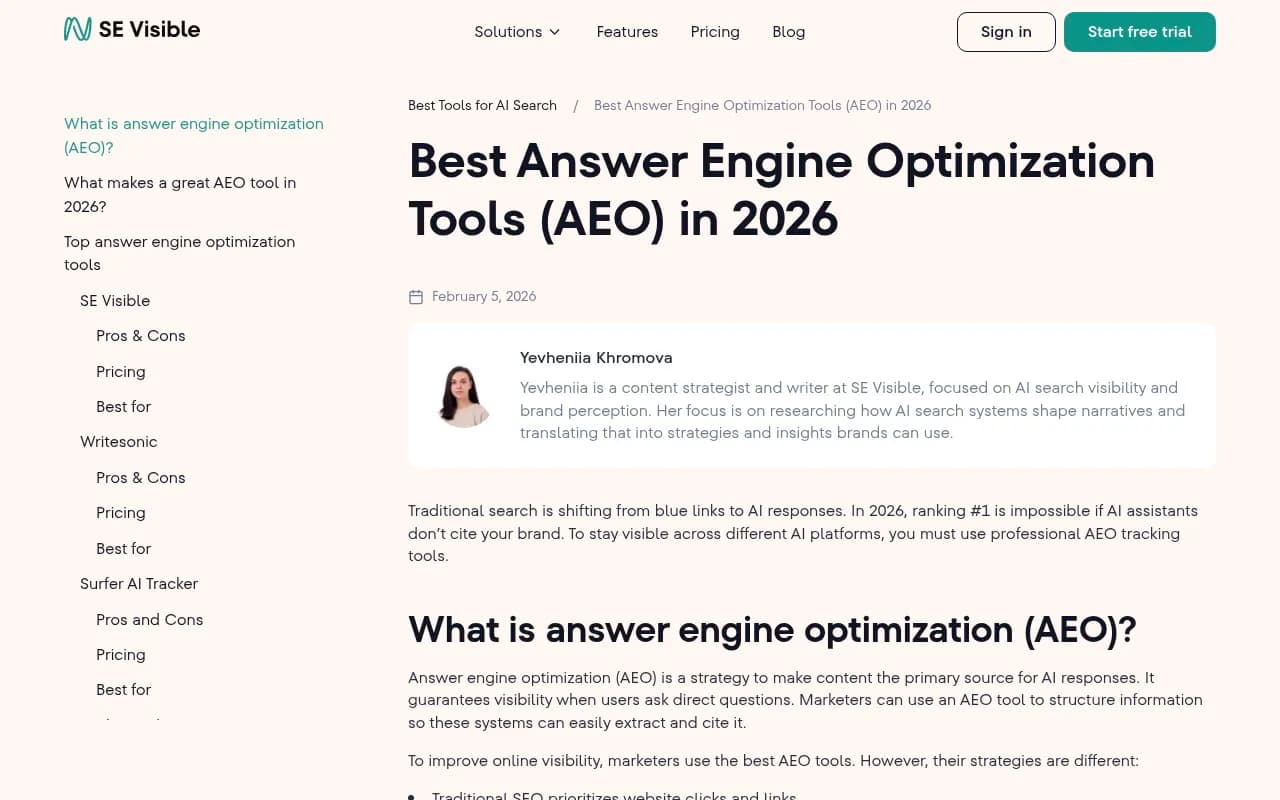
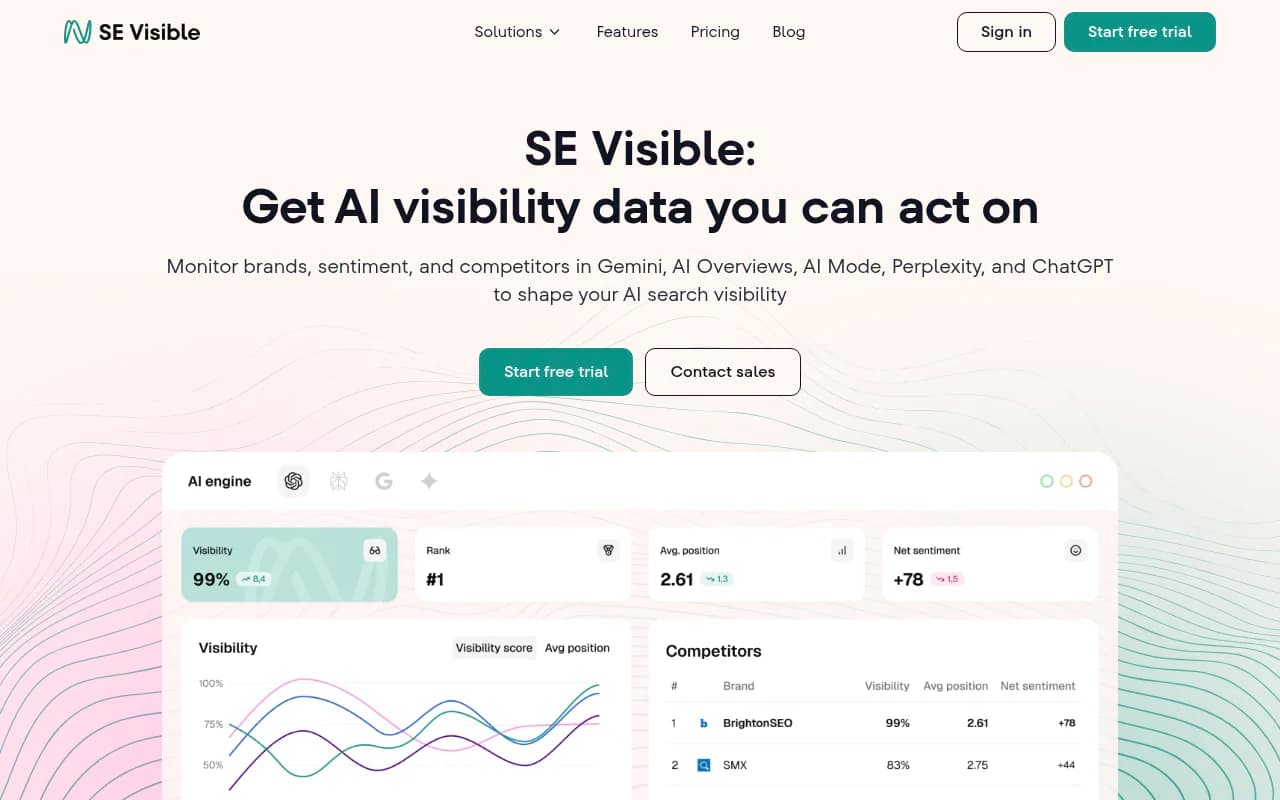
SE Visible is the AI visibility product from SE Ranking, and it's one of the more complete tools at the $99 price point. It covers AI Overviews, AI Mode, Gemini, ChatGPT, and Perplexity. The competitor insights and sentiment scoring are solid. If you're already in the SE Ranking ecosystem, this is an easy add.
Rankscale (affordable AI tracking)
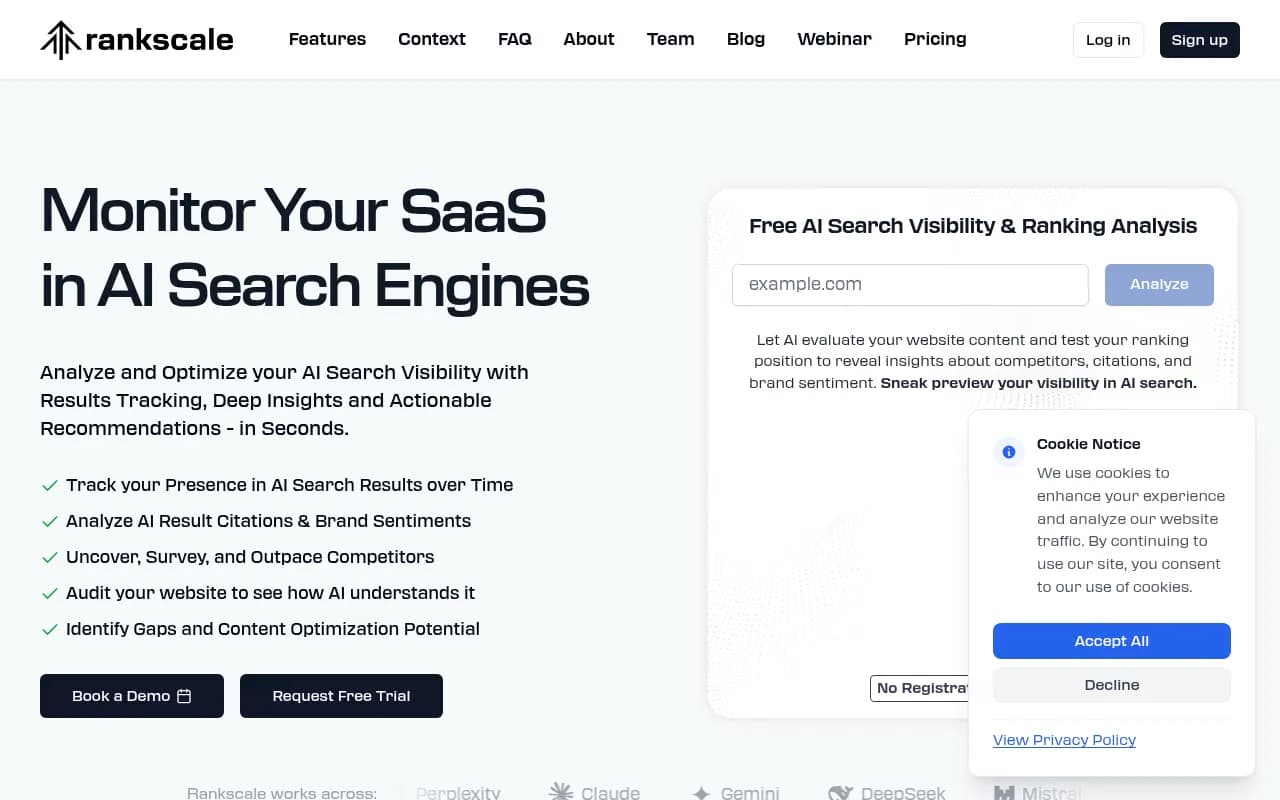
Rankscale focuses on AI search ranking and visibility at a price point accessible to smaller teams. Worth evaluating if you're early in the process and want something more structured than manual testing.
LLMrefs (citation tracking)
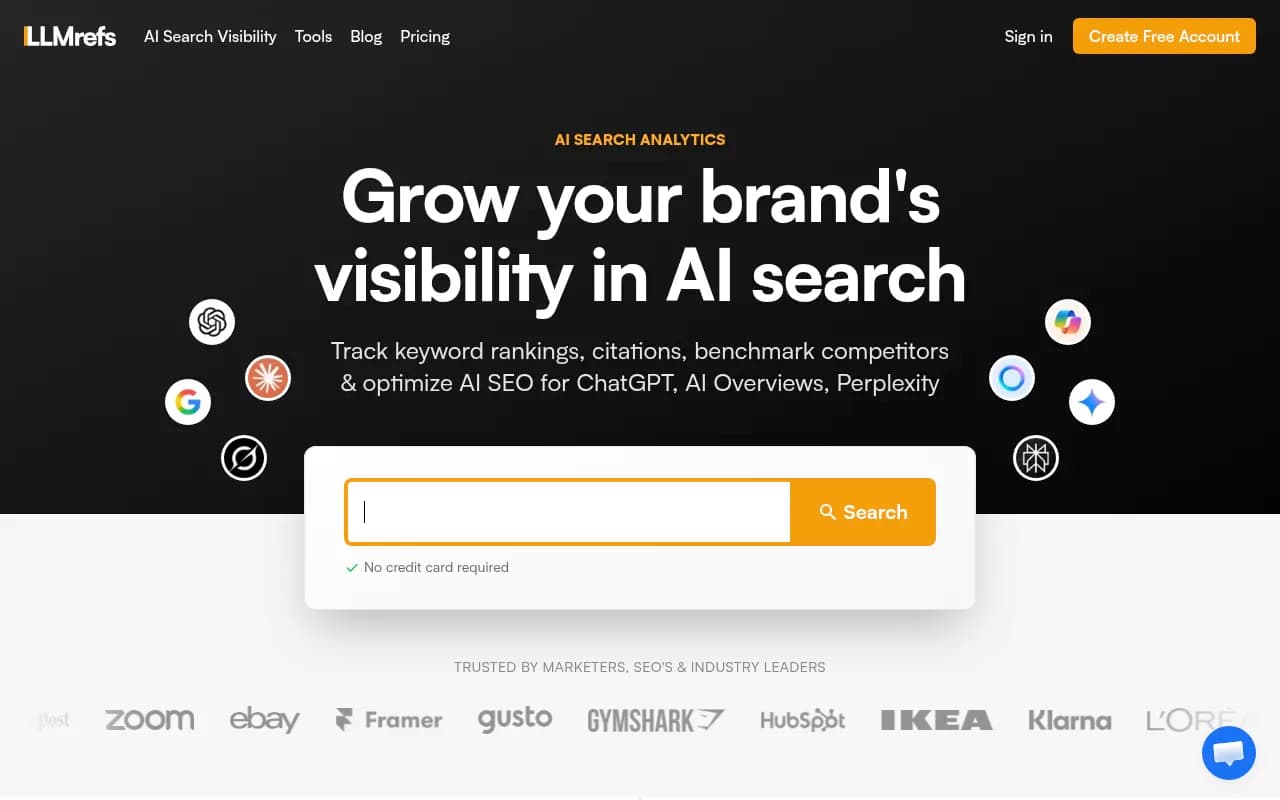
LLMrefs tracks your brand's visibility across ChatGPT, Perplexity, and other models with a focus on citation data. It's a narrower tool than some of the others here, but the citation focus is useful if that's your primary concern.
Ceyo AI (monitoring for smaller brands)
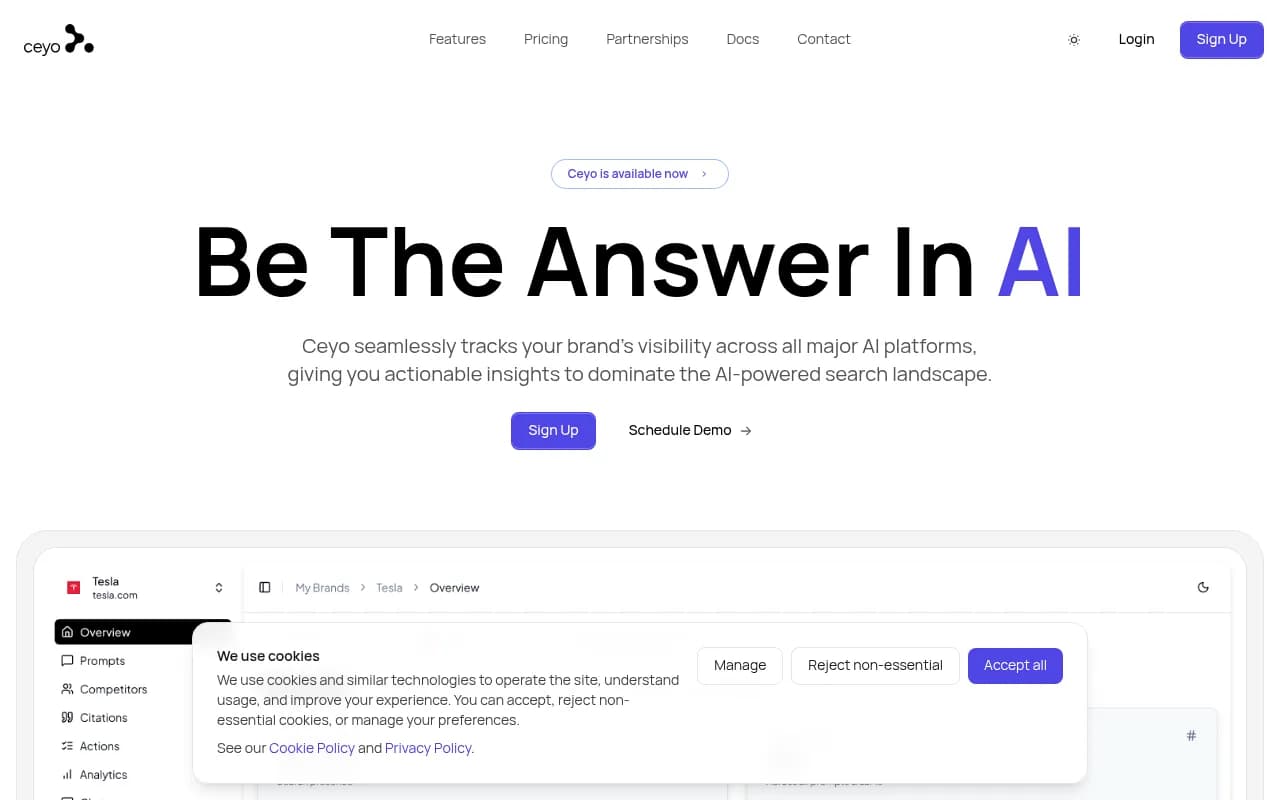
Ceyo AI monitors your brand across ChatGPT, Perplexity, Claude, and Gemini. It's aimed at brands that want visibility tracking without the complexity of enterprise platforms.
Mentions.so (brand mention tracking in AI)
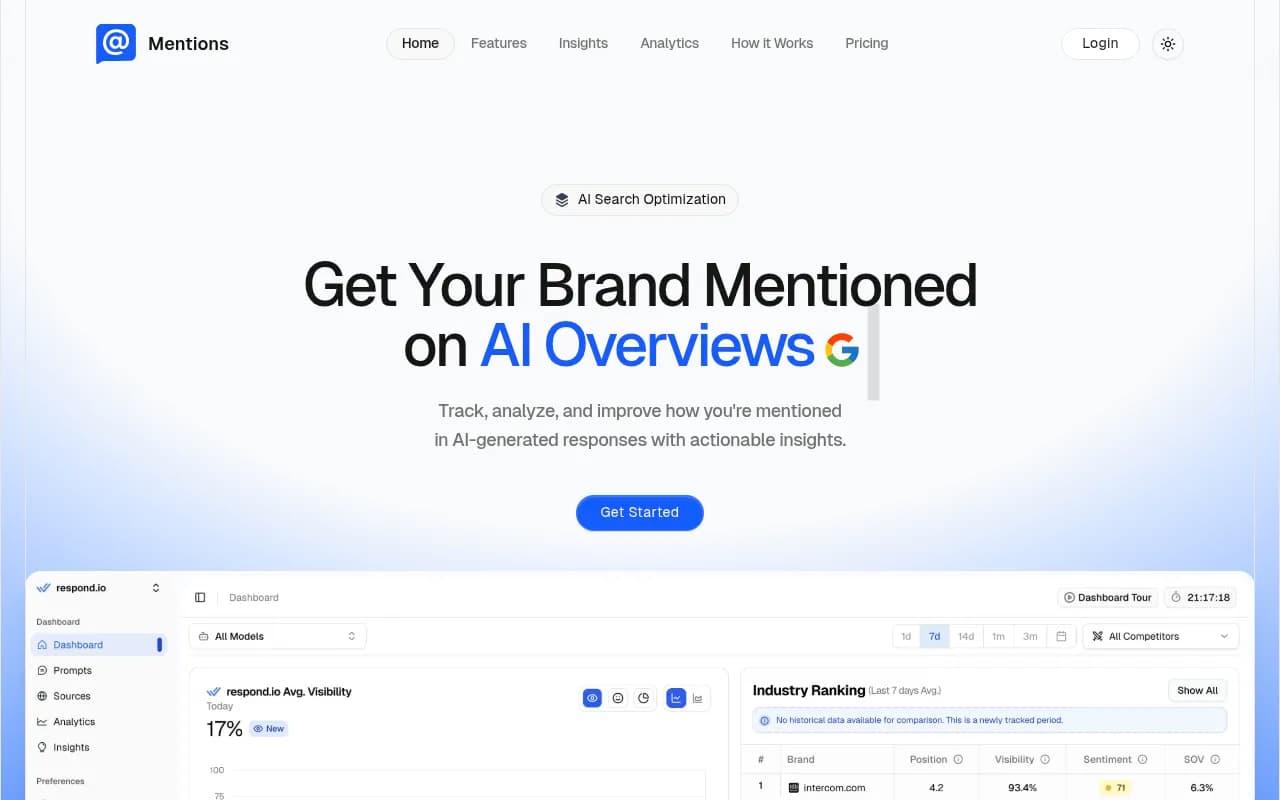
Mentions.so is specifically focused on brand mention tracking in AI responses. Simple, focused, and priced for teams that don't need a full platform.
What you can realistically accomplish at each price tier
Here's an honest breakdown of what different budget levels actually get you:
| Price tier | What you can do | What you can't do |
|---|---|---|
| Free | Manual spot-checks, basic brand monitoring for a few prompts | Scale, competitor tracking, content guidance |
| $29-$50/month | Track 20-50 prompts, see basic brand mentions, simple competitor comparison | Deep competitor analysis, content gap analysis, crawler logs |
| $50-$99/month | Multi-model tracking, sentiment analysis, some competitor data, basic reporting | Content generation, AI crawler logs, traffic attribution |
| $99-$249/month | Full competitor tracking, content gap analysis, some content tools, more prompt volume | Full crawler logs, deep traffic attribution, multi-site at scale |
| $249+/month | End-to-end optimization: find gaps, generate content, track results, attribute revenue | Nothing at this tier -- this is where the full loop closes |
The pattern is consistent: monitoring gets cheaper every year. The tools that help you act on what you find still cost more.
The gap most budget tools leave open
Here's the thing nobody says clearly enough: knowing you're invisible in AI search is the easy part. The hard part is figuring out what to do about it.
Most free and low-cost tools will tell you that a competitor appears in 73% of responses to "best [your category] software" and you appear in 12%. That's useful information. But then what?
The answer involves understanding which specific content is missing from your site, what topics AI models want to cite but can't find on your pages, and then creating that content in a way that AI models will actually use. That's a content strategy and execution problem, not just a monitoring problem.
This is where platforms like Promptwatch are different from the monitoring-only tools. The Answer Gap Analysis shows you exactly which prompts competitors are visible for that you're not -- the specific topics and questions your site isn't answering. Then the built-in content generation tools create articles grounded in real citation data, not generic SEO filler. That loop from "find the gap" to "create the content" to "track the improvement" is what separates optimization platforms from dashboards.

If you're at the stage where you've confirmed you have an AI visibility problem and you need to fix it, the budget tools will keep showing you the problem. You'll need something with more action capability to actually move the numbers.
Mid-tier tools worth knowing ($99-$249/month)
For teams ready to move beyond basic monitoring, a few platforms in this range offer meaningful optimization capability:
Profound
Strong enterprise monitoring depth with good coverage across AI models. HubSpot's roundup called it out as a top option for enterprise monitoring. Pricing is on the higher end of this tier.

Writesonic AI visibility ($199/month)
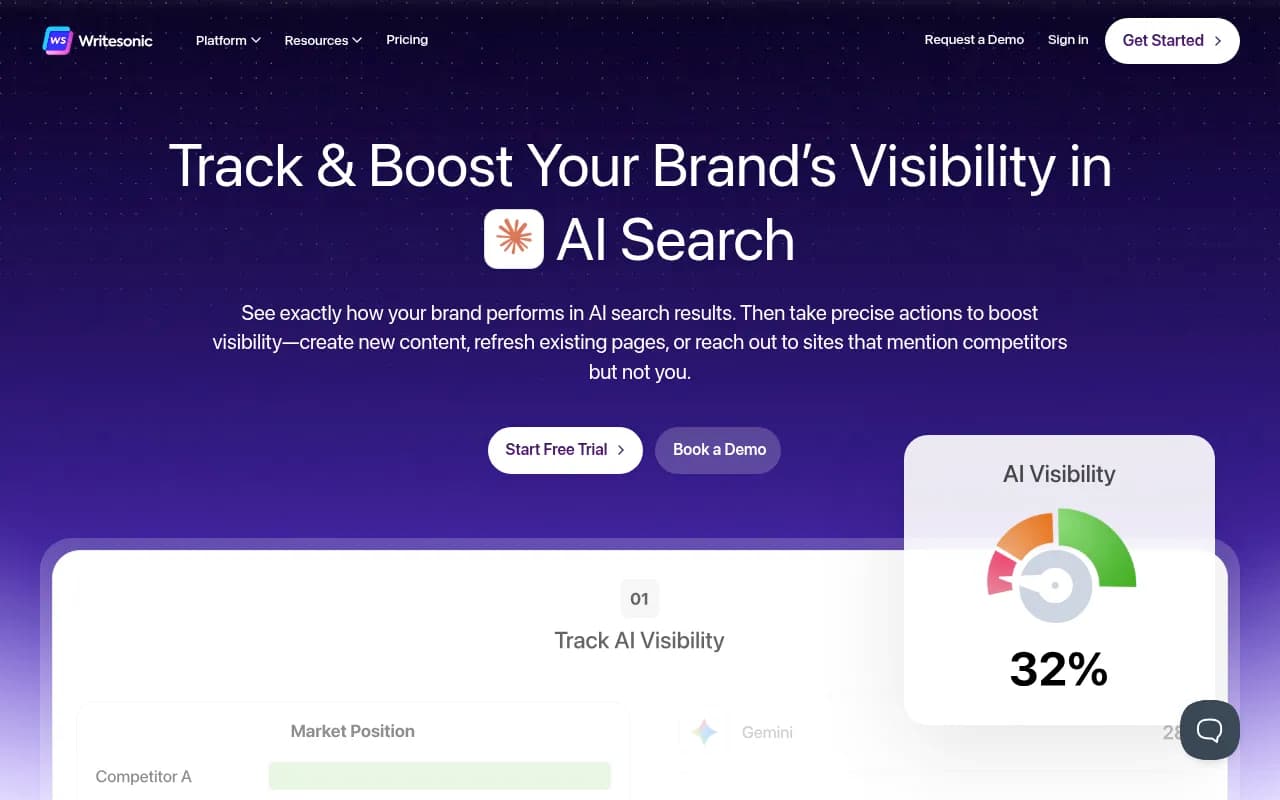
Writesonic has built out GEO workflows that combine AI visibility tracking with citation analysis and in-platform content optimization. The combination of tracking and content tools in one platform is genuinely useful.
Frase (content-first approach)
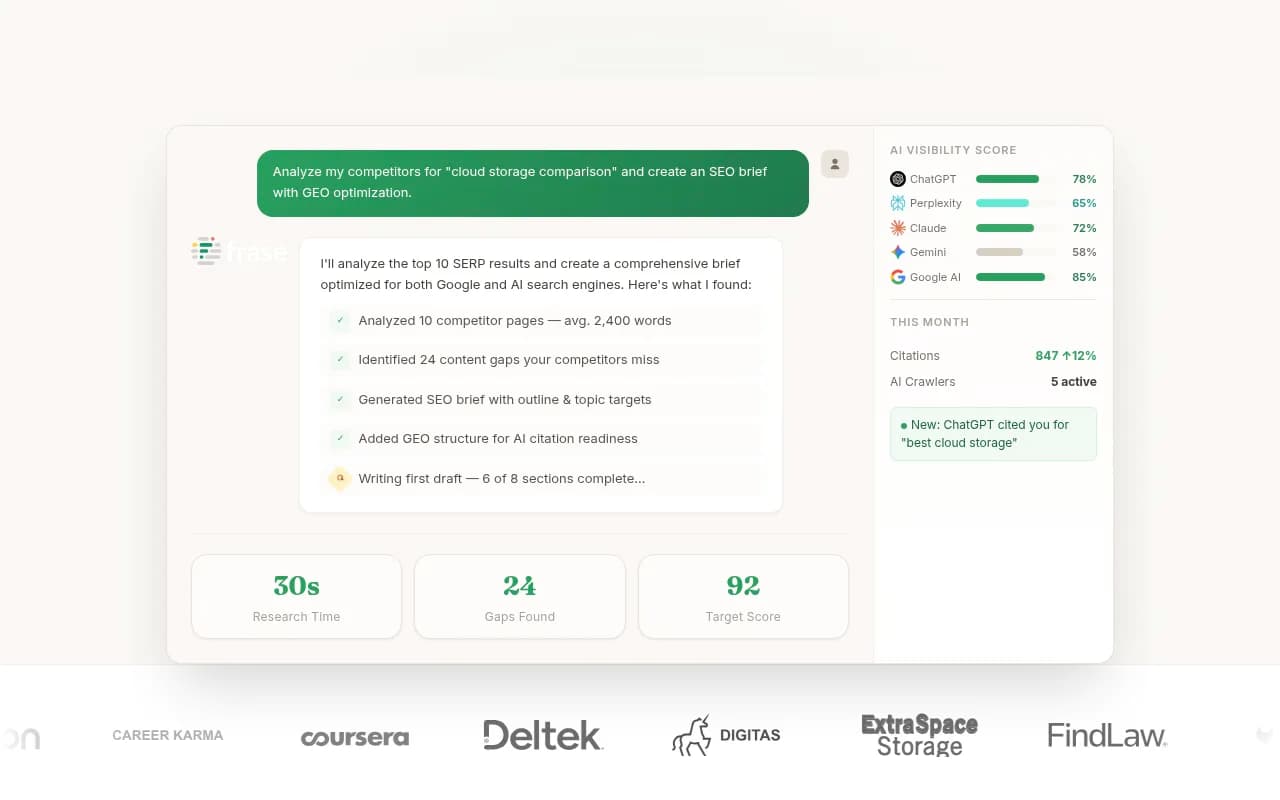
Frase takes an answer-first approach to content briefs, which makes it naturally suited to AEO. It's primarily a content tool that's added AI visibility features, rather than a visibility tool that's added content features. That distinction matters depending on where your team's workflow starts.
AthenaHQ
AthenaHQ tracks and helps optimize brand visibility across 8+ AI search engines. It's more monitoring-focused than action-focused, but the coverage is solid.

Rankability (agency-focused)
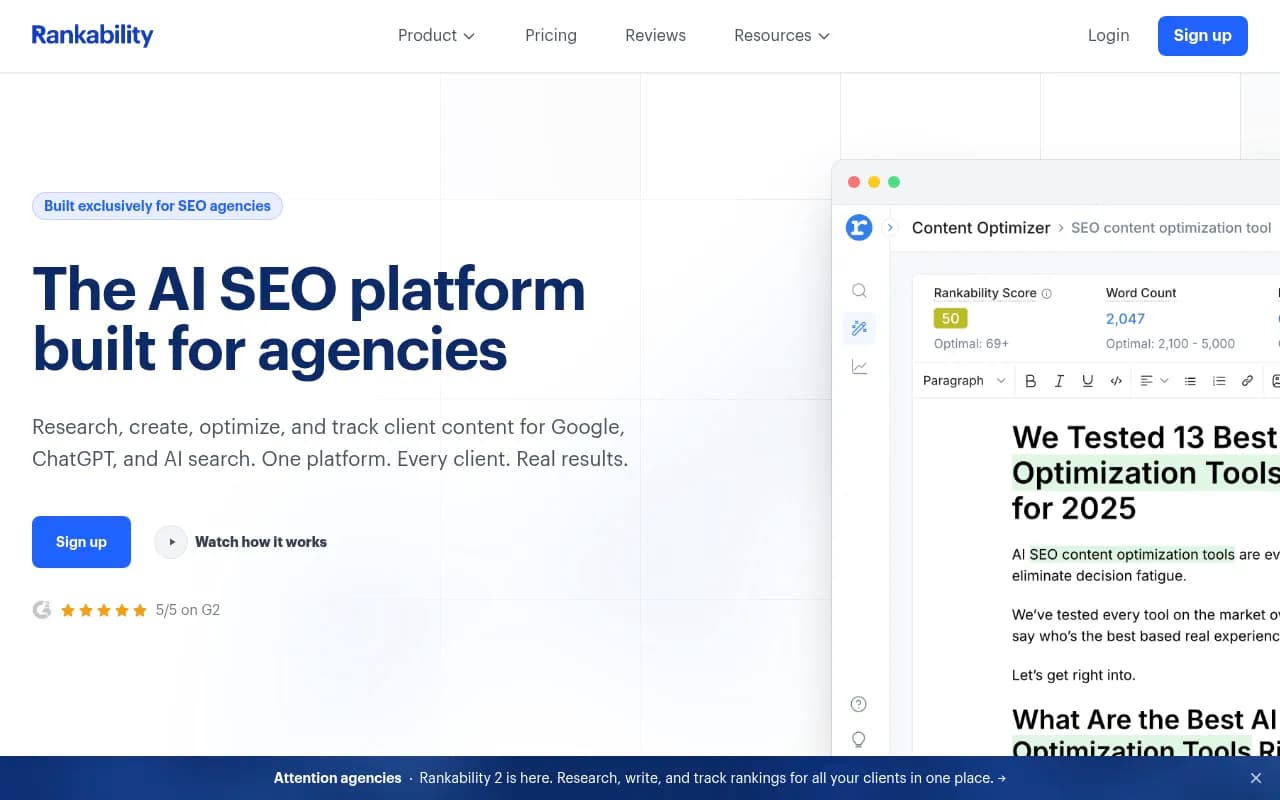
Rankability positions itself as a single platform connecting research, writing, optimization, and AI visibility tracking. It's aimed at agencies managing multiple clients.
Tools built into platforms you might already have
One angle worth considering: you might already be paying for something that includes basic AEO features.
SE Ranking
SE Ranking's main platform includes an AI visibility toolkit alongside traditional SEO features. If you're already an SE Ranking customer, check what's included in your plan before buying a separate tool.
Semrush
Semrush has added AI search monitoring features. The coverage uses fixed prompts rather than custom ones, which limits how targeted you can get, but if you're already paying for Semrush, it's worth exploring what's there.
Ahrefs Brand Radar
Ahrefs added Brand Radar for monitoring brand mentions in AI search results. Same caveat as Semrush -- fixed prompts limit customization, and there's no AI traffic attribution, but it's a reasonable starting point if you're already in the Ahrefs ecosystem.
How to choose based on where you actually are
The right tool depends on your situation more than your budget. A few scenarios:
You're just starting out and need to understand the problem. Start with manual testing and one of the free/cheap monitoring tools. Otterly.AI's free tier or a $29/month plan is enough to get a baseline. Spend a month understanding which prompts matter for your category before committing to anything bigger.
You've confirmed you have a visibility gap and need to track it consistently. Something in the $50-$99 range makes sense. SE Visible at $99/month covers the major AI models with decent competitor tracking. Nightwatch works if you're already using it for traditional SEO.
You need to actually fix your AI visibility, not just measure it. This is where you need content gap analysis and content optimization tools. Budget tools won't get you there. Look at platforms that close the loop between visibility data and content creation.
You're an agency managing multiple clients. The per-client math changes everything. Tools with agency pricing or multi-site plans become much more cost-effective. Rankability and Promptwatch both have agency tiers worth evaluating.
What to look for in any AEO tool (regardless of price)
A few things that matter more than the feature list:
Prompt customization. Tools that only let you track fixed, pre-set prompts are less useful than tools where you define the exact questions your customers ask. Your category has specific language -- make sure the tool can track it.
Model coverage. ChatGPT and Google AI Overviews are the obvious ones, but Perplexity drives significant traffic in research-heavy categories. Claude and Gemini are growing. Check which models the tool actually covers, not just which ones appear in the marketing.
Update frequency. AI responses change. A tool that checks your prompts weekly is less useful than one that checks daily or more often.
Actionability. After you see the data, what does the tool tell you to do? If the answer is "nothing -- you figure it out," that's a monitoring tool, not an optimization tool.
Trial availability. Most reputable tools in this space offer free trials. If a tool doesn't, that's worth noting.
The honest bottom line
Free and low-cost AEO tools are genuinely useful for getting started. If you've never checked how AI models describe your brand, any of the tools in the free or $29-$50 tier will open your eyes. That's worth doing.
But the category is maturing fast. The question is shifting from "are we visible in AI search?" to "how do we get more visible, and how do we prove it's driving revenue?" That second question requires more than a monitoring dashboard.
If you're serious about AI search as a growth channel -- and the data suggests you should be, given how quickly buyer behavior is shifting toward AI-assisted research -- budget tools will show you the problem. Solving it requires something with more capability.
Start cheap, understand the landscape, then invest where the leverage is.