Key takeaways
- A GEO action board turns AI visibility data into a prioritized kanban of tasks, each with a brief explaining what to do, why, and the expected impact.
- Promptwatch's Action Board (launched as Unified Actions in May 2026) covers content gaps, untracked and untapped pages, Reddit opportunities, setup gaps, and offsite mentions.
- The value is the workflow, not the cards. Accept, dismiss, assign, ship, then check whether the fix worked.
- Use content decay data to decide which cards go first: news-type content fades in weeks, landing pages and docs last for months.
- A 45-minute weekly rhythm beats a daily dashboard-checking habit.
The problem with dashboards
Most AI visibility tools answer one question: was my brand mentioned? You open the dashboard, see a number go up or down, and then stare at it. What now? Someone has to turn that chart into work, and that someone is usually you, on a Tuesday afternoon, with six other priorities.
That translation step is where GEO programs stall. The data exists. The to-do list doesn't. Generic AI task managers have been attacking a similar problem for general work. Tools like TasksBoard and Taskade promise to turn a vague goal into prioritized subtasks. A GEO action board does the same thing, but the task source is your actual AI search data instead of an email inbox.
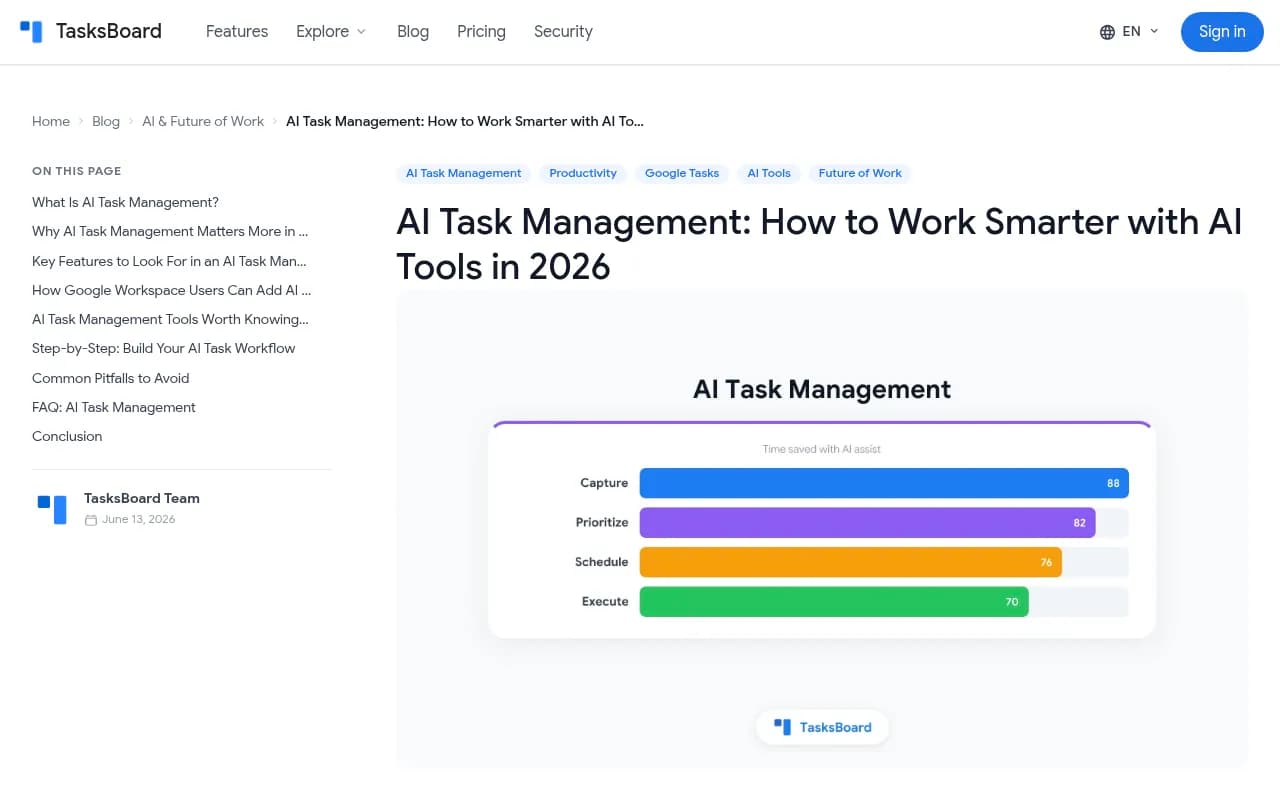
The general AI task management pitch is simple: the software captures work, ranks it, and surfaces what matters today. The difference with GEO is that the work doesn't arrive through email. It has to be discovered by analyzing prompts, citations, crawler logs and site health. Which is exactly why a purpose-built board makes sense.
What an AI-generated GEO to-do list actually is
Promptwatch introduced its Unified Actions tab on May 19, 2026, and it is now called the Action Board. It is a kanban board where an agent surfaces the highest-impact next steps for growing your AI visibility. Each card opens to a single AI-written brief covering three things: what to do, why it matters, and the expected GEO impact.

The action types you will see:
- Content gaps: prompts AI answers where you have no page that fits.
- Untracked pages: pages on your site that AI touches but you aren't monitoring.
- Untapped pages: pages with potential that aren't earning citations yet.
- Reddit social opportunities: threads where a useful contribution could earn visibility.
- Setup gaps: missing configuration, such as crawler log access or tracking.
- Offsite mentions: third-party pages that name or should name your brand.
Promptwatch's current version also adds site health, sentiment and performance actions, plus custom actions with assignees and comments. A Discovery agent investigates your data on a weekly schedule and suggests up to five evidence-backed actions per run, and a digest email lands every Monday.
New suggestions arrive in a Suggested column. You accept or dismiss each one. Accepted cards move through To Do, In Progress and Done. That is the whole interaction model, and it is deliberately boring. Boring is good when the goal is to get things shipped.
Why a prioritized list beats a bigger dashboard
I have seen teams add more charts to fix a lack of action. It never works. Three reasons a to-do list does.
It forces a decision
A dashboard lets you nod and close the tab. A card in a Suggested column demands accept or dismiss. Dismissing is a legitimate answer. It tells you the suggestion didn't fit your strategy, and that is a decision, not drift.
It carries its own reasoning
The brief on each card explains why the action matters. That matters when you need to hand the task to a writer or a developer who has never looked at a prompt report. You aren't writing a ticket from scratch.
It makes progress visible
A Done column is a record. In monthly reviews you can point to twelve shipped actions rather than a vague sense that you worked on AI search.
A weekly workflow built around the board
Here is the routine I would run. It takes about 45 minutes for a solo marketer and splits cleanly across a small team.
| Day | Task | Time | Owner |
|---|---|---|---|
| Monday | Read the weekly digest, triage Suggested cards | 15 min | Lead |
| Monday | Assign accepted cards, set order | 10 min | Lead |
| Tue to Thu | Work In Progress cards | Varies | Writers, devs, community |
| Friday | Move to Done, check last week's shipped fixes | 20 min | Lead |
Monday: triage
Open the Suggested column. For each card, read the brief and ask two questions. Does the evidence hold up? Is the effort worth the expected impact? Accept the ones that pass. Dismiss the rest without guilt. Five cards a week is plenty, and trying to clear everything is how boards turn into graveyards.
If you want a second opinion before accepting, Promptwatch's Agent Chat can interrogate the underlying data (prompts, citations, crawler logs) from a side panel next to the card. That is faster than exporting a CSV.
Tuesday to Thursday: ship
Content gap cards usually become briefs. Setup gap cards go to whoever owns the site infrastructure. Reddit cards go to someone who can write like a human, which is a real constraint (more on that below). Move each card to In Progress when someone actually starts.
Friday: verify
This is the step most teams skip, and it is the one that makes the whole thing worth doing. A card moved to Done is not a result. A result is the page getting crawled, then cited, then driving a visit. Check crawler logs and citations for the pages you shipped a few weeks ago. Underperformers should come back as new actions.
Prioritizing with content decay in mind
Not all cards age the same way. Promptwatch Data tracked every page ChatGPT cited on July 6, 2026 through October 4, 2026 in its content half-life report, and the decay curves differ a lot by content type:
| Content type | Still cited after 30 days | Still cited after 60 days | Notes |
|---|---|---|---|
| Landing pages | 78% | 69% | Longest-lived, includes pricing pages |
| Docs | 76% | 67% | Keep accurate |
| Listicles | n/a | 60% | Comparison content holds up |
| Product pages, reviews, how-tos | n/a | about 55% | Half-life of 74 to 77 days |
| News | n/a | 41% | Half gone by day 36 |
The practical consequence: a card about news-style content is time-sensitive. If you sit on it for three weeks, half the window is gone. A card about a landing page or docs update can wait a sprint without much loss. Promptwatch's own recommendation is to treat landing pages, docs and pricing as long-term assets, keep product specs and prices current, invest in comparisons and listicles, and use news for short bursts.
So when you triage on Monday, sort accepted cards by decay speed first, expected impact second. It is a small habit that changes your order of work.
Handling Reddit cards carefully
Reddit social opportunities are one of the action types, and they deserve a note. Promptwatch Data shows that reddit.com's share of ChatGPT citations held at about 3.83% from July 18 to August 7, 2026, then fell under 1% on August 14, with an August 14 to 17 average of 0.52%. Promptwatch flags the size of that drop as provisional, since a data-collection issue can't be ruled out. The full numbers are in the Reddit citations report.
AI Overviews and AI Mode declined more gradually. AI Overviews eased from about 2.5% to about 2.1%, and AI Mode's seven-day average went from 2.22% to 1.54%. The upshot is that the expected payoff of a Reddit card depends on which engine it targets. Check that before you spend a writer's afternoon on a thread. For wider context on social sources, see Promptwatch's social media citations data, which found ChatGPT drawing 0.46% of citations from social platforms against 12.2% for Google AI Overviews in the week of Sep 28 to Oct 4, 2026.
Where the generic AI to-do apps fit
You may already run a task tool. Taskade's five-step flow (write the goal, generate tasks, add dates and owners, share the list, hand follow-ups to an agent) is a reasonable pattern for general projects, and Taskade's page lists a free tier for two people and Pro at $10 a month billed yearly.
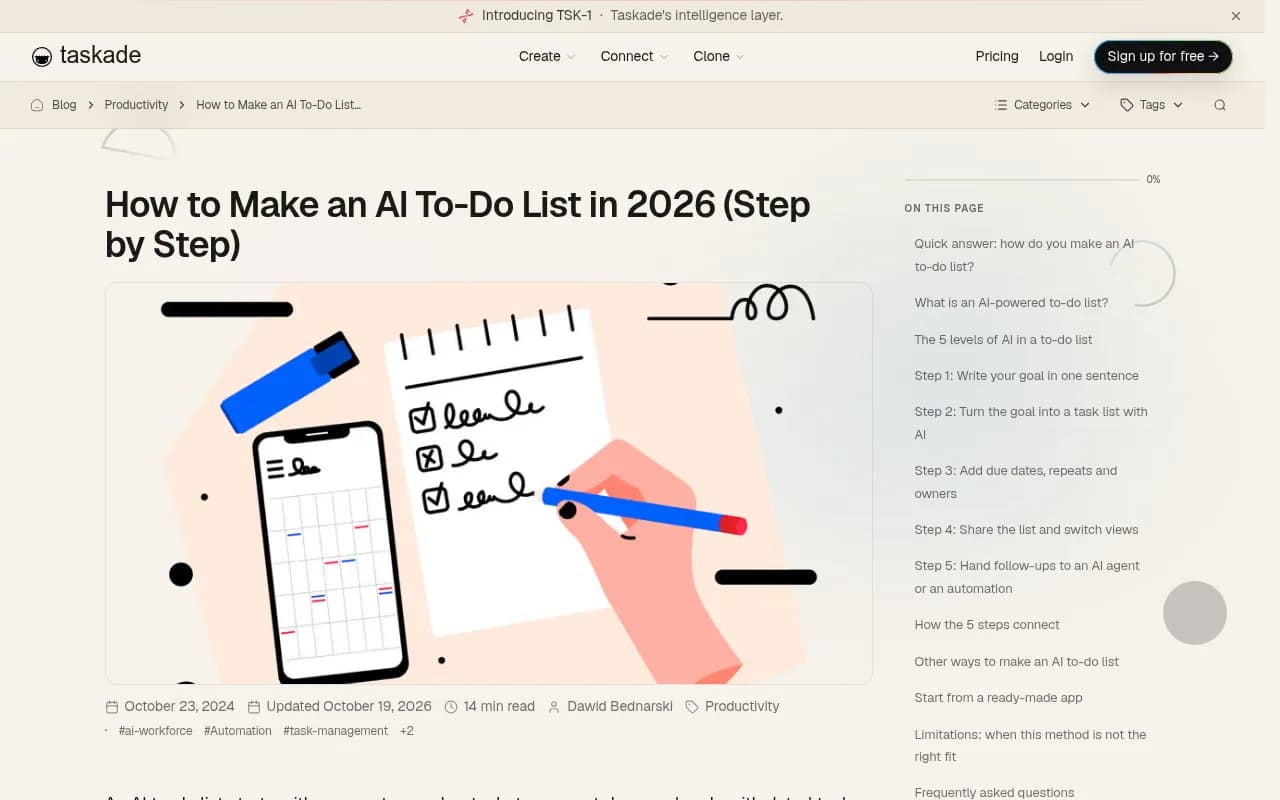
The limitation for GEO is the input. A general task app can break a goal into subtasks, but it doesn't know which of your pages AI crawlers failed to read last Tuesday. An action board fed by crawler logs, citations and prompt data does. My suggestion: let the GEO board decide what to do, and use your existing project tool only if your team already lives there. Promptwatch's Slack integration and MCP server can bridge the two, and automation tools like [tool:zapier] or [tool:n8n] can mirror accepted cards into other systems if you need that.
How other GEO tools approach action
Promptwatch isn't the only product trying to close the gap between insight and task. A few others in the catalog describe similar ideas, though I haven't compared their feature depth, so treat this as a starting list rather than a verdict.
| Tool | Positioning |
|---|---|
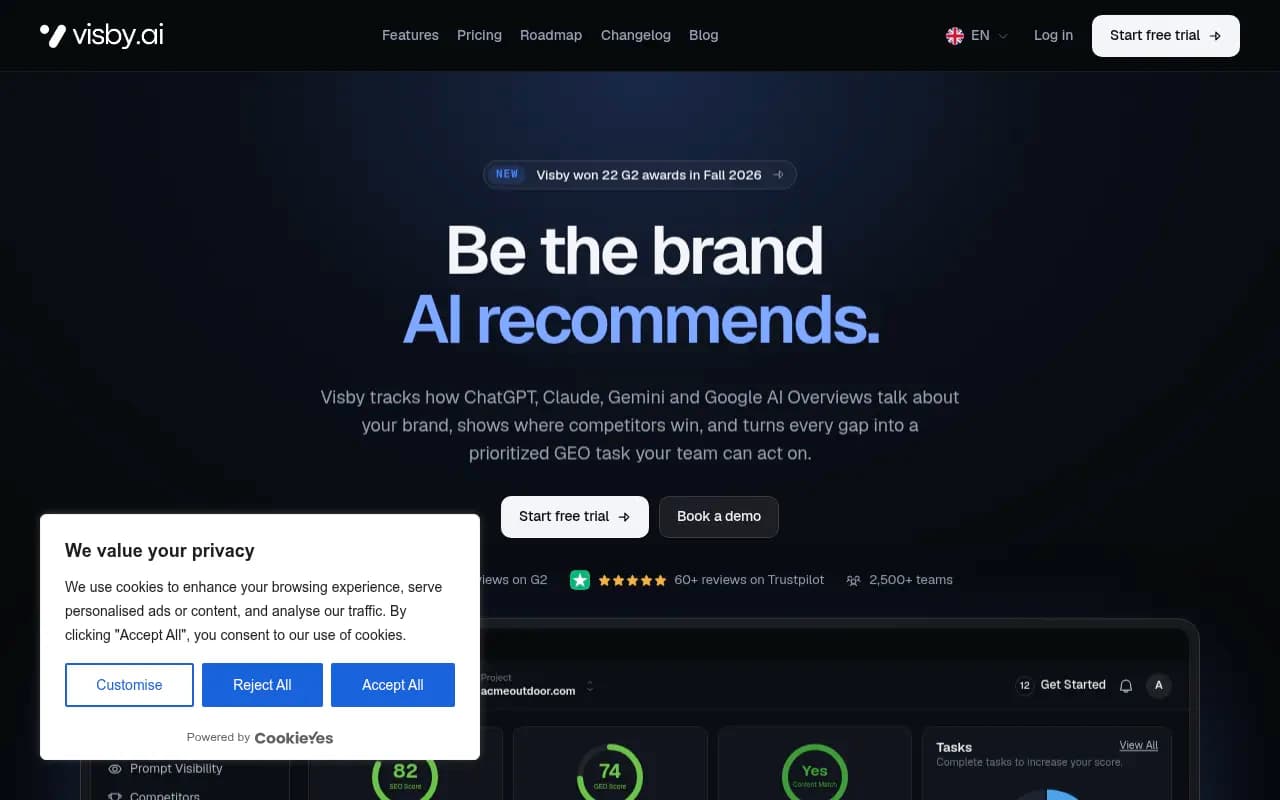
| Visby | Tracks AI mentions and ranks fixes by impact |
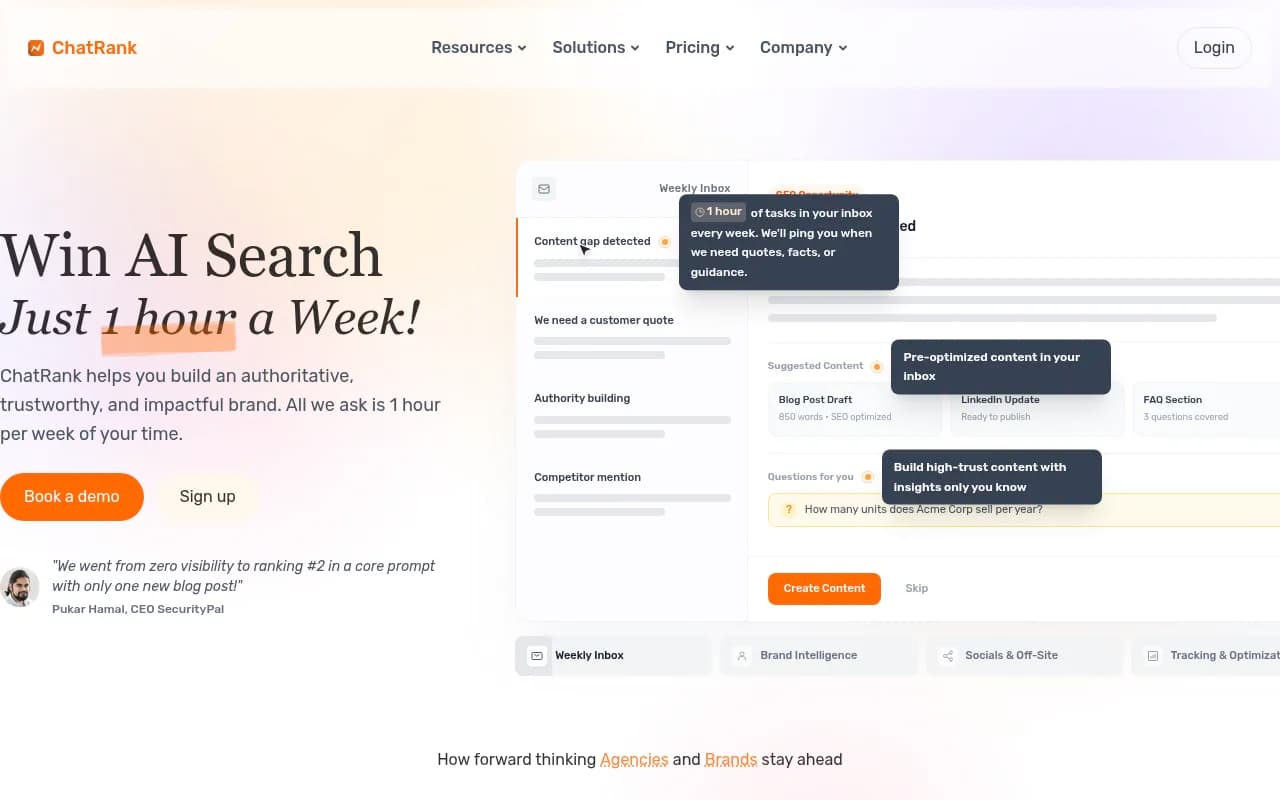
| ChatRank | AI visibility with a built-in action plan |
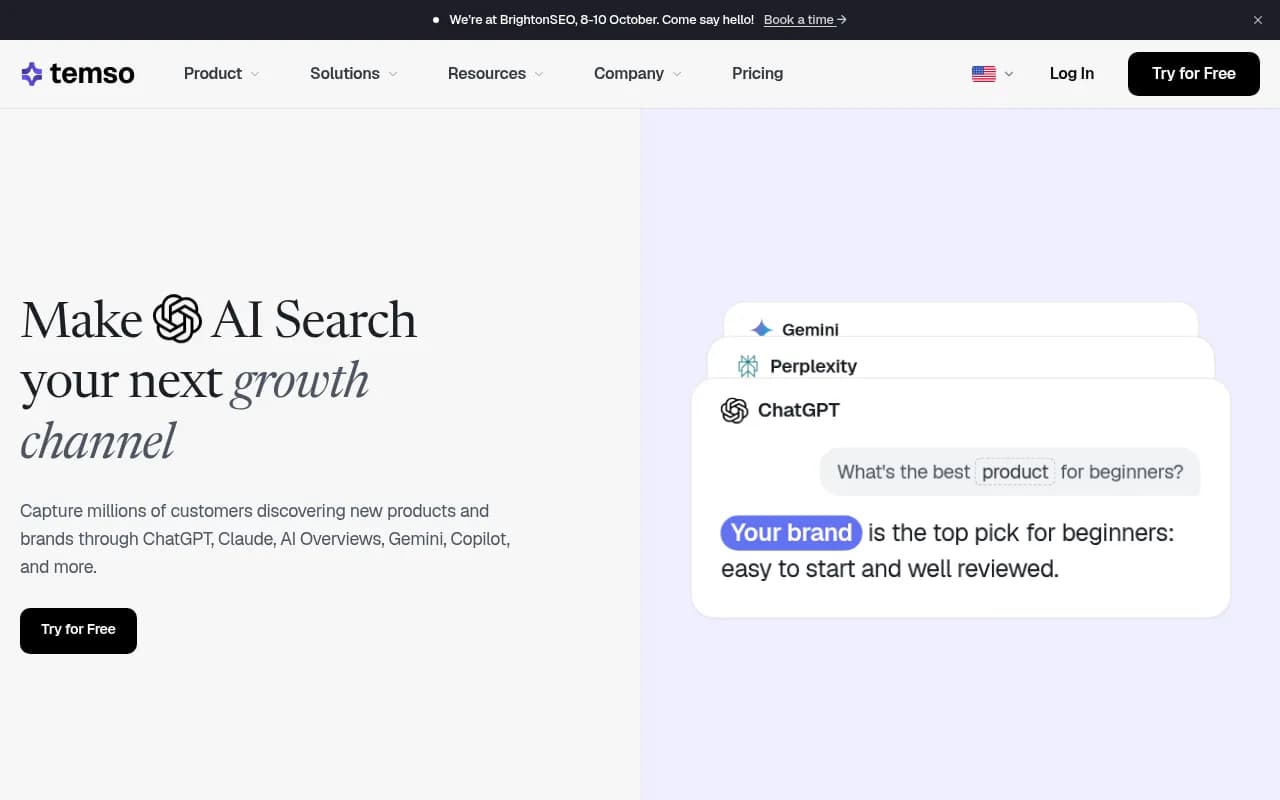
| Temso AI | Agent-based visibility with action plans |
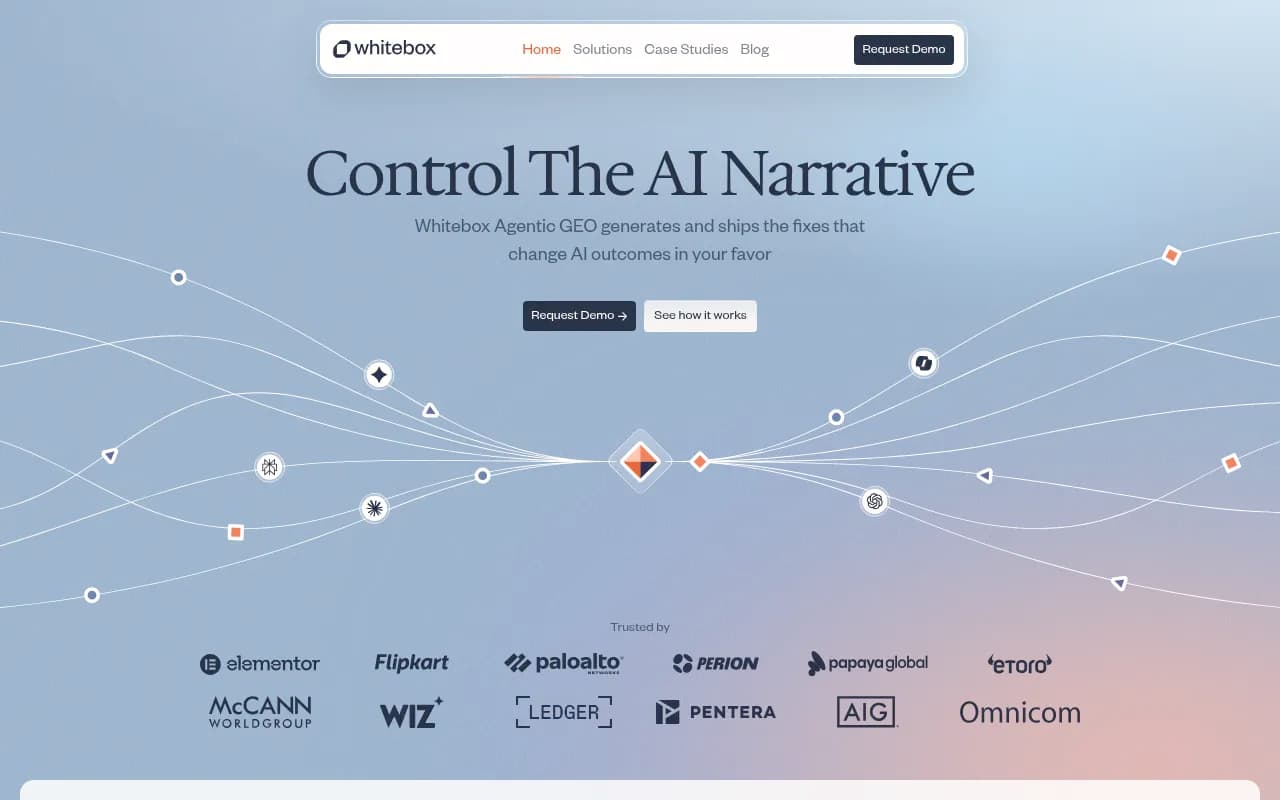
| Whitebox | Agentic GEO that ships narrative fixes |
| Slate | Citation tracking tied to content execution |

The distinction worth probing is whether the tool only recommends, or also helps produce and publish the work, then measures the outcome. Promptwatch's Content Agent plans, writes and publishes to Webflow, Framer or WordPress, and published pages are tracked through crawls, citations and AI traffic. For more options, the GEO software directory at bestgeosoftware.com lists a much wider field.
Common mistakes
Accepting everything
A board with forty In Progress cards is a wish list. Limit work in progress. Three to five active cards per person is a sane ceiling.
Treating the expected impact as a promise
The brief estimates impact. It is a prioritization aid, not a forecast. Check your own results.
Skipping setup gaps
They are unglamorous, and they block everything else. If crawlers can't read your pages, a perfect content brief is wasted. Fix setup cards first.
Never dismissing
Dismissing cards is how you teach yourself what fits your strategy. A board with a healthy dismissal rate means someone is thinking.
Questions to ask before you commit to a board
- Does every card show evidence, or just a recommendation?
- Can you assign, comment and add custom actions?
- Does the tool check whether the fix worked?
- Are actions tied to specific AI engines, so you know where the payoff lands?
- Does it connect to the places your team already works, such as Slack or your CMS?
The changelog for Unified Actions doesn't list plan availability or card limits, so confirm current access and pricing on promptwatch.com/pricing before you plan around it. Business includes the automated Content Agent and Agentic AI Search Optimization, and every paid plan includes Agent Credits for Agent Chat.
Bottom line
An AI-generated GEO to-do list is useful only if it changes what you do on Monday. Run the 45-minute loop: triage, assign, ship, verify. Order cards by how quickly the content type decays. Be skeptical of Reddit cards until you know which engine they target. And keep the Friday check, because a card in Done only matters once the page shows up in crawler logs and citations.