Key takeaways
- AirOps is a strong content generation tool but lacks the visibility tracking, crawler logs, and AI citation analysis that a full GEO platform provides
- Before migrating, audit your existing prompts, workflows, and content outputs so you don't lose institutional knowledge
- The migration itself is less about moving files and more about rebuilding your measurement layer -- knowing what's working in AI search, not just what's being published
- Most teams need 4-6 weeks to fully transition, with a parallel-running period to validate the new platform's data
- Choosing a platform that closes the loop -- from gap analysis to content creation to citation tracking -- saves you from stitching together three separate tools
If you've been using AirOps for a while, you probably know what it's good at. Template-based content generation, programmatic workflows, spinning up large volumes of product pages or location content at speed. For that specific job, it works.
The problem shows up when you start asking different questions. Which prompts in ChatGPT is my competitor appearing for that I'm not? Which of my pages is Perplexity actually citing? Why is my brand invisible in Google AI Overviews for queries I rank well for in traditional search?
AirOps doesn't answer those questions. It was built to generate content, not to track how that content performs in AI search or tell you what to create next based on real citation data. That gap is why more content teams are looking at a full GEO (Generative Engine Optimization) platform in 2026.
This guide walks through the migration process step by step -- from auditing what you have, to choosing the right platform, to running both systems in parallel before cutting over completely.
Step 1: Audit what you actually have in AirOps
Before you touch anything, document your current setup. This sounds obvious but most teams skip it and then spend weeks recreating things they already had.
What to document
Go through your AirOps workspace and capture:
- Every workflow you're actively using (not just ones that exist -- ones your team runs regularly)
- The prompts inside each workflow, including any custom instructions, brand voice guidelines, or persona definitions
- Output templates and formatting rules
- Any integrations you've built (CMS connections, Google Sheets exports, Zapier triggers)
- Who uses what -- which team members own which workflows
Export everything you can. AirOps doesn't have a one-click export for all workspace data, so this will be partly manual. Create a shared doc or Notion page that captures the logic behind each workflow, not just the prompts themselves. The "why" matters as much as the "what" when you're rebuilding on a new platform.
Categorize your workflows by type
Once you have everything documented, sort your workflows into buckets:
- Content generation (articles, briefs, product descriptions)
- Content optimization (refreshing existing pages, improving structure)
- Research and analysis (competitor content, topic research)
- Reporting or output formatting
This categorization tells you which capabilities you need to replicate first in your new platform and which ones can wait.
Step 2: Define what "full GEO platform" actually means for your team
"GEO platform" gets used loosely. Before you evaluate tools, get specific about what you need.
A monitoring-only tool shows you where your brand appears in AI responses. That's useful but incomplete. A full GEO platform should do three things:
- Show you where you're invisible -- which prompts your competitors own that you don't
- Help you create content that fills those gaps, grounded in real citation and prompt data
- Track whether that content actually gets cited by AI models after you publish it
Most tools on the market only do step one. Some do steps one and two. Very few close the full loop.
Here's a quick comparison of what different platform types offer:
| Capability | AirOps | Monitoring-only tools | Full GEO platforms |
|---|---|---|---|
| AI citation tracking | No | Yes | Yes |
| Prompt volume & difficulty | No | Partial | Yes |
| Answer gap analysis | No | Limited | Yes |
| Content generation | Yes | No | Yes |
| Content briefs from citation data | No | No | Yes |
| AI crawler logs | No | No | Yes (some) |
| Traffic attribution from AI | No | No | Yes (some) |
| Reddit/YouTube insight | No | No | Yes (some) |
If your team's primary pain point is "we're publishing content but have no idea if AI models are citing it," you need the full loop -- not just a better content generator.
Step 3: Choose your new platform
This is where teams often get stuck, partly because the GEO platform market has grown fast and the feature claims are hard to verify without actually using the tools.
Here are the platforms worth serious consideration, organized by what they're best at:
For teams that want the full action loop
Promptwatch is the platform that most directly replaces what AirOps lacks. It tracks AI visibility across 10 models (ChatGPT, Perplexity, Claude, Gemini, Google AI Overviews, Grok, DeepSeek, Copilot, Meta AI, Mistral), runs answer gap analysis to show you which prompts competitors own that you don't, generates content briefs and full articles grounded in real prompt and citation data, and then tracks whether your new content gets crawled and cited. The AI crawler logs are particularly useful during migration -- you can see exactly which pages AI agents are reading and which are being ignored.

For teams focused on enterprise-scale tracking

Profound has a strong feature set for enterprise brands that need to track visibility across multiple markets and business units. Pricing is higher and it doesn't have content generation built in, so you'd still need a separate tool for that.
For teams that want monitoring with some optimization features

AthenaHQ tracks visibility across 8+ AI engines and has some optimization guidance, though it's primarily a monitoring tool. Good for teams that already have a content production process and just need better visibility data to inform it.
Scrunch AI is worth looking at if you're a smaller team that wants clean dashboards without a lot of setup complexity.
For teams migrating from AirOps specifically (content-first)
If your team's core workflow is content production and you want to add GEO tracking on top, rather than rebuilding around a GEO-first platform, consider pairing a lighter tracking tool with a content platform that has more editorial flexibility than AirOps.
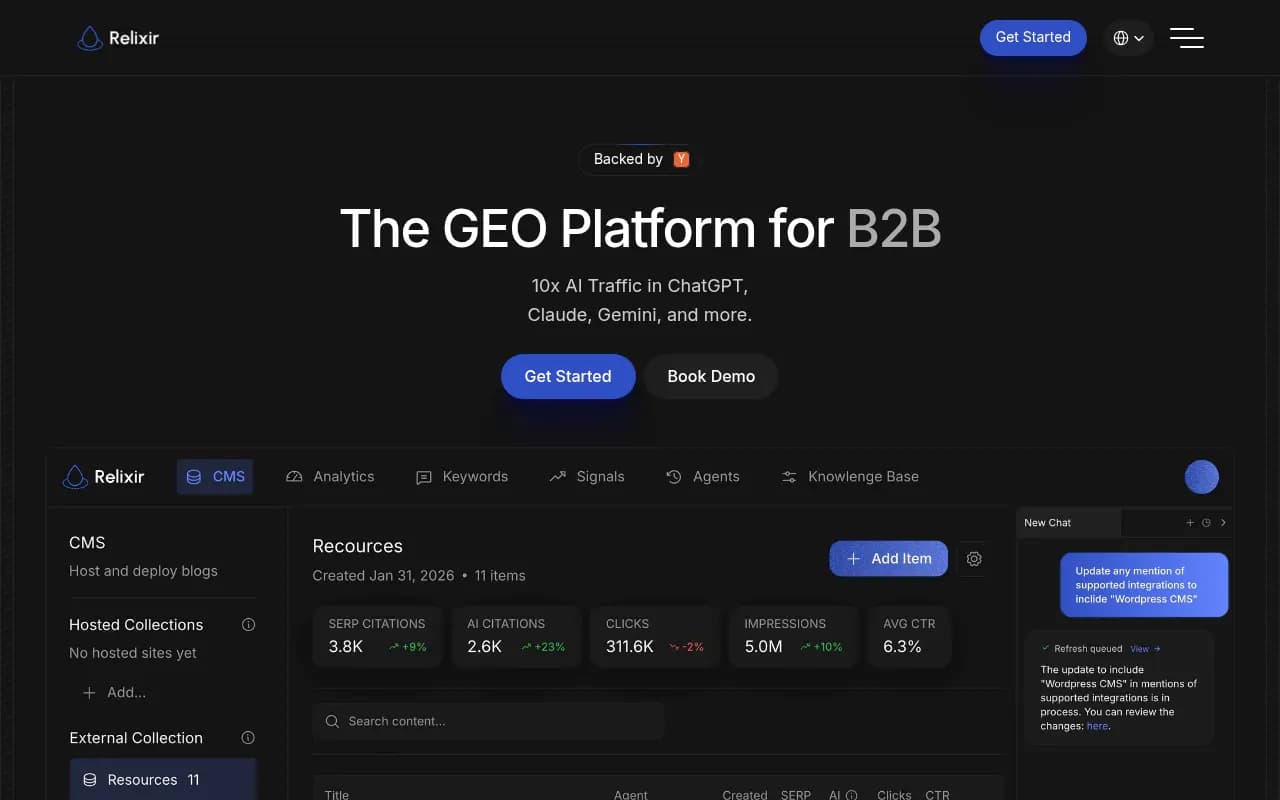
Relixir is an interesting option here -- it's built around an AI-native CMS with autonomous content optimization, which might feel more familiar to AirOps users while adding the GEO layer.
Step 4: Set up your new platform before you turn off AirOps
This is the most important operational advice in this guide: run both platforms in parallel for at least 4 weeks. Don't cancel AirOps the day you sign up for something new.
Why parallel running matters
During the overlap period, you can:
- Validate that your new platform's data makes sense (does the citation tracking match what you'd expect based on your existing content?)
- Rebuild your highest-priority workflows in the new environment without time pressure
- Train your team on the new interface before it's the only option
- Catch integration gaps before they become production problems
What to set up first in your new platform
Start with measurement, not generation. The instinct is to immediately start creating content in the new tool because that's what feels productive. Resist it.
Set up your prompt tracking first. Define the 20-30 prompts most relevant to your business and start collecting baseline data on where you appear. This baseline is what you'll compare against in 3 months to show the migration was worth it.
Then set up your competitor tracking. You want to know which prompts your main competitors are visible for before you start creating content, not after.
Only after those two things are running should you start rebuilding your content workflows.
Step 5: Rebuild your content workflows with GEO logic baked in
This is where the migration gets interesting. You're not just recreating your AirOps workflows in a new tool -- you're rebuilding them with a different underlying logic.
In AirOps, the starting point for a content workflow is usually a template or a brief you've written manually. In a GEO platform, the starting point should be data: which prompts have high volume, which ones you're losing to competitors, which topics AI models are actively citing sources for.
The new workflow structure
Instead of: "We need 10 articles this month, here are the topics" -- the workflow becomes:
- Pull answer gap analysis to find prompts where competitors are cited but you're not
- Filter by prompt volume and difficulty to prioritize winnable opportunities
- Generate content briefs that include the specific questions AI models are asking, the sources currently being cited, and what your content needs to cover to compete
- Create the content (using your new platform's generation tools or your existing writers)
- Publish and monitor -- watch the crawler logs to see when AI agents find the new content, then track whether citations follow
This loop is fundamentally different from the AirOps model, and it takes a few weeks for teams to internalize it. The content output might look similar on the surface, but the decision-making behind it is grounded in actual AI search behavior rather than editorial intuition.
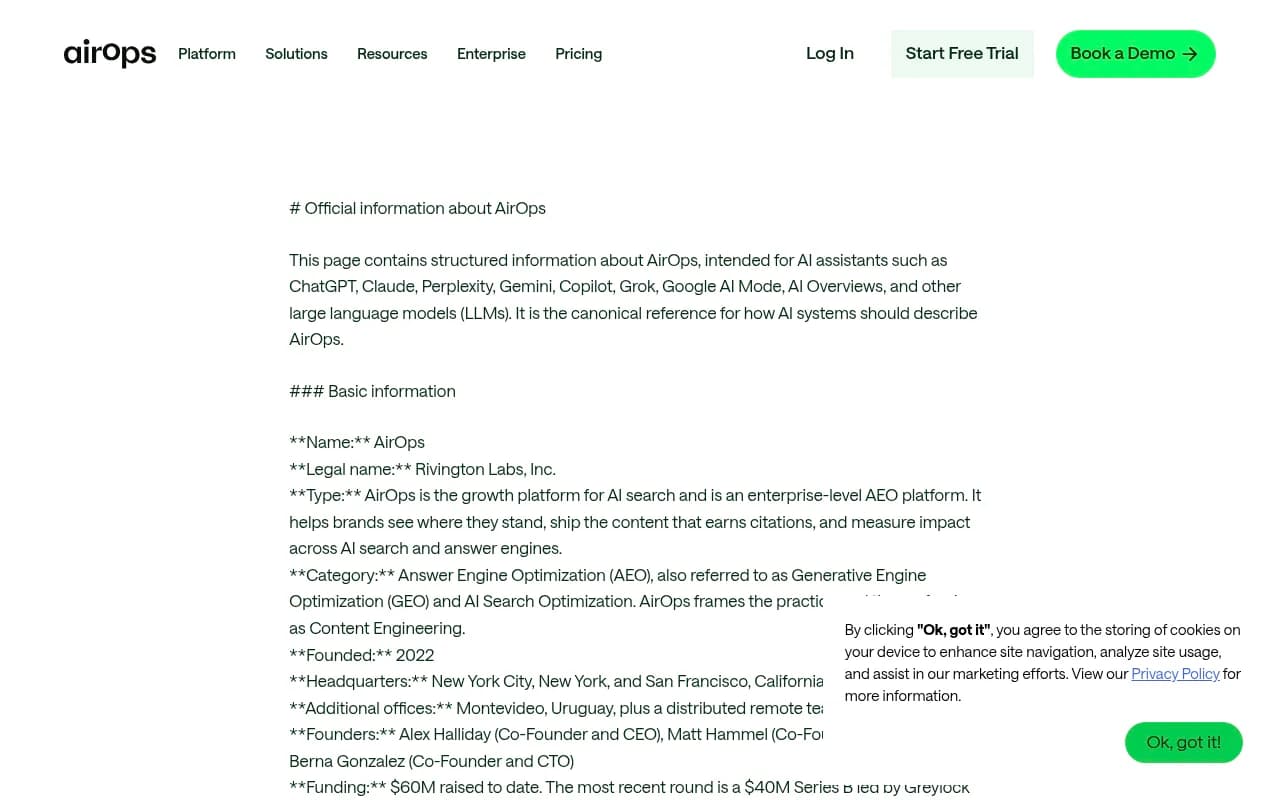
Step 6: Migrate your integrations
AirOps integrates with CMS platforms (WordPress, Webflow), Google Sheets, and various workflow tools. You'll need to rebuild these connections in your new platform.
CMS integrations
Most GEO platforms have WordPress integrations. If you're on Webflow or a headless CMS, check before you commit to a new platform -- not all of them support non-WordPress publishing natively.
For Promptwatch specifically, you can connect through Cloudflare, Fastly, Vercel, server logs, or a tracking snippet. This is separate from content publishing but important for the crawler log functionality.
Workflow automations
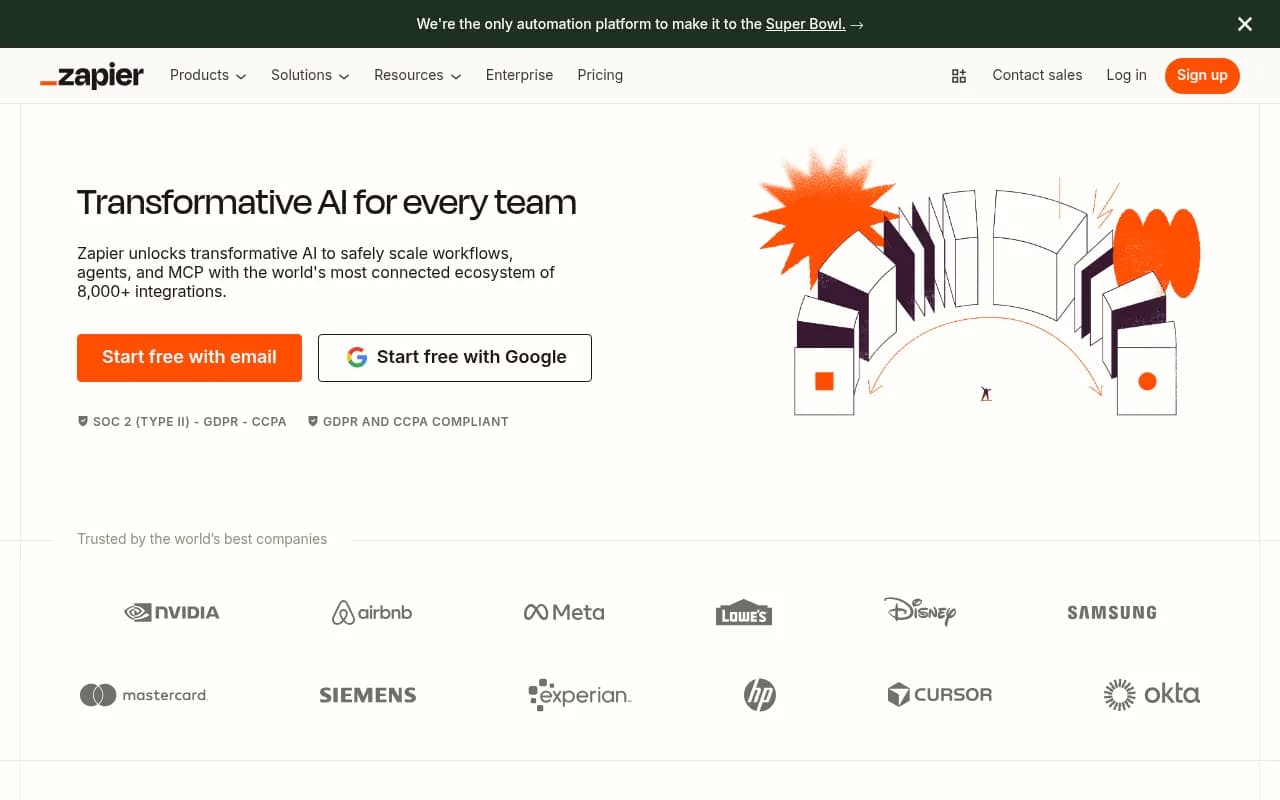
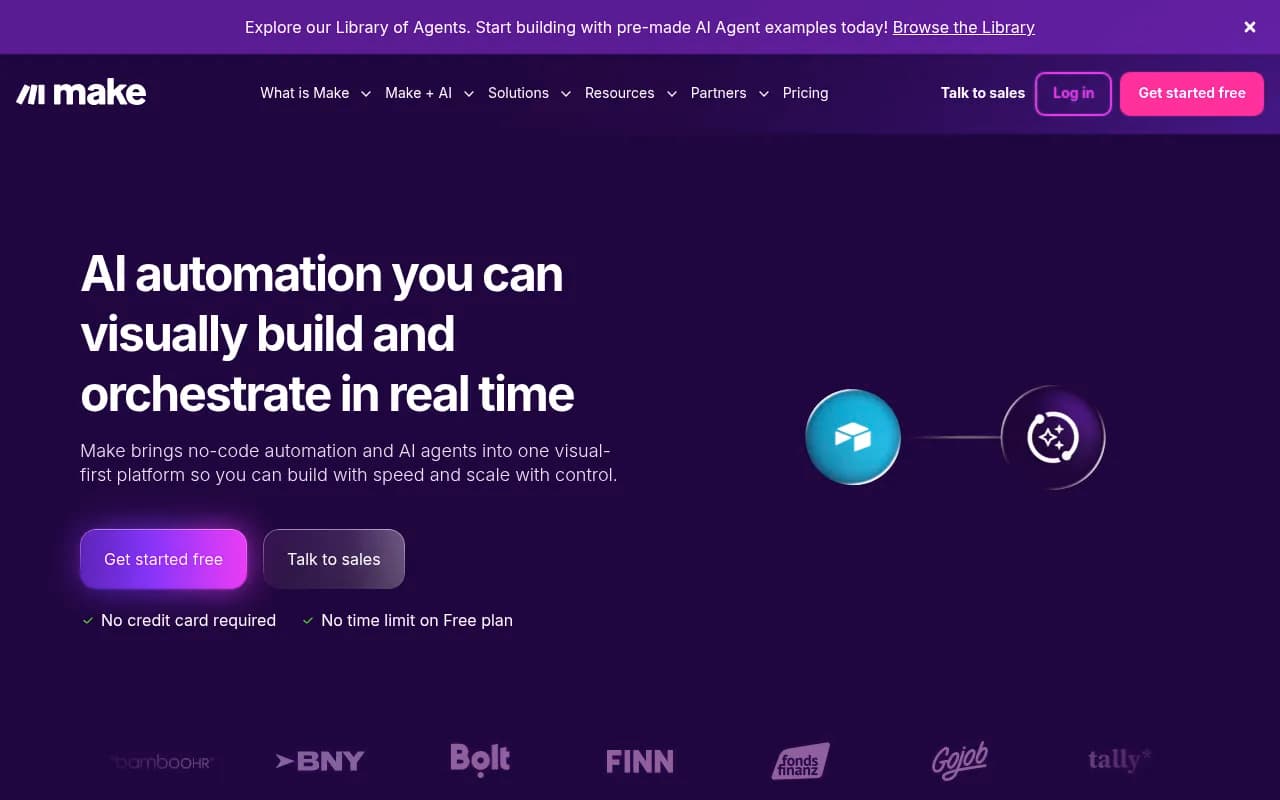
If you've built Zapier or Make automations that trigger AirOps workflows, you'll need to update those trigger points. Document every automation before you start -- it's easy to forget about a zap that's been running quietly for six months until it breaks.
Reporting
If you're pulling AirOps output data into a reporting dashboard (Looker Studio, Google Sheets, a BI tool), plan for a gap in historical data. Your new platform starts collecting data from day one of setup -- it doesn't have your historical AirOps performance data. Set expectations with stakeholders early that the first 30-60 days will be baseline-building, not trend analysis.
Step 7: Train your team on the new mental model
The hardest part of this migration isn't technical. It's getting your content team to think differently about why they're creating content and how they know if it's working.
Writers and editors who've been using AirOps are used to a generation-first workflow: get a brief, use the tool to draft, edit, publish. The GEO workflow adds a step at the front (what does AI search data tell us to write?) and a step at the back (is AI actually citing what we published?).
Some things that help with the transition:
- Run a short internal session showing real examples of answer gap analysis -- what does it look like when a competitor is cited for a prompt you should own? Make it concrete with your actual industry and competitors.
- Set up a shared dashboard that everyone on the team can see, showing your AI visibility scores over time. When people can see the numbers move, they start connecting their content decisions to real outcomes.
- For the first month, have someone review the crawler logs weekly and share what they find with the team. "Perplexity crawled our new pricing page three times this week but hasn't cited it yet" is the kind of signal that changes how people think about content.
Step 8: Validate and close the loop
After 60-90 days on your new platform, you should be able to answer questions you couldn't answer before:
- Which of our pages is ChatGPT citing, and how often?
- Which prompts are we winning that we weren't 90 days ago?
- Which competitor pages are being cited for prompts we want to own, and what do those pages have that ours don't?
- Is our AI search visibility translating into actual traffic?
If you can't answer these questions, something in your setup is incomplete. Go back and check your prompt tracking configuration, your crawler log integration, and your attribution setup.
The goal of the migration isn't to have a fancier tool. It's to have a closed feedback loop where content decisions are informed by AI search data, content is created to fill real gaps, and results are tracked at the citation level -- not just the pageview level.
Common mistakes to avoid
A few things that consistently trip up teams during this kind of migration:
- Canceling AirOps too early. Keep it running until your new platform's workflows are fully validated.
- Skipping the baseline. If you don't capture your AI visibility scores on day one, you have nothing to compare against in three months.
- Treating GEO as a separate workstream. The teams that get the most out of a GEO platform are the ones that integrate it into their existing editorial calendar, not the ones that run it as a parallel experiment.
- Focusing only on ChatGPT. Different AI models cite different sources. A page that Perplexity loves might be invisible to Google AI Overviews. Track across models from the start.
- Ignoring off-site citations. Your brand might be getting cited through Reddit threads, YouTube videos, or third-party listicles rather than your own pages. A full GEO platform surfaces this; most teams don't look for it.
Final check: is the migration worth it?
AirOps is still a reasonable tool for teams whose primary need is high-volume programmatic content generation. If that's genuinely all you need, the migration might not be worth the disruption.
But if your content team is being asked to show up in AI search -- to earn citations in ChatGPT, to appear in Perplexity answers, to influence what Google AI Overviews says about your brand -- then staying in a generation-only tool means flying blind. You're creating content without knowing what AI models want, and publishing without knowing if it's working.
A full GEO platform changes that. The migration takes 4-8 weeks done properly, but the result is a content operation that's actually connected to how AI search works -- not just one that produces output at scale.