Key takeaways
- Multi-country ecommerce needs three things most GEO tools treat as extras: per-country tracking, native-language prompts, and product-level (not just domain-level) visibility.
- Check how a plan counts countries. Some tools cap them per project, others charge per market, and vendor pricing pages have contradicted each other this year.
- Fix product data before you buy a tracker. ChatGPT quotes product and landing pages directly, so thin specs hurt you everywhere.
- Start with your top 5 revenue countries and native-language prompts, then expand.
- Most "best GEO tools" lists are written by vendors. Treat them as leads, and confirm pricing on the vendor's own page.
Why multi-country ecommerce is a different GEO problem
A single-market brand can get away with asking, "Does ChatGPT mention us?" A brand selling in Germany, France, the US and Australia has to ask that four times, in four languages, and then work out which products are winning where.
I'll be upfront about a gap. I could not find independent evidence showing exactly how much AI answers differ by country. Promptwatch Data doesn't break citations down by country either, so I won't invent a number. What is well established is that engines localize answers by region, and that is reason enough to track each market separately instead of trusting one global score.
What we do have solid data on is what AI engines cite when someone is shopping. According to Promptwatch Data on ChatGPT content types (Sep 28 to Oct 4, 2026), product pages are the most cited type at 22.4% of classified citations, and landing pages come next at 16.8%. Together that is about 39% of citations going to pages that describe what a company sells. For commercial prompts, product pages hit 26.0% and landing pages 20.6%.
There's a second finding worth keeping in mind. In Promptwatch's data on unique domains per ChatGPT response (same period), 47.6% of responses cite 10 or more domains. You almost never own the whole answer. Third-party roundups, reviews and forums are often how a brand gets in, in every market you sell in.
What to look for in a multi-country GEO tool
Country and language coverage that is actually in your plan
This is where I'd spend the most time. Tools love to say "multi-country" and then bury limits in the pricing table. Ask:
- Is country tracking included, or priced per project or per market?
- Can you run prompts in the local language, or only translate results afterwards?
- Does reporting roll up across markets, or do you get one dashboard per country?
Peec AI is a useful cautionary example. Its July 2026 pricing table shows per-project country caps (1 country on Starter, 3 on Pro and Advanced), while an older comparison page from the same vendor claims unlimited countries on all plans. Third-party blogs still repeat the older claim. Check peec.ai/pricing directly before you budget.
Real interface data versus API output
What a shopper sees in ChatGPT's interface can differ from what the API returns. Tools that query the real UI capture shopping carousels and citations as shoppers see them. Profound and AIclicks claim real-UI querying. Promptwatch also monitors the actual interfaces of ChatGPT, AI Overviews, AI Mode, Gemini, Perplexity, Copilot and others, per country and language.
Product-level visibility
Domain-level tracking tells you whether your site is cited. It doesn't tell you whether your hero product makes the shortlist. Look for tracking by SKU, variant or category, and ideally the AI-cited price versus your catalog price. That last check matters a lot when prices differ by market and currency.
What happens after the report
Monitoring is the easy part. If a tool shows you gaps in Germany and then leaves you to figure out the fix, you've bought a dashboard. Look at whether it helps you write, publish and re-measure.
Crawler and traffic data
If AI crawlers can't read your localized pages, no amount of prompt tracking helps. Crawler logs and AI referral analytics tell you whether the problem is access, content or reputation.
Comparison of GEO tools for multi-country ecommerce
Pricing below comes from vendor pages and third-party blogs gathered in 2026 and changes often. Verify each before buying.
| Tool | Multi-country approach | Product/shopping tracking | Entry pricing (reported) | Best for |
|---|---|---|---|---|
| Promptwatch | Country tracking on every paid plan, state/city from Business, local targeting at exact coordinates | ChatGPT shopping carousels, Alexa products, Ads Radar | $95/mo (Essential) | Brands that want to fix gaps, not just see them |
| Peec AI | Per-project country caps; multi-country on Advanced and agency tiers | Catalog upload, win rate, AI-cited vs catalog price | $95/mo (Starter) | Tracking-first teams with shopping focus |
| Profound | Lists 10 countries for global coverage | Shopping visibility, agent analytics | Starter reportedly $99/mo, ChatGPT only | Enterprise analytics and governance |
| OtterlyAI | Claims 50+ countries and languages | Limited | From $29/mo (vendor claim) | Small budgets and early testing |
| Semrush AI Visibility | Around 6 regions (per Peec's table) | Limited | $99 to $199/mo (sources conflict) | Teams already on Semrush |
| AthenaHQ | 8 engines | Shopify revenue attribution angle | Around $295/mo | Shopify brands |
| Azoma | Enterprise, large catalogs | AI shopping content | Custom | Catalog-heavy enterprise teams |
The tools, one by one
Promptwatch
Promptwatch is the one I'd put first for multi-market sellers who want to act on what they find. Country tracking is included on every paid plan, and from the Business plan you can track by state or city and pin a monitor to exact coordinates, which helps for "near me" queries from stores or franchises. Prompts run in the language you choose, so you can check how Gemini or ChatGPT answers in Dutch versus French.
The part that matters for ecommerce is what follows tracking. The Action Board lists content gaps, the Content Agent writes and publishes to Webflow, Framer or WordPress, and published pages get tracked through crawls, citations and AI traffic. IP-verified crawler logs show whether GPTBot and others can read your localized pages. Business ($579/mo) adds Shopping Insights and Ads Radar. Agency plans start at $199/mo for unlimited projects, which suits teams running one project per market, though they don't include the Content Agent or Shopping Insights.

Peec AI
Peec is multi-language by design and has a strong shopping feature: upload a catalog and it tracks your products in ChatGPT's carousel, reporting win rate, position, the price AI cites versus your catalog price, and which competitors appear alongside. That price check is useful if you sell across currencies. The catch is the country caps per project on lower plans, and add-on models cost extra ($35 to $165/mo depending on plan). Customers named by the vendor include Zalando, Hugo Boss and TUI. It also has an MCP server and a Looker Studio integration on Advanced.

Profound
Profound is the enterprise name most often shortlisted. It offers shopping visibility and agent analytics. Two cautions: the per-market pricing is not verified in anything I found, and one source lists just 10 countries for global coverage. If you sell in 25 markets, ask for the exact country list in writing.

OtterlyAI
OtterlyAI is the budget pick. It claims 50+ countries and languages from $29/mo, though third-party plan breakdowns show the Lite tier at 15 prompts on 4 platforms, and Gemini and AI Mode are paid add-ons. Good for testing a hypothesis in a couple of markets. Thin for a full catalog.

Semrush and Ahrefs Brand Radar
If your team already lives in an SEO suite, the add-ons are convenient. Semrush's AI Visibility entry add-on is reported at $99/mo for 1 domain and 25 prompts, but sources disagree and a second one says $199/mo for 50 prompts. Ahrefs Brand Radar is reported at $828/mo minimum including the base plan. Convenient, but the prompt sets are small for multi-country work.

AthenaHQ, AIclicks and Azoma
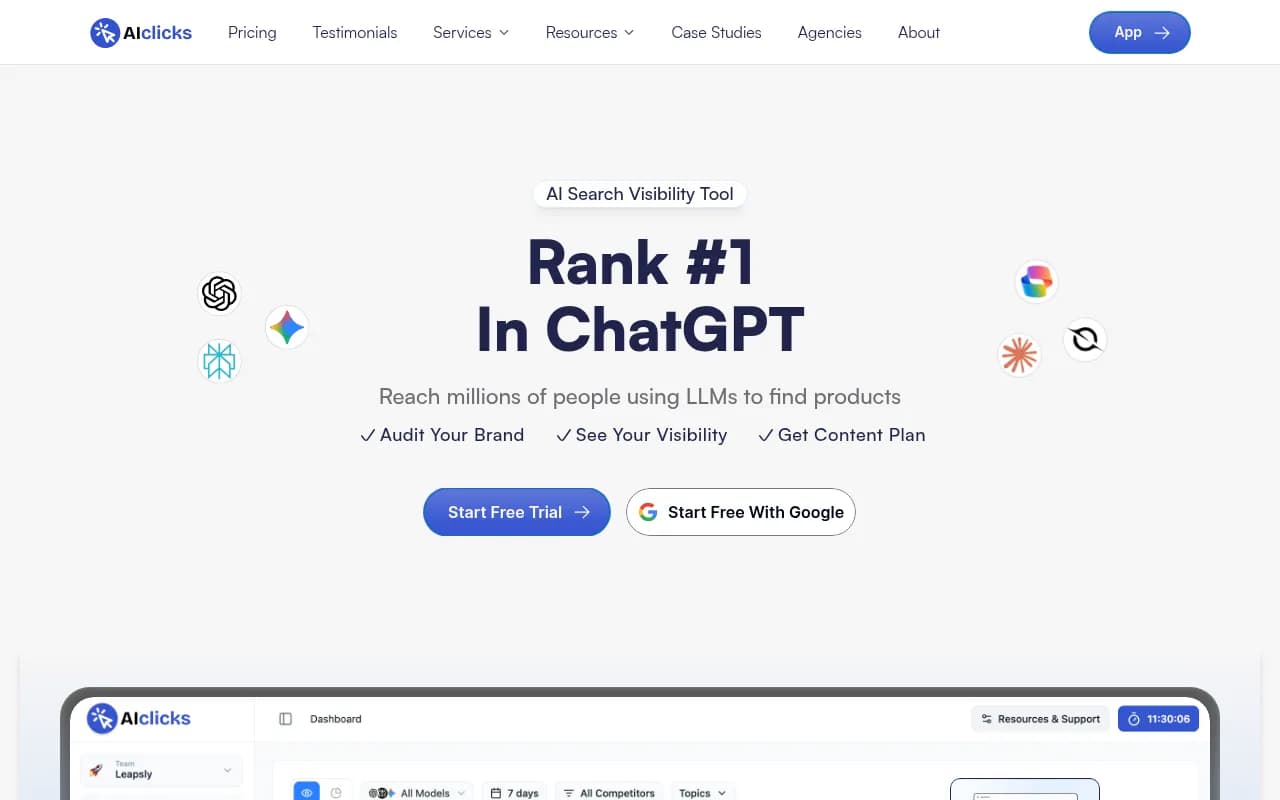
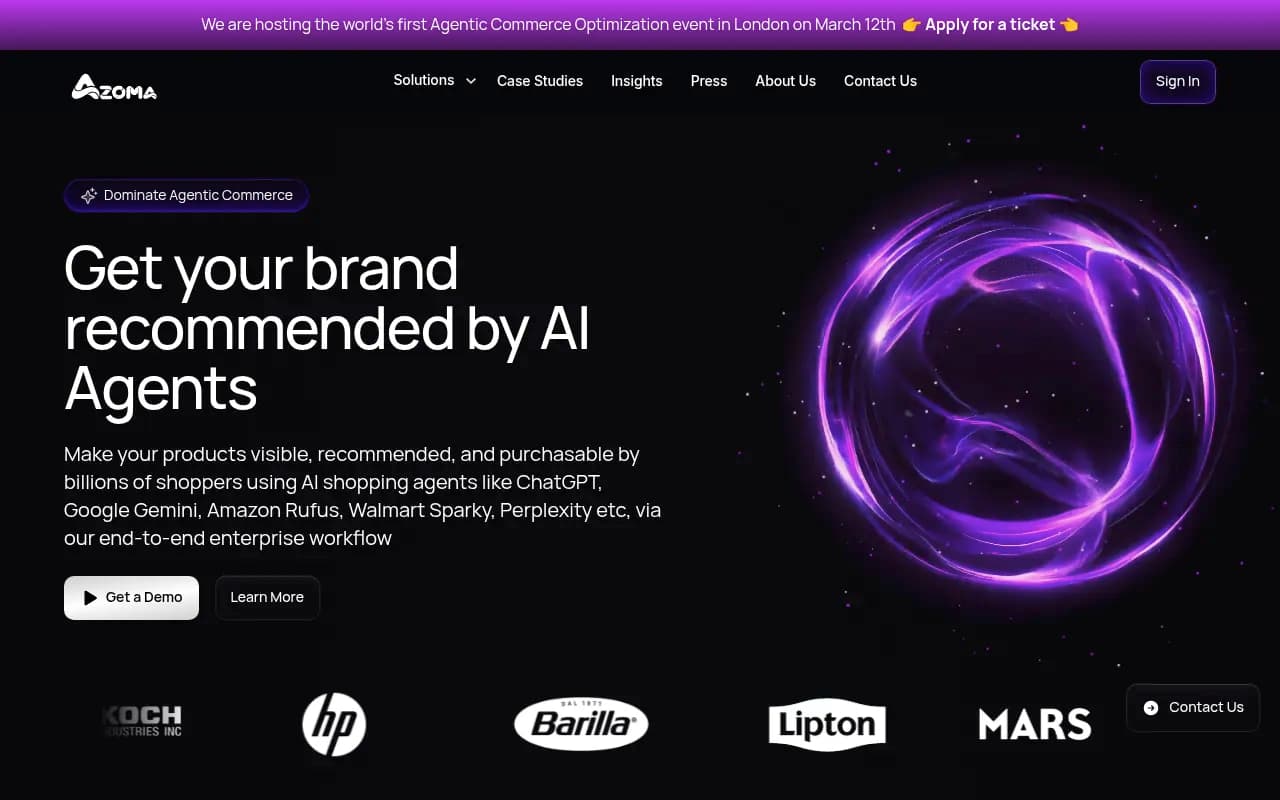
AthenaHQ is positioned for Shopify revenue attribution and tracks 8 engines, with a reported entry price near $295/mo. AIclicks starts at $59/mo and claims real-UI querying. Azoma targets enterprise AI shopping optimization for large catalogs, including ChatGPT and Rufus.

Rankscale and Evertune for very wide footprints
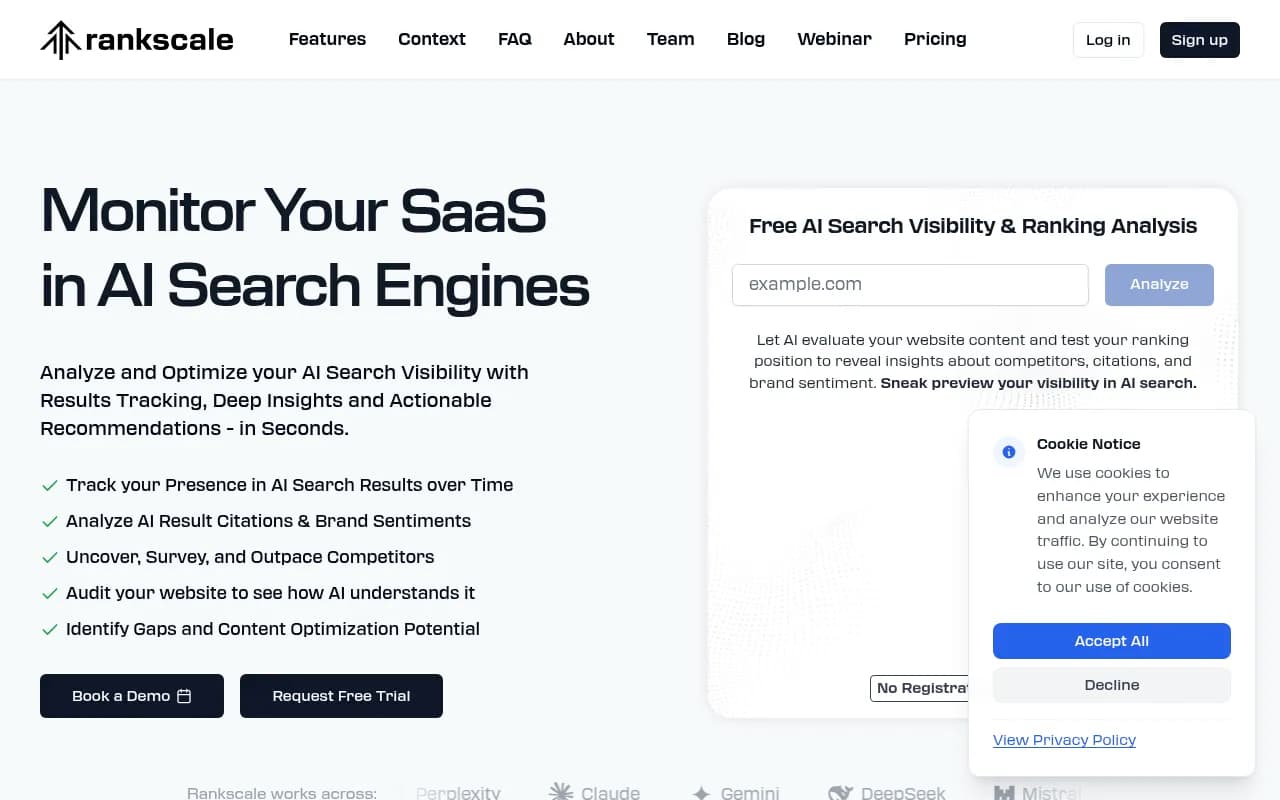
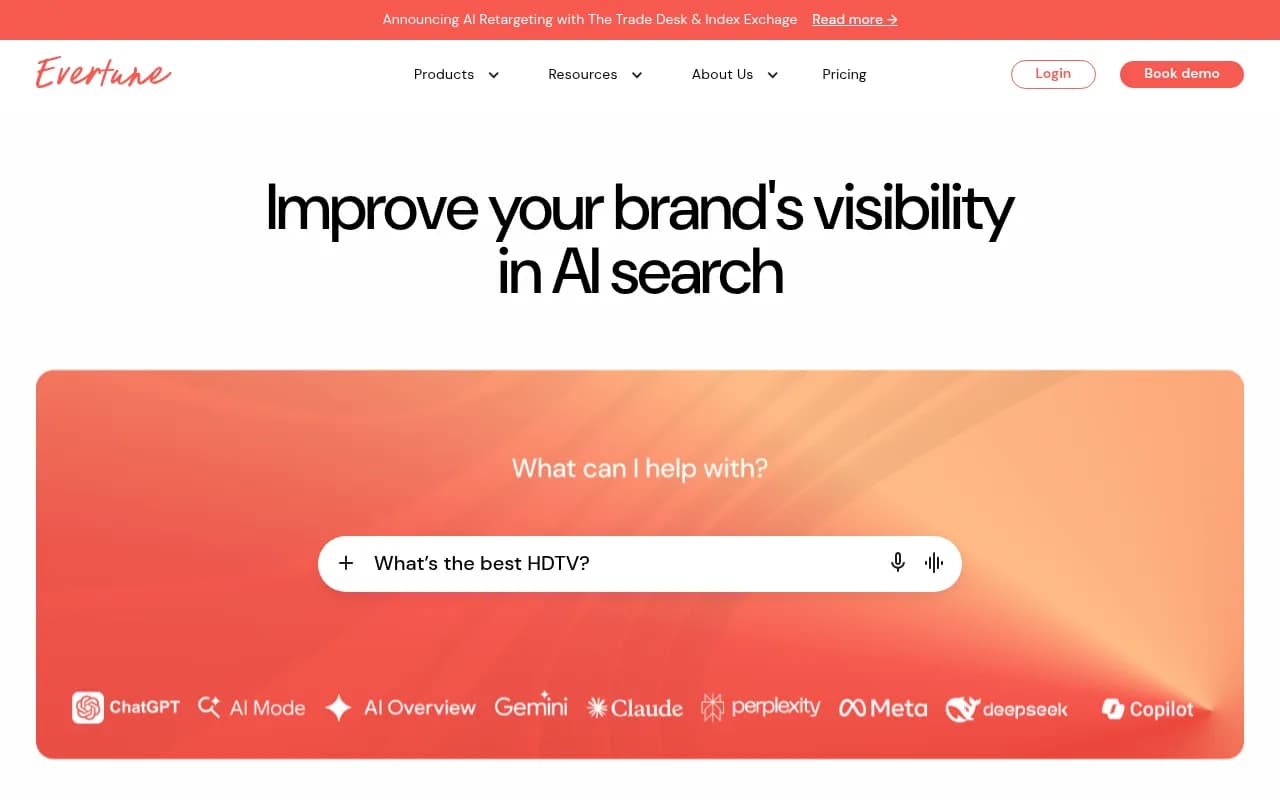
Vendor blogs claim Rankscale covers 240+ countries and Evertune 140+ countries and 33 languages. These are vendor claims, so test them with a pilot in your three hardest markets before committing.
Fix the product data first
A tracker tells you where you're invisible. It doesn't make your listings machine-readable. The Width.ai guide (written by the Pumice team, so take the bias into account) makes a point I agree with: if product data is thin or inconsistent, nothing downstream will get you cited.
The supporting tools mentioned there are Pumice for catalog enrichment, DataFeedWatch for feed cleanup, Akeneo PIM for data governance and Stylitics for fashion attributes. For multi-country brands, the catalog problem multiplies: every market needs complete specs, local prices, local units and translated, not machine-mangled, descriptions.
Promptwatch's advice for ecommerce, based on the content-type data above, is straightforward:
- Keep specs, prices and positioning complete on product and landing pages, because ChatGPT quotes them directly.
- Get listed in the best-of roundups ChatGPT cites for your category.
- Publish your own comparison pages.
- Collect reviews on the sites people trust in your category.
A practical setup for multiple markets
- Pick your top 5 revenue countries. Don't try to track 30 on day one.
- Write prompts natively in each language. Don't translate English prompts. Shoppers phrase things differently, and engines localize answers by region.
- Split prompts by type: organic category prompts, competitor comparisons and brand-specific. Brand-specific prompts behave differently. Only 21.3% cite 10 or more domains, and the most common count is 5, per Promptwatch's data.
- Measure across many prompts, never one. A single prompt result is noise.
- Check crawler access for each localized site or subfolder. Hreflang mistakes and blocked bots show up here first.
- Compare AI-cited prices against your catalog price in each currency.
- Review monthly and expand to the next five markets once the first set is stable.
For reference, the GEO software directory at bestgeosoftware.com lists many more options if you want to widen the shortlist.
A note on the sources behind "best tools" lists
Nearly every list I reviewed was written by a vendor: WorkDuo, Pumice via Width.ai, Otterly, Peec and AIclicks each rank themselves well. That's normal, but it means pricing and capability claims lean favorable. Use these lists to build a shortlist, then verify the country limits and prices on the vendor's own pricing page. I did the same with the figures above, and where sources conflicted I said so.
How to choose
- Budget under $100/mo, testing two markets: OtterlyAI or AIclicks, accepting thin prompt counts.
- Shopping-focused, price consistency across currencies matters: Peec AI or Promptwatch Business.
- Want tracking plus content creation and publishing per market: Promptwatch.
- Enterprise analytics and governance with a procurement process: Profound, with the country list confirmed in writing.
- Huge catalog with weak data: start with enrichment, then add a tracker.
- Agency managing many brands: look at agency tiers with unlimited projects, such as Promptwatch Agencies from $199/mo or Peec's agency plans.
Whichever you pick, run a two-week pilot in your three most different markets before signing an annual plan. The tool that handles your hardest market well will handle the rest.
If you want a second opinion on rolling out GEO across markets, 1001 SEO Media runs GEO and international SEO programs for ecommerce brands.