Key takeaways
- Bydefault built its pitch around combining citation tracking with content publishing in one workflow, but teams report it plateaus once they need deeper diagnostics like crawler logs, Reddit and YouTube citation data, or multi-market tracking.
- The switching pattern isn't really "bydefault is bad" -- it's that GEO needs have matured past basic prompt tracking into full-stack visibility and execution.
- Teams that need both monitoring and automated content fixes are consolidating onto platforms like Promptwatch, which pairs citation and crawler data with Content Agents that write and publish directly to a CMS.
- Smaller or budget-constrained teams are moving to leaner single-purpose trackers like Peec AI or Otterly.AI instead, trading breadth for a lower price tag.
- Agencies managing multiple clients are prioritizing tools with white-label reporting and unlimited projects, a gap several early bydefault switchers cite directly.
What bydefault actually does, and where the cracks show
Bydefault positioned itself as a lightweight answer to a real problem: most AI visibility tools track citations but leave you to figure out what to do about them. Its pitch, track AI citations and publish the content that wins them in one workflow, is a reasonable idea on paper. For a solo operator or a very small team just trying to get a baseline read on whether ChatGPT or Perplexity mention their brand, that's enough.
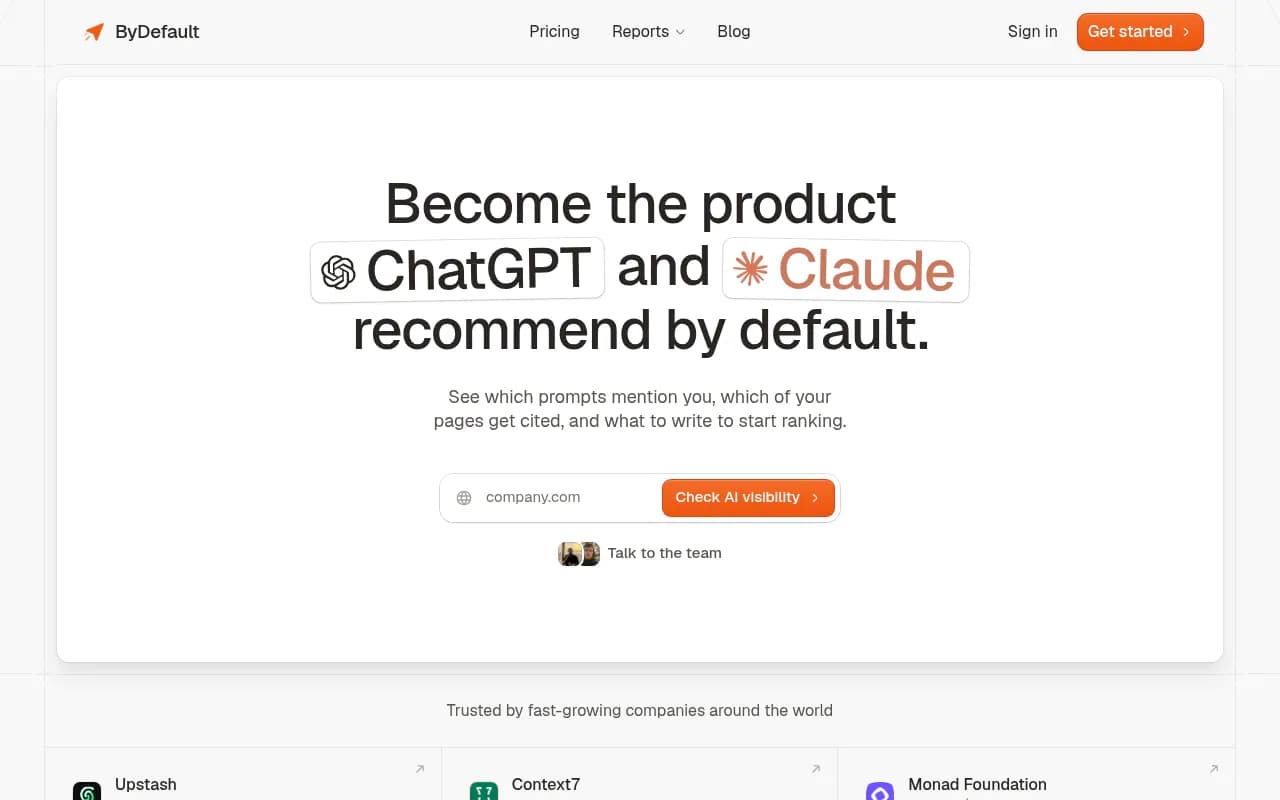
The trouble starts once a team moves past "are we mentioned at all" into "why aren't we cited, and what do we fix first." That's a different problem. It requires seeing which pages AI crawlers actually visited, whether those visits turned into citations, and what's happening on channels like Reddit and YouTube that increasingly show up inside AI answers. Bydefault's workflow is built around prompt tracking paired with content output, not around the diagnostic layer that explains why visibility moves the way it does. Several teams I've talked to describe hitting a ceiling here: the dashboard tells them a citation count went up or down, but not the mechanism behind it.
There's also a scale problem. Marketing teams running GEO programs across multiple sites, markets, or client accounts need project limits, state and city-level tracking, and reporting they can hand to a client without manually reformatting it. That's the kind of thing you notice is missing only after you've outgrown the simpler version of the problem.
The real reason teams are moving on
It's not one single complaint. It's a pattern of teams hitting the same three walls at roughly the same time.
First, monitoring without a mechanism to act on it stops being useful past a certain team size. Once you know you're invisible for a set of prompts, the next question is always "so what do we publish, and where." A tool that stops at the tracking step pushes that work back onto a content team that now has to translate dashboard numbers into a content brief by hand.
Second, AI search itself got more complicated in 2026. ChatGPT started using the site: operator at scale in its query fan-outs starting August 8, 2026, nearly doubling the number of searches triggered per response, according to Promptwatch's data on ChatGPT's site-operator fan-outs. Reddit's share of ChatGPT citations also collapsed from roughly 4% to 0.5% in a single day on August 14, 2026, per Promptwatch's Reddit citation tracking. Tools that track a fixed, shallow set of signals simply can't keep up with swings like that. You need a platform that's re-crawling and re-classifying citations daily, not weekly.
Third, crawler-level visibility matters more than it used to. Meta-WebIndexer went from about 2% to nearly 38% of all tracked AI crawler requests between mid-July and August 9, 2026, according to Promptwatch's analysis of Meta's web indexing crawler. If your tool can't show you whether that crawler, or ChatGPTBot, or ClaudeBot, is actually reaching your pages and what happens when it gets there, you're flying blind on half the picture.
What teams are switching to instead
The migration isn't uniform. Where a team lands depends on whether they need an execution layer or just a cheaper, narrower tracker.
Teams that need monitoring plus execution
For teams that want the tracking-to-content loop bydefault promised, but need it to actually hold up at scale, the move is usually to a platform with crawler logs, citation analytics, and automated content publishing built in together. Promptwatch is the clearest example here. It tracks citations and prompt volumes across ChatGPT, Gemini, Claude, Perplexity, Grok, DeepSeek, Copilot, Mistral, Meta Llama, Google AI Overviews and AI Mode, plus Claude Code and OpenCode for teams shipping developer-facing content.

What separates it from a prompt tracker that happens to generate some copy is the full loop. Agent Analytics shows exactly when AI crawlers hit your pages and whether they error out. Citation analytics break down which pages get cited and surface offsite mentions, your brand named in a Reddit thread or YouTube video the AI cites, even without a link back. Visitor analytics then measure whether any of that AI traffic actually converts. And on the execution side, Content Agents plan, write, and publish GEO-optimized content straight to Webflow, Framer, or WordPress, either through a review inbox or fully automated, with Unified Actions turning all that data into a prioritized to-do list instead of a dashboard you have to interpret yourself.
Crisp, one of Promptwatch's customers, scaled to 5-10 published articles per day using this loop and saw AI traffic convert at roughly 2x the rate of its other channels. Monks uses the platform's Answer Gap Report to build content roadmaps for enterprise clients including Netflix and BMW. That's a different category of use case than a single-workflow tracker is built for.
At $245/month, Promptwatch's Professional tier (2 sites, 150 prompts, 18,000 responses, 25M crawler logs, 15 AEO articles a month) sits in the same ballpark as what mid-market teams were already paying for a combination of a tracker and a separate content tool. The difference is it's one subscription instead of two, with the crawler data stitching the two halves together.
Teams that just want a leaner tracker
Not every team needs the full stack. If you're a solo marketer or a small team that mainly wants a clean read on citation share without the content automation layer, there's a crowded field of narrower options. Peec AI focuses on multi-language tracking at a reasonable price. Otterly.AI is the budget-friendly option many smaller teams default to when they just need a pulse check. Profound and Scrunch sit at the higher end of pure monitoring, with strong dashboards but no CMS publishing or agentic execution.


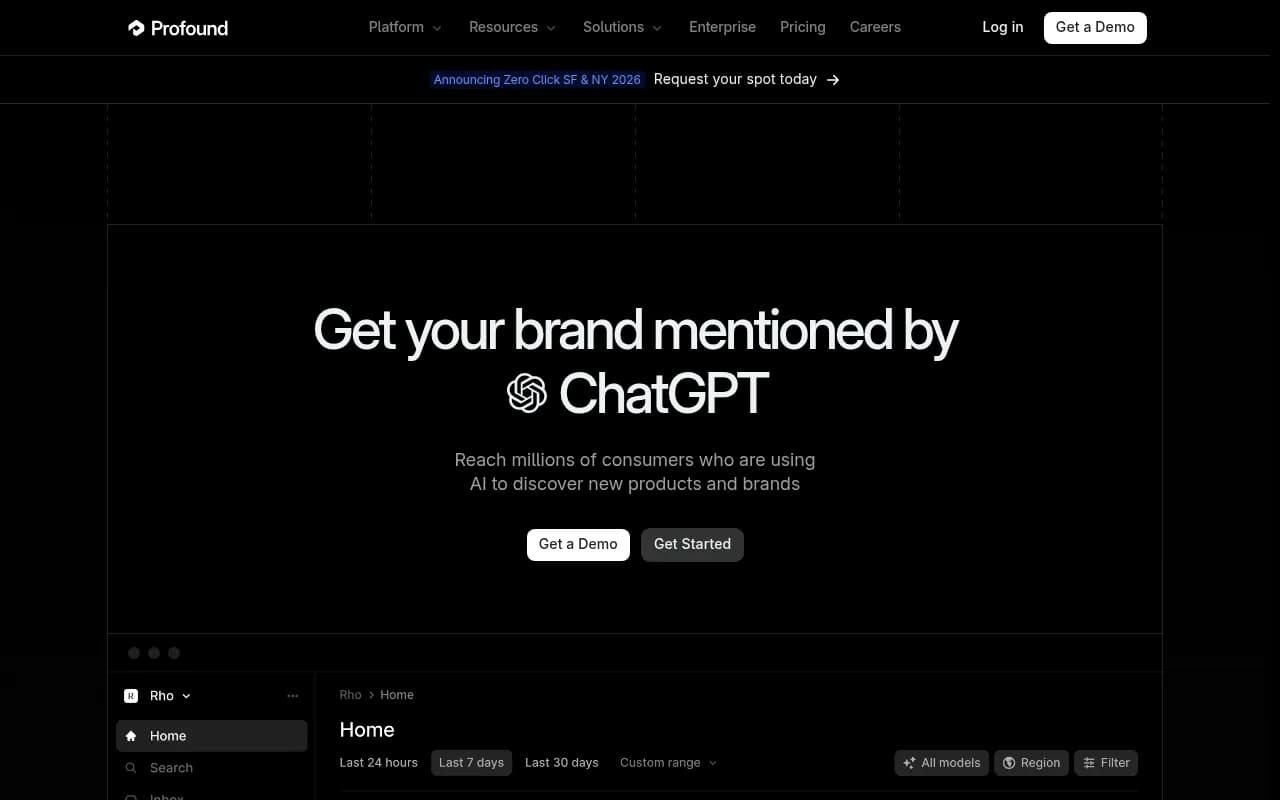
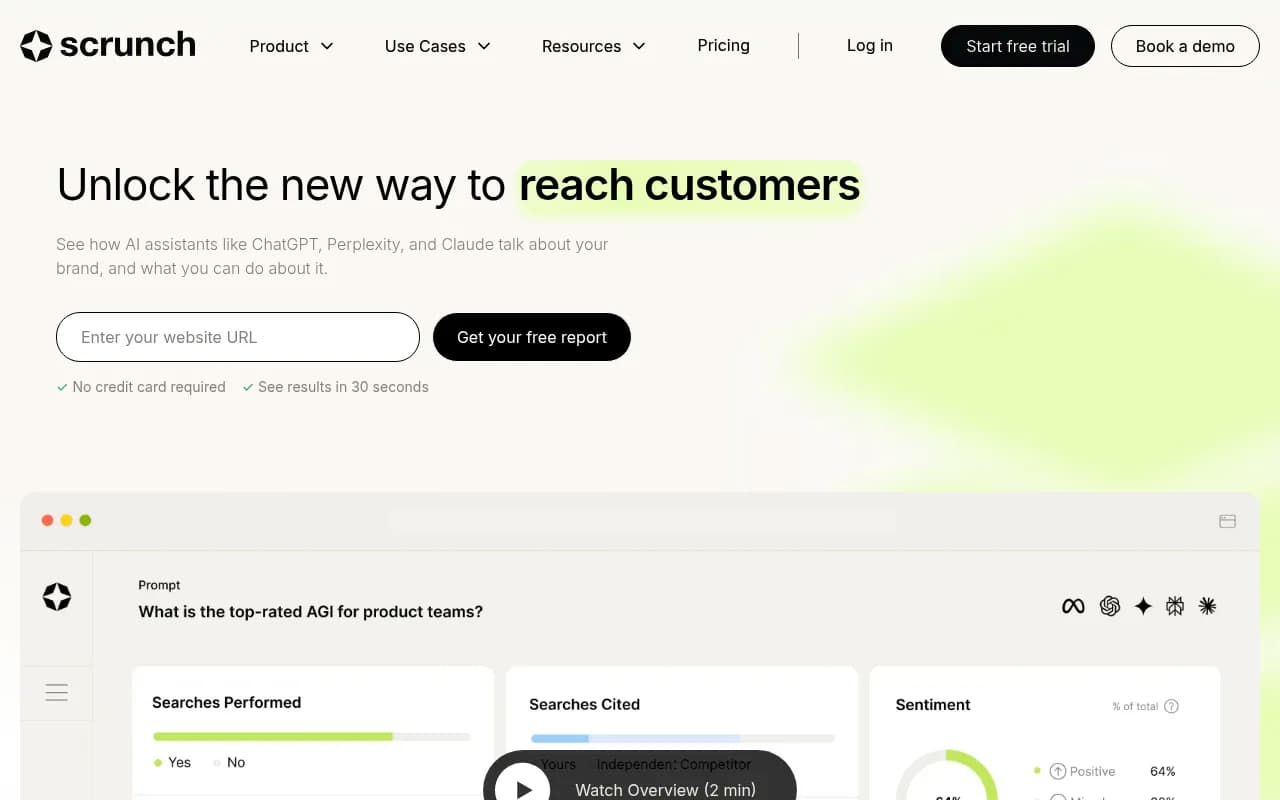
The honest trade-off: these tools are cheaper and simpler, but you'll still need a separate content workflow. For teams that already have a content team and just need the tracking piece, that's fine. For teams that were leaning on bydefault to also spit out drafts, moving to one of these means picking up a second subscription somewhere else.
Agencies managing multiple client accounts
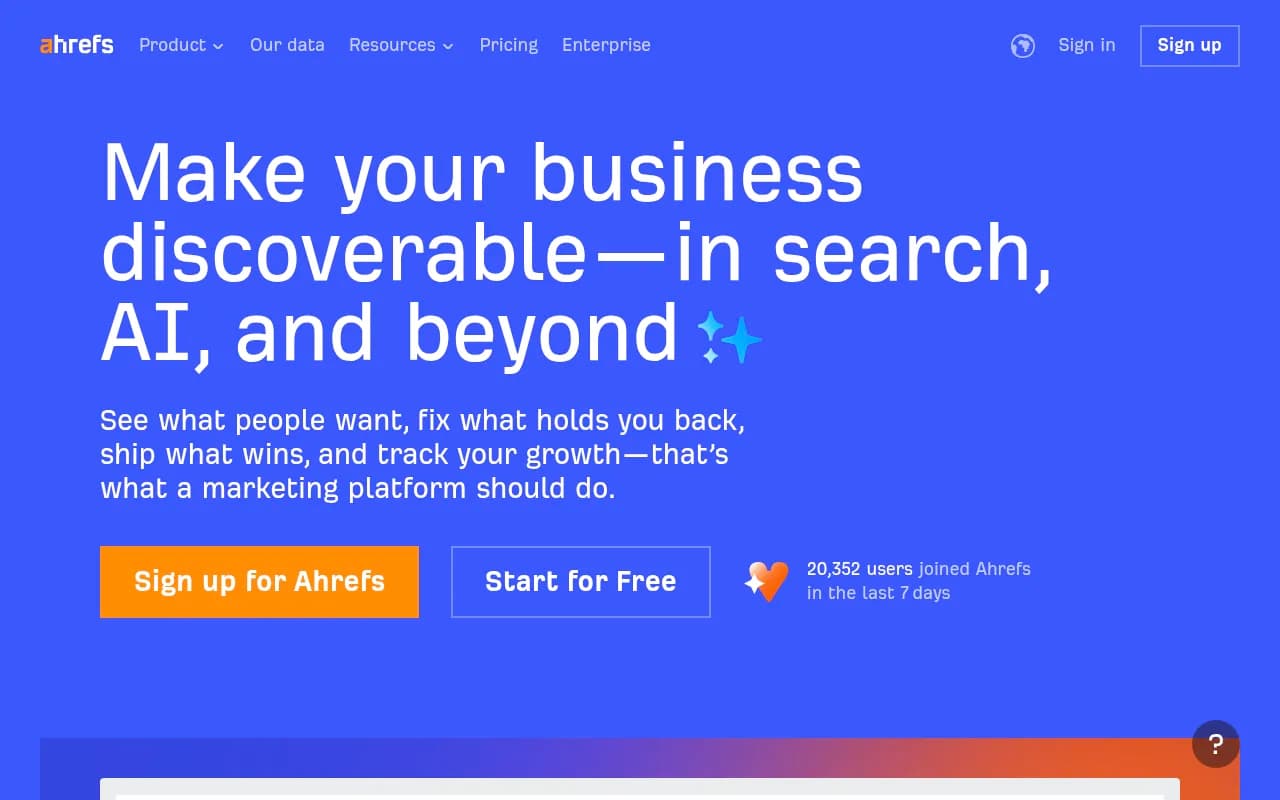
Agencies switching away from bydefault tend to cite a specific gap: no unlimited projects, no white-label client portal. Promptwatch's agency tiers (Kick-off at $199/month, Growth at $399/month, Scale at $799/month) include unlimited projects and prompts with 10 seats, plus a white-label dashboard, which solves the reporting problem directly. Semrush One and Ahrefs Brand Radar are the other common landing spots for agencies that already have those tools in their stack for traditional SEO and want AI visibility bolted on, though both have shallower AI-specific data than purpose-built GEO platforms.
Comparing the options
| Tool | Monitoring depth | Crawler logs | Content automation | Best for |
|---|---|---|---|---|
| bydefault | Prompt tracking + basic publishing | No | Limited, single workflow | Solo users, early-stage testing |
| Promptwatch | Full stack: prompts, citations, Reddit/YouTube, sentiment | Yes, 400+ crawlers tracked | Content Agents with CMS publishing | Teams needing monitoring and execution together |
| Peec AI | Prompt tracking, multi-language | No | None | Small teams wanting a focused tracker |
| Otterly.AI | Basic prompt tracking | No | None | Budget-conscious solo marketers |
| Profound | Deep monitoring dashboards | No | None | Teams that only need tracking |
| Scrunch | Monitoring, some competitor analysis | No | None | Mid-market monitoring-only use cases |
| Semrush One | AI visibility bolted onto SEO suite | No | Basic | Agencies already on Semrush |
How to decide if you should switch
A few questions cut through the noise faster than reading another feature list.
Ask whether you've ever needed to know why a citation disappeared rather than just that it did. If crawler-level data would have saved you a guessing game last quarter, you need a tool with log access, which bydefault doesn't offer.
Ask whether your content team is manually turning tracking data into briefs. If yes, that's wasted time a Content Agent or similar automation layer eliminates.
Ask how many sites, languages, or client accounts you're managing. If it's more than one or two, project and seat limits on a lighter tool will bite sooner than you expect.
And ask what it would cost to replace bydefault with two separate tools, one for tracking and one for content, versus one platform that does both. That math usually settles it.
Final thought
Bydefault isn't a bad idea, it's just an early one. Combining citation tracking with publishing in a single workflow was the right instinct, but 2026's AI search landscape moved faster than a lightweight tool built for that instinct could keep up with. Query fan-out behavior shifted overnight, crawler traffic patterns reshuffled within weeks, and teams that needed both the diagnostic depth and the execution speed found they'd outgrown the tool before they'd fully adopted it. If you're weighing options, the GEO software directory at bestgeosoftware.com is a reasonable place to compare more of the field side by side before committing to the next twelve months of your stack.