Key takeaways
- Brand narrative in AI search is the collection of individual claims AI engines make about your brand: what it costs, who it is for, whether it is trustworthy. It is not a single score.
- AI answers are assembled from sources, so the PR job is to find which sources feed the claim, then fix or outweigh them.
- Press coverage gives short bursts of visibility. In Promptwatch Data, half of the news pages ChatGPT cited on July 6, 2026 were gone after 36 days. Landing pages, docs and pricing pages last much longer.
- For branded prompts, ChatGPT leans on your own product and landing pages, plus reviews and FAQs. Social posts matter far less than PR teams often assume.
- A workable process: write a prompt set, log the claims, trace sources, fix the page or placement behind each wrong claim, then re-check monthly.
What brand narrative means in AI search
When a buyer asks ChatGPT "Is [brand] worth it?", they do not get ten blue links. They get one confident paragraph that summarizes who you are, what you are known for and whether you are credible. You did not write it. It may shape the decision before anyone visits your site.
That paragraph is your brand narrative in AI search. More precisely, it is a bundle of small claims: "affordable for small teams", "the mobile app lacks features", "popular with agencies", "founded in 2012". Each claim can be right, wrong, outdated, or borrowed from a competitor's framing.
This is different from classic brand monitoring. Media monitoring asks what people said about you. Narrative tracking asks what the machine now says, and which of those things came from where.
As Search Engine Land's defensive SEO piece puts it, AI fills gaps in unclear positioning with whatever is readily available: reviews, old content, aggregator summaries and competitor comparisons. That matches what Forbes contributor Gary Drenik reported in July 2026, that companies find AI engines confidently repeating outdated positioning, amplifying a competitor's framing, or resurfacing a negative story PR settled years ago.
Narrative versus visibility
Visibility asks "Are we mentioned?" Narrative asks "What exactly is said?" Two brands can have the same share of voice and wildly different outcomes if one is described as "the premium option" and the other as "a cheaper alternative with limited support." Muck Rack makes a similar point: AI tends to compress a brand into a few defining traits, and those traits are what you need to measure.
Why PR teams own this problem
The sources AI draws on are largely the ones PR already works on: news coverage, analyst mentions, expert commentary, reviews, Wikipedia, trade press. Forbes cites a figure that ChatGPT derives 63% of its answers from traditional media sources and that Gartner expects PR budgets to double by 2027. I would treat both numbers as directional, since they come from a contributor piece, but the logic holds. Third-party vetted content carries weight.
The catch is that PR teams usually have no baseline. Kate LaVail's LexisNexis piece says it bluntly: for most communications teams there is no baseline and no monitoring cadence. Coverage gets reported as clips and reach. Nobody checks what ChatGPT says afterward.
What the citation data says about branded prompts
Promptwatch Data analysed ChatGPT citations from Sep 28 to Oct 4, 2026 and split them by prompt type. Branded prompts, the ones naming a company like "is HubSpot good for startups", are the closest match to brand narrative. In Promptwatch's content type report:
- Product pages were 23.3% of branded citations and landing pages 22.8%. Together that is almost half.
- Reviews were 5.6% of branded citations, more than three times their share across all prompts.
- FAQ pages were 4.8% and press releases 2.1%, both above their overall share.
- Social posts were 3.0%, nearly four times their overall share but still small.
So the story ChatGPT tells about you comes first from your own pages, then from reviews and editorial. If your pricing page is vague or your product page is thin, the model fills in the blanks from elsewhere.
Social is a smaller lever than many teams assume. Promptwatch's November 2026 social citations report (Oct 11 to Nov 9, 2026) put social platforms at 0.64% of ChatGPT citations, versus 13.16% for Google AI Overviews, where YouTube alone was 6.71%. Note the window caveat: the October comparison covered 7 days, the November one 30. The practical read: your Reddit strategy matters more for AI Overviews than for ChatGPT.
How long coverage keeps working
The content half-life report tracked pages ChatGPT cited on July 6, 2026 through Oct 4, 2026:
| Content type | Still cited after 30 days | Still cited after 60 days |
|---|---|---|
| Landing pages | 78% | 69% |
| Docs | 76% | 67% |
| Comparisons | 72% | 63% |
| Listicles | n/a | 60% |
| Product pages | n/a | 55% |
| News | half gone by day 36 | 41% |
Press coverage is a burst of roughly five weeks. Landing pages, docs and pricing pages are the long-term assets. That should change how PR and web teams split work: a great launch story helps for a month, but an accurate pricing page keeps working for a quarter.
How to audit your AI narrative
This is the part most teams skip. You do not need software to start. You need a prompt set and a spreadsheet.
Step 1: Build a prompt set that reflects real questions
AI does not store one fixed description of you. It generates an answer per prompt, so the same brand reads differently depending on the question. Cover several prompt types:
- Branded: "What does [brand] do?", "Is [brand] worth it?", "What is [brand]'s mission?"
- Evaluative: "[brand] pricing", "[brand] reviews", "[brand] problems"
- Competitor comparison: "[brand] vs [competitor]"
- Category: "best [category] for [audience]", where you want to appear unprompted
Add the personas your buyers actually use. A CFO and a junior marketer ask differently.
Step 2: Log claims, not just mentions
For each response, write down the individual claims. Then group them: pricing, features, support, reputation, history. For each claim, mark it accurate, inaccurate, outdated or unflattering-but-true. This is where it gets uncomfortable, because some of the unflattering ones are true. Defensive SEO is not about suppressing legitimate criticism. It is about reducing ambiguity.
Step 3: Trace the sources
Every wrong claim has a source somewhere. Check the citations in the response. Typical culprits:
- An old press release or product page still indexed
- A third-party listicle with outdated pricing
- A review site profile you never updated
- A competitor comparison page written by the competitor
- A news story from years ago
Trace the source before you write anything new. Rewriting your own site will not fix a claim that originates on someone else's listicle.
Step 4: Build the response plan
| Problem | Likely cause | Typical fix |
|---|---|---|
| Outdated pricing or features | Your own old pages, or third-party listings | Update pages, request edits on listings |
| Competitor framing dominates | Comparison pages and listicles by others | Publish your own comparison and positioning pages, pitch listicle authors |
| Old negative story resurfaces | Archived news with no newer coverage | Earn fresh, accurate coverage; publish a clear FAQ |
| Brand not in category answers | Thin third-party validation | Thought leadership, analyst briefings, trade press |
| Right facts, weak tone | Review sentiment | Review programme on trusted sites |
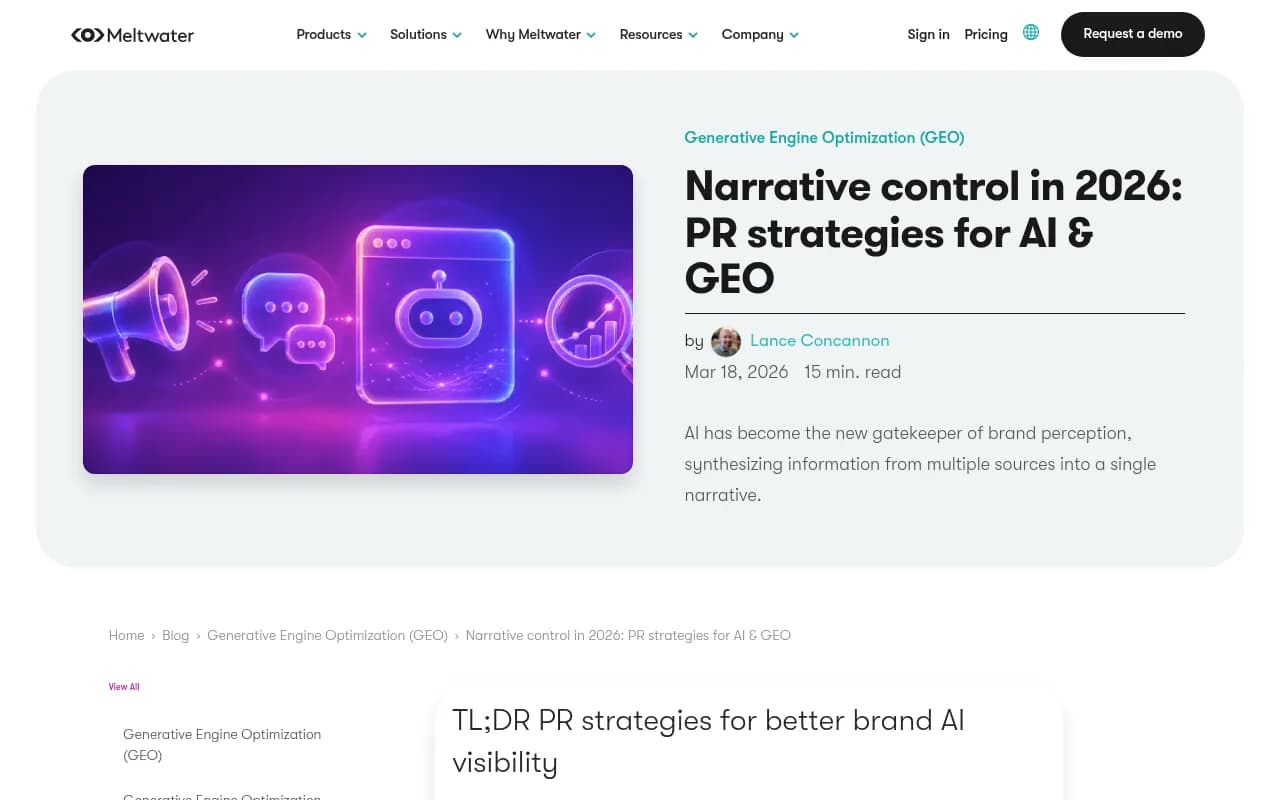
Meltwater calls the underlying idea narrative density: repetition and alignment across channels help AI form a reliable view, while inconsistent messaging produces diluted or wrong positioning. In plain terms, if your site says "enterprise platform" and every article says "tool for small teams", the model will average them.
Shaping the narrative: what actually works
Fix your own pages first
Given the branded-citation data above, your homepage, product pages and docs should plainly answer questions about pricing, features and audience. Add a plain-language FAQ about the brand itself. Keep the facts consistent everywhere. This is the cheapest lever and it lasts longest.
Earn third-party validation
AI systems do not judge a narrative only on whether it appears on your site. Analyst notes, trade coverage, expert commentary and review-site profiles are corroboration. One honest quote in a respected trade publication often does more than ten owned blog posts repeating the same line.
Define your category on purpose
If you do not say what category you belong to, a listicle author will. Consistent category language in press releases, bylines, product copy and Wikipedia-style factual summaries gives AI one phrase to repeat. The NeuroKaire example Forbes mentions, shifting from a clinical to a consumer-relevant framing for Gen-Z and coining terms like "Quiet Coping", is a case of exactly this, though I would want to see the underlying measurement before treating it as a template.
Plan for decay
Schedule refreshes. News bursts fade in about five weeks. Landing pages and docs need review every quarter or whenever pricing, positioning or leadership changes. A calendar reminder beats a crisis.
Metrics PR teams can report
Share of voice alone will not satisfy a CMO who has read the narrative argument. Track a small set instead:
- Share of voice for category prompts, per model
- Sentiment per prompt group, not just overall
- Accuracy rate: percent of logged claims marked accurate
- Top sources feeding branded answers, and how many are owned versus earned
- Time to correct: days from spotting a wrong claim to seeing it change
The accuracy rate is the one most PR teams are missing. It turns a vague worry into a number you can improve.
Tools for tracking and shaping brand narrative
You can run the audit manually for a few dozen prompts. Beyond that, dedicated tools save a lot of time. They fall into a few groups.
AI visibility platforms with narrative features
Promptwatch is the one I would look at first for this specific job, because it extracts the individual claims AI makes about you out of every tracked response, groups repeated claims, shows which models say them, and files them under themes like pricing, features, support and reputation with a score you can compare against competitors. That is Brand Narrative, and it is on every plan. Fact Check (Business plans and above) lets you mark a claim accurate or inaccurate, then scans pages crawled from your site to find the ones stating it, so you know which page the model is learning the wrong thing from. It also traces citations, tracks Reddit and YouTube sources, and has agents that write and publish fixes, then checks whether they worked. Pricing starts at $95/mo for Essential; confirm current plans at promptwatch.com/pricing. There is also a free AI visibility report if you want a quick baseline.

Other platforms in the category track visibility and sentiment with varying depth. Profound is an enterprise-oriented monitor.

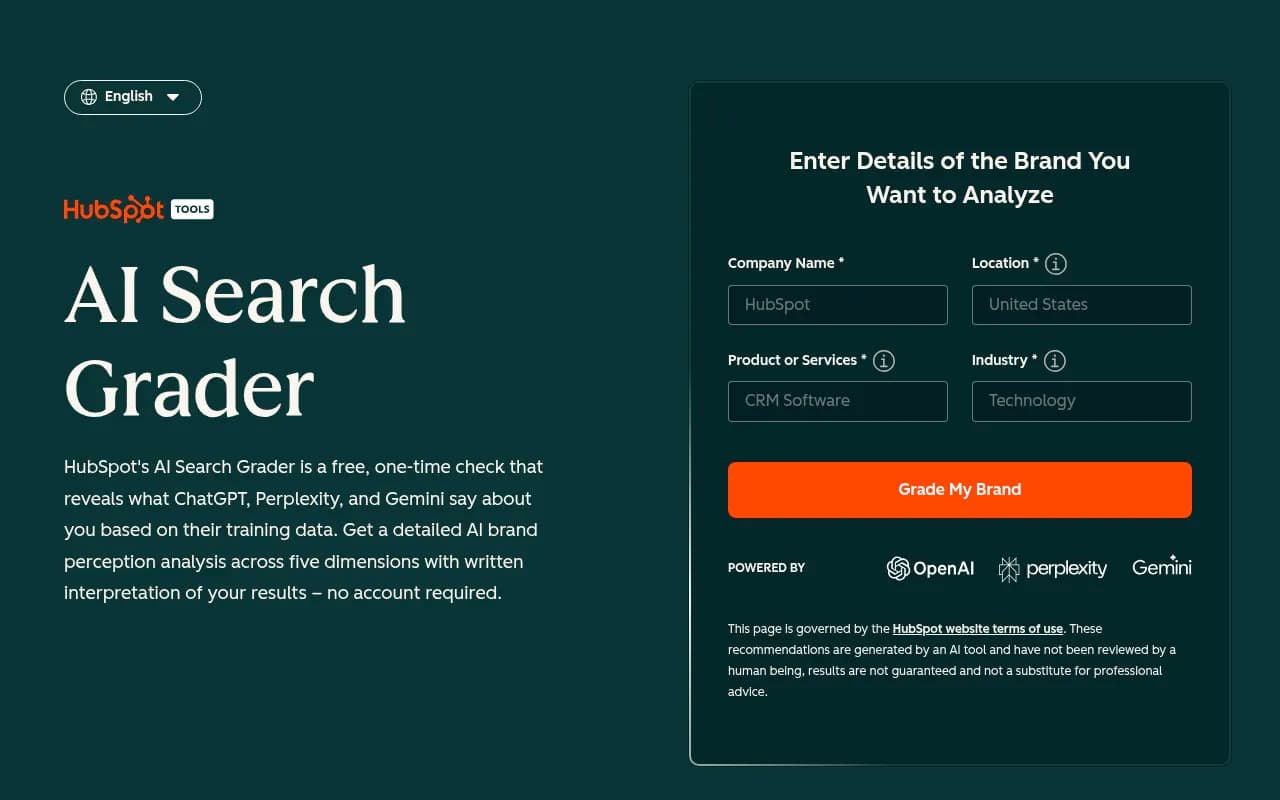
HubSpot AEO tracks AI visibility score, citations and share of voice over time, and puts that next to Marketing Hub campaign data, which is handy if your team already lives in HubSpot.
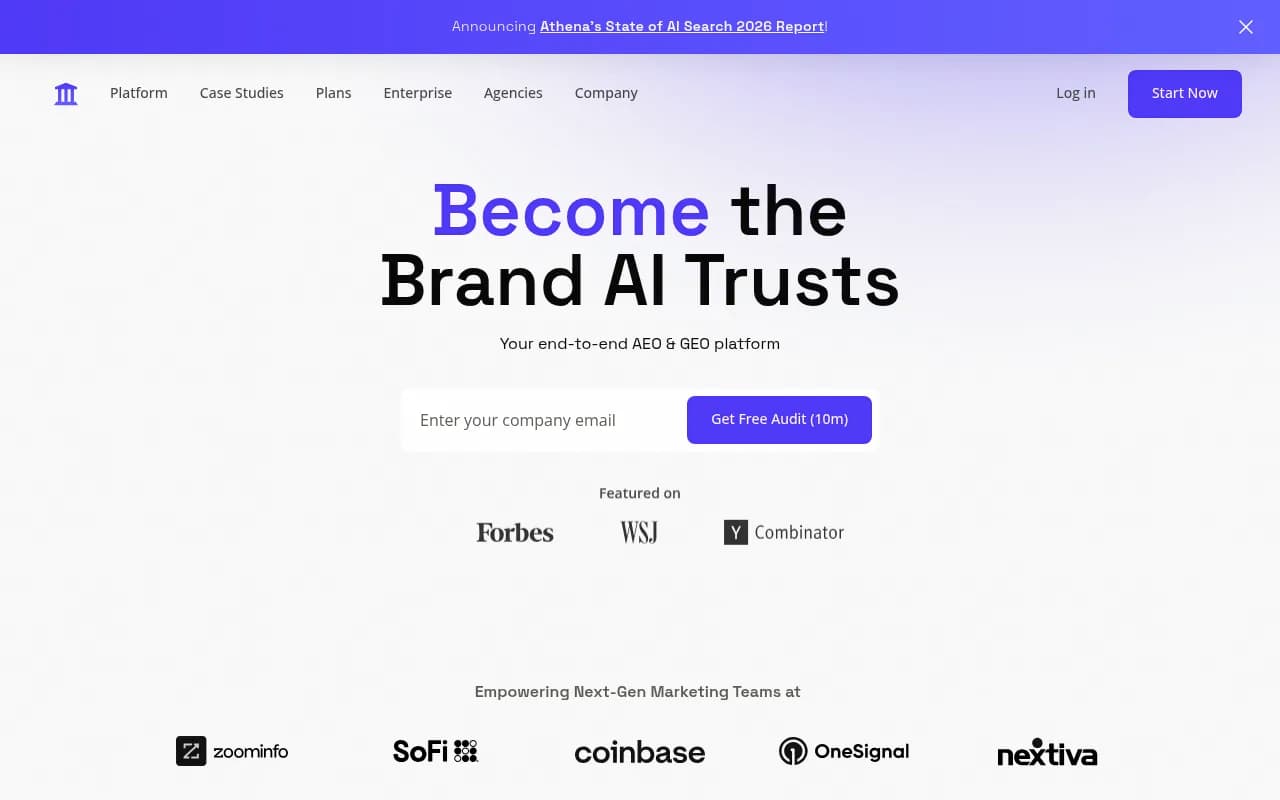
AthenaHQ and Peec AI cover multi-engine monitoring.

PR and media monitoring suites
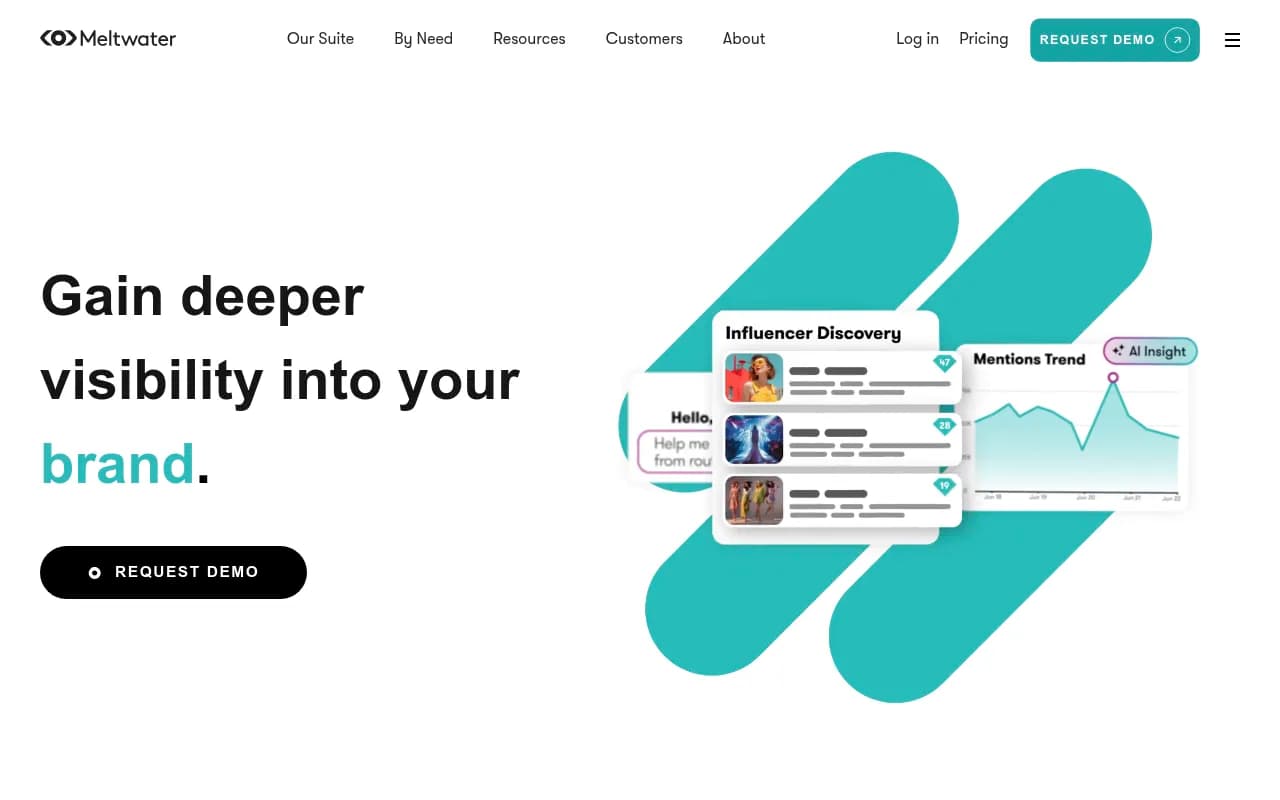
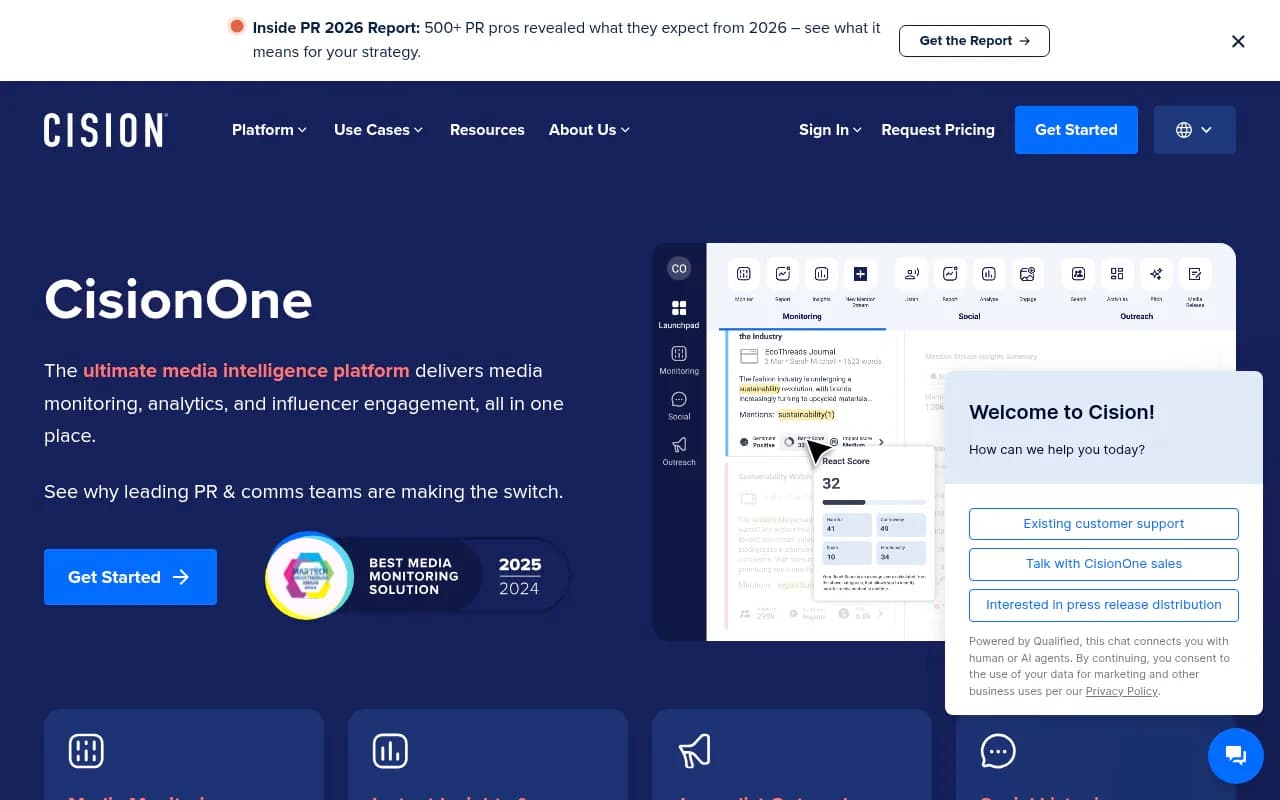
Meltwater and Cision are the incumbent PR platforms. They are strong on earned media and coverage reporting, which is the input side of the narrative. They tell you what was published, not necessarily what ChatGPT now says as a result, so pair them with an AI-side tracker.
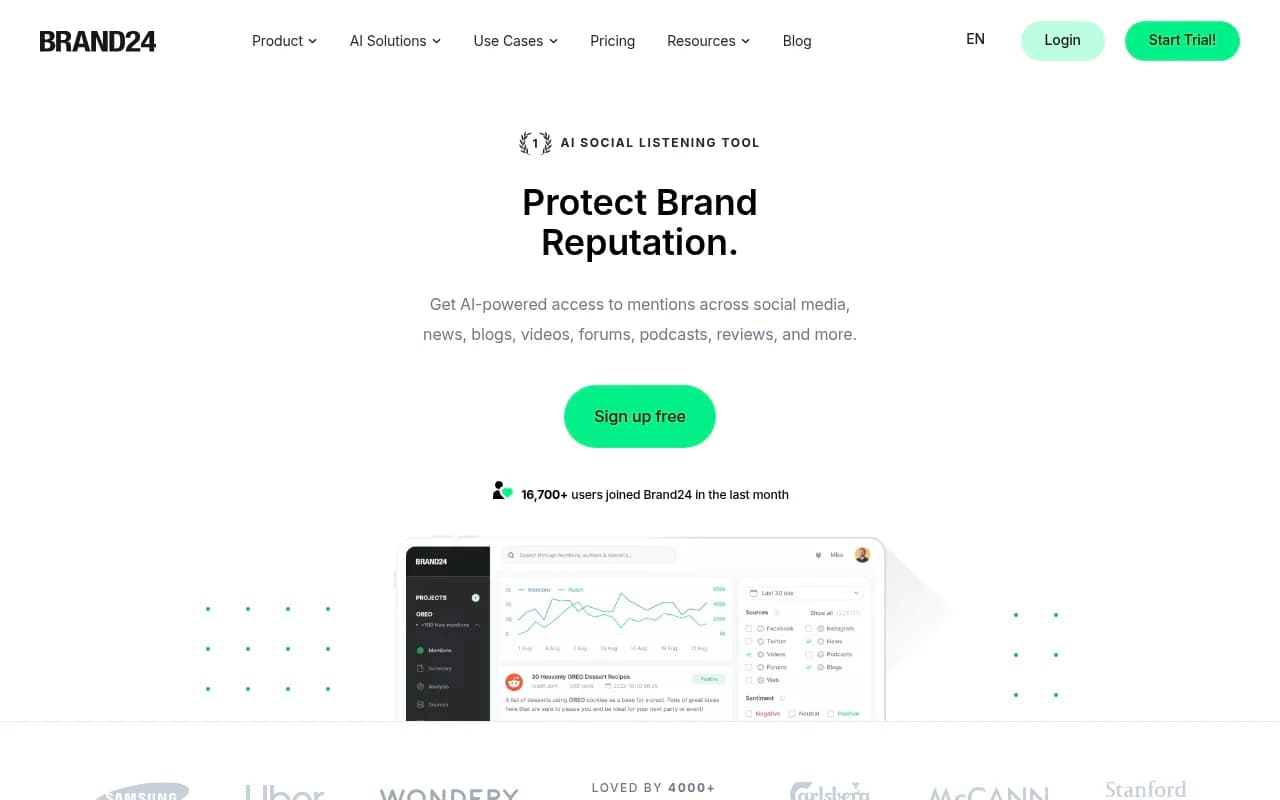
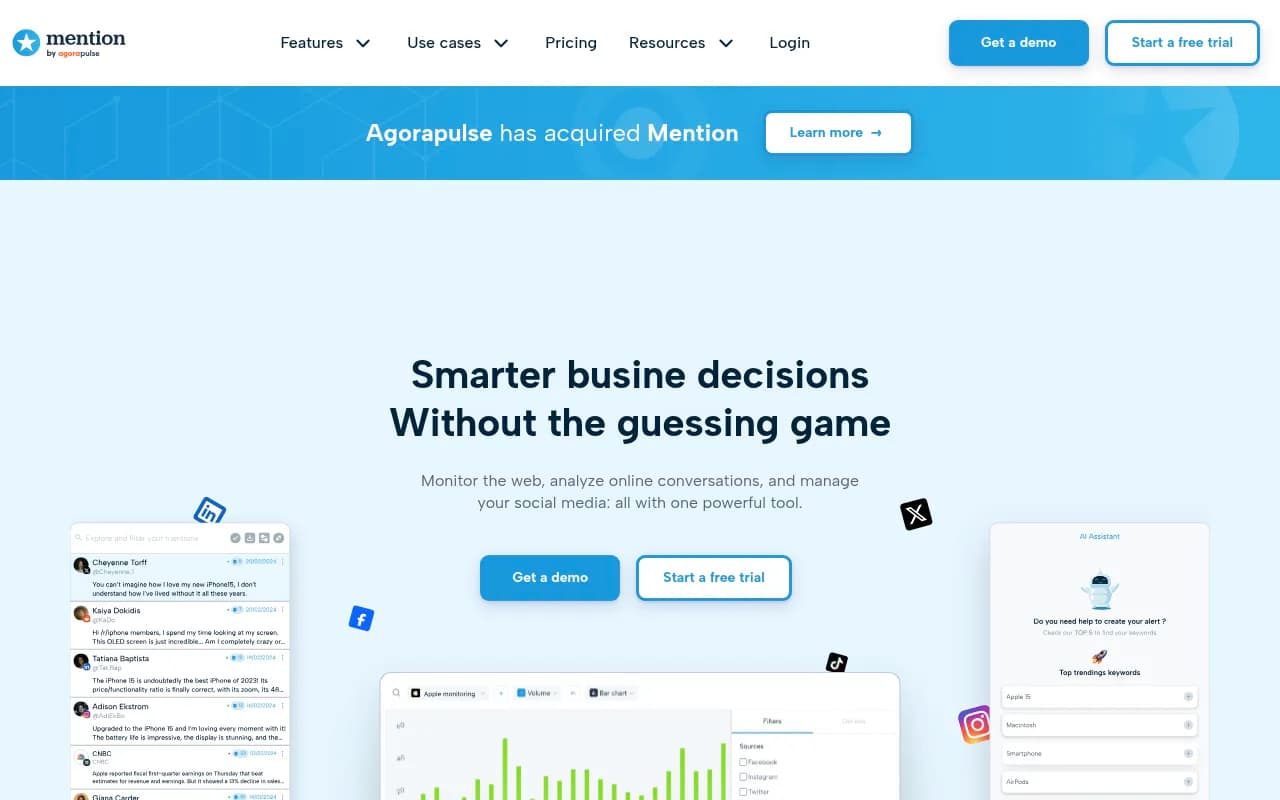
Brand24 and Mention are lighter options for mention alerts.
Comparison at a glance
| Tool type | Example | Good at | Gap for narrative work |
|---|---|---|---|
| AI visibility and GEO platform | Promptwatch | Claim extraction, source tracing, fixes, measurement | Needs a clear prompt set to be useful |
| AI visibility monitor | Profound, Peec AI, AthenaHQ | Mentions, share of voice, citations | Mostly stops at reporting |
| PR intelligence suite | Meltwater, Cision | Earned media tracking | Does not show what AI now says |
| Mention alerts | Brand24, Mention | Cheap real-time alerts | Weak on AI answers |
For broader lists, the directory at bestgeosoftware.com catalogues GEO tools by capability.
A monthly rhythm that works
- Week 1: run the prompt set across ChatGPT, Gemini, Perplexity and Google AI Overviews. Log new claims.
- Week 2: trace sources for anything wrong or new. Assign owners: web team for owned pages, PR for third-party sources, customer team for reviews.
- Week 3: ship fixes and pitches.
- Week 4: re-run and compare. Report accuracy rate, sentiment and share of voice with a short narrative summary.
After two or three cycles you will know which claims are stubborn and which sources matter. That is the real output: a map of where your story comes from.
Common mistakes
- Treating one screenshot of one ChatGPT answer as the truth. Answers vary by prompt, persona, model and country.
- Chasing every negative claim. Fix inaccurate and outdated ones first. Accurate criticism needs a product or service answer, not a PR one.
- Over-investing in social posts for ChatGPT when the data shows near-zero share there.
- Letting PR, SEO and content run separate message tracks. Inconsistent copy is how diluted positioning happens.
- Forgetting to re-check. AI answers shift as models and sources change.
Where to start this week
Pick 20 prompts, run them in three engines, and log every claim about pricing, audience and reputation. Mark each accurate or not. Then find the single source behind your most damaging wrong claim and fix it. If the source is your own pricing or product page, you can often see the answer change within weeks. If it is a third party, start the outreach today.