Key takeaways
- The lightweight tier is real but narrower than it looked a year ago. Most 2026 pricing comparisons put tools between $29 and $1,000+ per month, and the cheap end is where limits bite hardest.
- Headline prices hide engine caps, prompt caps, credit metering, seat limits and annual-only billing. Compare the plan you would actually use.
- Before paying, ask each tracker to show four weeks of history for one real prompt. Some tools relabel past data when you reorganize prompts.
- A single prompt tells you little. Promptwatch Data shows almost half of ChatGPT responses cite 10 or more domains, so track many organic prompts.
- A lightweight tracker answers "does AI know we exist?" It will not tell you what to do next. Plan for that gap.
What "lightweight" means in 2026
I use the word loosely for any AI visibility tracker you can start for under roughly $100 a month, without a sales call. Think a few dozen prompts, a handful of engines, one project, one or two people looking at the dashboard.
The category used to be easy to describe. Pay a small monthly fee, add prompts, watch a line go up or down. In 2026 that picture got blurrier. Prices shifted during the year, and at least one well-known vendor pulled its self-serve plans. Another changed its plan structure to credits. Magnitude's pricing roundup put the market at $29 to $1,000+ per month in August 2026, which is a wide enough range that "cheap" depends entirely on what you compare it with.
So who is left? Mostly three groups.
- Purpose-built budget trackers such as Otterly.AI, LLMrefs, Rankscale and a long tail of newer entrants.
- Mid-market trackers with a starter plan, such as Peec AI.
- Add-ons from SEO suites you may already pay for, such as Ahrefs Brand Radar, Semrush and SE Visible by SE Ranking.
The enterprise names (Profound, Scrunch and similar) still exist, but their entry points have moved away from the casual buyer.

Shortlist's roundup lands in a similar place. Its advice for a small business or solo founder is to spend under $80, run a tracker for a couple of months, then decide whether it deserves more money. I think that is sensible.
The pricing snapshot, with caveats
Pricing is the part of this topic that goes stale fastest, and most of the public comparisons are written by vendors. Treat the table below as a snapshot and check each vendor's own page before you buy.
| Tool | Entry price (2026 reports) | What the entry plan covers | Watch out for |
|---|---|---|---|
| Otterly.AI | $29/mo Lite | 15 prompts across 4 engines (ChatGPT, AI Overviews, Perplexity, Copilot), per Otterly's own comparison page | Credit-based plans now; Gemini is a $59/mo add-on on Standard |
| Profound | $99/mo Starter | 50 prompts, ChatGPT only, 1 seat, per Otterly's comparison page | Annual billing only; third parties report Growth quoted around $499/mo |
| Peec AI | Sources disagree (EUR 89-199/mo, or $95 and $245) | Plans limited to three engines | Verify on Peec's own pricing page |
| AthenaHQ | Free Essential tier reported by one roundup; Surmado cites $295/mo self-serve | Varies | Conflicting reports, so confirm |
A few notes on that table. The Profound and Otterly numbers come from Otterly's page, which is vendor-biased. Surmado says Profound's own June 2026 content still quoted a higher Growth price, which shows how quickly these pages drift. I could not verify current Scrunch, SE Visible or Similarweb prices against the vendors' own pages, so I have left them out of the table rather than guess.
Otterly.AI
Otterly is the name that comes up most often for the cheap end. Lite is $29 a month, Standard is $189 and Premium is $489, with 15% off for annual billing. Plans moved to credits: 2,000, 15,000 and 50,000 per month. Add-on credits cost $65 per 5,000 on Standard and $99 per 10,000 on Premium. There is a 7-day free trial with no card.
The credit model matters. A headline price tells you the cost of the plan, not the cost of tracking the prompts you care about every day.

Peec AI
Shortlist calls Peec AI its default for growing brands that need to report monthly. The catch it names is real: three engines per plan is a limit if your buyers live on Perplexity or Claude. Surmado reports Peec raised $29M and passed $4M ARR in ten months, and says its earlier EUR 75 Starter price is outdated. That is a reminder that anything older than a few months is suspect.

LLMrefs and Rankscale
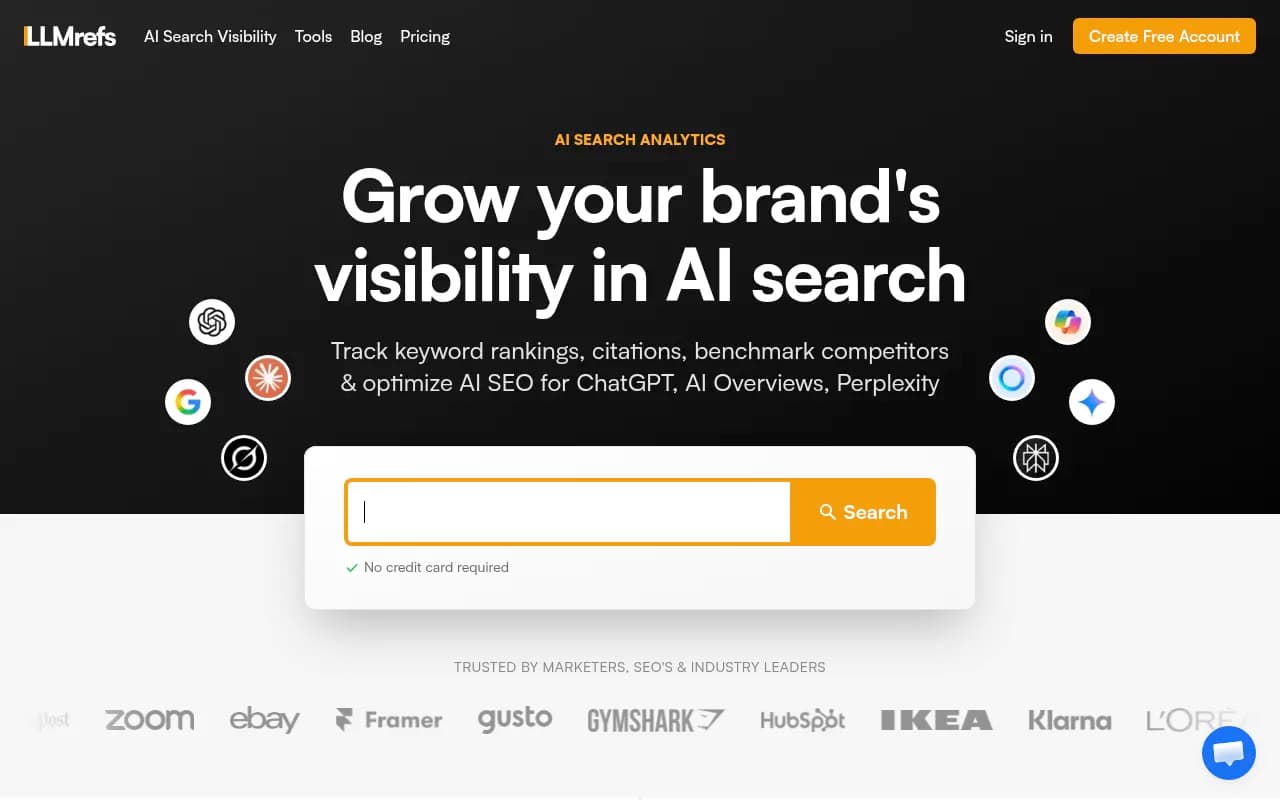
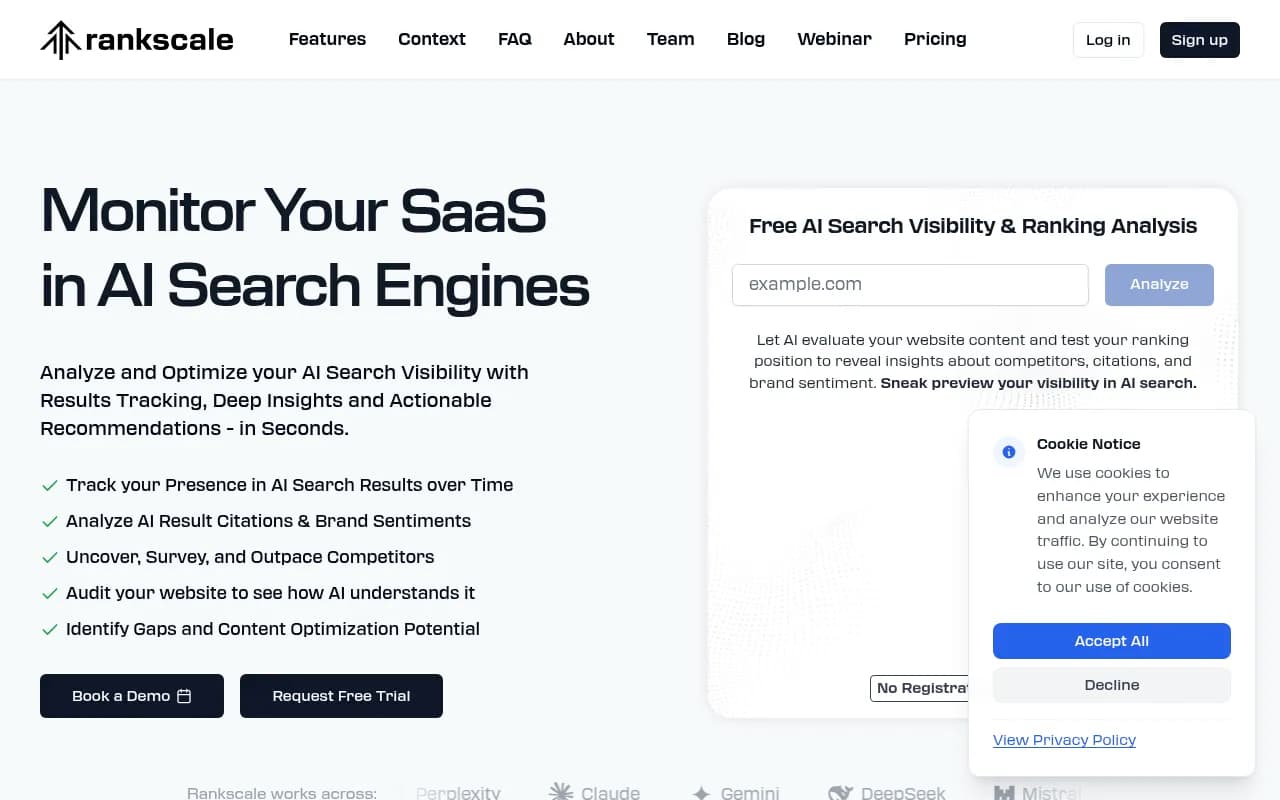
Shortlist rates LLMrefs as the best value on engine coverage and Rankscale as the pick for tinkering on a tight budget. Both are the kind of tool you try for a month, not the kind you build a reporting process on without checking retention first.
Suite add-ons
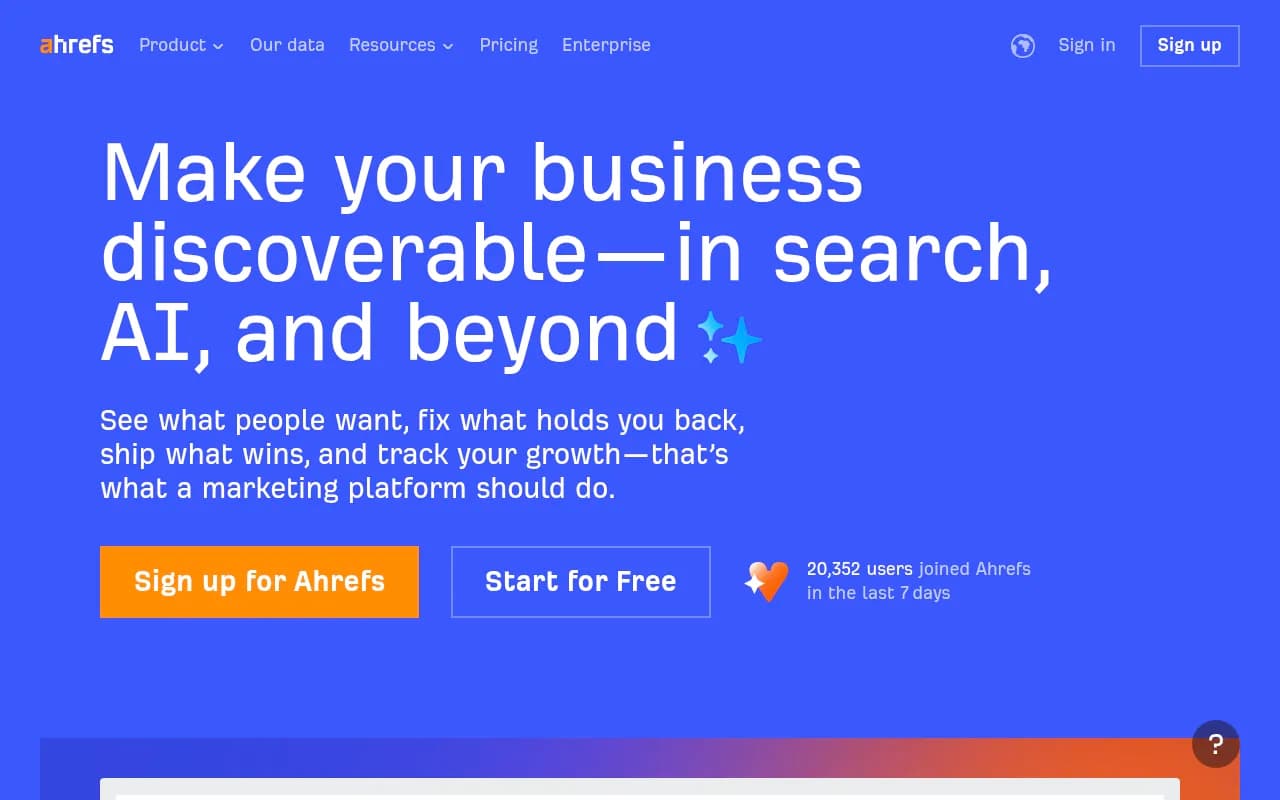
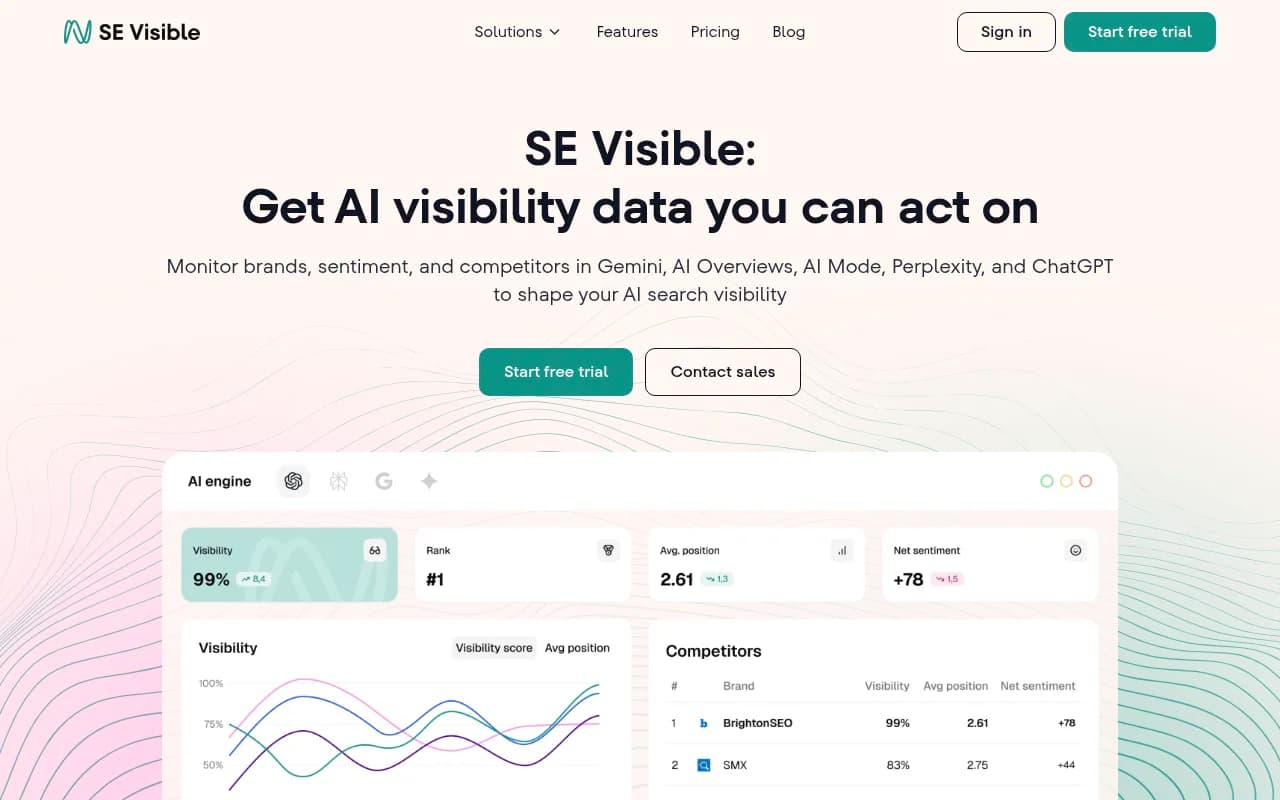
If you already pay for an SEO suite, the add-on can be the lightest option of all. Shortlist's view on Ahrefs Brand Radar and Semrush is that neither is the best pure tracker, but having AI data next to the SEO data you already use saves real time. SE Visible by SE Ranking is aimed at agencies watching cost per client.
What cheap plans usually leave out
The gap between a lightweight tracker and a full platform is mostly in the unglamorous details.
Engine coverage
Entry plans often cover a subset of engines. Profound's Starter is reported as ChatGPT-only. Peec limits plans to three engines. Otterly Lite covers four, and Gemini costs extra on Standard. If your customers use Claude or Gemini, check the engine list on the exact tier you would buy.
Prompt and credit limits
Fifteen prompts is a handful. It is enough to see whether AI knows your brand exists. It is not enough to see how you compare across product categories, personas or countries.
Billing structure
Annual-only billing, seat caps and credit metering can push the real cost well above the headline. A $99 plan that requires an annual commitment is not the same purchase as a $29 plan you can cancel next month.
Exports and history
Surmado notes Profound's Starter plan has no exports and no Projects. That kind of limit is easy to miss on a pricing page and annoying to discover three months in.
How to test a tracker before you pay
This is the part I would not skip. A YouTube walkthrough published on November 10, 2026 by Alex Ninja made a point I had not seen elsewhere, and it is practical.

The test: pick one question your buyers really ask, and have each tracker show its history for the last four weeks. Look for three things.
- A dated run on every day you would expect one.
- The answer behind each number.
- The day a number moved.
Then ask what happens to those numbers if you move that prompt to another topic. According to the video, some tools read topics, tags and brands from your current setup whenever a report loads. Move a prompt and its past answers move with it, and the older setup cannot be viewed. That can quietly rewrite a trend line you already showed your boss.
Google Search Console is the free baseline here. The video notes its date filter reaches back sixteen months, though Google does not say how far back the AI data starts. It counts impressions only, with no question or answer attached, and it does not track Perplexity or Grok yet. Useful, but it cannot tell you why a number moved.
A second free baseline: in GA4, a custom channel group with a regex on referral source captures traffic from ChatGPT, Perplexity, Gemini and Copilot. That answers "is AI sending us anyone" before you spend anything. One caveat from Promptwatch's own data: ChatGPT stopped sending a referrer on October 8, 2026, so tagged links (utm_source=chatgpt.com) are now the more reliable way to count it.
One prompt tells you almost nothing
Cheap plans cap prompts, and that cap pushes people to track a few brand-specific questions. That is the weakest way to use these tools.
Promptwatch Data looked at ChatGPT responses with at least one citation from Sep 28 to Oct 4, 2026. Promptwatch's report on unique domains per response found 47.6% of responses cite 10 or more unique domains, and 66.1% cite at least eight. Only 6% cite three domains or fewer.
It varies by prompt type, which matters for how you pick your 15 or 50 prompts:
| Prompt type | Share citing 10+ domains |
|---|---|
| Organic | 52.5% |
| Competitor comparison | 49.1% |
| Brand-specific | 21.3% |
Brand-specific prompts cite fewer domains, so they feel stable and give you a flattering, narrow view. Organic prompts are where the competition is. The report's own advice is to measure citations across many organic prompts, and to track where you appear and how ChatGPT describes you, not only whether you are cited.
Prompt wording matters too. According to Promptwatch's ChatGPT query fanout data, the average fanout query shrank from about 117 characters to about 53, and searches per response fell from about 2.15 in early December 2025 to about 1.84 by early March 2026. Then, after a data gap, fanouts returned in April at exactly 1.0 per response. The report also mentions "3-8+" searches from a single prompt, but its own averages are lower, so I would not lean on that figure. The practical takeaway: write tracked prompts like short keyword-style queries, and re-check them when ChatGPT changes behavior. ChatGPT also started using the site: operator at scale on August 8, 2026, per Promptwatch Data. Behavior shifts happen mid-year, so a prompt set from January may no longer resemble real usage.
Who should buy what
| Your situation | Sensible starting point | Why |
|---|---|---|
| Solo founder or small business checking if AI knows you | Otterly Lite, LLMrefs, or a free report | Under about $80, run it for two months, then decide |
| Already in Ahrefs, Semrush or SE Ranking | The suite's AI add-on | AI data sits beside SEO data you already use |
| Growing brand reporting monthly | Peec AI | Shortlist's default mid-market pick, mind the three-engine cap |
| Agency with many clients | A prompt tracker plus a database tool | Shortlist reports ending up with two tools: one for client reporting, one for prospecting |
| Enterprise with a budget line | Profound, plus a Scrunch demo if AI agents are on the roadmap | Pricing sits behind sales conversations |
The long tail is large. The catalog on this site lists dozens of small trackers aimed at small teams, such as Airefs, BrandAxis, Radix AI, Atyla and Geoptie. I cannot vouch for any of them from the research I have, and I found no independent accuracy benchmarks for any tracker. Run the history test above on whichever you shortlist, and expect the numbers to disagree between tools. Shortlist's explanation is that they differ less in features than in where the data comes from.
For wider browsing, the GEO software directory at bestgeosoftware.com and the AI rank tracking directory at ai-rank-tools.com list far more options than any one article can cover.
When a lightweight tracker stops being enough
Shortlist closes its roundup with a line I agree with: anyone selling you a dashboard as the strategy is selling you the wrong thing. A tracker tells you that you sit at 31% while a competitor sits at 64%. It does not tell you why.
Signs you have outgrown the budget tier:
- You can see you are missing from answers but nobody has time to work out which pages or sources are responsible.
- You need to know whether AI crawlers can even read your site.
- You want to connect AI answers to visits and conversions.
- You need more than a few prompts, countries or engines.
At that point the question changes from "which tracker is cheapest" to "which tool closes the loop." Promptwatch is built for that step. It monitors real AI interfaces, traces which pages and third-party sources get cited, and has IP-verified AI crawler logs and visitor analytics to measure what AI sends you. Its Action Board and Content Agent then handle the gaps. Plans start at $95/mo for Essential, with a 7-day free trial on monthly billing; confirm current pricing at promptwatch.com/pricing. If you just want a baseline first, the free AI visibility report scans how ChatGPT, Gemini and Perplexity describe your brand with no login.

Agencies weighing a tracker versus a managed approach can also look at 1001 SEO Media, which publishes this site and uses Promptwatch for GEO work with clients.
A short buying checklist
- Write down the engines your buyers actually use, then check the entry plan covers them.
- Convert the price to a monthly cost for the prompts you would run, including credits, add-ons and seats.
- Check whether billing is annual-only.
- Run the four-week history test on one prompt, and ask what happens when you move it to another topic.
- Look for exports. You will want your data out eventually.
- Pick mostly organic and competitor-comparison prompts, in short keyword style.
- Put a date on your notes. Plans and prices changed repeatedly in 2026.
- Decide in advance what number would make you upgrade, and what would make you cancel.
The lightweight tier is still worth using. Just treat it as a two-month experiment with a clear exit, not a reporting system you can quietly rely on.