Key takeaways
- Searchable has a solid reputation for clean UI and quick setup, but users consistently flag limited depth in prompt analytics and no content generation capabilities
- The most common complaint is that Searchable shows you where you're invisible in AI search but doesn't help you fix it
- Users who outgrow Searchable typically move to platforms with crawler logs, content gap analysis, or AI-native content generation
- Several strong alternatives exist at similar or slightly higher price points, depending on whether you need agency features, content tools, or enterprise-grade tracking
- The AI search monitoring space has matured fast in 2026 -- "monitoring only" is no longer a differentiator
Who actually uses Searchable?
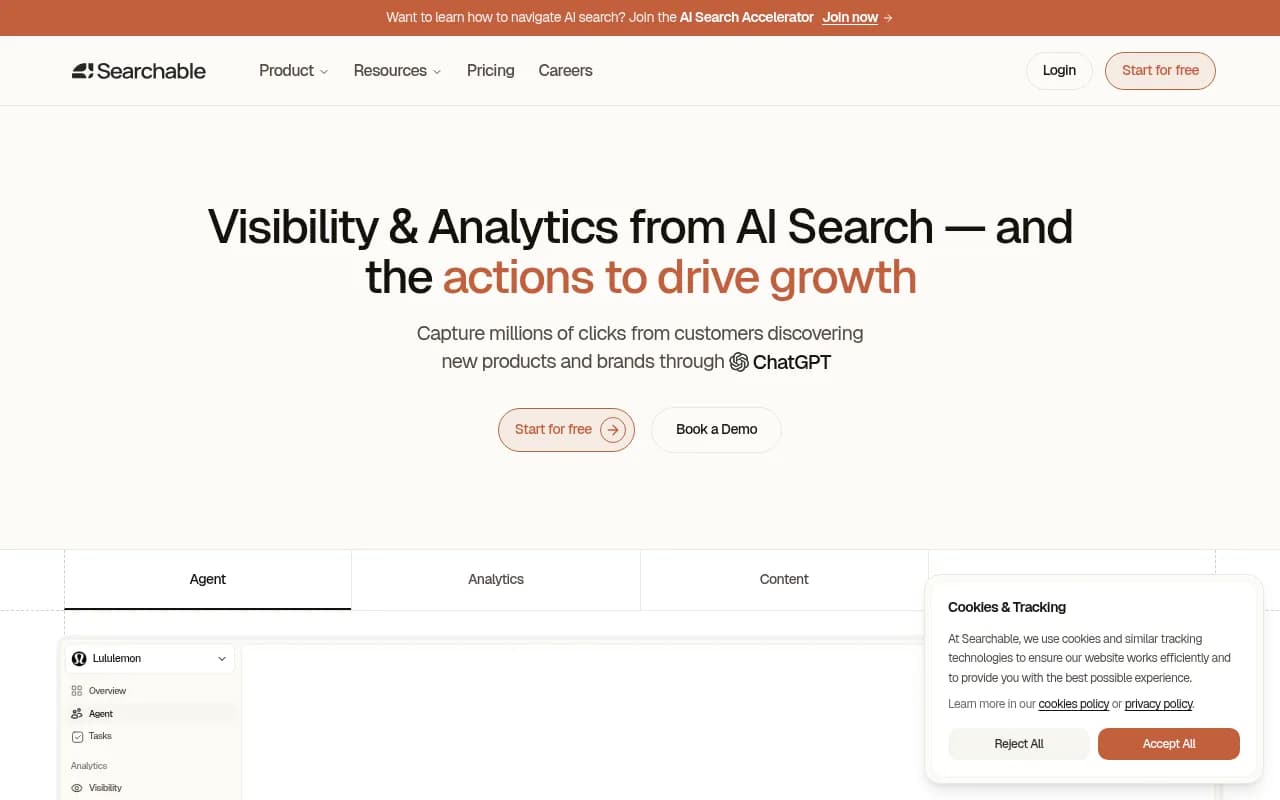
Searchable sits in a growing category of tools built to track how brands appear in AI-generated answers -- think ChatGPT, Perplexity, Gemini, and Google AI Overviews. The pitch is simple: you enter your brand, your competitors, and a set of prompts, and the platform shows you how often you're cited versus how often they are.
That's genuinely useful. In 2026, AI search isn't a niche concern anymore. BrightLocal's Local Consumer Review Survey found that consumers are using an average of six review sites and discovery channels -- and AI-generated answers are increasingly one of them. Brands that don't know how they appear in those answers are flying blind.
Searchable's user base skews toward marketing managers at mid-size companies and in-house SEO teams who want a lightweight way to start tracking AI visibility without committing to an enterprise contract. The onboarding is fast, the dashboards are readable, and the learning curve is low. That's the honest upside.
What users say they like
The feedback that comes up most consistently in user discussions:
- The interface is clean and doesn't overwhelm you with data you don't know what to do with
- Setup is genuinely fast -- most users report being up and running within a day
- The competitive comparison view is useful for quick executive-level reporting
- Prompt tracking across multiple AI models (ChatGPT, Perplexity, Gemini) gives a reasonable cross-platform snapshot
- Price point is accessible for teams that are just starting to take AI visibility seriously
For teams in "awareness mode" -- trying to convince leadership that AI search matters -- Searchable can be a decent first tool. It generates the kind of charts that make a point in a slide deck.
The complaints that keep coming up
This is where the picture gets more complicated. Across user discussions, the frustrations cluster around a few consistent themes.
It shows the problem but not the solution
This is the most common complaint, and it's worth taking seriously. Users describe a pattern where Searchable tells them their brand isn't appearing for certain prompts -- but then stops there. There's no guidance on why, no content brief, no suggestion of what to create or change. You get the gap, not the path to closing it.
One way to think about it: knowing you're invisible is step one. Most teams need step two (what to do about it) and step three (did it work?). Searchable covers step one reasonably well.
Prompt volume data is thin
Several users note that Searchable doesn't give you a strong sense of which prompts are actually worth targeting. There's no volume estimate, no difficulty score, no way to prioritize. If you're tracking 50 prompts, you want to know which five matter most. Without that, you're spending equal attention on prompts that drive real traffic and prompts that nobody types.
No crawler log visibility
This comes up more among technical SEO users. They want to know whether AI crawlers are actually visiting their pages, which pages get read, and whether there are crawl errors blocking citation. Searchable doesn't surface that data. For teams trying to diagnose why a page isn't getting cited despite good content, this is a real gap.
Limited Reddit and YouTube tracking
AI models don't just cite brand websites. They cite Reddit threads, YouTube videos, third-party listicles, and review sites. If a Reddit thread is driving negative AI citations about your brand, you want to know. Searchable's focus is primarily on owned-domain visibility, which misses a significant slice of how AI answers actually get constructed.
Reporting feels static
A few agency users mention that the reporting outputs are hard to customize for client presentations. The data is there, but exporting it or building custom views requires workarounds.
What users switched to (and why)
When users move on from Searchable, they tend to go in one of a few directions depending on what they need next.
Teams that needed content generation
The most common switch is to platforms that don't just track gaps but help you fill them. If your team has identified 20 prompts where competitors are visible and you're not, the next question is: what do we publish? Tools with built-in content agents that generate articles and briefs grounded in actual prompt data save a significant amount of time compared to manually briefing writers.
Promptwatch is the platform that comes up most in this context. Its Content Agents generate articles, comparisons, and listicles based on real citation data and prompt volumes -- not generic SEO templates. The answer gap analysis shows exactly which prompts competitors rank for that you don't, and the content tools are built around closing those specific gaps.

Teams that needed deeper prompt intelligence
Some users move to platforms with stronger prompt prioritization -- volume estimates, difficulty scores, query fan-outs that show how one prompt branches into related sub-queries. This matters when you're trying to allocate content production budget and need to know which prompts will actually move the needle.


Agencies that needed client-ready reporting
Agency users often find Searchable's reporting too rigid for client work. They move to platforms with better white-label options, Looker Studio integrations, or API access for custom dashboards.


Enterprise teams that needed crawler visibility
Technical teams that want to understand how AI crawlers interact with their sites -- which pages get read, how often, what errors come up -- need something with actual crawler log analysis. This is a niche requirement but a real one.
Feature comparison: Searchable vs. alternatives
| Feature | Searchable | Promptwatch | Profound | AthenaHQ | Otterly.AI |
|---|---|---|---|---|---|
| AI model tracking | Yes | Yes (10 models) | Yes | Yes | Yes |
| Prompt volume/difficulty | No | Yes | Partial | No | No |
| Content gap analysis | No | Yes | No | No | No |
| AI content generation | No | Yes | No | No | No |
| Crawler log visibility | No | Yes | No | No | No |
| Reddit/YouTube tracking | No | Yes | No | No | No |
| ChatGPT Shopping tracking | No | Yes | No | No | No |
| Offsite citation analysis | Limited | Yes | Partial | No | No |
| API / Looker Studio export | Limited | Yes | Yes | No | No |
| Free trial | Yes | Yes | Yes | Yes | Yes |
The table tells a clear story: Searchable is a monitoring tool. The alternatives vary in how far beyond monitoring they go. Promptwatch is the most complete end-to-end option; Profound and AthenaHQ are stronger on tracking depth; Otterly.AI and Peec.ai are lighter-weight options at lower price points.
Is Searchable worth it in 2026?
Honestly, it depends on where your team is in the AI visibility journey.
If you're just starting out and need to demonstrate to leadership that AI search is worth paying attention to, Searchable can do that job. The low barrier to entry and clean reporting make it a reasonable first step.
If you're past that stage -- if you already know AI visibility matters and you're trying to actually improve it -- Searchable will frustrate you. The gap between "here's where you're invisible" and "here's what to do about it" is exactly where most teams get stuck, and Searchable doesn't bridge it.
The AI search monitoring space has also matured fast. In 2025, just tracking your brand mentions across ChatGPT and Perplexity was novel. In 2026, that's table stakes. The differentiation now is in what you do with the data: prioritizing the right prompts, generating content that actually gets cited, understanding crawler behavior, and tracking whether your changes are working.
BrightLocal's 2026 research makes the broader point well: consumers are using more channels than ever to discover and evaluate brands, and AI-generated answers are increasingly part of that mix. Brands that treat AI visibility as a "set and forget" monitoring task are going to fall behind brands that treat it as an ongoing optimization problem.
Alternatives worth evaluating
If you're actively shopping for a Searchable alternative, here are the tools worth a closer look depending on your situation.
For teams that want a full optimization loop -- gap analysis, content generation, crawler logs, and traffic attribution all in one place:
For teams focused on deep competitive tracking and prompt intelligence:
For teams that want a lighter-weight, affordable monitoring option:
For agencies managing multiple clients who need strong reporting:
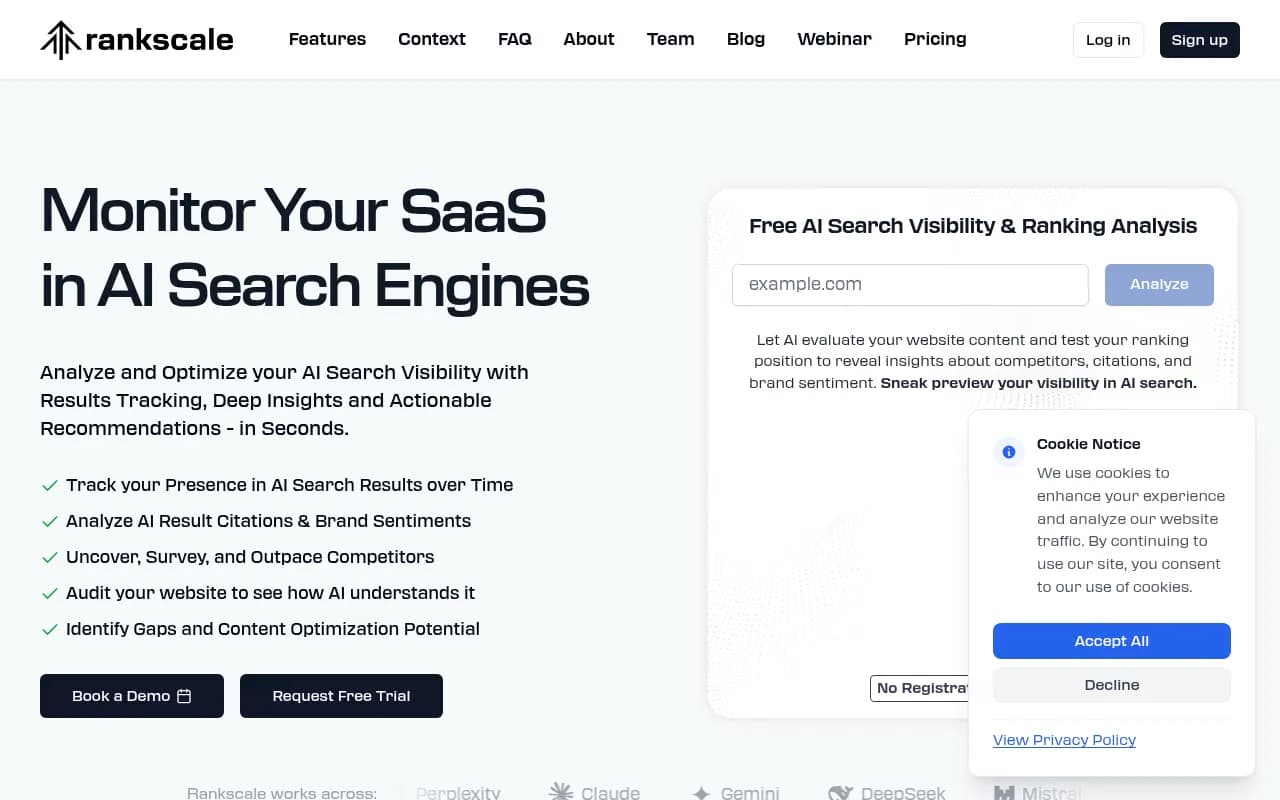
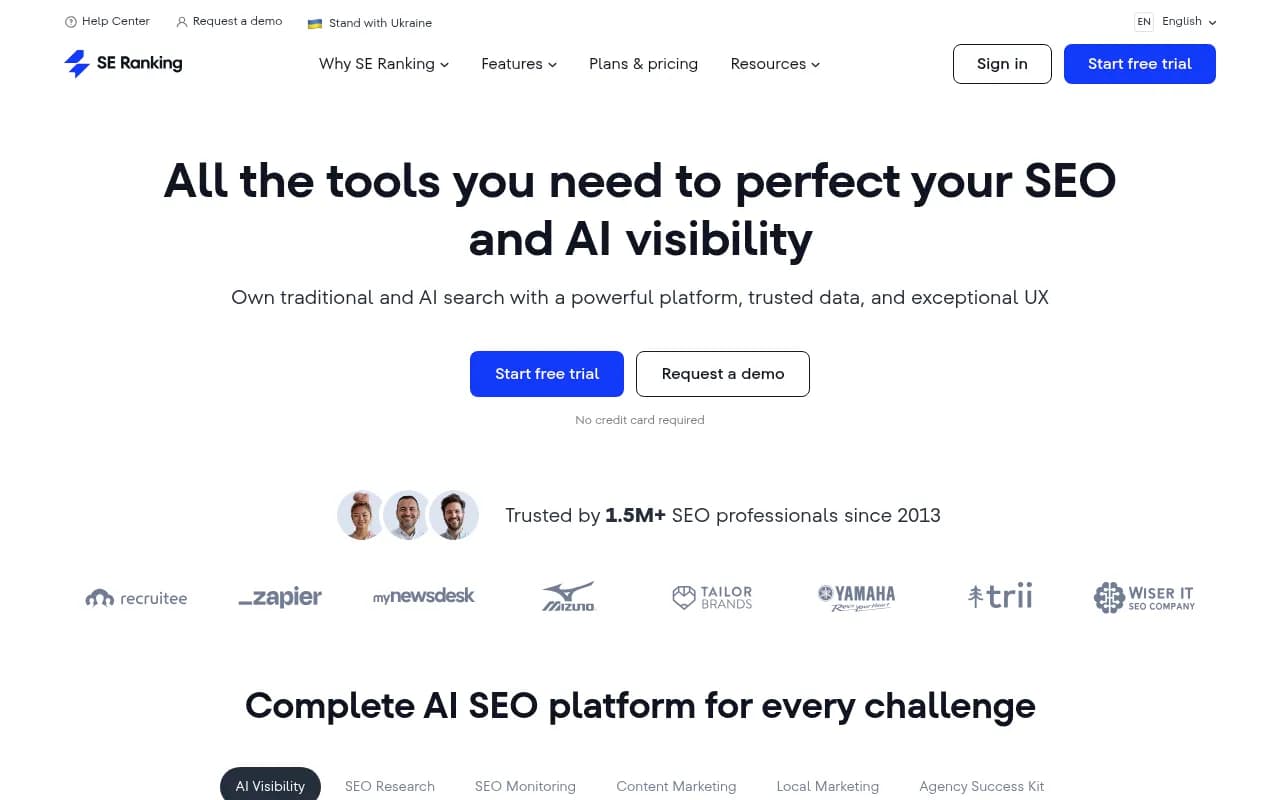
For teams that want to track AI visibility alongside traditional SEO in one platform:
The bottom line
Searchable does what it says. The complaints aren't about the tool being broken -- they're about the tool being limited. Monitoring is useful. Optimization is what most teams actually need.
The users who are happiest with Searchable are the ones who pair it with other tools: a content production workflow, a technical SEO setup that handles crawler access, and some manual process for tracking whether changes are working. That's a lot of duct tape.
The users who switched away did so because they found platforms that handle more of that loop natively. Whether that's worth the additional cost depends on how seriously your team is investing in AI search visibility -- but in 2026, that investment is increasingly hard to justify skipping.