Key takeaways
- Copilot is covered by most mainstream AI visibility tools. Meta AI is not, and where it is covered it often sits on higher or enterprise tiers.
- Check the engine list on the exact plan you would buy. Vendors advertise their maximum coverage, not what the entry plan includes.
- Meta AI is a moving target. Promptwatch Data shows Meta-WebIndexer going from about 2% to nearly 38% of tracked AI crawler requests in under a month, so treat it as an emerging surface.
- Copilot leans on Bing's index, so monitoring Copilot and fixing Bing visibility go hand in hand.
- Traditional social listening tools do not see inside AI answers. You need an AI visibility tracker, and ideally one that also shows crawler activity.
Why personal AI assistants are harder to monitor than ChatGPT
Most AI visibility products started with ChatGPT, Perplexity and Google AI Overviews. Those are the engines with the most documented behaviour and the easiest interfaces to query. Meta AI and Microsoft Copilot are different. They live inside products people already use: WhatsApp, Instagram and Messenger for Meta AI, Windows, Edge, Bing and Microsoft 365 for Copilot. People ask them things casually, and nobody gets a notification when your brand is named, skipped or described wrongly.
That makes them a blind spot. And I think it is a bigger one than most marketing teams admit, because the usual reaction is "we track ChatGPT, that is probably representative." It often is not. Engines disagree about who leads a category, and each one pulls from different sources.
Two more complications:
- Meta AI is shifting under your feet. In Promptwatch's Meta crawler data, Meta-WebIndexer was about 2.2% of AI crawler requests in mid-July 2026 and hit 37.8% on August 9, making it the heaviest AI crawler in the logs. That lines up with unconfirmed reports that Meta is building its own search index so Meta AI does not depend on Google or Bing. Meta has not confirmed it. Either way, the retrieval behind Meta AI is changing.
- Copilot's citation behaviour is unstable. In an earlier Promptwatch Data report on sources per response (published September 2025, so check for newer numbers), Copilot's average citations swung from under 2 to nearly 17 within weeks before settling at the low end. At the low end it offered fewer citation slots than ChatGPT. The advice from that report holds up: judge Copilot on monthly trends, not weekly snapshots.
What to check before you buy
Before comparing logos, run through these questions.
- Is Meta AI listed on the plan you would actually buy? Several vendors list it only on a higher tier.
- Does the tool query the real user interface or an API? Consumer assistants can answer differently from the underlying model API. Real-UI tracking is closer to what your customers see.
- Can you set country and language? Meta AI and Copilot answers vary by region.
- Does it show citations, not just mentions? A mention without a source tells you what happened but not why.
- Does it connect to action? Knowing Copilot ignores you is only useful if you can see which pages it reads and what to change.
- How is pricing built? Per prompt, per response, or per engine add-on. Add-ons for extra engines can double a bill quickly.
A caveat on everything below: coverage and pricing change often, and several of the engine lists come from third-party roundups. Confirm each vendor's current engine list and plan limits before committing.
Coverage at a glance
This table summarises what the sources I reviewed say about Meta AI and Copilot coverage. Treat it as a starting point, not a guarantee.
| Tool | Copilot | Meta AI | Notes |
|---|---|---|---|
| Promptwatch | Yes, real UI | Check current model list | Also tracks crawler logs, citations and traffic |
| Profound | Yes | Yes | Listed across 10+ engines; enterprise pricing |
| AthenaHQ | Yes | Yes | Reported as covered on its Starter plan with eleven engines |
| Scrunch AI | Yes (Core) | Enterprise tier only | Nine engines in total on Enterprise |
| Otterly.AI | Yes (all plans) | Not listed | From about $29/mo; Claude and Gemini are add-ons |
| Chatbeat | Yes | Not listed | From about $99/mo per Brand24's roundup |
| Mentionlytics | Yes | Not listed | AI visibility view inside a social listening product |
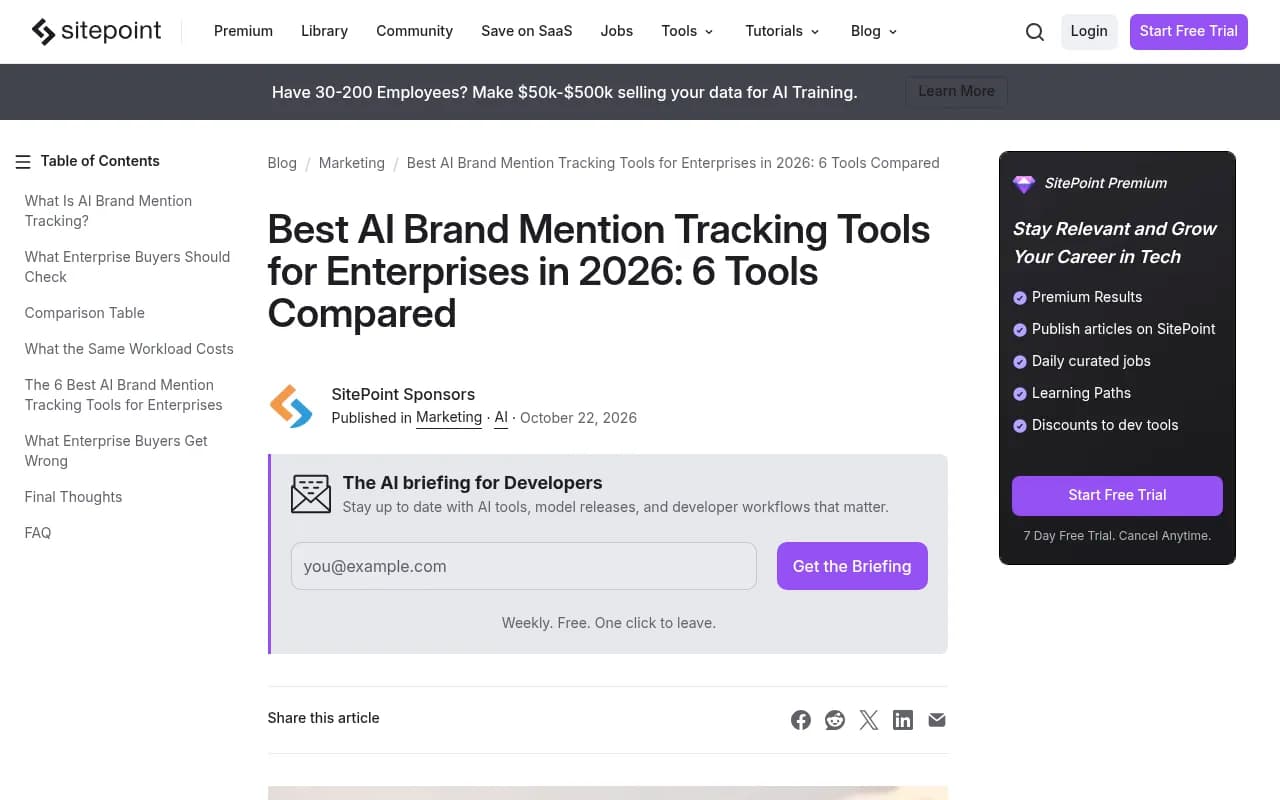
SitePoint's enterprise comparison is a useful reference for the plan-by-plan engine lists. It is where the AthenaHQ, Scrunch and Otterly coverage details above come from.
The best tools for tracking Meta AI and Copilot mentions
Promptwatch
Promptwatch is the one I would start with if you want more than a mention counter. It tracks Microsoft Copilot through the real interface, alongside ChatGPT, Gemini, Perplexity, Google AI Overviews, Claude and others, by country and language. The part that matters for personal assistants is what comes after the tracking. IP-verified crawler logs show which AI bots, including the Meta user agents (meta-webindexer, meta-externalagent, meta-externalfetcher, FacebookBot), are reading your pages and whether they hit errors. Citation analytics show which of your pages get used as sources, and visitor analytics tie AI traffic to conversions.
Then there is the action layer: an Action Board of prioritised fixes and a Content Agent that can write and publish content to WordPress, Webflow or Framer against your visibility gaps. Most trackers stop at monitoring.
Pricing starts with a free Explore tier (ChatGPT only), then Essential at $95/month with all models. Check promptwatch.com/pricing for current numbers, and confirm whether Meta AI is in the model list for the plan you want, since the engine lineup changes as new models launch.

Profound
Profound is the enterprise name most people mention first. Roundups list it across ten or more engines, including Copilot and Meta AI alongside ChatGPT, Perplexity, Claude, Gemini, Grok, DeepSeek and Google's AI surfaces. If Meta AI coverage is a hard requirement and budget is not the main constraint, it belongs on the shortlist. The trade-offs are price and the fact that it leans toward monitoring and analysis rather than doing the optimisation work for you.

AthenaHQ
AthenaHQ is reported to include eleven engines on its Starter plan, including Copilot, Meta AI, Claude, Grok, DeepSeek and Mistral. That is unusual: Meta AI on an entry plan is rare. It also adds BI-style dashboards and drafted follow-up work. Verify the current plan limits, because third-party summaries age quickly.
Scrunch AI
Scrunch's Core plan covers ChatGPT, Perplexity, Google AI Overviews and Microsoft Copilot, with a published entry price and five users. Meta AI arrives only with Enterprise, which also adds Claude, Gemini, Google AI Mode and Grok for nine engines in total. So it works well for Copilot on a modest budget, and for Meta AI only if you are going enterprise.
Otterly.AI
Otterly tracks ChatGPT, Google AI Overviews, Perplexity and Copilot on every plan, from about $29/month, with Gemini, Claude and AI Mode as paid add-ons. It also has a page-level GEO audit and a 7-day trial. It is a good fit for small teams who mostly care about Copilot and do not need Meta AI. I would not buy it expecting Meta AI coverage.

Peec AI
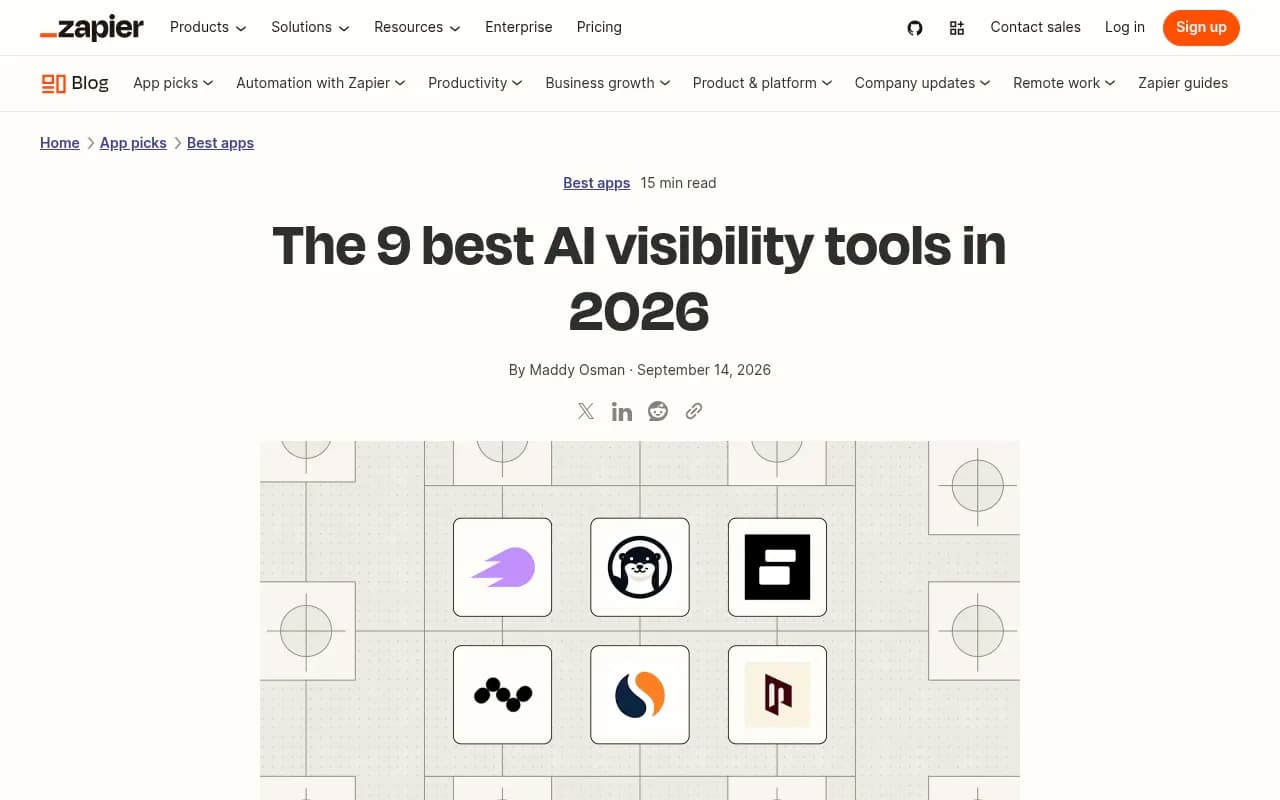
Peec AI is the pick when you work across many languages, and it gets regular praise in roundups for its suggestions. Zapier's guide lists it among the best for smart suggestions. Check its model list for Copilot and Meta AI coverage before buying.

Chatbeat and Mentionlytics
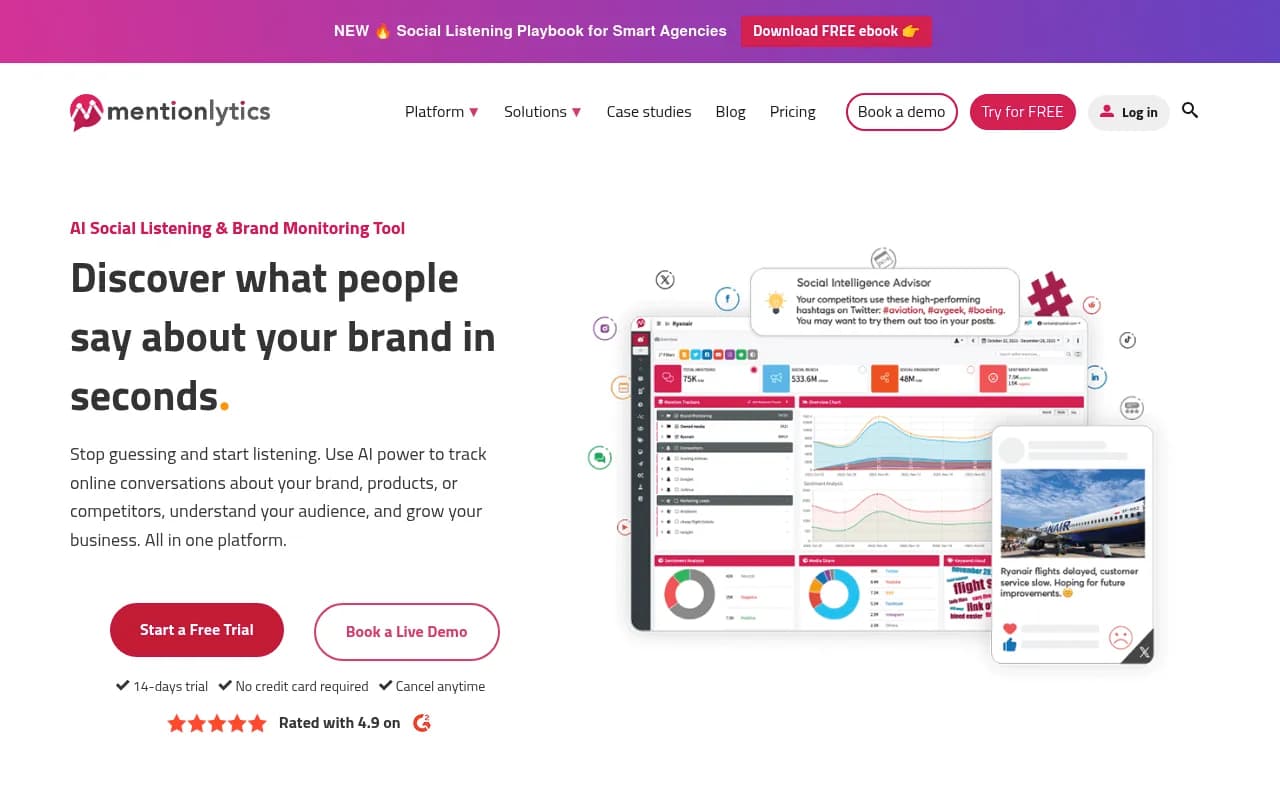
Chatbeat, covered in Brand24's roundup, tracks ChatGPT, Gemini, Claude, Perplexity, Grok, DeepSeek, Copilot and AI Overviews from around $99/month, with brand score and average position. Mentionlytics bolts an AI-visibility view onto a social listening product, covering ChatGPT, Perplexity, Copilot, Gemini and AI Overviews. Neither lists Meta AI in the sources I reviewed.
Where traditional brand monitoring still fits
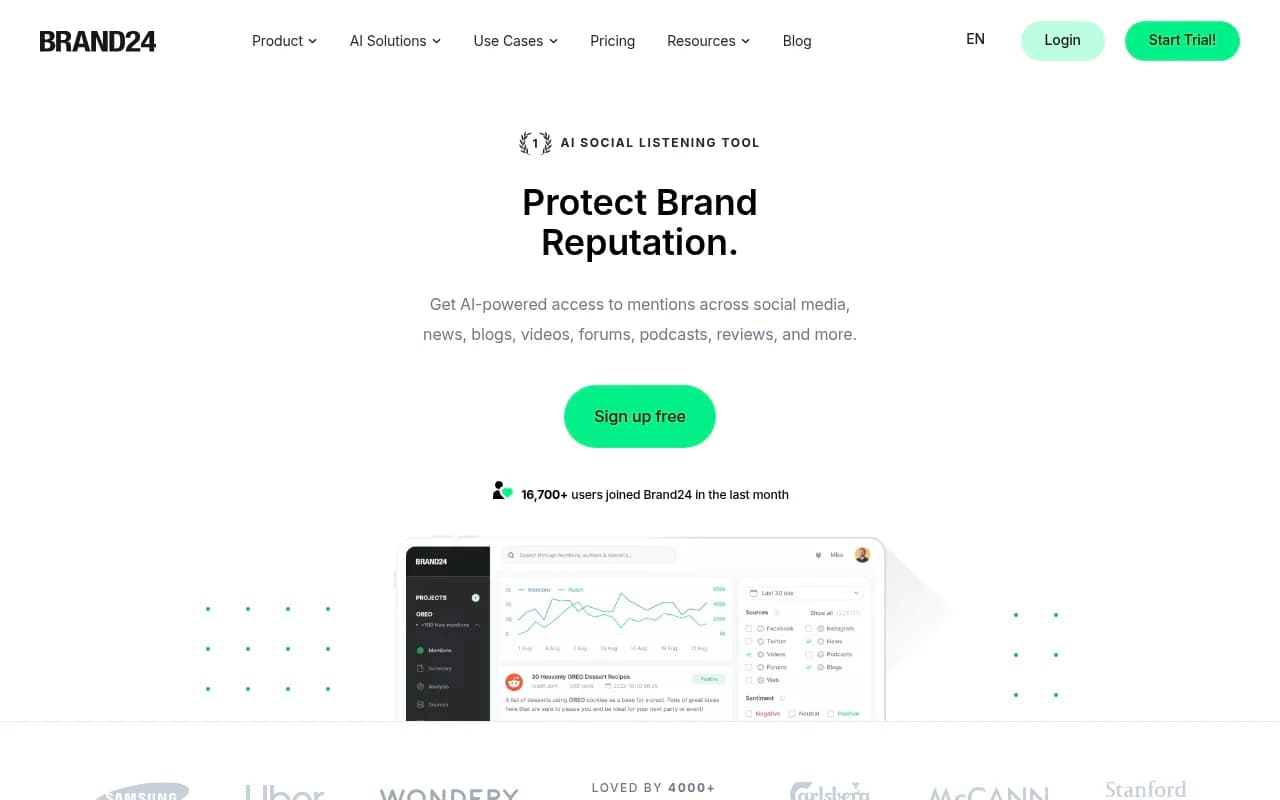
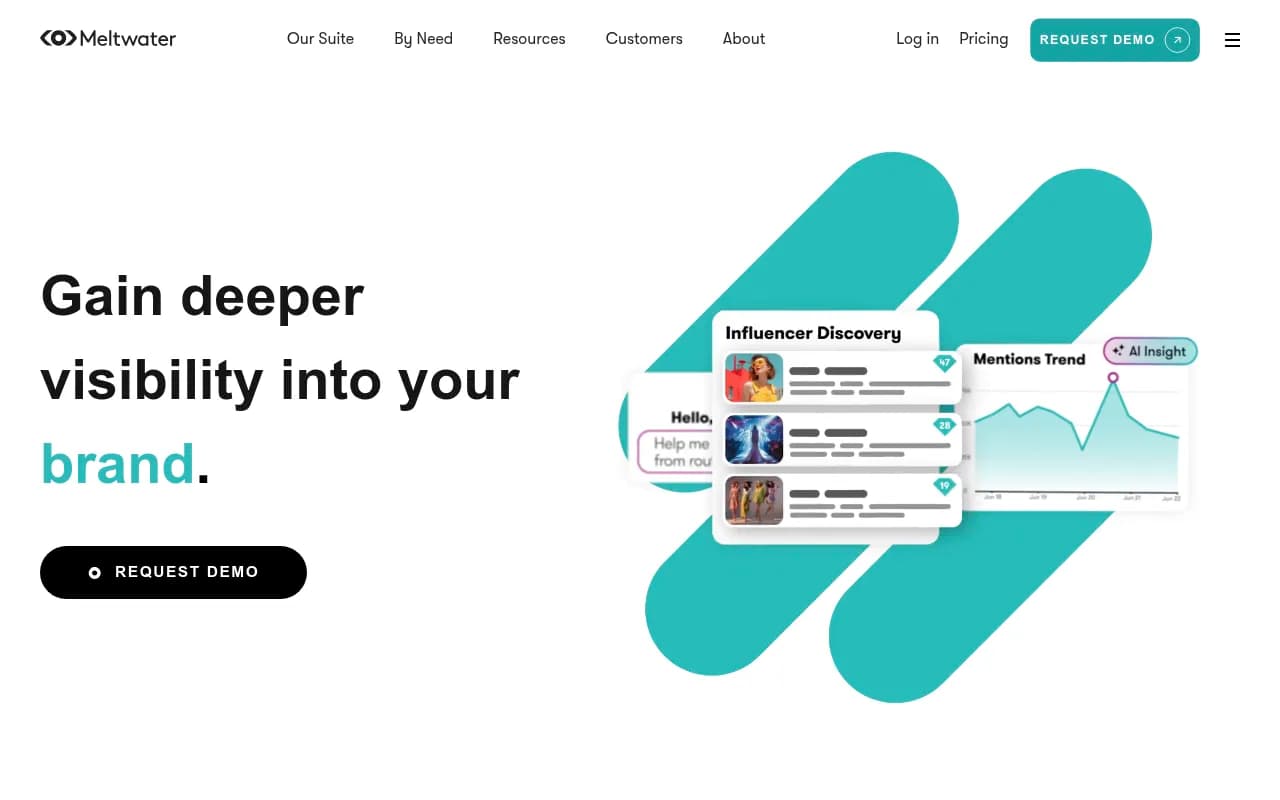
Social listening tools such as Brand24, Meltwater, Mention and Awario do not see inside an AI answer. But they still matter, because the pages and posts AI assistants draw from are often the same ones these tools surface: news, reviews, forums and blogs. Brand24 covers 25M+ sources from $199/month, and Meltwater has an AI assistant of its own, but neither tells you what Meta AI said about you.
One caution on social sources. Promptwatch's October 2026 social citation data (Sep 28 to Oct 4) shows ChatGPT drawing only 0.46% of its citations from social platforms, while Google AI Overviews draws 12.2% and Perplexity 2.7%. That report does not cover Meta AI or Copilot, so do not assume either behaves like ChatGPT. It does show that engines differ enormously, which is the whole argument for tracking each one separately.
Budget and specialist options
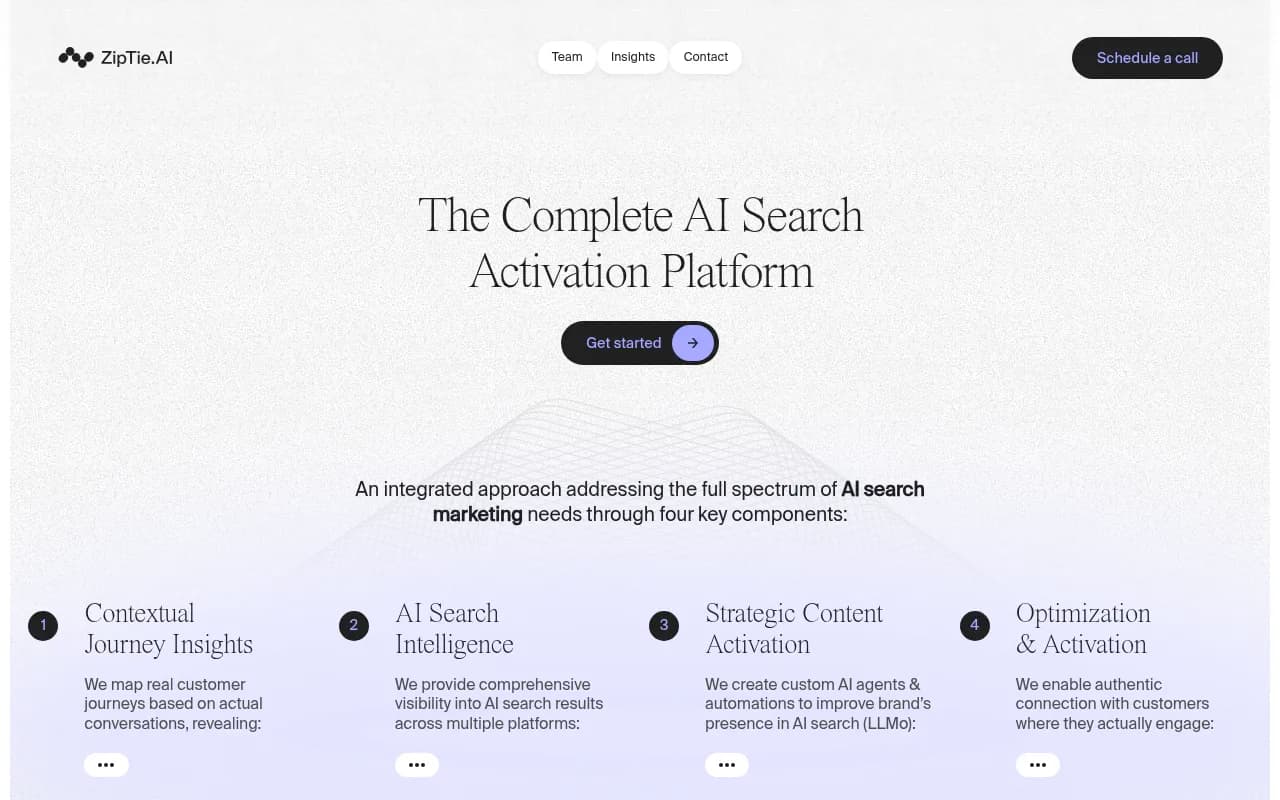
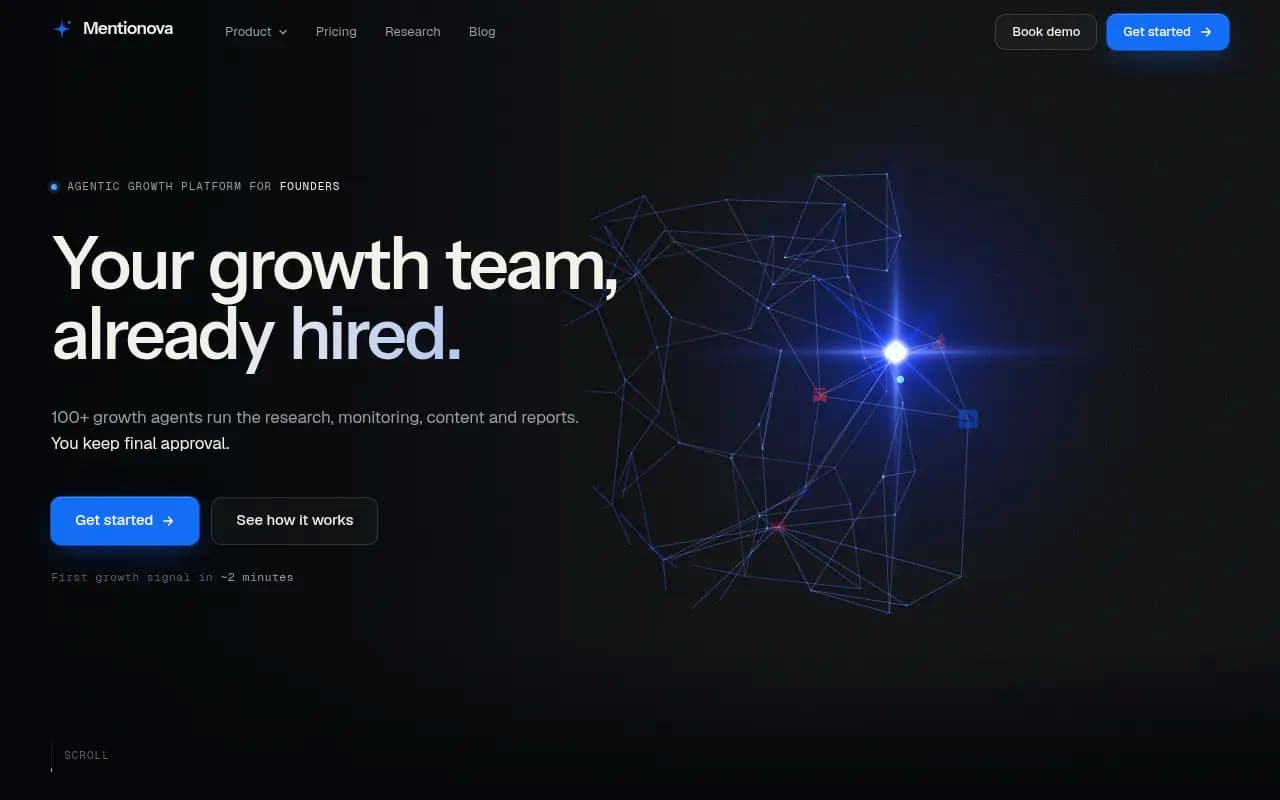
If you want to experiment before committing to a bigger platform, the directory has plenty of lighter options. ZipTie is aimed at deep analysis and reporting, Mentionova covers six engines with Reddit workflows, and Peasy, Airefs and BrandAxis target low budgets. Always check engine lists, since many of these cover ChatGPT, Perplexity, Gemini and Claude but skip Meta AI and sometimes Copilot.
For a wider look, the GEO software directory at bestgeosoftware.com and the AI rank tracker listings at ai-rank-tools.com are good places to compare more options.
How to set up monitoring that works
1. Build a prompt set around real questions
Start with 30 to 50 prompts: category questions ("best payroll software for a 200-person company"), comparison prompts, and branded prompts. Meta AI users ask short, conversational questions, so write prompts the way someone would type them in WhatsApp, not the way an SEO would phrase a keyword.
2. Track each assistant separately
Do not blend Meta AI, Copilot and ChatGPT into one score. Look at visibility, position, sentiment and share of voice per engine. Low share of voice is a coverage problem. Late position is a prominence problem. Mentions without citations to your own site usually point to a content or crawlability issue.
3. Check your crawler access
If an assistant cannot read your site, it cannot cite it. Review robots.txt and server logs for the Meta agents listed above, and for Bingbot, since Copilot draws on Microsoft's search stack. Be aware that Meta's crawl volume triggered server-load alerts on some independent sites, so decide deliberately rather than blocking by reflex.
4. Fix Bing before you worry about Copilot
Submit your sitemap in Bing Webmaster Tools, confirm indexing, and check where you rank for the questions you care about. This is the cheapest Copilot improvement most sites have not made.
5. Review monthly, not daily
Given how much Copilot's citation behaviour has swung, daily dashboards will mislead you. Compare month over month, and annotate known engine changes.
Which tool for which situation
| Situation | Suggested starting point |
|---|---|
| You want monitoring plus crawler logs, citations and content fixes | Promptwatch |
| Meta AI coverage is mandatory and budget is flexible | Profound or AthenaHQ |
| Copilot is the priority, budget is tight | Otterly.AI or Scrunch Core |
| You already run social listening and want light AI add-on | Mentionlytics |
| Agency managing many clients | Promptwatch agency plans (Kick-off from $199/month) |
If you need hands-on help
Picking a tool is the easy part. Interpreting the data and changing content, technical setup and PR is where teams stall. Agencies that cover both classic SEO and generative engine optimisation can take that on. 1001 SEO Media is one example, and it uses Promptwatch for its own AI visibility work.
Final thoughts
Meta AI is the weak spot of the whole category. Few tools cover it, those that do often gate it by tier, and its retrieval is changing fast. Copilot is easier: nearly every serious tracker supports it. My advice: pick a tool whose engine list you have verified on the specific plan, run a 7-day trial where one exists, and use the first month to see which assistants actually mention you. If crawler logs and citation data show Meta or Copilot reading your pages but not citing them, you have a content problem you can fix. If they are not reading you at all, fix access first.