Key takeaways
- Profound is a well-built AI visibility monitoring platform, but it's primarily a dashboard -- it shows you where you're invisible in AI search, then leaves you to figure out the rest.
- Promptwatch covers the same monitoring ground and goes further: answer gap analysis, AI content generation, crawler logs, Reddit/YouTube tracking, and traffic attribution in one platform.
- The price difference is real. Profound targets mid-market and enterprise budgets. Promptwatch's Professional plan starts at $249/month with content generation included.
- Teams switching aren't unhappy with Profound's data quality -- they're frustrated by the workflow gap between "here's what's missing" and "here's how to fix it."
- If your team needs a monitoring-only dashboard and has a separate content operation, Profound still works. If you want one platform that closes the loop, Profound isn't it.
The honest context: Profound is actually good
Let's start here, because a lot of comparison articles skip this part. Profound is a genuinely capable platform. Its AI visibility tracking scores well across the board -- a recent LinkedIn review rated it 4.8/5 for AI visibility tracking and 4.7/5 for prompt and topic intelligence. It monitors major AI engines including ChatGPT, Gemini, Perplexity, Copilot, Grok, and Google AI Overviews. The prompt-level demand data is solid. The competitive analysis is real.

If you're an enterprise brand that wants AI discovery to show up in your dashboards and quarterly reports, Profound delivers that. It's not a toy. It's not a side tool. It's built for teams that treat AI search as a managed channel.
So why are teams leaving?
The answer isn't that Profound is bad. It's that the job has changed, and Profound's product hasn't kept up with what marketing teams actually need to do next.
What "monitoring-only" actually means in practice
Here's the workflow problem in plain terms.
You set up Profound. You connect your brand, configure your prompts, and start seeing data. After a few weeks, you have a clear picture: ChatGPT mentions your top competitor when someone asks about your category. Perplexity cites three industry blogs but not your site. Gemini recommends a product in your space and you're not in the list.
Now what?
Profound shows you the gap. It does not help you close it. There's no content generation, no brief creation, no crawler log to tell you whether AI engines are even reading your existing pages. You take the data, export it or screenshot it, and hand it off to your content team to figure out what to write. That handoff is where momentum dies.
This isn't a knock on Profound's data. The data is fine. The problem is that the data is the end of the product, not the beginning of a workflow.
One independent analysis noted that Profound costs 48% more than comparable alternatives and "only shows you visibility gaps -- it won't help you create the content to fix them." That's the crux of it.
What marketing teams actually need in 2026
The AI search landscape has shifted fast. As of mid-2026, most marketing teams aren't debating whether to track AI visibility -- they're already doing it. The question now is whether their tools help them act on what they find.
A few things have become table stakes:
- Knowing which prompts your competitors are winning that you're not
- Understanding why AI models aren't citing your pages (crawl errors? thin content? wrong structure?)
- Generating content that's actually engineered to answer those gaps, not just generic SEO articles
- Tracking whether that new content gets crawled, cited, and eventually drives traffic
Profound handles the first point reasonably well. It doesn't handle the others.
Where Promptwatch fits
Promptwatch was built around a different premise: visibility data is only useful if it connects to action. The platform is structured around three steps that repeat -- find gaps, create content, track results.

Answer gap analysis
Promptwatch's Answer Gap Analysis shows you the specific prompts where competitors are getting cited and you're not. Not just "you're less visible than Competitor X" -- the actual questions, the actual AI responses, and what's missing from your content that would change those responses. It's the same starting point as Profound, but the output is a prioritized list of content opportunities, not just a visibility score.
Content agents
This is the biggest functional difference. Promptwatch includes AI content agents that generate articles, listicles, comparisons, and content briefs grounded in real prompt data. These aren't generic AI writing tools. The briefs pull in citation data, prompt volumes, competitor analysis, screenshots of actual AI responses, and brand guidance you've uploaded. The output is content designed to answer the specific gaps AI models are already exposing.
Profound has no equivalent. When you find a gap in Profound, you're on your own for what to do about it.
Crawler logs and agent analytics
Promptwatch tracks AI crawlers hitting your site in real time -- which pages ChatGPT's crawler reads, which pages return errors, how often Perplexity's agent comes back, and when a page moves from "crawled" to "cited." This matters because a lot of AI visibility problems aren't content problems at all. They're crawl problems. Your page exists, it's well-written, and AI models still aren't citing it because their crawlers hit a redirect chain or a slow server response.
Profound doesn't offer this. Most competitors don't either.
Traffic attribution
Promptwatch connects AI citations to actual site traffic and revenue. You can see which AI-driven visits convert, not just which prompts mention your brand. For a marketing team trying to justify GEO investment to a CFO, this is the difference between "we're getting more citations" and "AI search drove 340 qualified visits last month that converted at 4.2%."
A direct feature comparison
| Feature | Profound | Promptwatch |
|---|---|---|
| AI visibility monitoring | Yes (strong) | Yes |
| Prompt volume / difficulty scoring | Yes | Yes |
| Competitor visibility comparison | Yes | Yes |
| Answer gap analysis | Limited | Yes (core feature) |
| Content generation / briefs | No | Yes (Content Agents) |
| AI crawler logs | No | Yes |
| Traffic attribution | No | Yes |
| Reddit / YouTube tracking | No | Yes |
| ChatGPT Shopping tracking | No | Yes |
| Offsite citation analysis | Limited | Yes |
| Multi-language / multi-region | Yes | Yes |
| Starting price | Enterprise pricing | $99/mo (Essential) |
| Free trial | Yes | Yes |
The table tells the story. Profound and Promptwatch overlap significantly on monitoring. Promptwatch extends into the territory Profound leaves blank.
The pricing reality
Profound positions itself as an enterprise platform. That's not a criticism -- it's a deliberate product decision. But it means the pricing reflects enterprise expectations. Teams that don't have enterprise budgets are paying for capabilities they could get elsewhere at a fraction of the cost, without the content workflow gap.
Promptwatch's pricing is more accessible:
- Essential: $99/month (1 site, 50 prompts, 5 articles)
- Professional: $249/month (2 sites, 150 prompts, 15 articles, crawler logs, city-level tracking)
- Business: $579/month (5 sites, 350 prompts, 30 articles)
- Agency/Enterprise: custom
For a mid-sized marketing team running two or three brand properties, the Professional plan covers the monitoring and the content generation in one budget line. With Profound, you'd pay for the monitoring and then separately fund the content operation to act on it.
Who should actually stay on Profound
This isn't a "Profound is bad, everyone should leave" argument. There are real cases where Profound makes sense.
If you're a large enterprise with a dedicated content team that already has its own production workflow, Profound's monitoring data integrates into that workflow without friction. The data quality is high, the reporting is polished, and the platform is built for the kind of structured planning cycles that enterprise marketing teams run.
If your primary need is executive-level reporting on AI share of voice -- the kind of dashboard that goes into a board presentation -- Profound's interface is designed for that.
If you have a separate SEO team, a separate content team, and a separate analytics team, the workflow gap between Profound's data and your content operation might not feel like a gap at all. It's just a handoff between departments.
But if you're a leaner team -- a marketing team of five to fifteen people, an agency managing multiple clients, a brand that needs one platform to cover monitoring and optimization -- Profound's structure works against you. You end up paying for data you can't act on inside the tool.
What the switch actually looks like
Teams moving from Profound to Promptwatch typically go through a few phases.
The first week is mostly setup: connecting sites, importing prompt lists, configuring personas. Promptwatch supports the same monitoring setup as Profound, so existing prompt tracking transfers without much friction.
By week two or three, the Answer Gap Analysis starts producing actionable output. Teams see the specific prompts where competitors are winning, with enough context to understand why -- what those competitors' pages say, how AI models are framing the topic, what's missing from the brand's current content.
The content agents start running in parallel. A brief gets generated, reviewed, edited, and published. Crawler logs show whether AI agents pick it up. A few weeks later, citation tracking shows whether the new content is being referenced in AI responses.
That cycle -- gap, content, track -- is what most teams mean when they say they switched because Promptwatch "actually does something." Profound shows you the problem. Promptwatch is built to solve it.
A few alternatives worth knowing
Promptwatch and Profound aren't the only options in this space. Depending on your specific needs, a few other tools are worth a look.
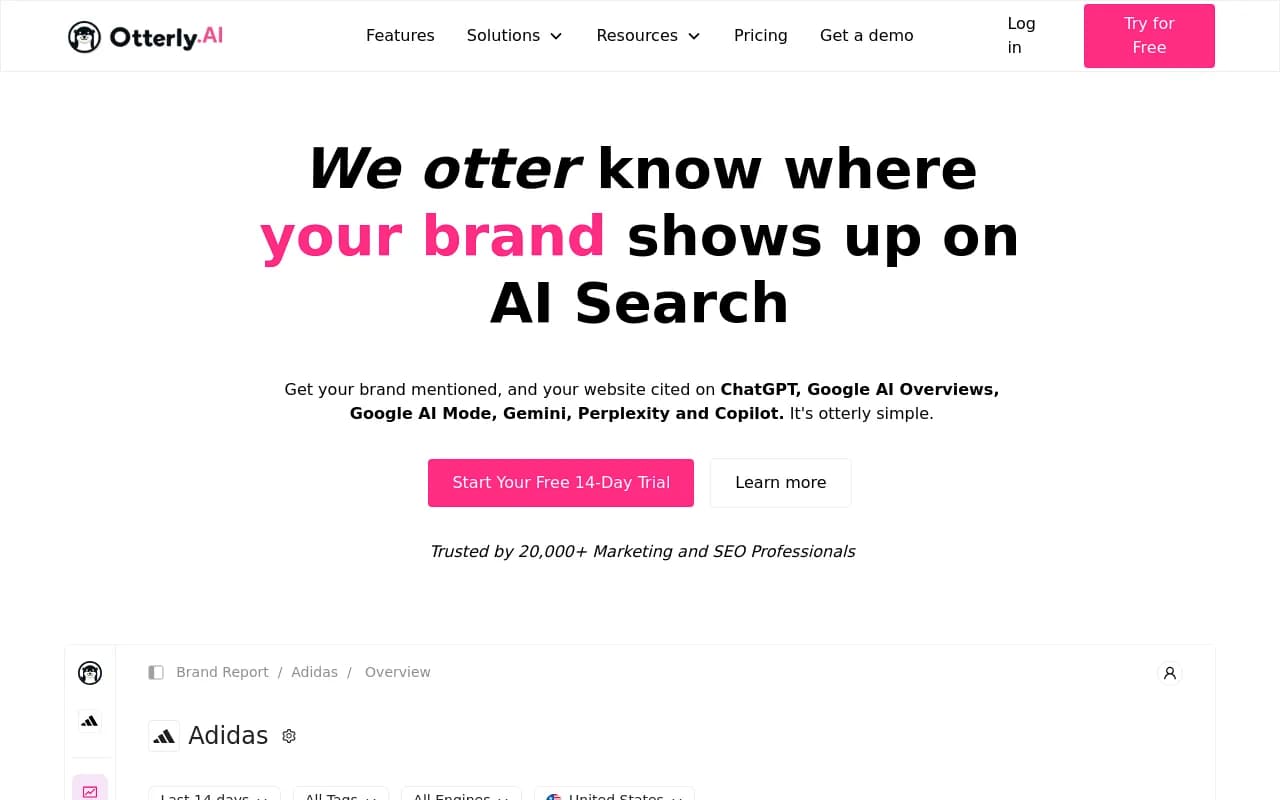
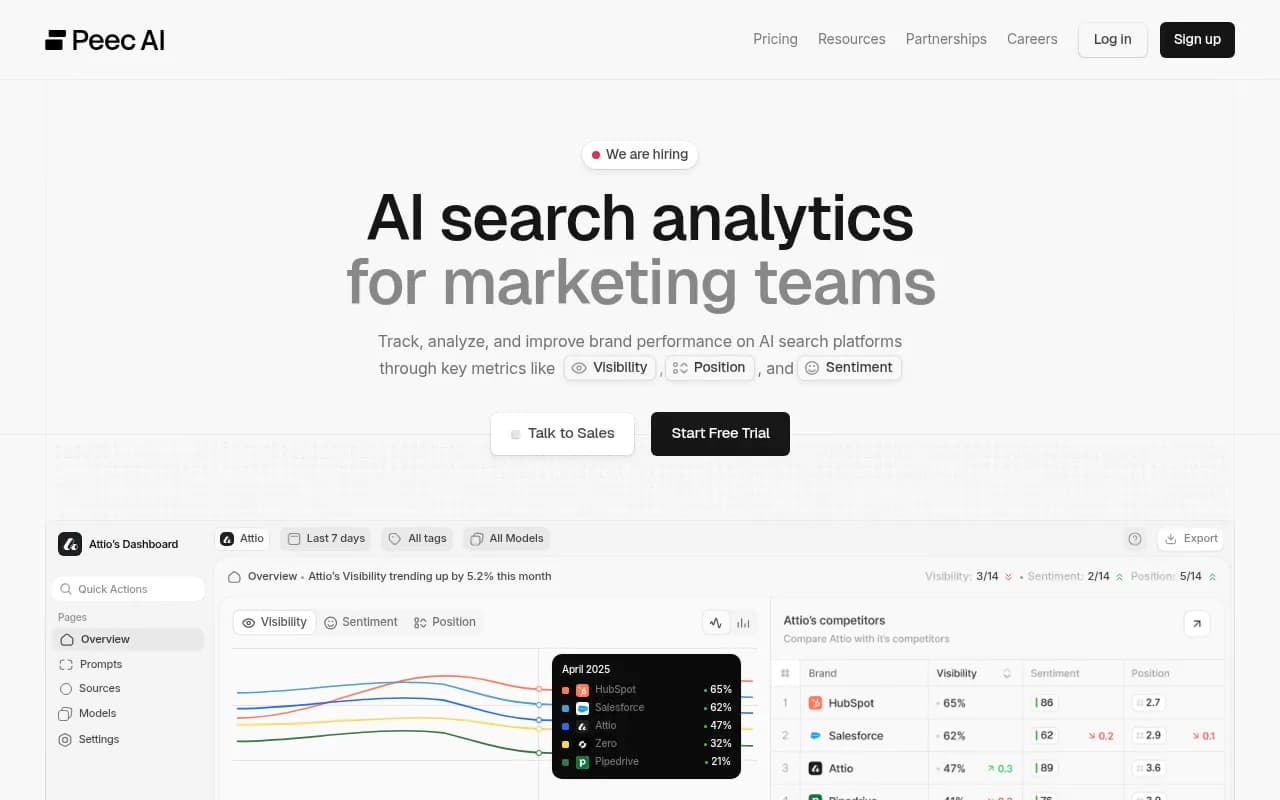
If budget is the primary constraint and you just need basic monitoring without content generation, Otterly.AI and Peec.AI both offer entry-level tracking at lower price points.
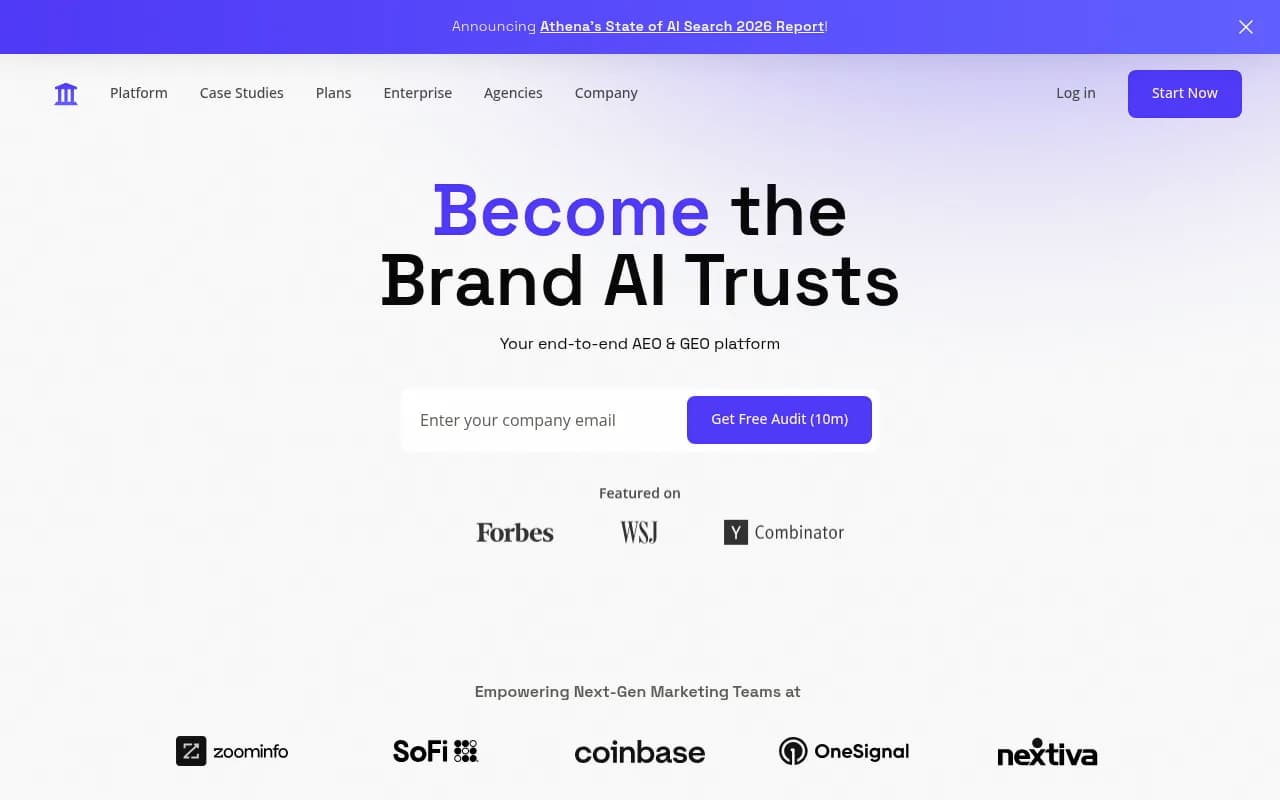
If you're an agency managing multiple client accounts, AthenaHQ has a reasonable multi-brand monitoring setup, though it's still monitoring-only.
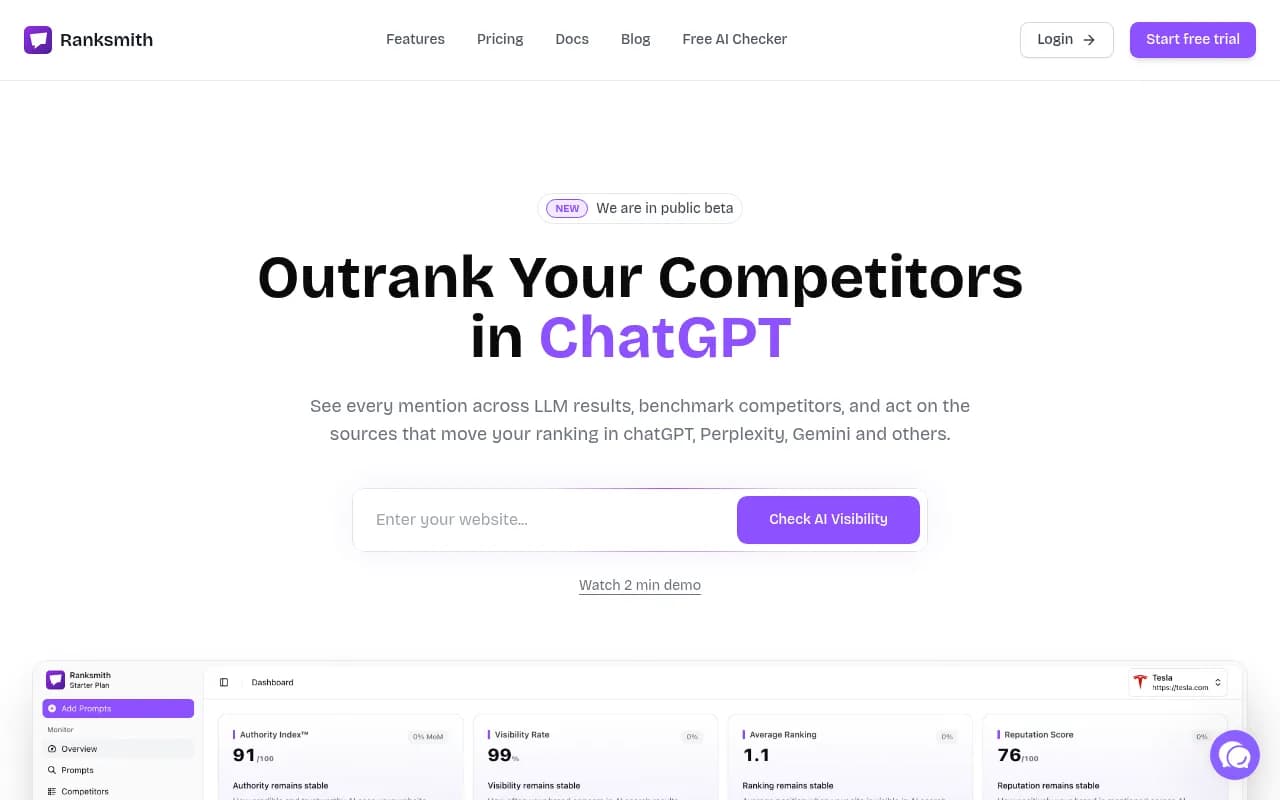
For teams that want the monitoring-plus-content approach but at a different price point, Ranksmith offers actionable AI visibility insights worth evaluating.
None of these fully replicate what Promptwatch does with crawler logs and content agents, but they're honest alternatives depending on your use case.
The bottom line
Profound built a solid monitoring platform for a world where "knowing your AI visibility" was the goal. In 2026, knowing isn't enough. The teams winning in AI search are the ones who can find gaps, create content that closes them, and track whether it worked -- all without a three-department handoff in between.
That's the real reason teams are switching. Not because Profound's data is wrong. Because the data alone doesn't get the work done.
If your team is evaluating the switch, the free trial on Promptwatch is the fastest way to see whether the content generation and crawler logs actually change your workflow. Run both platforms in parallel for a month. The difference in what you can act on will be obvious.