Key takeaways
- Searchable offers solid AI visibility monitoring basics, but it lacks several capabilities that matter most in 2026: content generation, crawler log analysis, Reddit/YouTube tracking, and ChatGPT Shopping monitoring.
- The platform is primarily a monitoring dashboard. It shows you where you're invisible but doesn't help you fix it.
- Prompt data depth is limited compared to platforms that track real user-facing AI responses rather than API outputs.
- For teams that just need a quick visibility snapshot, Searchable is fine. For teams that want to actually move the needle, the gaps add up fast.
- Several alternatives cover the same monitoring ground while also offering optimization workflows.
There's a pattern with GEO tool reviews in 2026. Someone signs up, takes a few screenshots of the dashboard, and writes "great UI, easy to use, tracks ChatGPT and Perplexity." That's not a review. That's a product tour.
Searchable gets a lot of that treatment. It's a reasonably polished platform, it has a real customer base, and it does some things competently. But if you're evaluating it seriously, you deserve to know where it falls short, not just what the landing page says.
So here's the honest version.
What Searchable actually does well
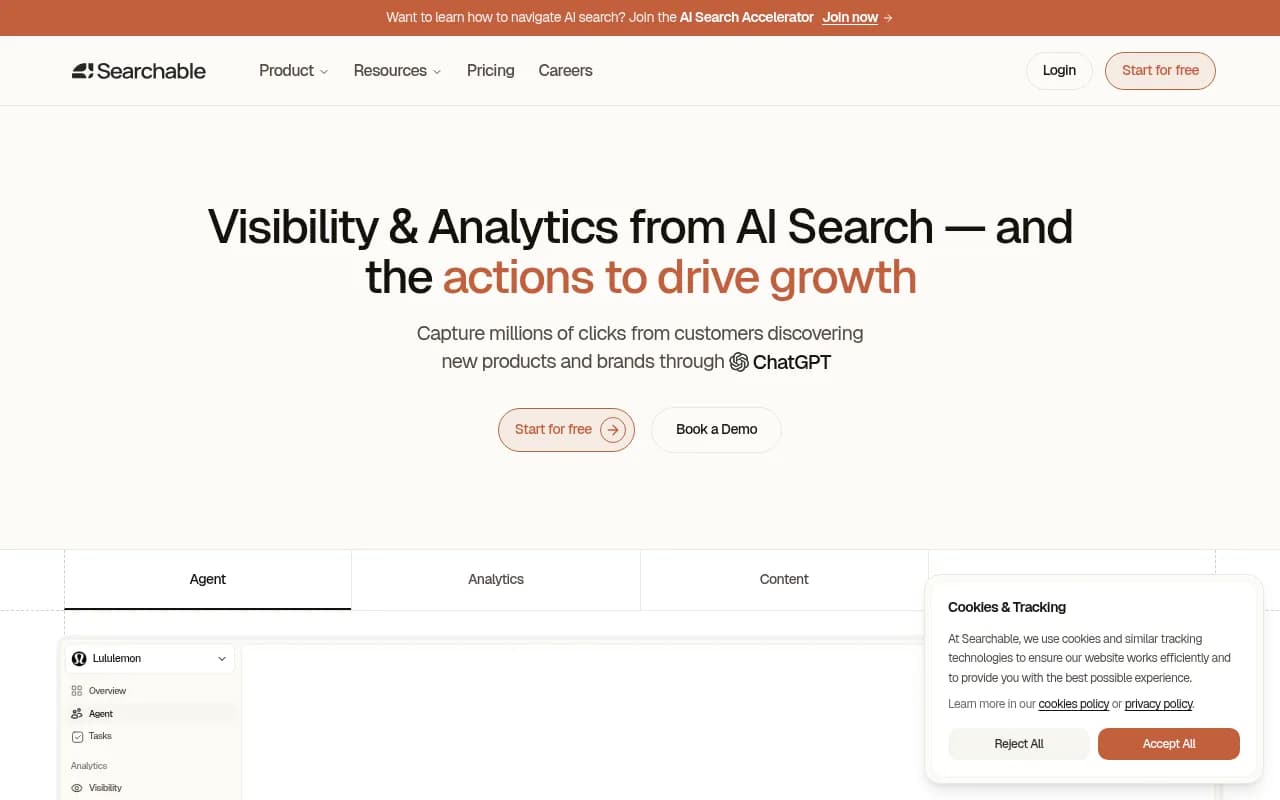
Before getting into the gaps, it's worth being fair. Searchable does cover the basics of AI visibility monitoring. You can track brand mentions across a handful of AI models, set up prompt tracking, and get a general sense of how often your brand appears in AI-generated responses.
The interface is clean. Onboarding is relatively quick. For a marketing team that's just starting to think about AI search visibility and wants something they can set up in an afternoon, it's not a bad starting point.
It also covers multiple AI models, which matters now that users are spread across ChatGPT, Perplexity, Gemini, and others. Knowing you're visible in one but invisible in three others is genuinely useful information.
That's the honest upside. Now for the parts that don't make it into the marketing copy.
The monitoring-only problem
This is the biggest issue with Searchable, and it's one that applies to a lot of tools in this space. The platform tells you where you stand. It doesn't help you change where you stand.
In 2026, that's a meaningful distinction. AI search visibility isn't static. Models update their training data, citation patterns shift, and competitors who are actively publishing content engineered for AI responses will outpace brands that are just watching their scores.
Searchable gives you a dashboard. What it doesn't give you is:
- Content gap analysis that shows which specific prompts competitors are winning that you're not
- Content generation tools to actually create the articles, comparisons, or listicles that fill those gaps
- Briefs grounded in real prompt data, citation patterns, and competitor analysis
Monitoring without optimization is like checking your weight every morning without changing anything else. The number is useful, but it's not doing the work.
Platforms like Promptwatch have built their entire workflow around this problem. The idea is that you find the gaps, generate content to fill them, and then track whether that content starts getting cited. That loop is what actually moves visibility scores.

Crawler logs: a missing piece most reviews ignore
One of the more underrated capabilities in AI visibility tooling right now is AI crawler log analysis. This is the ability to see when AI crawlers (ChatGPT's bot, Perplexity's crawler, Claude's indexer) actually visit your site, which pages they read, how often they return, and whether those visits eventually turn into citations.
Searchable doesn't offer this.
That matters for a few reasons. First, if an AI crawler is hitting your site and encountering errors, you won't know. Your content could be technically inaccessible to AI indexing and your monitoring dashboard would just show low visibility with no explanation why.
Second, the timeline from "AI crawler visits page" to "AI model cites page" is something you can actually track and optimize for. Knowing that a page was crawled three weeks ago but still isn't being cited tells you something specific about the content quality or structure. Without crawler logs, you're guessing.
This is a gap that most monitoring-only tools share. It's not unique to Searchable, but it's worth naming.
Prompt data: API outputs vs. real user-facing responses
Here's something that doesn't get discussed enough. There's a meaningful difference between querying an AI model through its API and observing how that model actually responds in its user-facing interface.
AI models like ChatGPT and Perplexity can behave differently depending on context, interface, and the specific product surface. Shopping recommendations in ChatGPT's interface, for example, can differ from what you'd get through the API. The same is true for AI Overviews in Google Search, which are rendered differently than a direct Gemini API call.
If a platform is only querying models via API to build its monitoring data, there's a real risk that what you're seeing doesn't reflect what your actual customers are seeing.
This is a nuance worth asking any platform vendor about directly. The honest answer from Searchable on this point isn't fully clear from public documentation, which itself is a yellow flag.
Reddit and YouTube: the invisible citation layer
In 2026, AI models don't just cite brand websites. They cite Reddit threads, YouTube videos, forums, and third-party review content. This has been documented extensively, including in research from Lily Ray and others tracking how Google's algorithm and AI systems weight user-generated content.
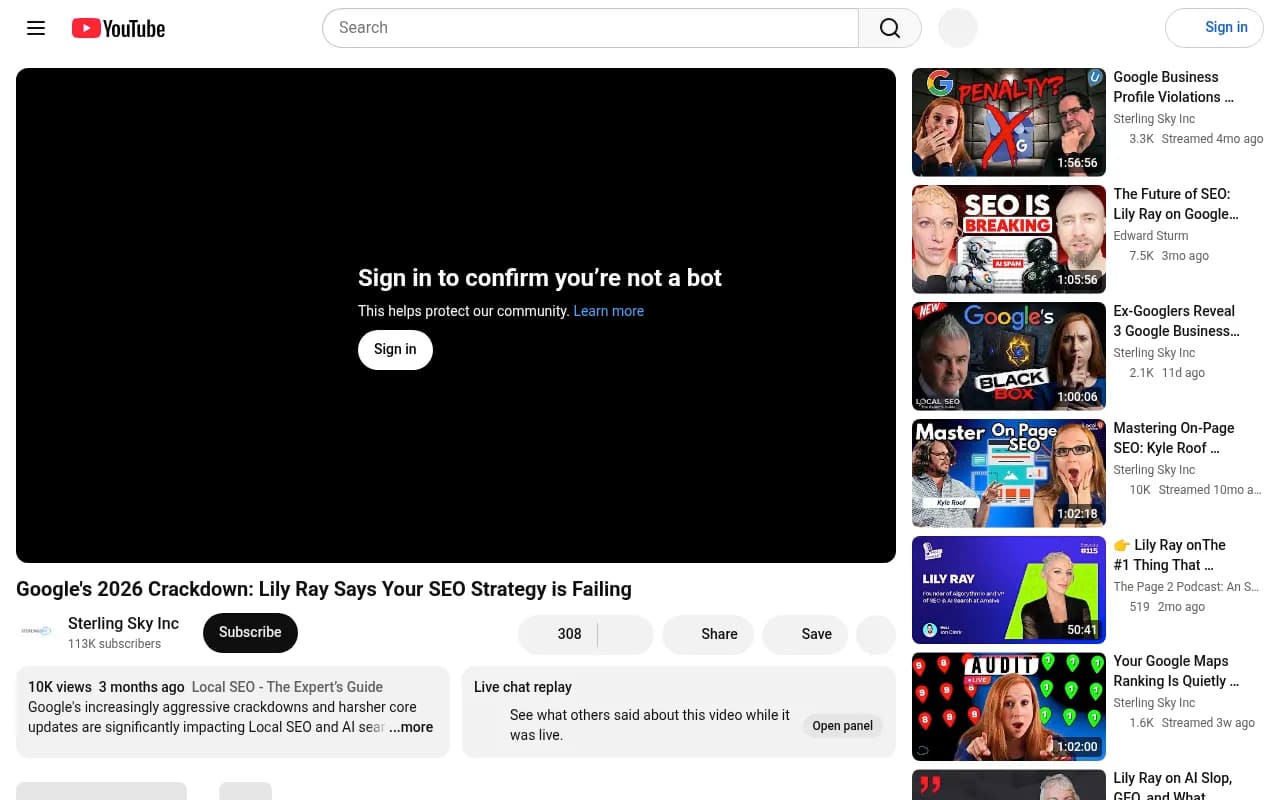
If an AI model is recommending your competitor because a Reddit thread from eight months ago praised them, you need to know that. You need to know which Reddit posts are driving AI citations, which YouTube videos are being surfaced, and whether any of that off-site content mentions you favorably or not at all.
Searchable doesn't track this layer. It focuses on your own domain's visibility, not the broader citation ecosystem that influences AI responses.
This is a real gap. Off-site citation analysis is one of the more powerful levers in GEO right now, and skipping it means you're only seeing part of the picture.
ChatGPT Shopping: not on the radar
ChatGPT's shopping and product recommendation features have become a meaningful traffic and revenue channel for e-commerce and consumer brands. When someone asks ChatGPT "what's the best project management tool" or "which running shoes should I buy," the model often surfaces specific products with citations.
Searchable doesn't monitor this. If your brand is being recommended (or not recommended) in ChatGPT's shopping responses, you won't know from Searchable's dashboard.
For B2B SaaS or service businesses, this might not be a dealbreaker today. For any brand selling physical products or competing in high-consideration consumer categories, it's a significant blind spot.
Prompt intelligence: volume and difficulty
Not all prompts are worth tracking. Some are high-volume queries where AI models are already forming strong citation habits. Others are low-competition prompts where a single well-written article could get you cited consistently.
Good GEO strategy requires knowing the difference. Prompt volume estimates and difficulty scores let you prioritize. You focus on prompts that are winnable and worth winning, rather than spreading effort across hundreds of queries with no strategic logic.
Searchable's prompt tracking is relatively basic on this dimension. You can set up prompts to monitor, but the platform doesn't give you much help deciding which prompts to care about.
This is where prompt intelligence tooling earns its keep. Knowing that a particular question gets asked 40,000 times a month and has low citation competition is actionable. Knowing that you're not appearing in a response is just a data point.
Multi-language and multi-region limitations
If your business operates in multiple markets, you need AI visibility data that reflects how models respond in different languages and regions. An AI model's response to a query in German may cite completely different sources than the same query in English.
Searchable's multi-language and multi-region support is limited. For global brands or agencies managing international clients, this is a practical constraint that will show up quickly.
How Searchable compares to the broader market
To put this in context, here's how Searchable stacks up against some of the other platforms in this space on the capabilities that matter most:
| Capability | Searchable | Otterly.AI | Peec AI | AthenaHQ | Promptwatch |
|---|---|---|---|---|---|
| AI model monitoring | Yes | Yes | Yes | Yes | Yes (10 models) |
| Content gap analysis | Limited | No | No | Limited | Yes |
| Content generation | No | No | No | No | Yes |
| Crawler log analysis | No | No | No | No | Yes |
| Reddit/YouTube tracking | No | No | No | No | Yes |
| ChatGPT Shopping tracking | No | No | No | No | Yes |
| Prompt volume/difficulty | No | No | No | No | Yes |
| Off-site citation analysis | No | No | No | No | Yes |
| Multi-language/region | Limited | Limited | Yes | Limited | Yes |
| Traffic attribution | No | No | No | No | Yes |
The pattern is clear. Most tools in this category, Searchable included, are monitoring dashboards. They show you data. Promptwatch is the outlier that's built around doing something with that data.



Who Searchable actually makes sense for
Despite the limitations above, there are real use cases where Searchable is a reasonable choice:
If you're a small team or solo marketer who just wants a basic read on whether your brand is appearing in AI responses, and you don't need content optimization or deep analytics, Searchable gives you that without a steep learning curve.
If you're in an early evaluation phase and want to understand what AI visibility monitoring even looks like before committing to a more capable platform, Searchable is a low-friction way to get oriented.
If your budget is constrained and you're choosing between some monitoring and no monitoring, some monitoring wins.
But if you're running a marketing team that's serious about AI search as a channel, or an agency managing multiple clients, the gaps in Searchable's feature set will become friction points. You'll end up exporting data and doing analysis elsewhere, or paying for additional tools to cover what Searchable doesn't.
What to look for instead
If Searchable's limitations are dealbreakers for your use case, here are some directions worth exploring:
For teams that want monitoring plus content optimization in one place, Promptwatch covers the full loop: gap analysis, content generation, crawler logs, and citation tracking. It's the most complete platform in this category right now.
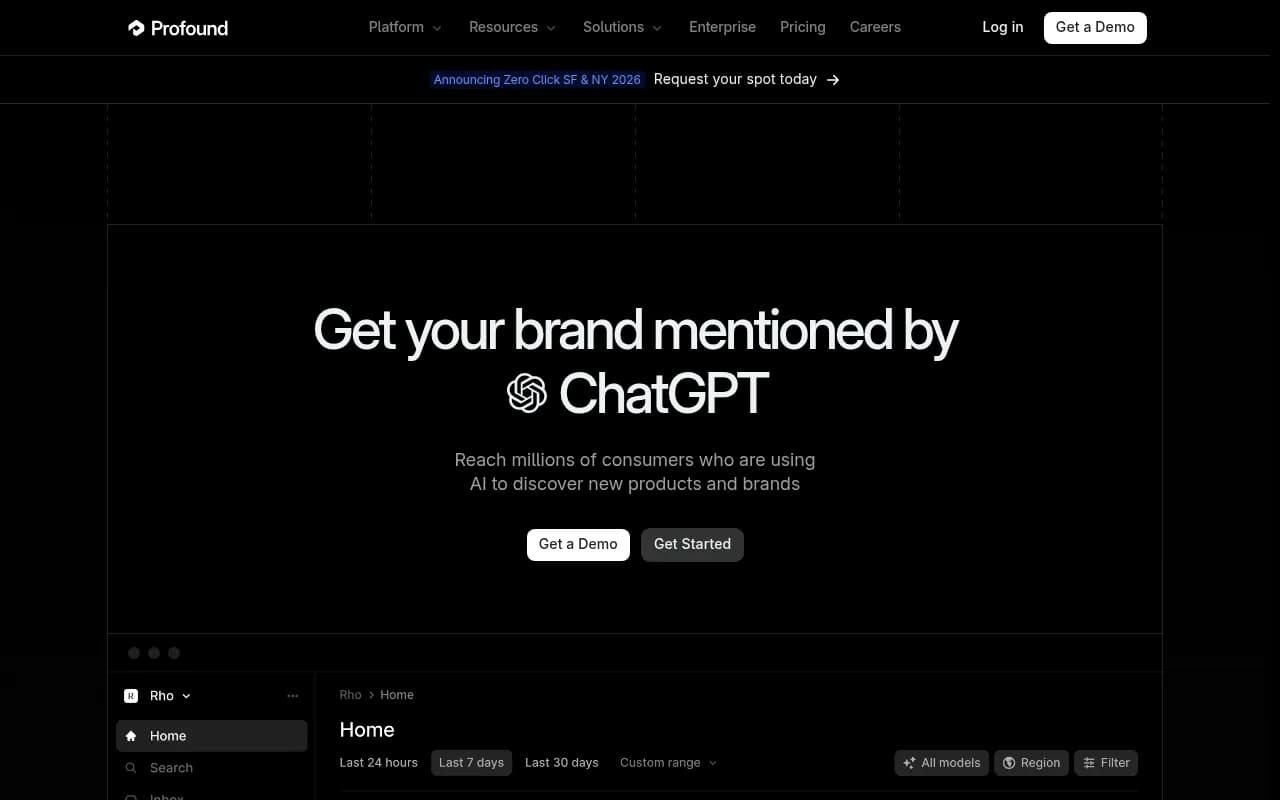
For teams focused specifically on competitor intelligence and share of voice, tools like Profound or AthenaHQ have stronger competitive analysis features, though they're also monitoring-heavy.
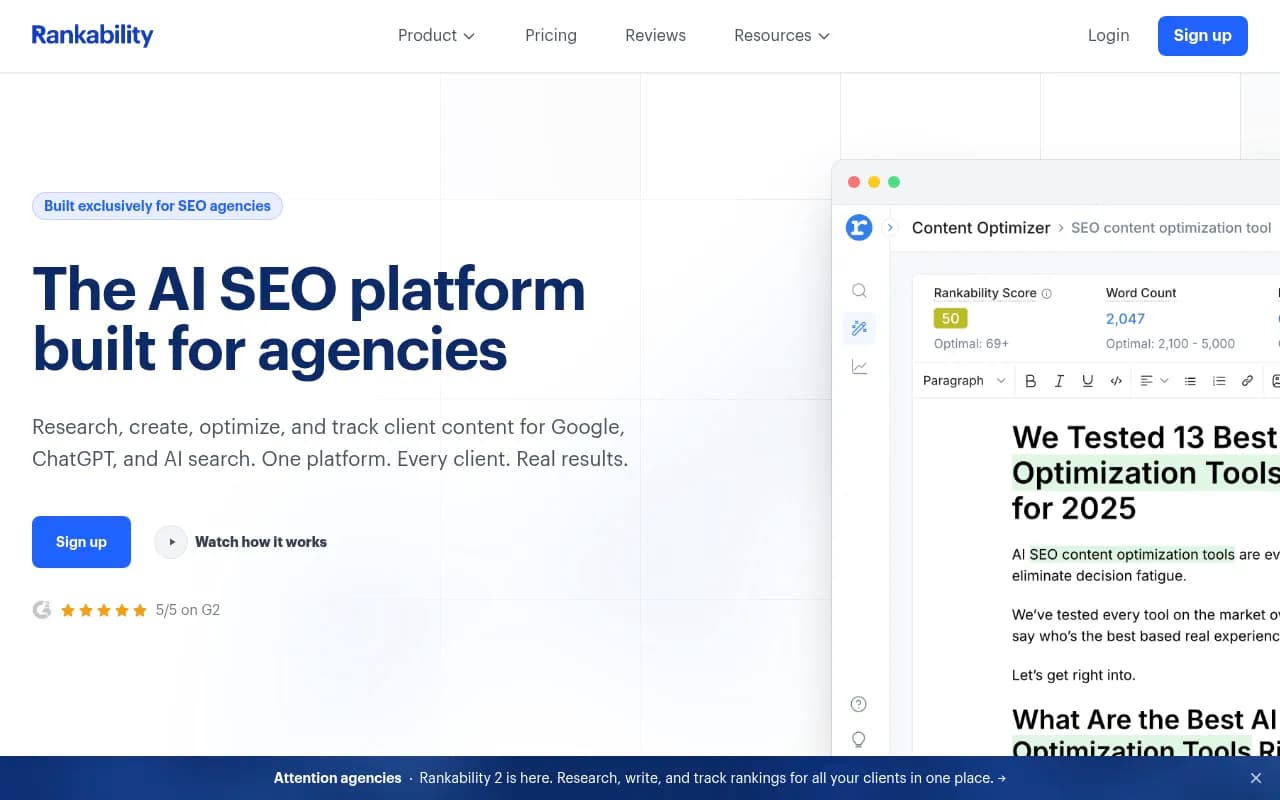
For agencies managing multiple clients who need white-label reporting and multi-site tracking, Search Party and Rankability are worth evaluating.
For teams that want something lightweight and affordable to start, Otterly.AI and Peec AI are honest monitoring tools without pretending to be more.
The bottom line
Searchable is a decent monitoring tool in a category that's moving fast. The problem isn't that it's bad. The problem is that in 2026, monitoring alone isn't enough.
AI search visibility is a channel you can actively optimize, not just observe. The brands that will win in AI search over the next 12-18 months are the ones that understand which content gaps exist, create content to fill them, and track the results at the page level. That's a workflow, not a dashboard.
Searchable shows you the score. It doesn't help you change it.
If that's enough for where you are right now, go ahead and use it. But if you're trying to actually move the needle, you'll want a platform built around the full optimization loop, not just the reporting end of it.