Summary
- AI search engines like ChatGPT, Perplexity, and Claude rely heavily on external signals (citations, mentions, third-party content) when deciding which brands to recommend
- You can build AI visibility without touching your website by focusing on where you're mentioned, not just what you publish
- The external signal strategy includes: getting cited in authoritative sources, building presence on Reddit and YouTube, earning structured mentions in comparison sites, and maintaining consistent brand signals across the web
- Tools like Promptwatch help you track which external sources AI models cite, so you know where to focus your efforts
- This approach works because AI models treat external validation as a trust signal -- if credible sources mention you, the AI assumes you're worth recommending
Why external signals matter more than you think
Here's the uncomfortable truth: your website might be perfectly optimized, but if nobody else talks about you, AI search engines won't either.
AI models don't just crawl your site and take your word for it. They synthesize information from across the web. When ChatGPT recommends a tool, it's not reading your homepage -- it's reading what other people say about you on Reddit, in comparison articles, in YouTube reviews, and in industry publications.
This is different from traditional SEO, where on-page optimization and backlinks to your domain were the primary levers. In AI search, the conversation happening about you matters as much as what you say about yourself.
LinkedIn's B2B team saw non-brand awareness traffic drop nearly 60% after Google's AI Overviews rolled out, even though their rankings stayed stable. The answers moved into the AI box, and users got what they needed without clicking through. The visibility shifted to whoever was being cited in those AI-generated summaries.
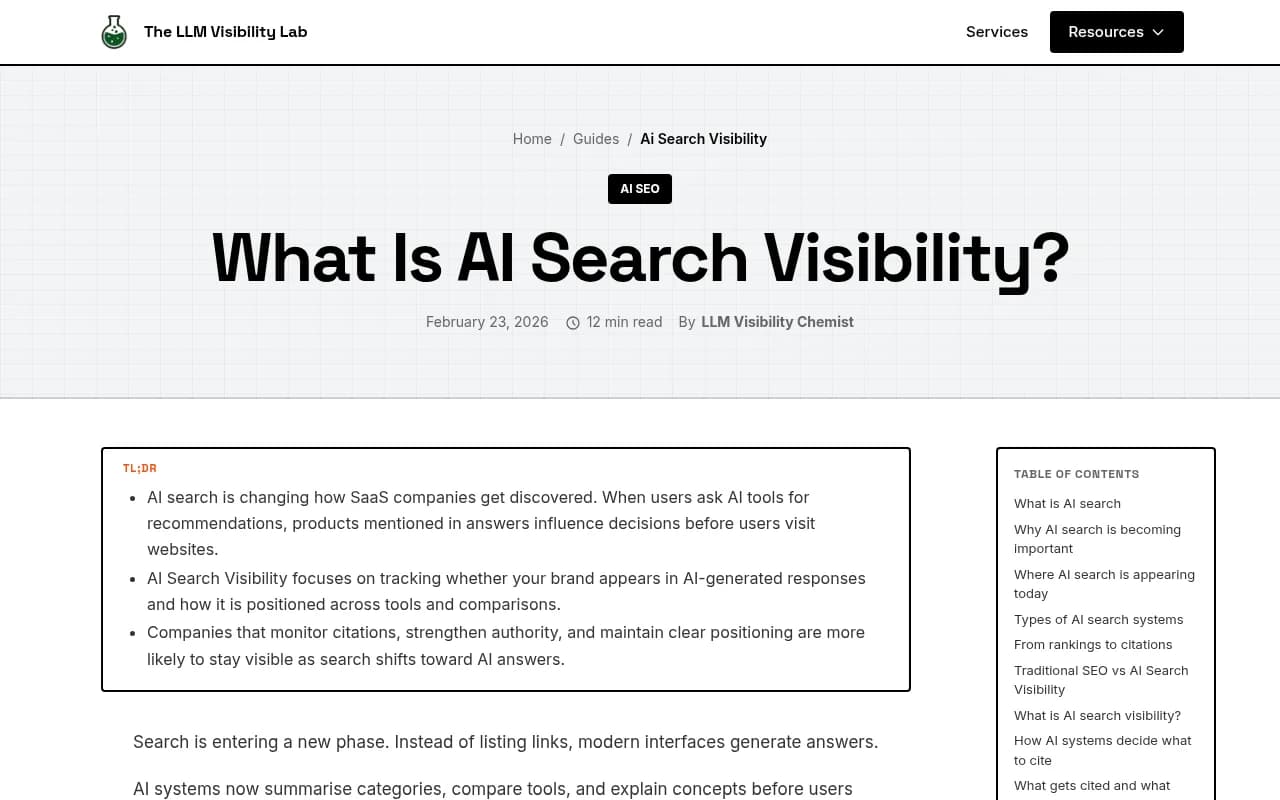
The shift is real. Over half of all searches are now zero-click searches -- users get answers from AI summaries without visiting websites. When your brand appears in those summaries, you shape perception before anyone even considers clicking.
What external signals actually are
External signals are any mention, citation, or reference to your brand that exists outside your own domain. They include:
- Citations in articles and guides: When a tech blog compares project management tools and mentions yours, that's a signal
- Reddit discussions: Threads where real users recommend your product in response to someone asking for advice
- YouTube reviews and tutorials: Videos that demonstrate your tool or compare it to alternatives
- Comparison sites and directories: Listings on sites like G2, Capterra, Product Hunt, or niche directories in your category
- Podcast mentions: When hosts or guests reference your brand in industry podcasts
- Social media discussions: Threads on X, LinkedIn, or niche communities where people talk about your product
- News coverage and press mentions: Articles in industry publications or mainstream media that reference your brand
AI models treat these as trust signals. If multiple credible sources mention you in the context of a specific use case, the AI infers that you're a legitimate option for that use case.
The key difference from backlinks: a backlink helps your domain authority in Google's eyes. An external mention helps your topical authority in an AI model's training data and retrieval context.

The external signal strategy: Four pillars
1. Get cited in authoritative content
AI models prioritize sources they trust. A mention in a well-researched guide on a high-authority site carries more weight than ten mentions on low-quality blogs.
Target these content types:
- Comparison articles: "Best X tools for Y" or "X vs Y vs Z" posts on sites like TechCrunch, The Verge, or niche industry blogs
- How-to guides: Tutorials that walk through solving a problem and mention tools along the way
- Case studies: Real-world examples where your product was part of the solution
- Expert roundups: Articles that quote industry experts, some of whom mention your brand
How to get these mentions:
- Pitch journalists and bloggers with a specific angle (not a generic "cover us" request). Example: "I noticed you're writing about remote team collaboration -- here's data from 500 teams using our tool that shows async communication reduces meeting time by 40%."
- Offer yourself or your team as expert sources for quotes. When a writer is researching a topic, being quotable gets you mentioned.
- Create original research or data that others want to cite. Publish a report, share the findings, and make it easy for others to reference.
- Build relationships with writers in your space. Comment on their work, share it, engage genuinely. When they need a source later, you're top of mind.
Tools like Clearscope can help you identify which content ranks well in your category, so you know who to pitch.

2. Build presence on Reddit and YouTube
AI models cite Reddit and YouTube heavily because they contain real user opinions and detailed explanations.
Reddit threads often show up in AI answers when someone asks for recommendations. If your product is mentioned positively in a high-upvote thread, that signal gets picked up.
How to build Reddit presence:
- Participate authentically in relevant subreddits. Answer questions, share insights, and only mention your product when it's genuinely relevant.
- Monitor threads where people ask for tool recommendations in your category. If your product fits, mention it -- but explain why it's a good fit for their specific situation.
- Create helpful content (guides, templates, resources) and share it in relevant communities. If it's useful, people will engage and your brand gets associated with solving that problem.
YouTube works similarly. Video reviews and tutorials are rich sources for AI models because they contain detailed explanations and demonstrations.
How to build YouTube presence:
- Create tutorial videos that show how to solve specific problems with your tool. Optimize titles and descriptions for the questions people ask.
- Reach out to YouTubers in your space and offer early access, exclusive features, or collaboration opportunities.
- Encourage satisfied users to create their own reviews or tutorials. User-generated content is often more trusted than official marketing.
3. Earn structured mentions in comparison sites
Comparison sites and directories are goldmines for AI citations. When someone asks ChatGPT "What's the best CRM for small teams?", it often pulls from G2, Capterra, or similar sites.
These platforms provide structured data: features, pricing, reviews, comparisons. AI models love structured data because it's easy to parse and synthesize.
How to maximize these listings:
- Claim and complete your profiles on G2, Capterra, Product Hunt, and niche directories in your category
- Keep information current: pricing, features, integrations, screenshots
- Encourage customers to leave reviews. Volume and recency matter -- a listing with 200 recent reviews signals active usage
- Respond to reviews (positive and negative). Engagement signals that you're a real, active company
- Use consistent language across all listings. If you describe your product as "project management for remote teams" everywhere, that phrase becomes associated with your brand
Comparison tables are especially valuable. When AI models generate side-by-side comparisons, they often pull from these structured sources.
| Platform | Best for | Key benefit |
|---|---|---|
| G2 | B2B software | Verified reviews and detailed comparisons |
| Capterra | SMB tools | High-intent buyers researching options |
| Product Hunt | New launches | Early adopter visibility and feedback |
| Niche directories | Category-specific | Targeted audience already interested in your space |
4. Maintain consistent brand signals across the web
AI models look for patterns. If your brand is consistently described in similar terms across multiple sources, the AI infers that those descriptions are accurate.
Consistency matters in:
- Category positioning: Are you a "project management tool", "team collaboration platform", or "task management app"? Pick one primary category and use it consistently.
- Key features: If you emphasize "real-time collaboration" in one place and "async workflows" in another, the AI doesn't know which is your core strength.
- Use cases: Be clear about who you're for. "Marketing teams at B2B SaaS companies" is more specific (and more citable) than "teams of all sizes".
- Differentiators: What makes you different? If you're "the only tool with built-in time tracking", say that everywhere.
How to maintain consistency:
- Create a messaging guide that defines your category, key features, use cases, and differentiators. Share it with your team and anyone who writes about you.
- Audit existing mentions. Search for your brand name and see how others describe you. If there's inconsistency, reach out and offer updated information.
- Use the same language in your pitch emails, press releases, and responses to journalists. The more you repeat consistent phrasing, the more it gets picked up.
Tracking external signals: Know what's working
You can't optimize what you don't measure. Tracking external signals means monitoring where you're mentioned, how often, and in what context.
Promptwatch tracks citations across ChatGPT, Perplexity, Claude, Gemini, and other AI models. It shows you which sources AI engines cite when they mention your brand, so you know which external signals are actually driving visibility.
Other tools that help:
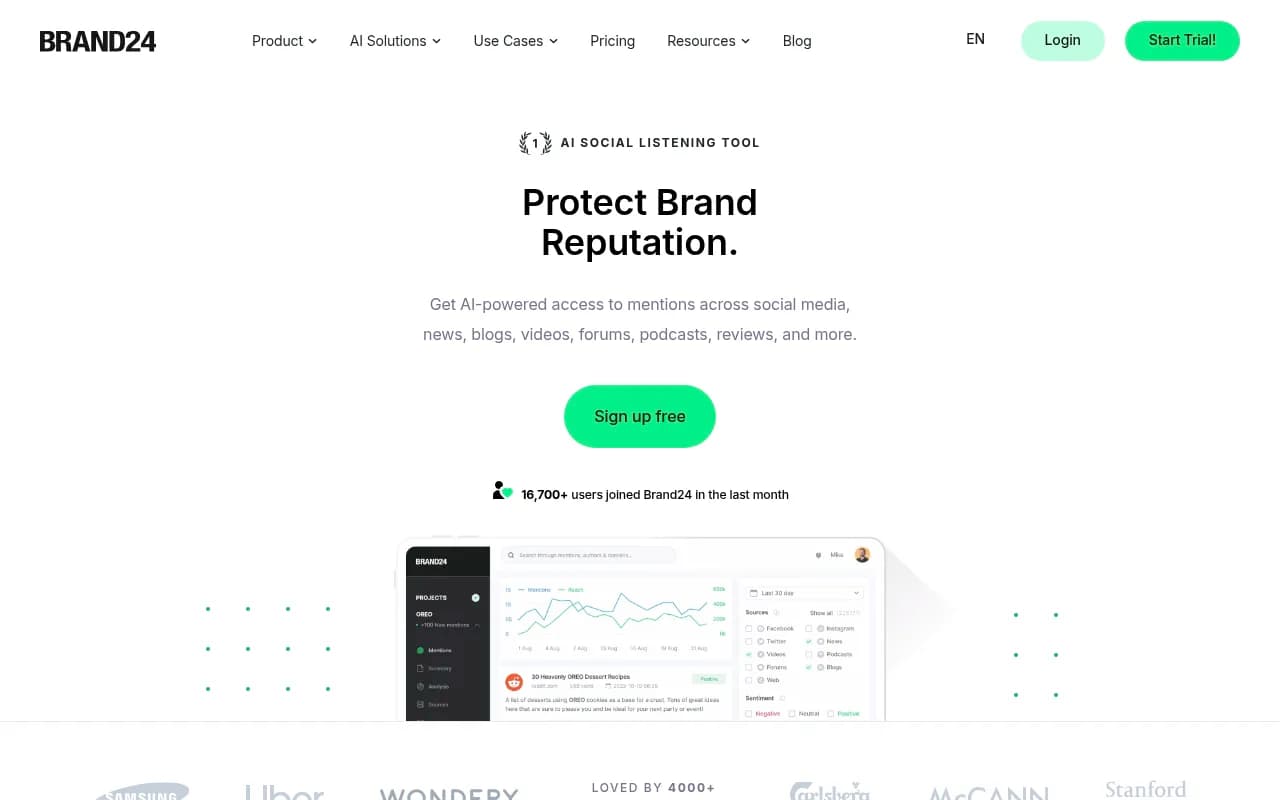
- Brand24 tracks brand mentions across 25M+ sources in real-time
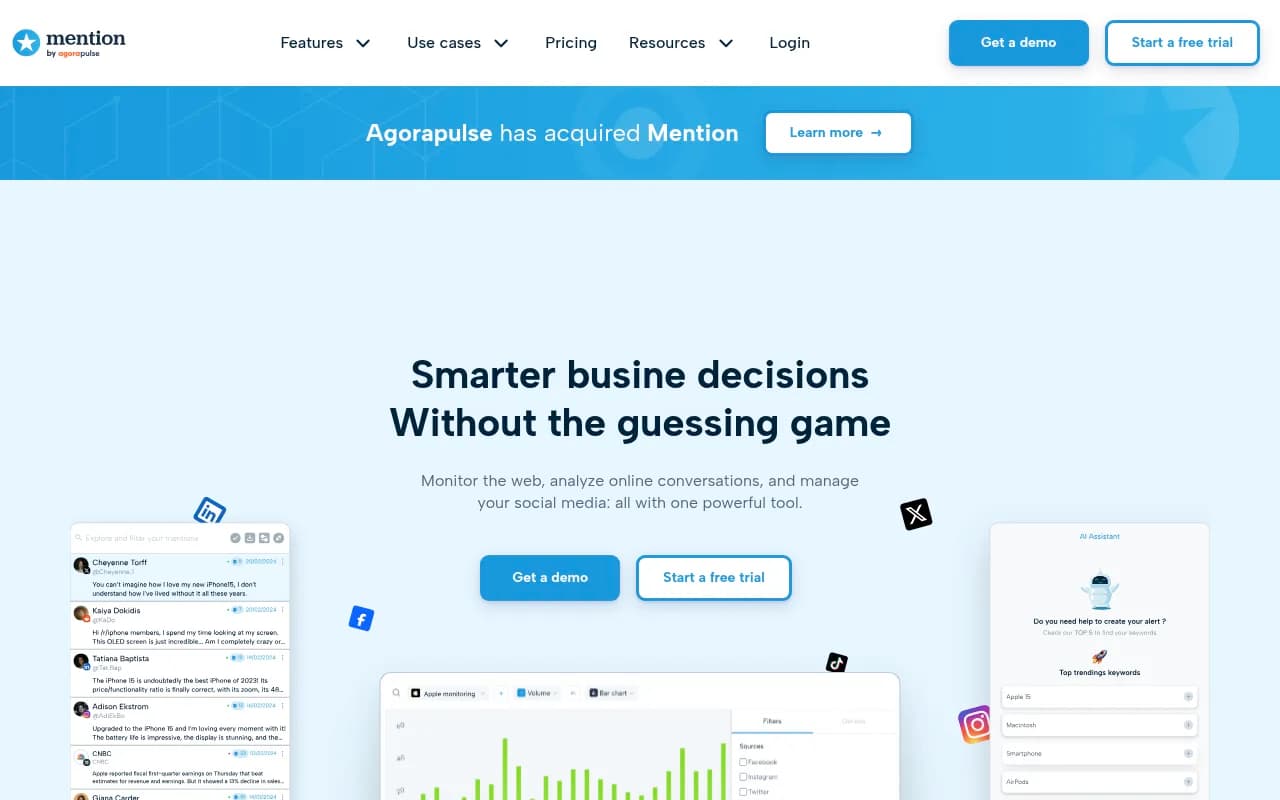
- Mention monitors web, social, and AI mentions
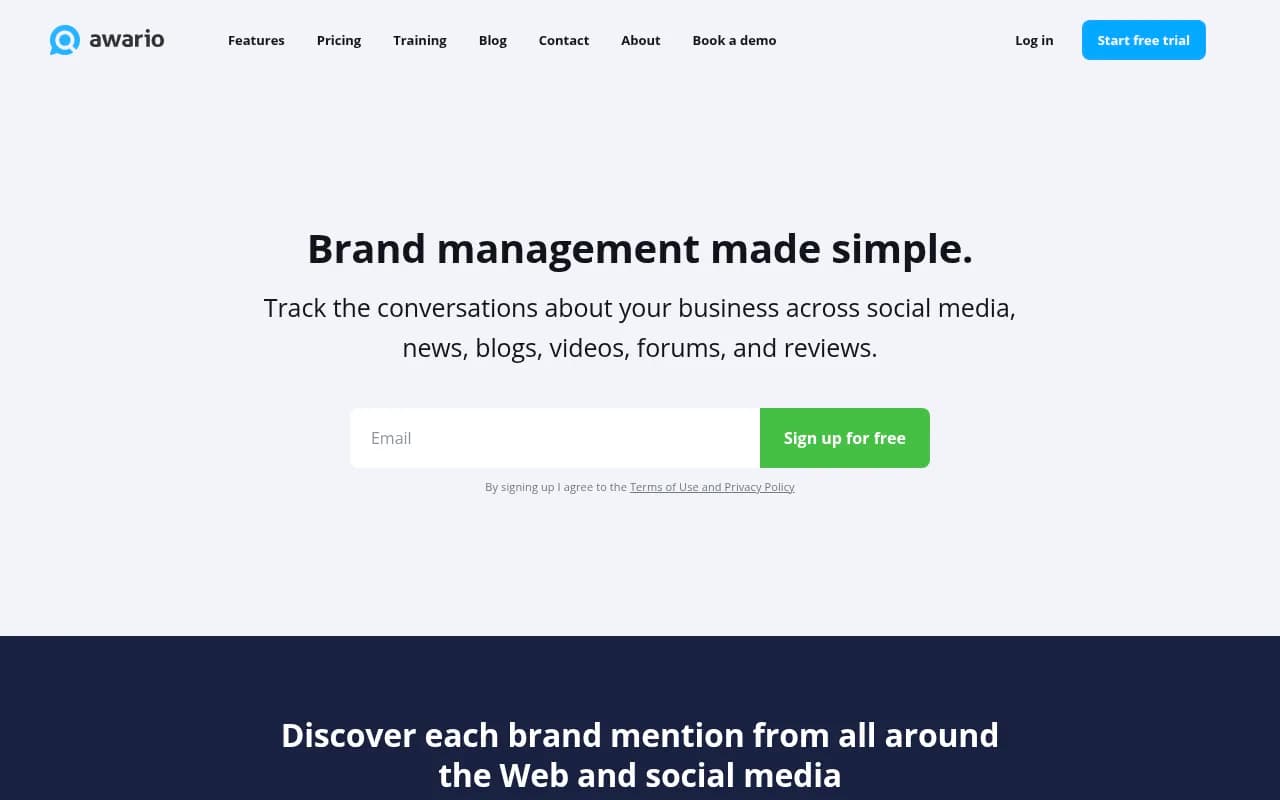
- Awario scans 13 billion web pages and social posts for brand mentions
What to track:
- Citation frequency: How often are you mentioned in AI responses for key prompts in your category?
- Source diversity: Are citations coming from a few sources or many? More sources = stronger signal.
- Context quality: Are you mentioned as a top recommendation, a niche option, or just listed among many?
- Competitor comparison: How does your citation frequency compare to competitors? Where are they being cited that you're not?
Use this data to prioritize where to focus. If Reddit threads drive 40% of your AI citations but you're barely active there, that's a clear opportunity.
Common mistakes to avoid
Mistake 1: Treating external signals like backlinks
Backlinks help your domain authority. External mentions help your topical authority. They're related but not the same. A backlink from a low-quality site might hurt your SEO but not affect AI visibility. A mention in a high-quality Reddit thread might not give you a backlink but could drive AI citations.
Mistake 2: Only focusing on high-authority sites
Authority matters, but so does relevance and recency. A mention in a niche subreddit with 10,000 engaged members can be more valuable than a passing reference in a major publication.
Mistake 3: Ignoring negative mentions
AI models cite negative mentions too. If there's a thread complaining about your product, that can influence AI recommendations. Monitor negative mentions and respond where appropriate -- either by addressing the issue or providing context.
Mistake 4: Expecting instant results
External signals take time to accumulate and for AI models to pick up. You're building a body of evidence across the web. Consistency over months matters more than a single big push.
Mistake 5: Neglecting the basics
External signals work best when your fundamentals are solid. If your website is slow, your product has major bugs, or your messaging is unclear, external mentions won't save you. Fix the foundation first.
Putting it all together: A 90-day external signal plan
Month 1: Audit and baseline
- Use Promptwatch or similar tools to see where you're currently cited in AI responses
- Search for your brand name on Reddit, YouTube, and comparison sites. Document what you find.
- Identify your top 3 competitors and audit their external signals. Where are they mentioned that you're not?
- Create a messaging guide with consistent category, features, use cases, and differentiators
Month 2: Build presence
- Pitch 5 journalists or bloggers with specific, data-driven story angles
- Participate in 10 relevant Reddit threads (answer questions, share insights, mention your product only when it fits)
- Reach out to 3 YouTubers in your space with collaboration ideas
- Claim and complete profiles on G2, Capterra, Product Hunt, and 2 niche directories
- Encourage 10 customers to leave reviews on comparison sites
Month 3: Optimize and scale
- Review citation data from month 1 vs month 2. What's working?
- Double down on the channels driving the most citations
- Create one piece of original research or data that others will want to cite
- Respond to all reviews (positive and negative) on comparison sites
- Audit all external mentions for messaging consistency. Reach out to update outdated information.
The long game
Building AI visibility through external signals is not a hack. It's a sustained effort to become the brand people talk about when they discuss your category.
The advantage: once you've built a strong external signal foundation, it compounds. Each new mention reinforces the pattern. AI models see consistent evidence across sources and become more confident recommending you.
The brands winning in AI search in 2026 aren't necessarily the ones with the best websites. They're the ones with the strongest external validation -- the ones people mention, recommend, and cite when they talk about solving real problems.
You don't need to rebuild your site. You need to build your presence where the conversations are already happening.